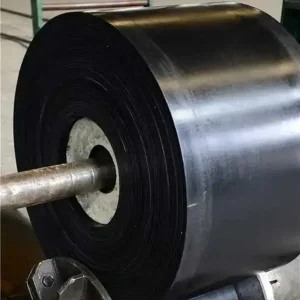
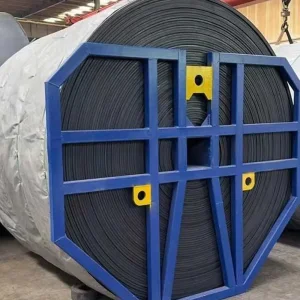
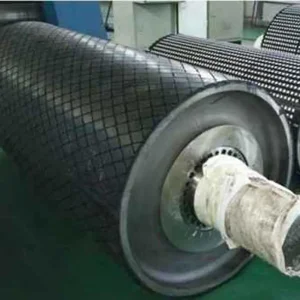
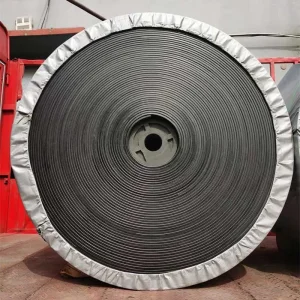
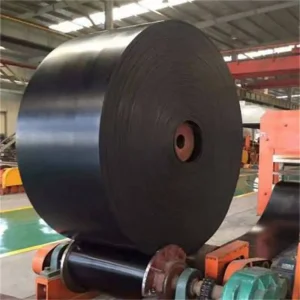
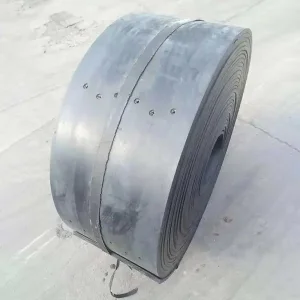
Discover our high-performance industrial conveyor belts designed for extreme chemical, mechanical, and temperature gradients.
Hebei Boao Rubber Technology Co., Ltd. is located in the Rubber Industrial Park of Boye County, Baoding, Hebei Province. Founded in 2004, covering an area of over 30 acres, we supply the globally recognized "Jinao" brand conveyor belts.
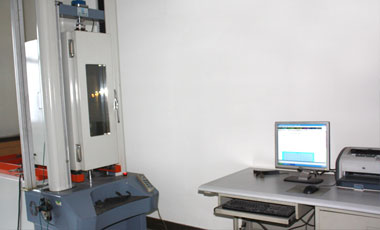
We boast an independent chemical analysis room and physics laboratory. This ensures timely monitoring of every stage from raw material procurement to product delivery. We strictly enforce the principle: unqualified raw materials cannot enter, and non-conforming finished products never leave the facility.
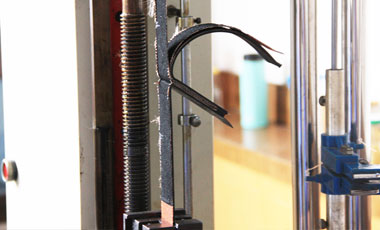
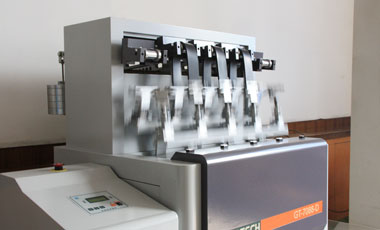
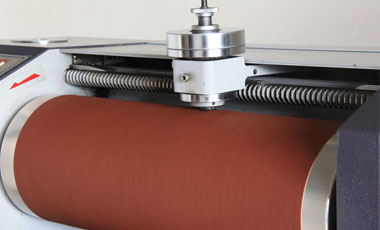
Our team consists of highly experienced quality inspectors using state-of-the-art testing equipment. We execute dynamic physical validation, abrasion resistance indexing, adhesion testing, and vulcanization optimization metrics for consistent heavy-duty performance.
Backed by deep technical expertise and a robust service system, our products are widely utilized throughout steel plants, metallurgical works, coal mines, cement factories, power plants, chemical operations, ports, and deep grain terminals.
A deep dive into advanced polymer engineering, thermal degradation prevention, and global industrial procurement criteria.
In high-capacity material handling, thermal degradation is the primary cause of conveyor belt failure. Under continuous exposure to materials like cement clinker, metallurgical sinter, coke, and slag (with temperatures often exceeding 200°C), traditional Styrene-Butadiene Rubber (SBR) compounds degrade rapidly, leading to cracking, hardening, and cover delamination.
To combat this, Hebei Boao Rubber Technology integrates specialized Ethylene Propylene Diene Monomer (EPDM) and Ethylene Propylene Rubber (EPM) base polymers. These materials feature a fully saturated polymer backbone that resists oxidative thermal degradation, guaranteeing structural stability under prolonged heat cycles.
Technical Note: EPDM polymers maintain elastic properties under continuous thermal stress, reducing cover rubber cracking by up to 65% compared to standard blends.
Industrial procurement teams must define exact material temperature profiles. Operating conditions are classified into four international standards:
| Heat Class Designation | Continuous Operating Temp | Peak Surge Temp | Typical Materials Handled |
|---|---|---|---|
| Class T1 (T1) | Up to 125°C | 150°C | Sized Coal, Foundry Sand, Phosphates |
| Class T2 (T2) | Up to 150°C | 175°C | Hot Cement Clinker, Coke, Soda Ash |
| Class T3 (T3) | Up to 175°C | 200°C | Metallurgical Sinter, Hot Slag, Pellets |
| Class T4 (T4 / Super Heat) | Up to 200°C | 400°C | Hot Sinter, Calcined Ore, Ash, Foundry Discharge |
Modern procurement strategies are moving away from prioritizing lowest initial purchase price. Leading global operations instead analyze the Total Cost of Ownership (TCO). This evaluation focuses on belt service life, structural integrity at joints, splice reliability under thermal expansion, and reduction of unplanned maintenance downtime.
Key indicators for high-performance EPDM conveyor belts include:
Take a virtual look inside Hebei Boao Rubber Technology's manufacturing floor, testing laboratories, and automated compounding centers.
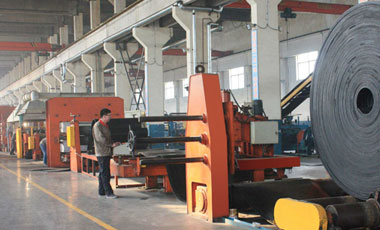
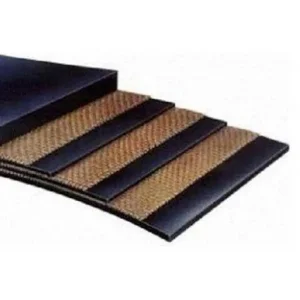
High-precision tensioning and layering of multi-ply fabric belts.
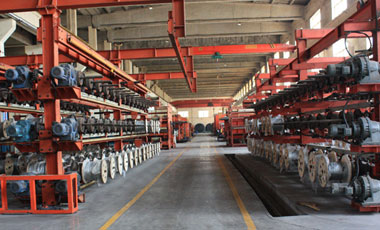
Heavy industrial steel wire insertion for high-tensile strength applications.
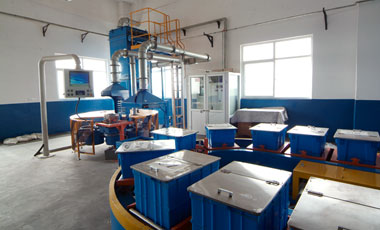
Automated precision distribution of chemical agents and raw rubber.
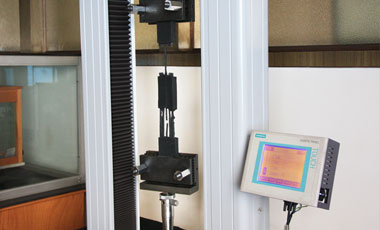
Evaluating adhesion properties between vulcanized rubber and steel cables.
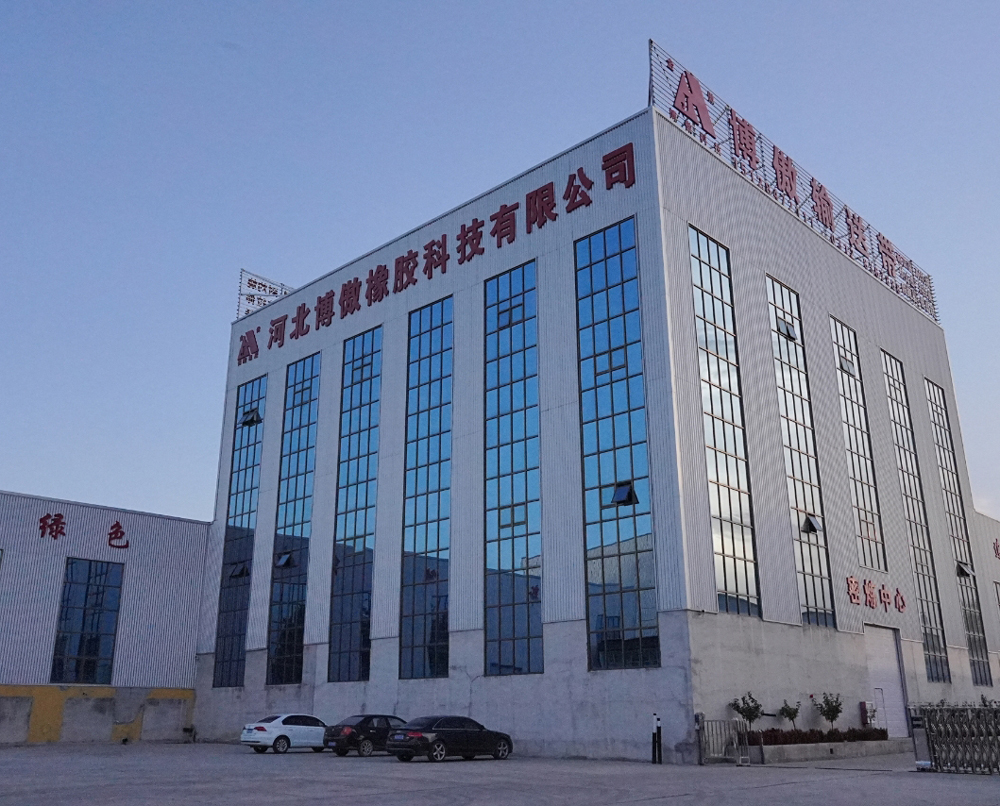
We supply heavy conveyor belting solutions for domestic and international industrial giants in coal, steel, cement, and power generation.
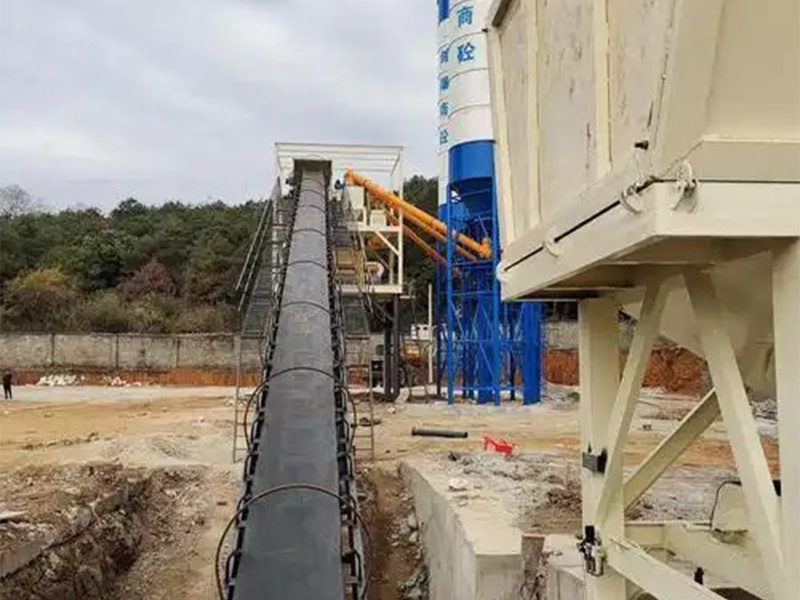
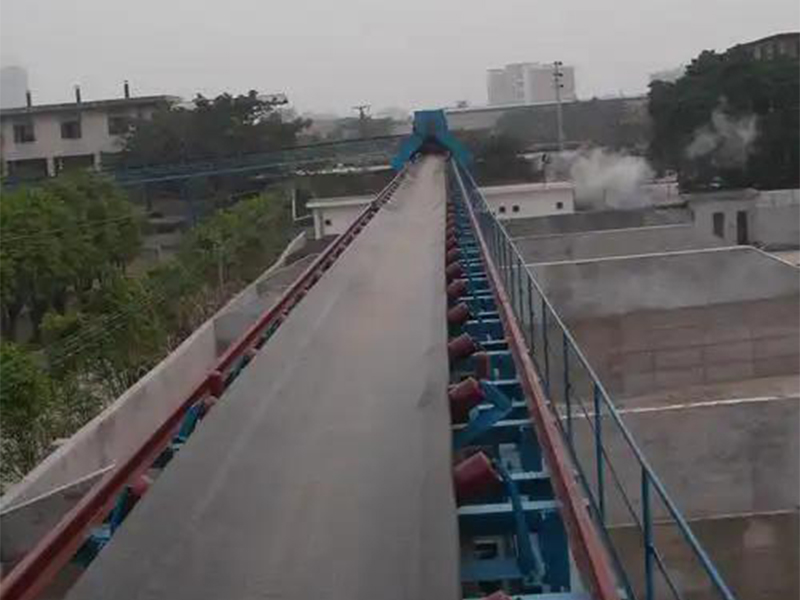
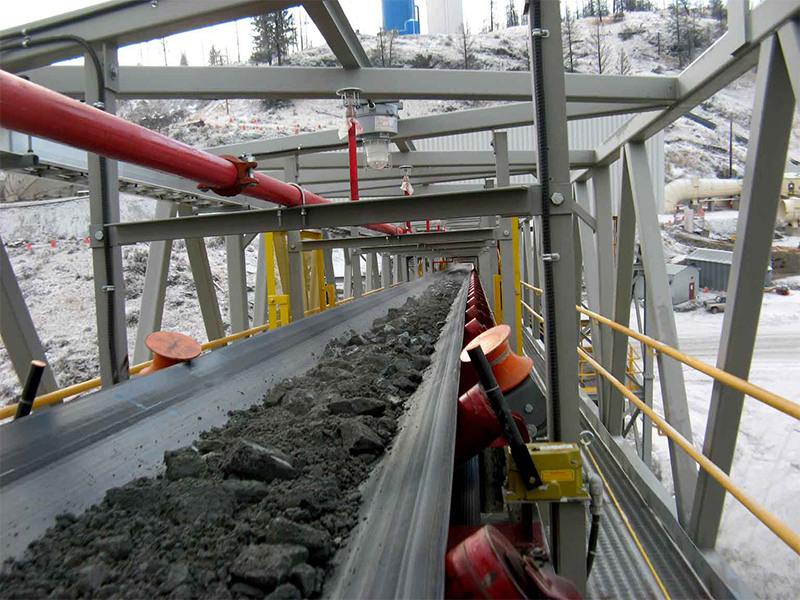
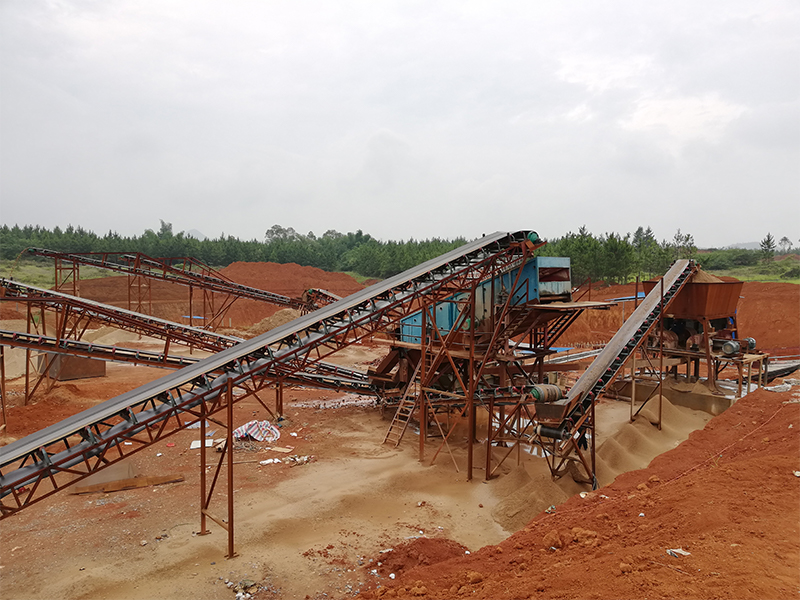
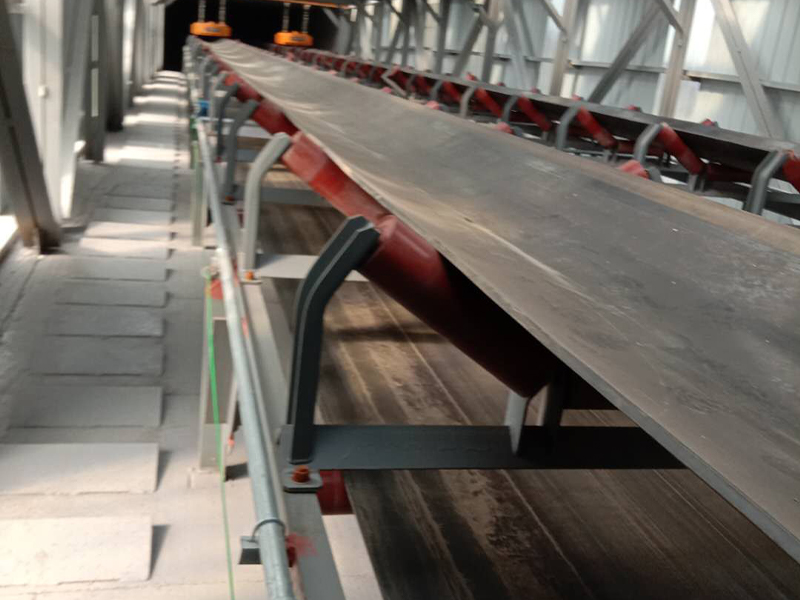
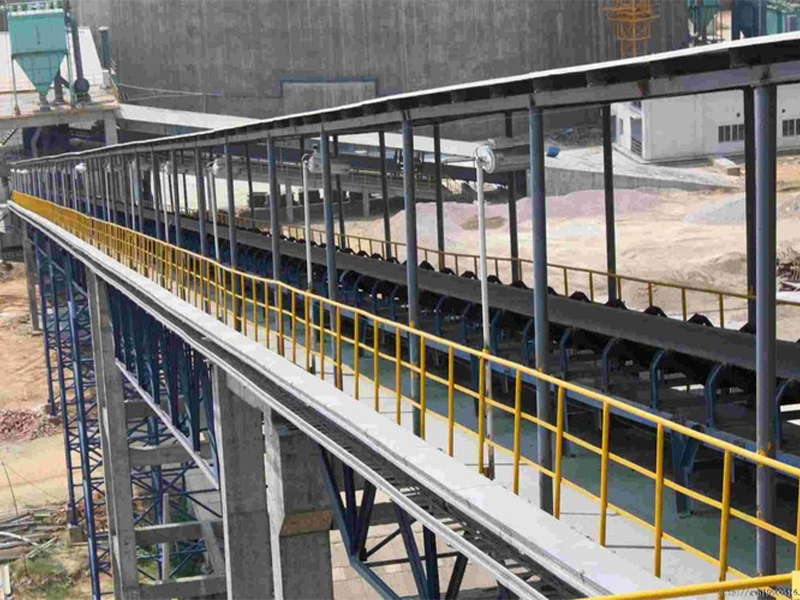
Skip the hassle of sourcing from multiple vendors. Our factory supplies comprehensive service support, preventive inspection, and emergency repair options.
We supply fabric and steel cord conveyor belts along with essential spare materials. We support partners with safety stock calculations, warehousing, daily monitoring, scheduled belt joints, cover rubber restoration, and urgent repair callouts.
Our program targets key efficiency indices: increasing belt system reliability, lowering energy draw, avoiding belt deviation, reducing wear rates, and helping clients minimize overall lifecycle costs.
We provide detailed engineering guidance for hot splicing, tracking alignments, mechanical repairs, structural enhancements, and tension configurations to prolong belt performance.
Answers to crucial engineering questions on material performance, design choices, and maintenance guidelines.
Engineered for high-inclination bulk transport, extreme heat protection, and low-temperature resilience.
 Boao Rubber