Engineered to handle extreme loads, harsh temperatures, and highly corrosive materials across global supply chains.
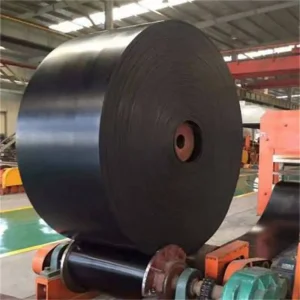
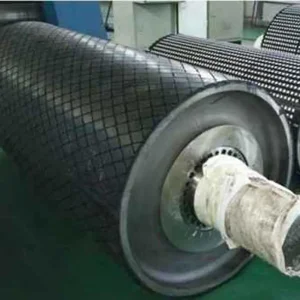
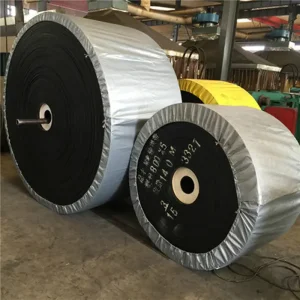
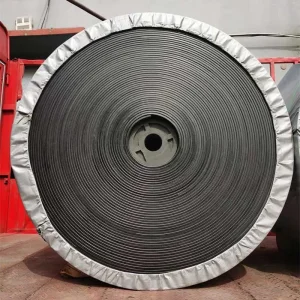
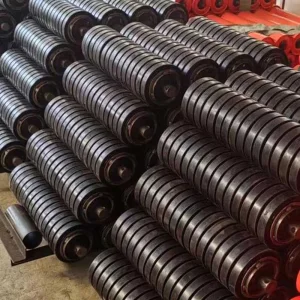
A trusted leader in premium industrial rubber conveyor manufacturing and design since 2004.
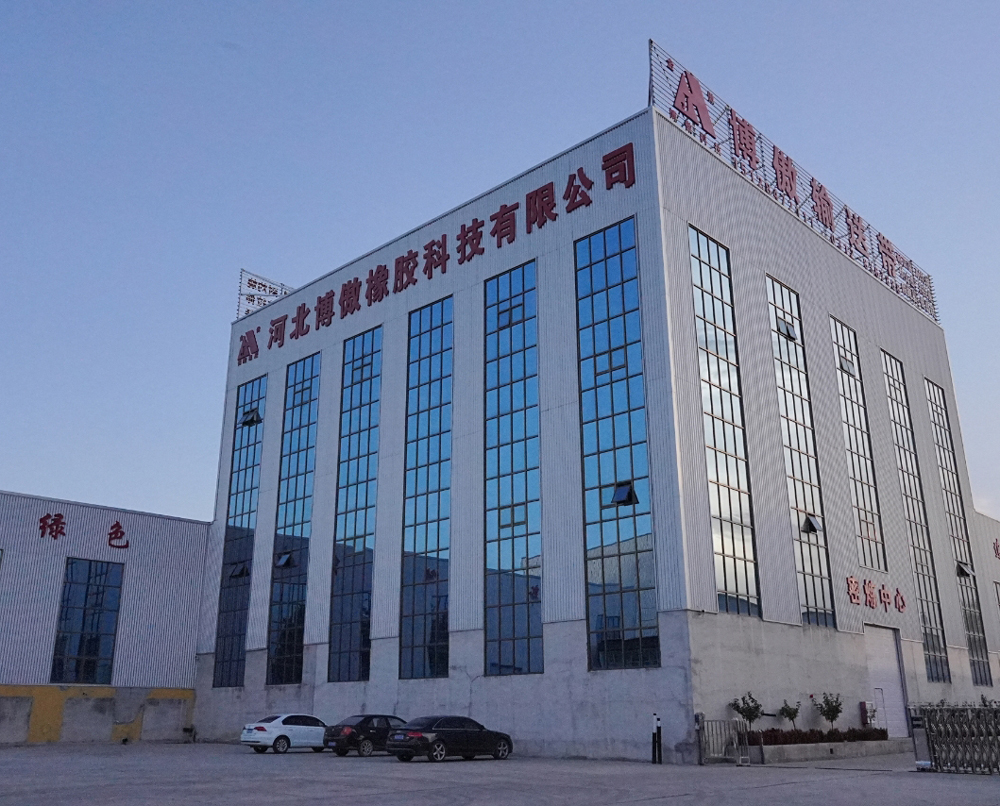
Located in the heart of the Boye Rubber Industrial Park, Baoding, Hebei Province, Hebei Boao Rubber Technology Co., Ltd. spans over 30 acres of modernized manufacturing facilities. For over 22 years, our signature brand "Jinao" has represented unparalleled durability and high-performance logistics components.
We are a vertically integrated manufacturer specializing in the comprehensive lifecycle of conveyor belts—ranging from compound R&D and mechanical design to precision calender pressing, vulcanization, and logistics deployment. Our facility strictly operates under globally recognized international quality management system certifications to guarantee complete reliability for every batch we ship.
Understanding why heavy-duty industries are switching to high-inclination cleated transport layouts.
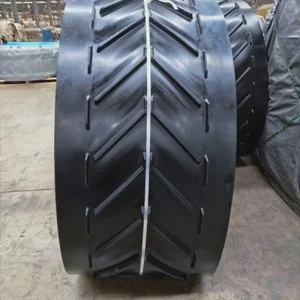
Modern industrial supply chains demand extreme volumetric efficiency and minimal footprint. Traditional flat conveyor belts face physical limitations when negotiating inclines steeper than 15 to 18 degrees, as material slippage and gravitational rollback drastically degrade flow rates. To bypass these limitations, mining operators, agricultural storage terminals, and steel conglomerates globally procure Herringbone (Chevron) Conveyor Belts.
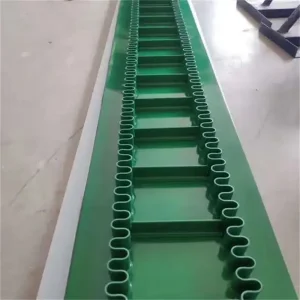
By using raised, molded rubber cleats arranged in a "V" structure (open or closed profiles), Herringbone belts allow the steep transport of loose, heavy materials such as coal, iron ore, sand, gravel, and agricultural grains at angles ranging from 20 to over 40 degrees. This capacity allows plant designers to minimize horizontal floor space requirements and optimize layout footprints.
Procuring entities focus heavily on safety ratings, low greenhouse gas emissions during manufacturing, and strict compliance with DIN 22102 and CEMA layout regulations. Fire-retardant (MSHA/EN12882) and low-rolling-resistance rubber compounds are key requirements.
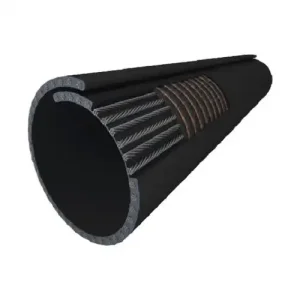
High-capacity copper, gold, and iron ore extraction operations require thick-plies and heavy-duty steel cord bases coated with highly wear-resistant rubber to withstand dynamic impact, cutting, and extreme abrasive friction.
Driven by massive concrete production and thermal power expansions, regional procurements prioritize high heat resistance and optimized water-drainage groove geometries to prevent materials from washing off during heavy monsoon seasons.
Engineered layout systems that resolve mechanical challenges across critical industrial sectors.
For more than two decades, Hebei Boao Rubber Technology's "Jinao" brand has served key industrial applications. We don't just supply a rubber belt; we design integrated conveyor systems containing belt casings, troughing rollers, impact beds, and driving accessories.
| Target Industry | Specific Challenge | Boao "Jinao" Engineered Solution | Operational Metric Improvement |
|---|---|---|---|
| Steel & Metallurgy | Highly abrasive sinter, hot coke, and dry iron ore concentrates causing quick belt wear and heat failure. | EP/Steel Cord conveyor belts with dynamic EPDM-based heat-resistant covers (up to 200°C - 400°C). | Extended belt service life by 35% under constant thermal exposure. |
| Coal & Underground Mining | High threat of methane fire propagation and vertical drop impacts in confined galleries. | Flame-retardant (FR) rubber compounds with steel cord reinforcement and buffer idlers to absorb impact. | Fully compliant with international safety standards; zero static spark buildup. |
| Cement & Aggregate | Steep vertical raw meal feed transport pathways causing material slip and high dust emissions. | Herringbone / Chevron patterned belts integrated with self-cleaning trough idlers. | Elimination of material rollback on inclines up to 35°; reduced spillage cleanup costs by 60%. |
| Bulk Ports & Terminals | Corrosive maritime air, humidity, dynamic salt water exposure, and heavy load variation during vessel loading. | Acid and Alkali resistant, salt-spray protected outer covers coupled with high-impact rubber buffer rollers. | Continuous offshore loading operations with reduced pulley wear and carcass degradation. |
| Agri-Grain Silos | Delicate grain transport at high speed without kernel breakages or organic oil decay of rubber covers. | Lightweight food-grade PVC-PU belts and specialized chemical-resistant low-abrasion covers. | Preserved food product purity; zero oil-swell degradation on the conveying surface. |
Deep dive into the mechanical properties and vulcanized patterns engineered by Boao.
The performance of a herringbone conveyor belt depends directly on its profile geometry. At Boao Rubber Technology, our engineering department designs cleat profiles where the cleats are molded integrally with the top cover of the belt. This monolithic vulcanization technique avoids the risk of cleat delamination experienced by competitors who glue or cold-bond cleats to their belts.
Our standard profiles include:
These profiles can be customized with cleat heights of 5mm, 15mm, 25mm, or 32mm depending on the maximum slope angle and material grain size.
Boao develops specialized rubber compounds tailored to specific project requirements:
| Nylon (NN) Carcass | High elasticity, superior flex life, excellent impact resistance. |
| Polyester (EP) Carcass | Low structural elongation under tension, high dimensional stability. |
| EPDM / Heat Cover | Resists cracking and hardening under extreme thermal exposure. |
| CR / Flame Retardant | Self-extinguishing rubber matrix for hazardous atmospheres. |
Verifying performance integrity from raw polymers to finished industrial rolls.
We believe that a conveyor system is only as strong as its weakest vulcanized splice or fabric ply. To maintain strict reliability, Hebei Boao Rubber Technology operates an independent chemical analysis room and physics laboratory. Our technicians test every shipment of raw natural rubber, synthetic polymers, tensile fabric webs, and steel cord structures before release to our production line.
Using rheometers and chemical analysis, we verify polymer purity and cross-linking metrics. Only raw materials meeting our internal quality guidelines are accepted into our mixing center.
Our peeling test equipment continuously measures the adhesion strength between the rubber cover and fabric/steel layers. This ensures our belts resist separation under high-stress operation.
Using DIN abrasion testers and dynamic fatigue machines, we simulate years of abrasive contact under full loads to confirm that the belt will withstand long-term operational wear.
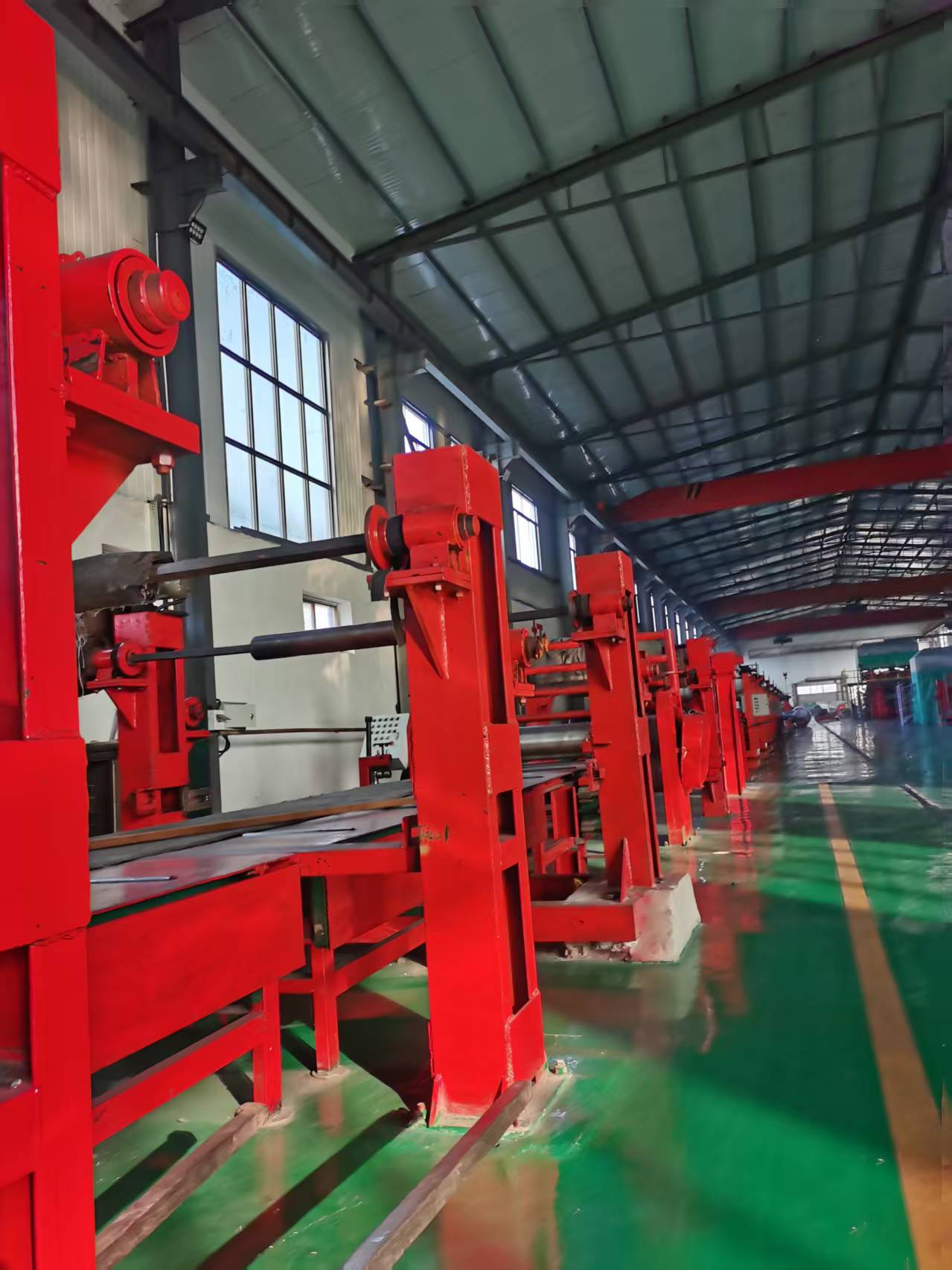
Mixing & Calendering Equipment
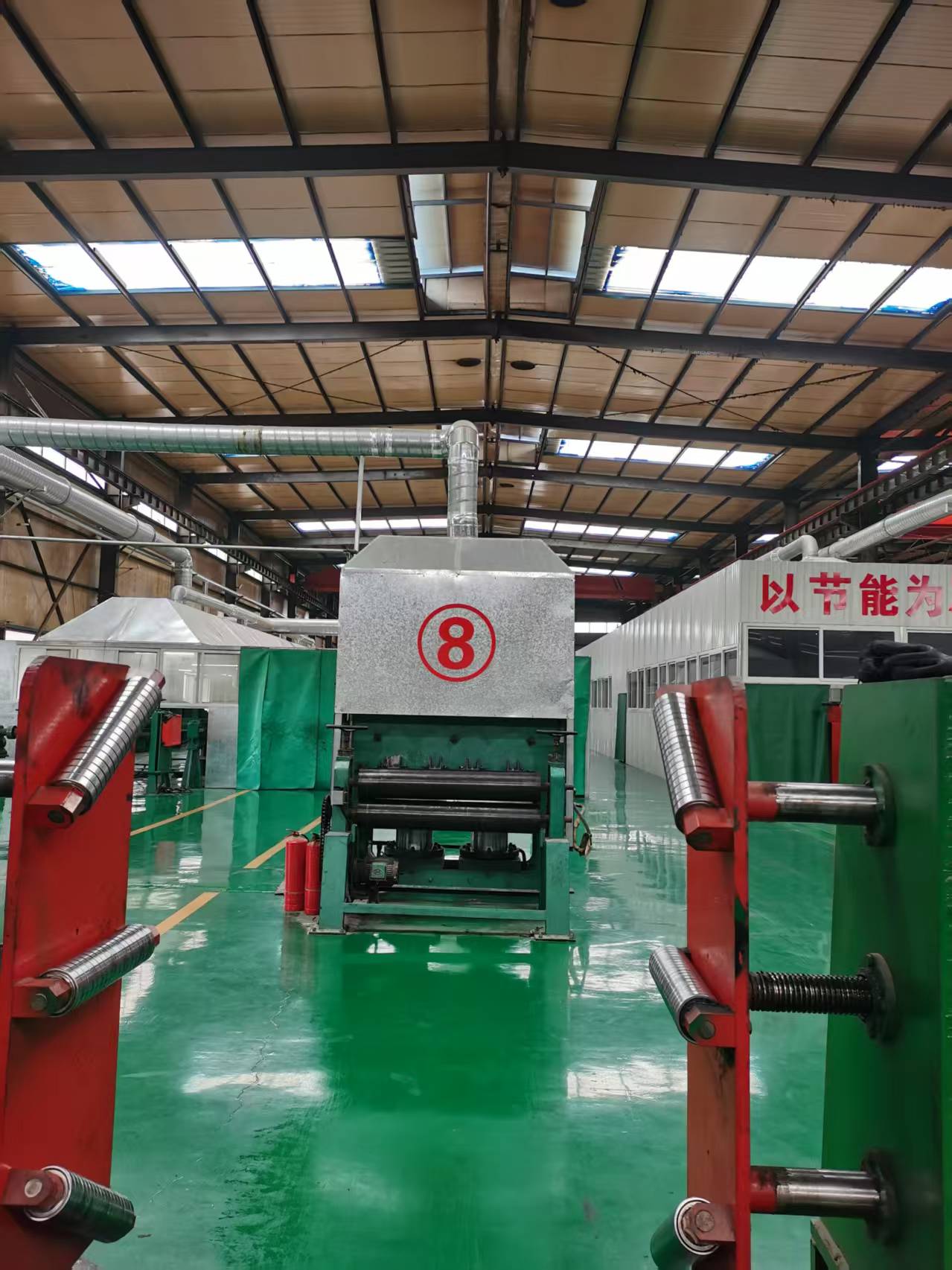
Vulcanization Press Machine
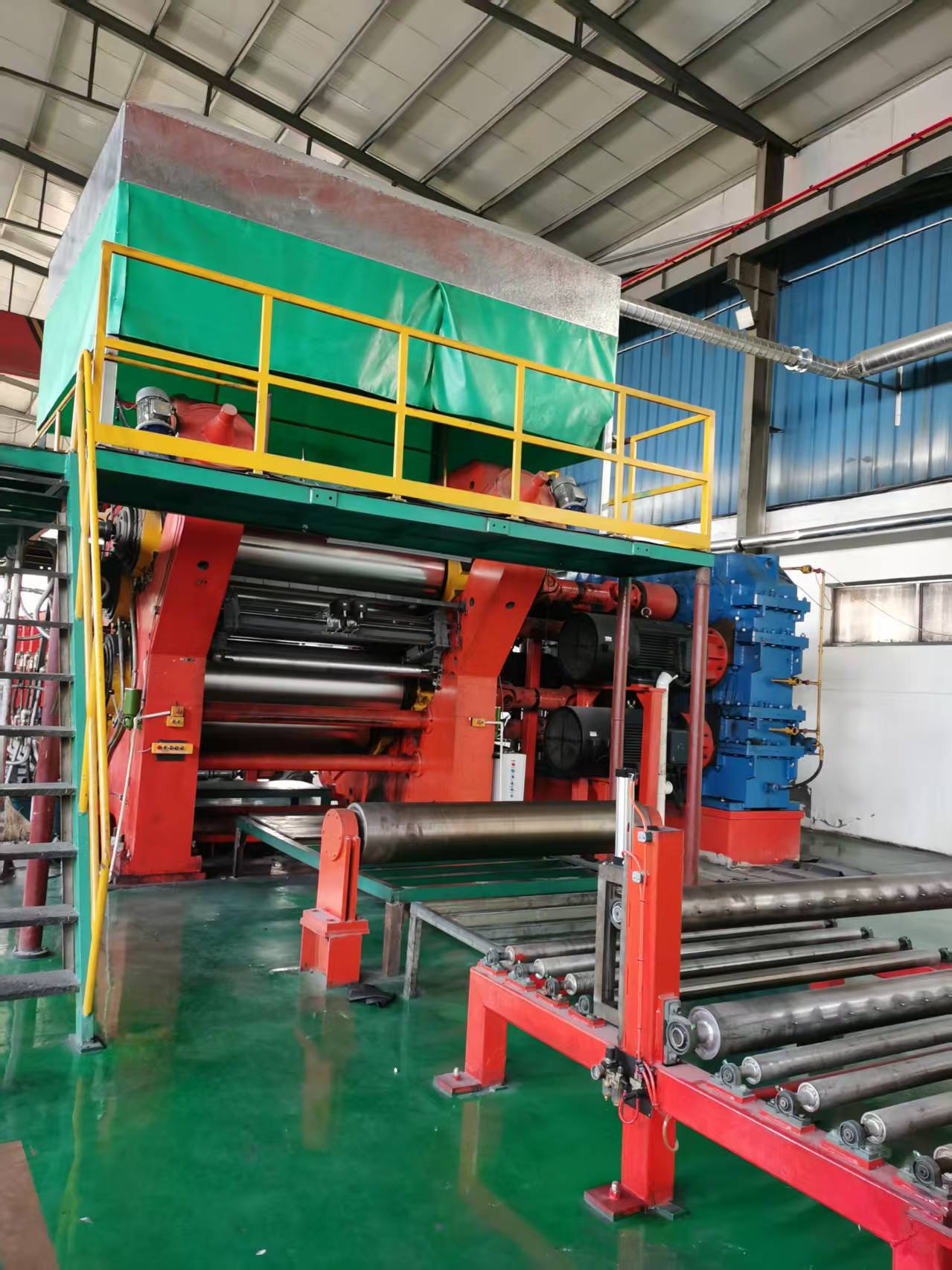
Fabric Conveyor Calender
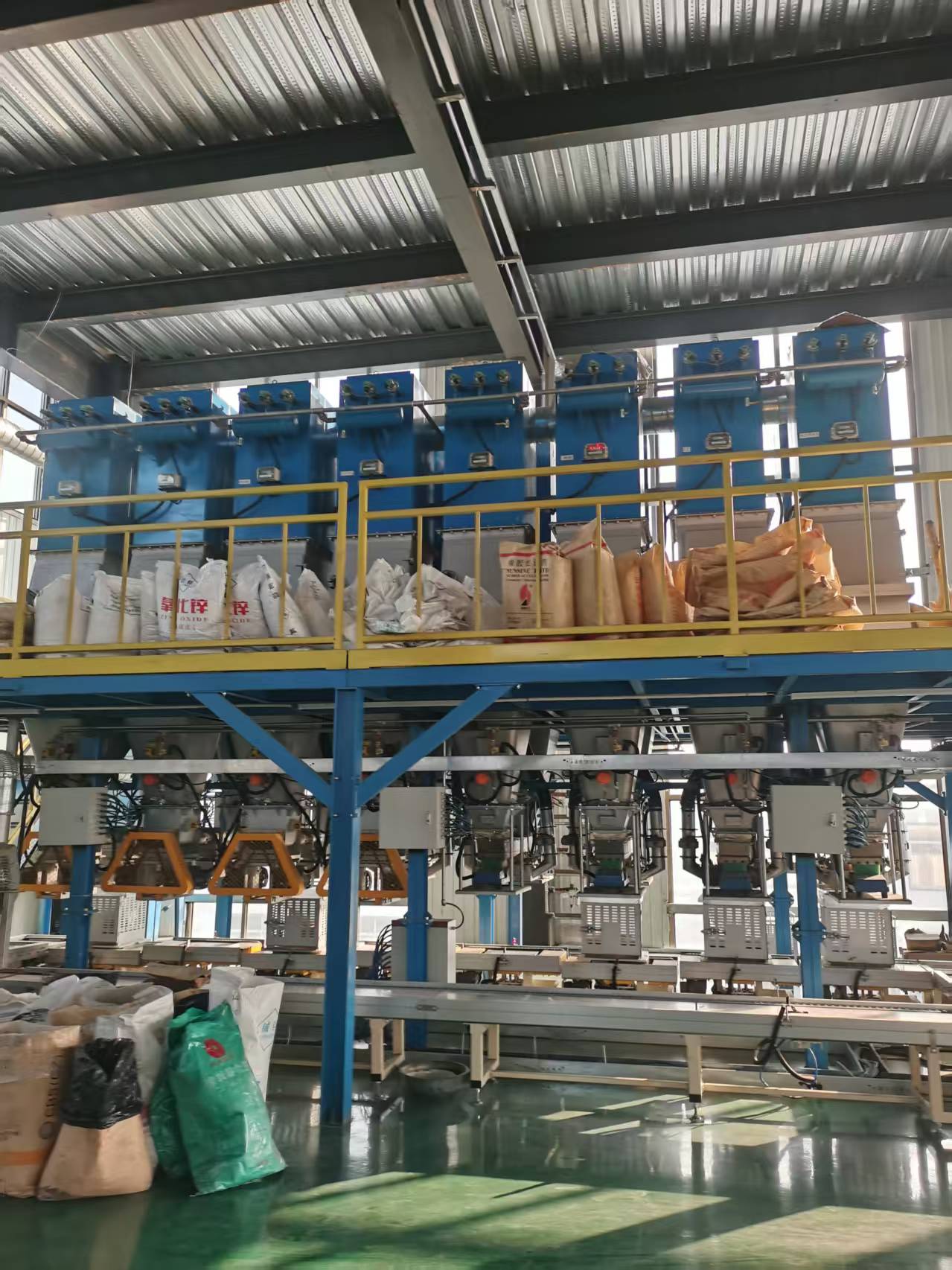
In-House Testing Facility
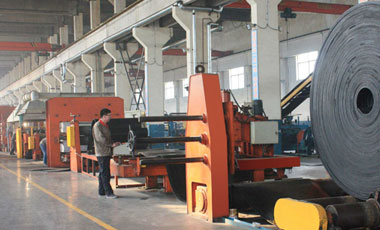
Production Line of Fabric Belt
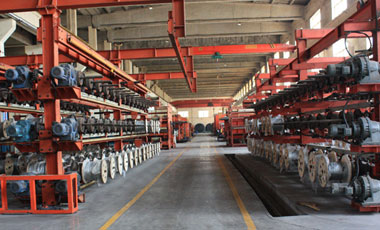
Steel Cord Belt Production
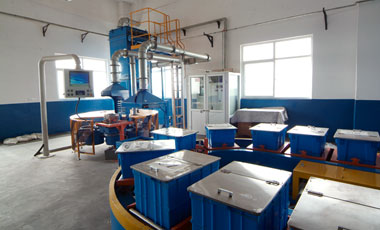
Proportioning Room of Mixing Center
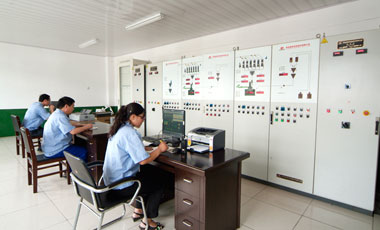
Proportioning System of Mixing Center
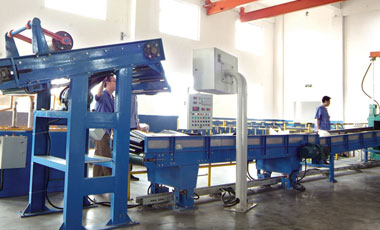
Raw Material Feeding Device
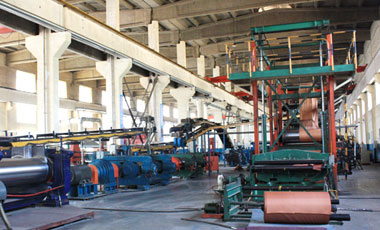
Calendering & Shaping Unit
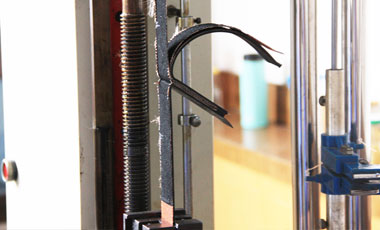
Peeling Adhesion Test Unit
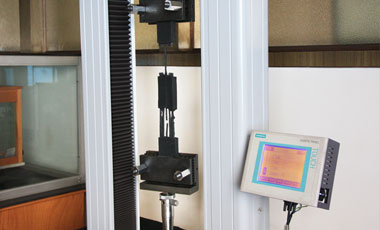
Steel Cord Pull-out Tester
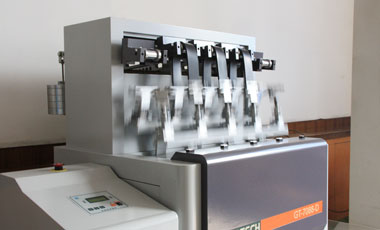
Dynamic Fatigue Tester
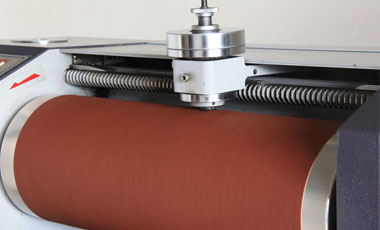
Abrasion Tester (DIN Spec)
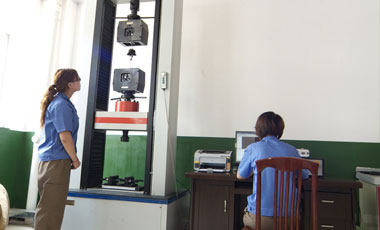
Material Wear Loss Tester
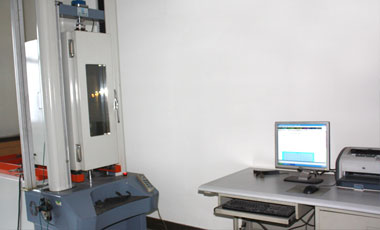
Physical Property Assays
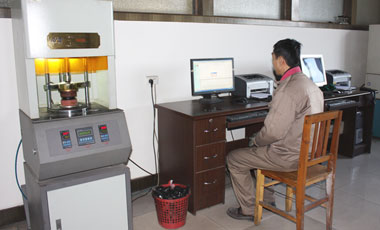
Tensile Strength Test Device
Reliable operations in extreme environments for major heavy industrial operations.
We work closely with major design institutes, EPC global contractors, and industrial operators to resolve complex logistics bottlenecks. Below are some of the key partnerships utilizing our conveyor technology:
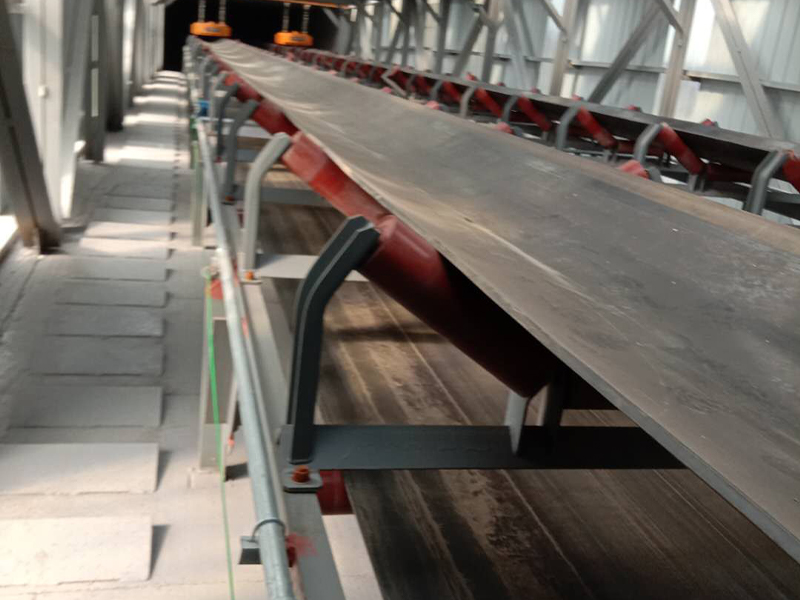
Taihang Steel Group
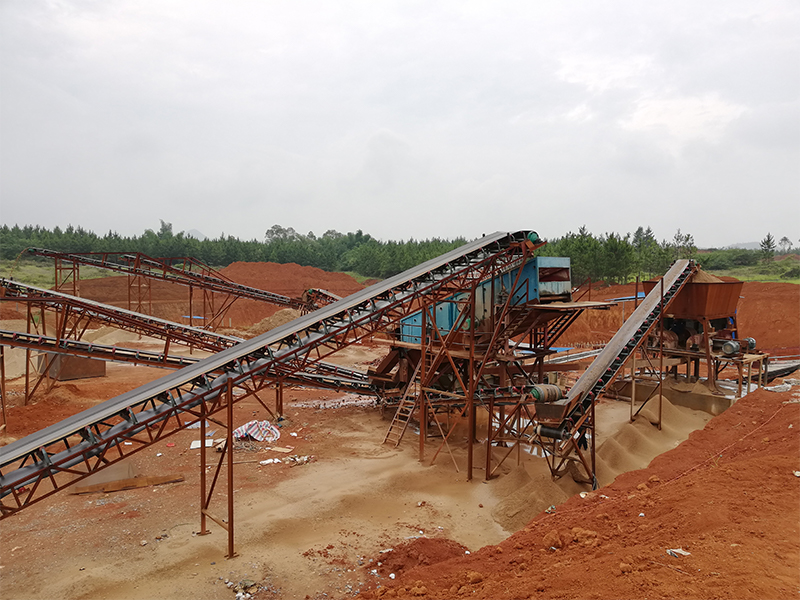
Tsingshan Group
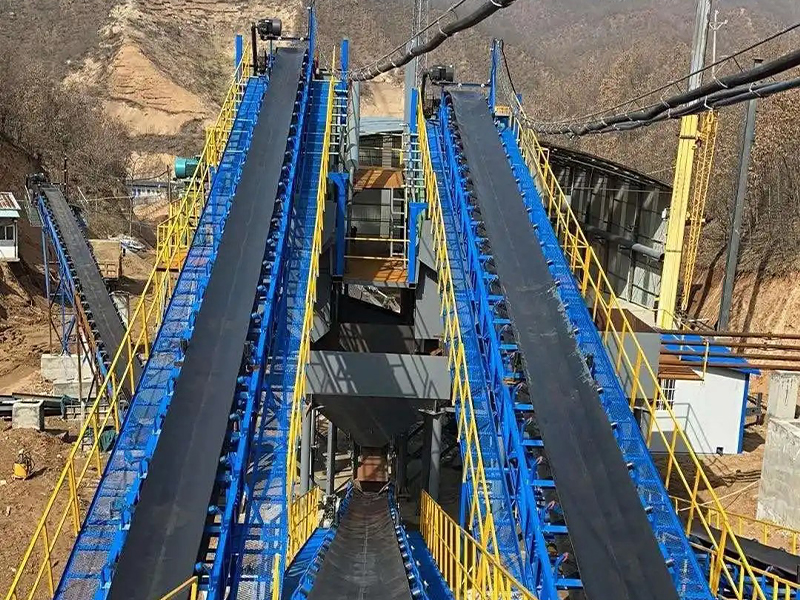
Zijin Mining Group
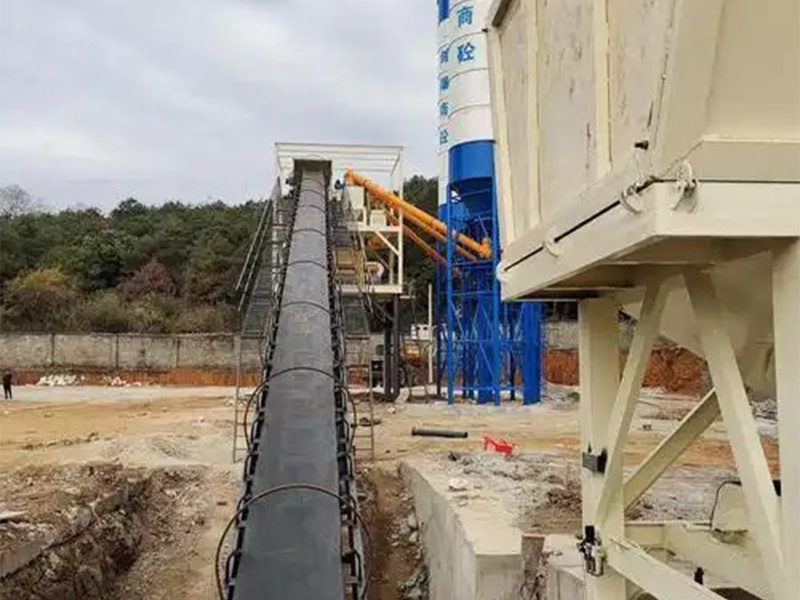
China Railway Mixing Plant
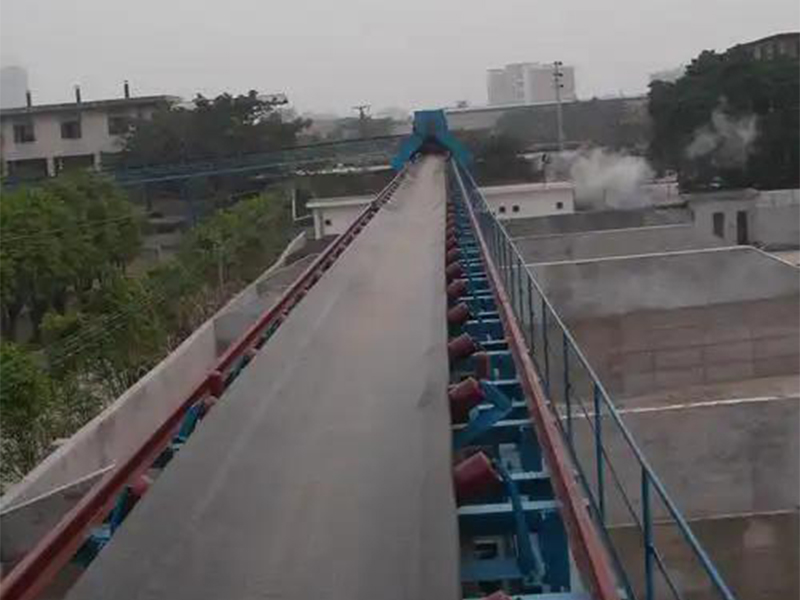
Conch Cement Group
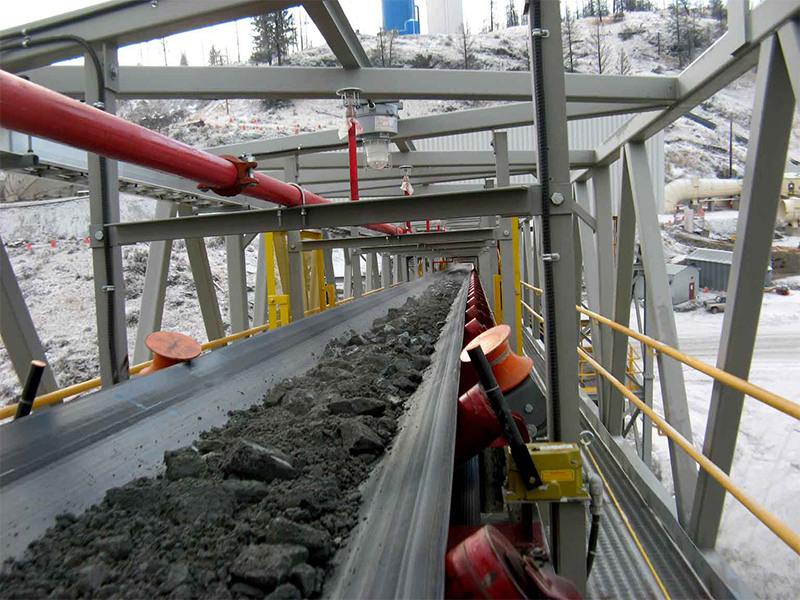
Datong Coal Group
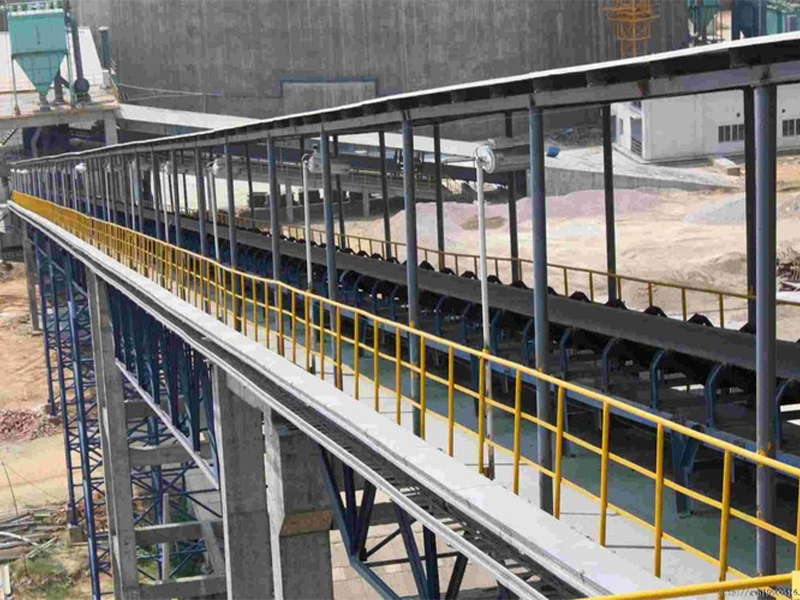
Jidong Cement Group
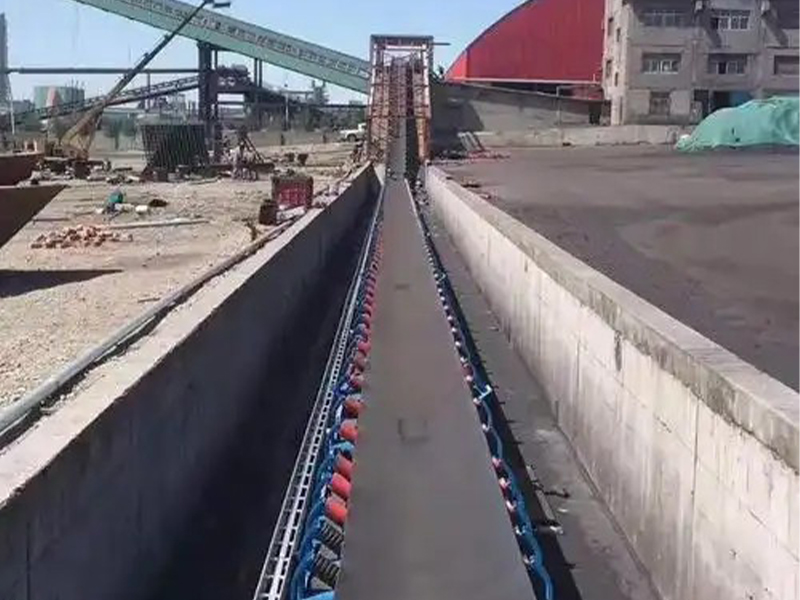
Jinmei Group Coal Transport
Developing next-generation bulk conveying materials and smart monitoring systems.
As heavy industry moves toward automation, sustainability, and data-driven preventive maintenance, Hebei Boao Rubber Technology is updating its manufacturing processes to align with these trends:
Our engineering team is testing conveyor belts embedded with RFID chips and inductive sensor loops. These sensors track carcass stress, monitor splice stretch, and identify tear incidents in real-time, allowing operators to prevent catastrophic failures.
To support global carbon reduction goals, we are testing plant-derived process oils and recycled polymer additives. These components reduce the environmental footprint of our rubber compounds without affecting tensile strength or abrasive wear life.
Ensuring smooth plant operations and regulatory compliance in every region.
Our products comply with international engineering and manufacturing standards. Boao holds certificates across multiple regional frameworks, confirming that our materials meet strict quality and safety criteria.
Approved Standards Compliance: API 6D, API 607, CE, ISO9001, ISO14001, ISO18001, TS.
Beyond supplying conveyor belts, we provide full technical support. Our engineers assist with custom configuration designs, offer guidance on splicing and vulcanization, and provide advice on tracking adjustments. We maintain safety stocks for regular clients to ensure fast shipment and reduce system downtime during unplanned maintenance.
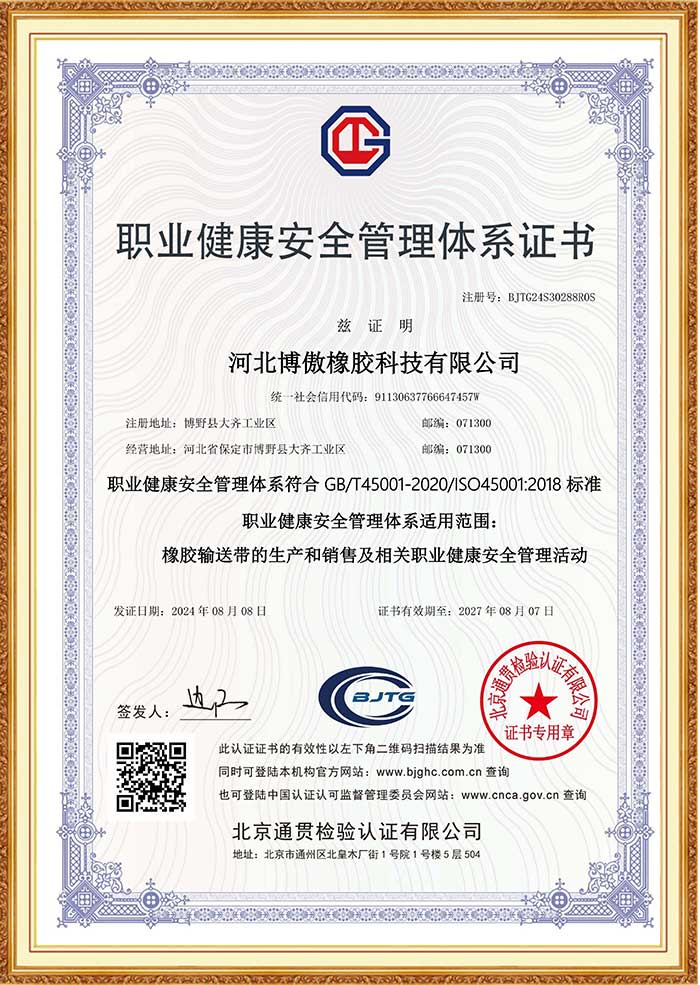
System Standard Certification
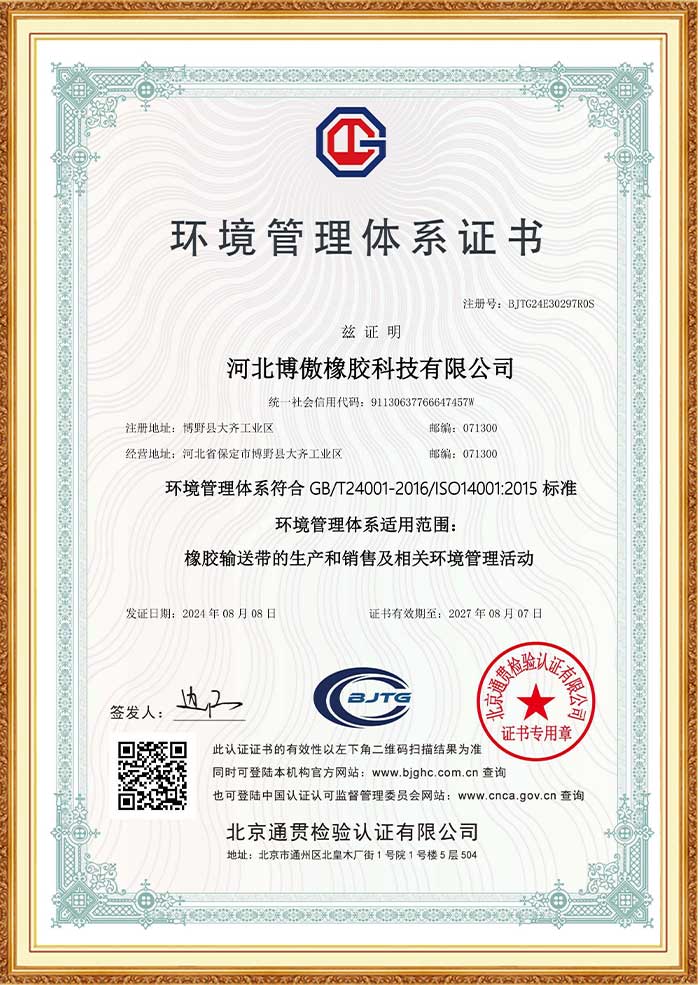
Environmental Certificate
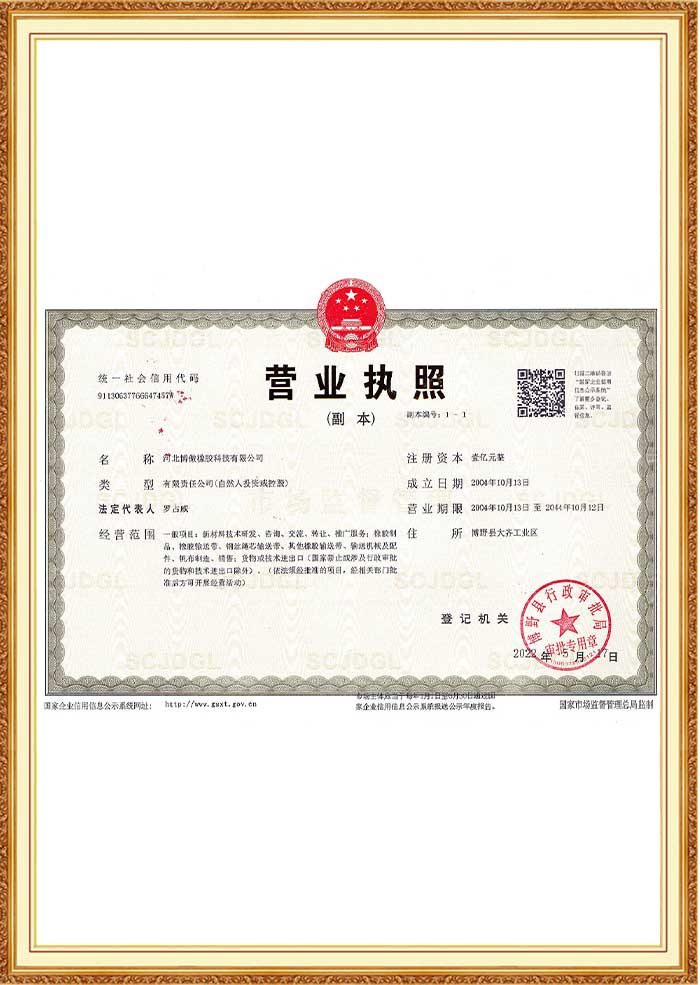
Occupational Safety Certificate
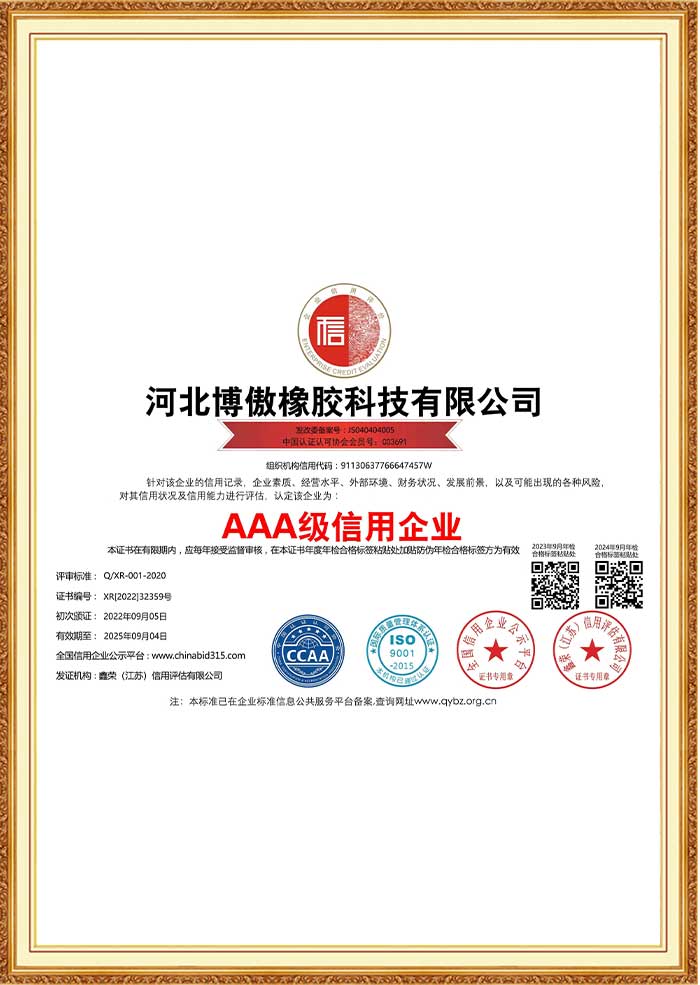
Production License Registry
Detailed technical answers to common queries from procurement specialists and systems engineers.
Our Herringbone (Chevron) conveyor belts can operate at incline angles ranging from 20° to 40°. The maximum operational angle is determined by the material's angle of repose, moisture level, grain size, and the height of the cleats (ranging from 5mm up to 32mm). Wet materials or spherical items like gravel require deeper V-patterns to prevent rollback, whereas dry, uniform materials can handle steeper angles.
Boao's Jinao brand chevron belts feature integrally molded cleats that are vulcanized directly with the belt's base compound during production. This creates a single, monolithic rubber structure. Cold-bonded or glued cleats tend to peel off under stress, dynamic flex cycles, or during contact with belt scrapers. Our integrally molded cleats offer high durability and structural reliability.
We supply rubber covers suited for various industrial environments. Options include: Heat-Resistant covers (handling up to 200°C constantly, with peaks at 400°C), Cold-Resistant compounds (designed to remain flexible down to -40°C), Acid & Alkali resistant covers for chemical processing plants, and Oil-Resistant polymers for organic waste and treated materials handling.
Nylon (NN) fabric offers high elasticity, high tensile strength, and excellent impact absorption, making it suitable for long-distance transport handling large, heavy rocks. Polyester (EP) fabric has a lower elongation rate under tension, which prevents the belt from stretching excessively over long periods, reducing the required distance for gravity take-ups.
We perform physical and chemical testing on all materials, from raw ingredients to finished rolls. Our in-house testing facility performs peeling tests to confirm ply adhesion, steel cord pull-out tests to measure reinforcement bond strength, and DIN abrasion testing to verify low cover wear. We document and track each production batch for quality assurance.
Explore our full line of industrial rubber belts and support accessories manufactured in our Hebei facility.
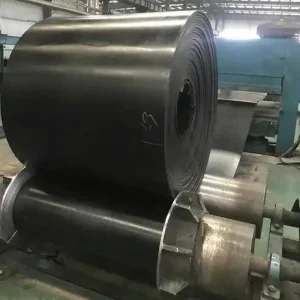
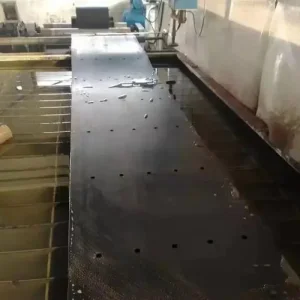
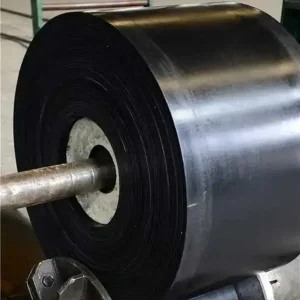
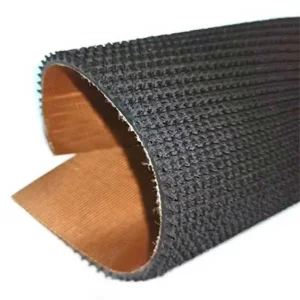
Our engineering team helps design efficient conveying systems for industrial plants. Contact us for custom belt profiles, technical data sheets, or dynamic load calculations.
Technical Service Coverage: Planned belt replacement schedules, custom vulcanized splice designs, emergency maintenance training, and inventory optimization programs.
Submit your technical parameters (incline angle, bulk density, material type) to receive a customized system layout quote within 24 business hours.
Contact Our Engineering Team Boao Rubber