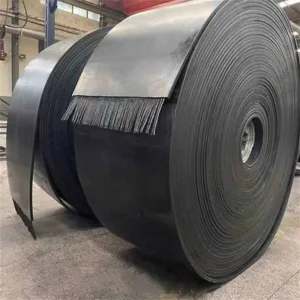
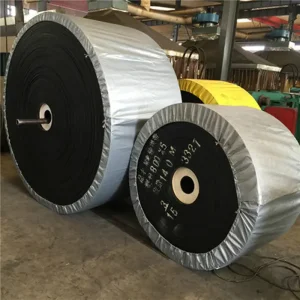
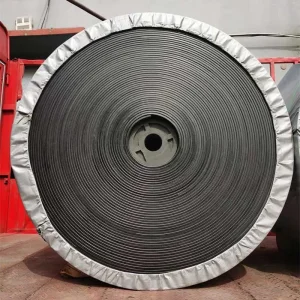
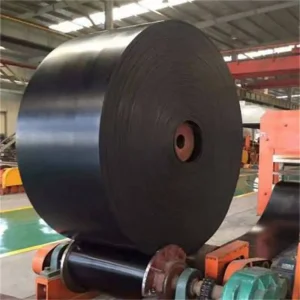
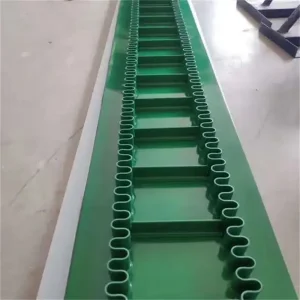
Direct supply from Hebei Boao Rubber Technology's state-of-the-art facilities. Engineered for maximum abrasion resistance, safety compliance, and robust performance in extreme thermal environments.
Understanding the critical safety parameters, chemical formulations, and risk mitigation profiles required for modern high-performance material transport.
In high-stakes industrial operations such as underground coal mining, metallurgy plants, thermal power stations, and chemical refineries, material handling systems represent both the logistical lifeline and a primary potential fire hazard. The friction generated by high-speed drive pulleys, static electricity buildup, and the transport of hot materials create environments where catastrophic fires can easily propagate. This has led global regulatory bodies to mandate strict fire-retardant parameters for conveyor belting systems.
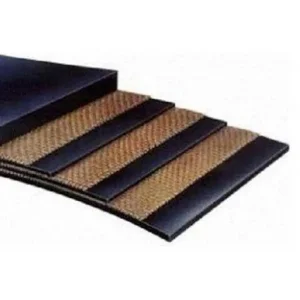
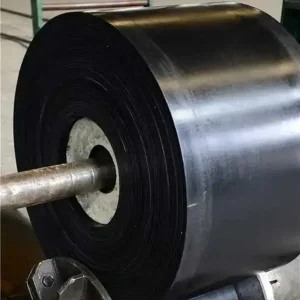
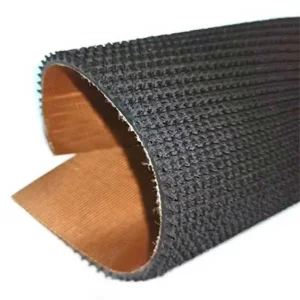
Modern Fire-Retardant Conveyor Belts are no longer simple rubber structures; they are highly engineered composite systems. Incorporating synthetic polymers such as Styrene-Butadiene Rubber (SBR), Neoprene (CR), and Nitrile (NBR), compounding engineers infuse specific flame-suppressing additives, including Chlorinated Paraffins, Antimony Trioxide, and Alumina Trihydrate (ATH). These additives work synergistically to create a self-extinguishing barrier, starving the fire of oxygen and preventing propagation when the heat source is removed.
For global procurement managers, identifying a reliable China fire-retardant conveyor belts factory requires analyzing the intersection of technical compounding capability, state-level certification compliance, and vertical production efficiency. Chinese factories have transitioned from basic manufacturing units to advanced R&D hubs, delivering premium belts that meet international standards (like ISO 340, DIN 22109, MSHA, and EN 12882) at highly competitive scales.
Upon exposure to combustion temperatures, the chemical structure of Boao's flame-retardant rubber creates a carbonaceous char layer. This process releases inert gases that dilute fuel vapors, effectively halting flame propagation across the belt body.
Build-up of static electricity in dry, dusty mine shafts poses severe explosion risks. Our belts undergo carbon-black compounding modifications to ensure surface electrical resistivity complies strictly with underground mining safety thresholds.
Located in the prestigious Rubber Industrial Park of Boye County, Baoding, Hebei Province, Hebei Boao Rubber Technology Co., Ltd. represents over 30 acres of modernized manufacturing infrastructure. Under our flagship brand "Jinao", we have consolidated our reputation as a dominant force in conveyor belt research, design, chemical compounding, and accessory fabrication.
By integrating testing laboratories and advanced rolling, forming, and vulcanization lines directly inside our facility, we control every chemical and physical property from raw polymer to the finished shipped product. Our factory operates under ISO 9001, ISO 14001, and ISO 18001 frameworks, certifying that our conveyor belts meet the toughest industrial challenges globally.
In-house laboratories verify compound dispersion, polymer purity, and vulcanization indexes.
Non-conforming batches are immediately rejected; only 100% verified materials reach our production lines.
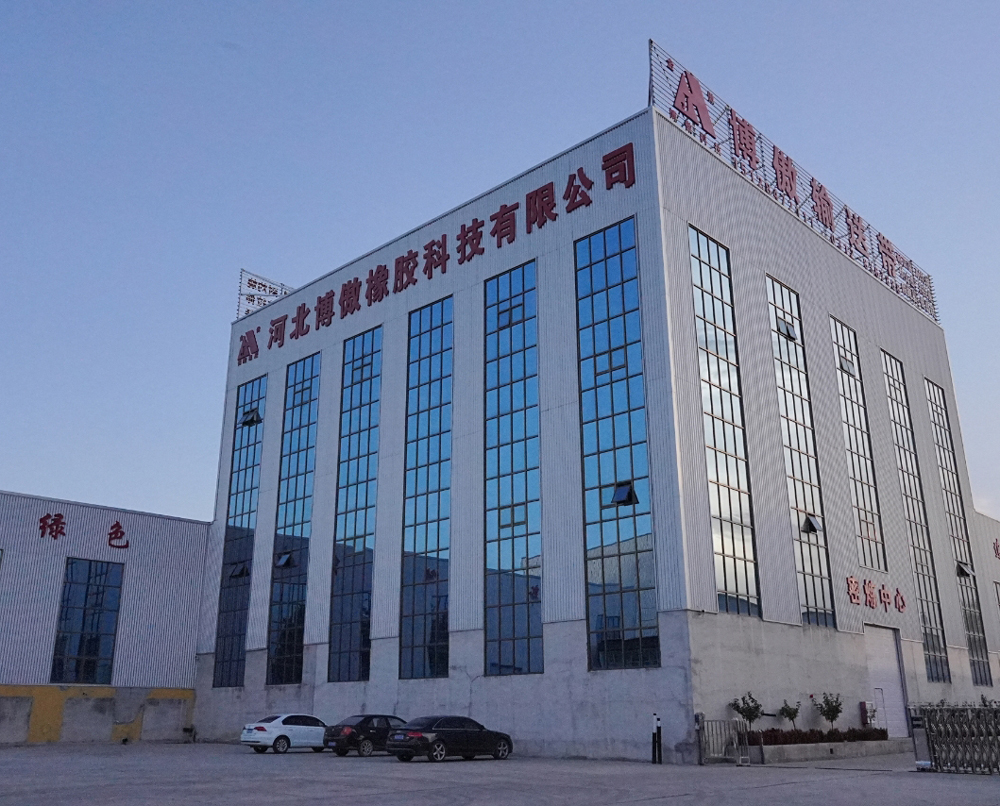
Discover the engineering infrastructure, geographical consolidation, and manufacturing processes that establish our market leadership.
Our multi-roll precision calendering systems compress the polymer compounds deeply into the steel cords and textile plies, eliminating air voids that cause delamination.
We deploy dynamic fatigue test rigs, steel cord pull-out testers, and high-velocity fire chambers to guarantee failure-proof properties in continuous high-load operations.
Located close to the major shipping ports of Tianjin and Qingdao, our factory enables accelerated ocean freight booking, optimized container loading, and seamless customs export.
A technical guide to flame retardancy classes, testing methodologies, and international safety certifications.
Selecting a fire-retardant conveyor belt requires deep familiarity with international fire testing methods. The main testing protocols focus on three aspects: flame self-extinguishing duration, drum friction resistance (determining if a stalled belt will ignite due to pulley rotation), and electrical resistance (verifying static charges are dissipated to ground safely).
| Standard Code | Application Environment | Flame Extinguishing Requirement | Electrical Resistivity Limit | Key Testing Methods |
|---|---|---|---|---|
| ISO 340 / EN 12882 | General Industrial & Underground (Europe) | ≤ 15 seconds average (Individual max 45s) | ≤ 300 MΩ (≤ 3 x 10⁸ Ω) | Bunsen burner flame test on carcass plies |
| MSHA Title 30 Part 14 | US Underground Coal Mining | Self-extinguishes rapidly in high velocity airflow | Not specified (covered in separate MSHA codes) | Gallery flame testing with continuous ventilation |
| DIN 22109-1 | German Coal & Hard Rock Mining | ≤ 3 seconds (extremely stringent) | ≤ 300 MΩ | Propane burner testing, drum friction simulation |
| AS 1333 | Australian Bulk Handling Standards | ≤ 10 seconds average | ≤ 300 MΩ | Combustion chamber test & pulley friction test |
Hebei Boao manufactures its flame-retardant conveyor belts to exceed these parameters. Our testing center is equipped with high-precision instruments to monitor polymer rheology, compound density, tensile strength, and abrasion resistance index (often maintaining wear loss under 120mm³ to ensure long life cycles in harsh environments).
How Hebei Boao's belts are custom-configured for challenging industrial environments across the globe.
Hazards: High methane dust concentration, enclosed space, friction risks.
Our Solution: PVC/PVG solid woven conveyor belts or multi-ply rubber flame-retardant belts. The compounding focuses on low electrical resistance and high friction-slippage ignition resistance to prevent underground disaster events.
Hazards: Sintered ore, coke, and slag transported at temperatures exceeding 200°C.
Our Solution: Dual-performance heat-resistant and flame-retardant rubber conveyor belts. EPDM/Chlorobutyl covers resist thermal cracking and structural degradation while providing fire suppression capabilities.
Hazards: Crushed coal powder transport, high risk of self-ignition on the belt.
Our Solution: Polyester (EP) or Nylon (NN) reinforced flame-retardant belts equipped with oil-resistant covers to prevent degradation from fuel treatment sprays.
Hazards: High-speed loading, marine atmosphere corrosion, long center-to-center conveyor lines.
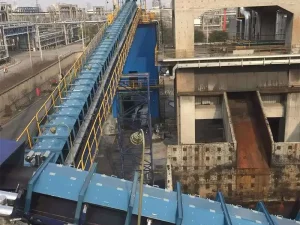
Our Solution: Anti-tear Steel Wire Rope Core Flame-Retardant belts. These combine low-elongation tension members with flame resistance for long overland ports conveyors.
R&D innovations shaping the future of flame-retardant and material handling technology.
Integrating inductive loops directly into the belt fabric matrix allows real-time scanning. If a foreign metal object pierces the belt, the system automatically halts the drive, avoiding costly longitudinal tears.
Transitioning from halogenated compounds to nitrogen-phosphorus and nano-clay additives. This reduces the toxicity of smoke generated during combustion, safeguarding worker escape routes in closed environments.
Compounding the pulley-side cover rubber with LRR characteristics. This minimizes indentation losses as the belt traverses over idlers, yielding up to 15% electrical power savings on long-distance overland runs.
Trusted by industry leaders. Certified by regulatory institutions. Designed for heavy-duty success.
Our belts are field-proven across demanding projects, partnering with major enterprises like Taihang Steel, Tsingshan Group, Zijin Mining, Conch Cement, Datong Coal Group, Jidong Cement Group, and the China Railway Group Mixing Plant. To ensure complete trust, we present our certified testing units and raw production lines below.
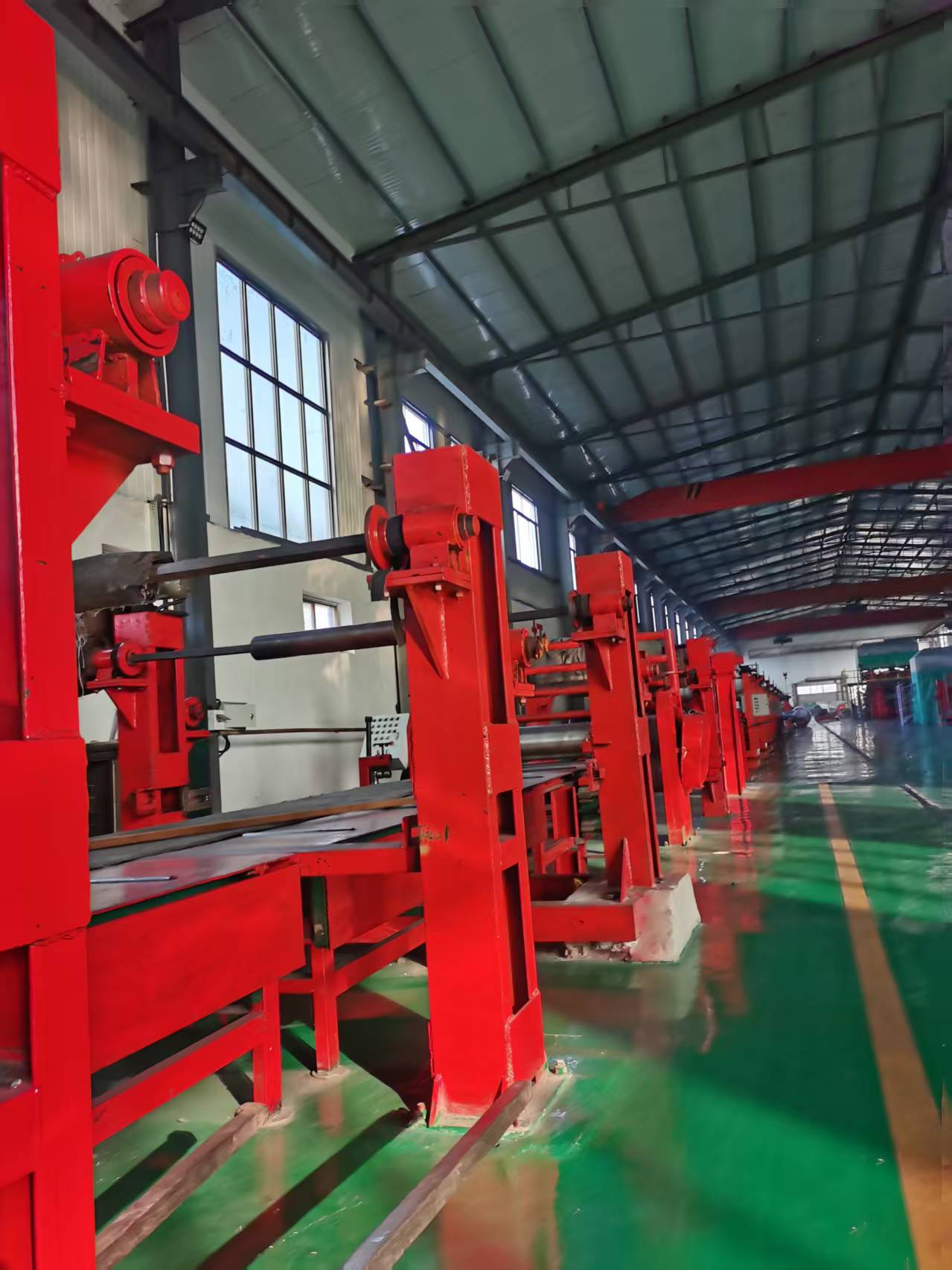
Calendering Station
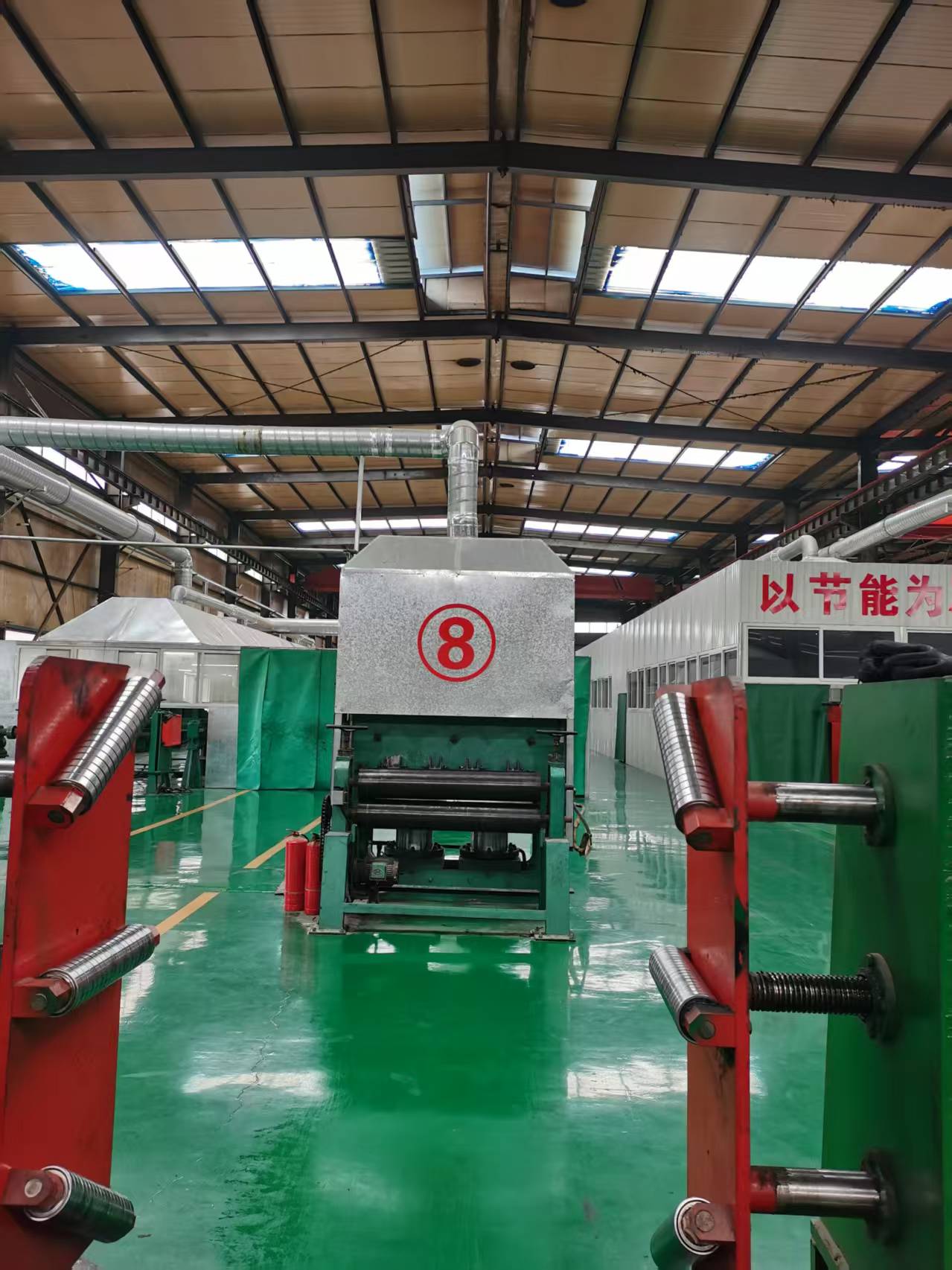
Multi-Roll Calendar
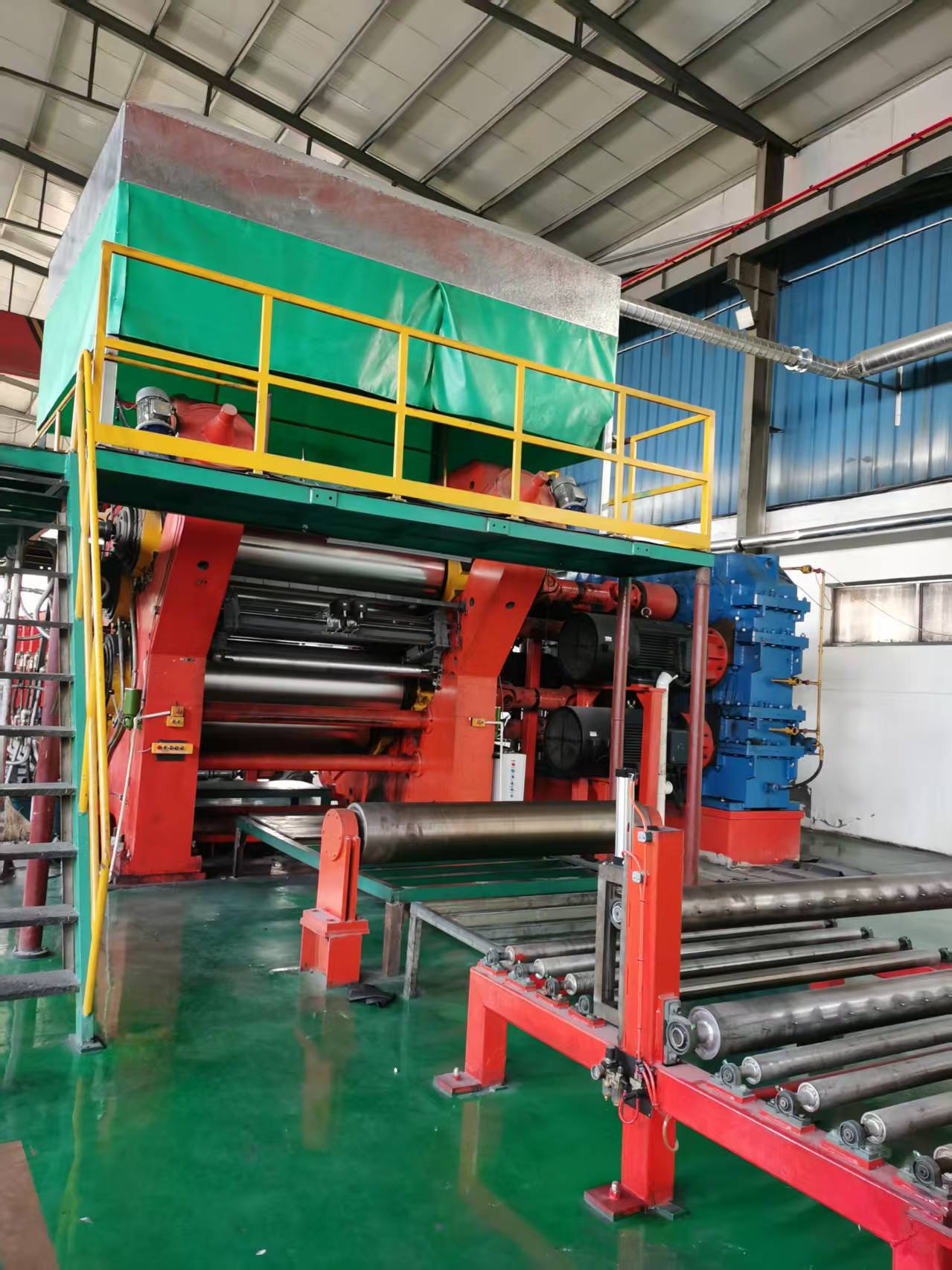
Vulcanization Line
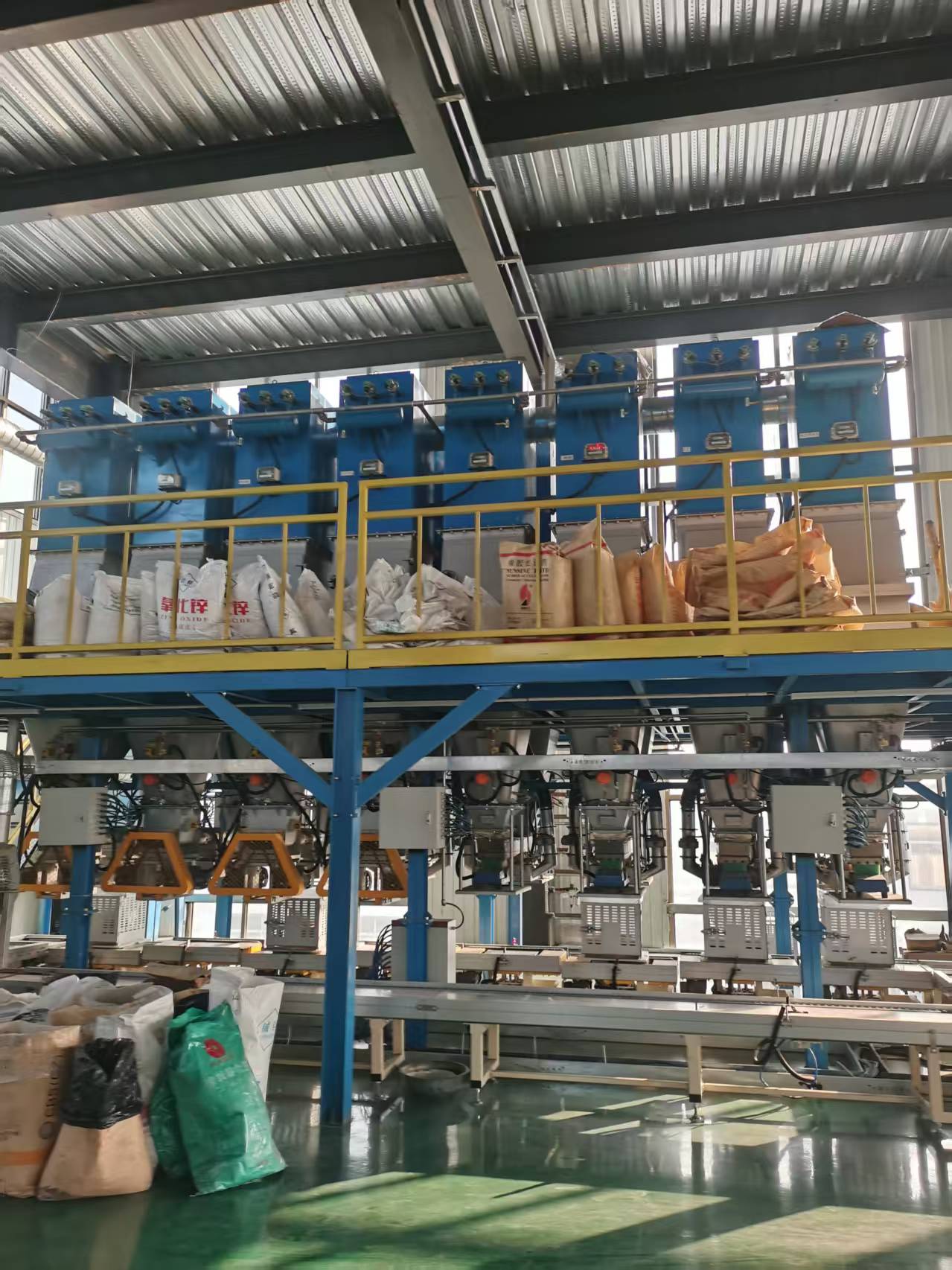
Compound Mixing Unit
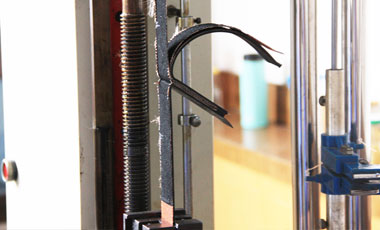
Peeling Test Rig
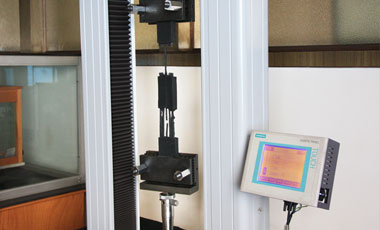
Cord Pull-out Tester
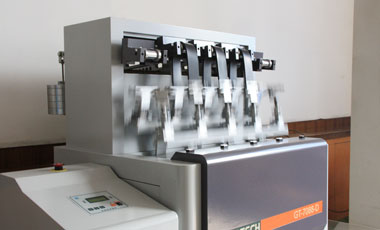
Dynamic Fatigue Tester
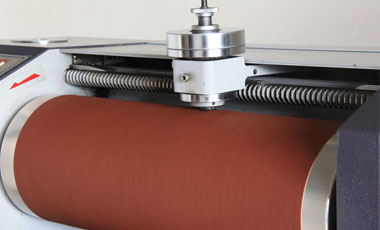
Rubber Abrasion Tester
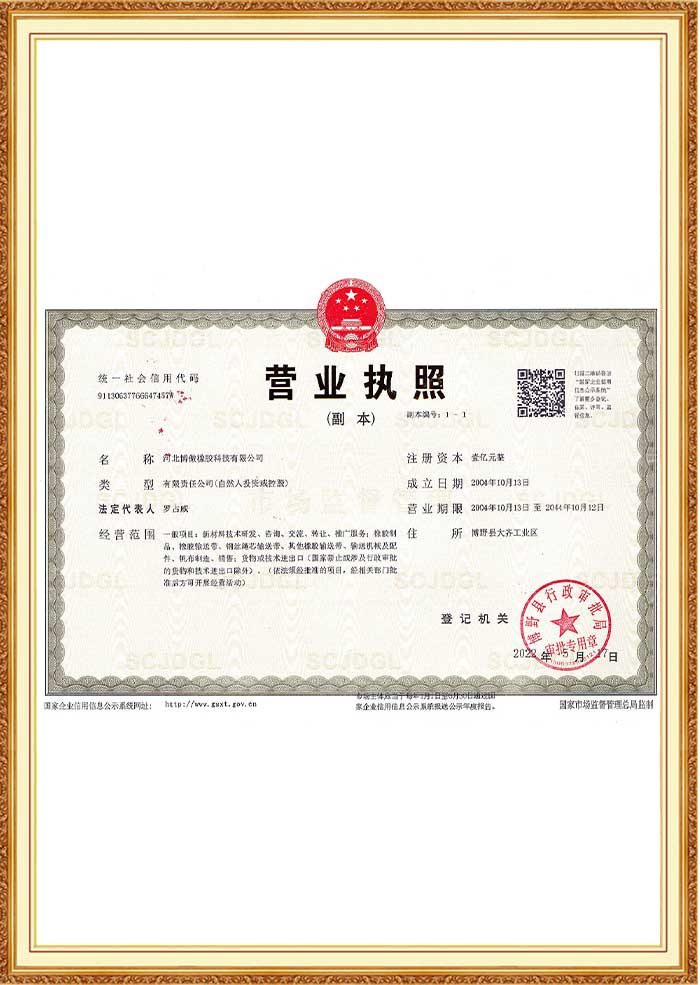
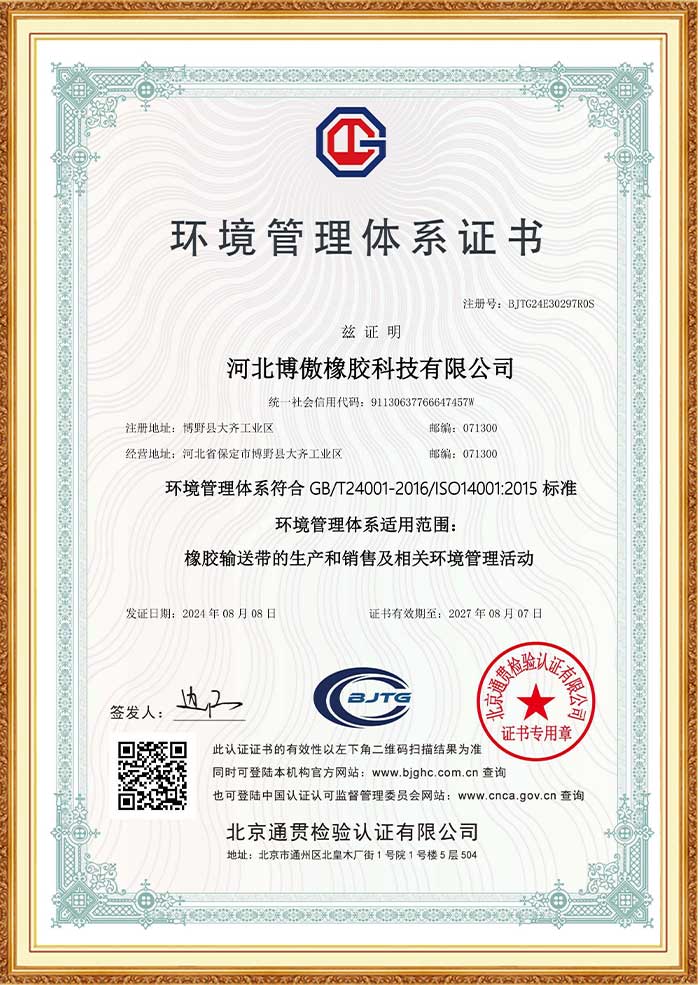
Our production lines conform to API 6D, API 607, CE, ISO9001, ISO14001, ISO18001, and TS certifications, guaranteeing unmatched compliance with global import frameworks.
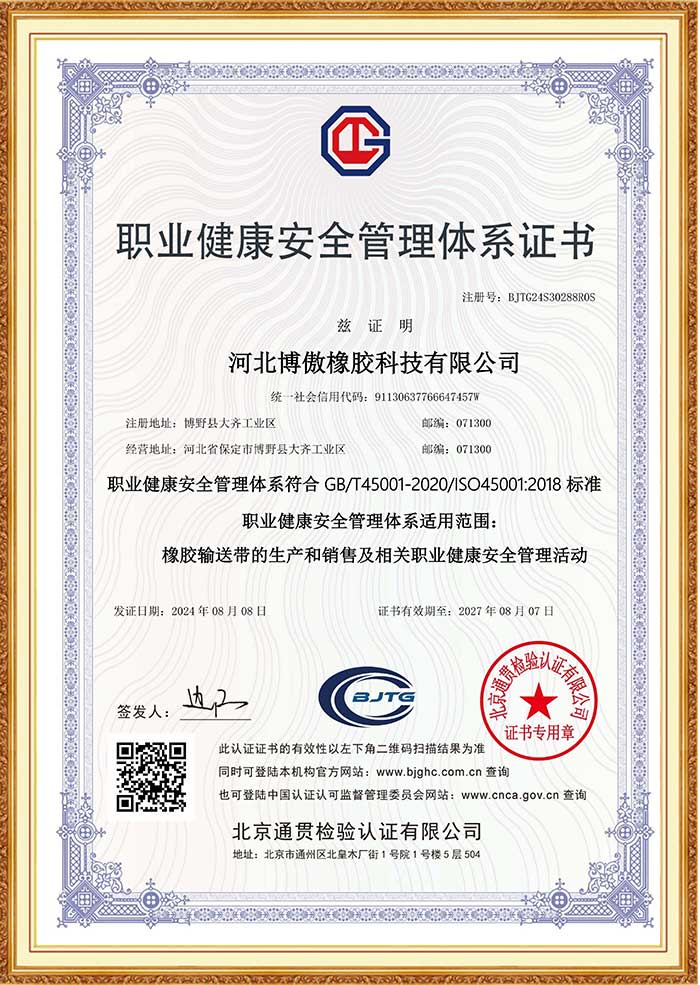
ISO Quality Management
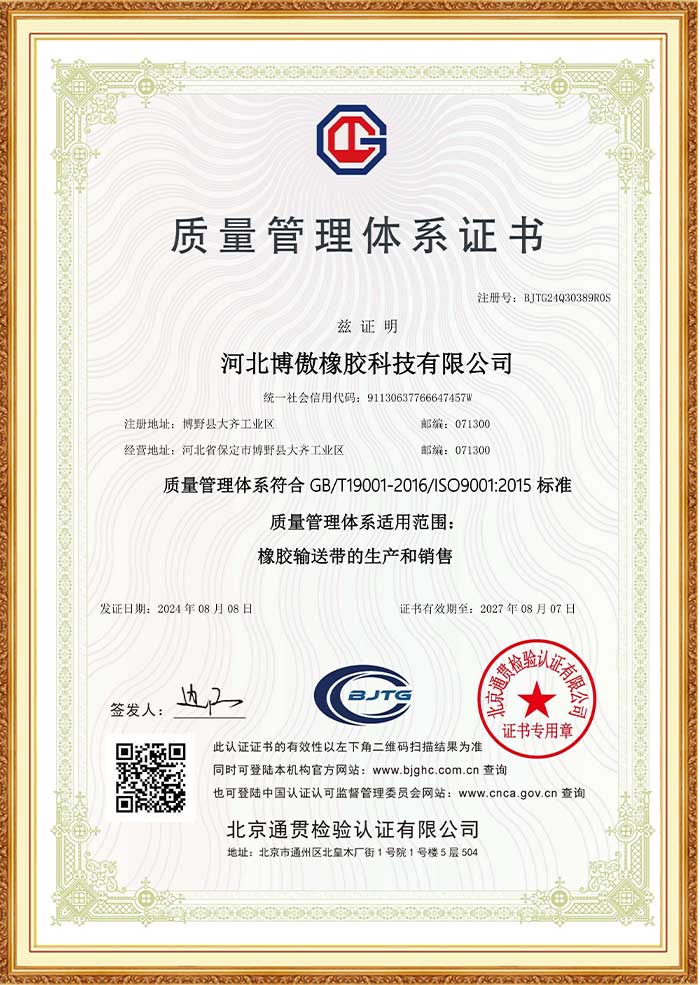
Environmental Safety
Occupational Health
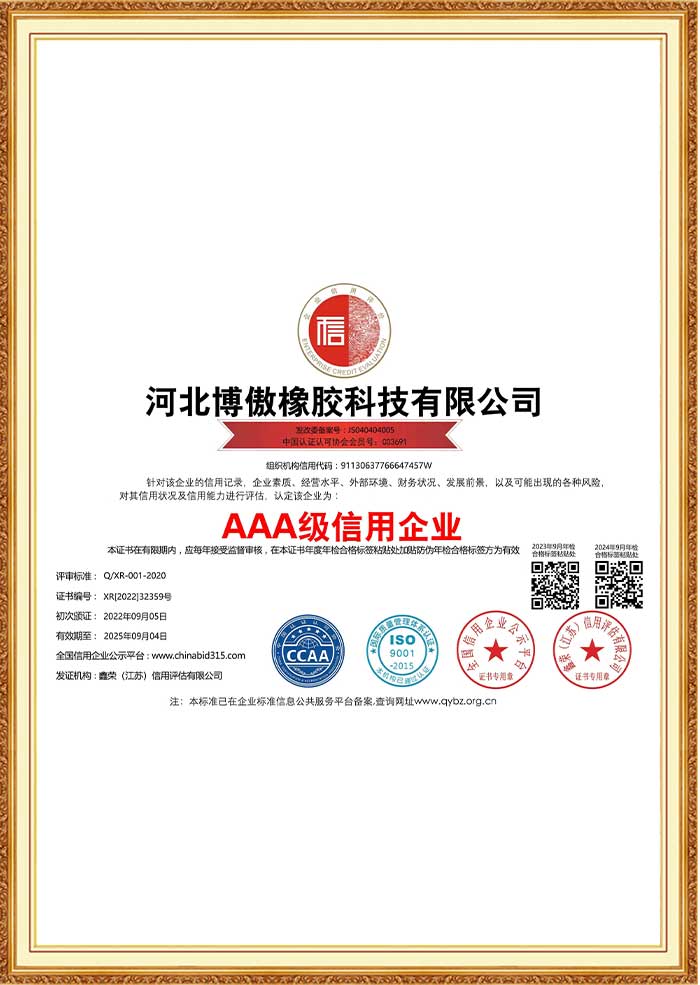
Production License
Laboratory Compliance
Minimizing material transport downtime through comprehensive technical programs and safety reserves.
Hebei Boao does not merely deliver conveyor belts; we provide an integrated technical service framework designed to maximize the operating lifespan of your conveying system. Our programmatic offering focuses on minimizing planned or unplanned downtime through preventative care.
We work with heavy industrial clients to calculate and manufacture dedicated safety stocks. In the event of emergency mechanical failures, reserve stock belts are immediately available, preventing extended system shut-downs.
A conveyor belt is only as strong as its splice. We provide customized cold bonding adhesives, hot vulcanization materials, and detailed technical schematics to ensure the flame-retardant properties are maintained at every single joint.
Get professional technical answers to common queries regarding flame retardancy standards, rubber compounding, and procurement.
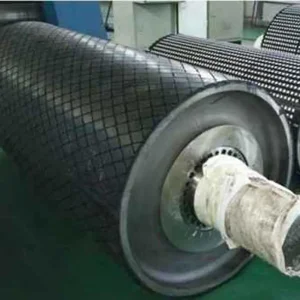
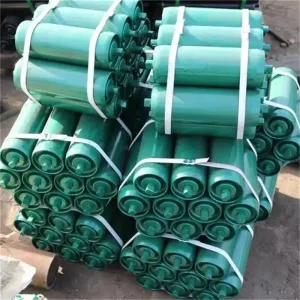
Engineered rubber belts, supporting rollers, and specialized structural solutions direct from Hebei Boao Rubber Tech.
 Boao Rubber