Explore our premium grade elastic rubber belts designed to meet global standards of bulk material handling, mining extraction, and chemical processing.
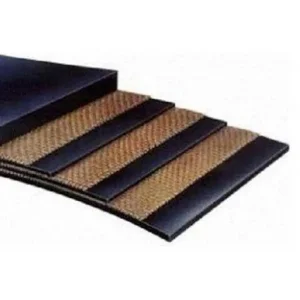
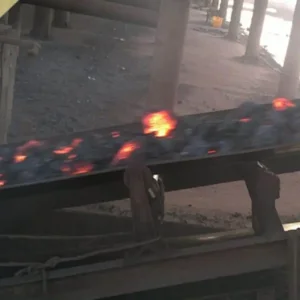
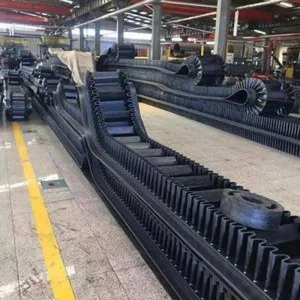
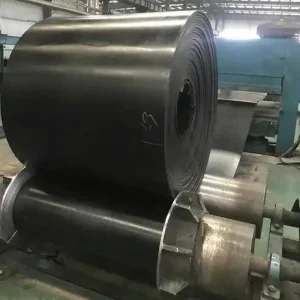
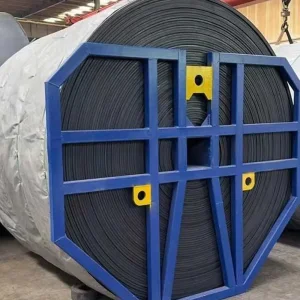
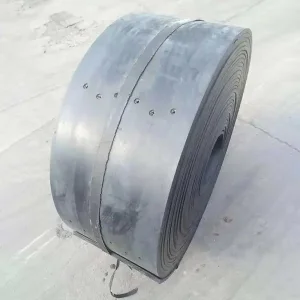
In contemporary bulk handling ecosystems, the term "elastic rubber belt" operates at the intersection of structural polymer science and mechanical transportation engineering. Globally, industries ranging from hard-rock mining and steel production to deep-sea port terminals and thermal energy generation rely on conveyor belts designed with precise mechanical elasticity. Elastic properties determine a conveyor system's capacity to absorb heavy impact loads, recover from localized deformation, resist fatigue failure, and achieve optimal belt troughability.
The global logistics infrastructure requires resilient transport systems capable of carrying mineral ores, aggregate materials, dynamic scrap metals, and hot sinter. As material throughput targets increase, processing plants demand belts with higher modulus of elasticity, enhanced tear propagation resistance, and extended service lifetimes. The total cost of ownership (TCO) in mining facilities is closely tied to belt downtime; hence, sourcing from verified factories that possess vertically integrated chemical research labs is no longer just a purchasing goal, but a structural necessity.
"According to international materials research, elastic rubber belts with specialized polymer networks show up to a 40% reduction in power consumption under sag conditions compared to standard rigid composite configurations."
Modern material engineering has advanced from simple natural rubber formulations to complex synthetic elastomeric blends containing SBR (Styrene-Butadiene Rubber), NBR (Nitrile-Butadiene Rubber), and EPDM (Ethylene Propylene Diene Monomer). By controlling vulcanization kinetics and carbon black reinforcement structures, manufacturers can dial in precise elastic properties suited to specific applications, ensuring that belts return to their original layout dimensions even after decades of continuous cyclic strain.
Ensuring system durability and operational reliability through rigorous internal validation protocols.
Our independent chemical analysis room monitors every raw material batch. Unqualified synthetic compounds are strictly prohibited from entering the production line.
Equipped with micro-abrasion testing rigs, dynamic fatigue test benches, and steel cord pull-out calibration devices to verify standard mechanical limits.
Following strict zero-tolerance protocols, every run-out meter of the vulcanized belt is inspected electronically for tension consistency and ply bonding.
When international operators source elastic rubber conveyor belts, the choice of a Chinese manufacturing base offers distinct strategic advantages. Located within the highly integrated Rubber Industrial Park of Boye County, Baoding, Hebei Province, our facility leverages regional industrial clustering. This proximity minimizes raw material transport times and connects our operations directly to primary chemical synthesis hubs, metallurgical reinforcement suppliers, and domestic engineering networks.
China's manufacturing efficiency is driven by continuous capital investment in automated calendering lines and high-pressure vulcanizing presses. Our production lines integrate precise control systems that regulate temperature, pressure, and vulcanization times. This level of automation guarantees uniform thickness across the entire cross-section of fabric and steel cord core structures, preventing off-center tracking and edge wear in the field.
Additionally, the localization of downstream components—such as ceramic lagging, idler rollers, conveyor brackets, and impact beds—enables a unified sourcing strategy. Rather than coordinating with multiple distinct manufacturers, global purchasing managers can configure complete transport networks, from the primary elastic belt to the supporting structures, under a single export protocol.
Our Jinao brand components are deployed across major industrial organizations, handling millions of metric tons annually.
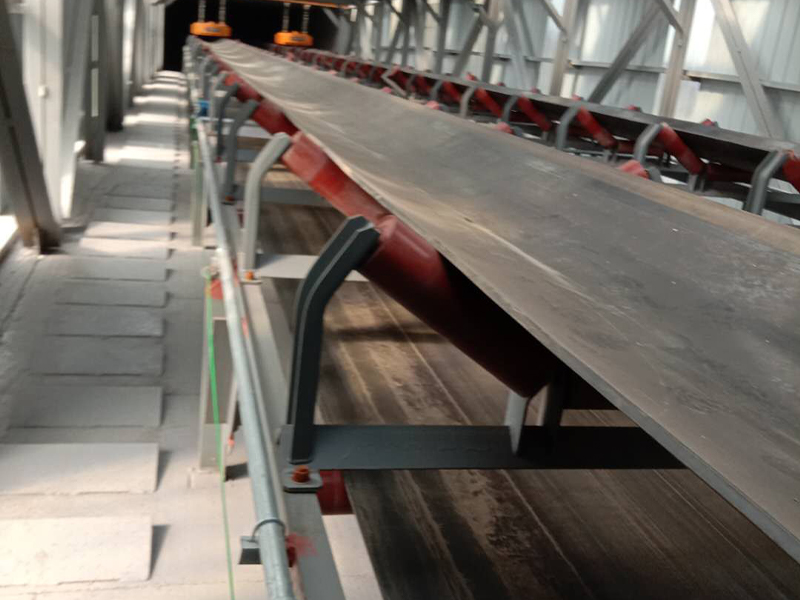
Taihang Steel Group
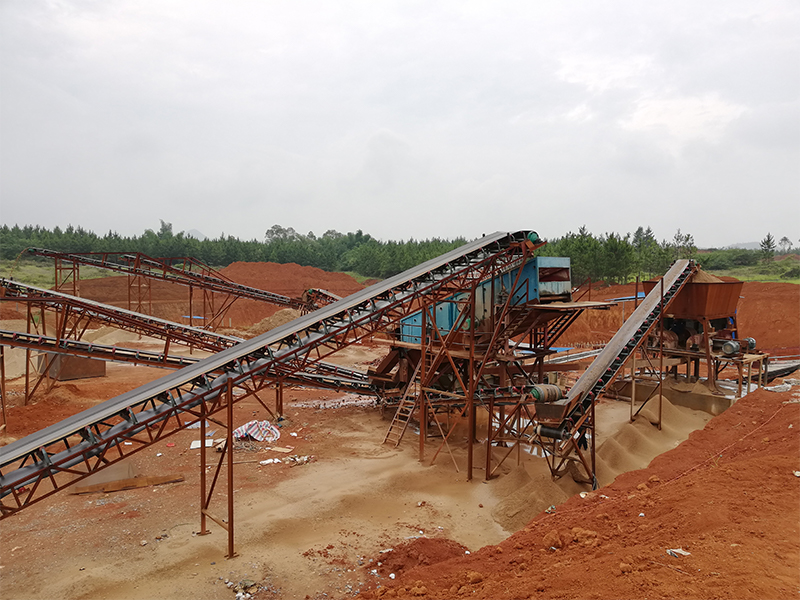
Tsingshan Group
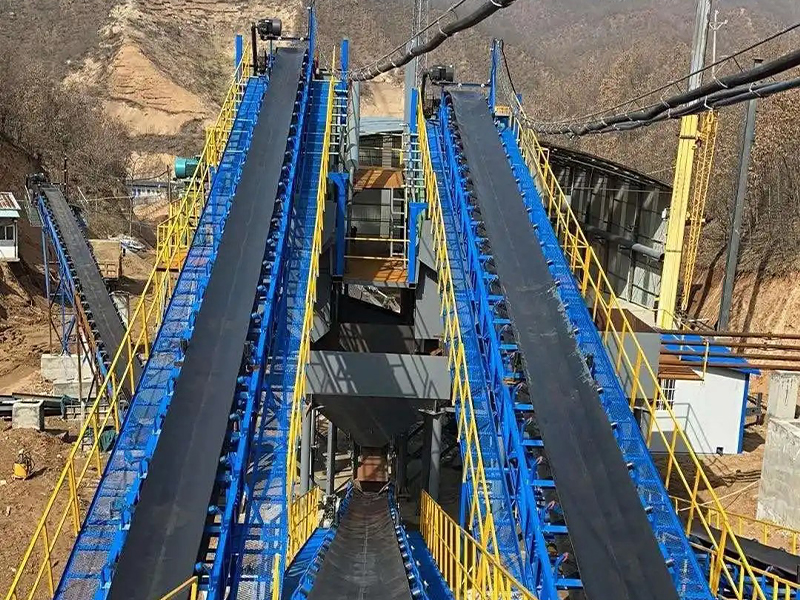
Zijin Mining
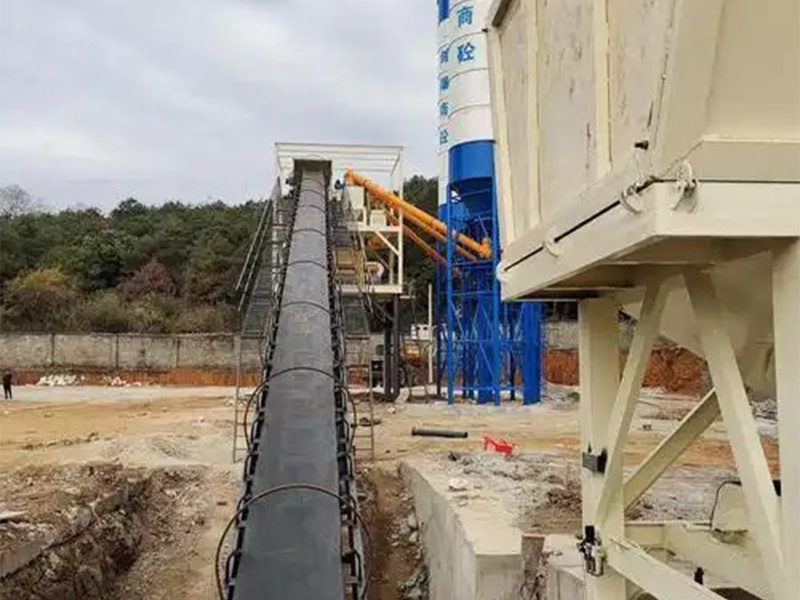
China Railway Group Mixing Plant
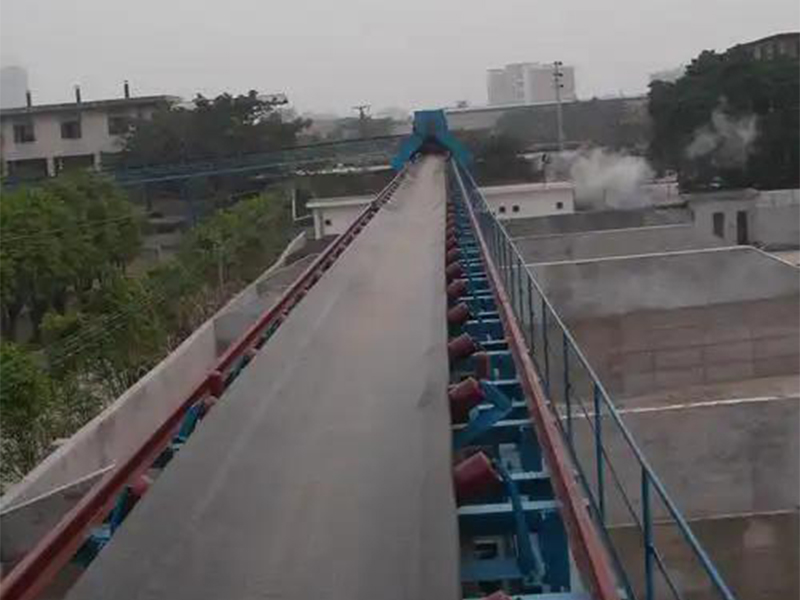
Conch Cement
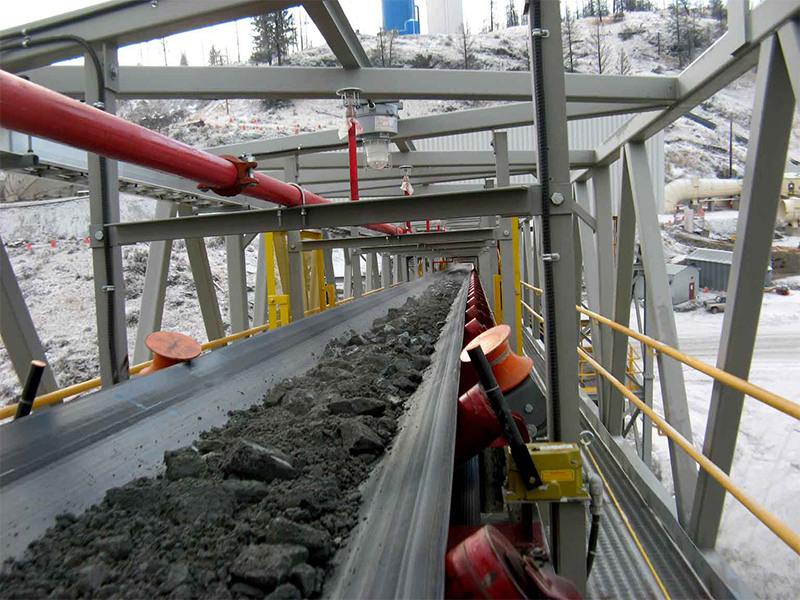
Datong Coal Group
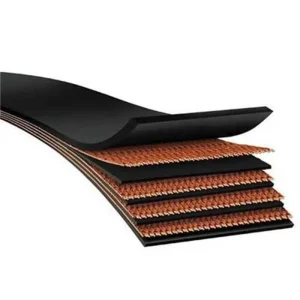
Understanding the mechanical architecture of elastic rubber belts requires a breakdown of internal reinforcing members and outer protective rubber skins:
Beyond the reinforcement core, the outer cover compound must be formulated to resist specific environmental challenges. Heat-resistant formulations utilize EPDM or halogenated rubbers to withstand continuous material temperatures up to 200°C (or peaks of 400°C). Cold-resistant compounds maintain flexible properties in sub-zero mining environments down to -50°C. Acid/Alkali resistant profiles protect the inner carcass from degradation when handling fertilizers, chemicals, or wet ores.
Take a virtual look inside our 30-acre Baoding Boye facility, from automatic polymer mixing to microscopic quality inspections.
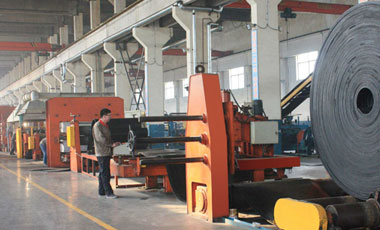
Production Line of Fabric Conveyor Belt
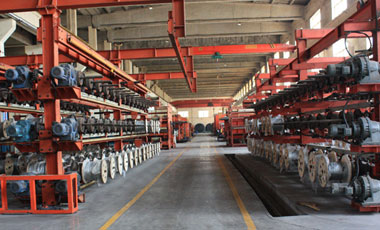
Production Equipment of Steel Cord Conveyor Belt
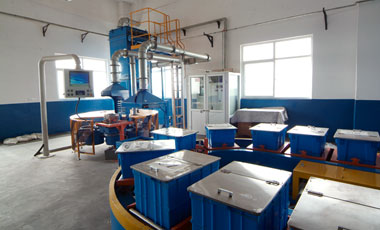
Proportioning Room of Mixing Center
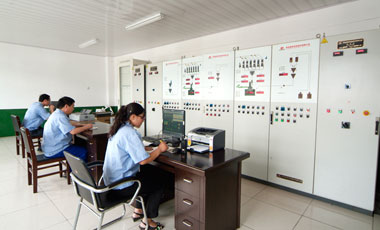
Proportioning System of Mixing Center
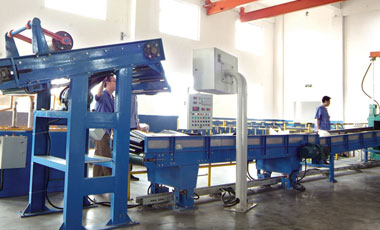
Feeding Device
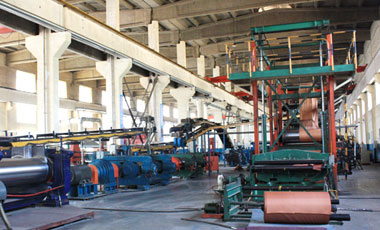
Calendering & Shaping Machine
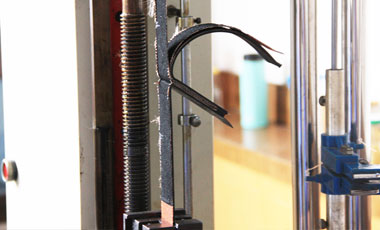
Peeling Test Station
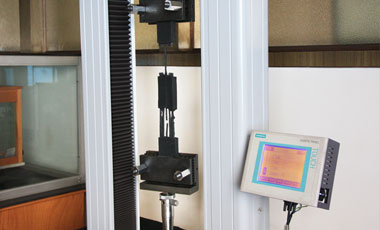
Steel Cord Pull-out Machine
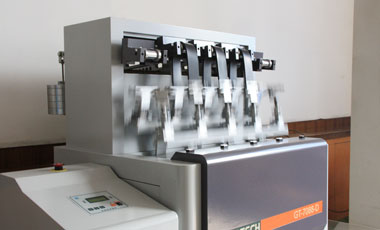
Dynamic Fatigue Tester
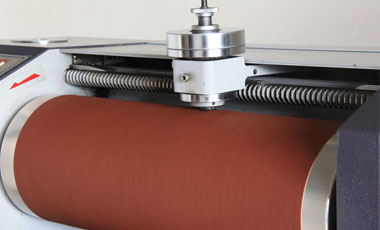
Abrasion Tester (DIN Standard)
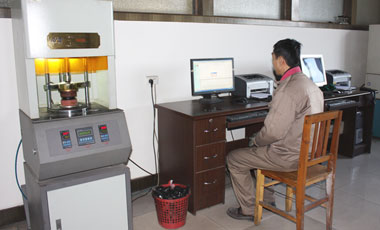
Physical Properties Testing Laboratory
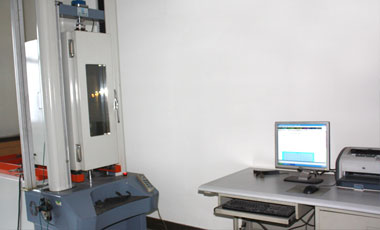
Elongation & Tensile Testing
Our commitment extends beyond manufacturing to onsite lifecycle support, ensuring long-term system uptime.
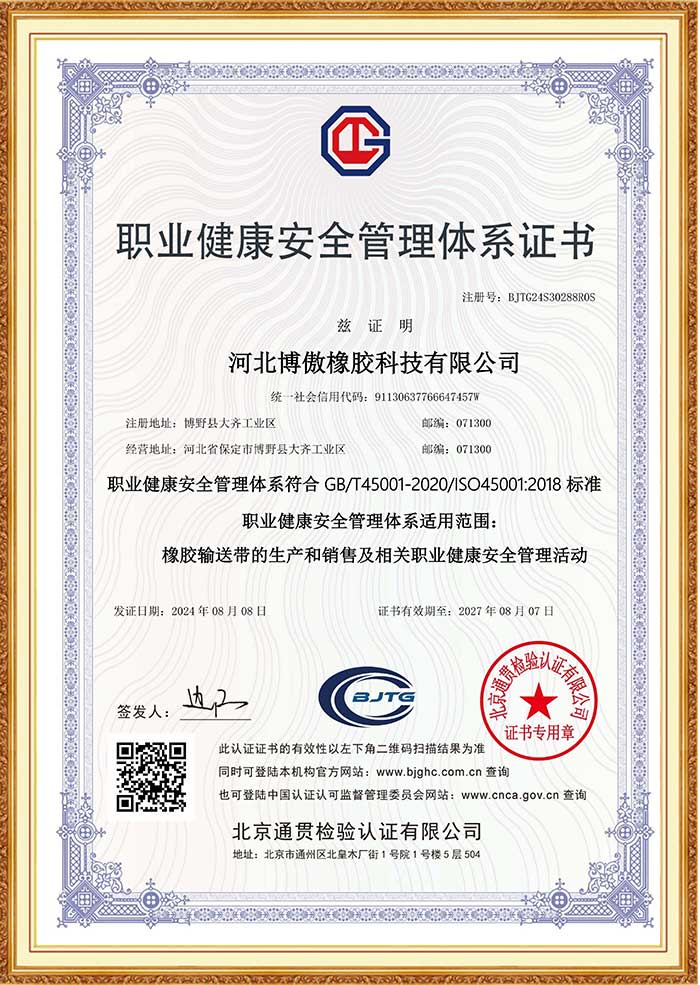
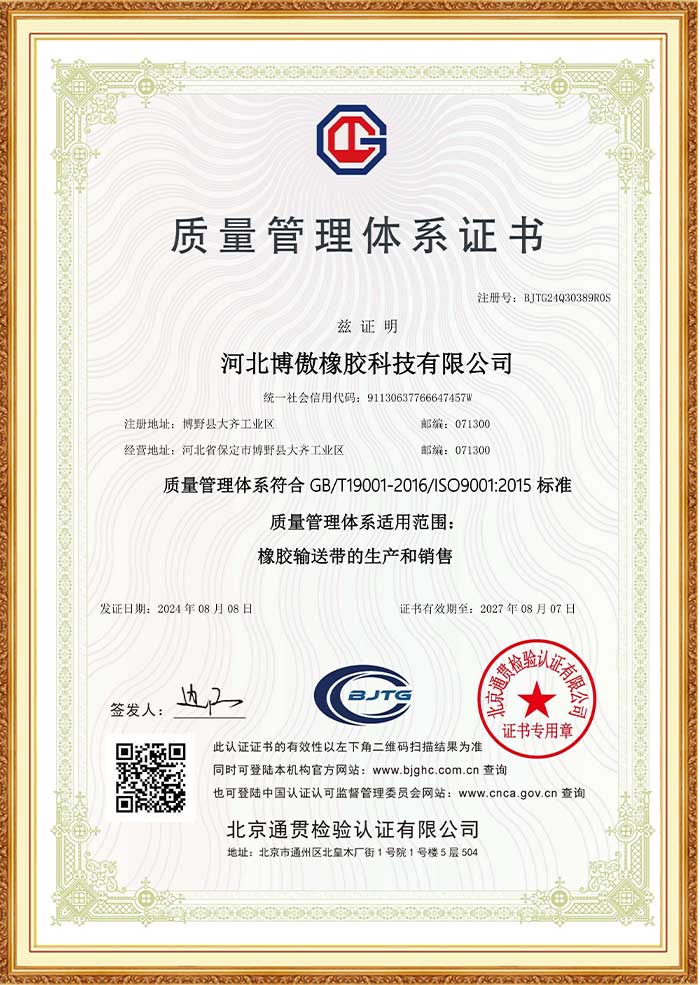
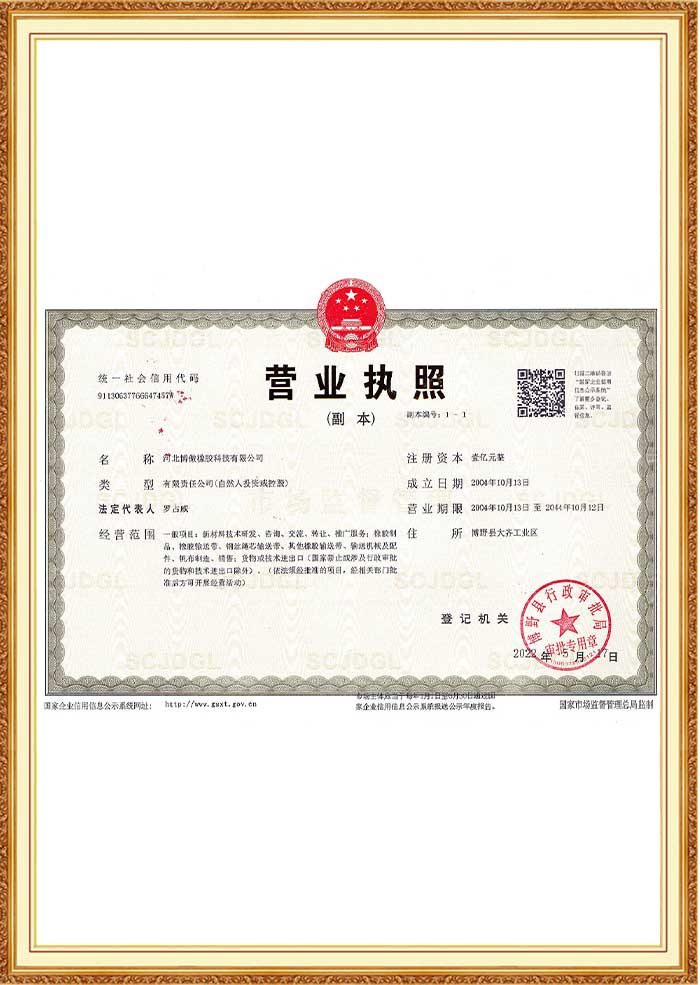
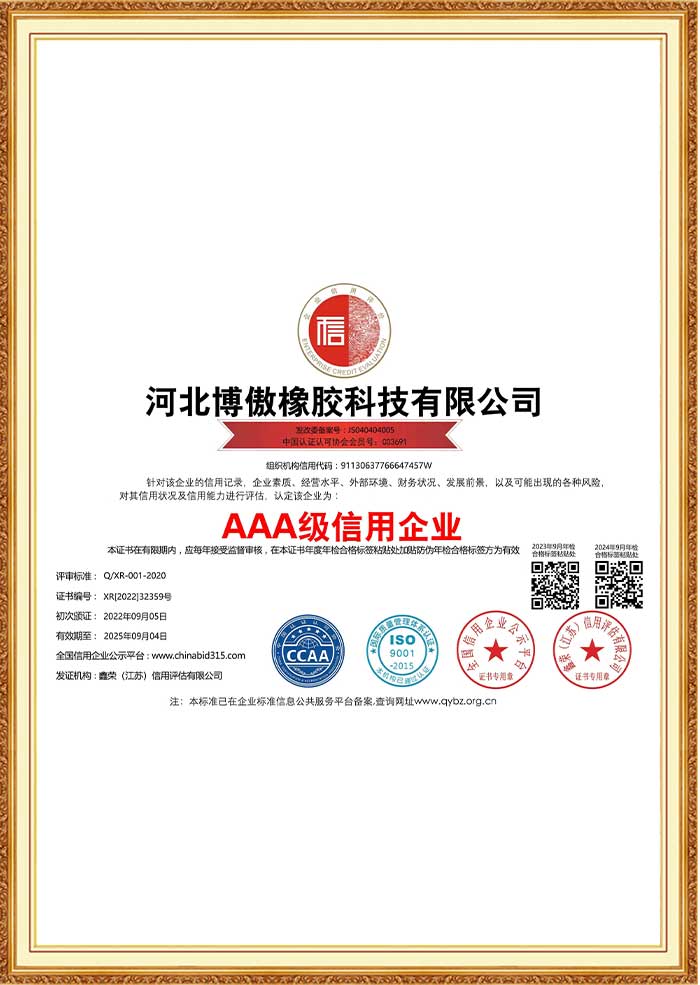
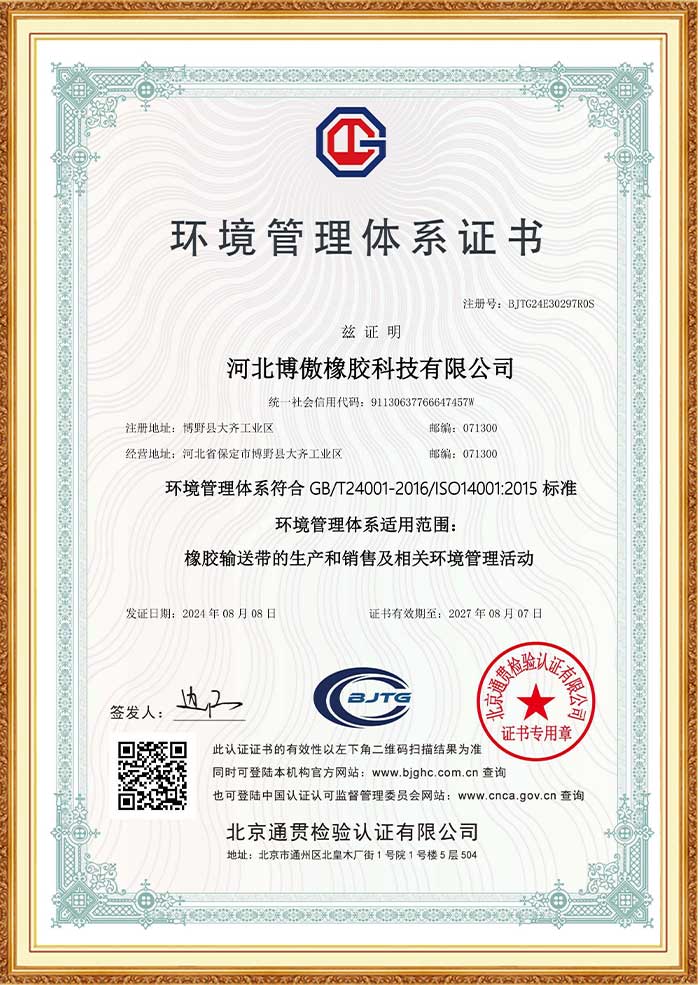
We provide structured technical support to reduce unexpected belt failure. Our services include:
Get professional answers from our engineering team regarding design parameters and material selection.
Explore our industrial-grade components designed to support and enhance high-tension conveyor systems.
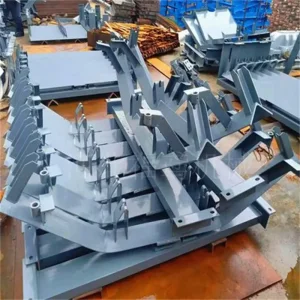
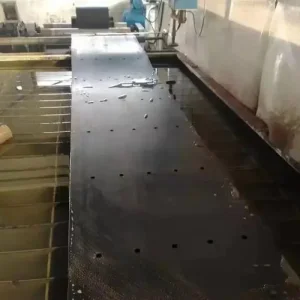
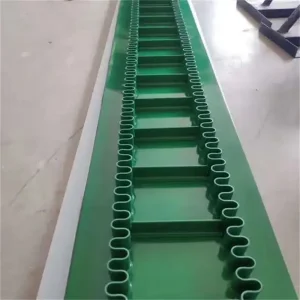
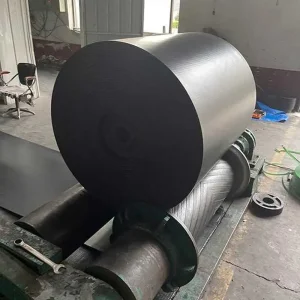
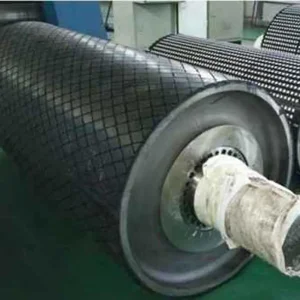
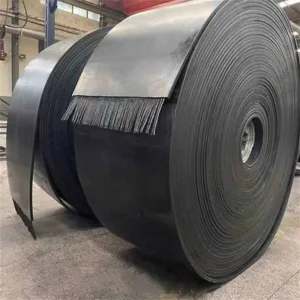
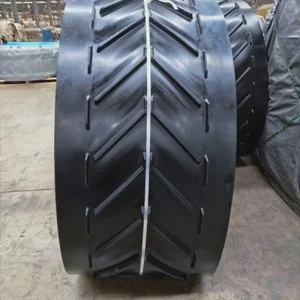
Whether you need to configure a high-tension steel cord belt, a custom profile chevron configuration, or a high-temperature resistant line, our engineering team is here to assist.
Hebei Boao Rubber Technology Co., Ltd.
Rubber Industrial Park, Boye County, Baoding, Hebei Province, China.
Established 2004 • Creator of "Jinao" Brand Belting.
*All inquiries are processed within 24 hours. Data security and corporate confidentiality are guaranteed under NDAs.
 Boao Rubber