 Boao Rubber
Whitepaper: Strategic Analysis of Cleated Rubber Conveyor Belts in Global Industrial Infrastructure
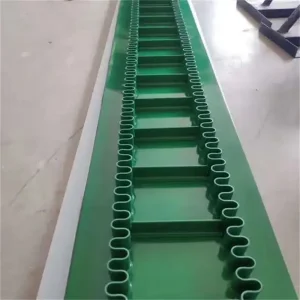
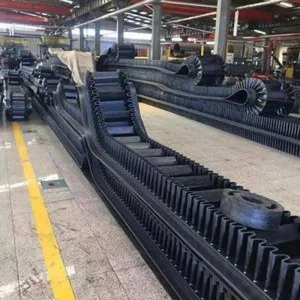
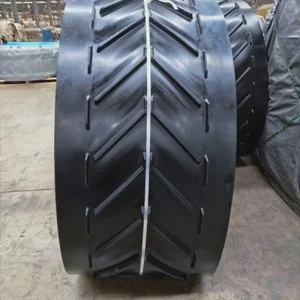
In modern industrial bulk handling, vertical transportation of materials presents severe operational challenges. Standard flat conveyor belts face physical limitations when processing angles exceed 15 to 18 degrees, leading to material rollback, increased dust emissions, and system inefficiencies. Cleated rubber conveyor belts solve this problem by incorporating integrally molded profile patterns that allow steep-inclined and vertical transport configurations up to 90 degrees. This whitepaper analyzes manufacturing innovations, material selection criteria, global market trends, and supply chain efficiencies offered by professional Chinese manufacturers like Hebei Boao Rubber Technology Co., Ltd.
Semantic Insight: Core Engineering Principles
The core efficiency of a cleated rubber conveyor belt depends on the vulcanization compatibility between the base belt and the cleat profile. If dynamic shear stresses during operation exceed the adhesion strength between these components, the cleats can shear off. Leading factories use high-pressure, single-stage vulcanization techniques where the cleats and base belt are cured simultaneously under high temperature. This creates a unified molecular structure, preventing delamination and extending the belt's operating life under severe loading conditions.
Hebei Boao Rubber Technology: 22 Years of Engineering Excellence
Established in 2004, Hebei Boao Rubber Technology Co., Ltd. (operating under our flagship brand "Jinao") is located in the Rubber Industrial Park of Boye County, Baoding City, Hebei Province. Over more than two decades, our facility has grown to cover over 30 acres, developing into a leading Chinese enterprise that integrates product development, engineering design, raw material testing, vulcanization processing, and after-sales maintenance services.
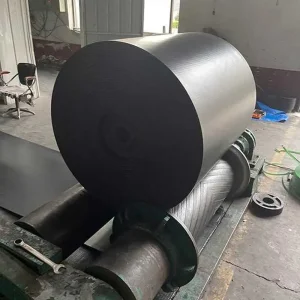
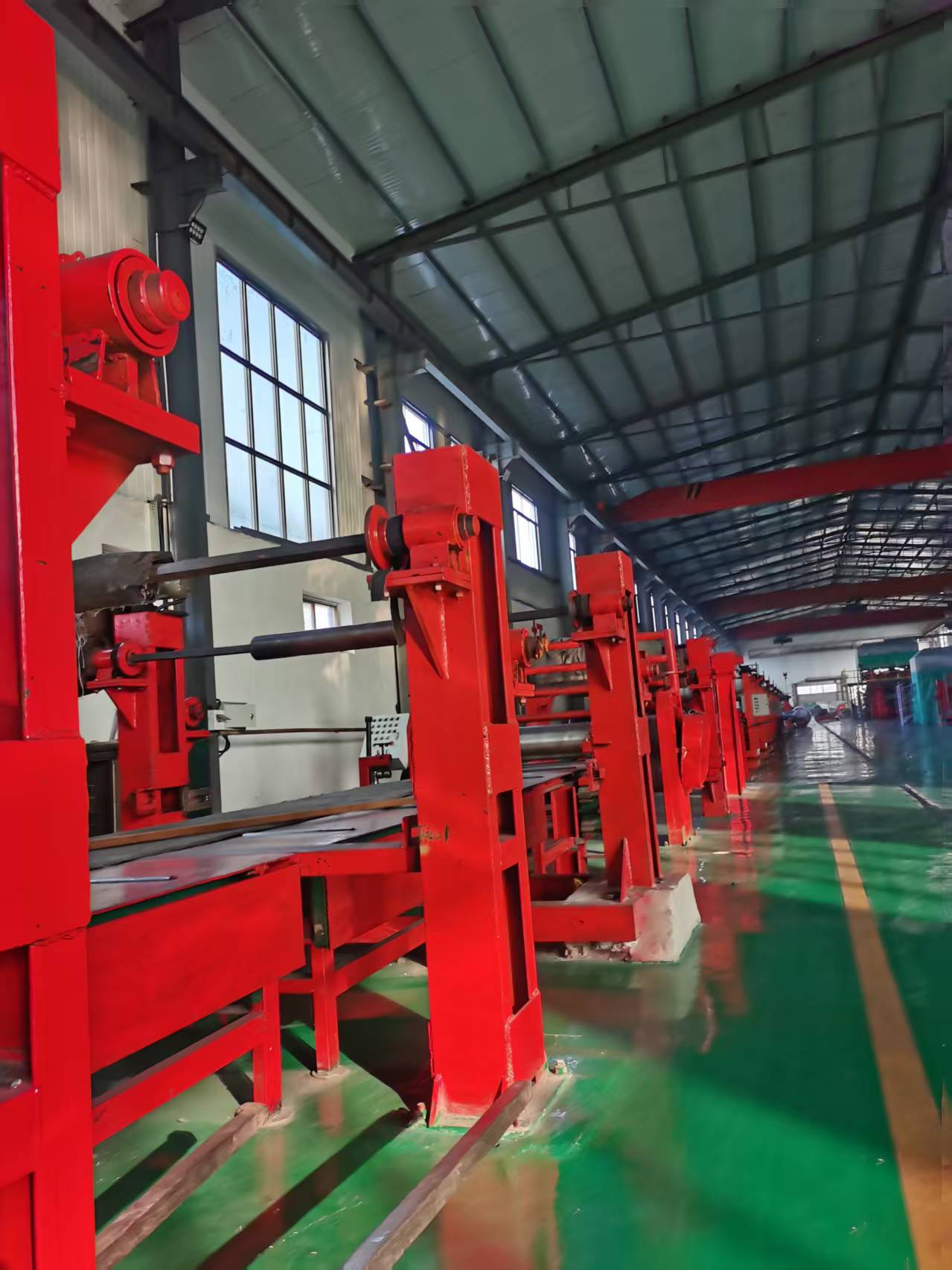
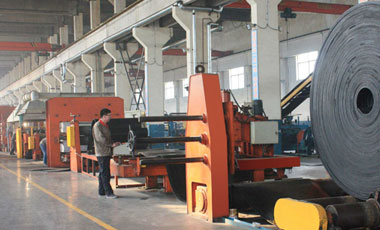
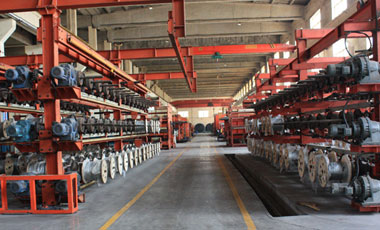
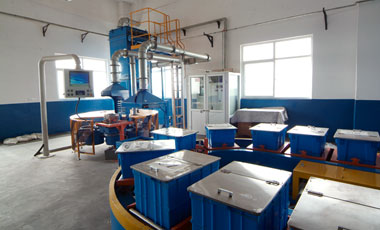
We operate advanced production lines for calendering, forming, vulcanizing, and quality testing. Our internal chemistry and physical property testing laboratories ensure that every square meter of rubber belt meets international quality parameters (including DIN, ISO, RMA, AS, and GB standards) before leaving the factory.
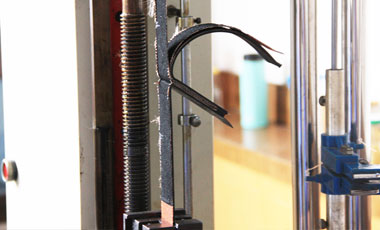
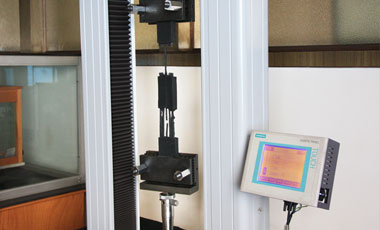
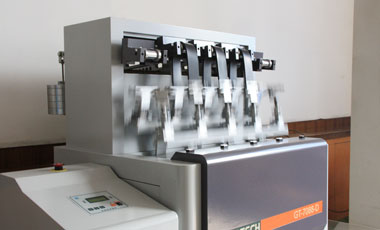
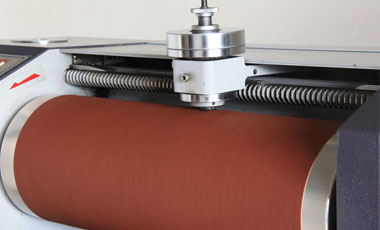
Technical Showcase: Production & Testing Facilities
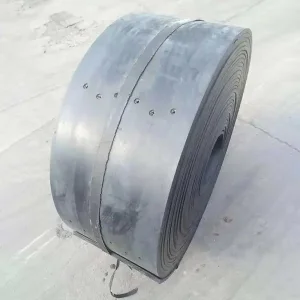
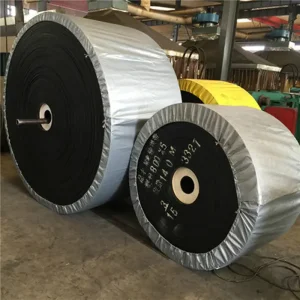
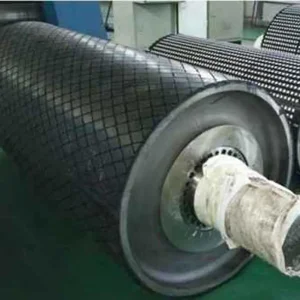
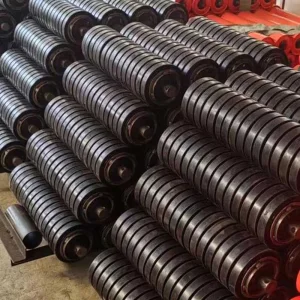
Our quality verification processes and heavy machinery infrastructure are detailed in our factory portfolio below:
Global Industrial Demands and Market Evolution
The global demand for high-angle cleated conveyor systems is growing, driven by land constraints, underground mining developments, and the need to reduce transfer-point emissions. Industrial operations in South America, Africa, Australia, and North America are transitioning from multi-stage material transfer structures to single-stage, high-angle cleated or corrugated sidewall belt systems. This transition reduces capital expenditure on supporting steelwork, limits dust generation at transfer points, and minimizes structural layout footprints.
Key Drivers of Global Procurement Intent:
- Energy Optimization: Single high-inclination systems require fewer drive motors and control interfaces, lowering total power consumption.
- Wear and Abrasion Performance: Projects handling heavy ores require specialized compounds, such as high-grade natural rubber blends and styrene-butadiene rubber (SBR), to prevent surface gouging and micro-cracking.
- Thermal and Environmental Stability: Heat-resistant, flame-retardant (ISO 340 / EN 12882), and oil-resistant synthetic rubbers are critical for smelting operations, power generation plants, and agricultural grain terminals.
China Factory 4.0: Supply Chain Resiliency & Efficiency Advantages
Chinese rubber manufacturing has evolved from basic, labor-intensive production to automated, high-precision Factory 4.0 systems. Our Boye County facility utilizes integrated processing technology that controls every stage of production:
1. Automated Batch Compounding and Mixing
Using computerized systems in our carbon black and polymer mixing center, we ensure consistent compounding. This precise control over ingredients stabilizes key mechanical properties like tensile strength, elongation at break, and hardness across different production batches.
2. Continuous Precision Calendering
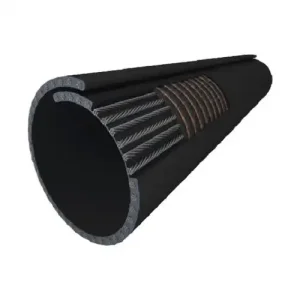
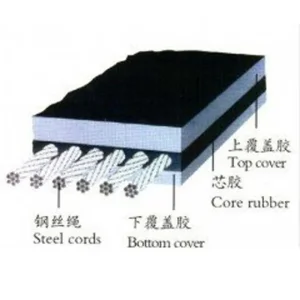
Our multi-roll calendering lines maintain accurate gauge thickness across both fabric-ply and steel-wire reinforced carcasses. This consistent tension distribution prevents structural twisting or uneven tracking during high-speed, high-load operations.
3. Simultaneous Cleat Vulcanization
Rather than gluing prefabricated rubber cleats onto cold surfaces, our production line uses hot vulcanization. The cleat profiles and base rubber compounds cure together under high press temperatures, creating a unified chemical bond that resists shear forces under full load.
Strategic Field Case Studies
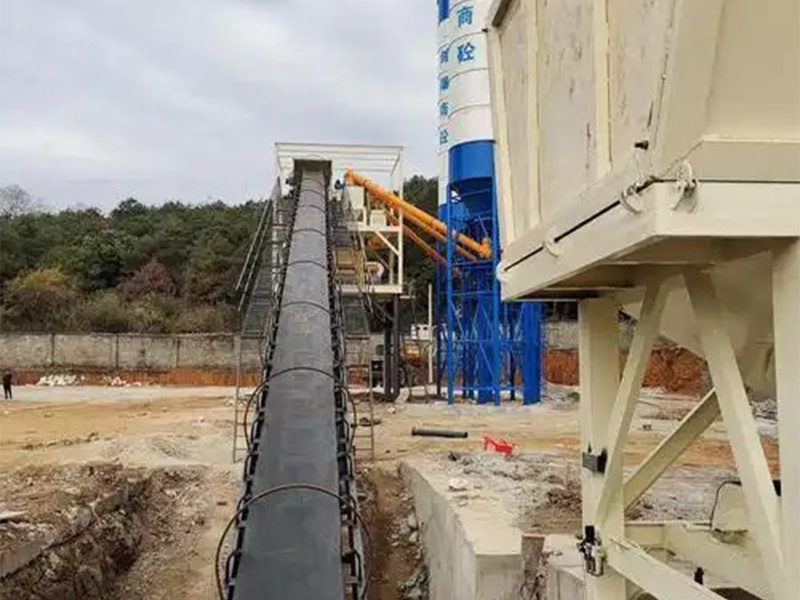
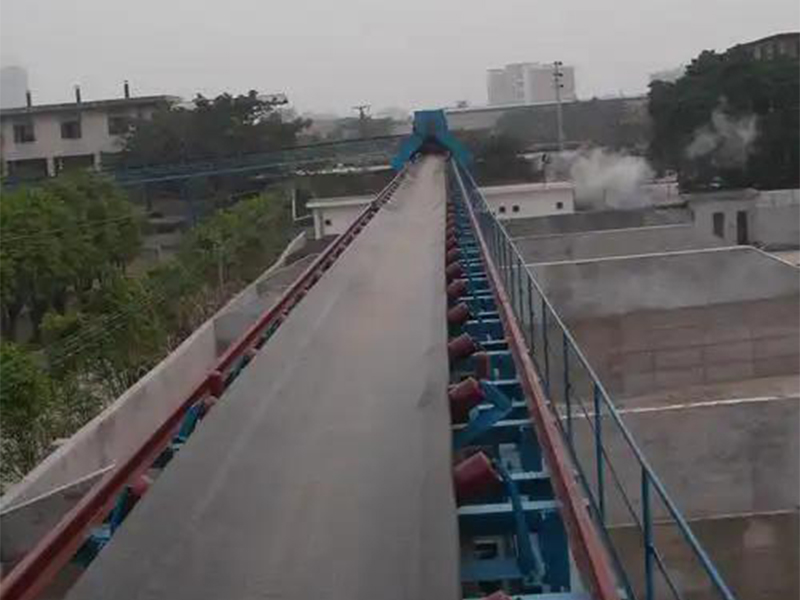
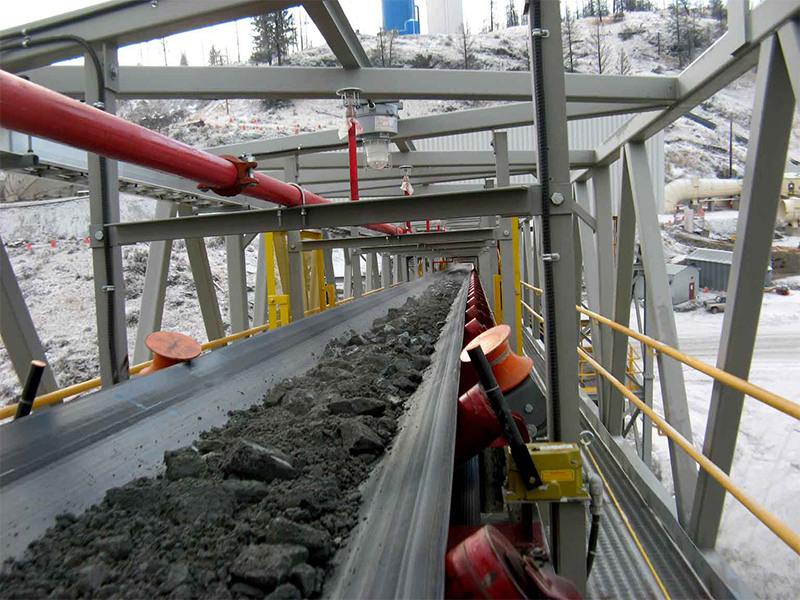
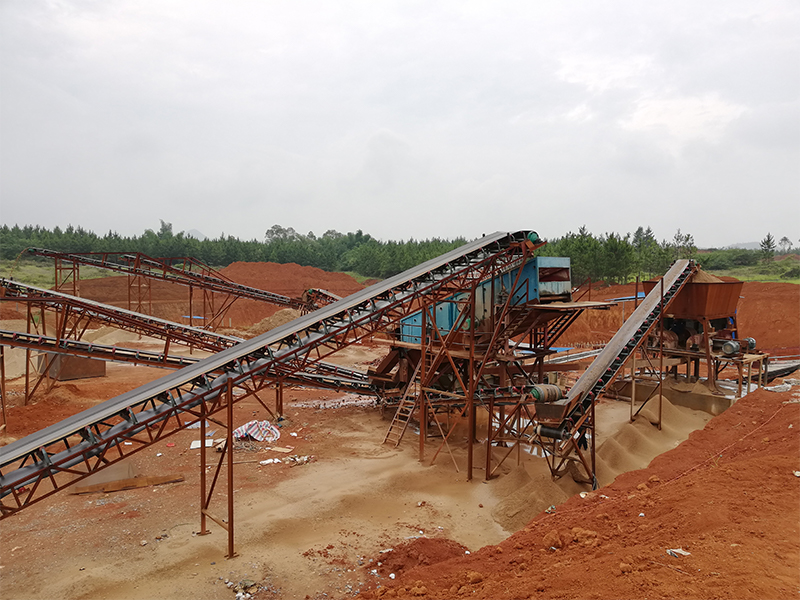
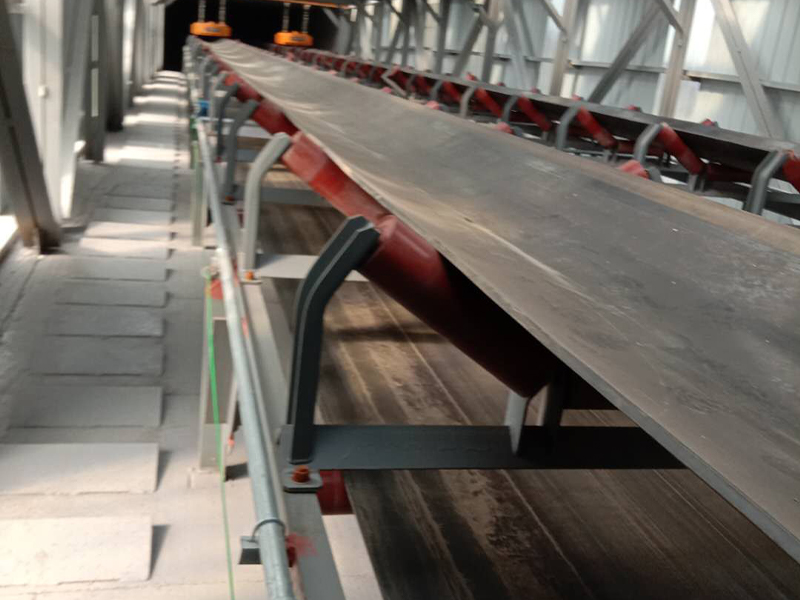
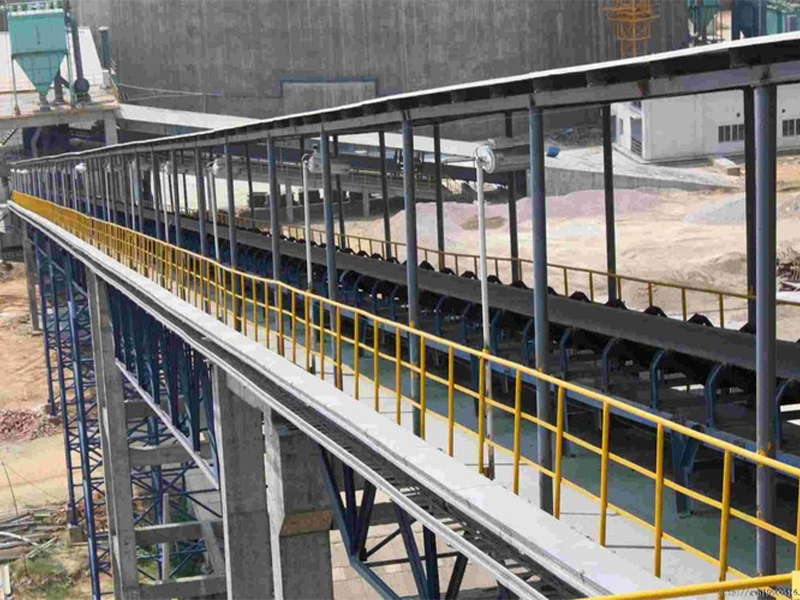
Our conveyor belts are field-tested in demanding environments. Through technical support plans, we optimize operational parameters for major industrial partnerships:
Technical Specifications & Material Selection Matrix
Specifying the correct belt parameters is critical for optimal system performance. The table below lists standard engineering parameters for our high-angle conveyor configurations:
| Belt Parameter / Core Specification | EP (Polyester-Polyamide) Carcass | NN (Nylon-Nylon) Carcass | Steel Cord Reinforcement |
|---|---|---|---|
| Tensile Strength Range | 200 to 3150 N/mm | 200 to 3150 N/mm | 630 to 5400 N/mm |
| Elongation at Rated Load | ≤ 1.5% (Low Elongation) | ≤ 2.5% (Medium Elongation) | ≤ 0.2% (Extremely Low) |
| Adhesion Force (Cover to Ply) | ≥ 4.5 N/mm | ≥ 5.0 N/mm | ≥ 8.0 N/mm (Wire to Rubber) |
| Optimal Cleat Heights | 15mm to 120mm | 15mm to 120mm | Up to 300mm (With Sidewalls) |
| Industry Applications | Sand, gravel, bulk grain | Quarrying, chemical plants | Deep mining, heavy ore haulage |