China Chevron Conveyor Belt Suppliers & Factory

High-Inclination Materials Handling Solutions & Advanced Vulcanized Rubber Technology for Global Industrial Pipelines

22 Years of Custom Engineering Excellence

Established in 2004, Hebei Boao Rubber Technology Co., Ltd. is located in the Rubber Industrial Park of Boye County, Baoding, Hebei Province. Occupying an area of over 30 acres, we have positioned our brand "Jinao" at the forefront of the global bulk material handling sector. We are a premier Chinese manufacturer integrating system engineering, compound research, custom fabrication, and international technical field service support.

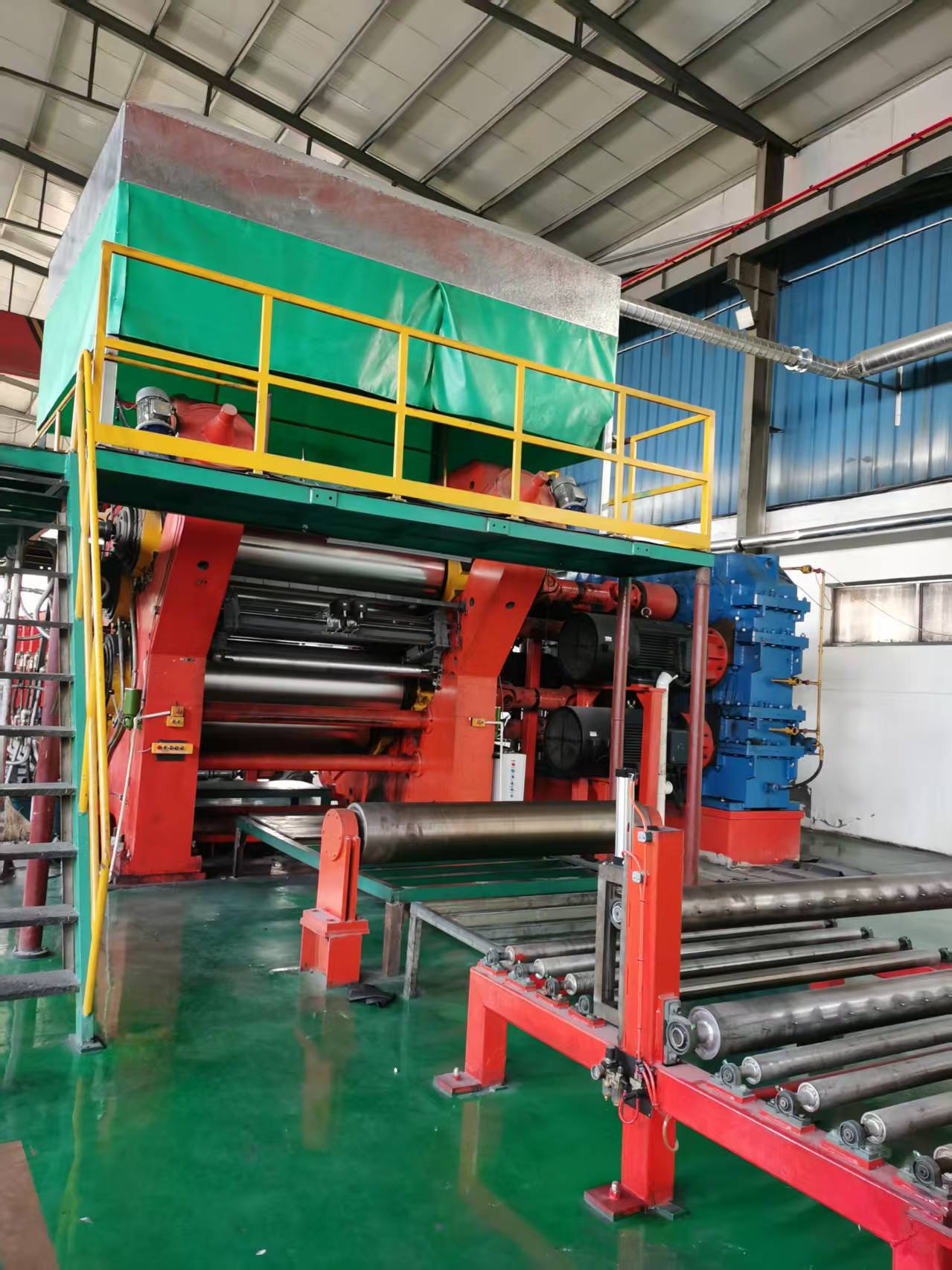
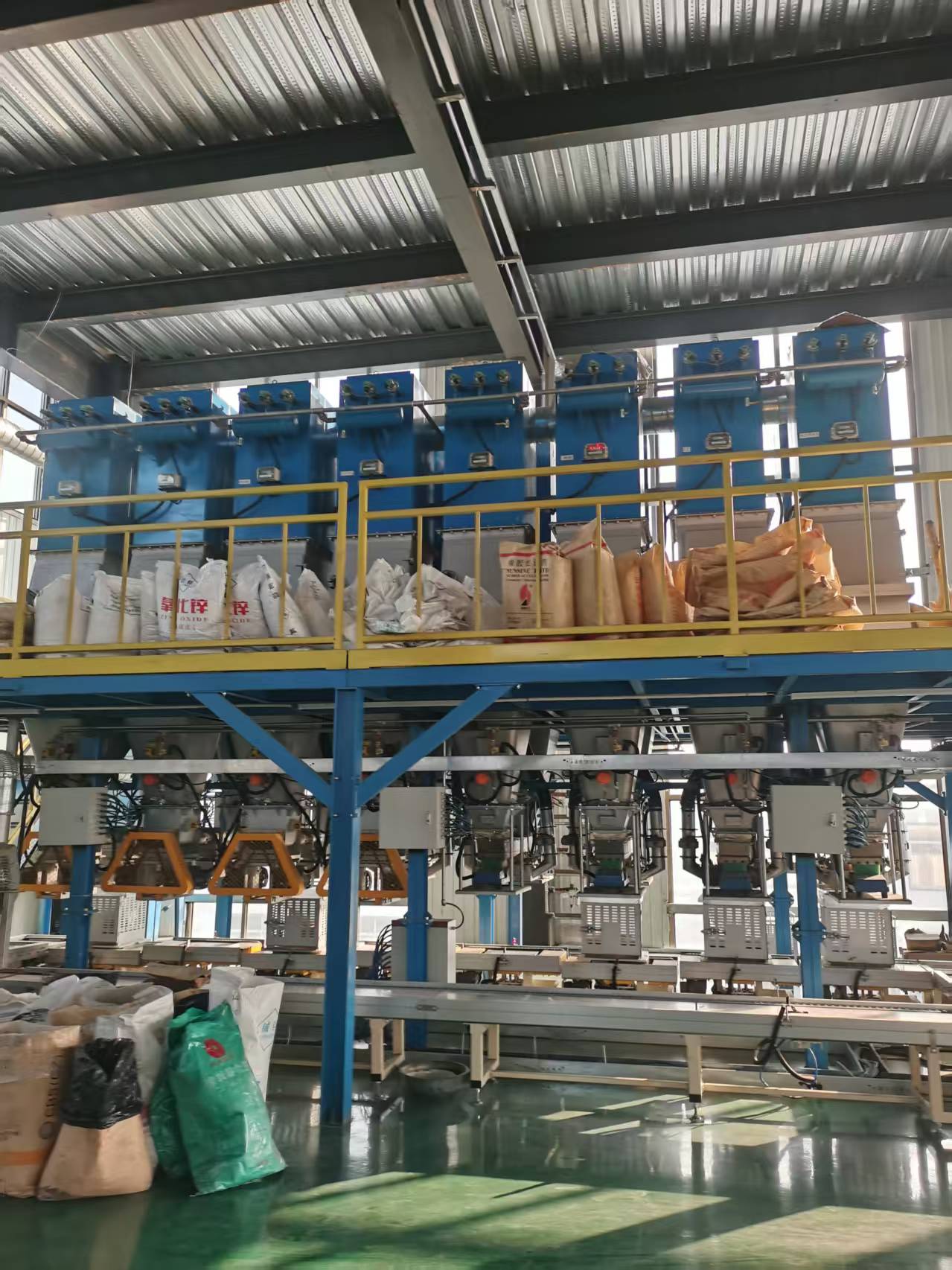
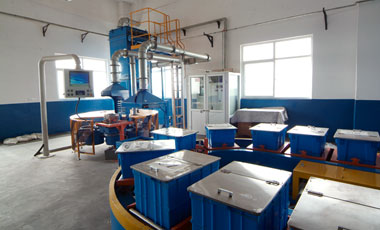
Boao Rubber is certified under international ISO quality control, environmental stewardship, and safety management frameworks. By operating heavy-duty calendering lines, fully automated raw material batching systems, and multi-width continuous vulcanizing presses, we deliver end-to-end reliability for industrial operators worldwide.
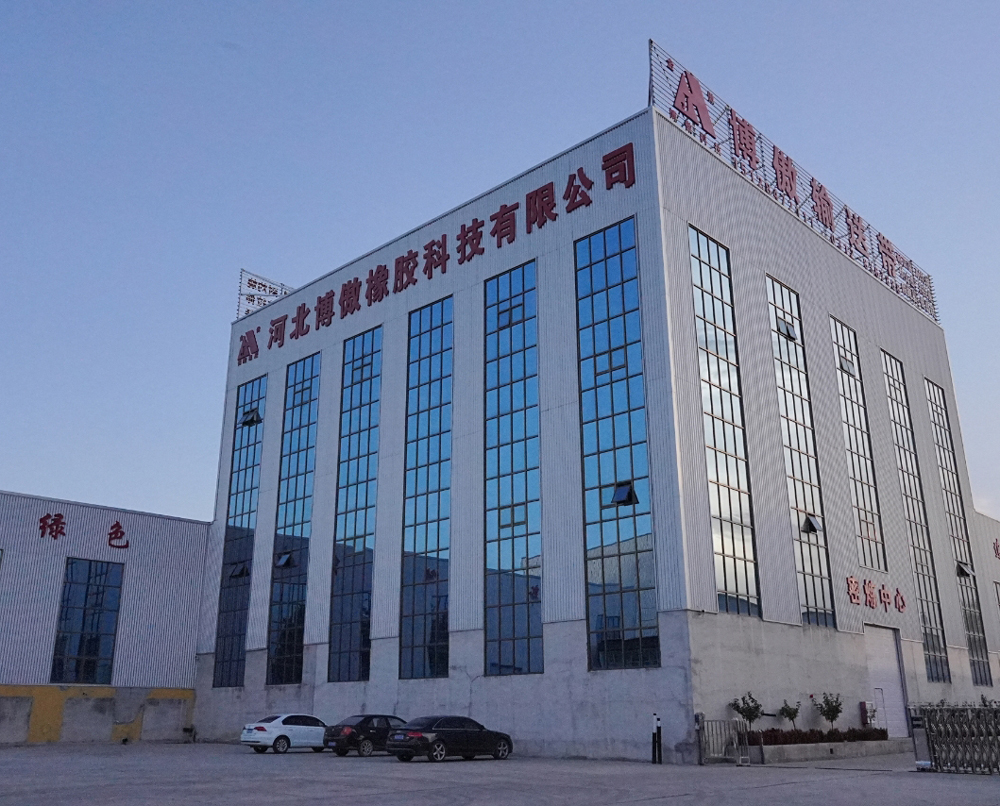
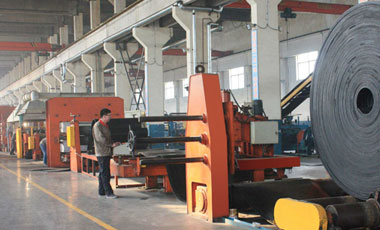
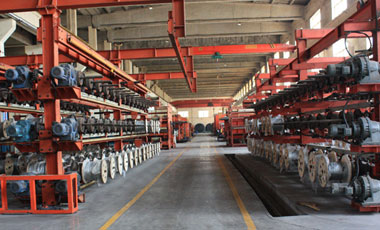
Hebei Boao Rubber Technology Co., Ltd. Manufacturing Facility
22+
Years of Industry Presence
Founded in 2004, pioneering high-integrity conveyor systems
30+
Acres of Production Area
State-of-the-art facility in Boye County, Hebei, China
100%
Traceable Testing
Independent chemical laboratories & structural QA testing

Technical Guide: Chevron Conveyor Belt Design & Optimization

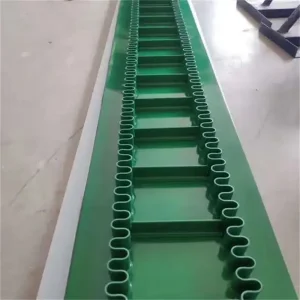
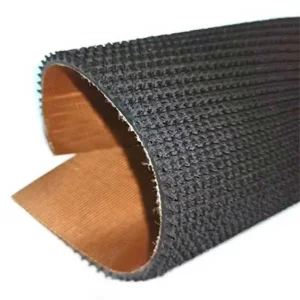
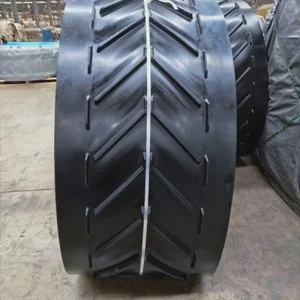
Chevron conveyor belts—frequently referred to as patterned or cleated conveyor belts—are engineered to address material rollback limitations. When conveying bulk solids up inclines exceeding 18° to 22°, standard flat belt surfaces suffer from backward product slippage. By molding integrated profiles (cleats) directly onto the top cover, Chevron belts increase the maximum incline limit to 40° or more. This allows system designers to build shorter, more vertical conveyor layouts, significantly reducing the system's structural footprint and conserving floor space.

Profilated Cleat Integrity

Our cleats are co-vulcanized directly with the base belt compound. This monolithic design prevents profile separation, peeling, and shear failure under harsh material impacts.

Custom Chevron Profiles

We offer Open V, Closed V, Y, C, and Herringbone patterns. Heights range from 5mm (low profile) up to 32mm (heavy-duty profiles) to handle varying material sizing.

High-Tension Carcass

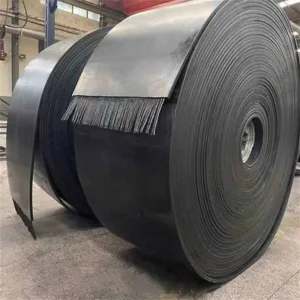
Engineered with high-modulus EP (Polyester-Nylon) fabrics or high-strength Steel Cord reinforcement to ensure minimal elongation and reliable load support.

Chevron Pattern Selection Matrix

Selecting the correct Chevron profile requires analyzing the material's bulk density, moisture level, repose angle, and maximum conveyor incline:

  • Closed V-Profile (High Tightness): Ideal for conveying fine, dry powders and granular substances like sand, grain, and fine coal. This pattern prevents backflow of fluidic materials up to 25° angles.
  • Open V-Profile (Self-Cleaning): Best suited for sticky, wet, or clay-like materials. The gap at the apex allows moisture to drain and prevents materials from clogging the profile corners. This makes it easier to clean with standard belt scrapers.
  • Multi-Chevron / Herringbone Design: Primarily utilized in mobile wood-chipping systems, recycling facilities, and agricultural harvesters. It offers continuous traction across the drive pulleys and runs smoothly over return rollers.

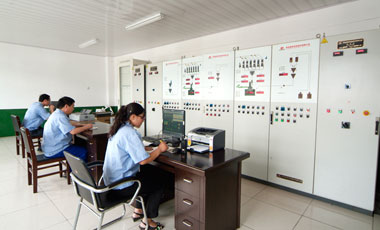
China Factory 4.0: Quality Control & Testing Infrastructure

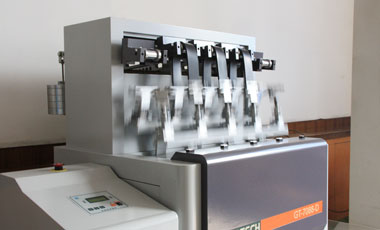
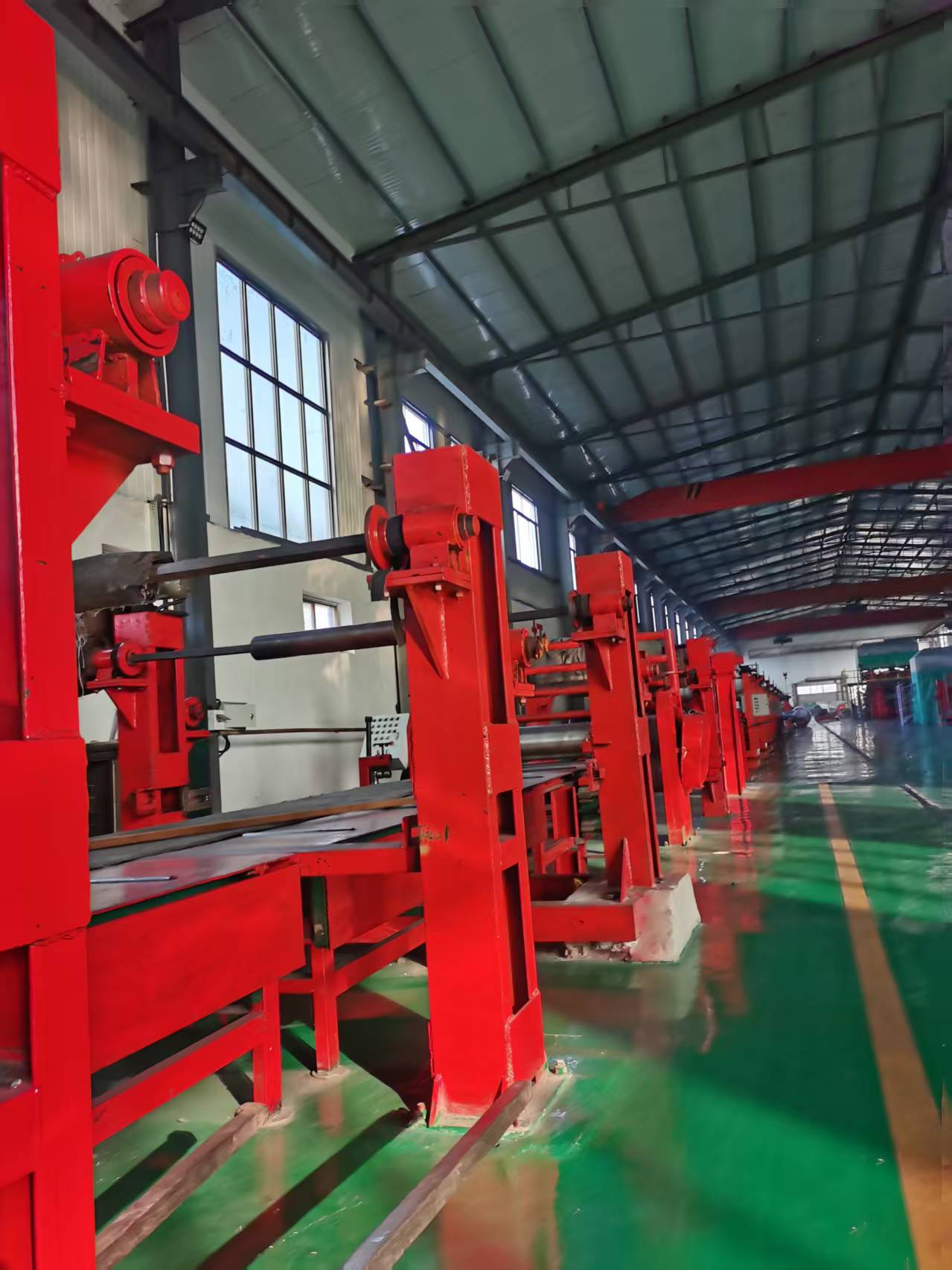
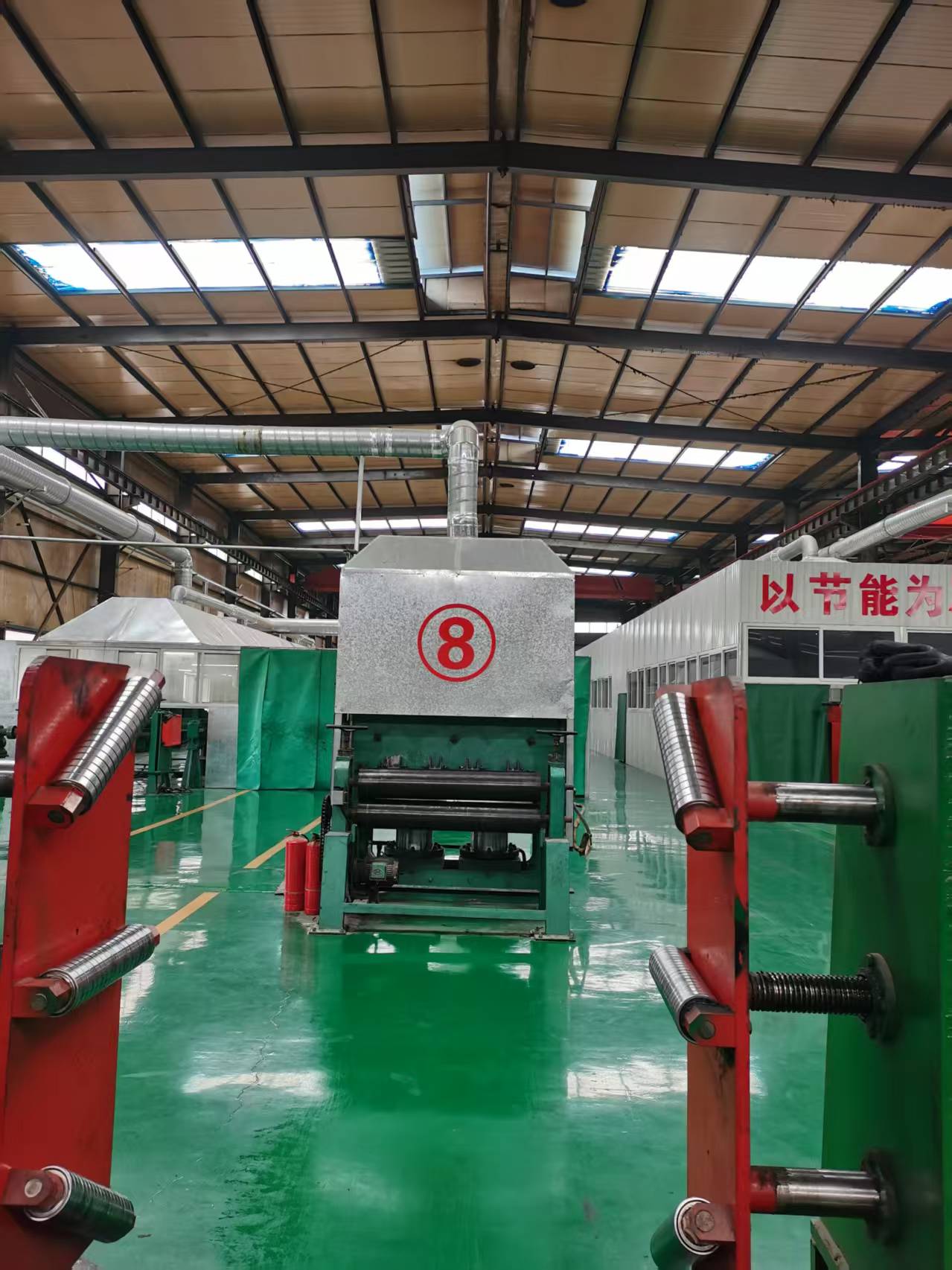
Our manufacturing facility features advanced machinery to guarantee stable physical properties, precise profile alignment, and reliable rubber vulcanization.
0.1mm
Calendering Tolerance
Ensures uniform distribution of the internal fabric plies, eliminating tension imbalances.
100%
Adhesion Inspection
Peeling tests confirm structural integrity between the rubber cover and internal layers.
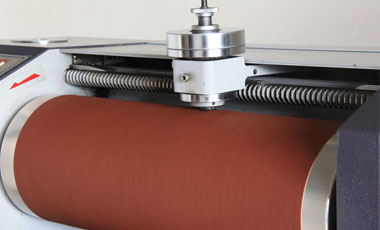
<90mm³
DIN Abrasion Value
Measures high wear resistance, extending the service life of our belts in abrasive environments.
24h
Real-time Batch Tracking
Every roll of conveyor belt is linked to its raw material formulation data.

Advanced Chemical & Physical Analysis

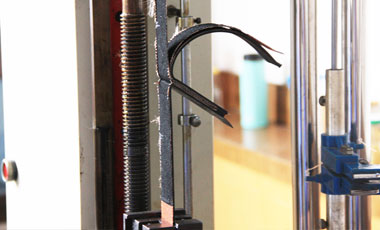
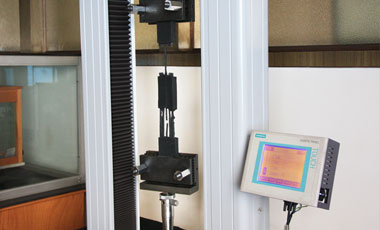
At Boao Rubber, we prioritize performance over volume. Our factory is equipped with an independent chemical analysis lab and a physics testing laboratory. From the moment natural and synthetic rubber monomers enter the plant, they undergo strict testing:
  • Rheometer Oscillation Testing: Analyzes vulcanization curves and curing parameters to ensure optimal rubber density.
  • Tensile and Elongation Testing: Validates EP fabric strength to ensure minimal elongation during high-stress operation.
  • Ozone and Heat Aging Testing: Evaluates belt durability under intense solar radiation and high-temperature environments.

Quality Control Laboratory Equipment

Macro Industry Solutions & Client Cases

Boao's Jinao brand conveyor belts are utilized in mining, metallurgy, cement processing, power generation, and port logistics. We support key operations for global enterprise partners.
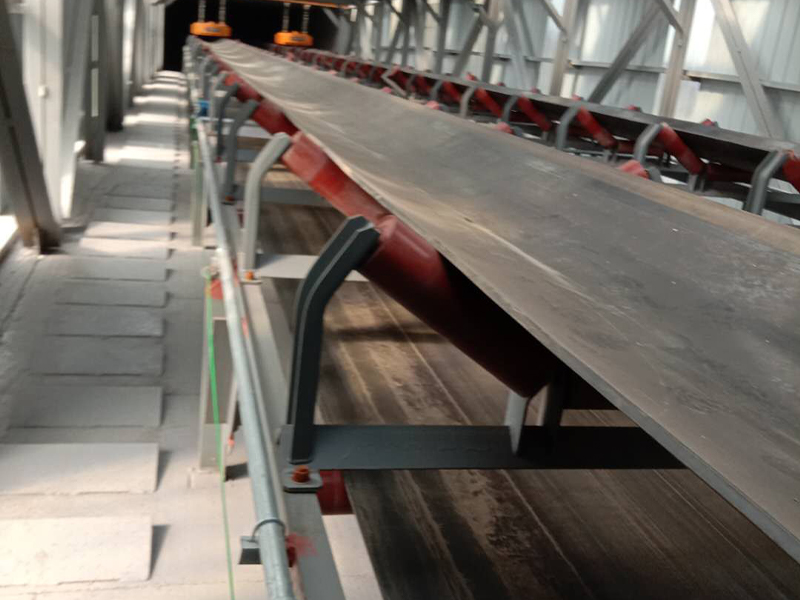
Taihang Steel Factory Conveyor
Metallurgy

Taihang Steel

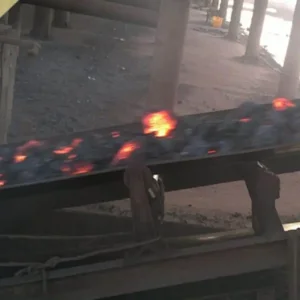
We supply high-temperature resistant and flame-retardant conveyor belts to handle hot sinter and slag, minimizing system downtime.
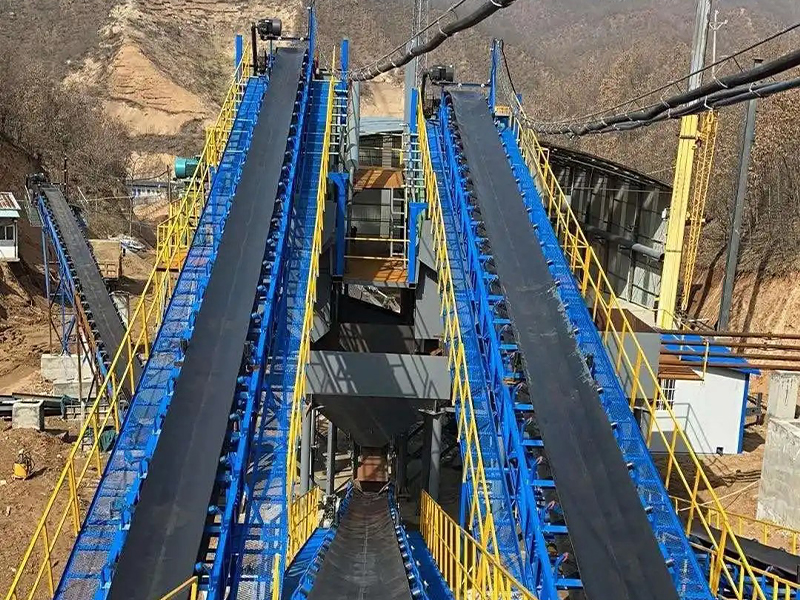
Zijin Mining Bulk Handling
Mining

Zijin Mining

We provide steel cord and tear-resistant belts engineered to handle heavy copper and gold ore in high-impact operations.
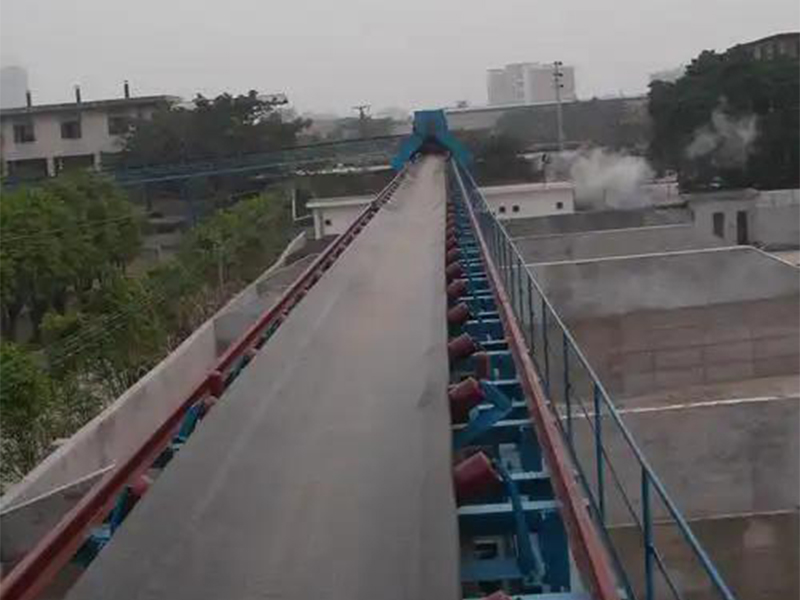
Conch Cement Production
Cement

Conch Cement

Our chevron belts optimize limestone feeding systems by preventing material slippage on steep-incline conveyors.
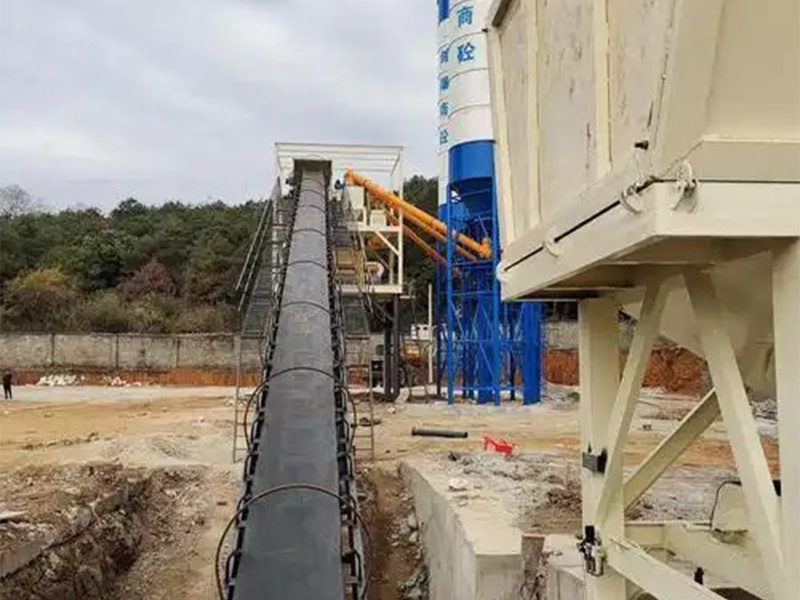
China Railway Group Mixing Plant
Infrastructure

China Railway Group

We supply chevron and sidewall belts for concrete mixing plants, enabling efficient vertical aggregate transport.
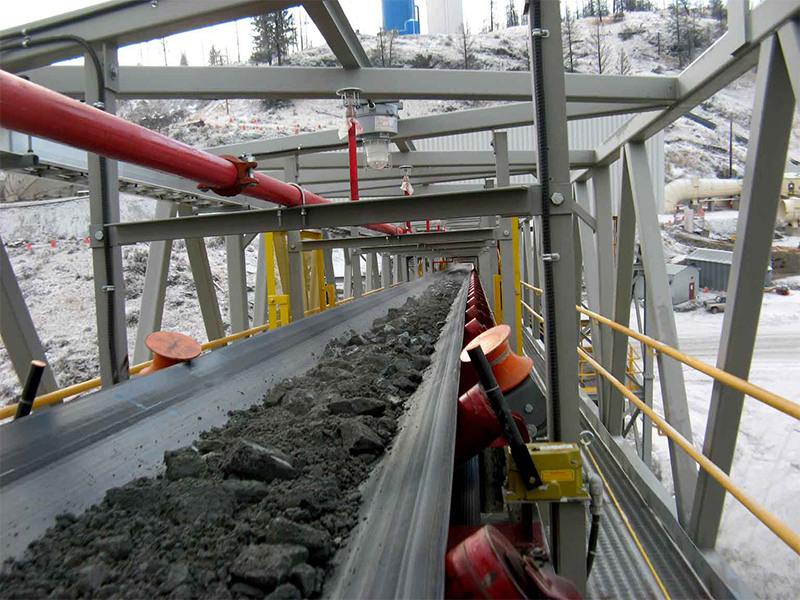
Datong Coal Group Transporter
Coal Industry

Datong Coal Group

We supply flame-retardant and anti-static belts (conforming to MT914 standards) for deep underground coal mining operations.
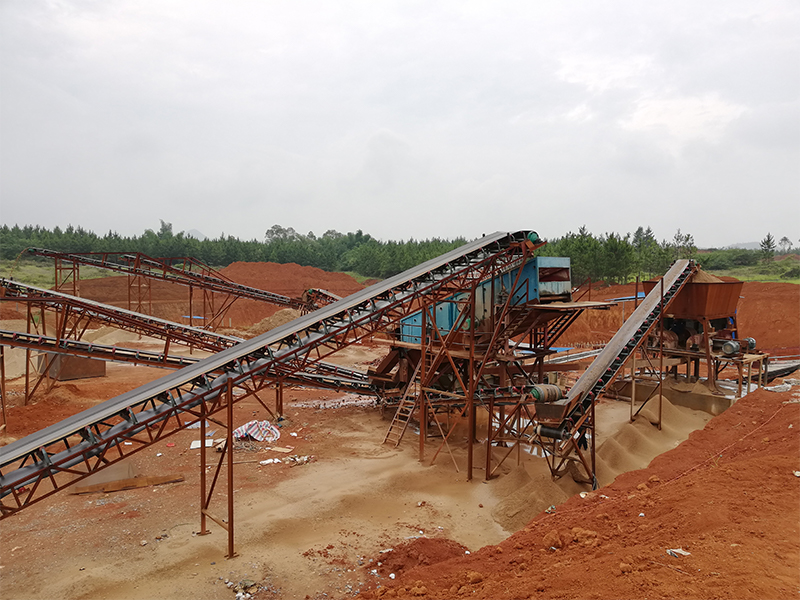
Tsingshan Group Materials Transport
Nickel Ore Handling

Tsingshan Group

We supply heat and oil-resistant belts to handle nickel laterite ore and process bulk raw materials.

Technology Roadmap & Future Material Science

As industrial operations face stricter environmental and efficiency targets, the design of conveyor belts must evolve. The Jinao research division has established a development roadmap focused on smart monitoring, advanced compounds, and sustainable lifecycle management.

Phase 1

RFID & Intelligent Rip-Detection Systems

We are integrating high-frequency RFID chips and conductive copper loops directly into the belt's multi-ply structure. This technology allows real-time structural monitoring, enabling automated shutdown systems to trigger before severe belt tears occur.

Phase 2

Ultra-Low Rolling Resistance (ULRR) Bottom Cover

By optimizing the molecular structure of our bottom rubber compounds, we reduce the viscoelastic energy loss that occurs as the belt passes over idlers. This technology can lower the energy consumption of long-distance conveyors by up to 15%.

Phase 3

Eco-friendly Sustainable Compounding

We are replacing traditional petroleum-derived processing oils with renewable, plant-based alternatives. Additionally, we use high-dispersibility silica to reduce raw emissions during vulcanization without compromising physical tear strength.

Global Enterprise Procurement Requirements

Procuring conveyor components involves selecting products that match your system's operating tension, material specifications, and regulatory requirements. Our engineering team ensures all shipments comply with regional performance standards:

  • European Standard (DIN 22102): We supply high-abrasion resistance grades, including DIN-X (extreme wear resistance), DIN-Y (general purpose), and DIN-W (for highly abrasive fine materials).
  • Australian Standard (AS 1332): Meets strict requirements for synthetic fabric carcass designs used in mining and bulk port loading applications.
  • ISO 5048 and CEMA Standards: All belt tension and power calculations are verified to ensure compatibility with your system's idlers, pulleys, and drive motors.

End-to-End Conveyor System Component Support

A high-performance conveyor system requires more than a premium belt. Boao designs and manufactures matching system components to ensure proper tracking, load support, and system longevity.

Roller & Idler Assemblies

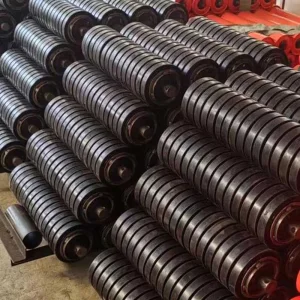
We supply standard and heavy-duty idlers, including troughing, buffering, impact, and ceramic-lagged rollers, to protect the belt carcass at critical transfer points.

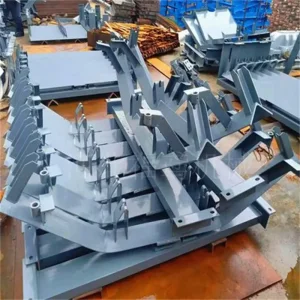
Support Brackets

Our structural steel brackets, including offset trough and self-aligning brackets, ensure proper belt training and reduce structural wear.

Pulleys & Lagging

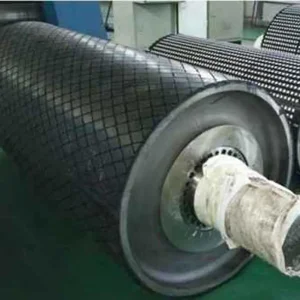
We offer drive, tail, snub, and bend pulleys with diamond or ceramic lagging to maximize traction and prevent belt slippage in wet conditions.

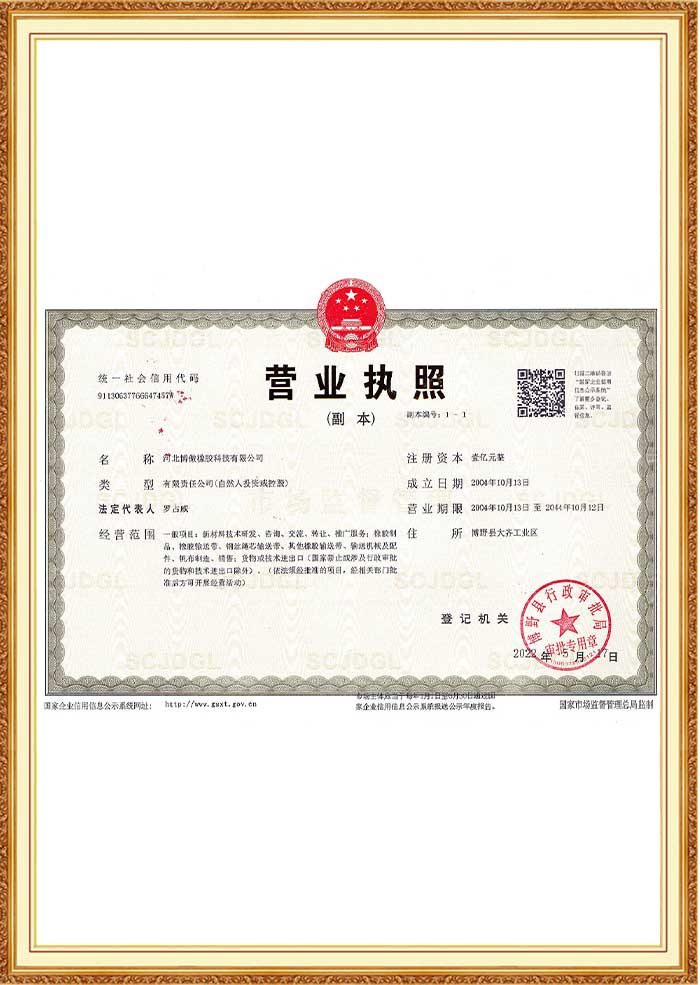
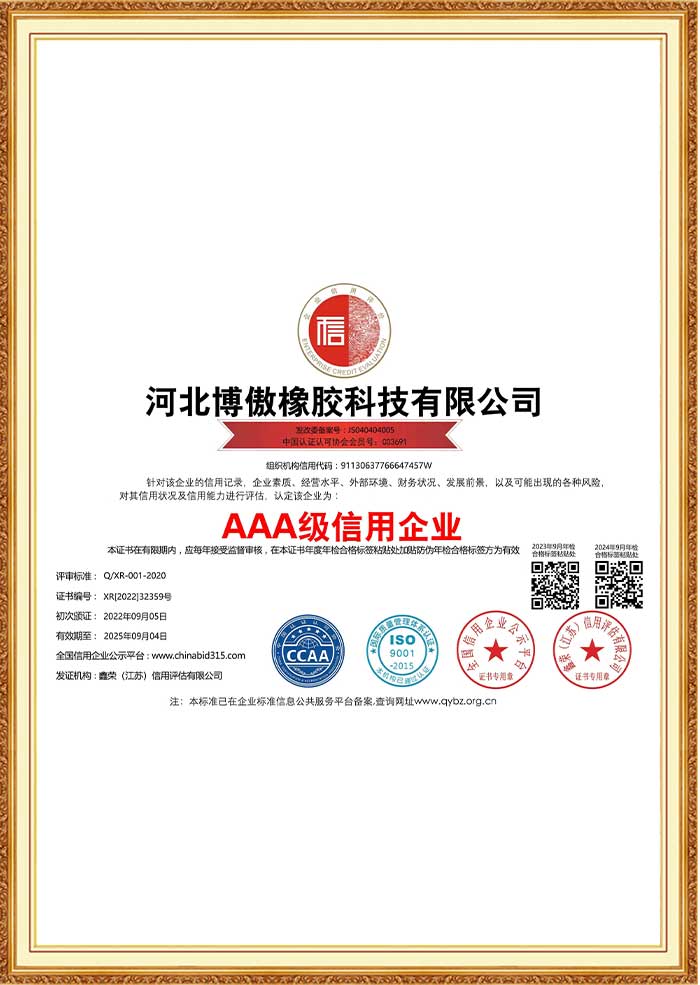
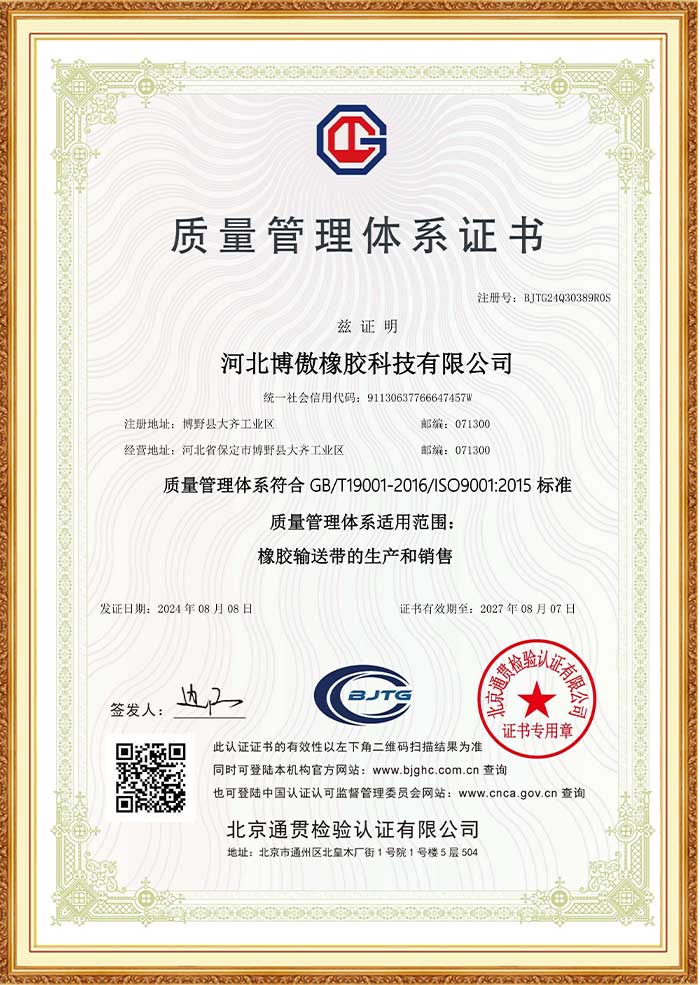
Certified Quality & International Compliance

Our quality management and manufacturing processes are certified to meet international industrial standards.
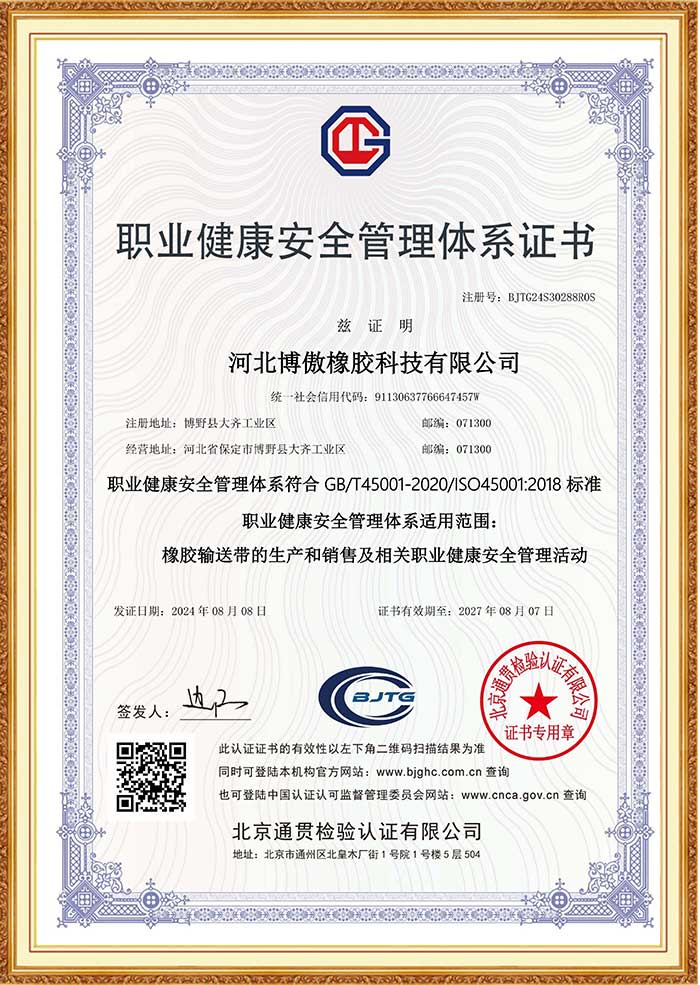
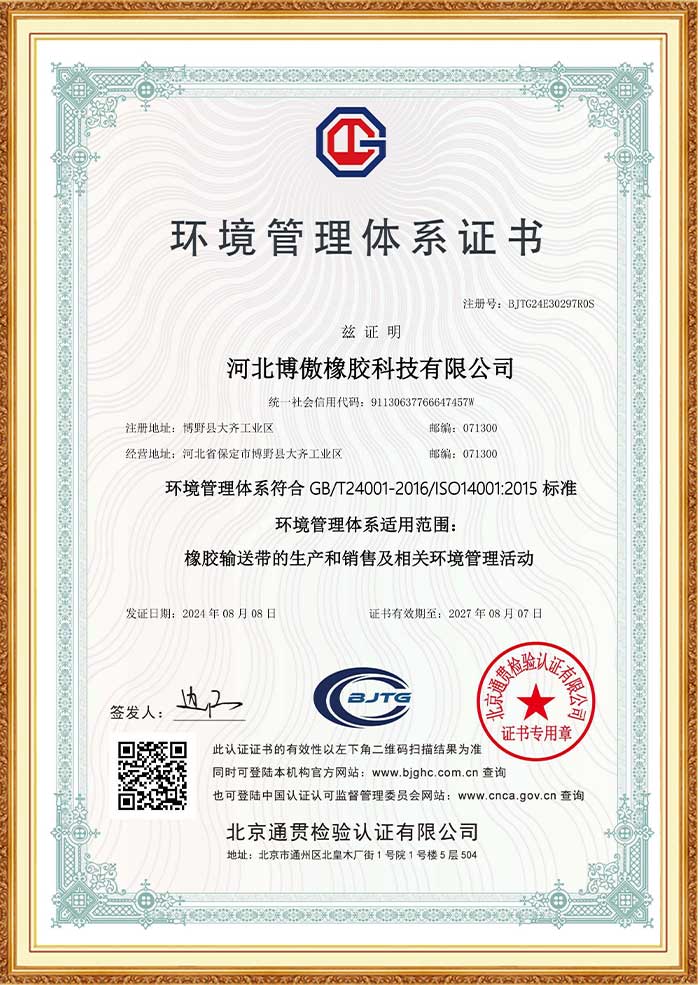
ISO Quality Management Certificate
Product Compliance Certificate
Quality Inspection Standard Certificate
Environmental System Certificate
Workplace Safety Certificate

Technical Q&A & Sourcing Guide

Q1: What are the primary factors when choosing the correct chevron cleat height? +
The profile height is chosen based on material lump size and conveyor incline. Low-profile patterns (5mm-15mm) are typically used for fine materials up to 25° inclines. High-profile patterns (15mm-32mm) are recommended for larger material lump sizes and steeper inclines up to 40°.
Q2: How do you prevent the chevron cleats from delaminating or tearing under impact? +
To prevent delamination, our chevron profiles are co-vulcanized under high pressure and temperature in a single continuous press run. This process bonds the profiles directly with the base rubber cover, preventing the peeling issues common in cold-bonded alternatives.
Q3: What are the differences between EP fabric, NN fabric, and Steel Cord cores? +
EP (Polyester-Nylon) fabric offers low stretch, high strength, and good dimensional stability, making it suitable for medium-to-long distance systems. NN (Nylon-Nylon) fabric provides higher elasticity and impact resistance, ideal for heavy-impact material drops. Steel Cord cores are used for high-tension, long-distance systems requiring minimal stretch.
Q4: Can chevron conveyor belts be cleaned effectively using standard blade belt scrapers? +
Standard solid-blade scrapers are not suitable for chevron belts as they can catch and damage the profile. Instead, we recommend using rotary brush cleaners, polyurethane finger-style scrapers, or air knives to safely clean the belt surface.
Q5: How does the sulfur vulcanization process affect the wear life of the rubber cover? +
The vulcanization process creates sulfur cross-links between the polymer chains, transforming raw rubber into a stable elastomer. Precise temperature control prevents over-curing (which causes brittleness) and under-curing (which leads to low wear resistance), ensuring optimal physical properties.
Q6: How do you verify the flame-retardant properties of safety-grade belts? +
Our flame-retardant belts undergo strict testing in our laboratory, including burner flame tests and electrical resistance measurements (surface resistivity < 3.0 × 10⁸ Ω), to ensure compliance with standards like EN 12882 and MT914.
Q7: What is the recommended minimum pulley diameter for a 25mm Chevron cleated belt? +
The minimum pulley diameter is determined by the carcass thickness and number of fabric plies. However, because chevron profiles increase the overall thickness and stiffness, pulley diameters should be up to 15% larger than those used for standard flat belts to prevent premature rubber fatigue.
Q8: Can your factory support custom dimensions and tailored compound designs? +
Yes. We offer fully custom manufacturing. Our engineering team can adjust belt widths, carcass materials, cleat styles, and cover rubber compounds (including heat, oil, cold, and chemical resistant grades) to meet your specific system requirements.

Onsite Lifecycle Management & Support

To keep bulk conveyor systems operating efficiently and minimize unplanned downtime, Hebei Boao Rubber Technology Co., Ltd. provides customized technical service plans:

  • Preventive Maintenance Audits: Our engineers provide regular onsite inspections to monitor belt wear, tension levels, and roller alignment.
  • Onsite Cold & Hot Vulcanized Splicing: We provide splicing materials and field vulcanizing presses to complete belt joints quickly and safely.
  • Buffer Stock Management: We coordinate safety stock levels of critical belt sizes, idlers, and brackets, ensuring fast replacement when required.

Our team is committed to providing durable products and responsive technical support. Contact us today to discuss your project requirements and receive a detailed quote.