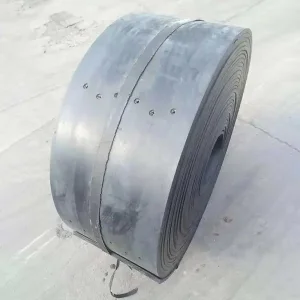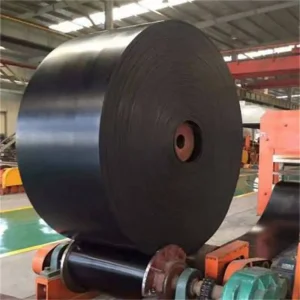
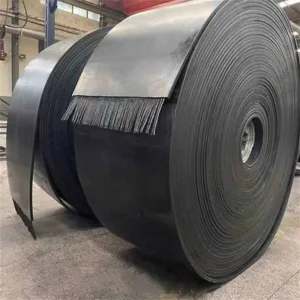
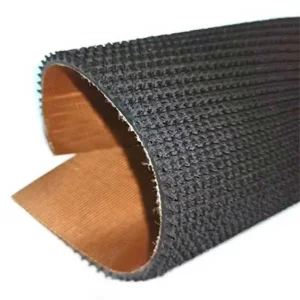
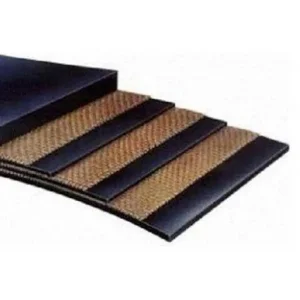
Modern industrial supply chains operate under high physical stress and thermal demands. Industries such as metallurgy, heavy steel casting, cement production, power generation, and chemical factories process materials at temperatures exceeding several hundred degrees Celsius. Standard conveyor belts exposed to materials like hot coke, sintered ores, cement clinker, or chemical slag face immediate thermal degradation. This leads to premature cover cracking, belt shrinkage, structural splitting, and localized combustion.
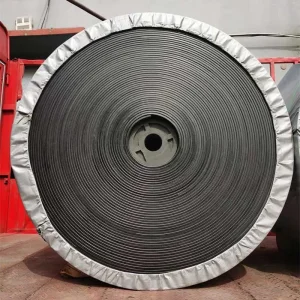
To mitigate these risks and prevent catastrophic plant shutdowns, heavy industry relies on specialized burn-resistant rubber conveyor belts. These belts are engineered using advanced synthetic elastomeric polymers that form highly stable cross-links. Our designs prioritize high heat resistance alongside superior abrasion and cut performance, delivering durability and continuous material transport in hazardous, high-temperature manufacturing environments.
The performance of a burn-resistant rubber conveyor belt depends heavily on the chemical engineering of its elastomeric covers. Selecting the correct rubber compound helps minimize heat propagation, preventing thermal degradation of the internal carcass. Our compounding engineers develop bespoke cover properties categorized under international heat-resistance standards:
| Heat-Resistance Grade | Continuous Working Temp | Peak Temperature Limit | Ideal Material Focus | Primary Elastomer Base |
|---|---|---|---|---|
| T1 Grade | Up to 125°C | 150°C | Foundry sand, coal slag, basic aggregates | SBR / Natural Rubber Blends |
| T2 Grade | Up to 150°C | 175°C | Cement clinker, hot fertilizer compounds, metal ores | SBR / EPDM Blends |
| T3 Grade | Up to 175°C | 200°C | Coke, sintered ore particles, chemical minerals | EPDM / Halogenated EPDM |
| Super Heat Resistant | Up to 250°C | Up to 400°C (Short peak) | Extremely hot metal casting, sintering lines | Specialized Vulcanized EPDM Matrix |
Exposure to extreme heat accelerates the cross-linking structure of general-purpose rubber, leading to hard, brittle, and cracked surfaces. A proper burn-resistant cover uses a complex vulcanization accelerator system that prevents heat aging. When the belt transports materials at peak temperatures, it forms a protective carbonaceous layer. This shield isolates the heat, keeping the internal carcass (EP, NN, or Steel Cord) well below its degradation threshold.
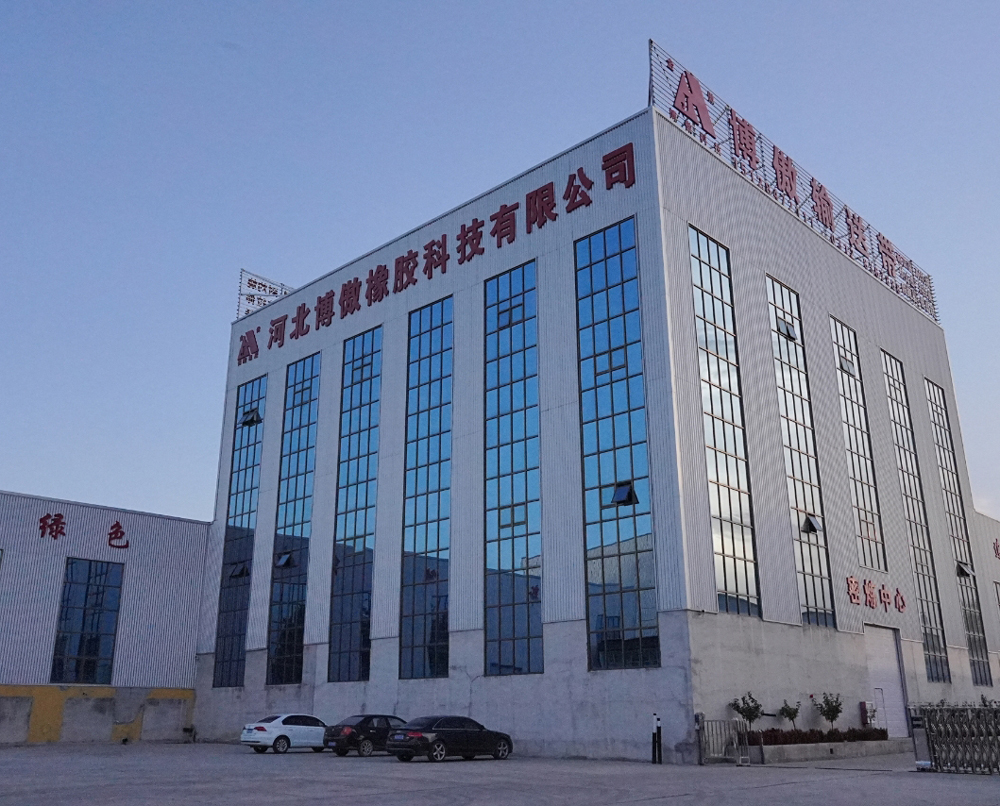
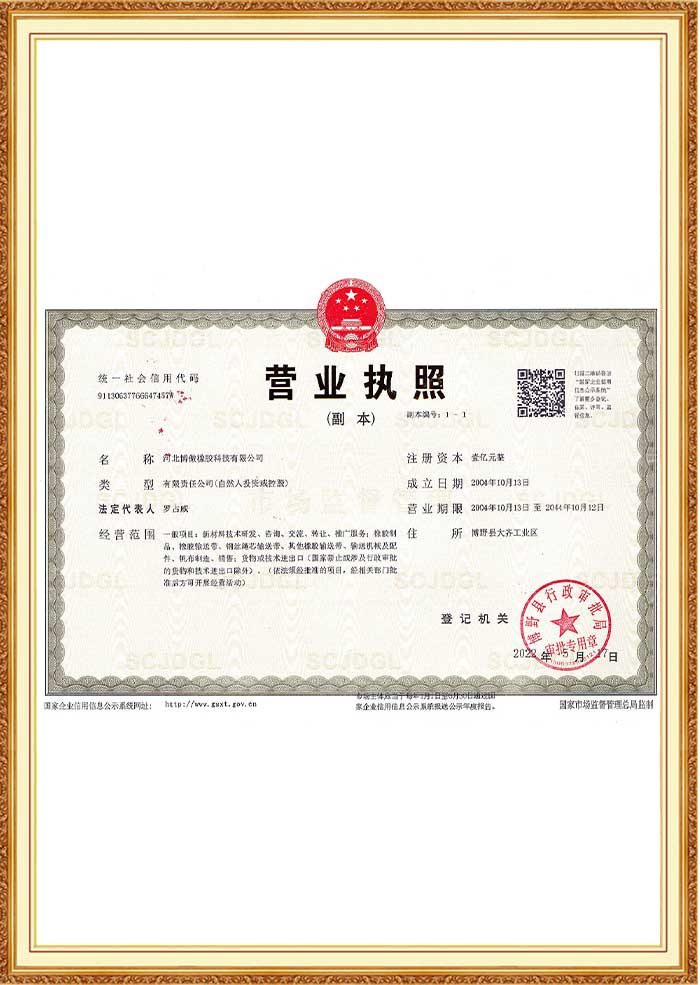
Located in the Rubber Industrial Park of Boye County, Baoding, Hebei Province, Hebei Boao Rubber Technology Co., Ltd. was established in 2004. Over the past two decades, we have expanded to cover a facility area exceeding 30 acres. Under our registered brand name "Jinao", we operate as a professional Chinese manufacturer integrating conveyor belt product development, research, structural design, manufacturing, and technical services.
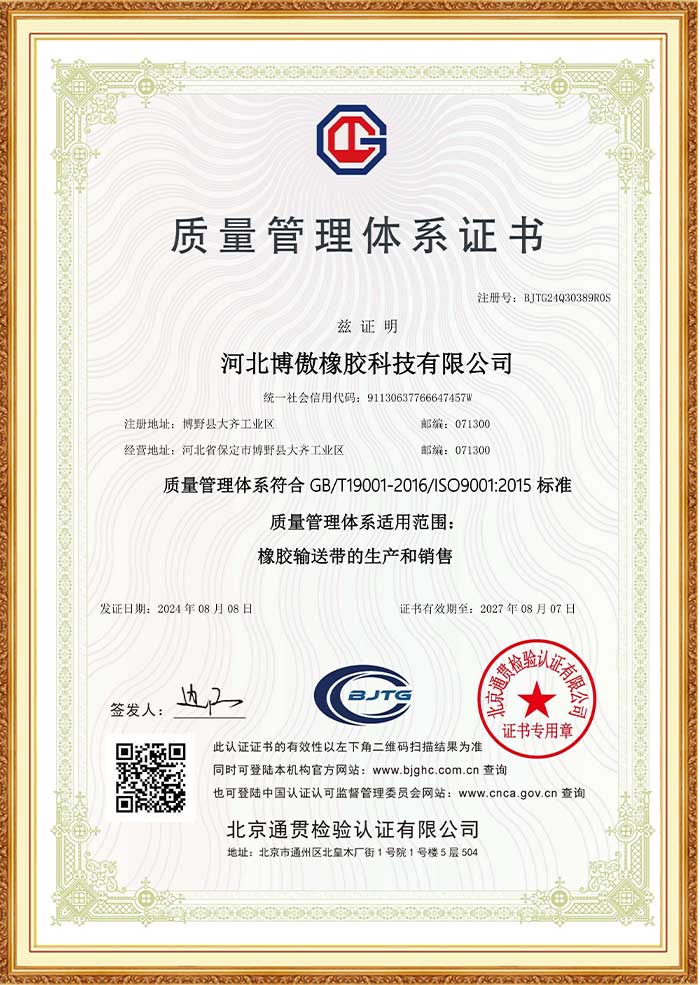
Our production facilities feature advanced equipment lines for rolling, forming, vulcanization, and testing, managing the entire lifecycle from raw materials to finished products. As an ISO certified manufacturing company, our quality system is built to monitor and verify every production run, ensuring consistent quality across all batches.
Our chemical analysis rooms and physics laboratory monitor every stage from raw material procurement to product delivery. We enforce strict quality control standards, ensuring that only certified products leave our site.
Equipped with dynamic fatigue testers, steel cord pull-out machines, and high-precision abrasion testing equipment, our quality control team checks every belt for tensile strength, heat resistance, and structural integrity.
Supported by strong engineering teams and a comprehensive after-sales system, Jinao conveyor products are exported to industrial clients nationwide and globally. They are used in steel plants, cement kilns, power stations, fertilizer factories, and heavy bulk ports.
High-quality conveyor belts require precise manufacturing processes and regular testing. Our facility operates dedicated processing machinery and analytical instruments to support consistent production output.
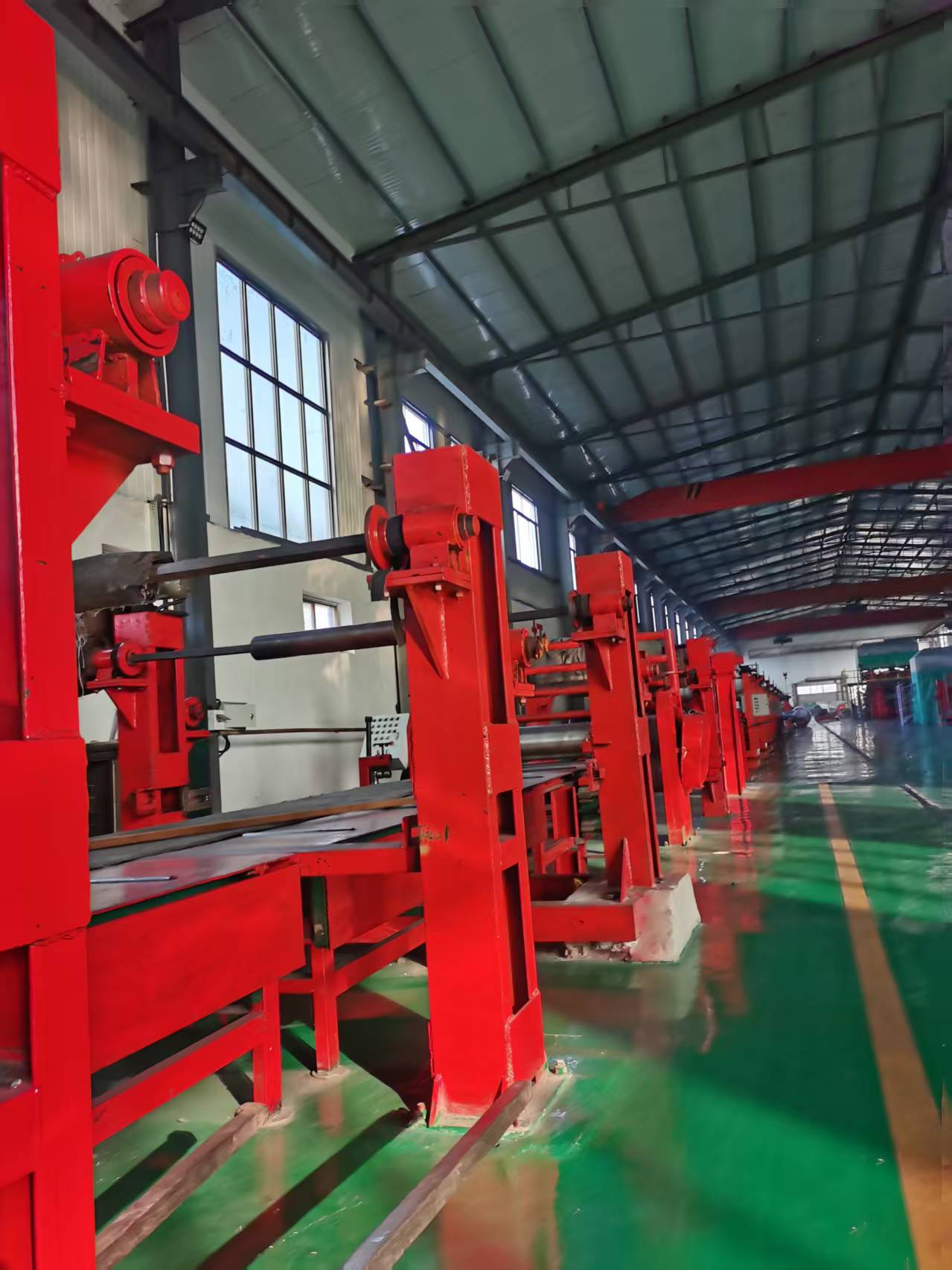
Internal Batching Mixer
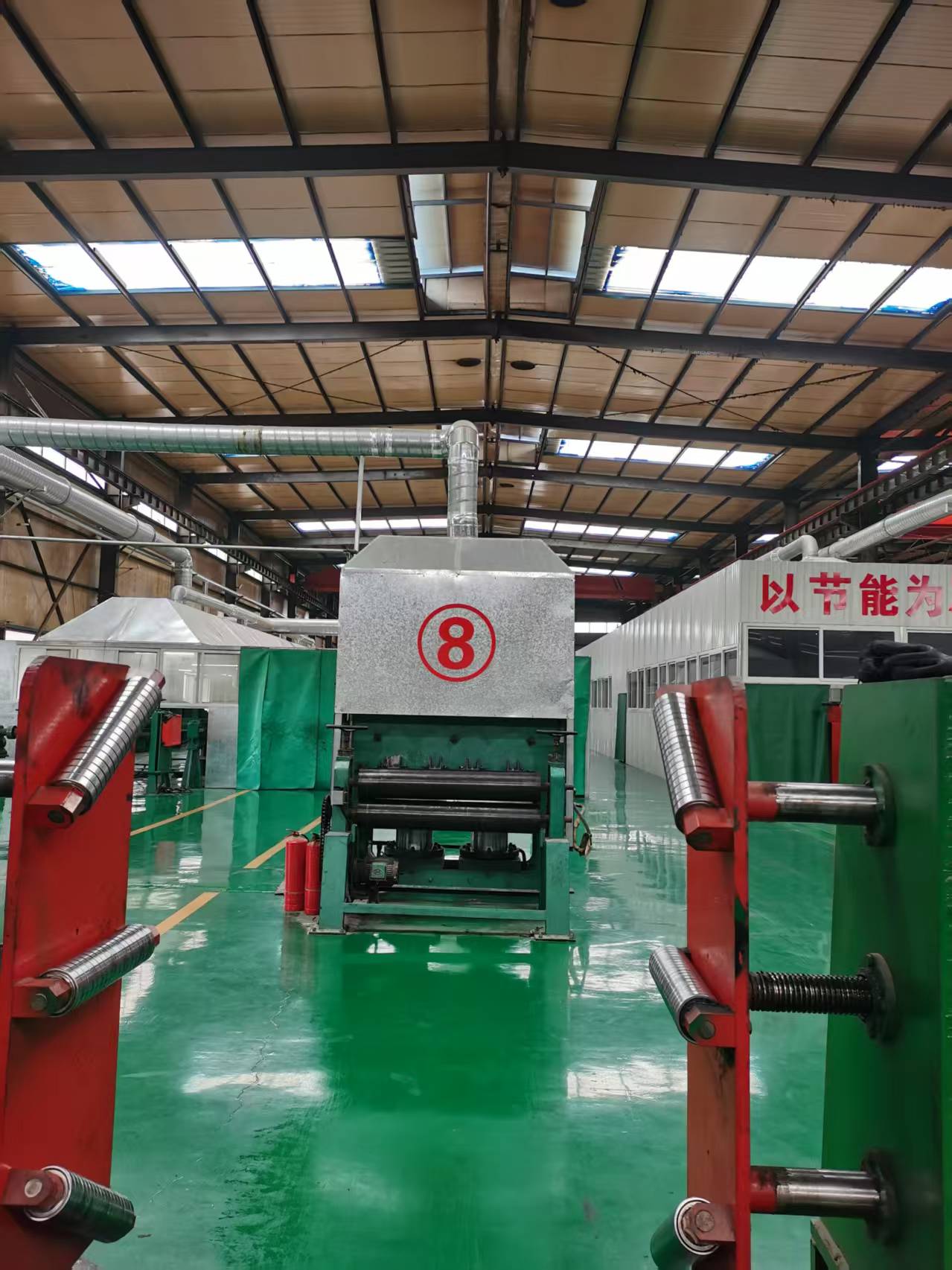
Calendering Equipment
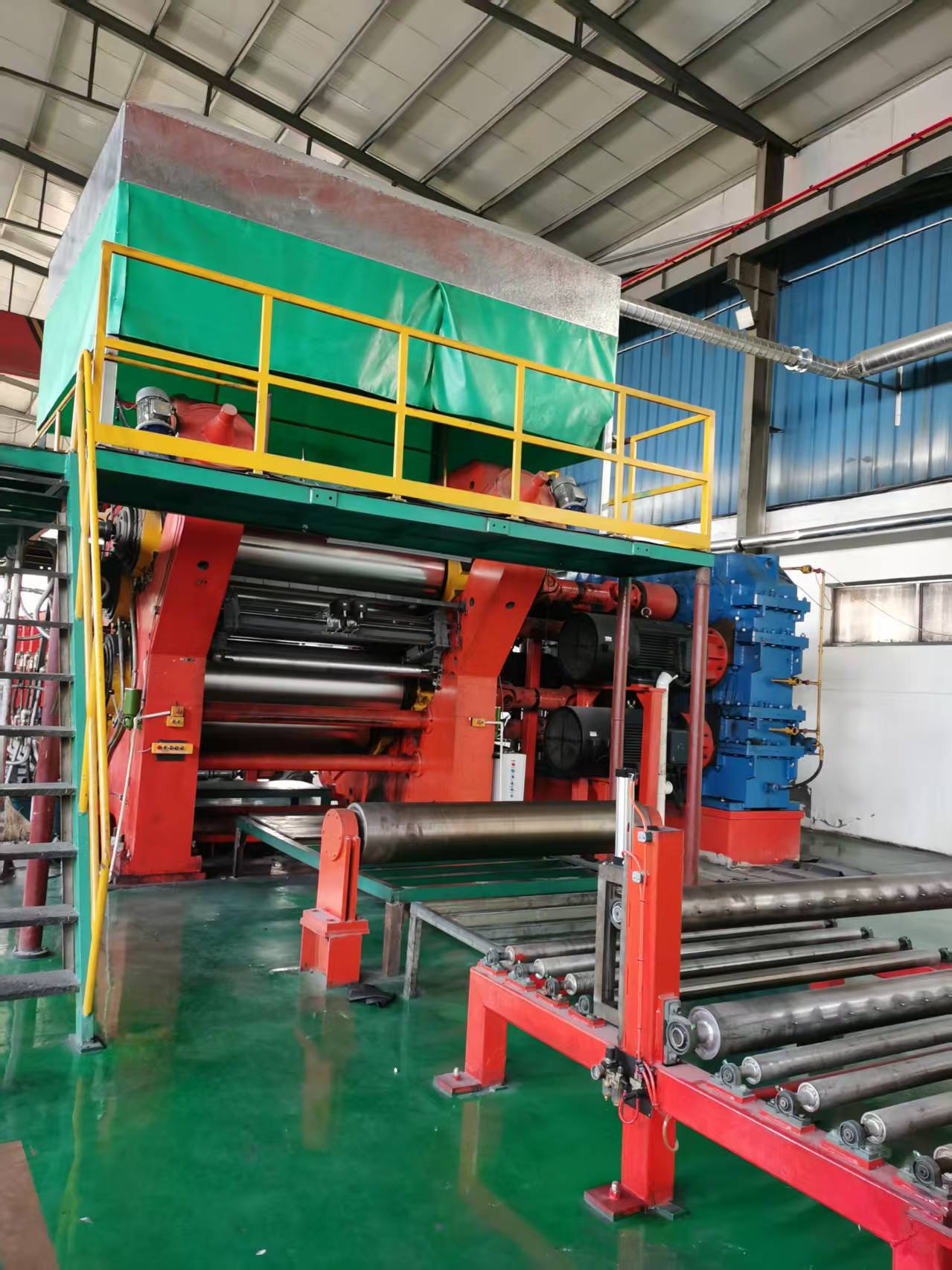
Continuous Press Line
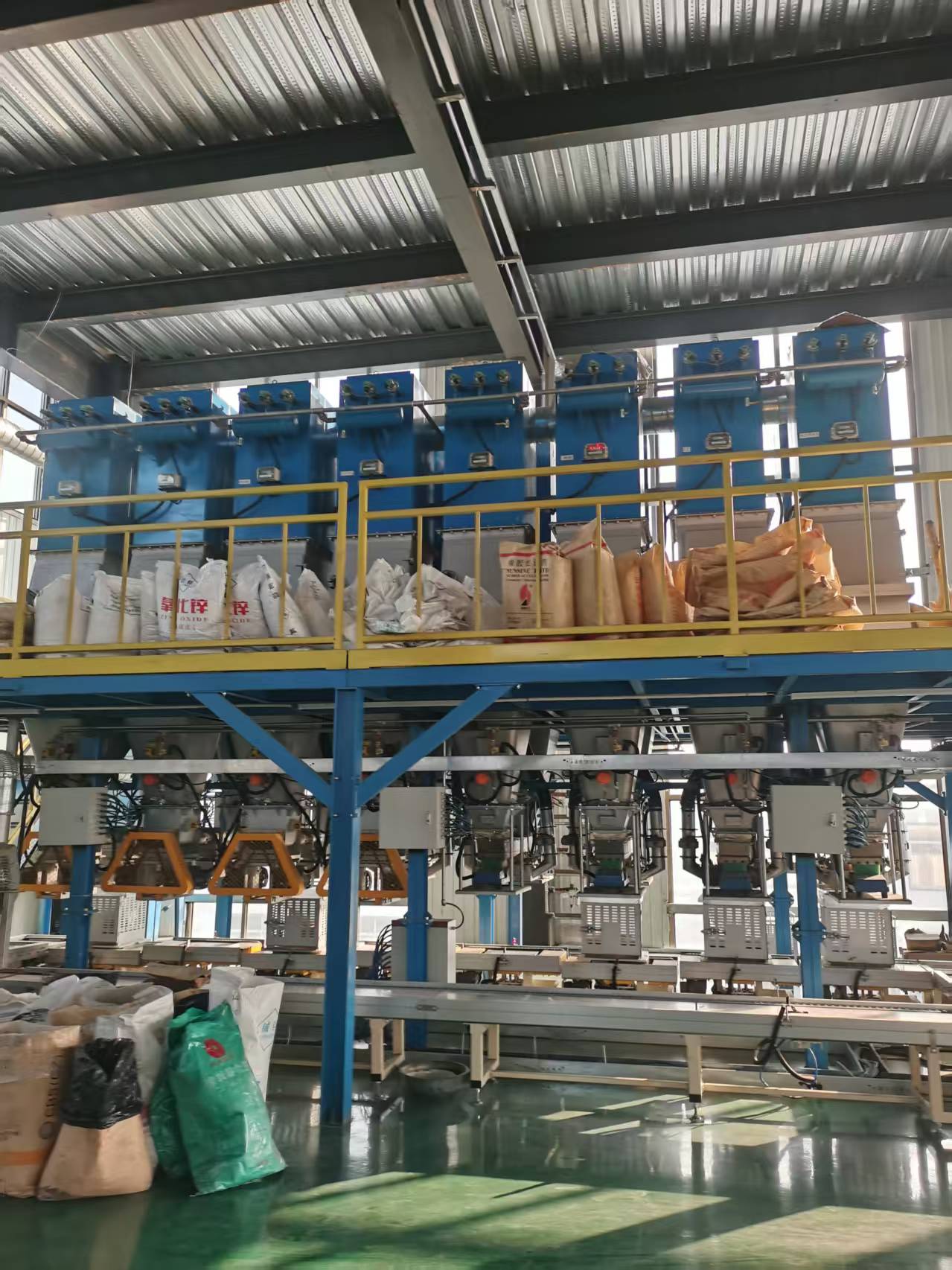
Processing Machinery
Fabric Belt Line
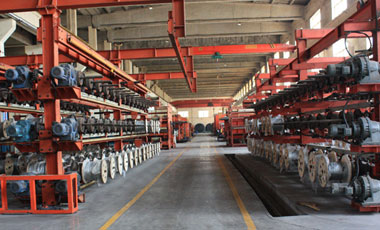
Steel Cord Production Line
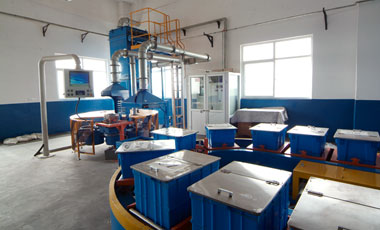
Proportioning Room
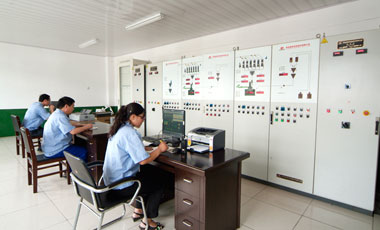
Automated Proportioning
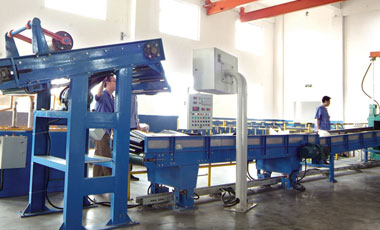
Automatic Feeding Device
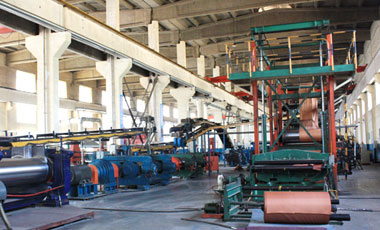
Calendering & Shaping
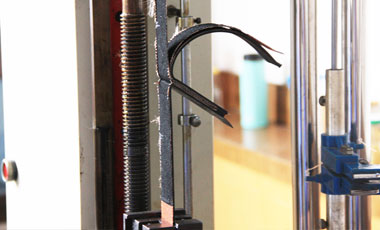
Peeling Test Device
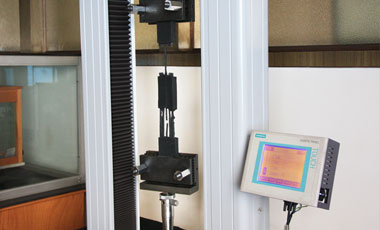
Steel Cord Pull-out Test
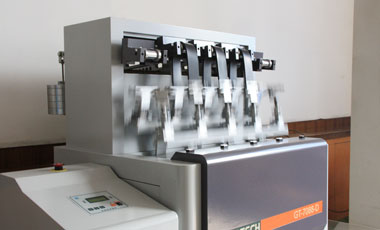
Dynamic Fatigue Tester
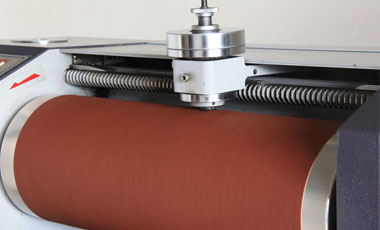
DIN Abrasion Tester
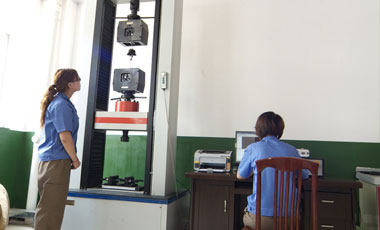
Density & Hardness Test
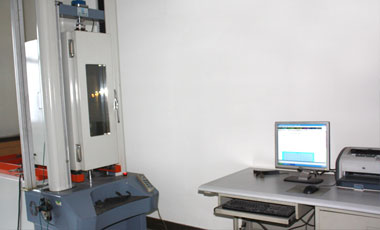
Physical Tester
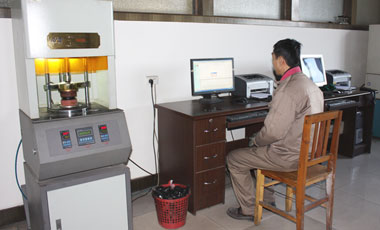
Comprehensive Lab Testing
Our conveyor belts are utilized across heavy industries throughout China and global export channels. Leading enterprises trust the Jinao brand to maintain continuous production operations under demanding conditions.
Supplying high-strength material handling belts to support infrastructure development.
Providing heat-resistant belts designed to withstand continuous exposure to cement clinker.
Supplying heavy-duty underground mining and fire-resistant transport belts.
Supplying heat-resistant belts for stainless steel and metallurgical production lines.
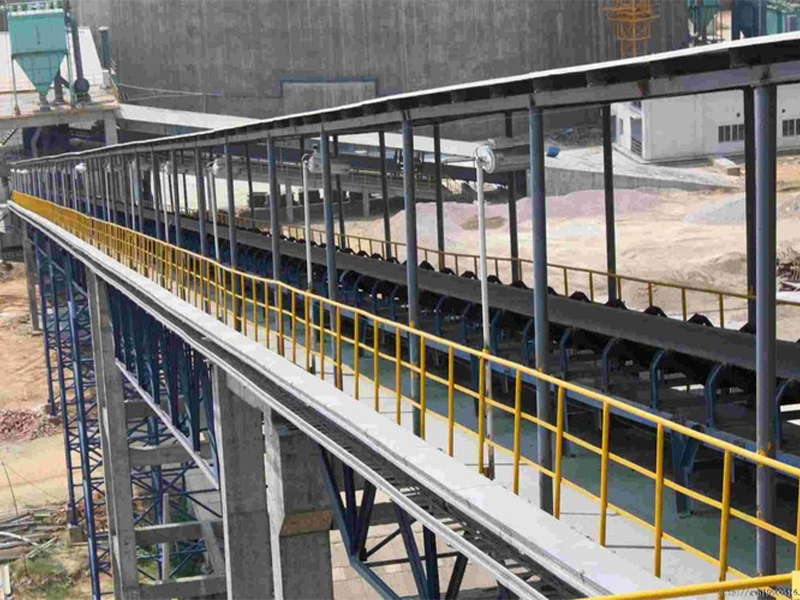
Delivering high-temperature conveyor belts for kiln discharge systems.
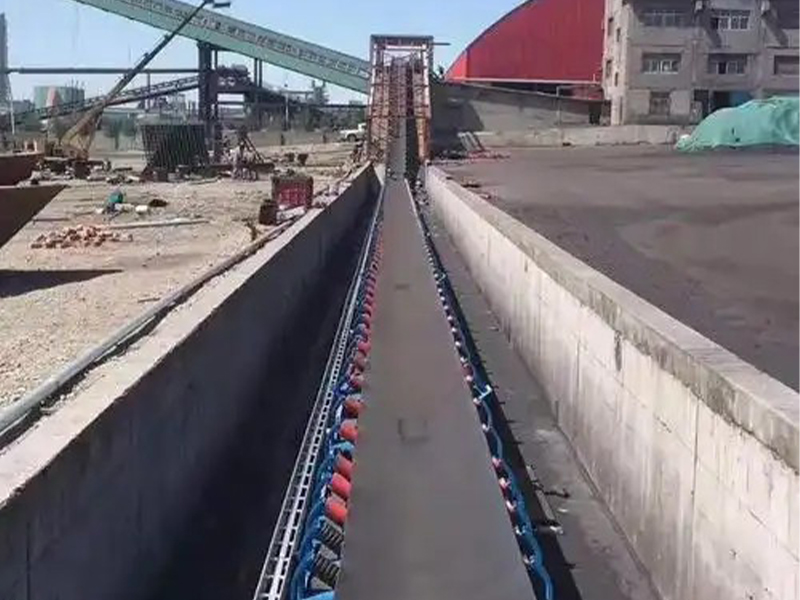
Providing durable flame-retardant belts for long-distance coal transportation.
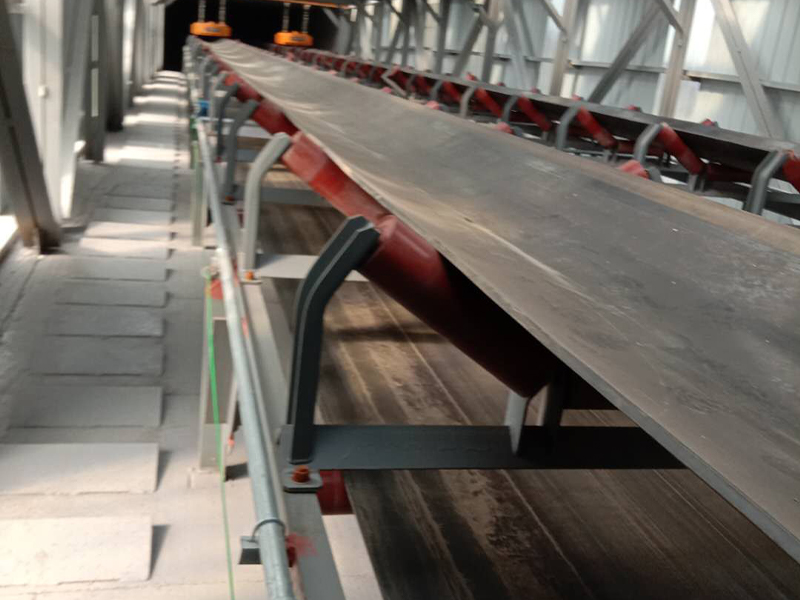
Supplying high-heat conveyor systems for metallurgy and hot coke transport.
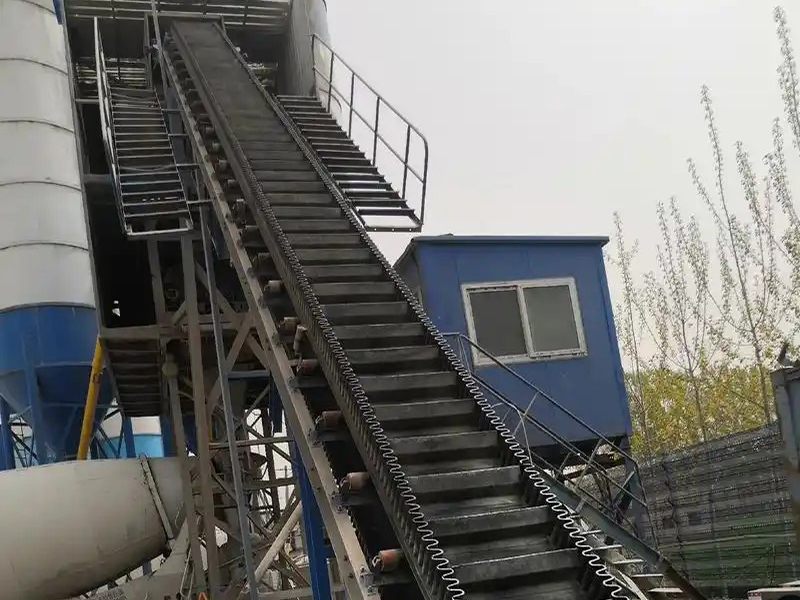
Providing heavy-duty conveyor systems for slag processing and sintering lines.
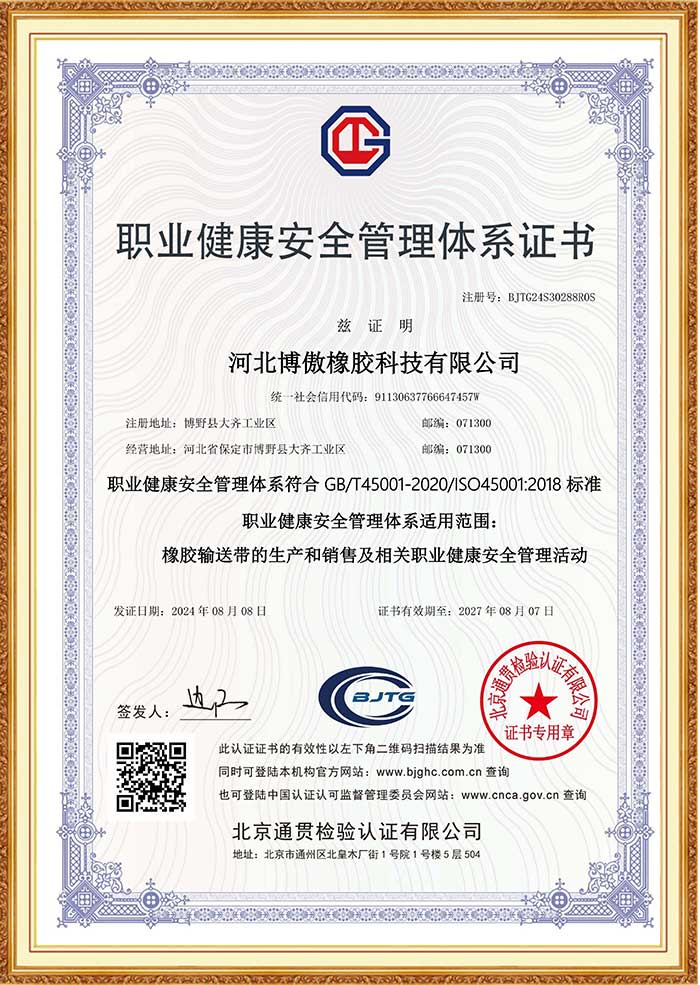
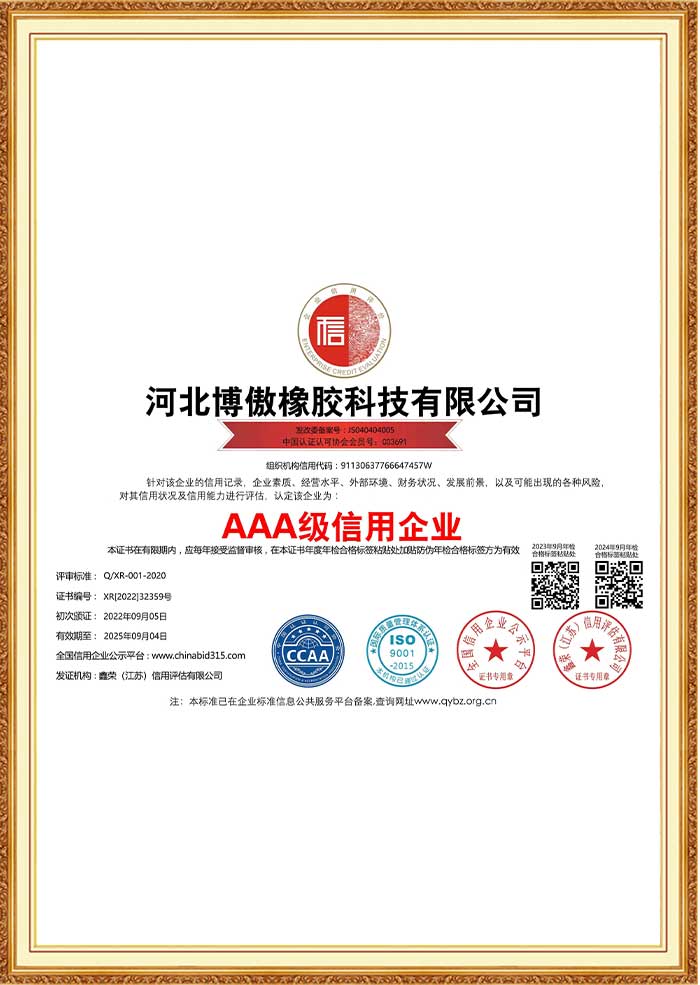
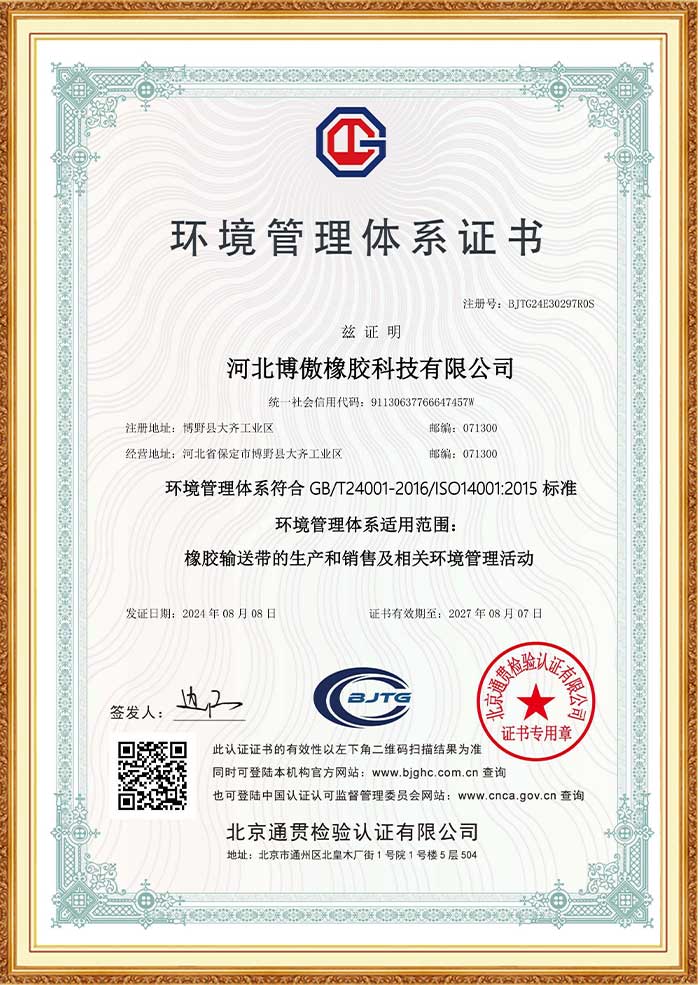
In high-temperature and underground mining operations, compliance with safety standards is essential. Conveyor systems carrying heated materials must meet international fire resistance guidelines to prevent ignition. Our products are manufactured to comply with industry-recognized safety and quality criteria:
These certifications demonstrate our commitment to manufacturing durable and compliant products suitable for high-risk industrial environments.
Purchasing a high-performance conveyor belt is the first step; proper installation and maintenance are necessary to maximize its service life. Our engineering team provides technical support and service guidelines designed to keep conveyor systems running efficiently:
Hot vulcanized splicing is recommended for high-heat applications. We provide standard splicing guidelines, step-by-step instructions, and raw cover materials to match the heat resistance of your original belt.
Regular maintenance is key. We offer inspection programs to monitor surface wear, cover thickness, edge deterioration, and alignment issues, helping to prevent costly unscheduled downtime.
To minimize downtime during unexpected breakdowns, we work with customers to maintain reserve stock of critical belt specifications, ensuring quick replacement and delivery when required.
The industrial landscape is moving toward automation, energy efficiency, and environmental sustainability. At Hebei Boao Rubber Technology, we are developing next-generation conveyor belt technologies to meet these evolving needs:
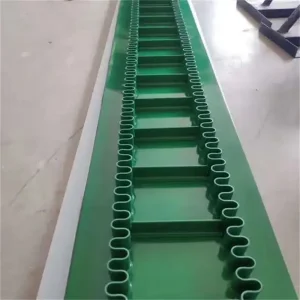
Our modern production lines manufacture a versatile range of industrial conveyor belts to handle diverse operational demands:
Understanding conveyor belt specifications helps ensure safe and efficient operations. Here are answers to common questions regarding burn-resistant and heat-resistant rubber conveyor belts:
Standard heat-resistant conveyor belts are designed to withstand continuous contact with materials at temperatures between 100°C and 180°C. In contrast, burn-resistant belts are specifically formulated with flame-retardant compounds, carbon-generating agents, and robust polymer bases. This engineering allows them to handle materials at peak temperatures up to 400°C (such as sintered ore or coke), self-extinguishing if ignited to prevent combustion spread.
We evaluate your operating conditions, including continuous and peak temperatures, chemical exposure (acids, bases, or oils), material size, drop height, and conveyor length. Based on these factors, we select the appropriate cover compound (SBR, EPDM, or specialty blends) and structural reinforcement (EP fabric, NN fabric, or high-tensile Steel Cord) to ensure operational reliability.
Hot vulcanized splicing is recommended for high-temperature and burn-resistant belts. We supply specialized hot vulcanizing materials, including tie gum, cover compounds, and splicing solvents, designed to match the temperature ratings of the conveyor belt, ensuring joint durability.
A thicker cover rubber helps shield the inner fabric or steel cord carcass from high temperatures. Cover thickness acts as a thermal barrier; a thicker top cover slows heat penetration into the core carcass, extending the overall service life of the belt in high-heat applications.
Our laboratory carries out standard quality control tests, including tensile strength and elongation testing, heat aging tests to measure properties before and after thermal exposure, steel cord pull-out adhesion tests, and DIN abrasion testing to measure surface wear resistance.
 Boao Rubber