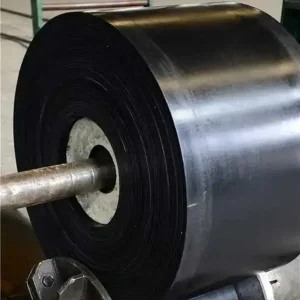
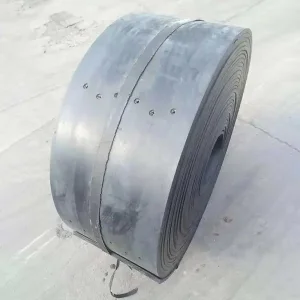
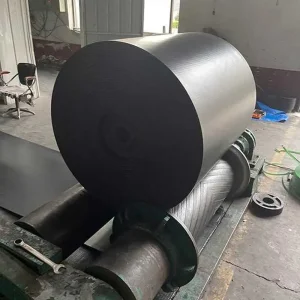
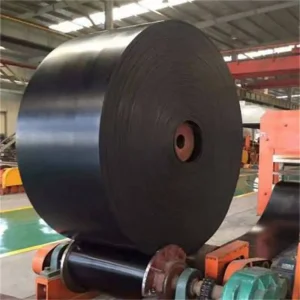
China Anti-Tear Rubber Conveyor Belt Supplier & Suppliers

Premium Grade Jinao® Brand Conveyor Belts: Engineering High-Resistance Solutions to Eliminate Tearing Hazards in Extreme Industrial Bulk Material Handling

Factory Authority & Scale

Hebei Boao Rubber Technology Co., Ltd.

22+ Years Industry Experience
30+ Acres Production Yard
100% Quality Laboratory Tested
Jinao® Global Registered Brand

Advanced Manufacturing of Rubber & Conveying Supporting Systems Since 2004

Hebei Boao Rubber Technology Co., Ltd. is strategically situated within the Boye County Rubber Industrial Park, Baoding, Hebei Province, China. Spanning a modern manufacturing footprint of over 30 acres, we stand as a premier supplier that merges complete R&D, structural design, test-based production, and global client support. Our flagship brand, **"Jinao"**, represents elite structural integrity and has received multiple international system certifications.

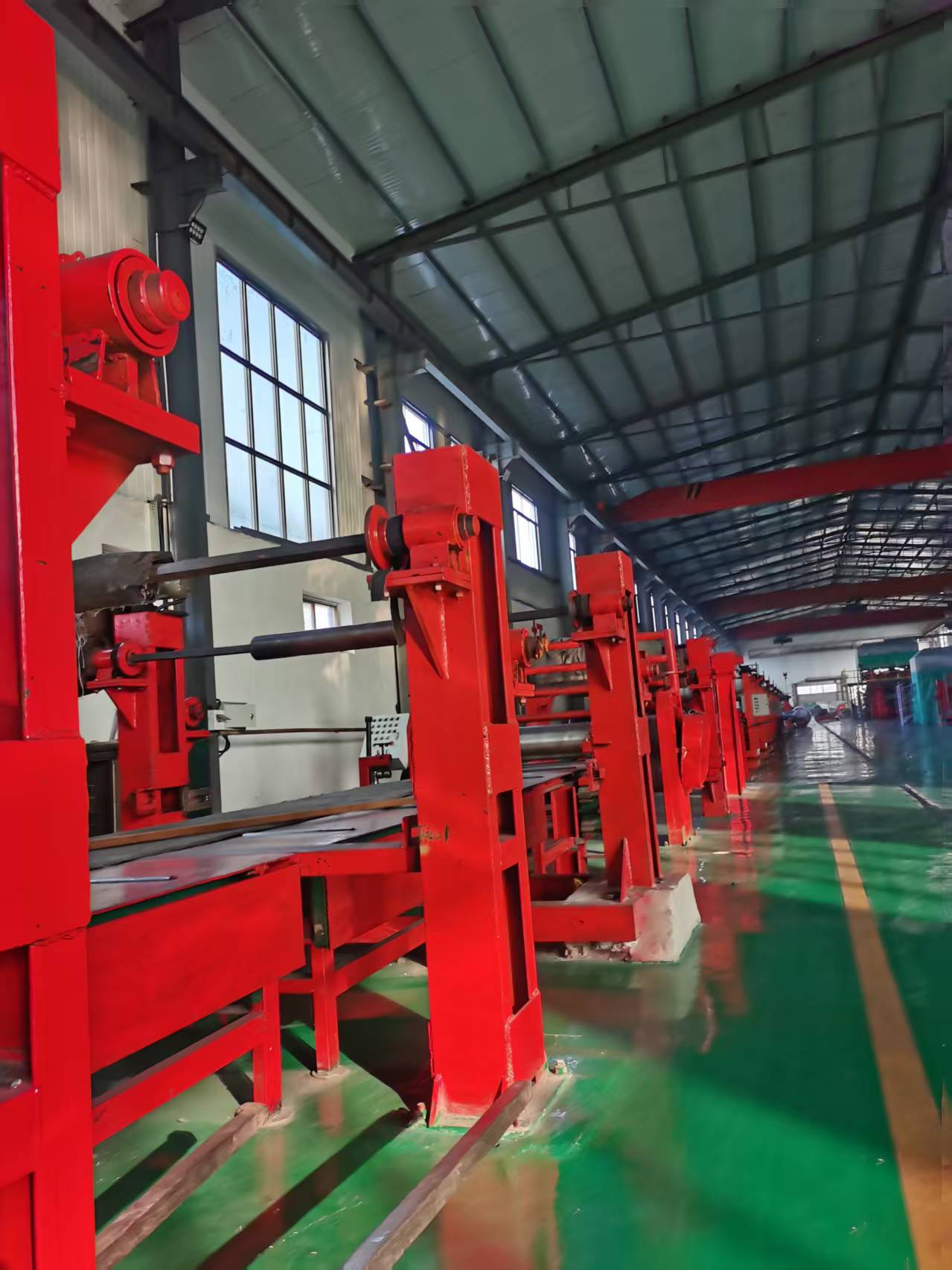
Our factory possesses a comprehensive machinery ecosystem, operating advanced lines for continuous compounding, calendering, molding, vulcanizing, and exhaustive rubber quality control checks. From raw elastomer composition up to final belt tension inspections, every phase complies strictly with ISO and international safety regulations to guarantee reliable performance.

"We strictly enforce our zero-tolerance quality standard: unqualified raw compounds never cross our threshold, and finished products missing any performance rating never exit our factory."
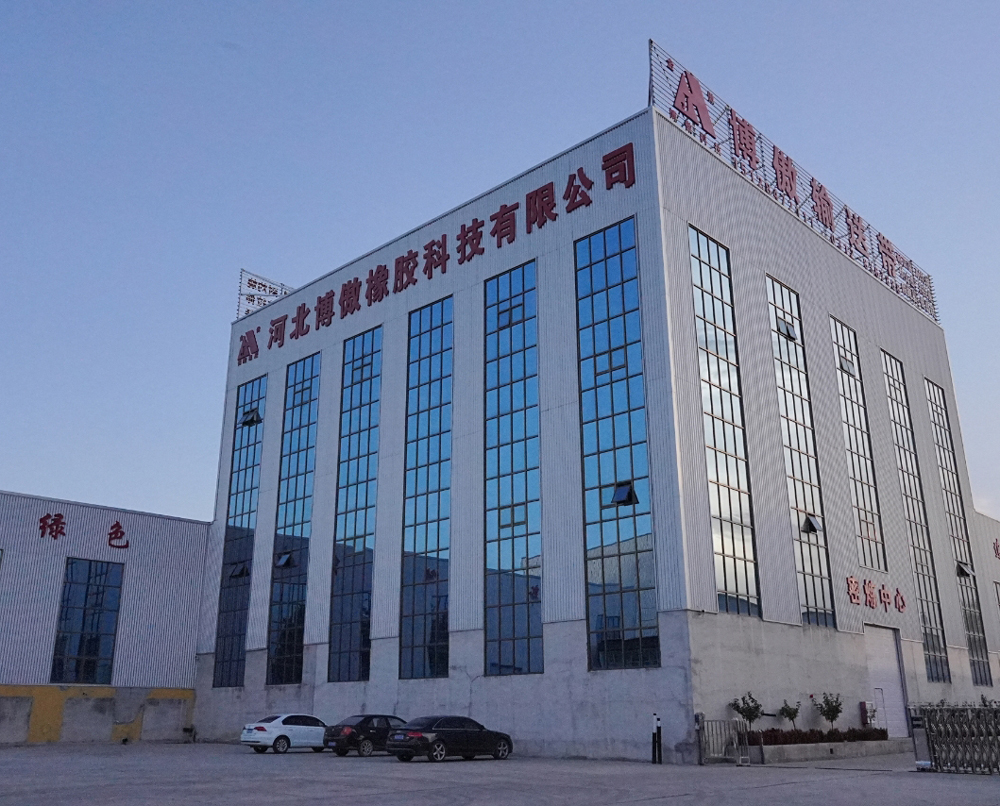
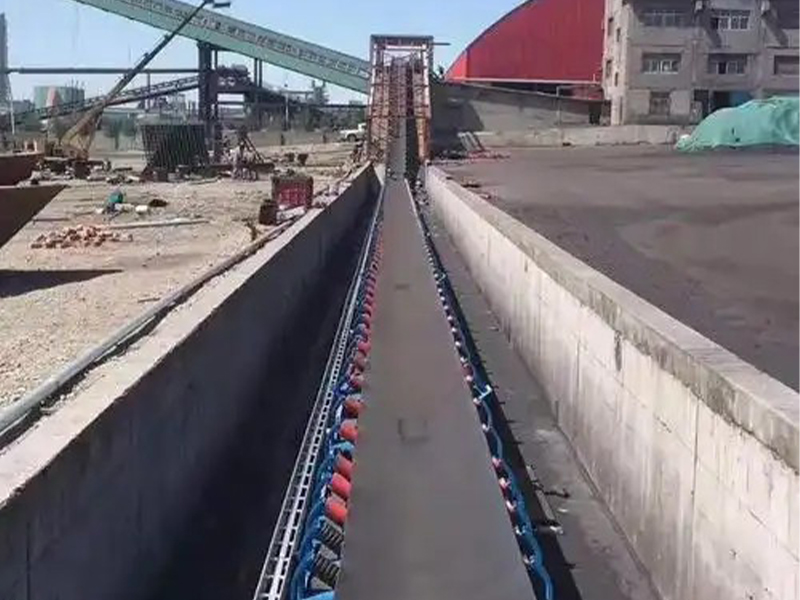
Hebei Boao Rubber Technology Co., Ltd. Factory Yard
Industry Analysis

Global Sourcing Requirements for Anti-Tear Conveyor Belts

In high-tonnage heavy industries, conveyor belt failure is one of the costliest causes of unplanned downtime. Procurement officers globally seek high-strength, rip-resistant solutions to combat severe material stresses.

Global Mining & Metallurgy

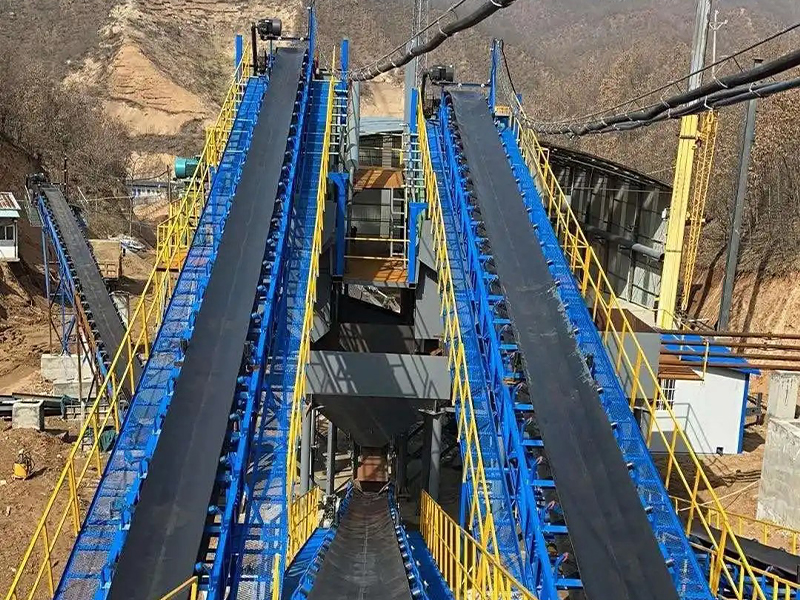
Open-pit mining, iron ore refining, and smelting facilities deal with large, sharp, heavy minerals. Traditional conveyor belts are highly vulnerable to piercing by jagged rocks, leading to catastrophic longitudinal rips. Specialized rip-stop barriers, steel mesh inserts, and high-impact covers are required to ensure continuous operation.

Bulk Cargo Terminals & Ports

Port operations handling coal, grains, fertilizers, and minerals rely on high-speed conveyors. A sudden tear can halt ship loading processes, resulting in massive demurrage penalties. Reliability is key, along with features like ozone resistance, UV protection, and seawater corrosion resistance for coastal port systems.

Cement, Steel, & Power Plants

These environments involve hot sinter, clinker, slag, and coal. Materials often carry sharp foreign objects like rebar or tramp metal. The ideal belt must combine anti-tear physical properties with high-temperature resistance and self-extinguishing flame retardancy, complying with DIN and ISO standards.

Technical Roadmap

Macro Industry Solutions & Structural Anti-Tear Roadmap

How modern conveyor systems prevent tears: A detailed look at rubber compounding, reinforced carcasses, and sensor technology.

Structural Engineering Solutions

1. Transverse Steel Cord Reinforcement (Rip-Stop Mesh)

By weaving high-tensile steel cord grids above or below the longitudinal steel cords, we create an impact barrier. When a sharp object pierces the cover, it strikes these transverse steel wires, preventing the tear from propagating longitudinally.

2. High-Elasticity Rubber Covers

Using optimized natural rubber and butadiene rubber compounds, we achieve tensile strengths above 24 MPa and elongation at break exceeding 450%. This elasticity allows the belt to deflect under sharp impacts rather than puncture.

3. Embedded Sensor Detection Loops (Smart Belts)

Integrating electromagnetic or RFID sensing loops into the rubber plies allows the system to communicate with the drive pulleys. If a tear damages a sensor loop, the conveyor system shuts down automatically, limiting the tear length to a few meters.

Future Technology Roadmap (2026–2030)

  • Self-Healing Elastomers Researching supramolecular polymers that can seal minor micro-tears automatically under operating heat and pressure.
  • Next-Generation Aramid Fiber (Kevlar) Carcasses Using aramid materials to reduce belt weight by up to 40% while matching the tensile strength and tear resistance of steel cord belts.
  • Eco-friendly Compounds Replacing petroleum-derived carbon black with bio-based alternatives to lower the carbon footprint of heavy industrial components.
E-E-A-T Quality Standards

Our Quality Control & Independent Testing Laboratory

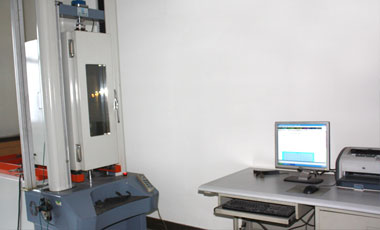
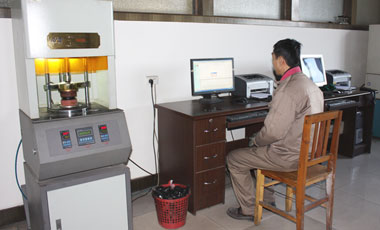
Our in-house physical testing laboratory and chemical analysis room conduct rigorous testing on both raw materials and finished conveyor belts to ensure reliable field performance.

Quality Assurance

We monitor every step of production, from raw compound testing to vulcanization control. Raw materials that do not meet our specifications are rejected, and finished belts are tested before dispatch.

Advanced Instrumentation

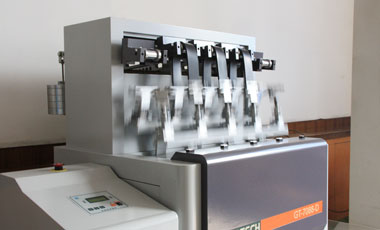
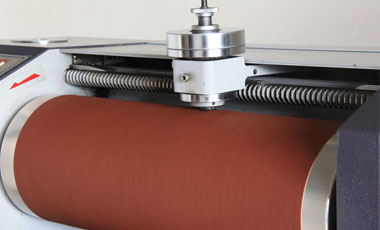
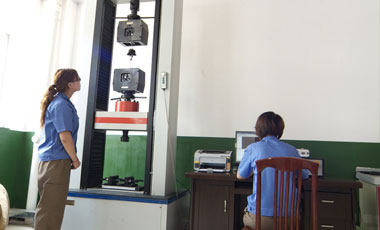
Our facility is equipped with tensile testers, DIN abrasion meters, dynamic fatigue testers, and rubber rheometers to provide accurate quality metrics.

National Footprint

Jinao® conveyor belts are used across China and exported globally, serving major operations in steel, mining, chemical fertilizers, and power generation.
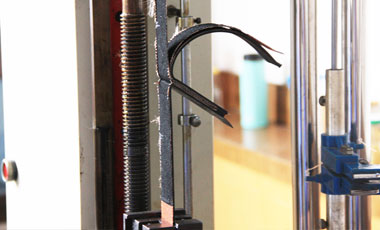
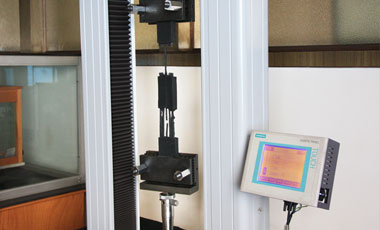
Testing & Production Facility Showcase

Peeling Test Equipment
Peeling Strength Test
Steel Cord Pull-out Machine
Steel Cord Pull-out Tester
Dynamic Fatigue Tester
Dynamic Fatigue Testing
Abrasion Tester
DIN Abrasion Tester
Cover Rubber Abrasion Tester
Rubber Wear-resistance Test
Physical Properties Testing
Physical Properties Analysis
Rubber Rheology Test
Vulcanization Performance Test
Calendering Equipment
Four-roll Calender Unit
Technical Support Plan

Comprehensive On-site Services & Maintenance Solutions

We provide complete support throughout the lifespan of our conveyor belts, helping to reduce maintenance costs and prevent unplanned operational downtime.

Service Overview

We assist with planned replacements, splice repairs, periodic inspection services, and emergency repair response for major conveyor systems.

Scope of Services

We supply vulcanizing materials, maintain safety stock for long-term partners, perform cover repairs, and monitor splice wear during routine checks.

Service Standard

Our target is to improve belt service life, reduce wear-related failures, and help optimize the performance of bulk handling systems.

Custom Solutions

We offer customized rubber compounding and carcass configurations to match specific incline, heat, chemical, or wear conditions.

Proven Success

Enterprise Cooperation & Case Studies

Jinao® conveyor belts are utilized in demanding conditions by leading organizations in the mining, steel, cement, and power generation sectors.
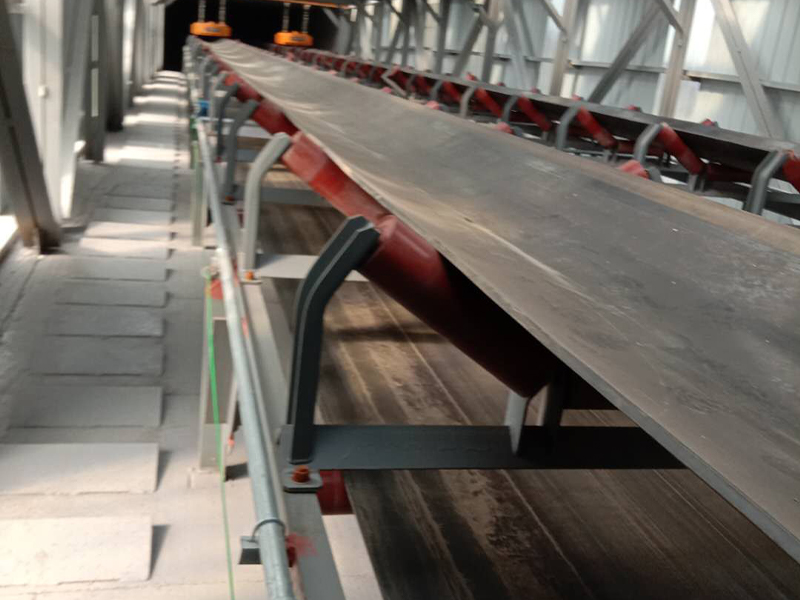
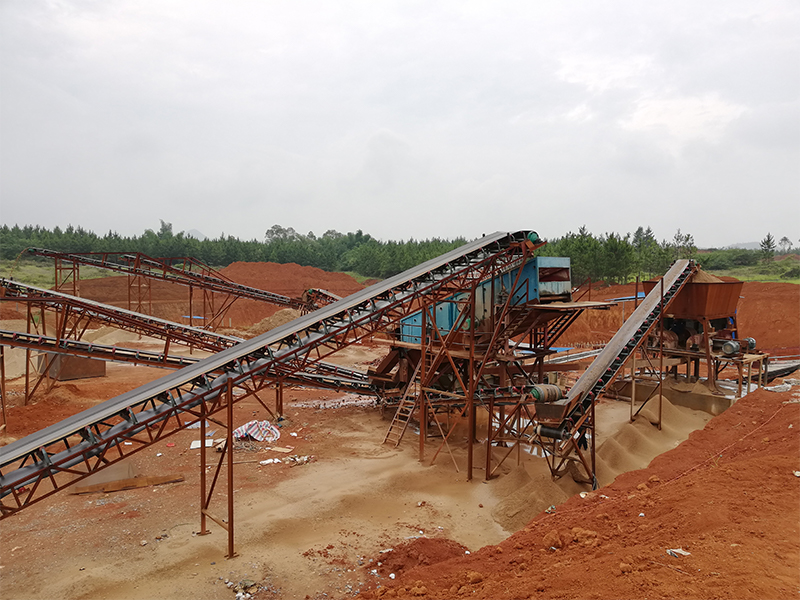
Taihang Steel Factory Conveyor Lines

Taihang Steel

Tsingshan Group Mining Logistics

Tsingshan Group

Zijin Mining Bulk Ore Transport

Zijin Mining

China Railway Group Mixing Plant System

China Railway Group Mixing Plant

Conch Cement Production Plant

Conch Cement

Datong Coal Group Belt Line

Datong Coal Group

Jidong Cement Group

Jidong Cement Group

Jinmei Group Coal Conveying Line

Jinmei Group Coal Line

Authorized Qualifications

Compliance Certificates & Industry Standards

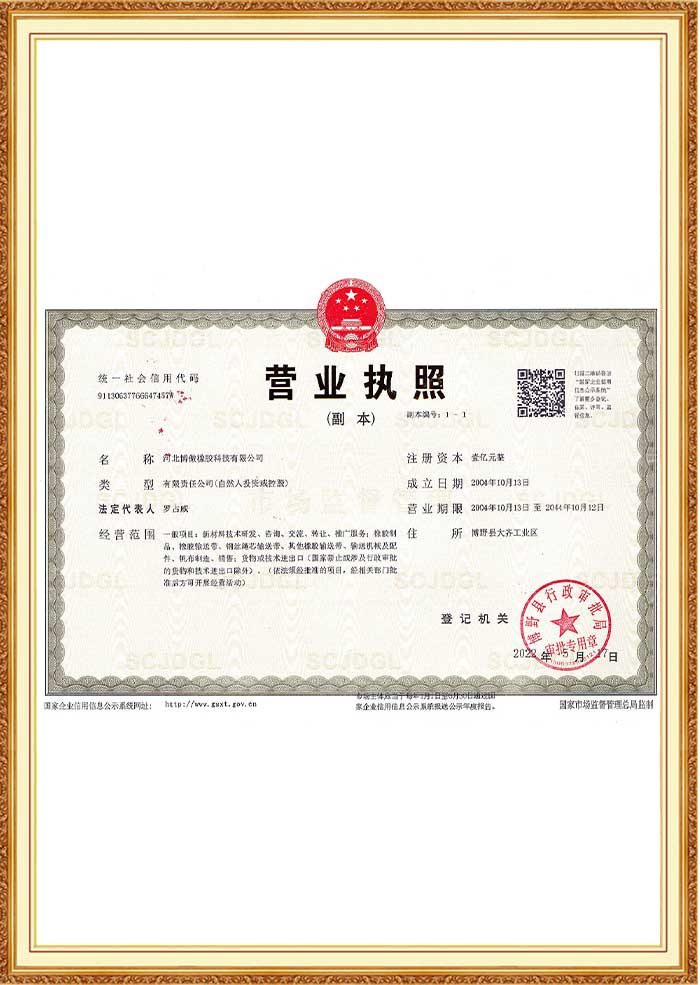
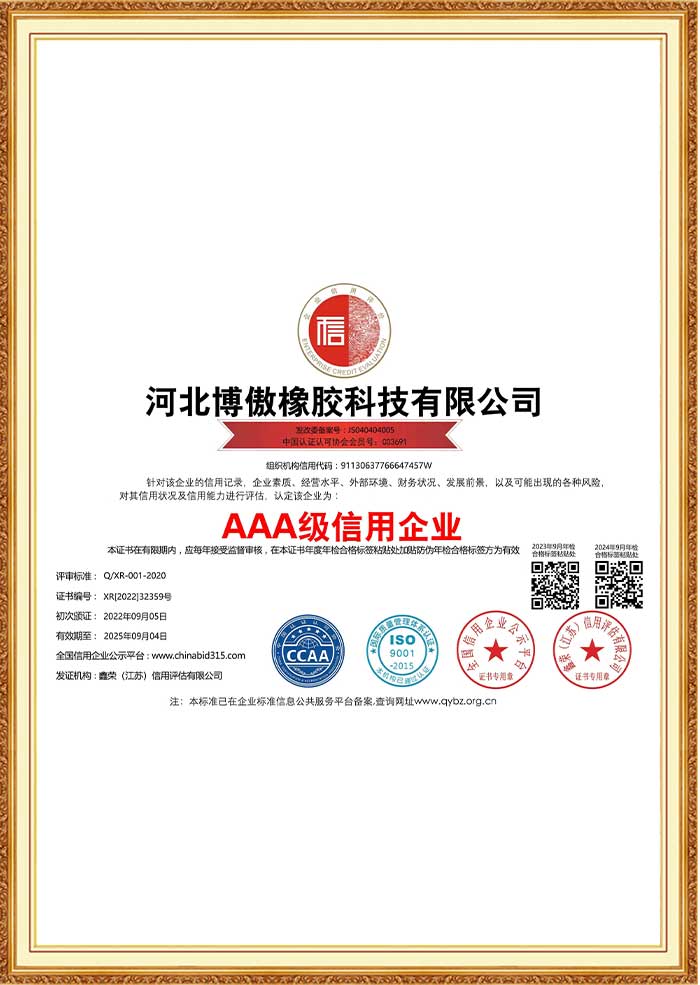
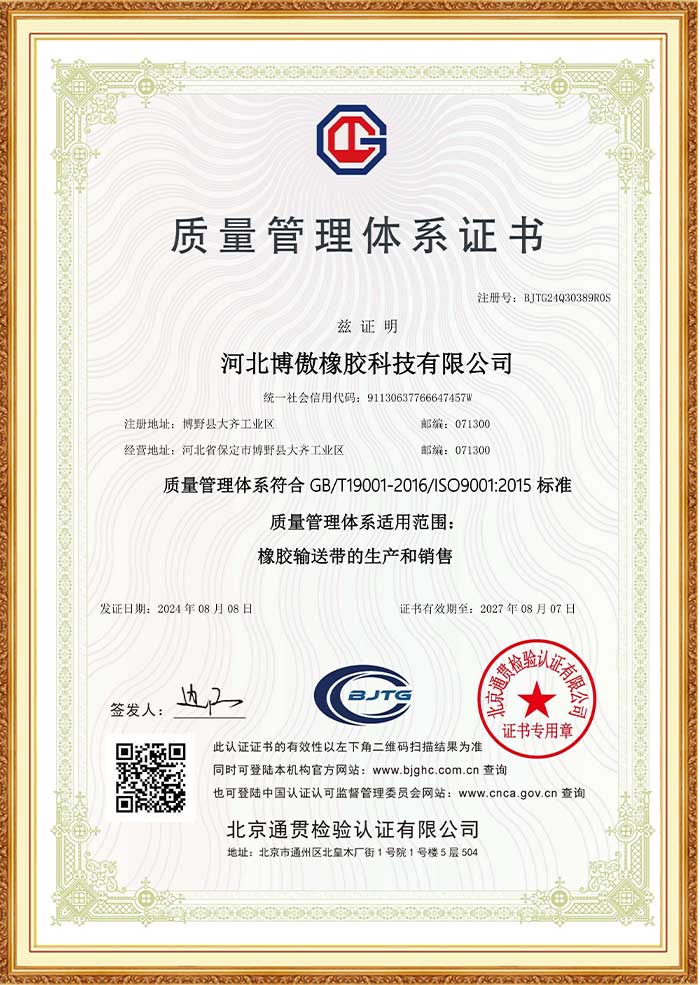
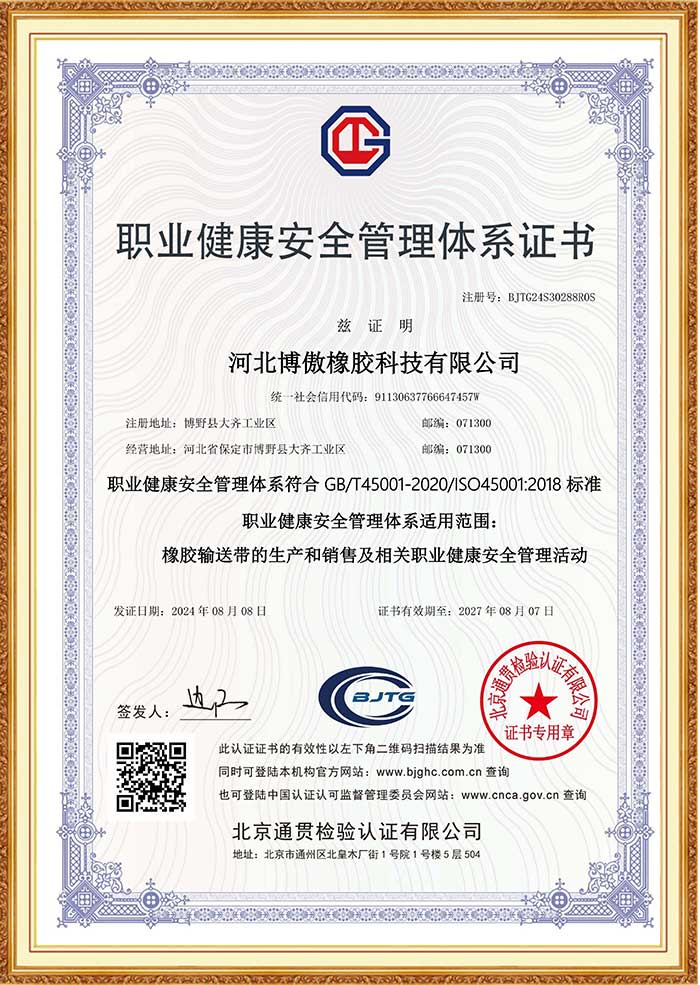
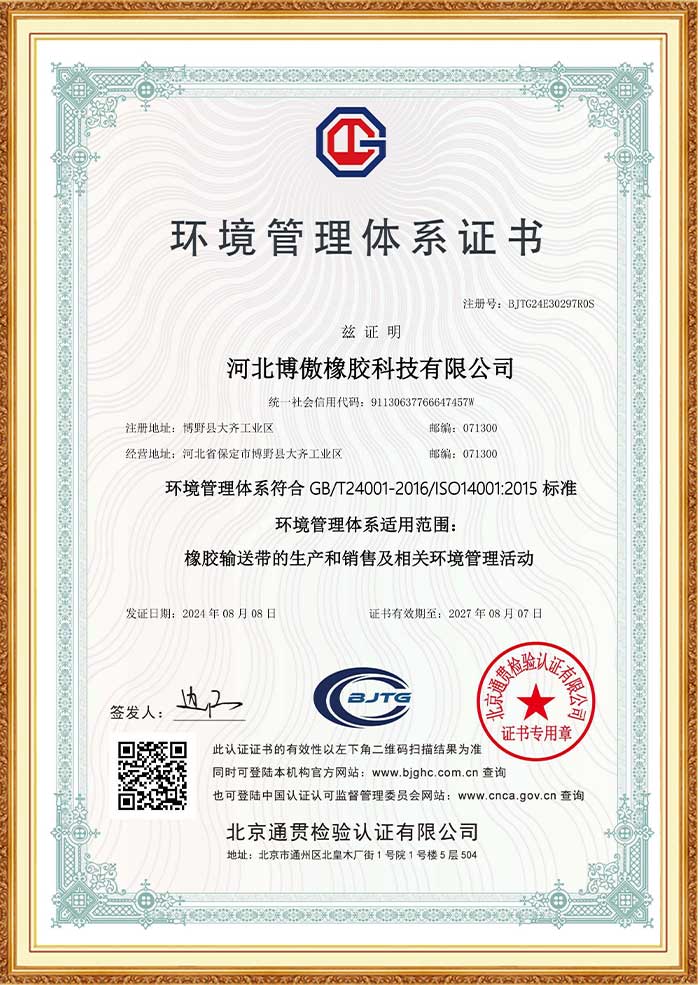
Our products are manufactured to meet major international standards, including API 6D, API 607, CE, ISO9001, ISO14001, ISO18001, and TS certifications.
ISO Quality System Certificate
Environmental Management Certificate
Occupational Health and Safety Certificate
Conveyor Belt Production Safety Authorization
Patent Certificate for In-House Technology
Technical Support

Technical & Procurement FAQ

Find answers to technical questions about rubber selection, performance standards, tear resistance testing, and maintenance practices.

1. What causes conveyor belts to tear longitudinally, and how do Jinao® belts prevent it?
Longitudinal tearing is typically caused by sharp foreign objects, such as metal rods or structural components, getting caught in the system and puncturing the belt as it moves. Jinao® anti-tear belts incorporate high-tensile transverse steel cords or synthetic breaker plies. These reinforcements act as physical barriers that limit the propagation of tears and protect the main carcass.
2. How are the rip-resistance properties of your rubber belts tested in the laboratory?
We conduct testing in accordance with ISO 505 (tear propagation resistance of textile conveyor belts) and standard steel cord pull-out tests. We measure the peak force required to propagate a pre-cut slit under tension, as well as the adhesion level between the rubber covers and the internal reinforcement cords.
3. What is the difference between EP (Polyester) and NN (Nylon/Polyamide) conveyor belts?
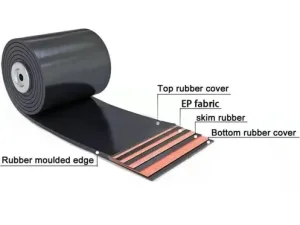
EP (Polyester) belts feature polyester warp and polyamide weft fibers. They offer low elongation under tension and good resistance to moisture. NN (Nylon) belts feature nylon fibers in both directions, providing higher elasticity, high impact resistance, and excellent flexibility for deeper troughing angles.
4. Can flame-retardant rubber conveyor belts also be customized with chemical resistance?
Yes. By blending specialized elastomers (such as NBR, EPDM, or CR) with flame-retardant additives, we can design covers that meet fire safety ratings (such as MSHA or DIN standards) while resisting acids, alkalies, or mineral oils.
5. What width and thickness ranges are available for your anti-tear steel cord belts?
We manufacture steel cord belts in widths from 500 mm to 2400 mm, with carcass tensile ratings from ST500 to ST5400. Cover thicknesses are customizable based on application requirements, typically ranging from 4 mm to over 10 mm.
6. What is the recommended splicing method to maintain the rip-resistance of steel cord belts?
Hot vulcanized splicing is recommended for heavy-duty applications. This process involves stripping the belt ends, aligning the steel cords in a specific step pattern, applying vulcanizing rubber tie gums, and curing the splice under temperature and pressure using a vulcanizer. This restores the belt's tensile integrity close to its original rating.
7. How does heat exposure affect the tear resistance of rubber conveyor belts?
Sustained high temperatures cause standard rubber to harden and lose its elasticity, making it more prone to cracking and tearing. For high-heat applications (up to 200°C), we utilize EPDM-based covers that resist thermal degradation and preserve their physical properties longer.
8. What certifications does Hebei Boao hold for international shipping and supply?
We hold certifications for ISO9001 (Quality Management), ISO14001 (Environmental Management), ISO45001 (Occupational Health & Safety), CE safety compliance, and API-specified manufacturing standards. This documentation supports import compliance for customs clearance globally.
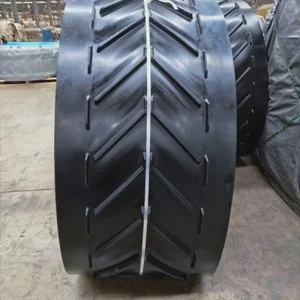
9. What are the key features of your corrugated sidewall and wavy edge belts?
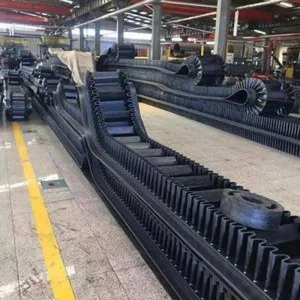
These belts are designed for steep-angle or vertical conveying (up to 90 degrees). The corrugated sidewalls and transverse cleats contain loose bulk materials, preventing rollback and allowing high-volume transport within tight layouts.
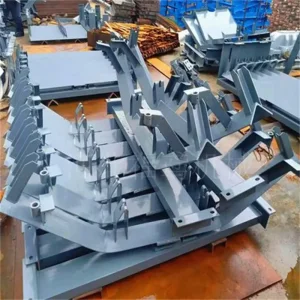
10. How do conveyor belt idlers and impact cradles help prevent belt tearing?
At transfer points, falling materials can impact and damage the belt. Replacing traditional drop idlers with heavy-duty impact cradles supports the belt across its entire width. These cradles absorb the kinetic energy of falling materials, reducing the risk of puncture.

Ready to Optimize Your Conveyor Systems?

Contact our application engineering team today. We provide assistance with belt selection, customized compound specifications, and technical quotes for heavy-duty projects.