Direct manufacturer distribution network providing standardized and bespoke multi-ply fabric core conveyor belts designed to optimize uptime and secure volatile material flow cycles.
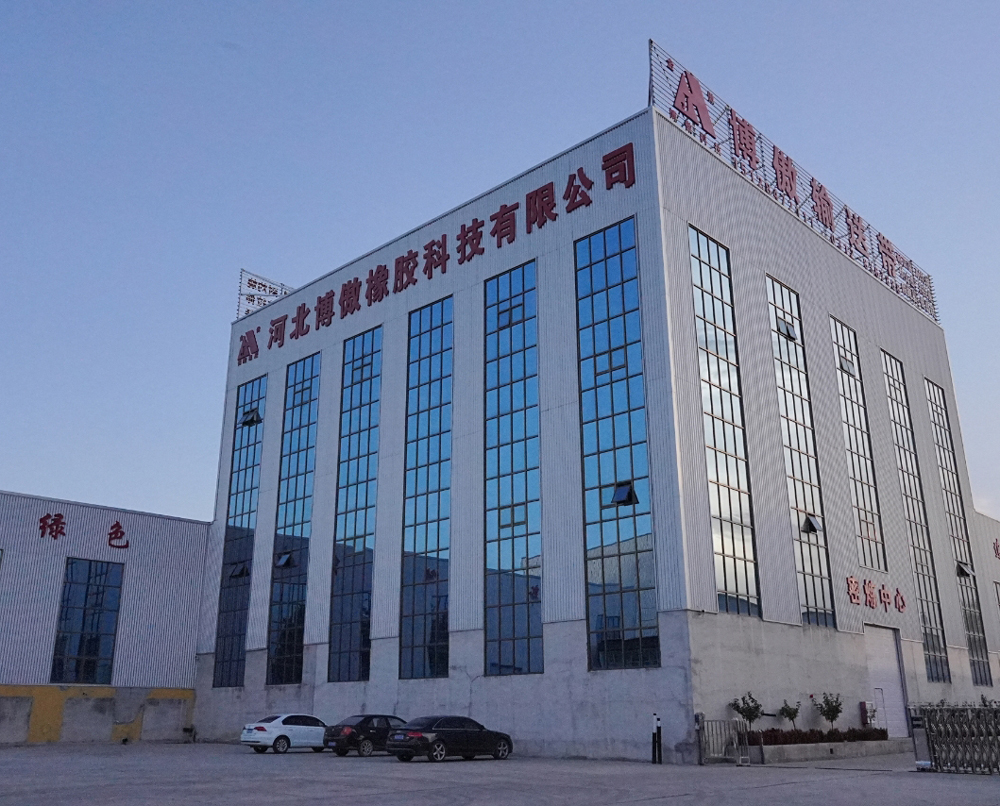
Established in 2004 and headquartered in the Boye County Rubber Industrial Park, Baoding, Hebei Province, Hebei Boao Rubber Technology Co., Ltd. has developed into a preeminent global powerhouse. Under our signature brand "Jinao", we represent a highly specialized entity integrating product development, physical chemical laboratory research, custom component design, manufacturing, and comprehensive global business operations for conveyor systems and dynamic components.
Equipped with state-of-the-art continuous rolling, high-pressure vulcanizing, and micro-analysis testing lines, our operations are fully ISO-certified. We operate under a closed-loop quality management regime where raw material selection, internal rubber compounding, textile weaving calibration, and ultimate product validation are closely monitored. This absolute precision ensures that no substandard compound escapes our facility gates, guaranteeing operational longevity in your field operations.
In critical processing industries, conveyor systems are exposed to aggressive chemical environments. Standard rubber belts experience rapid degradation when exposed to organic and inorganic acids, alkaline materials, or high-sulfate mineral ores. This results in structural delamination, ply separation, and cover cracks. Modern industrial operations require highly specialized compounding technologies to withstand chemical degradation while maintaining mechanical performance.
Mining ores, especially non-ferrous sulfide deposits, often undergo acidic leaching processes (using sulfuric acid solutions) or generate highly acidic runoff (AMD). Conveying equipment requires heavy-duty acid-resistant systems to handle these environments.
Phosphate fertilizer synthesis plants generate phosphoric acid, while sulfate fertilizer operations produce ammonium sulfate. Standard conveying components rapidly oxidize in these environments; we provide EPDM and chloroprene compounds engineered for acidic transport conditions.
Bleaching operations use chlorine-based acids and sodium hydroxide (alkalis). Conveyor belts require chemical-resistant designs to prevent premature degradation, helping plants maintain operational throughput.
At Hebei Boao Rubber Technology, we approach acid and alkali resistance from a materials science perspective. Standard NR/SBR compounds contain double-bond backbones susceptible to chemical cleavage by oxidizing acids. Our technical team engineers compound formulations based on environmental parameters:
We utilize custom-blended, high-saturation polymers such as Chlorosulfonated Polyethylene (CSM), Ethylene Propylene Diene Monomer (EPDM), and Nitrile Butadiene Rubber (NBR). EPDM provides resistance to polar solvents and inorganic acids, while NBR-based formulas protect against oily, acidic materials.
We employ peroxide vulcanization systems instead of standard sulfur cures. This develops carbon-carbon cross-linking networks, which offer superior resistance to thermal and chemical oxidation compared to mono- or disulfide bonds.
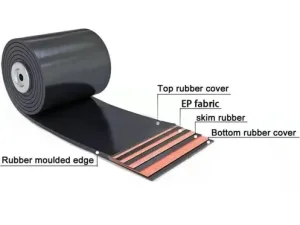
Our EP (Polyester-Nylon) and NN (Nylon-Nylon) fabrics undergo chemical pre-treatment to resist acid/alkali permeation, ensuring adhesion is maintained under extreme conditions.
Do you have a challenging chemical conveying requirement? Our R&D team can develop custom rubber compounds designed for your specific chemical concentration, temperature profile, and mechanical demands.
Request Compound AnalysisOur manufacturing lines produce a wide range of conveyor belts and supporting accessories to provide complete material handling systems.
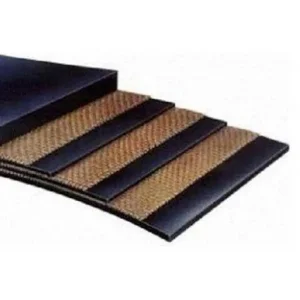
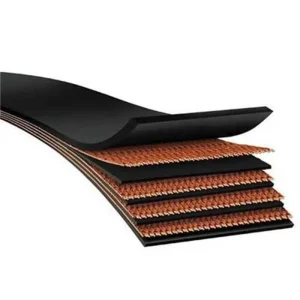
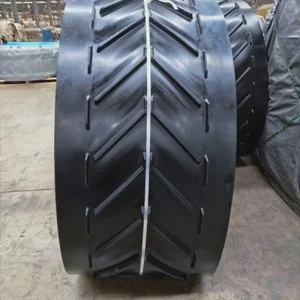
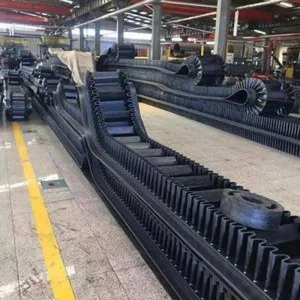
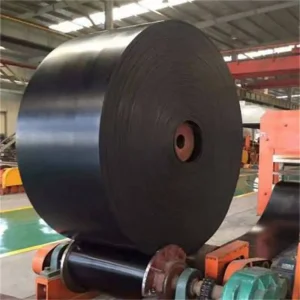
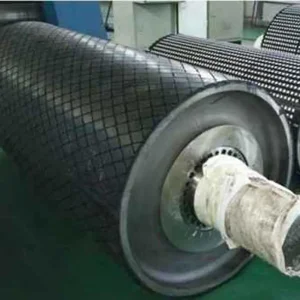
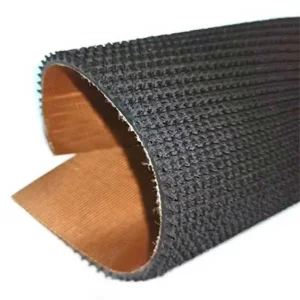
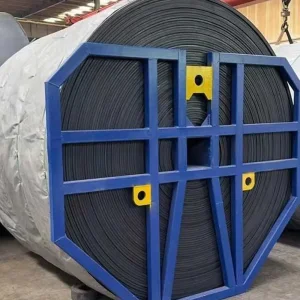
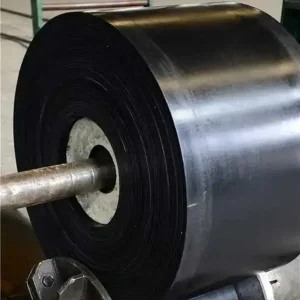
Ordinary conveyor belts (NN, EP, PP), heat-resistant conveyor belts, circular belts, high-temperature resistant conveyor belts, cold resistant conveyor belts, oil and alkali resistant conveyor belts, acid and alkali resistant conveyor belts, rubber waterstop belts, patterned conveyor belts (herringbone, pit), high inclination conveyor belts, wavy edge conveyor belts, and more.
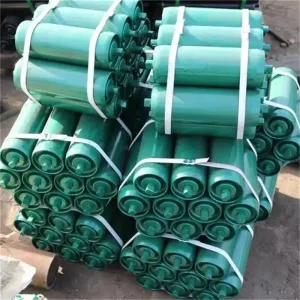
Roller series accessories, ceramic rollers, buffering rollers, roller groups, blocking edges, rollers, electric rollers, rubber coated rollers, transmission rollers, strong magnetic rollers, brackets, groove brackets, centering brackets, tensioning brackets, lifting ears, and additional system components.
Our quality assurance system relies on physical and chemical testing laboratories equipped to evaluate both raw materials and finished products.
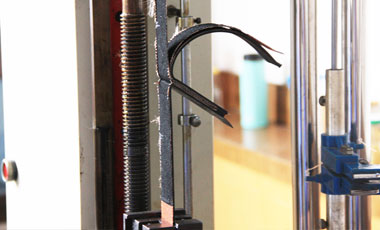
Peeling Adhesion Test
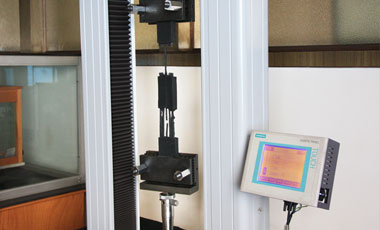
Steel Cord Pull-out Machine
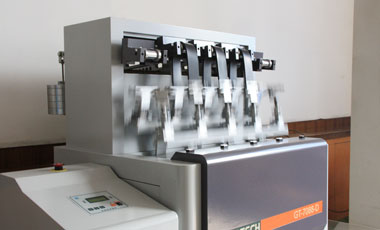
Dynamic Fatigue Tester
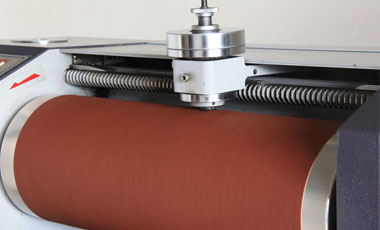
Abrasion Tester
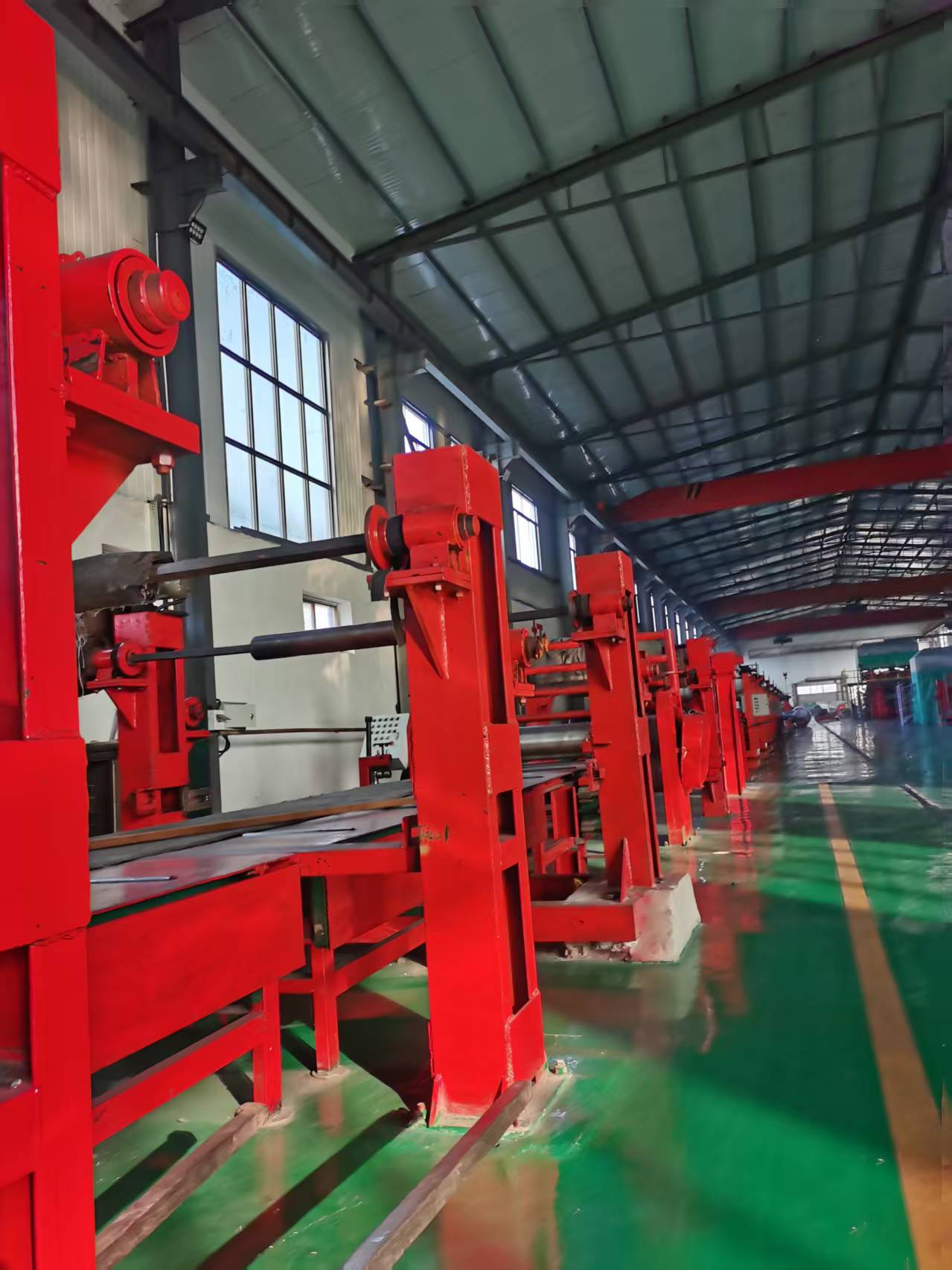
Fabric Conveyor Belt Production Line
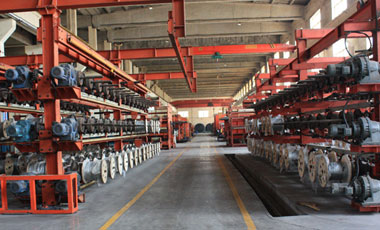
Steel Cord Conveyor Belt Production
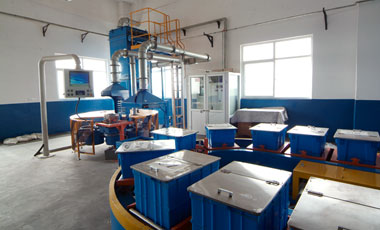
Mixing Center Proportioning Room
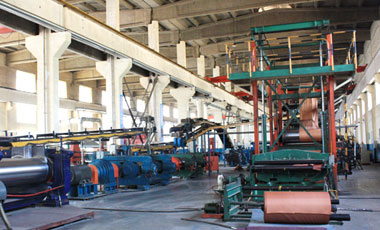
Calendering & Shaping Machine
Our conveying solutions are used in high-load material handling operations across several heavy industries, including steel, metallurgy, coal, cement, power generation, fertilizers, grains, and ports.
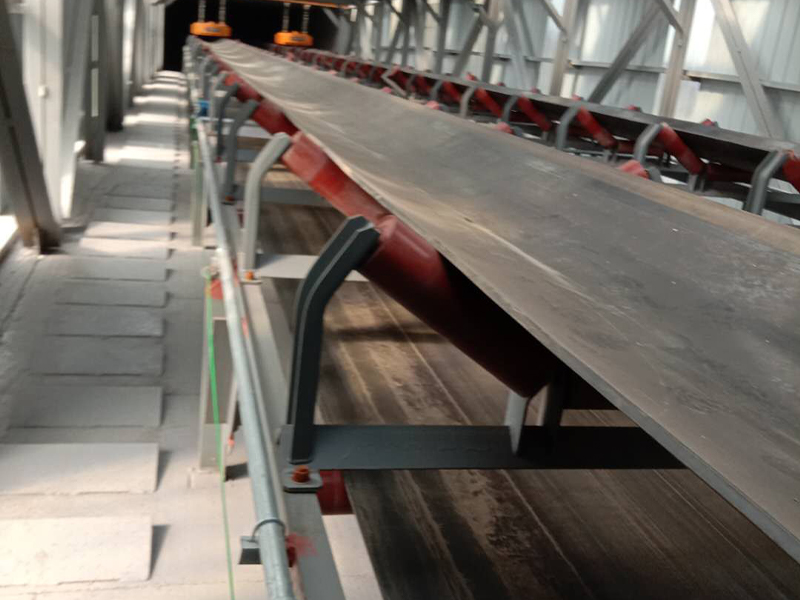
High-temperature and chemical resistant material handling solutions.
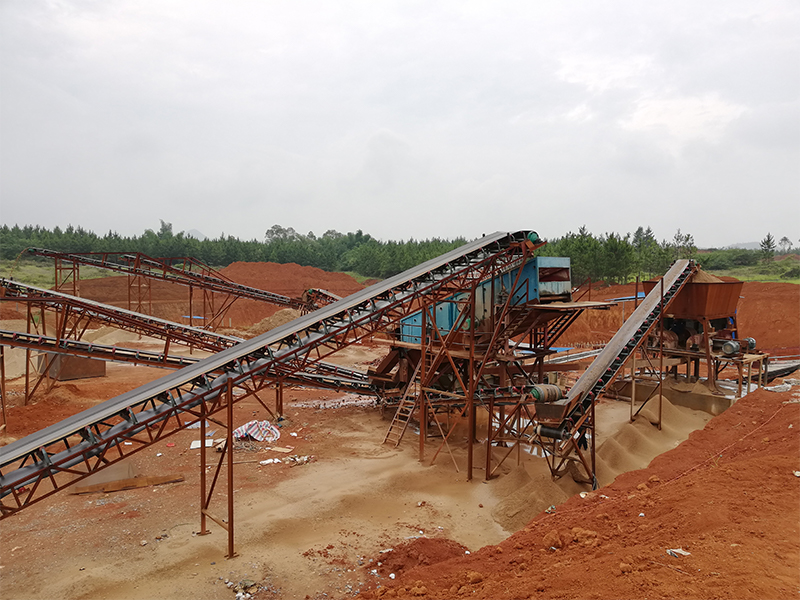
Acid-resistant belting for chemical processing lines.
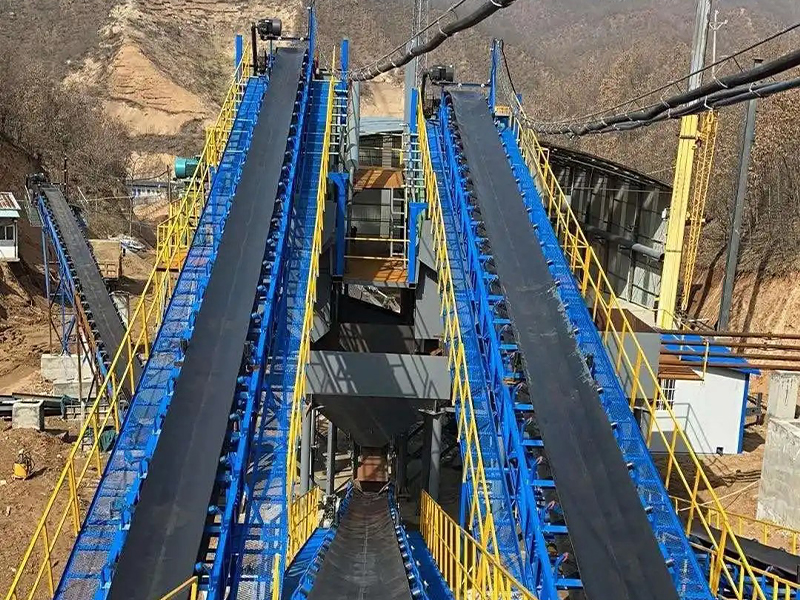
Heavy-duty belts designed for mineral tailing extraction sites.
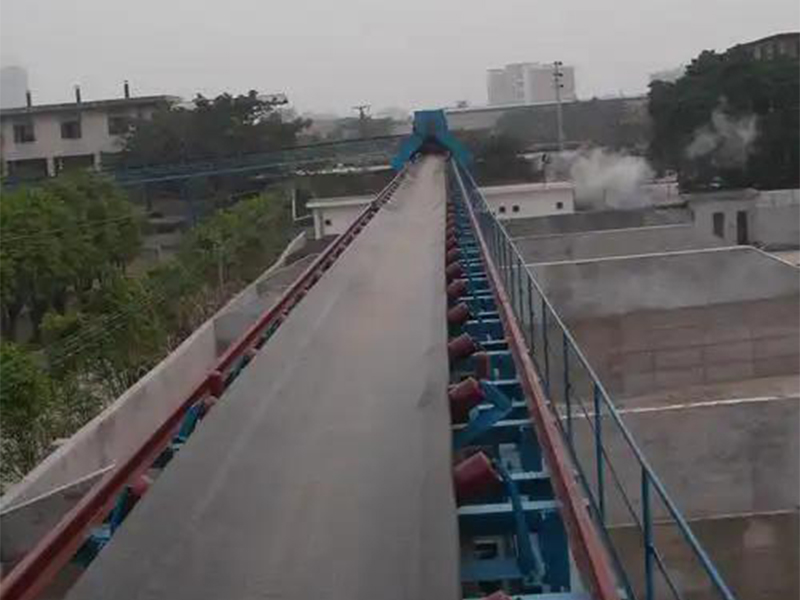
Abrasion-resistant conveying lines for high-volume cement plants.
To help maximize conveyor system lifetime, we provide pre-sale consulting, system analysis, and technical maintenance services:
We provide planned replacements, structural inspections, preventative maintenance, and emergency repair services for industrial conveyor belts.
We assist with conveyor belt supply, safety stock monitoring, material storage, planned splicing/bonding, rubber cover repair, and regular on-site inspections.
Our goals are to improve belt conveyor operational efficiency, reduce belt wear, and help lower the overall total cost of ownership for your operations.
Review technical answers regarding the selection, application, and maintenance of acid and alkali resistant conveyor belts.
For concentrated sulfuric acid exposure, EPDM (Ethylene Propylene Diene Monomer) or specialized CSM (Chlorosulfonated Polyethylene) compounds are recommended. Standard NR (Natural Rubber) or SBR belts rapidly degrade in these environments, leading to cover cracking and cover-to-carcass delamination. Peroxide-cured EPDM compounds offer resistance to chemical oxidation, helping protect the belt carcass.
Elevated operating temperatures accelerate chemical reaction rates, which can increase the speed of chemical attack on the rubber cover. For processes involving both high temperatures and chemical exposure (such as fertilizer synthesis or leaching operations), we develop custom-formulated EPDM covers designed to resist both heat and chemical oxidation.
EP fabric features polyester warp fibers and nylon weft fibers. Polyester resists many acid solutions but has lower resistance to strong alkaline environments. NN fabric uses nylon fibers in both directions, which provide good resistance to alkaline materials but can be sensitive to strong acids. The textile reinforcement is selected based on the specific chemistry of the conveyed materials.
Hebei Boao Rubber Technology operates under a quality system certified to ISO9001, ISO14001, and ISO18001 standards. Our product testing protocols align with international standards including DIN, AS, JIS, and ISO, helping to ensure consistent performance for global applications.
Browse our product catalog of fabric, steel cord, and patterned conveyor belts engineered to meet a variety of industrial requirements.
 Boao Rubber