Explore our top-tier high-performance conveyor systems engineered for heavy-duty material transport, agricultural processing, and specialized bulk logistics.
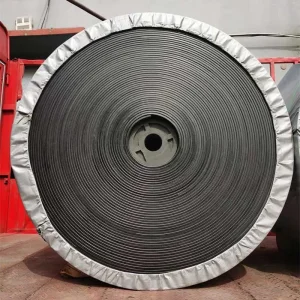
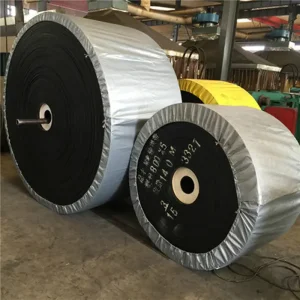
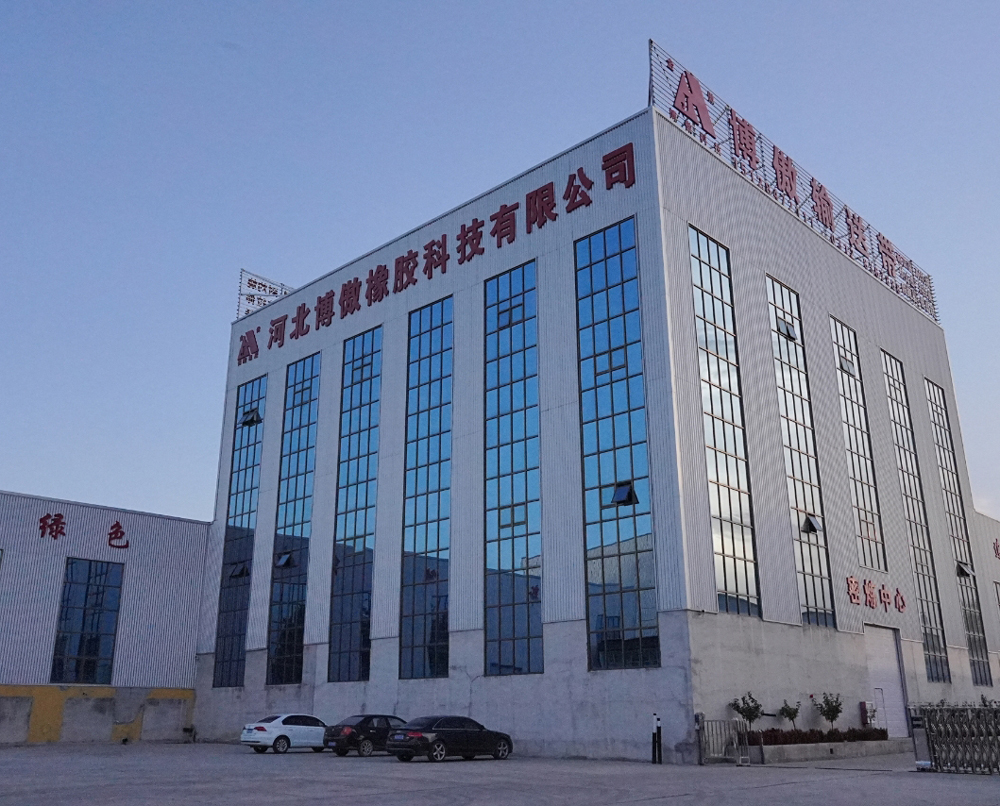
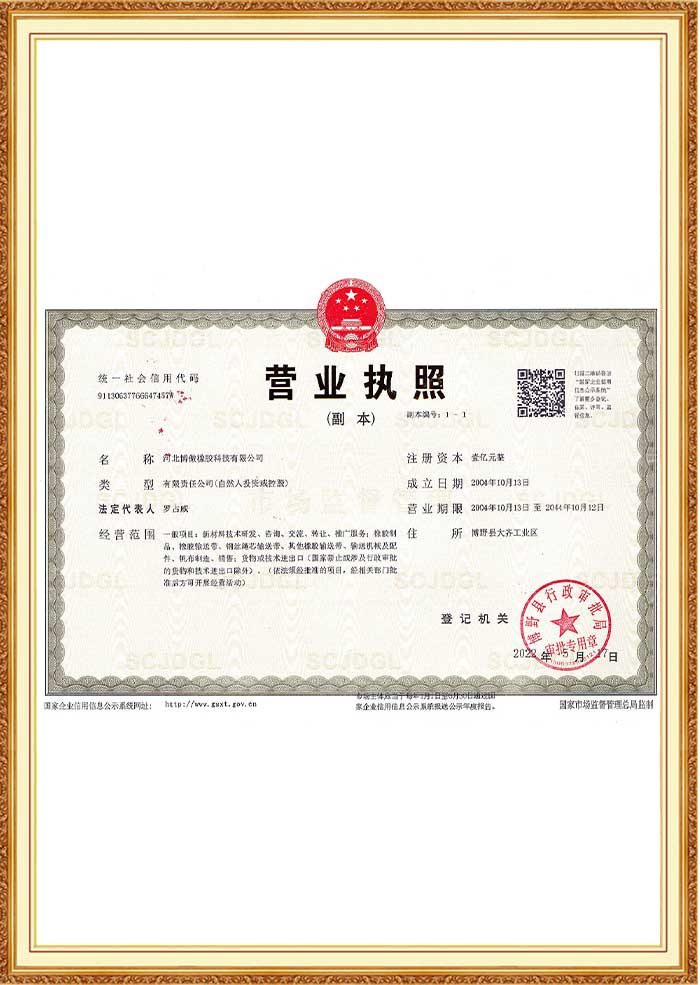
Established in 2004 and boasting over 22 Years of intense industrial specialization, Hebei Boao Rubber Technology Co., Ltd. (proud manufacturer of the premium "Jinao" brand) stands as a beacon of engineering excellence. Located in the Boye County Rubber Industrial Park, Baoding City, Hebei Province, our state-of-the-art facility spans across an expansive area of over 30 acres.
We are a fully integrated domestic and international leader, uniting technical product development, rigorous laboratory research, systemic design engineering, precision vulcanization manufacturing, and proactive lifecycle services. Our operation covers the entire production spectrum—from raw polymer synthesis and multi-ply fabric calendering to high-tonnage continuous plate press vulcanization and destructive physical/chemical product evaluation.
Empowering heavy industries worldwide with validated production capacity, quality assurance testing, and unmatched industrial expertise.
From raw compound analysis to post-installation structural monitoring, we prioritize mechanical reliability and operational longevity.
Our chemical and physical laboratories conduct continuous batch tests. No raw materials enter the compound processing phase without strict chemical qualification, and no finished belt leaves our loading bay without undergoing pull-off, abrasion, and tension testing.
With advanced analytical equipment—including dynamic fatigue testers, German-standard DIN abrasion testing units, and specialized steel cord pull-out rigs—our inspectors guarantee adherence to international standards (ISO, DIN, RMA, and BS).
Boao's Jinao brand rubber conveyor belts are deployed in highly demanding fields across steel mills, cement works, chemical plants, and underground mines, exporting directly to dozens of countries across Europe, North America, Southeast Asia, and South America.
A comprehensive analytical guide to the mechanical properties, load dynamics, and ply structures of 6-inch (150 mm) industrial conveyor belts.
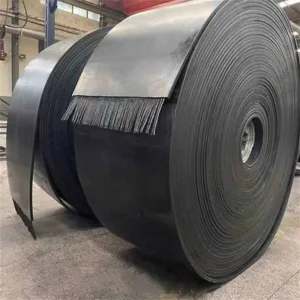
While large-scale bulk handling often references massive belt systems exceeding 1000mm in width, the 6-inch rubber conveyor belt (150mm width) remains a vital asset in precision industrial engineering. It is the primary transport mechanism for high-inclination bucket elevators, narrow conveyor lines, scale weighing feeders, packaging lines, and grain sorting setups. Due to its narrow form factor, a 6-inch belt experiences distinct mechanical challenges—specifically high longitudinal tension combined with lateral stability requirements.
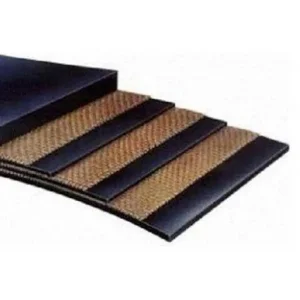
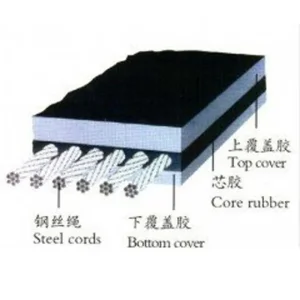
The durability of 6-inch rubber belting rests on two foundational components: the internal reinforcing carcass (textile plies or steel wire cords) and the exterior cover rubber compound.
Depending on the target application, the outer elastomeric matrix must be formulated to resist specific environmental degradations:
| Parameter | Fabric Belt (EP / NN) | Steel Wire Cord (ST) | High-Temp EPDM Belt |
|---|---|---|---|
| Standard Belt Width (inch / mm) | 6" (150 mm) | 6" (150 mm) | 6" (150 mm) |
| Carcass Plies Available | 2 - 5 Plies | Steel Wire Core Matrix | 3 - 4 Plies |
| Tensile Strength Range (N/mm) | 200 - 1600 N/mm | ST630 - ST2000 N/mm | 400 - 1000 N/mm |
| Cover Thickness (Top/Bottom) | 3.0mm / 1.5mm to 6.0mm / 3.0mm | 4.0mm / 4.0mm to 8.0mm / 6.0mm | 4.5mm / 2.0mm to 6.0mm / 3.0mm |
| Elongation at Break (Cover) | ≥ 350% to 450% | ≥ 400% | ≥ 350% |
| Operating Temperature Range | -30°C to +70°C | -25°C to +80°C | -20°C to +200°C |
How modern industrial buyers optimize supply chains, manage risk, and secure high-grade rubber belting products.
Global buyers frequently face issues with off-the-shelf belt configurations that cause rapid wear and poor edge tracking. Boao addresses this through dedicated slitting lines, customized hot-vulcanized sealed edges, and tailored hole punches for bucket elevators, ensuring seamless compatibility with foreign transport systems.
To prevent costly unplanned downtime in mining, cement, and power plants, Boao coordinates with global buyers to manage safety stock levels. We store finished and semi-finished rubber belts in dry, UV-protected facilities, guaranteeing fast dispatch whenever unexpected line failures occur.
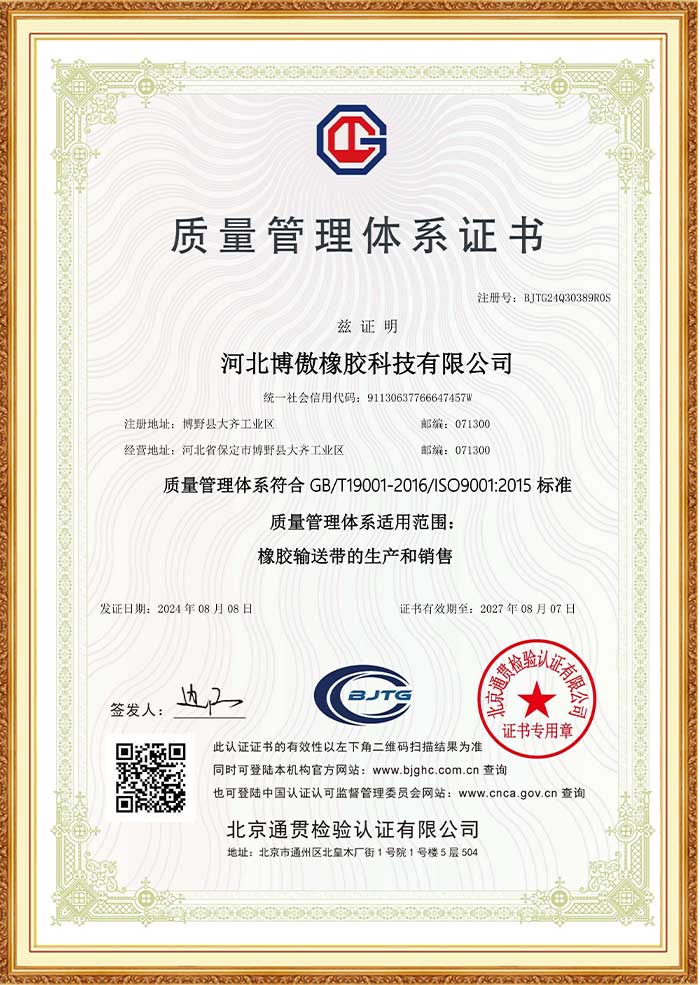
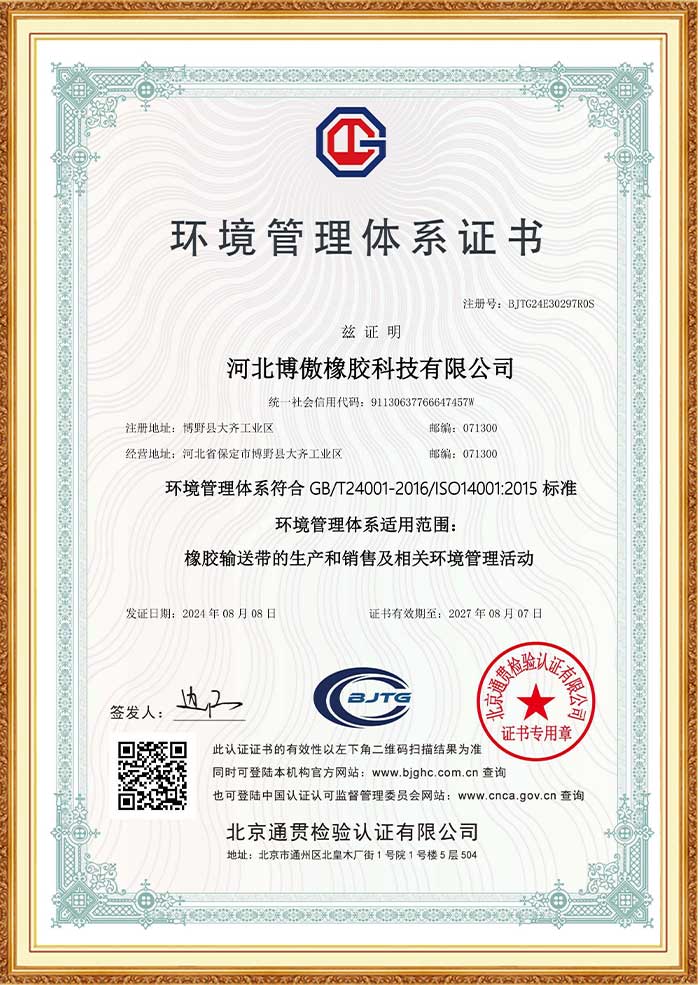
Compliance is a critical concern for procurement. Boao provides trace certificate trails for our material blends. Our products comply with ISO 9001 quality systems and ISO 14001 environmental frameworks. Standardized test sheets accompany each order to verify mechanical properties.
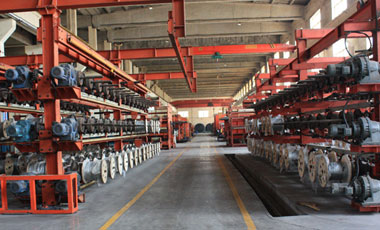
Visualizing our raw polymer proportioning, shaping, and calendering equipment alongside our high-precision physics and chemistry laboratories.
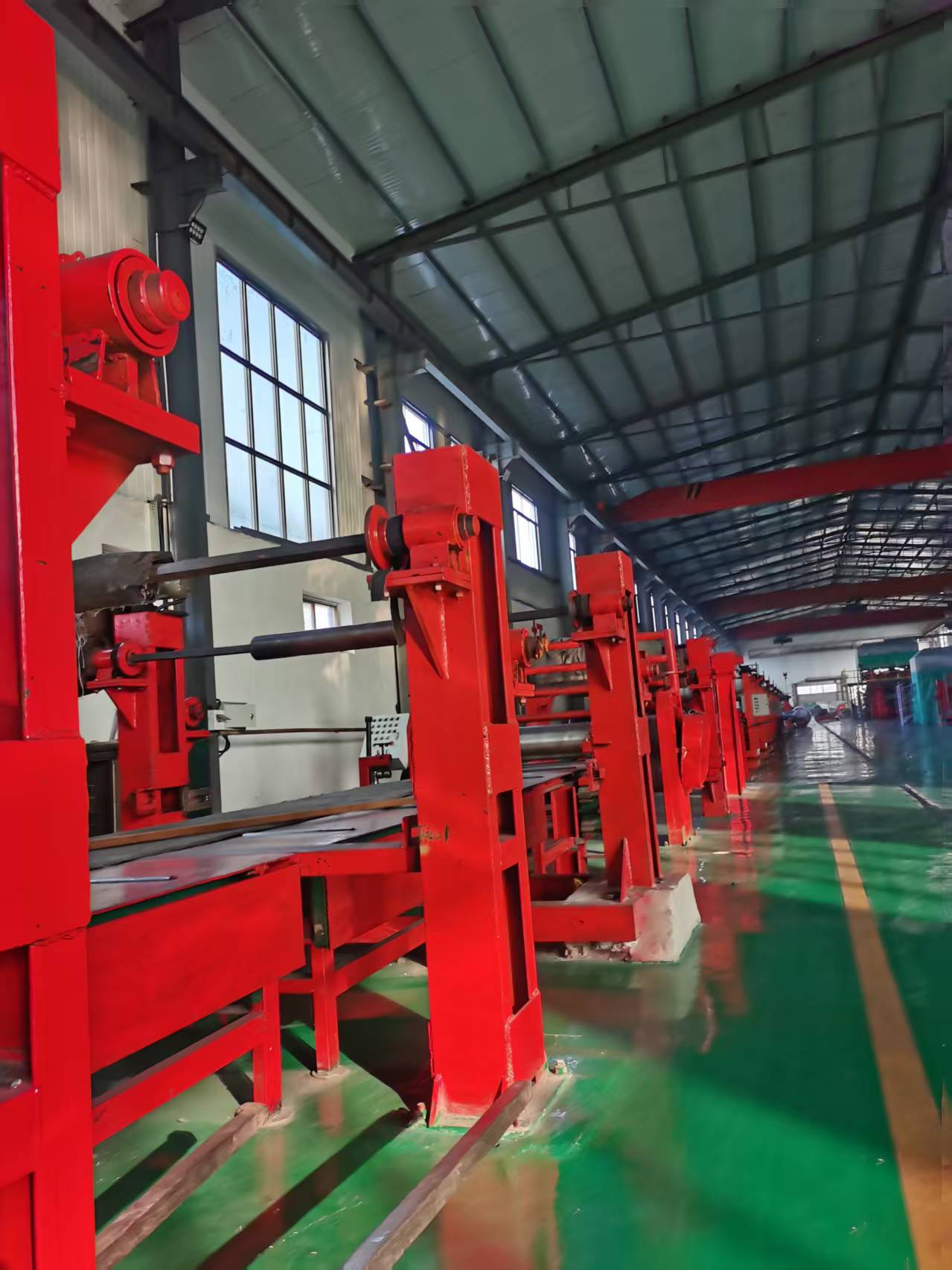
Raw Polymer Milling
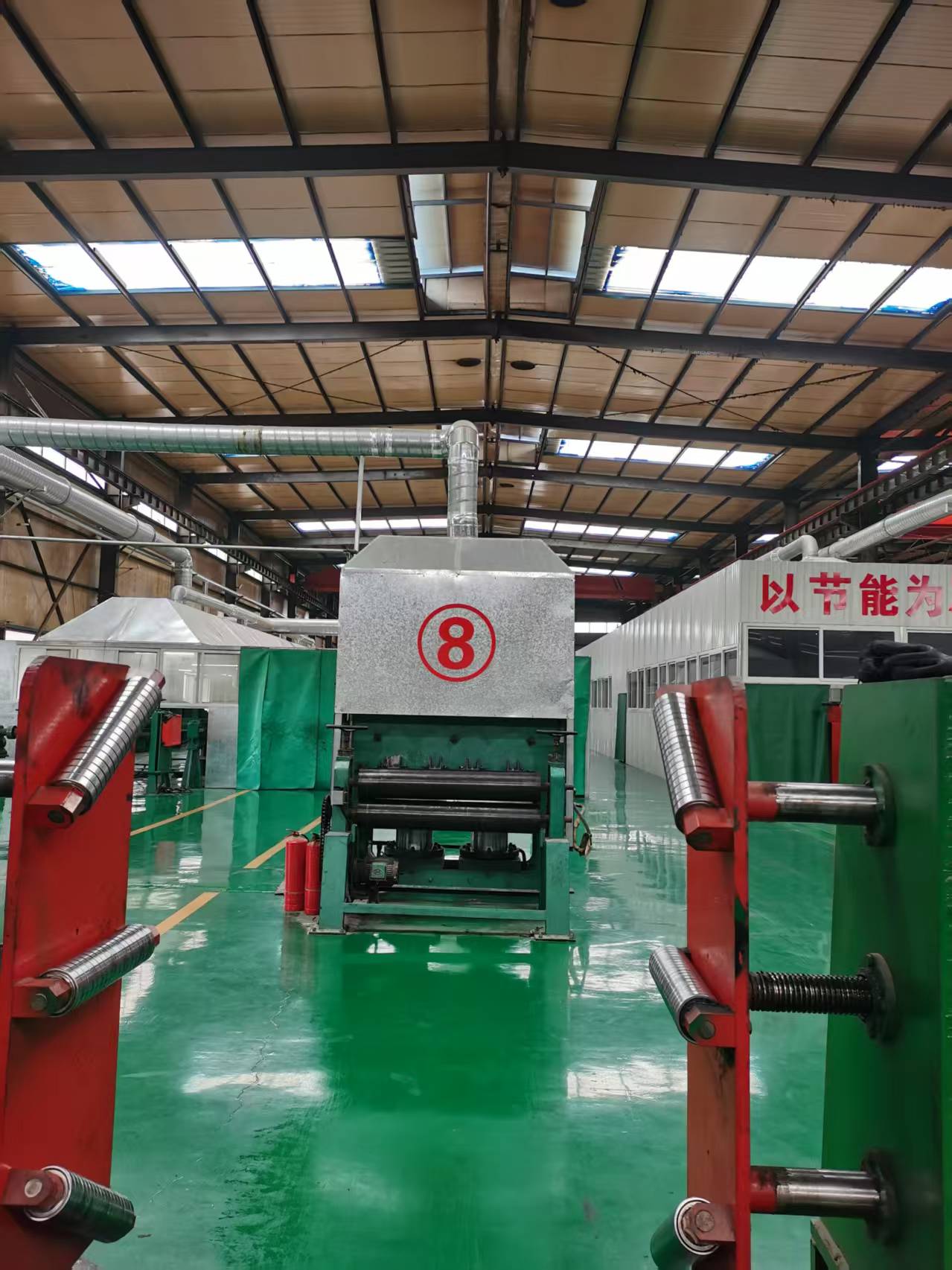
Continuous Sheet Calendering
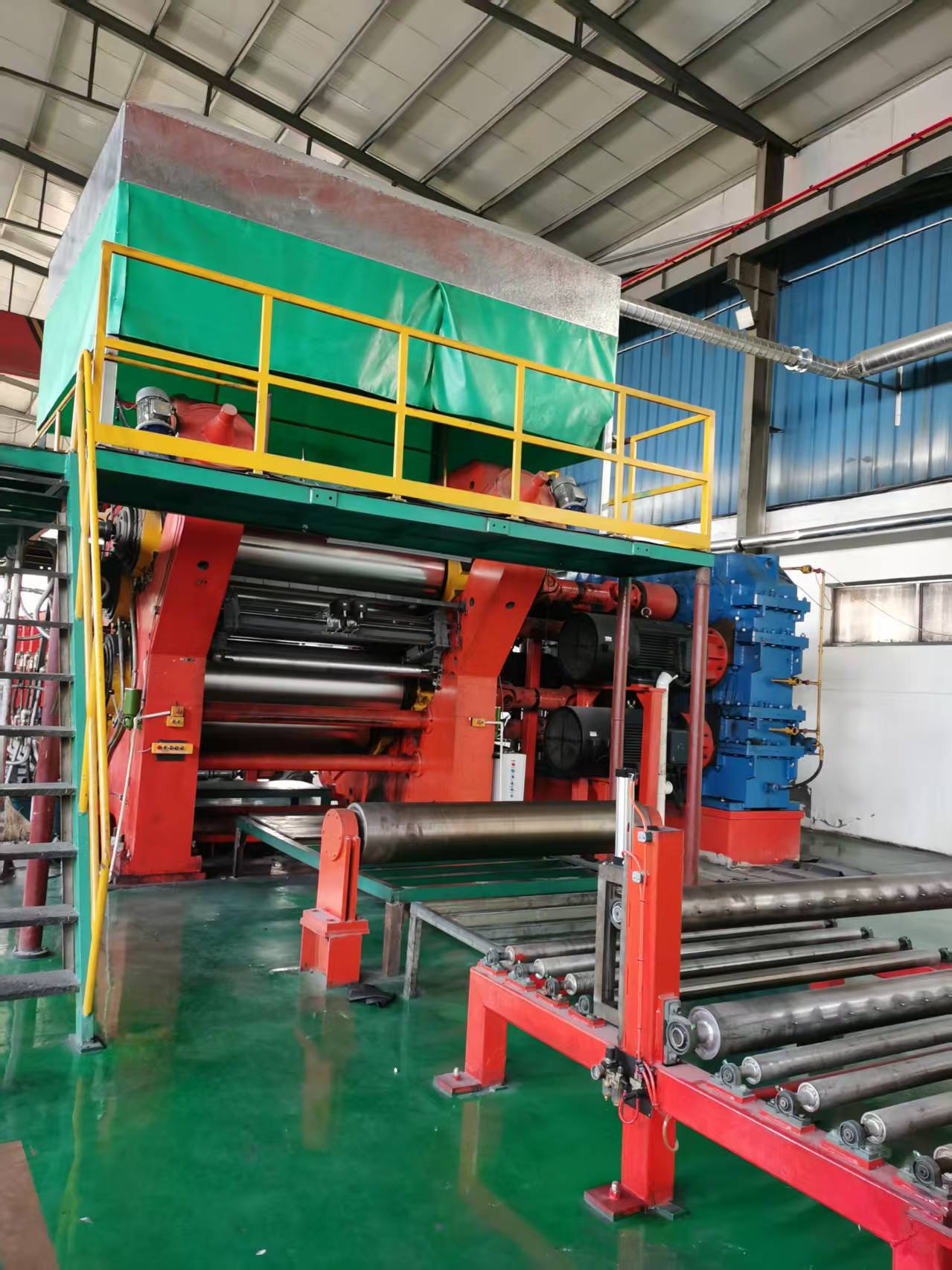
Flat Vulcanizer System
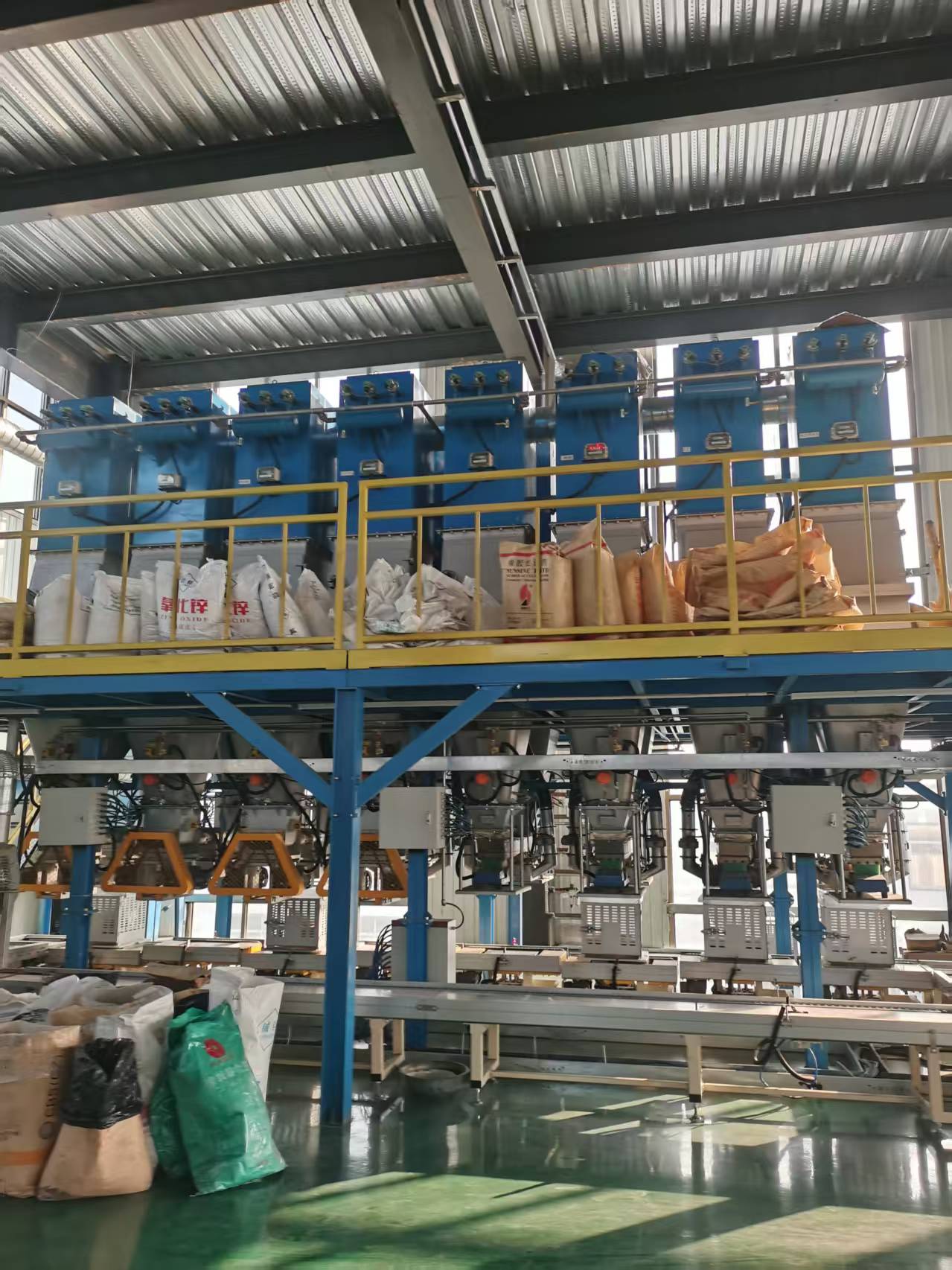
Fabric Ply Laminating
Fabric Belt Production Line
Steel Cord Belt Machine
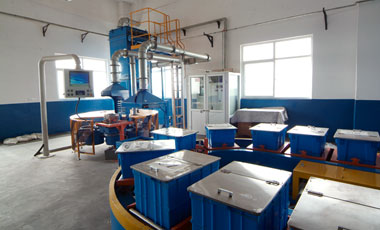
Proportioning Room
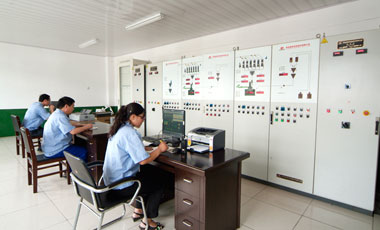
Mixing Control Station
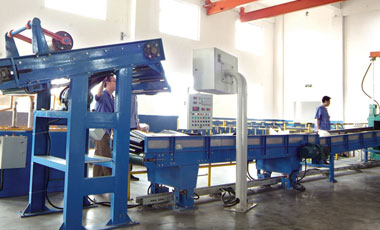
Raw Material Feeding Device
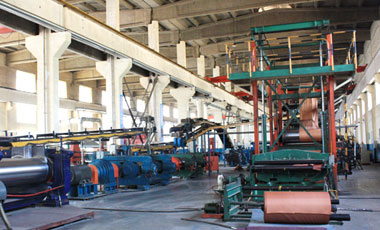
Calendering & Shaping System
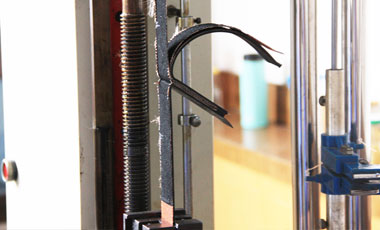
Peeling Force Evaluation
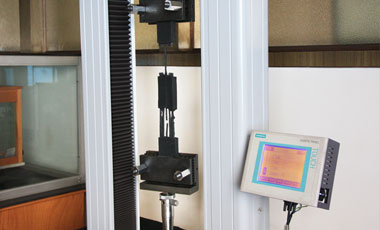
Steel Cord Pull-out Tester
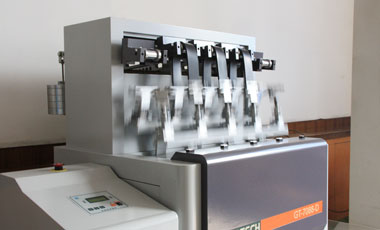
Dynamic Fatigue Analysis
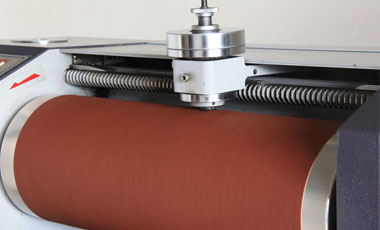
DIN Abrasion Index Tester (A)
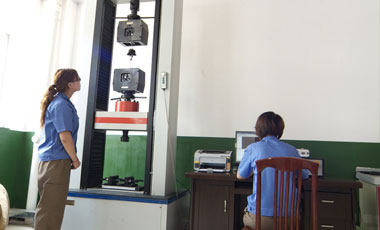
DIN Abrasion Index Tester (B)
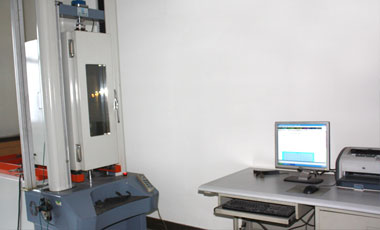
Tensile & Elongation Testing
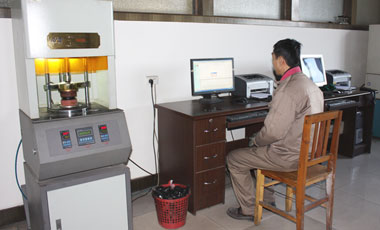
Microscopic Cross-Section Analysis
Our conveyor belts and engineering accessories keep major mining, metal manufacturing, and infrastructure networks moving efficiently.
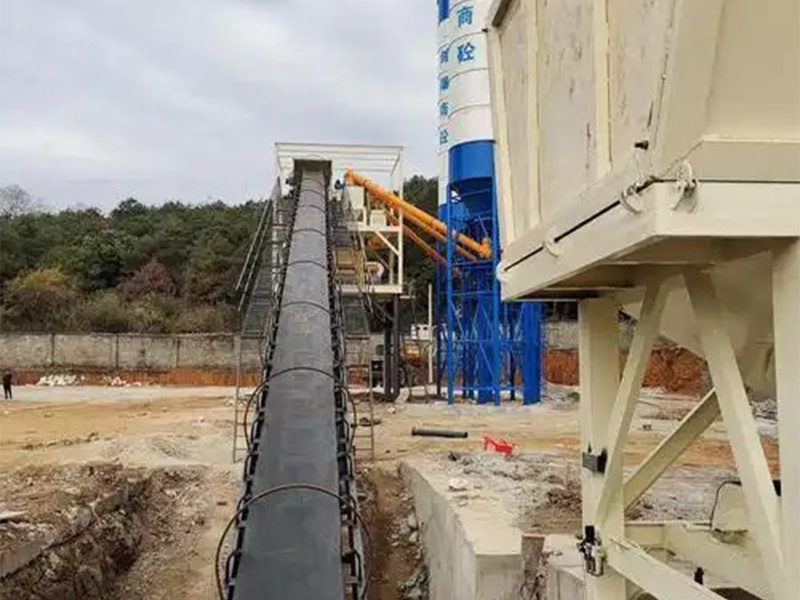
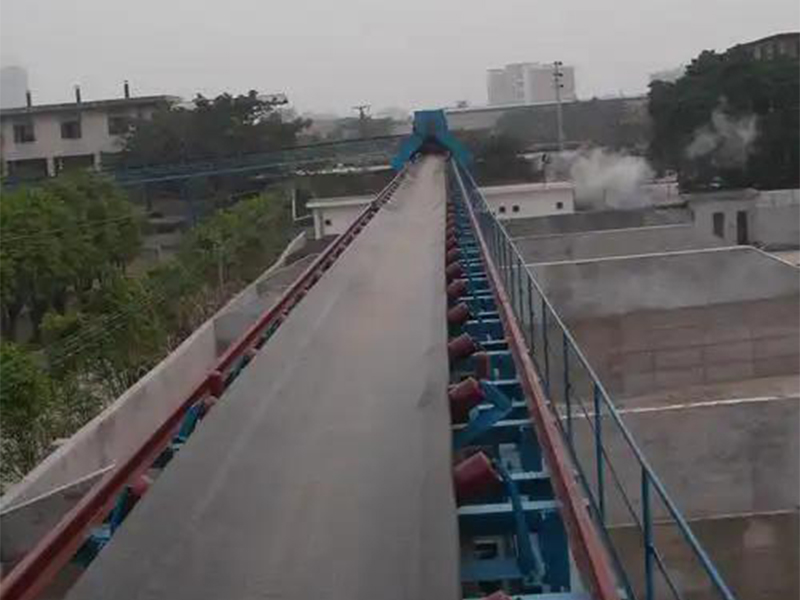
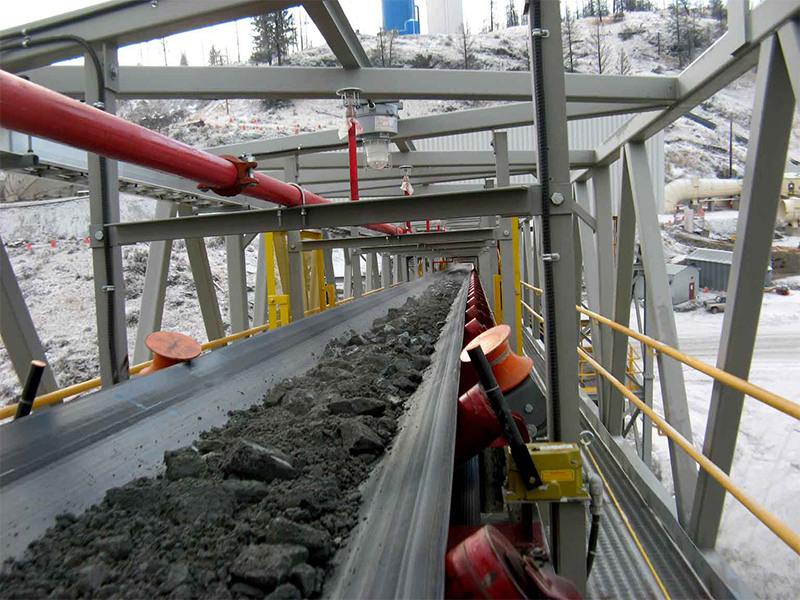
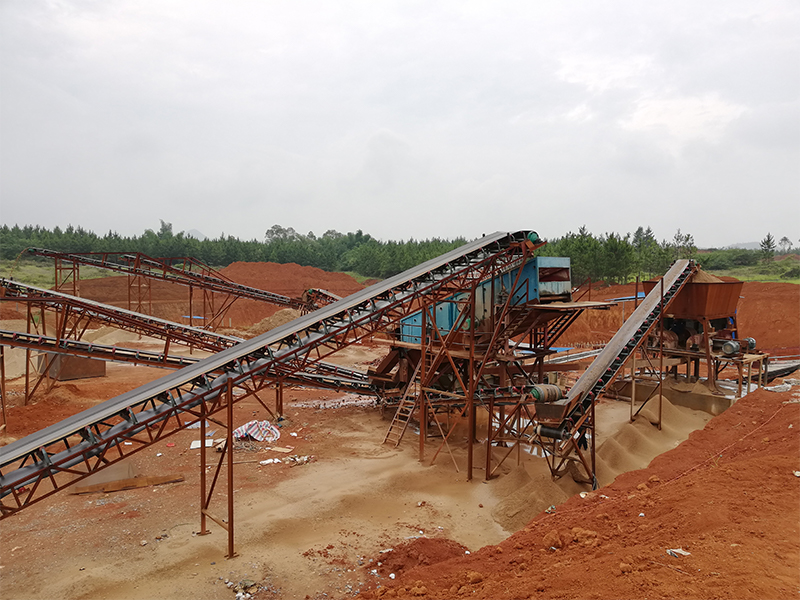
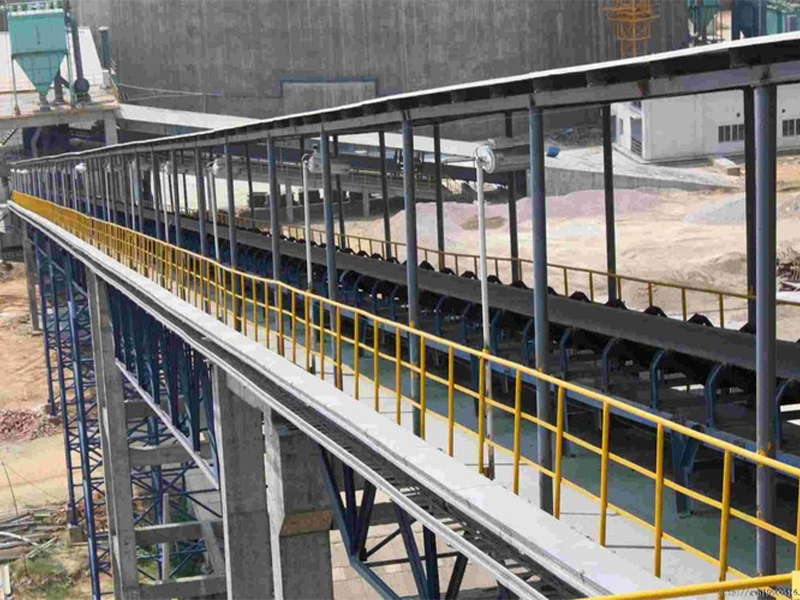
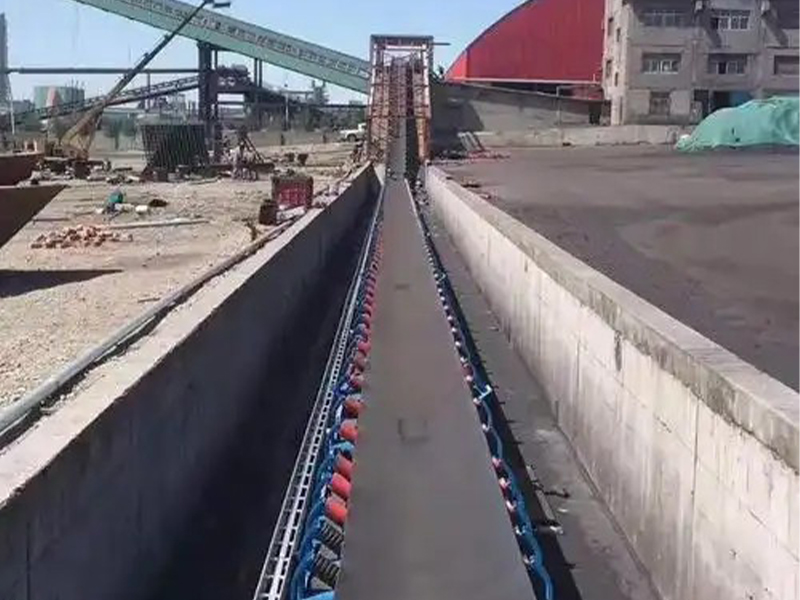
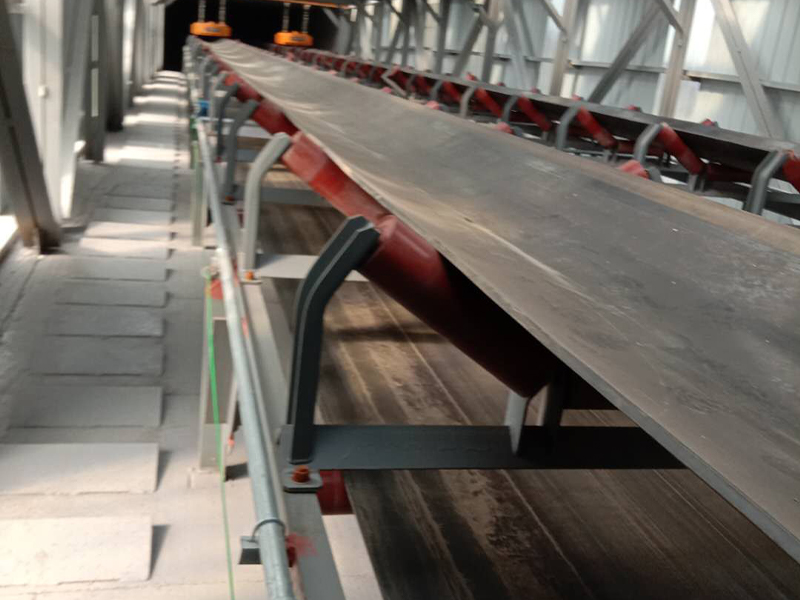
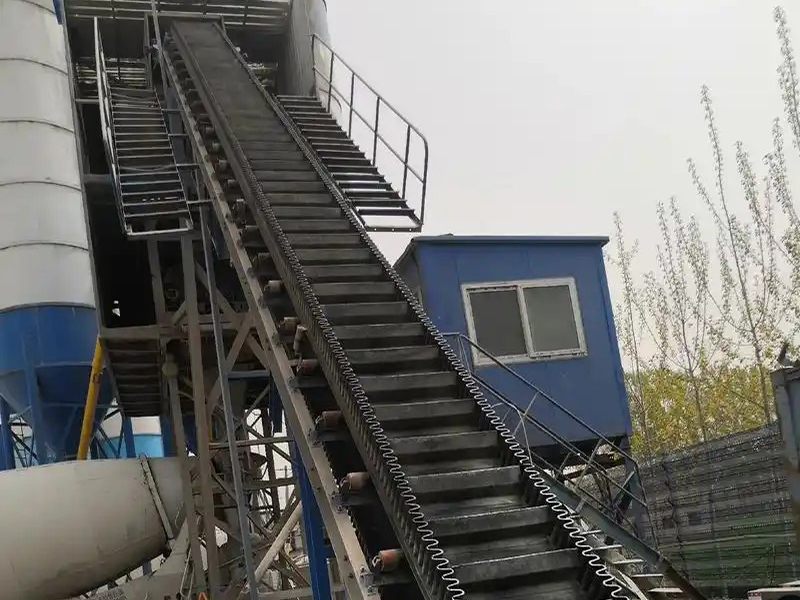
Our service extends beyond fabrication. We deliver end-to-end site maintenance, planned replacement strategies, and emergency splicing support.
We design and conduct scheduled belt performance audits. By monitoring cover wear profiles and tensioner elongation curves, we schedule belt maintenance to prevent catastrophic operational breakdowns.
Our teams define specifications for cold chemical adhesive bonding, hot vulcanization, and mechanical fastener installations. We ensure maximum tensile retention across all spliced areas.
We support our partners by managing physical inventories of critical components, ensuring optimal storage conditions that prevent structural cracking and chemical degradation.
When tears, impacts, or punctures occur, we supply rapid-curing patch kits, cold bonding repair strips, and technical guidance to restore conveyor operations as quickly as possible.
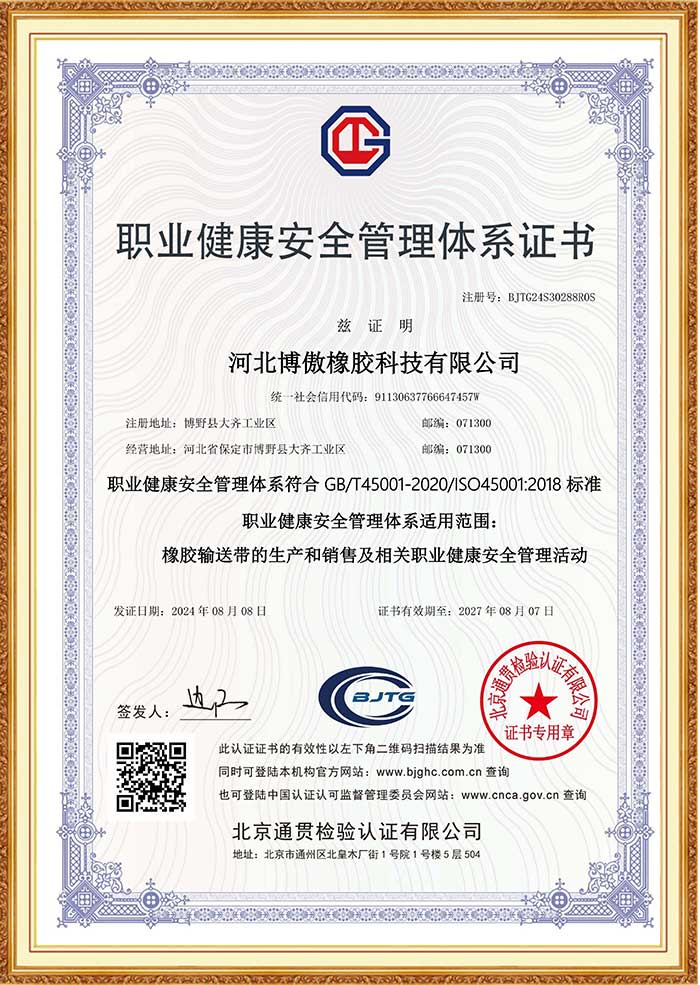
Our facilities operate under strict adherence to ISO guidelines, meeting international material, mechanical, and safety requirements.
How we integrate eco-friendly chemistry and digital technologies into our next-generation rubber products.
We are integrating computerized vulcanization thermal sensors across our continuous press plates. This ensures optimal cross-linking density throughout the belt structure, minimizing weak spots and maximizing peel strength between plies.
To reduce damage from high-impact tears, Boao is developing belts embedded with physical sensor loops. When a tear occurs, the system triggers an emergency stop, protecting downstream machinery.
In response to environmental standards, our labs are developing halogen-free flame-retardant rubber compounds. These formulations maintain self-extinguishing behavior while drastically reducing toxic gas output during combustion.
Answers to critical questions on mechanical operation, compound selection, splicing, and material handling.
Polyester-Polyamide (EP) fabric carcasses offer high tensile strength, minimal elongation under load, and excellent dimensional stability, making them ideal for long-distance conveyors. Nylon-Nylon (NN) carcasses provide superior elasticity, exceptional impact absorption, and excellent fatigue resistance, making them suited for high-impact bulk handling and systems with small pulleys.
The DIN rating measures cover rubber volume loss (in mm³) under a standardized abrasive force (typically DIN 53516). Lower values indicate better abrasion resistance. For example, a DIN-X rating (loss ≤ 120 mm³) provides higher resistance than a DIN-Y rating (loss ≤ 150 mm³), extending belt life when conveying highly abrasive materials like quartz, granite, or iron ore.
Over-tensioning is indicated by elongation beyond standard parameters, structural cracking of splice points, accelerated wear on the drive pulley lagging, and deformation of the belt carcass. In severe cases, the plies may separate, leading to tracking issues or structural tear failures.
Generally, standard EPDM compounds offer poor resistance to petroleum-based oils and solvents, which can cause the rubber to swell and lose structural integrity. For hot and oily materials, a specialized compound blending EPDM with nitrile rubber (NBR) is required to maintain both thermal stability and oil resistance.
Hot vulcanization is the standard method for splicing steel cord belts. This process involves stripping back the rubber cover, aligning the steel cords in a finger-joint pattern, applying uncured tie gum rubber, and curing the splice under temperature and pressure using a vulcanizer. This creates a joint that matches the tensile properties of the main belt.
Anti-tear meshes consist of high-tensile steel cords embedded transversely above or below the longitudinal steel cord carcass. If a sharp foreign object pierces the belt, the transverse cords distribute the impact force, preventing the tear from propagating along the length of the belt.
Unused rubber belts should be stored vertically on their shipping reels in a cool, dry, dark indoor area, away from direct sunlight, ozone sources (like electric motors), and extreme temperatures. They should not contact the ground to prevent moisture build-up, and should be rotated periodically if stored for long periods.
Ensure the conveyor structure is aligned, all idlers are square to the frame, and the pulleys are clean and rotating freely. Using self-aligning idlers and ensuring the belt is spliced squarely will prevent tracking issues. Vulcanized molded edges also help protect the belt from mechanical wear against the frame.
The minimum pulley diameter is determined by the carcass material (EP, NN, or Steel Cord), the number of plies, the belt thickness, and the operational tension. Bending a thick belt over a pulley that is too small generates internal stresses, leading to ply separation, cover cracking, and premature splice failure.
Yes, we specialize in customizing 6-inch and other narrow rubber belts for bucket elevators. This includes precision punching of bucket mounting holes according to customer drawings, hot-vulcanizing sealed edges to prevent moisture ingress, and supplying matching high-strength elevator buckets and hardware.
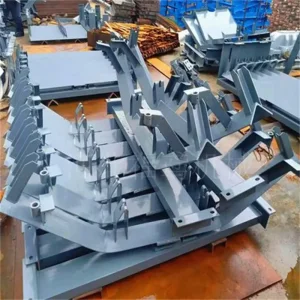
Discover our heavy-duty steel cord belts, patterned profiling belts, and high-efficiency idler roller accessories.
 Boao Rubber