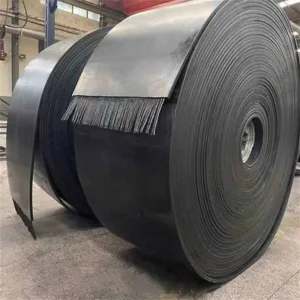
Best Ravasco Conveyor Belt Supplier & Premium Industrial Solutions

Empowering Global Material Sourcing with Ultra-Durable Rubber Compounding & Advanced Engineering Standards

Industrial Whitepaper: Conveyor Belt Engineering & Sourcing Analysis

1. The Evolution of Heavy-Duty Conveyor Sourcing

In modern industrial operations, bulk material handling demands continuous, reliable, and highly specialized systems. Selecting a Ravasco conveyor belt supplier or looking for high-performance alternatives involves evaluating mechanical properties such as tensile strength, elongation at break, cover grade abrasion resistance, and splice longevity. Today's global market places intense focus on total cost of ownership (TCO). Operations in mining, steel mills, cement plants, and ports cannot afford unscheduled downtime. Therefore, identifying a supplier capable of engineering custom-formulated elastomeric compounds and integrating durable carcass materials is key to modern project procurement.

2. Technical Equivalents & Standards Alignment

When engineers search for high-caliber manufacturers like Ravasco, they compare international standards to verify system reliability. The Jinao brand by Hebei Boao Rubber Technology Co., Ltd. aligns manufacturing processes with rigorous global benchmarks including ISO 14890, DIN 22102, AS 1332, and BS 490. Our rubber conveyor belts undergo extensive testing to ensure compatibility with heavy industrial systems worldwide. Let's analyze how standard specifications line up:

Standard Type Common Cover Grade Equivalent Tensile Strength (MPa) Max Abrasion Volume Loss (mm³) Primary Industrial Applications
DIN 22102 Grade X ISO 10247 Grade H ≥ 25 ≤ 120 Abrasive large ores, granite, heavy quartzite, sharp minerals.
DIN 22102 Grade Y ISO 10247 Grade D ≥ 20 ≤ 150 Coal, cement clinker, limestone, gravel, grain handling.
DIN 22102 Grade W ISO 10247 Grade L ≥ 18 ≤ 90 Highly abrasive fine materials, slag, sand, glass cullet.
Flame Retardant (ISO 340) MT 668 / MSHA ≥ 15 ≤ 200 Underground coal mines, grain silos, power generation plants.

3. Global Market Dynamics & Procurement Challenges

Global supply chain management faces ongoing shifts in material costs, transport logistics, and lead-time variability. Heavy industries require highly responsive production cycles and flexible custom designs. Whether you are running conveyor networks in the mines of Western Australia, the steel hubs of Europe, or port facilities across North America, finding the right supplier means sourcing robust products capable of resisting ply separation, tracking errors, and high-impact wear.

Industrial procurement teams increasingly look to manufacturers with integrated research labs. This enables custom compound design for chemical exposure, extreme temperature ranges, and flame propagation resistance, ensuring safety and operational compliance in challenging environments.

Engineering Capabilities & Innovations

Advanced Compound Development

Our chemical engineers customize polymers with dynamic aging additives, high-heat EPDM bases, and anti-tear steel mesh layers to increase operational life by up to 150%.

Rigorous Quality Assurances

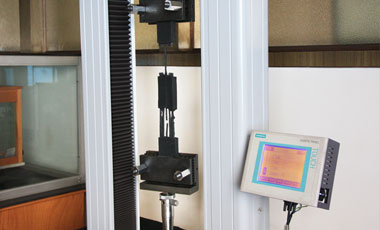
Equipped with an independent physical testing lab and chemical analysis room, we run comprehensive peeling, elongation, and abrasion tests for every batch before dispatch.

Flame Retardancy & Underground Safety

We manufacture specialty belts that comply with flame-retardant standards like ISO 340 and MT668, preventing fire propagation in confined underground spaces.

22+
Years Industry Experience
30+
Acres Factory Footprint
ISO9001
International System Certified
500+
Global Industrial Clients

China Industry 4.0: Supply Chain Resilience & Efficiency

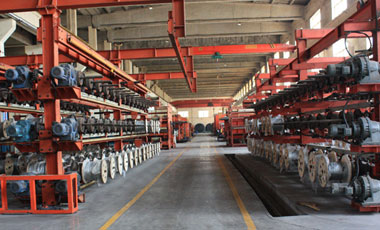
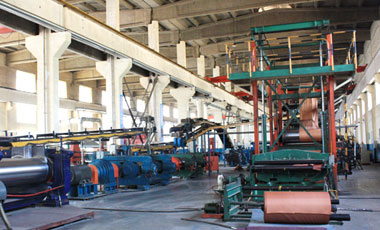
Modern conveyor manufacturing is more than raw rubber compounding. It requires an optimized ecosystem of technology, logistics, and precision control. At Hebei Boao Rubber Technology's modern facility in Boye County, China, we operate advanced calendering, mixing, and vulcanization lines designed to maximize efficiency and consistency.

Leveraging smart internal compounding processes ensures that raw materials—from natural rubber to synthetic rubbers, carbon black, and plasticizers—are mixed to precise tolerances. High-precision machinery minimizes variations in ply adhesion and vulcanization depth. This focus on process control allows us to build reliable, high-performance belts that meet the needs of demanding industrial applications worldwide.

Key Advantages of Our Industrial Ecosystem:

  • Continuous Calendering Process: Ensures uniform thickness of the core plies and precise cover rubber application, reducing edge wear and belt tracking problems during startup.
  • Automated Temperature & Tension Vulcanization: Advanced press plates prevent under-curing and over-curing, which stabilizes elongation characteristics and maximizes rubber-to-fabric ply adhesion.
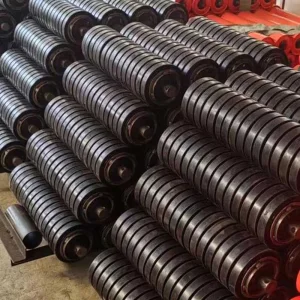
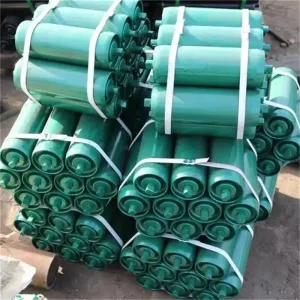
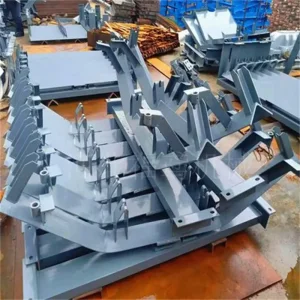
  • Integrated Accessory Manufacturing: From rubber buffer rollers to complex brackets, our fully integrated production facility simplifies multi-component sourcing, saving procurement teams time and overhead.
  • Location Advantage: Located in Baoding, Hebei Province, our facility is close to major ports (such as Tianjin Port), supporting efficient loading, clearance, and ocean transport to minimize lead times.

About Hebei Boao Rubber Technology Co., Ltd.

Founded in 2004, Hebei Boao Rubber Technology Co., Ltd. is located in the Rubber Industrial Park of Boye County, Baoding, Hebei Province. Over the past two decades, we have grown into a professional manufacturer integrating design, research, development, and manufacturing of high-performance conveyor belts and support accessories under our registered brand, "Jinao".

We are committed to strict quality control, operating under a certified ISO 9001 quality management system. Our team manages the entire production cycle, from raw material inspection in our physical and chemical laboratories to final testing of the finished products.
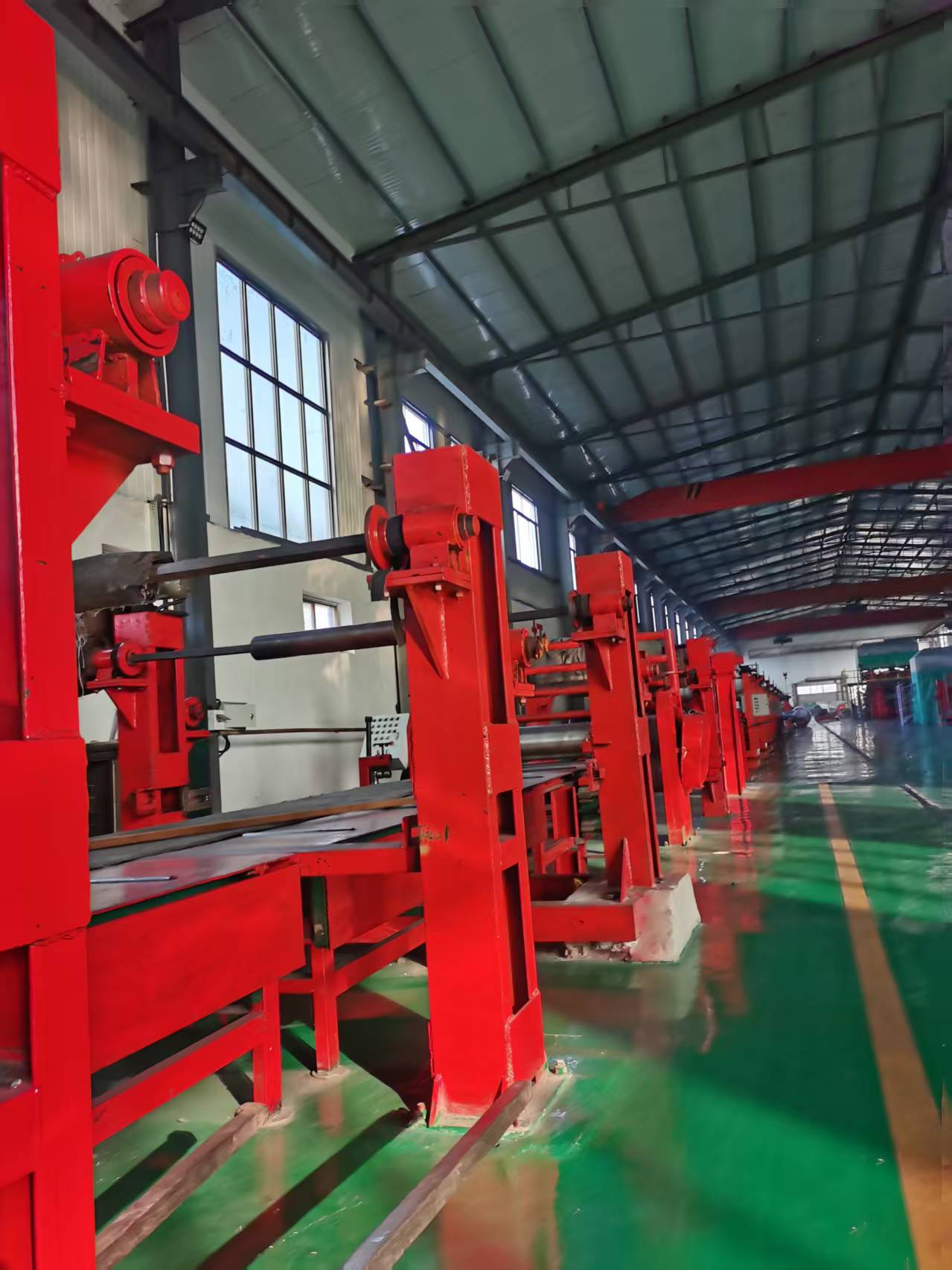
Production Line of Fabric Conveyor Belt

Fabric Conveyor Belt Production

Production Equipment of Steel Cord Conveyor Belt

Steel Cord Belt Production

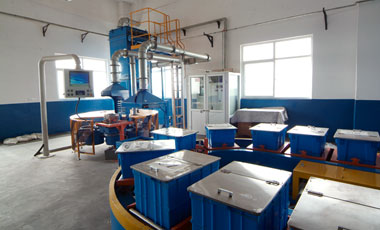
Proportioning Room of Mixing Center

Mixing Center Proportioning Room

Proportioning System of Mixing Center

Automated Proportioning System

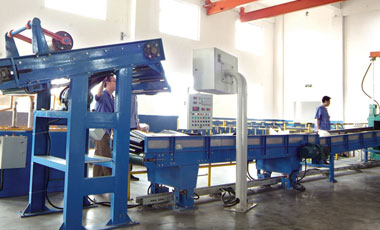
Feeding Device

Production Feeding Device

Calendering & Shaping Machine
Calendering & Shaping Machine

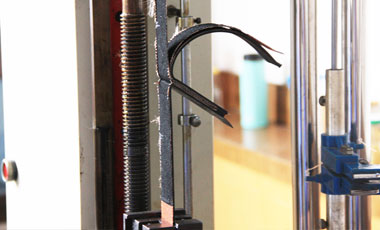
Peeling Test Equipment

Peeling Adhesion Tester

Steel Cord Pull-out Machine

Steel Cord Pull-out Tester

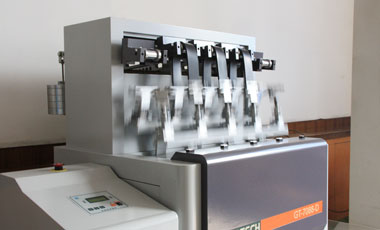
Dynamic Fatigue Tester
Dynamic Fatigue Tester

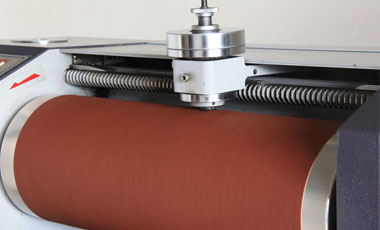
Abrasion Tester

Abrasion Testing System

Industrial Deployments: Collaboration Cases

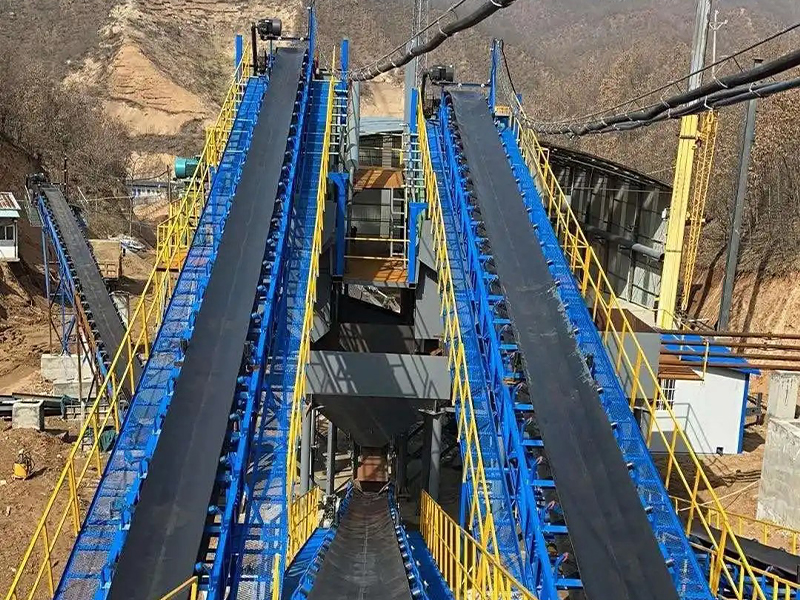
Our engineered solutions are trusted across demanding heavy industries, from smelting and ironwork to bulk coal energy plants and major cement producers.
Taihang Steel
Taihang Steel
Tsingshan Group
Tsingshan Group
Zijin Mining
Zijin Mining
China Railway Group Mixing Plant
Conch Cement
Conch Cement
Datong Coal Group
Datong Coal Group

Expert Q&A: Conveyor Belt Engineering Insights

Q1: What parameters should I prioritize when looking for a Ravasco conveyor belt equivalent?
To identify the right equivalent, match key parameters like carcass tensile strength (represented in EP or NN plies or Steel Cord rating ST), cover thickness (e.g., 4+2mm or 6+2mm), and cover grade type. Ensure the belt meets international standards such as DIN 22102, ISO, or AS. For highly abrasive applications, verify that the rubber cover compound has an abrasion volume loss of less than 120 mm³.
Q2: How does polyester (EP) fabric compare to nylon (NN) fabric in multi-ply belts?
EP (Polyester-Nylon) belts have a polyester warp and a nylon weft. They offer low elongation under tension, making them ideal for long-distance conveyors with short take-up travel. NN (Nylon-Nylon) belts provide excellent elasticity, impact resistance, and high flex fatigue resistance, making them well-suited for heavy-impact, short-center systems.
Q3: Why is high-adhesion strength important between the rubber cover and fabric plies?
High-adhesion strength (typically ≥ 4.5 N/mm between fabric layers and ≥ 3.2 N/mm between cover and plies) prevents ply separation under cyclic stress, mechanical bending, and thermal load, significantly extending the belt's overall operational lifetime.
Q4: What flame-retardant standards are required for underground mining applications?
Underground installations must meet fire safety standards such as ISO 340, DIN EN 12882, or MT 668 in China. These standards require the belt to self-extinguish within seconds of removing a direct flame, and prevent hot embers from restarting combustion during friction or slippage.
Q5: How does Hebei Boao Rubber Technology control compound quality?
Our quality control process is managed via an in-house chemical analysis room and physics laboratory. We test raw materials before mixing, and evaluate every finished production run using tensile testers, steel wire pull-out fixtures, and DIN abrasion testers to ensure compliance with global specifications.
Q6: How do ambient temperature extremes affect conveyor belt performance?
Extreme cold can make standard rubber compounds brittle, causing cracking and cover loss. For cold environments, specialized rubber compounds are designed to remain flexible down to -50°C. For high-heat applications, EPDM cover rubbers protect the carcass from degradation at temperatures up to 200°C.
Q7: What is the main cause of belt tracking errors and how can they be minimized?
Tracking errors are often caused by uneven belt tension, misaligned idlers, material buildup, or off-center loading. Proper maintenance of the idlers and brackets, alongside selecting a belt with consistent lateral stiffness and straight edges, helps prevent tracking issues.
Q8: How does a steel cord core compare to a fabric core for bulk material transport?
Steel cord cores (e.g., ST1000, ST2000) offer minimal elongation and high tensile strength, making them ideal for long-distance, high-capacity systems. Fabric cores are lighter, cost-effective for short to medium runs, and offer excellent flexibility for smaller pulley diameters.
Q9: What certificates should a global conveyor belt manufacturer hold?
A reliable global supplier should hold ISO 9001 for quality management, ISO 14001 for environmental management, and ISO 45001 (or OHSAS 18001) for occupational health and safety. Specialty certifications like CE, API, or local mining approvals (such as MT) are also beneficial for specific markets.
Q10: What is the typical lead time for custom B2B conveyor belt orders?
Depending on custom compounding, width, and order volume, factory lead times typically range from 15 to 30 days. Our proximity to major shipping ports like Tianjin helps minimize total transit time to global destinations.