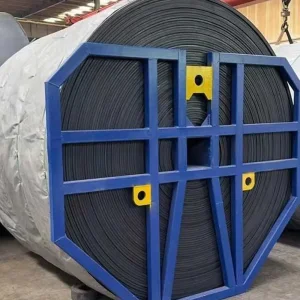
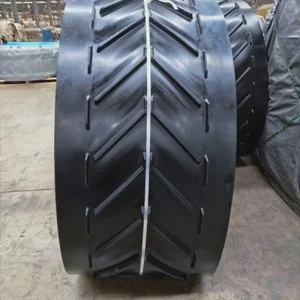
Engineered to withstand heavy impacts, abrasive loads, and extreme operating conditions.
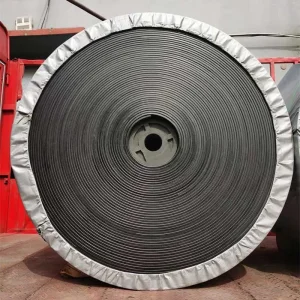
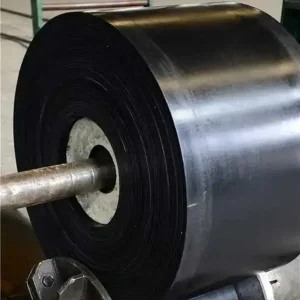
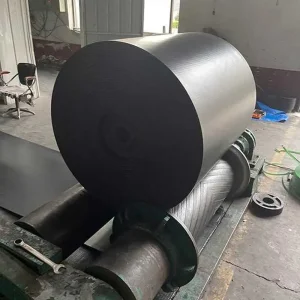
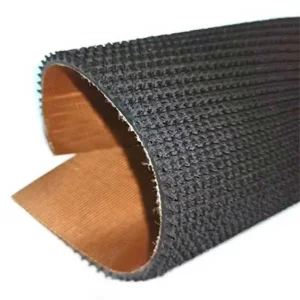
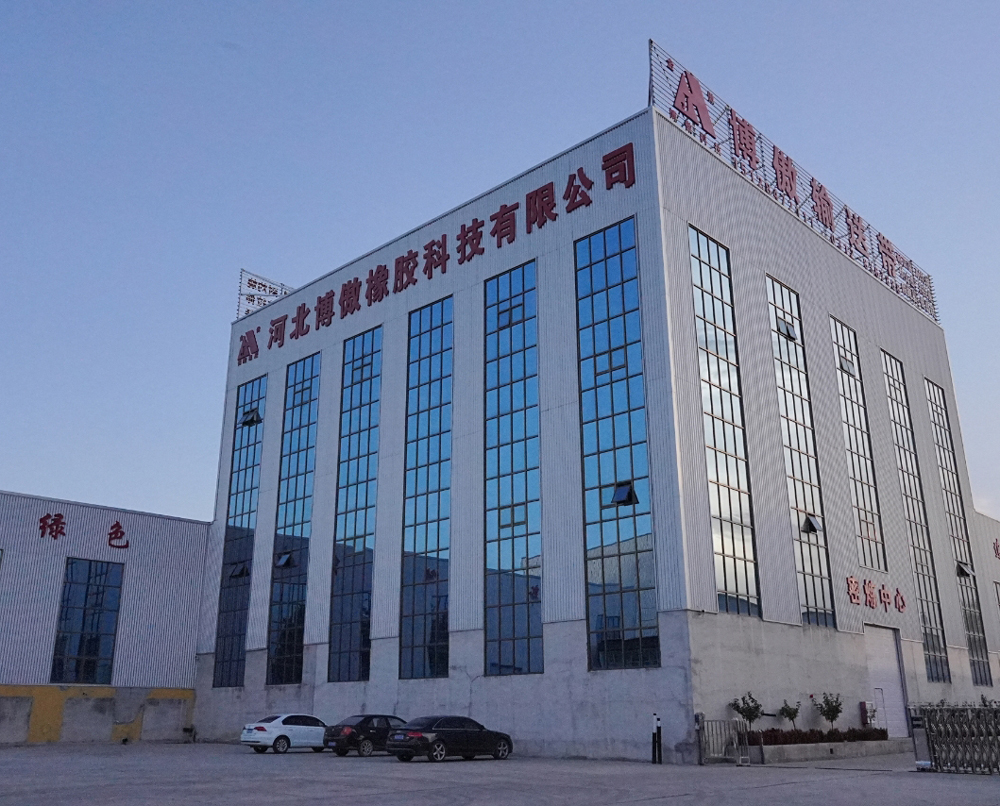
Located in the heart of the Rubber Industrial Park of Boye County, Baoding, Hebei Province, Hebei Boao Rubber Technology Co., Ltd. has stood as a pioneer of advanced industrial conveyer belt systems since its establishment in 2004. With a modern production campus stretching over 30 acres, the company manufactures premium grade conveyor belts and structural conveyor machinery accessories under the flagship "Jinao" brand.
We are a certified professional manufacturer integrating initial product development, laboratory testing, physical and chemical analysis, mechanical engineering, structural belt design, and large-scale domestic/international business operations. Our system holds complete compliance with international quality management certifications, proving our commitment to zero-defect manufacturing.
With an production facility equipped with compounding lines, modern calenders, precision vulcanizing presses, and a fully integrated product testing lab, we handle the entire design-to-delivery pipeline in-house.
An in-depth analysis of Polyamide (NN) properties, structural integrity, and performance parameters under massive dynamic stresses.
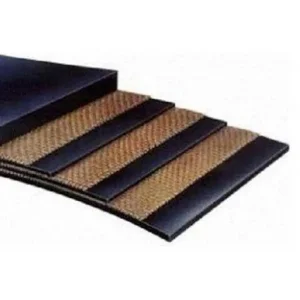
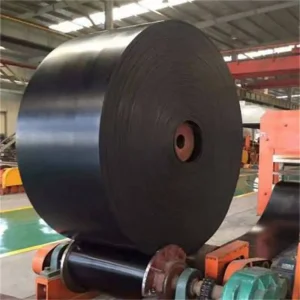
In heavy bulk transport, the structural integrity of the reinforcing carcass dictates the operational lifespan of the belt. Polyamide (commonly designated as Nylon or NN carcass) represents one of the most mechanically robust materials available for high-stress applications. Formed by synthetic polymer chains containing recurring amide groups, Polyamide fibers provide a unique combination of extreme tensile strength, low specific gravity, and superb elastic recovery properties.
When evaluated against alternative fabrics like Polyester (EP) or traditional cotton duck, Nylon (NN) conveyor belting shows distinct advantages:
While Polyester-Nylon (EP) belts provide low permanent elongation, Nylon-Nylon (NN) belts are preferred for applications requiring maximum impact resistance, severe flexing, and high susceptibility to mechanical damage. Nylon's elastic properties ensure the carcass absorbs load shocks without permanent fiber deformation.
The transition toward high-tonnage processing plants globally has shifted the demands placed on conveying systems. In major ports, heavy steel mills, and mining complexes across North America, South America, Australia, and Africa, logistics managers require belts that minimize unplanned downtime. According to global mechanical handling surveys, over 40% of belt failures occur due to localized ripping, carcass puncture, and vulcanized joint failure. Nylon conveyor belts address these exact failure modes, making them the standard choice for bulk terminals, subterranean coal mines, and primary crushing setups.
As a leading Chinese manufacturer, Hebei Boao Rubber Technology leverages the structural advantages of China's industrial infrastructure. Located in the Baoding Boye Rubber Cluster, we maintain close access to premium rubber compound producers, chemical additive suppliers, and high-tenacity polyamide fiber weavers. This vertical supply integration allows us to procure raw materials at stable pricing and scale production rapidly.
Through advanced automation in our compounding department, computerized calendering machinery, and high-pressure vulcanizing presses, we keep labor costs low while maintaining strict product uniformity. This efficiency translates to a competitive cost-of-ownership advantage for overseas distributors and end-users, without compromising on fabric weights, rubber cover thickness, or physical properties.
Nylon conveyor belts are designed for challenging localized environments:
Hebei Boao continues to invest in new belting technologies. Our research focuses on four key areas:
Our Quality Management Framework is designed to protect your bulk handling investments.
We maintain an on-site physical and chemical analysis testing facility. Raw polymer inputs, carbon blacks, synthetic fabrics, and vulcanizing compounds are tested before entering production. Substandard materials are rejected immediately.
Our quality control inspectors track every step of production. Utilizing calibrated thickness gauges, tensile testing machines, and abrasion chambers, we ensure our finished products meet or exceed design specifications.
Our products are used throughout China and in key export markets. We supply high-performance conveyor belting to steel mills, power stations, fertilizer plants, grain terminals, and major mineral hubs worldwide.
Demonstrated reliability across demanding dry bulk handling applications.
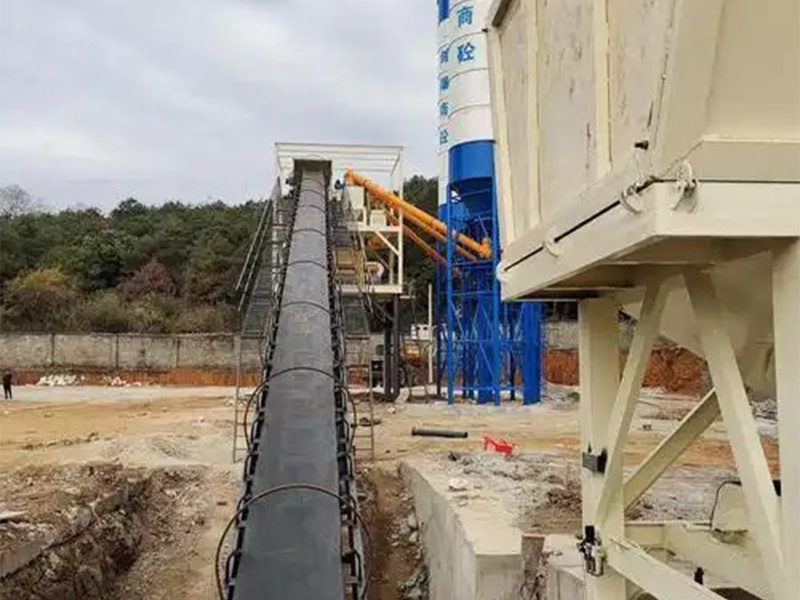
Supplied high-angle wavy edge belts to feed batching systems in high-throughput concrete plants.
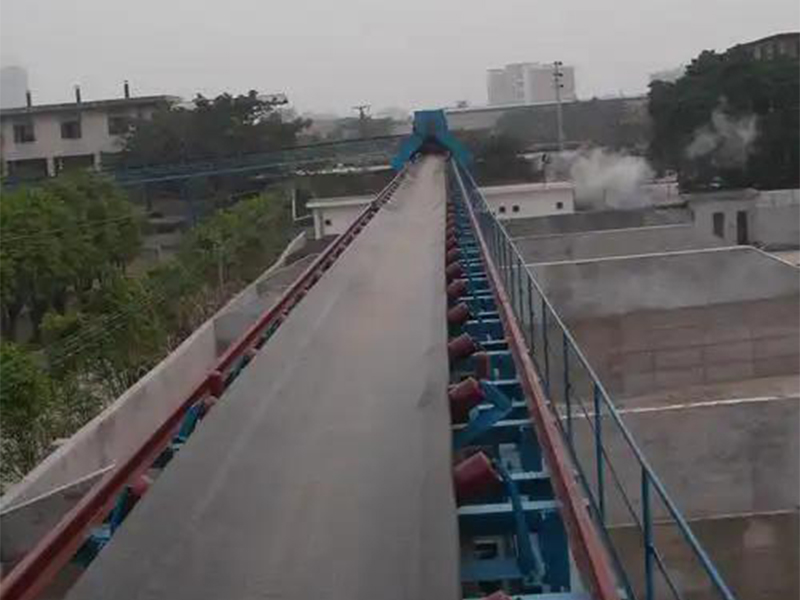
Installed wear-resistant nylon-polyamide belts to handle sharp limestone aggregates and hot clinker materials.
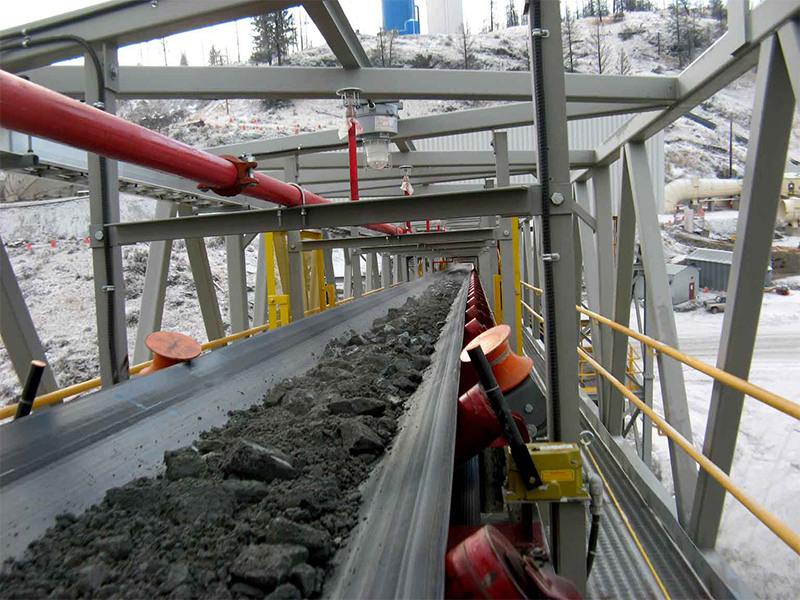
Provided flame-retardant and anti-static underground conveyor belts for safety-critical mining operations.
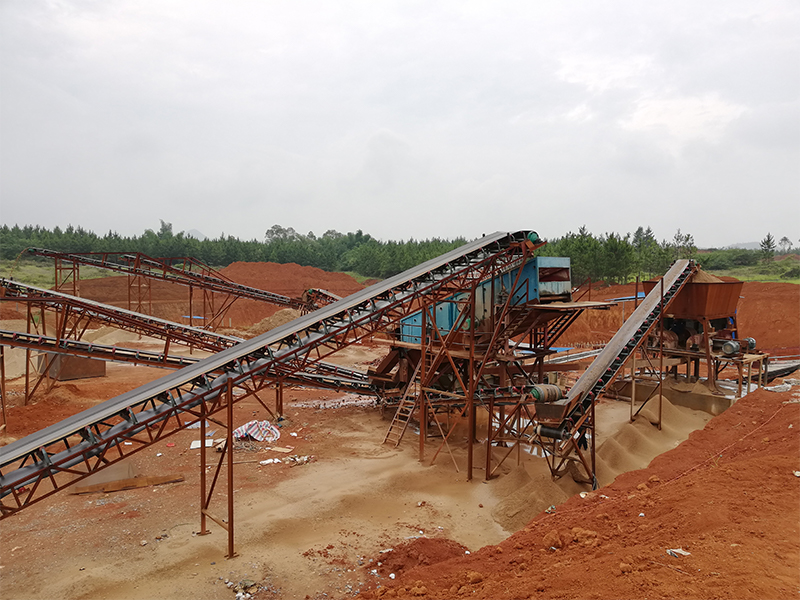
Supplied high-tensile fabric belts to move heavy nickel ore charges in mineral processing facilities.
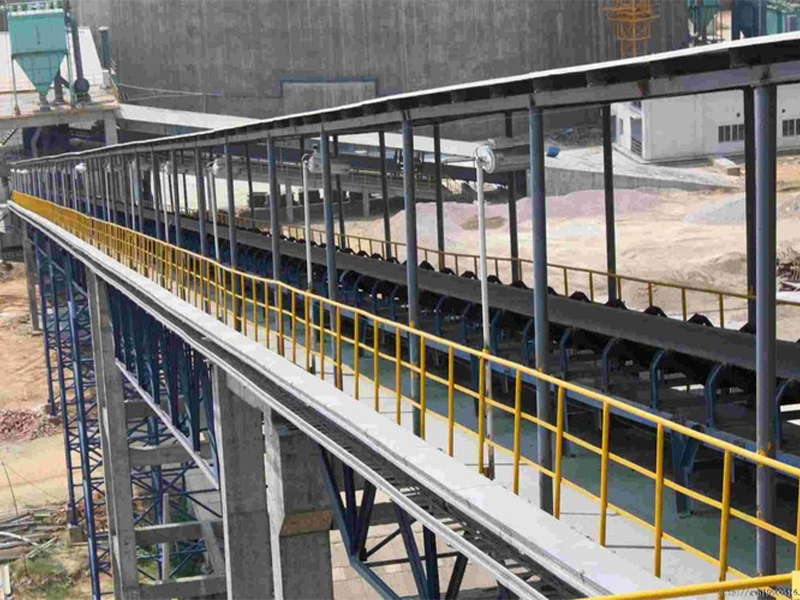
Equipped raw mill feed conveyors with multi-ply polyamide belts designed for high tracking stability.
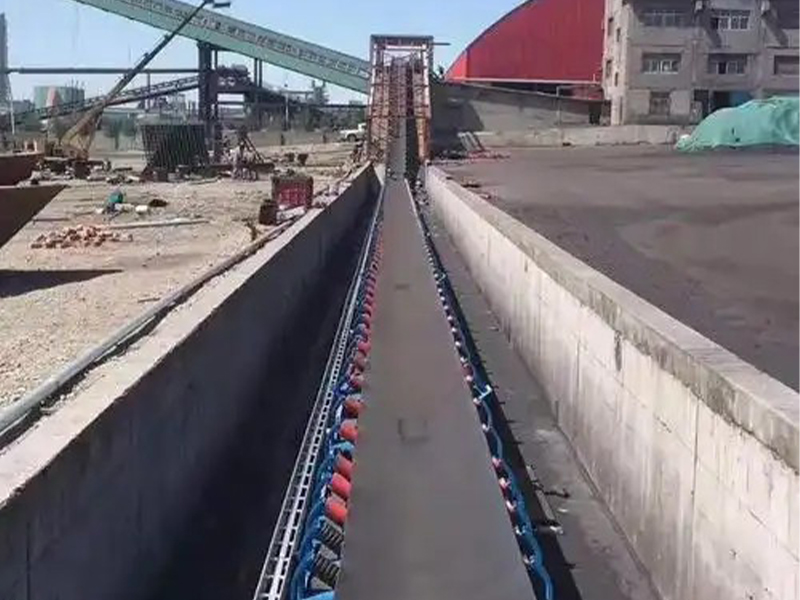
Installed long-distance overland belts with low rolling resistance rubber covers to reduce operating energy costs.
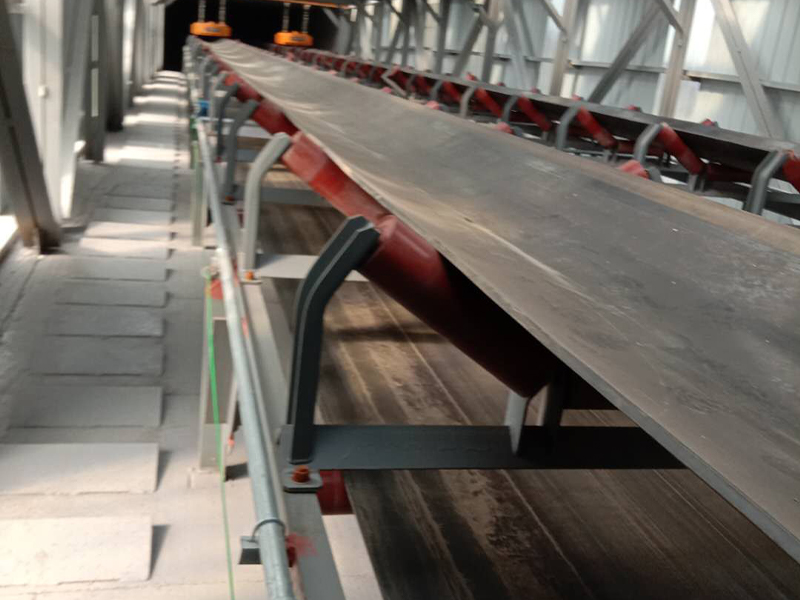
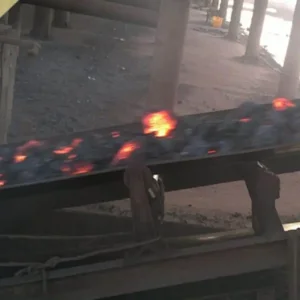
Deployed high-temperature resistant belts to transport hot sinter and coke directly from ovens.
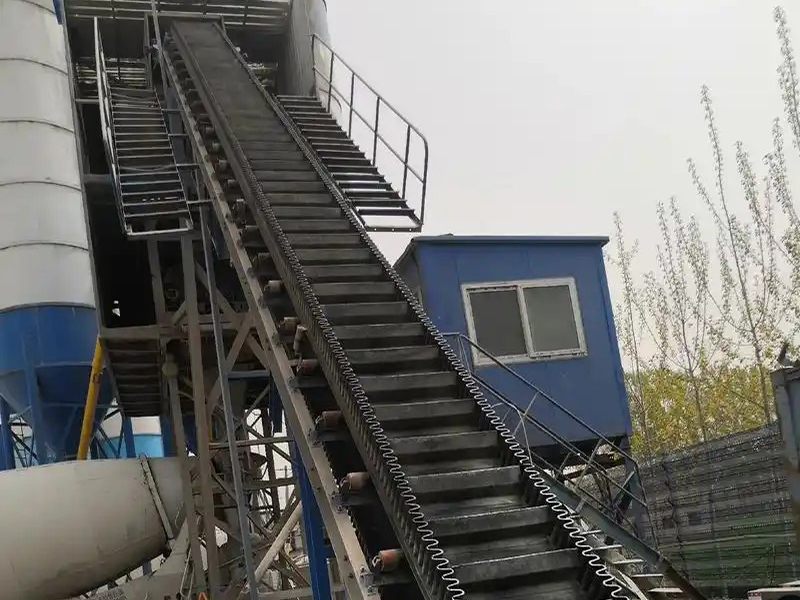
Supplied heavy-duty multi-ply fabric belts to support continuous charging in high-tonnage ironmaking divisions.
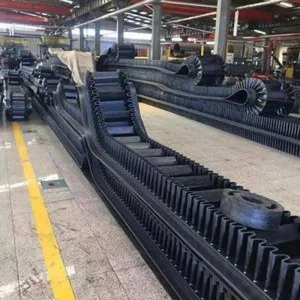
Our manufacturing capabilities cover a wide range of conveyor configurations to suit diverse material handling requirements:
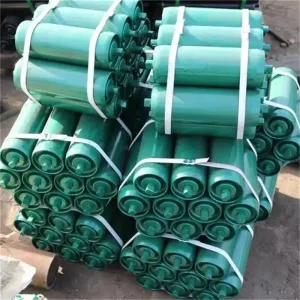
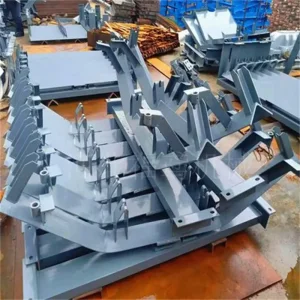
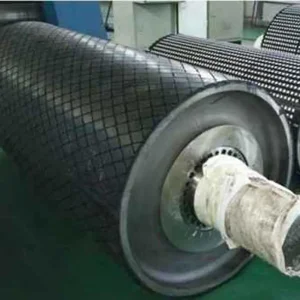
We produce complete hardware systems to ensure optimal conveyor belt tracking, support, and drive efficiency:
Comprehensive technical support from system engineering through field maintenance.
Our engineers perform site audits to evaluate belt routing, tension requirements, and wear patterns, ensuring the correct belt specification is selected.
We supply vulcanizing materials, custom-molded cleats, corrugated sidewalls, and reinforced edges to suit specialized conveyor configurations.
We coordinate with clients to maintain safety stock levels for critical conveyor lines, reducing lead times for emergency replacements.
We provide technical guidance for cold bonding or hot vulcanized splicing to ensure maximum joint strength and longevity.
Advanced testing equipment ensures every belt meets international performance standards.
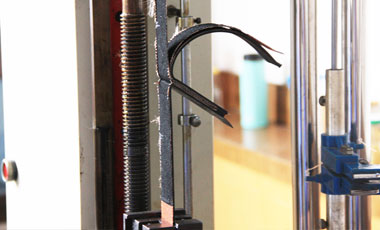
Peeling Adhesion Tester
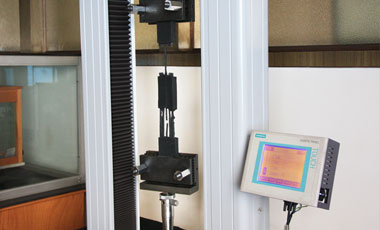
Steel Cord Pull-out Machine
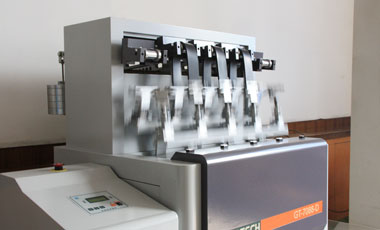
Dynamic Fatigue Tester
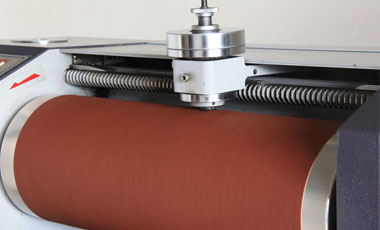
DIN Abrasion Tester
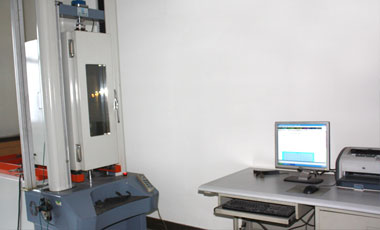
Physical Testing Press
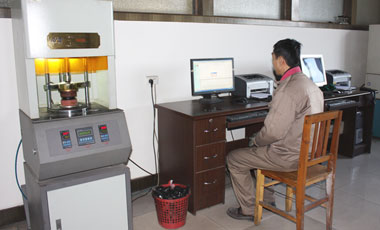
Curemeter Rheology Test
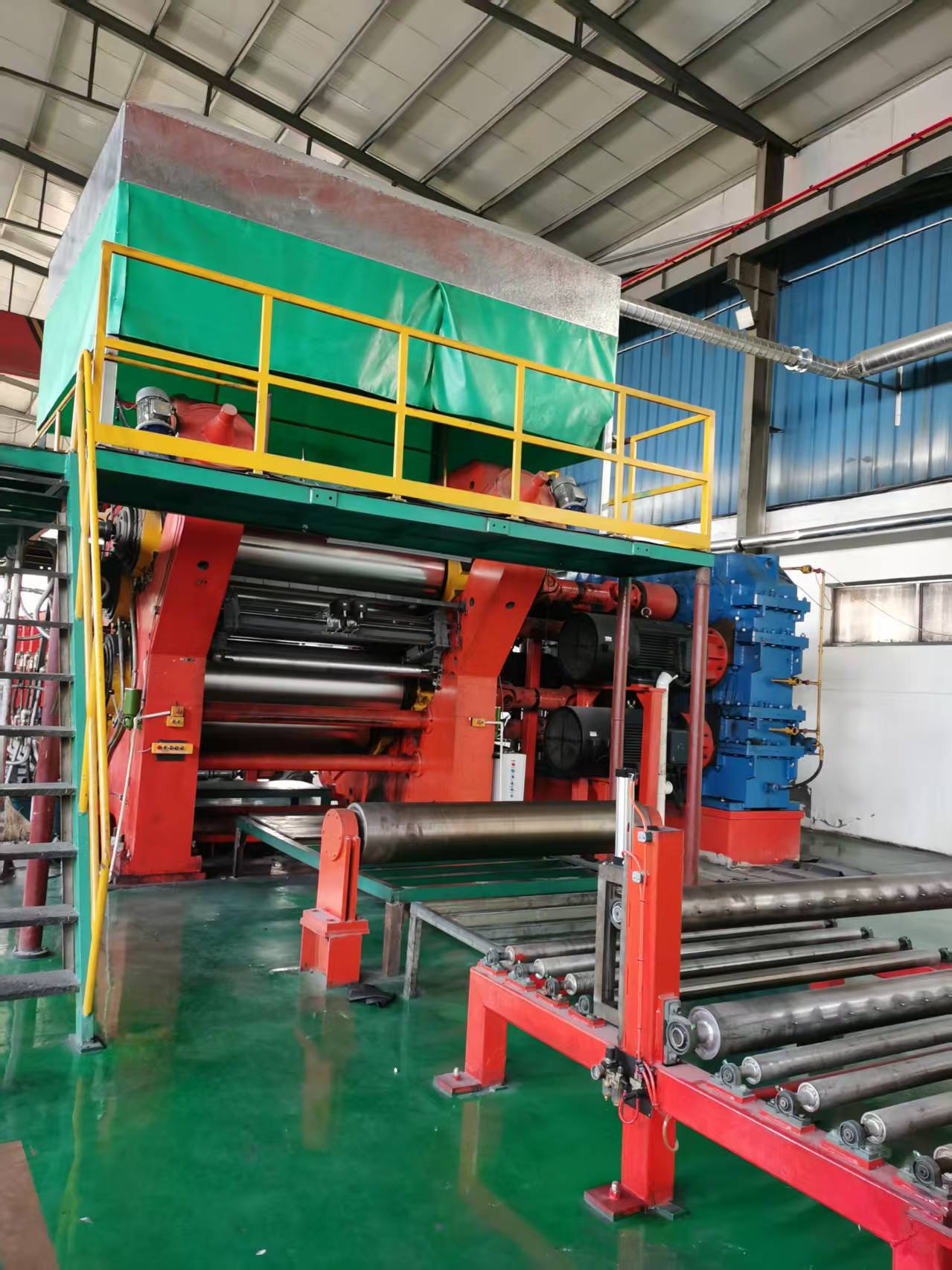
Precision Calendering Mill
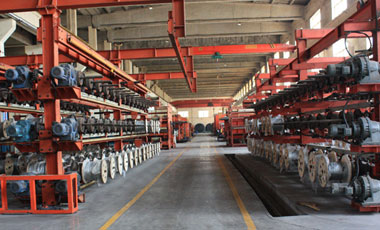
High-Pressure Vulcanizer
Expert answers to common questions about industrial polyamide (NN) conveyor systems.
Contact our technical engineering team for assistance with material selection, belt sizing, and detailed pricing inquiries.
Request Quotation & Technical CatalogExplore our full range of fabric, steel-reinforced, and specialty profile conveyor belts.
 Boao Rubber