Whitepaper: Industrial Scope, Engineering, and Global Market Context of Layered Conveyor Belts
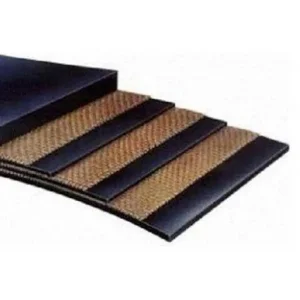
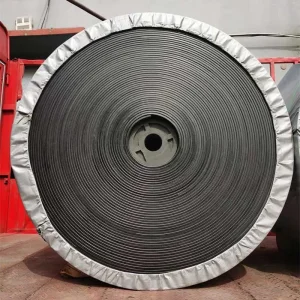
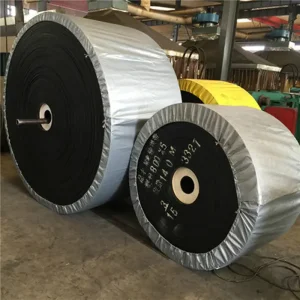
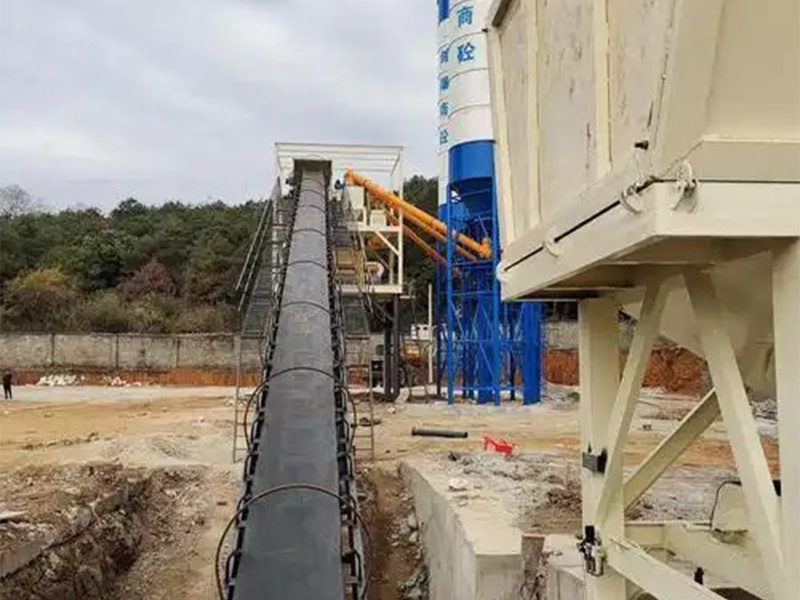
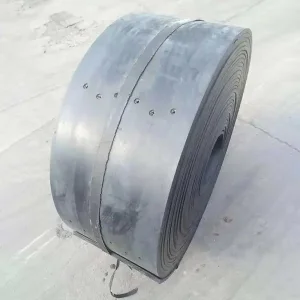
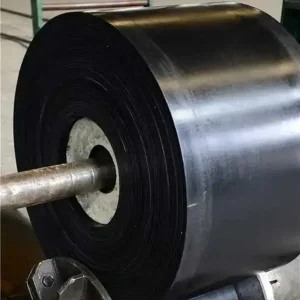
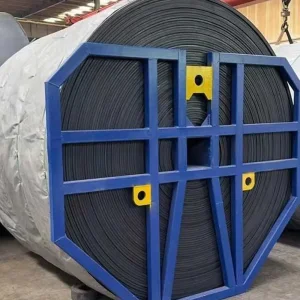
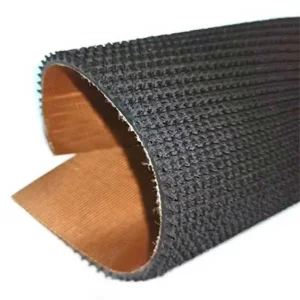
In heavy industrial material logistics, layered conveyor belts (frequently designated as textile or multi-ply conveyor belts) represent the foundational architecture for long-distance bulk handling. These belts are engineered using alternating layers of structural synthetic fabrics (the carcass) and protective elastomeric polymers (the covers). The core function of a multi-ply belt is to balance structural load bearing, tension capacity, flexibility for troughed configurations, and impact resistance.
1. The Chemistry & Physics of Multi-Ply Reinforcements
The internal fabric ply determines the mechanical tension rating, structural elasticity, and fatigue life of the belt. The two primary synthetics employed are:
- EP (Polyester-Nylon) Belts: Composed of polyester warp fibers (lengthwise) and nylon/polyamide weft fibers (crosswise). EP layers provide high tensile strength, exceptionally low longitudinal stretch (minimizing take-up stroke requirements), and excellent resistance to damp environments where mold or rot might compromise traditional cotton fabrics.
- NN (Nylon-Nylon) Belts: Composed of nylon fibers in both warp and weft directions. NN belts offer superior impact absorption, high resistance to flex fatigue (making them ideal for smaller pulley diameters), and excellent troughability. However, they exhibit higher elongation under load than EP alternatives.
| Property |
EP (Polyester/Polyamide) Carcass |
NN (Polyamide/Polyamide) Carcass |
Steel Wire Rope Core |
| Longitudinal Elongation |
Very Low (<1.5% at rated tension) |
Moderate (2.0% - 2.5% at rated tension) |
Extremely Low (<0.25%) |
| Flex Fatigue Resistance |
Excellent |
Exceptional |
Good (Highly dependent on wire layout) |
| Impact Resistance |
High |
Very High (Ideal for primary crushers) |
High (Needs anti-tear breaker plies) |
| Troughability Index |
Standard (Requires proper angle selection) |
Excellent (Conforms easily to 45° idlers) |
Rigid (Requires thick transition zones) |
2. Why Global Buyers Optimize for Layered Fabric Over Steel Cord
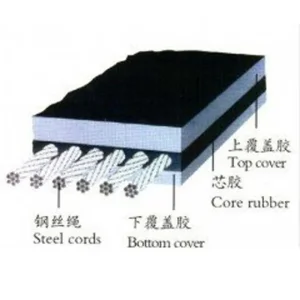
While steel wire rope conveyor belts excel in massive cross-country systems with thousands of meters of single-flight runs, multi-ply fabric conveyor belts are the undisputed choice for 85% of plant-wide configurations. Multi-ply belts permit simpler mechanical splicing, ease of handling during replacement, and superior elastic recovery when impacted by jagged chunks of run-of-mine ore. Additionally, the layered construction allows manufacturers to embed secondary barriers, such as chemical-resistant or heat-retarding skim coatings, directly between the plies to prevent delamination under harsh thermal or chemical stress.
3. China's Manufacturing Paradigm: The Boye County Advantage
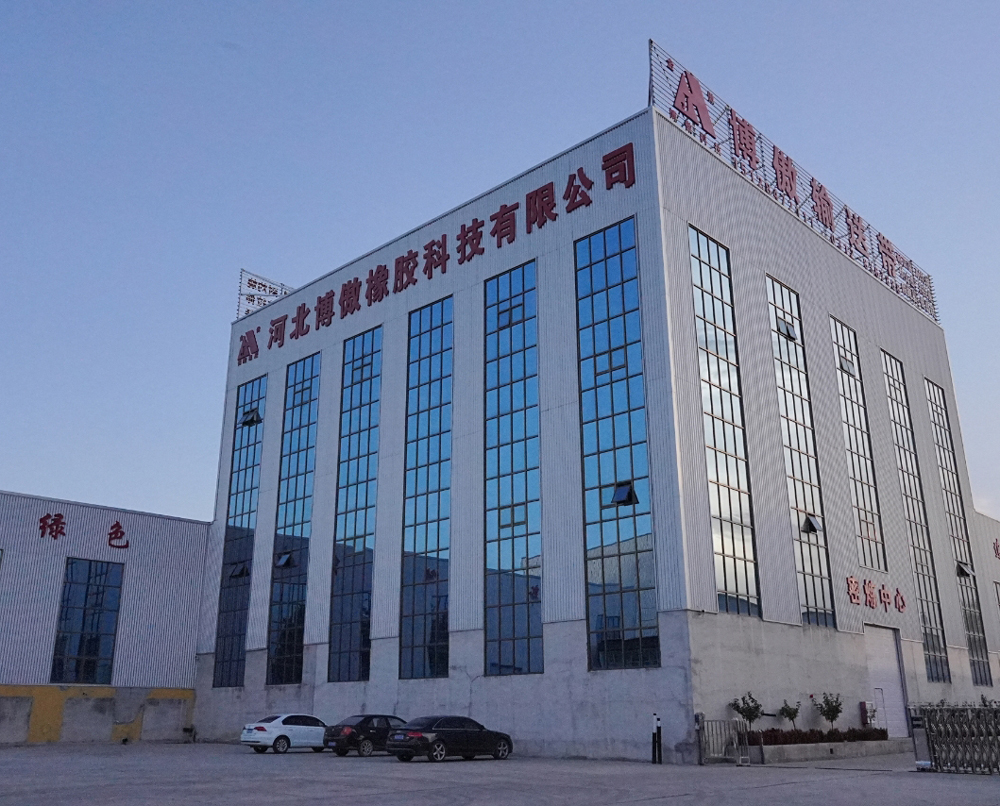
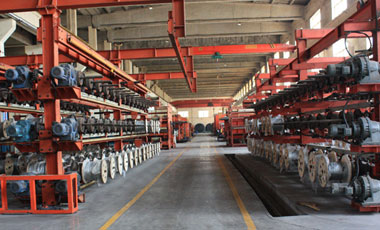
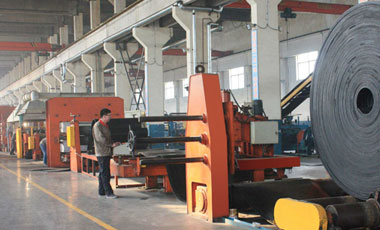
The concentration of rubber manufacturing in boye County, Hebei, has created an optimized, vertically integrated ecosystem. China's efficiency advantages are not merely about raw labor cost; they stem from localized cluster benefits:
- Integrated Raw Materials: Localized polymerization facilities supply specialized rubber compounds (EPDM for heat, NBR for oils, SBR for wear) directly to compounding centers.
- High-Precision Calendering: Advanced multi-roll calenders control compound gauge thickness to within ±0.1mm, ensuring even weight distribution and uniform vulcanization.
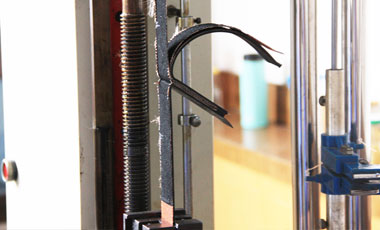
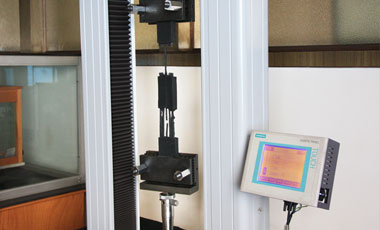
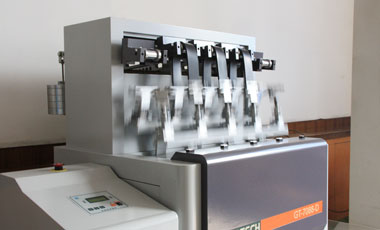
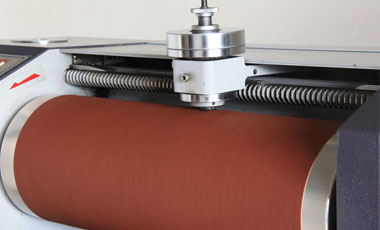
- Unifying Testing Labs: Having physical laboratories, dynamic fatigue testers, and chemical analysis facilities on-site allows for continuous verification of tensile strength, adhesion values, and abrasion loss indexes before shipping.
 Boao Rubber