Premium engineering, structural reliability, and high-safety standards tailored to bulk material handling plants worldwide.
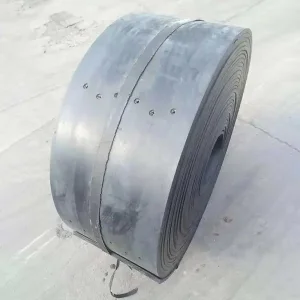
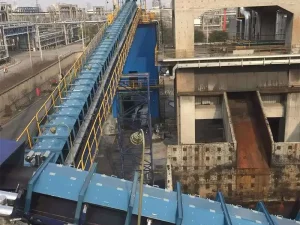
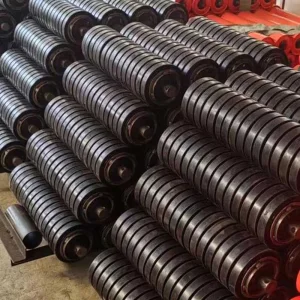
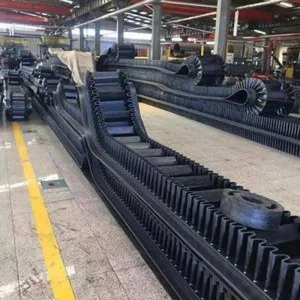
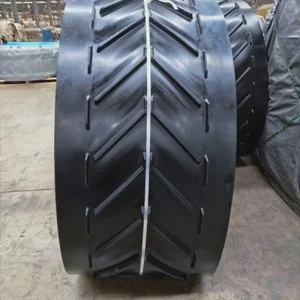
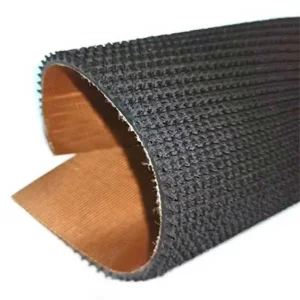
A comprehensive B2B technical guide detailing fire safety mechanisms, chemical compounds, and structural integrity under high thermal load.
In high-risk heavy industries such as coal mining, power generation, steel mills, and chemical processing plants, bulk material transportation faces constant thermal runaway risks. The friction generated between pulleys and the rubber covers of conveyor systems, combined with combustible dust environments, represents a major ignition risk. Flame-retardant (FR) conveyor belts are the primary defense against devastating fire occurrences. Choosing a specialized manufacturing partner is critical for ensuring compliance and operational longevity.
Our engineered flame-retardant elastomeric compounds prevent thermal degradation. Under intense heat, our formulations form a protective carbonaceous char barrier, diluting oxygen ingress with non-flammable gas emission (water vapor and carbon dioxide) to extinguish the flame instantly once the external heat source is removed.
Our covers utilize Chloroprene Rubber (CR), Nitrile-Butadiene Rubber (NBR) blends, and specially treated Styrene-Butadiene Rubber (SBR) mixed with Alumina Trihydrate (ATH) fillers. This ensures rapid self-extinguishment without compromising tensile strength or carcass adhesion.
Static charges generated by continuous friction can trigger explosions in dust-laden underground coal shafts. Our belts are formulated with dynamic conductive carbon black networks to maintain surface electrical resistance well below the strict threshold of 300 MΩ.
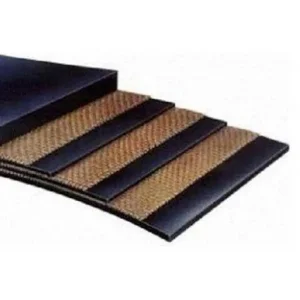
By treating heavy-duty fabric plies (EP/NN polyester-nylon woven matrixes) with Resorcinol-Formaldehyde-Latex (RFL) dipping technologies, we ensure high adhesion levels. This design mitigates the risk of catastrophic belt delamination during fire events.
| Testing Parameter | ISO 340 / EN 12882 Standard | MSHA (US Coal Mine) Standards | DIN 22109 Requirements | Jinao Brand Performance Range |
|---|---|---|---|---|
| Flame Test (with burner removed) | Duration ≤ 15s per sample (total ≤ 45s for 6 tests) | Total flame duration ≤ 1 minute for 4 tests | Duration ≤ 15s for individual, ≤ 45s cumulative | ≤ 3s individual, ≤ 10s cumulative |
| Electrical Surface Resistance | ≤ 3.0 x 10⁸ Ω (300 MΩ) | Must not exceed 300 MΩ | ≤ 3.0 x 10⁸ Ω | ≤ 1.0 x 10⁶ Ω (High Safety Margin) |
| Drum Friction Safety Test | No glowing or flaming at ≥ 325 rpm load | No ignition under continuous slip test conditions | No flame, glowing, or surface temperature ≥ 325°C | Passes with zero surface ignition at > 350°C |
| Cover Tensile Strength | Minimum 15 MPa | Minimum 15 MPa | Minimum 17 MPa | 18 MPa - 24 MPa (Custom Grade Dependent) |
An industry-recognized enterprise built on 22 years of custom manufacturing experience, safety innovations, and certified production lines.
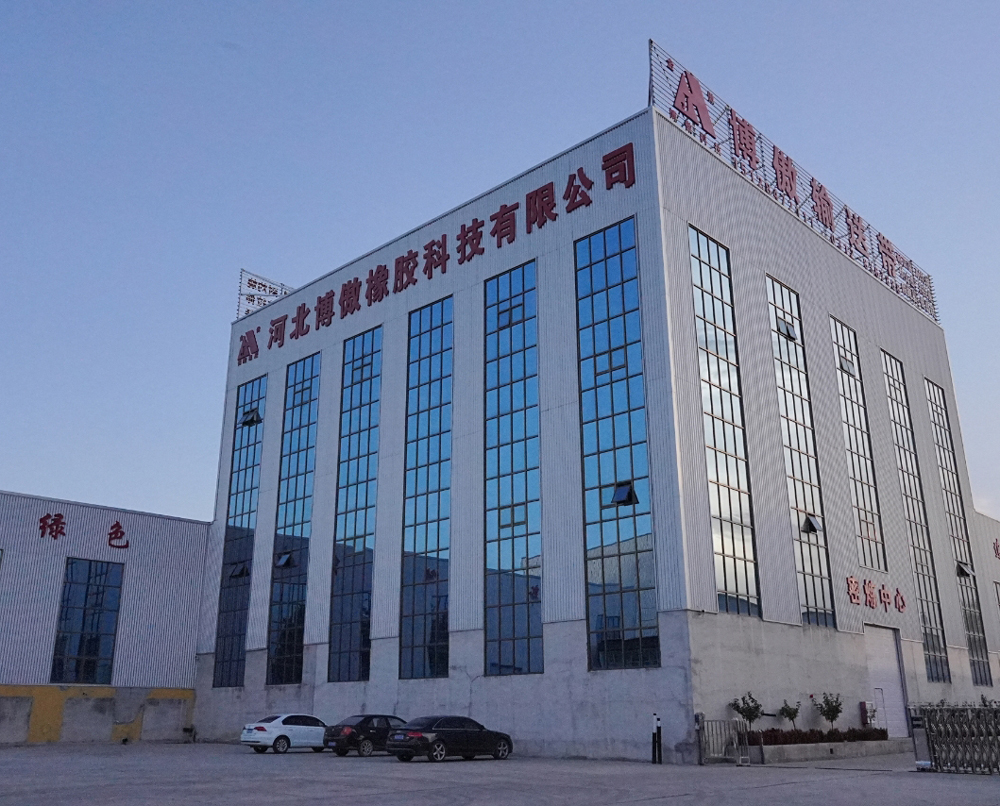
Founded in 2004, Hebei Boao Rubber Technology Co., Ltd. is located in the Rubber Industrial Park of Boye County, Baoding, Hebei Province, China. Spanning a modern 30-acre manufacturing campus, our facility serves as a focal point for the development, research, design, and production of industrial conveyor belts and corresponding system accessories.
Under our flagship "Jinao" brand, we have established fully integrated, state-of-the-art production lines handling everything from raw elastomer formulation and mixing to calendering, vulcanization, testing, and shipping. Having passed the international quality management system certification, our enterprise ensures that every millimeter of belting meets demanding global standards.
A look at the scientific controls and automated equipment that guarantee structural safety and absolute material traceability.
At Hebei Boao Rubber Technology, we operate an independent chemical analysis center and advanced physical testing laboratories. We enforce strict raw material checks, ensuring that out-of-spec carbon black, base elastomers, and anti-static additives never enter our production line.
Our pull-out machines verify bond strength between raw rubber covers and internal steel cords, preventing carcass displacement during operation.
Conveyor belts undergo continuous flex testing under varying loads to evaluate splice integrity and cover crack propagation over time.
Our lab monitors cover wear rates. Low volume-loss indicators confirm long service lives when handling sharp minerals and abrasive ores.
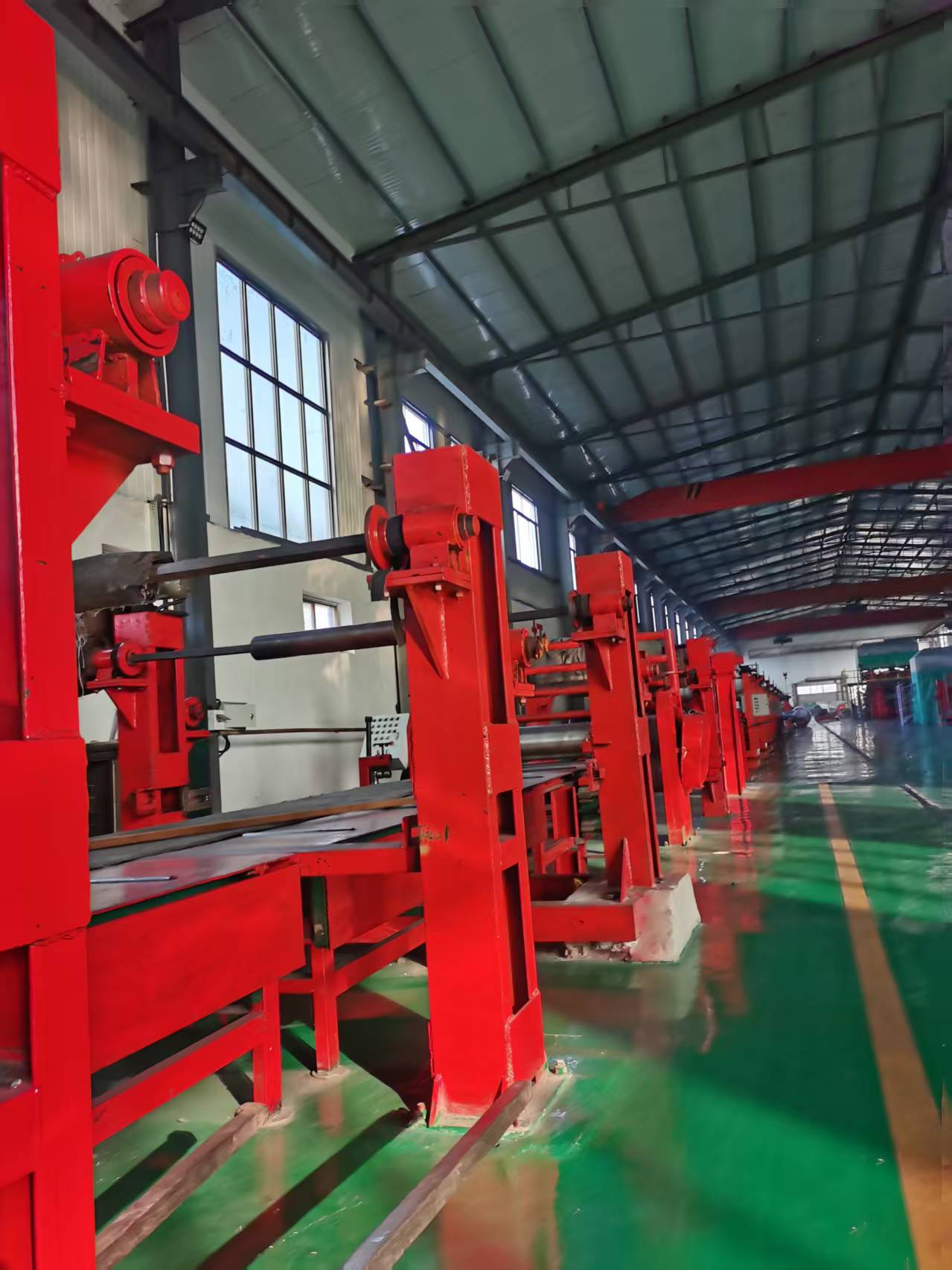
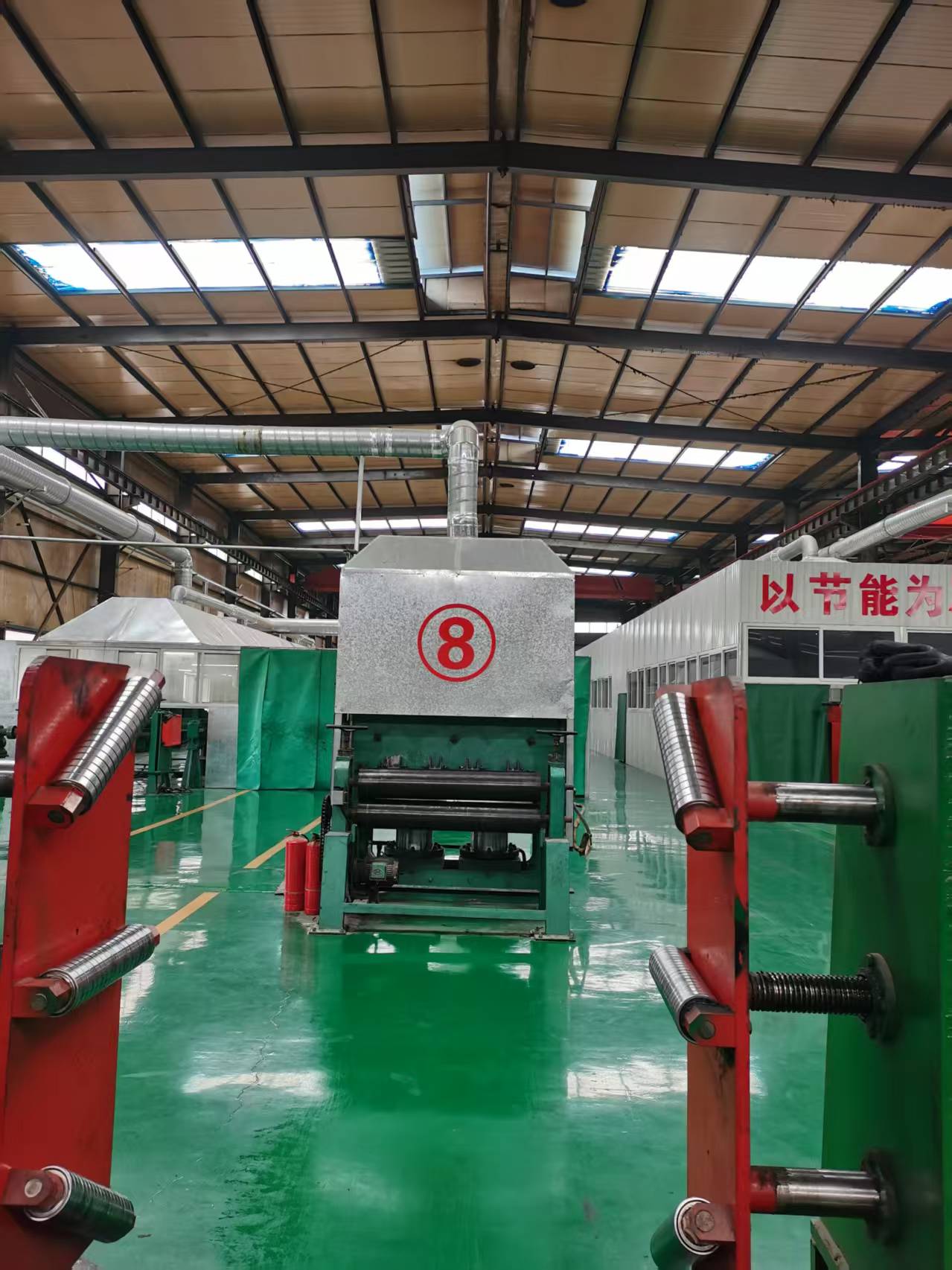
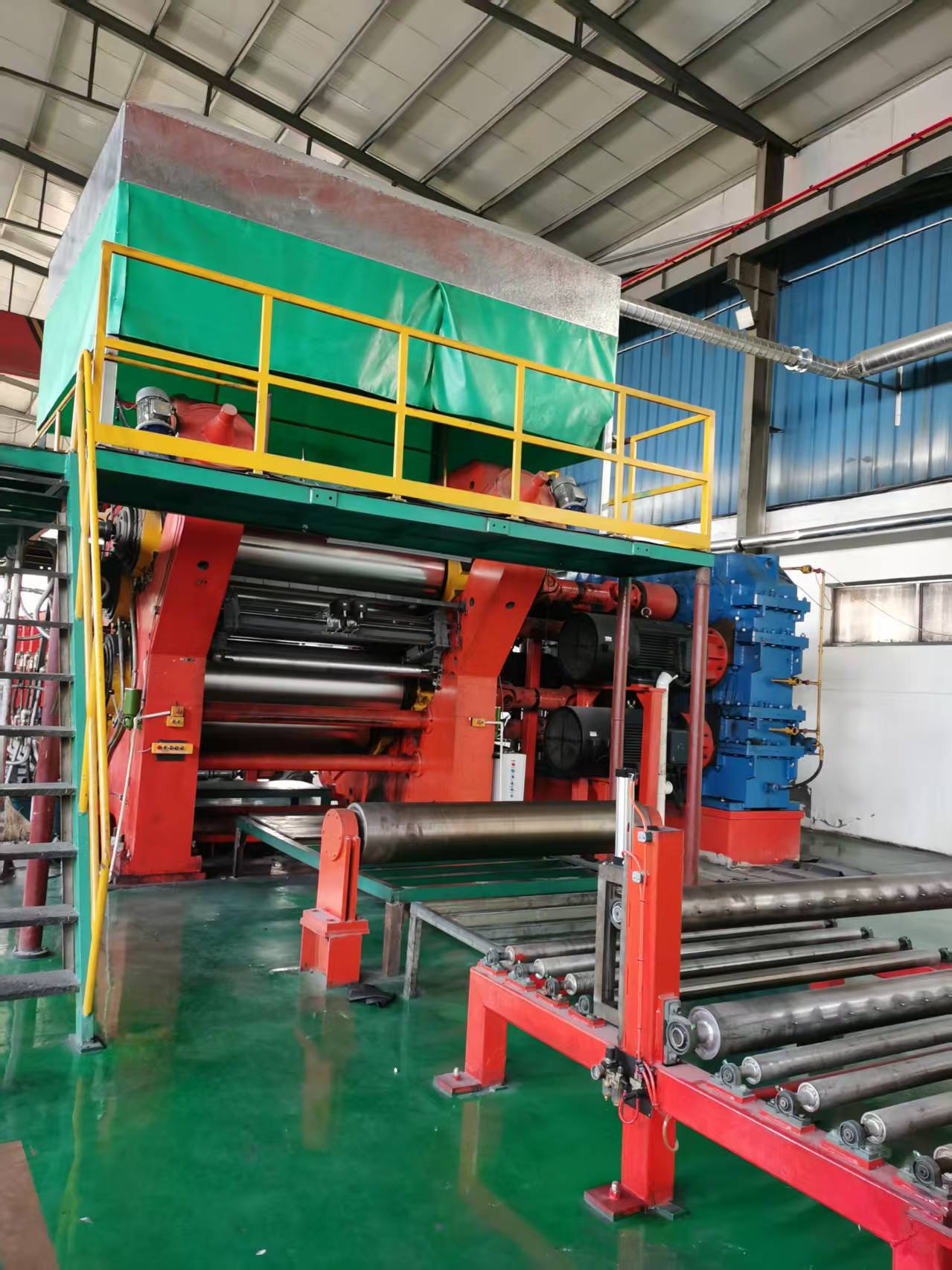
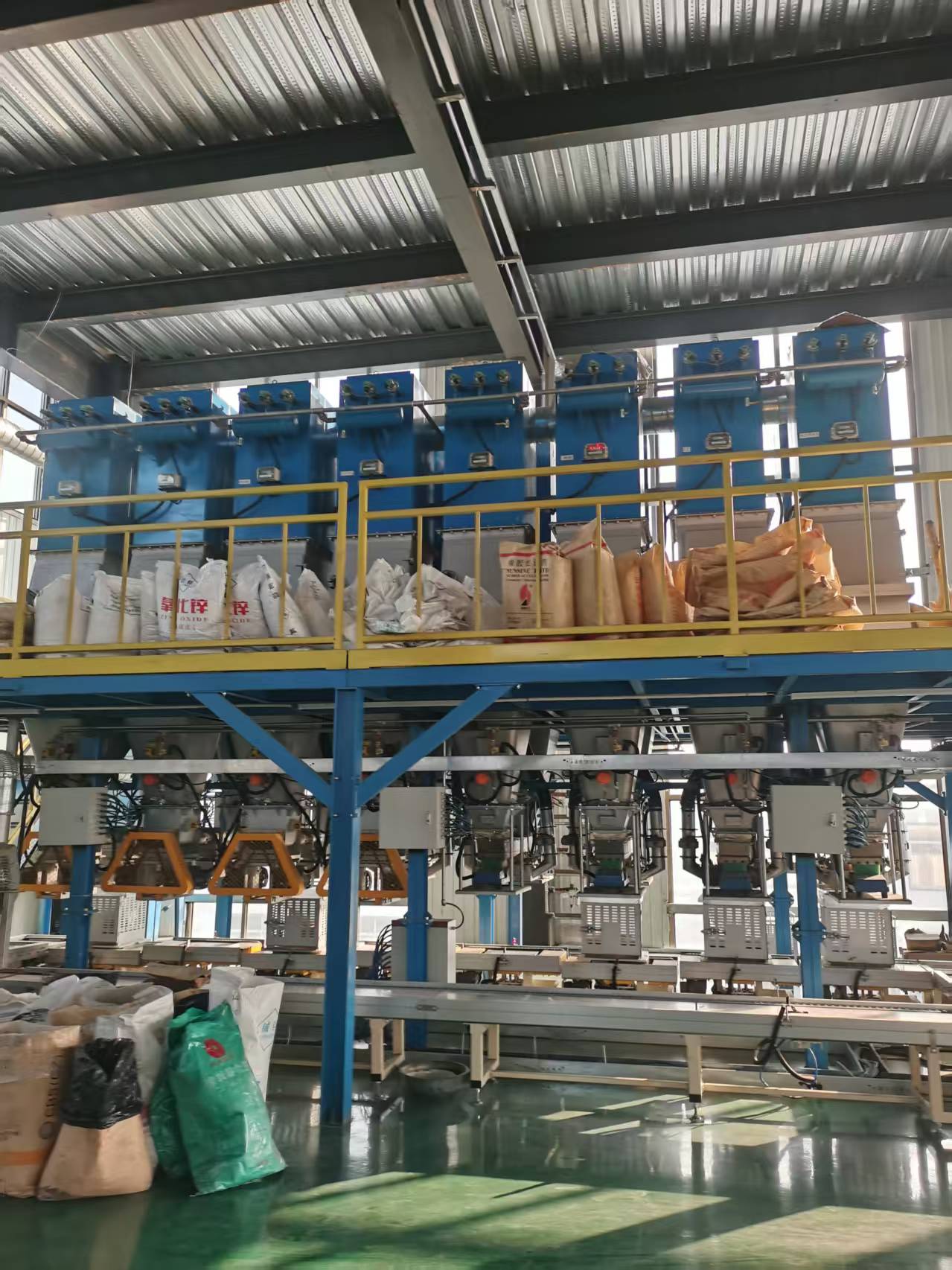
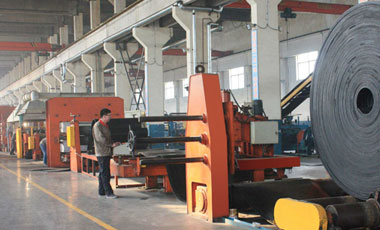
Fabric Conveyor Belt Line
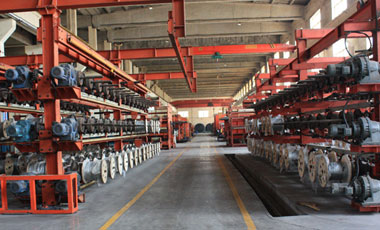
Steel Cord Belt Line
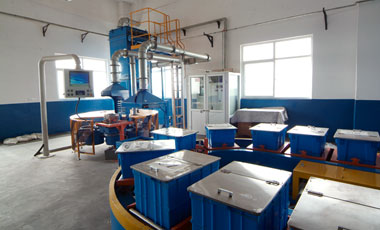
Proportioning Center
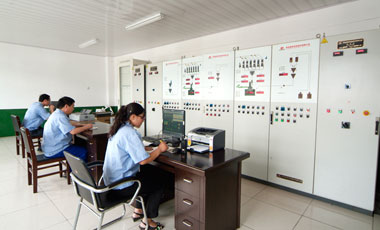
Automatic Dosing System
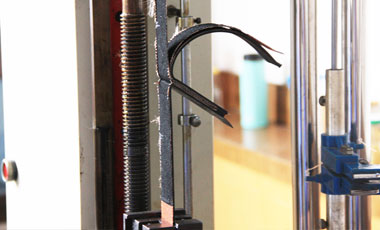
Peeling Test Bench
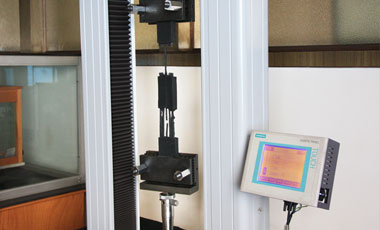
Steel Cord Pull-out Tester
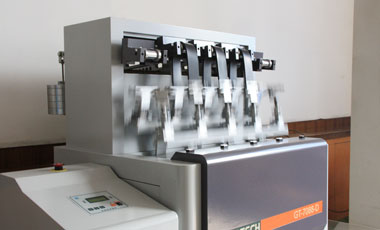
Dynamic Fatigue Tester
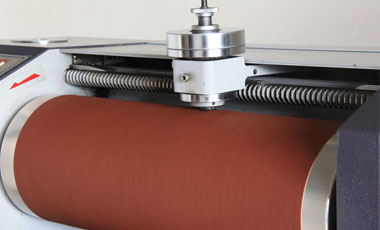
Abrasion Testing Unit
Innovative material science transitions: phasing out halogens while enhancing resistance in high-temperature environments.
Developing low-toxicity, zero-halogen formulations (LSZH) that prevent toxic smoke emissions during tunnel fire events.
Integrating fiber-optic sensors and structural RFID chips to monitor conveyor core temperature spikes in real-time.
Combining fire retardancy with continuous service temperature tolerances exceeding 200°C for metallurgical sinter transport applications.
Tested performance across demanding heavy-industrial sectors.
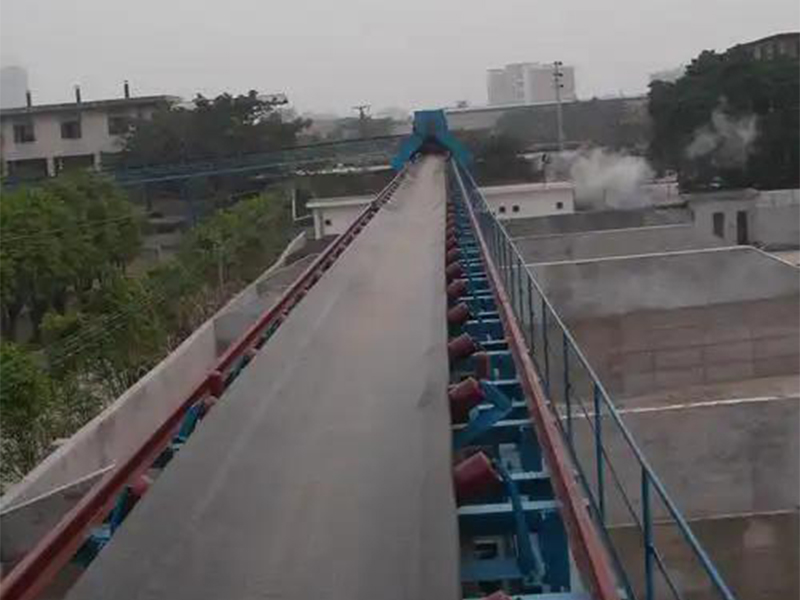
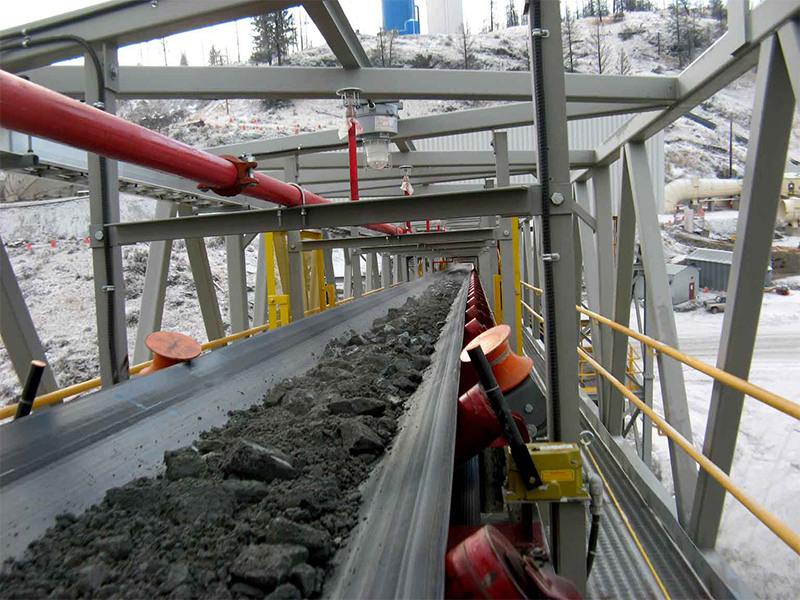
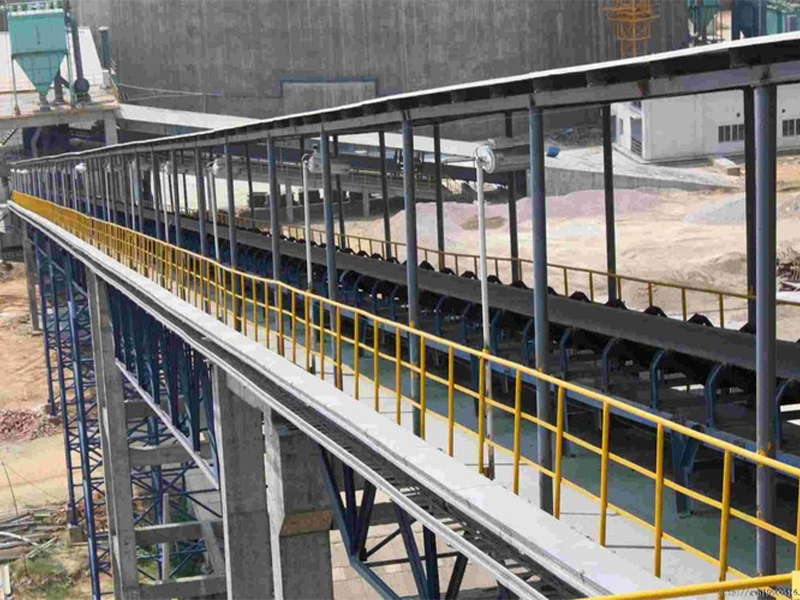
Ensuring compliance with MSHA and EN standards for deep-shaft coal recovery operations where explosive gases and dust are present.
Sustaining functional structural integrity while carrying red-hot coke and metal ores past open furnaces.
Resisting chemical decomposition and early degradation during dry powder handling and elevated-temperature manufacturing steps.
Our commitment to internationally recognized safety guidelines and engineering verification.
Global supply chains demand compliance. Different regions specify distinct testing parameters for fire safety, surface static dissipation, and operational tolerances. "Jinao" brand conveyor belts are designed to comply with API 6D, API 607, CE, ISO9001, ISO14001, ISO18001 (OHSAS), and TS certifications.
Whether you require strict compliance with European EN 12882 safety classifications, Australian AS 1332 specifications, or North American MSHA standards for underground installations, our engineers tailor the rubber cover compounds to match your target regulatory profile.
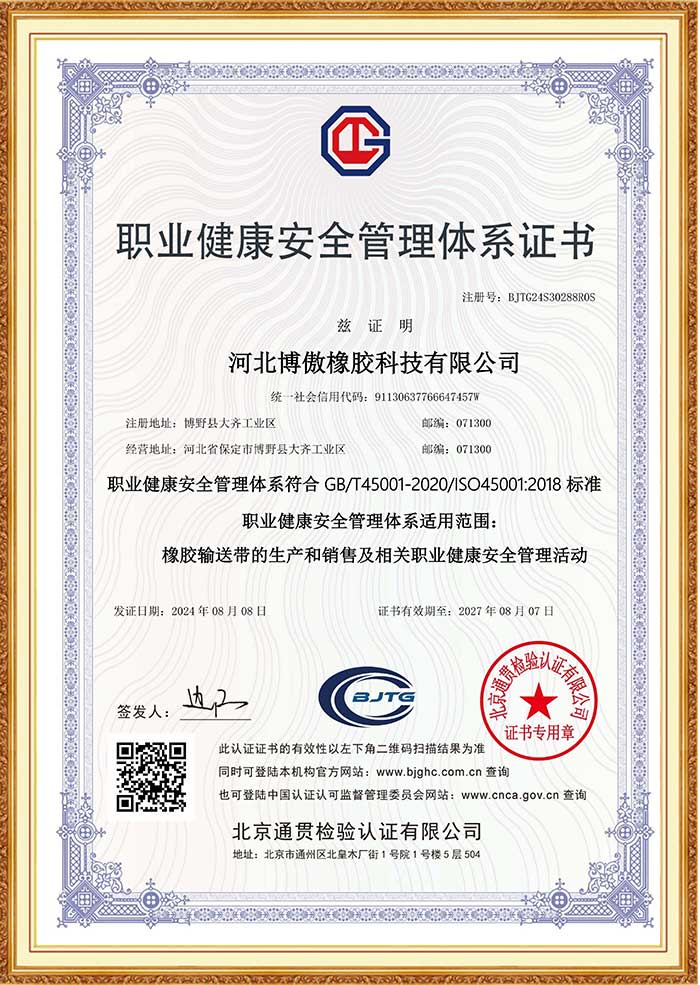 ISO 9001 System
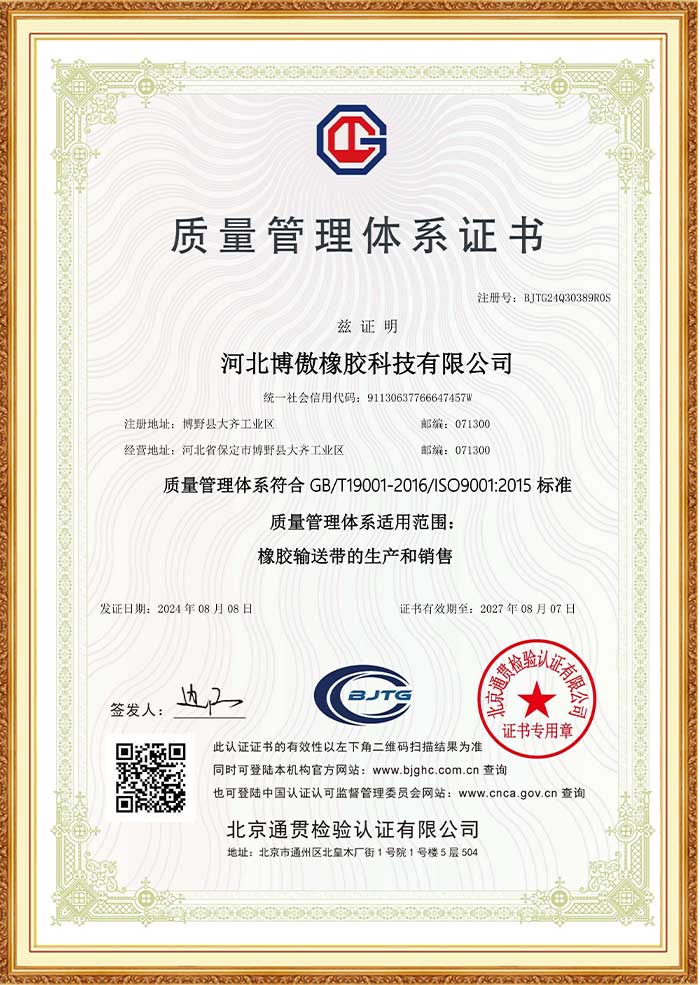 ISO 14001 System
A structured calculation method to balance initial capital expenditure with operational safety and conveyor life cycle.
For B2B procurement managers, evaluating a flame-retardant conveyor belt based solely on price per meter often leads to high maintenance costs. A true assessment factors in structural wear resistance, carcass adhesion safety limits, and energy efficiency. Our belts are formulated to optimize lifecycle value by minimizing maintenance intervals and reducing unscheduled downtime.
Get in touch with our engineering team to design custom conveyor configurations optimized for your system load, transport angle, and fire safety requirements.
Detailed explanations regarding compliance, compound design, and maintenance practices.
Under international standards like ISO 12882, flame-retardant belts are classified based on the presence of covers (with or without covers) and whether they are suitable for underground or surface operations. Grade K indicates fire-resistant properties with covers, Grade S indicates fire resistance with or without covers (typically including electrical conductivity controls), and Grade V specifies stringent underground safety requirements where drum friction tests are mandatory.
Our compound formulation processes employ automated feeding devices to distribute specialized conductive carbon black molecules evenly throughout the elastomeric matrix. We conduct surface resistance test sweeps across both the top and bottom covers on finished runs before dispatch to confirm the belt remains well below the 300 MΩ limit.
Yes. Ordinary flame-retardant rubber operates best at ambient temperatures, but we produce multi-risk cover formulations that merge fire retardancy (self-extinguishing properties) with high thermal resistance. These specialized belts handle materials ranging from 120°C up to 200°C continuous loading without cracking or losing layer adhesion.
Our service solutions cover planned belt replacement support, inspection, repair materials, and vulcanized splicing guidance. We assist onsite engineers in establishing safety stocks, minimizing downtime, and extending the service life of Jinao brand installations.
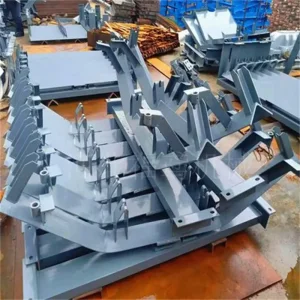
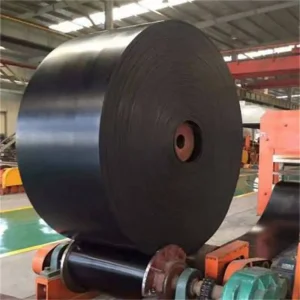
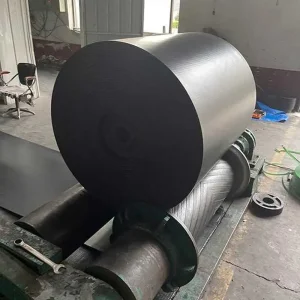
Explore our complete manufacturing portfolio covering heavy-duty materials transport, inclines, and system structures.
 Boao Rubber