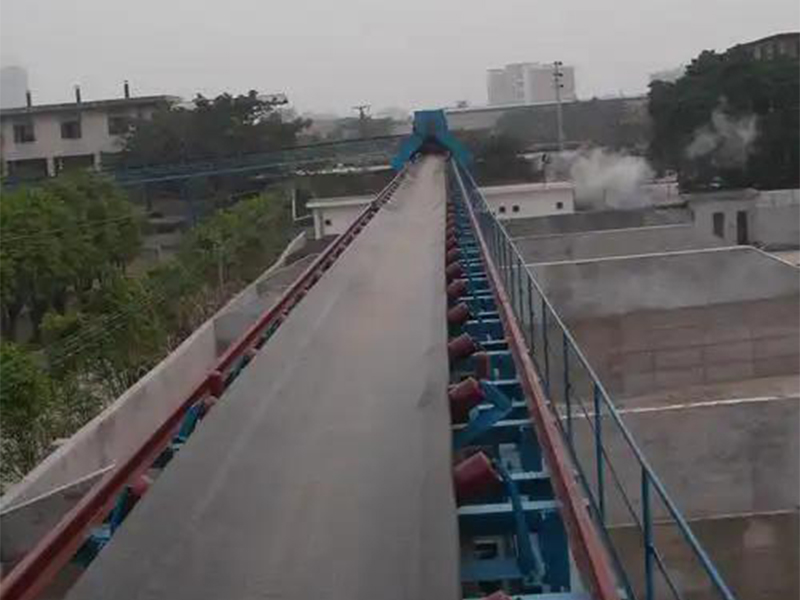
Explore our elite selection of industrial conveyor solutions manufactured under strict ISO and international standards.
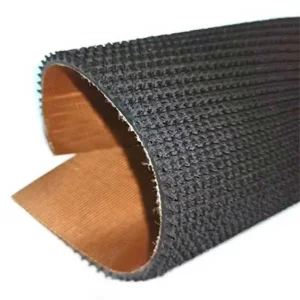
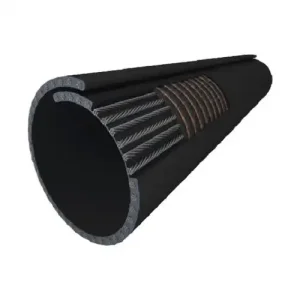
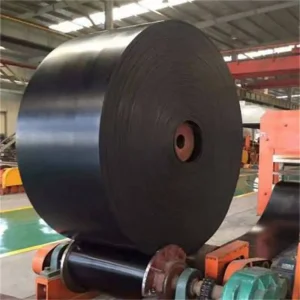
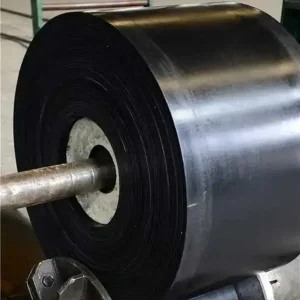
The global heavy industrial sector depends heavily on high-integrity material handling systems. Modern mining, metallurgy, steel mill processing, cement manufacturing, and agricultural shipping require highly specialized rubber conveyor belts that can withstand extreme friction, extreme temperatures, and high chemical exposure. Today, conveyor belts are no longer seen as simple passive links, but rather as critical operational assets that dictate processing uptime and facility safety.
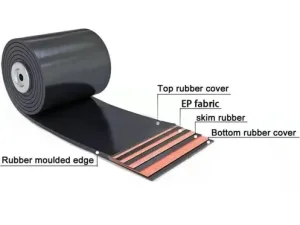
Recent developments in global supply chain logistics demand conveyor components that exhibit increased lifespan, energy efficiency, and reduced maintenance profiles. Research indicates that optimizing cover rubber quality and using advanced core structures (like high-strength EP fabric or steel-wire reinforcements) can reduce operational downtime in mines and ports by up to 35%. Global procurement strategies now heavily lean towards manufacturers who own their formulation chemistry, physics labs, and precision vulcanizing pipelines, ensuring that the finished product precisely matches onsite environmental challenges.
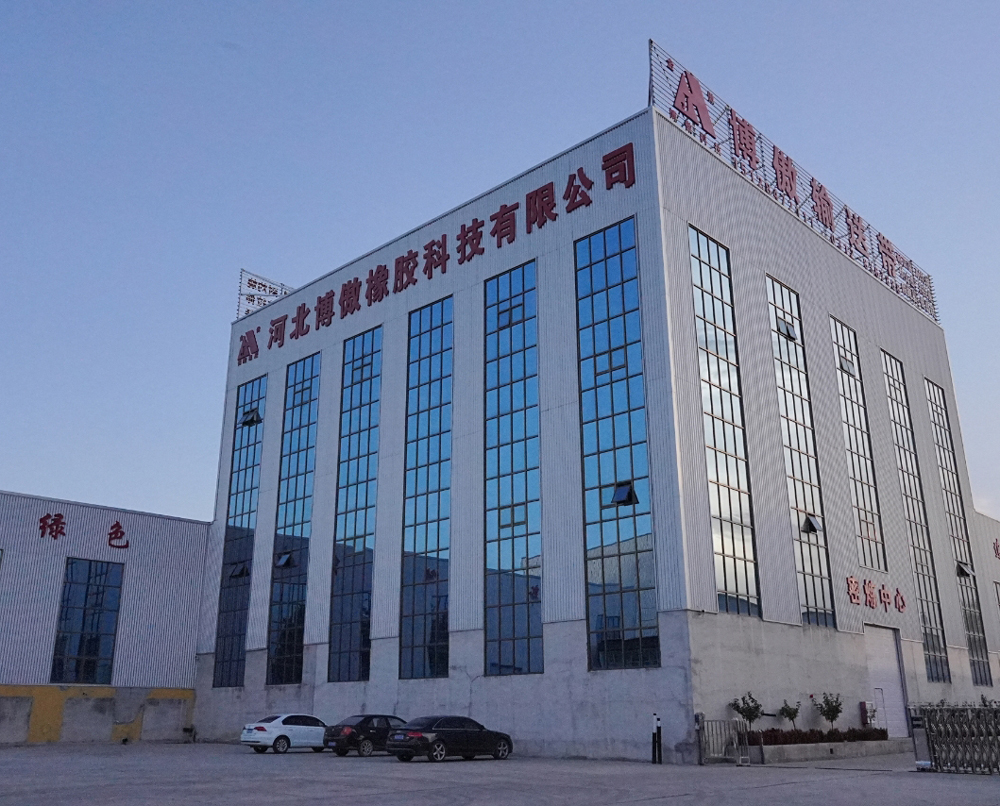
Empowering bulk handling systems worldwide under the internationally recognized "Jinao" brand.
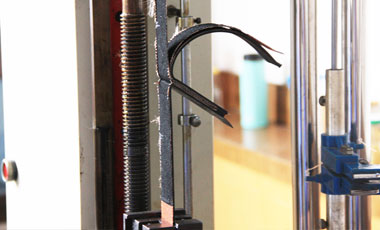
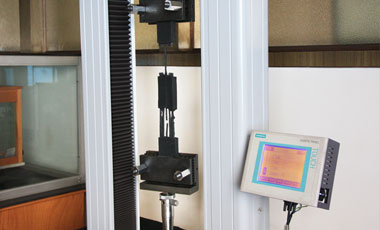
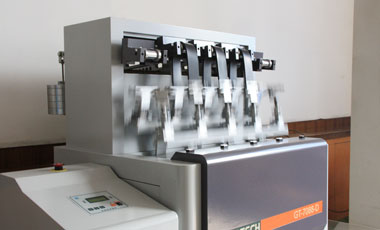
Our operations feature an independent chemical analysis center and physics laboratory. This allows us to track raw polymers and vulcanizing performance, ensuring no out-of-spec product leaves our doors.
Covering over 30 acres in Boye County, Baoding, China, our advanced rolling, calendering, and vulcanization lines support continuous, large-scale production runs with absolute consistency.
Our heavy-duty belts are trusted across demanding industries, including major metallurgy complexes, underground coal operations, cement kilns, thermal power stations, and bulk cargo terminals.
We provide full-spectrum engineering services to keep your conveyors running smoothly, helping you minimize total cost of ownership:
Years of Heavy Industry Experience
Acres of Advanced Manufacturing Area
Quality Inspected Products
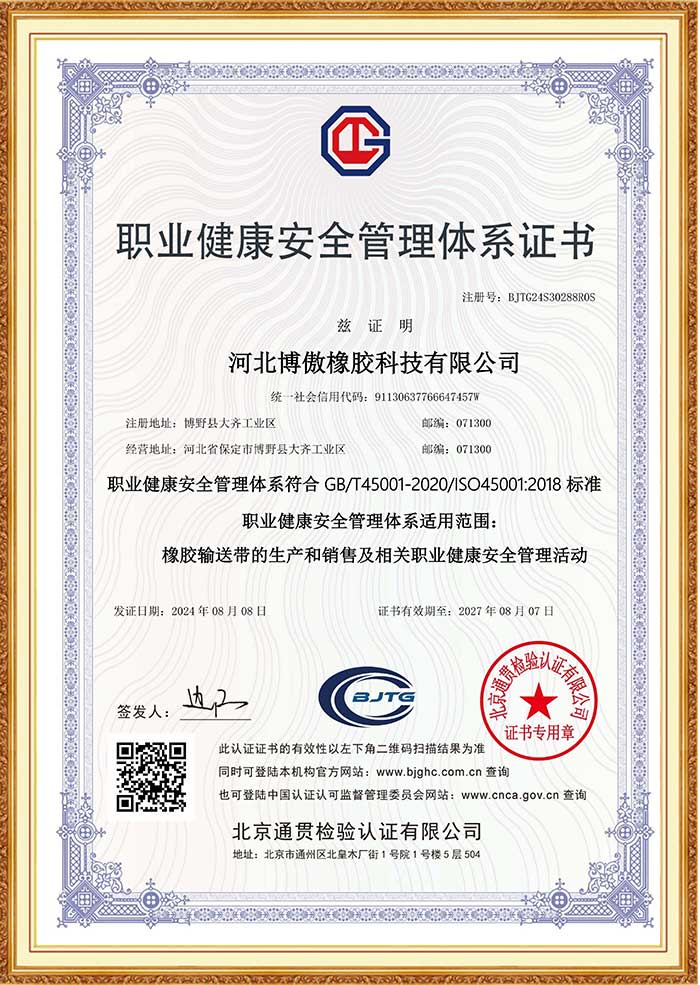
International Standard Certified
How Boye County's industrial cluster translates to global lead-time and performance advantages.
Operating out of Boye County’s specialized Rubber Industrial Park gives Hebei Boao Rubber Technology a strong structural advantage. This regional hub integrates all stages of the manufacturing supply chain—from high-grade raw polymer procurement and reinforcement fabric weaving (NN/EP/Polyester) to compounding, vulcanization, and logistics. By combining these steps in one location, we reduce transit overheads and insulate our partners from global material volatility.
Our Factory 4.0 initiatives combine automated compound mixing systems with continuous curing presses. These modern facilities ensure uniform vulcanization across the entire length of the belt, eliminating weak spots in the splice zones. In addition, our automated systems lower manufacturing energy costs, allowing us to offer highly competitive pricing without sacrificing material quality or compliance with DIN, AS, or ISO standards.
Our automated mixing center controls polymer weights and chemical additives down to the gram. This ensures that every rubber cover delivers consistent abrasion resistance and aging performance.
Multi-roll calenders precisely embed reinforcement layers (nylon/polyester cords) into the rubber. This technique ensures high adhesion and prevents ply separation under extreme loads.
Continuous curing presses maintain stable heat and pressure levels. This results in uniform density and tensile strength throughout the entire run of the belt.
Understanding belt constructions, materials, and target environments to optimize system performance.
Selecting the right conveyor belt requires matching the belt's physical properties with your specific operating conditions. Here is a breakdown of our high-performance belt types, engineered to deliver reliable service in the most demanding applications:
| Belt Construction Type | Core Reinforcement Material | Primary Features & Strengths | Target Applications |
|---|---|---|---|
| Polyamide Nylon (NN) | High-elasticity Polyamide synthetic fiber | Excellent flexibility, high shock resistance, superior wear life, deep troughing. | Long-distance transport, gravel plants, heavy ore mining, quarries. |
| Polyester (EP) | Low-stretch Polyester warp & Nylon fill | Low elongation under load, high wet strength, rot resistance, stable tension. | Medium-to-long distance mineral handling, coal, sand, and cement plants. |
| Steel Cord (Wire Rope) | High-tensile zinc galvanized steel wire cords | Exceptional tensile strength, minimal elongation, long lifespan, high impact resistance. | Overland transport lines, underground coal mines, heavy metal processing. |
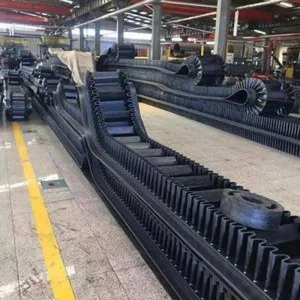
| Wavy Edge (Sidewall/Cleated) | NN or EP base belt with corrugated sidewalls | Enables vertical and steep incline transport up to 90 degrees; prevents material spillage. | Vertical silo transport, chemical mixing plants, restricted footprint areas. |
| Specialty Resistant (Heat/Cold/Acid) | Engineered elastomer compounds (EPDM/Nitrile) | Resists high heat (up to 200°C), sub-zero cold (-50°C), or harsh acids and bases. | Phosphate processing, fertilizer facilities, polar shipping ports, steel mill slag. |
How Boao Conveyor Belts deliver durability and runtime in real-world high-impact environments.
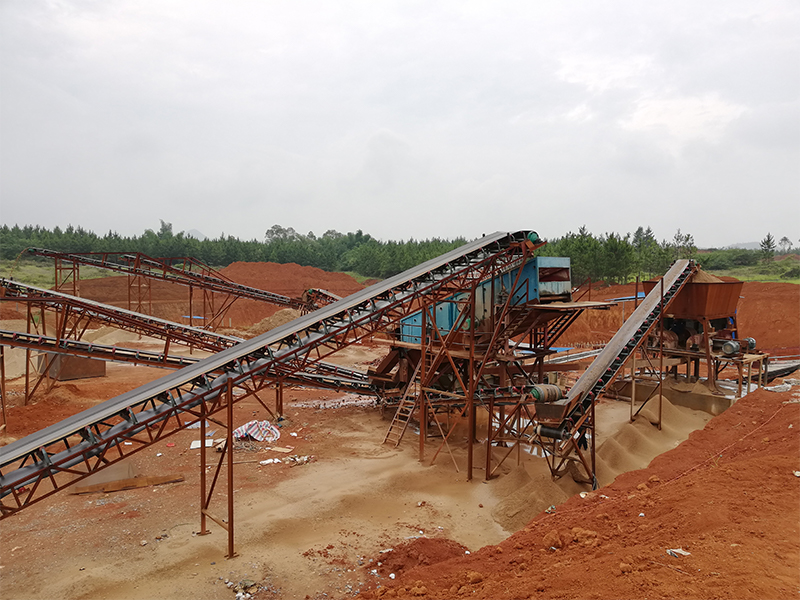
In addition, our "Jinao" conveyor belts are used across major industrial lines including the China Railway Group Mixing Plants, the heavy rail transport corridors of the Datong Coal Group, as well as the slag reclamation operations of the Jidong Cement Group and Puyang Steel.
Key technical criteria for procurement managers and engineering directors to avoid system failures.
Procuring industrial conveyor belts is a balance between raw material pricing and long-term operating costs. Selecting a low-cost, unverified manufacturer often leads to premature failures like ply separation, excessive belt stretch, or edge fraying. To protect your operations, ensure your suppliers can verify the following technical benchmarks:
Get clear answers to common questions about selecting and maintaining industrial conveyor belts.
Nylon (NN) belts offer high elasticity, excellent flexibility, and high resistance to impact, making them ideal for heavy ores and high-shock loading points. Polyester (EP) belts feature a lower modulus, meaning they stretch much less under tension. This low-stretch design makes EP belts excellent for long-distance transport where take-up travel is limited.
Rubber cover grades are classified by international standards (such as DIN 22102 Grades W, X, Y, or Z). Grade W is designed for high abrasion resistance (wear loss under 90 mm³), Grade X is optimized for high cut and gouge resistance, while Grade Y serves as a reliable all-purpose choice for general mining and aggregates.
Sidewall damage is typically caused by insufficient transition distances, misaligned conveyor frame structures, or selecting a base belt with low transverse stiffness. Our wavy edge belts are manufactured with cross-stabilized base plies to prevent lateral sag and ensure smooth tracking through the return idlers.
Yes. Our in-house research laboratory formulates custom rubber compounds tailored to your specific chemical exposures. This includes high-EPDM blends for acidic phosphate fertilizer handling, Nitrile bases for oily grain processing, and neoprene-rich covers for self-extinguishing underground mining operations.
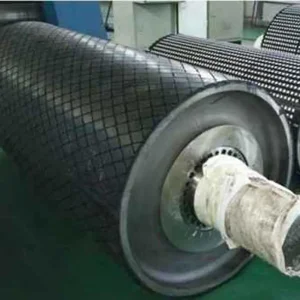
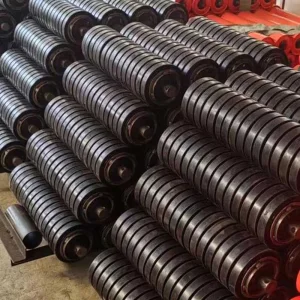
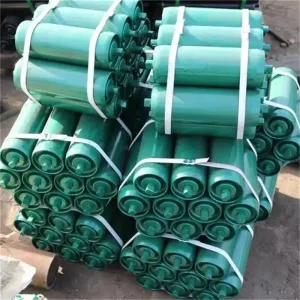
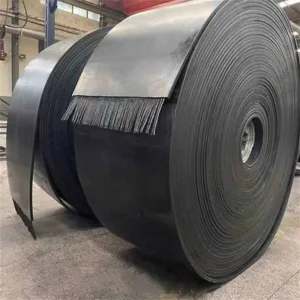
We manufacture heavy-duty rubber conveyor belts alongside high-reliability rollers, idlers, and structural accessories.
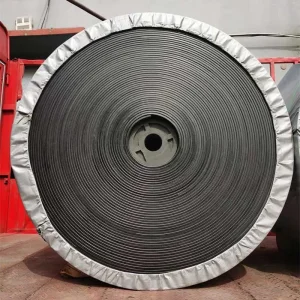
Whether you need high-stretch NN belts for heavy ore handling or specialized heat-resistant belts for steel mills, our engineering team can help. Reach out to request physical testing samples, detailed brochures, or a custom production estimate.
 Boao Rubber