Explore our industrial grade heavy-duty conveyor belts engineered specifically for durability, high tensile strength, and superior wear life under extreme environmental conditions.
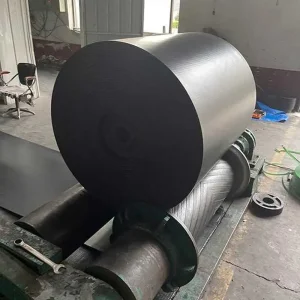
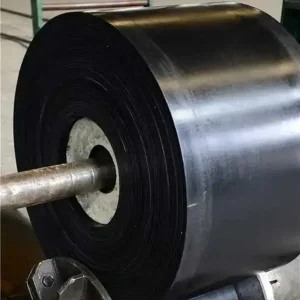
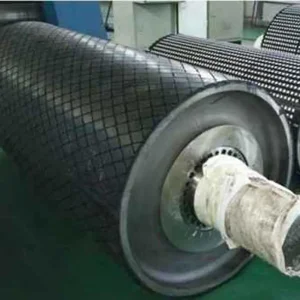
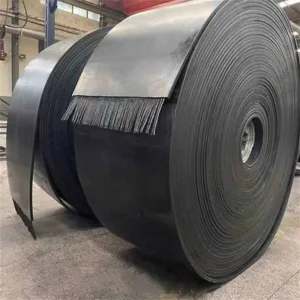
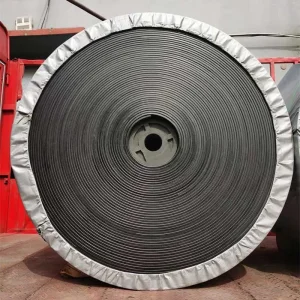
Unveiling the material science, wear mechanisms, and design paradigms that dictate the performance parameters of industrial conveyor systems.
In modern industrial bulk handling applications, conveyor belts act as the vascular system of processing operations. Among these, the Abrasion Resistant Conveyor Belt holds the most critical position, directly determining the operational downtime and lifecycle cost-efficiency (OpEx) for mining complexes, steel mills, cement factories, and ports worldwide.
The global conveyor belt market is evolving rapidly. While traditional procurement parameters focused primarily on tensile strength and ply thickness, modern criteria leverage physical-chemical modeling of rubber polymers. As operational environments demand high speeds, steeper inclinations, and heavier material loads, the need for top-tier wear-resistant surfaces that mitigate cutting, gouging, and low-amplitude sliding friction becomes imperative.
Industrial operations in regions such as South America (copper and gold mining), Australia (iron ore extraction), the Middle East (clinker and sand transport), and North America (coal and aggregate handling) require rubber formulations that comply with international standards. By integrating advanced raw material processing with modern engineering, Hebei Boao Rubber Technology Co., Ltd. produces belts engineered to withstand these demanding scenarios.
The lifetime performance of an abrasion-resistant rubber cover is determined by its ability to resist the abrasive wear caused by the sliding and impact of hard, sharp materials against the moving surface. Wear typically occurs through three distinct mechanisms: sliding wear (frictional rubbing of fine particles), impact cutting/gouging (fracture of rubber from sharp drop-height inputs), and fatigue micro-cracking (continuous strain cycles from idlers and pulleys).
International standardizing bodies have defined specific test protocols to classify cover compounds based on volumetric wear index. The most prominent testing standard is ISO 4649 (formerly DIN 53516), which measures volume loss in cubic millimeters (mm³) when a rubber sample is passed over a rotating drum wrapped in certified abrasive emery paper under a specific load.
| Standard Designation | Tensile Strength (Min) | Elongation at Break (Min) | Max Abrasion Loss (ISO 4649 / DIN 53516) | Primary Industrial Applications |
|---|---|---|---|---|
| DIN-W (Extreme Wear) | 18 MPa | 400% | ≤ 90 mm³ | Quartzite, copper ores, iron ore, glass cullet, slag, heavy sinter. |
| DIN-X (Severe Wear & Cut) | 25 MPa | 450% | ≤ 120 mm³ | Large granite boulders, limestone, metallic ores, sharp aggregate rocks. |
| DIN-Y (Medium Duty Wear) | 20 MPa | 400% | ≤ 150 mm³ | Coal, sand, gravel, wood chips, grain depots, general cargo handling. |
| RMA Grade I | 17 MPa | 400% | ≤ 125 mm³ | Heavy mineral processing, abrasive sand/gravel handling. |
| RMA Grade II | 14 MPa | 400% | ≤ 175 mm³ | General industrial bulk handling, agriculture, lighter aggregates. |
Selecting the correct standard classification prevents both premature cover failure and over-engineering. For example, selecting a DIN-W compound for iron ore mining in extreme conditions reduces cover loss thickness from an average of 1.8mm per year to less than 0.7mm, extending the service life of the belt by up to 150%.
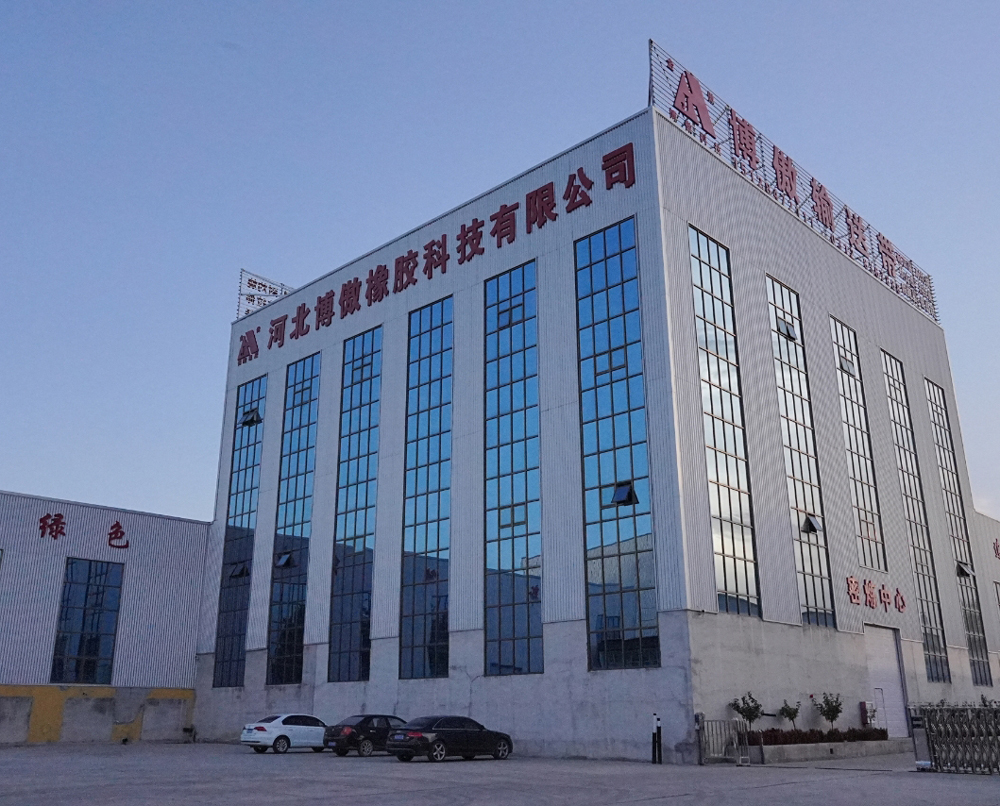
Founded in 2004 and located in the core Rubber Industrial Park of Boye County, Baoding, Hebei Province, China, Hebei Boao Rubber Technology Co., Ltd. has established itself as an engineering pioneer in conveyor belting systems. Over more than two decades, our flagship "Jinao" brand has become synonymous with durability, material stability, and wear performance.
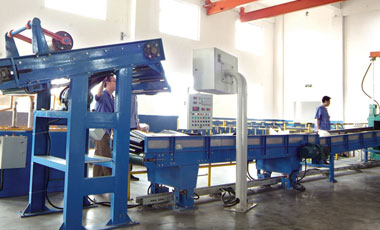
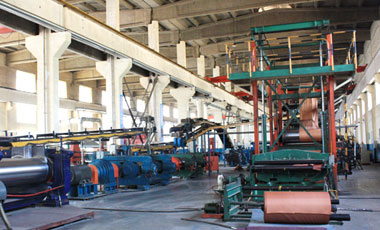
Operating a modernized facility covering over 30 acres, we integrate research, design, production, and after-sales service. We have passed the international quality management system certification (including ISO9001, ISO14001, and ISO18001). Our factory houses high-precision rolling, forming, vulcanizing, and testing equipment to monitor products from raw polymers to the final spooled rubber belts.
How Hebei Boao Rubber leverages raw material access, advanced process automation, and cluster geography to deliver high cost-to-performance value globally.
Being based in the Boye County Rubber Industrial Park allows Boao to leverage immediate access to highly specialized chemical compounders, textile mills (fabricating high-strength EP/NN ply carcasses), and testing laboratories. This cluster minimizes internal transport fees, accelerates development lead times, and reduces overhead costs.
We operate precision mixing centers with automated weighing systems and continuous calendering lines. This automation guarantees uniform compound distribution, preventing structural weak points that can lead to inter-ply delamination. Additionally, automatic multi-platen vulcanizing presses ensure uniform temperature and pressure distributions across both wide and extra-thick conveyor belts.
Through high-volume contracts with premium raw rubber suppliers and high-tensile steel cord fabricators, we mitigate raw material price fluctuations. This cost stabilization, combined with high daily production capacities, allows us to offer favorable pricing structures to global engineering contractors and industrial end-users without compromising quality.
Through our proprietary brand "Jinao", we manufacture a complete suite of conveyor belts and matching idler support parts.
Our belt configurations are custom-tailored to handle specific material profiles, environmental constraints, and structural dynamics:
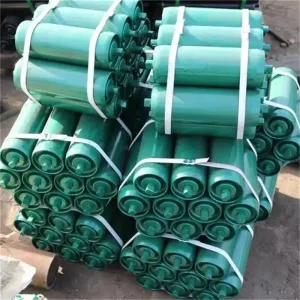
We manufacture system components that work in tandem with the conveyor belt to maintain system alignment, support loads, and extend operational lifespans:
Real-world performance references across power generation, smelting, cement manufacturing, and mining industries.
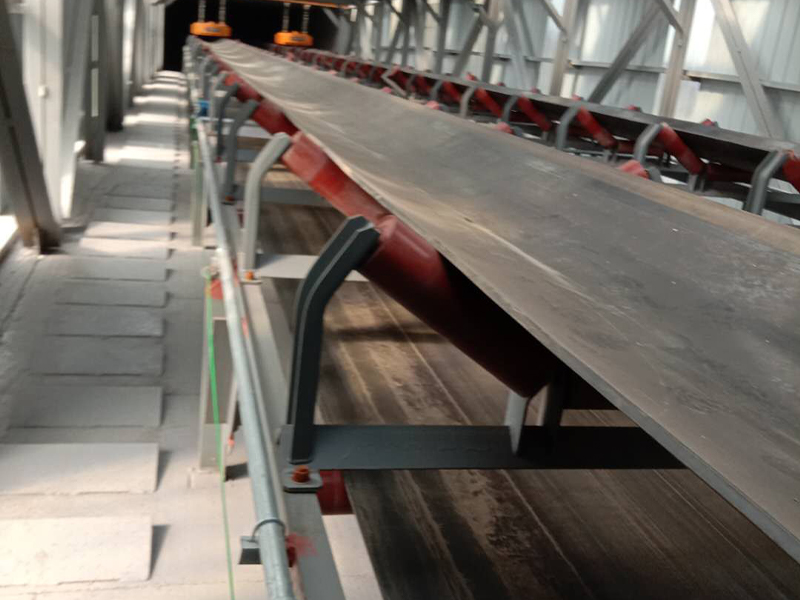
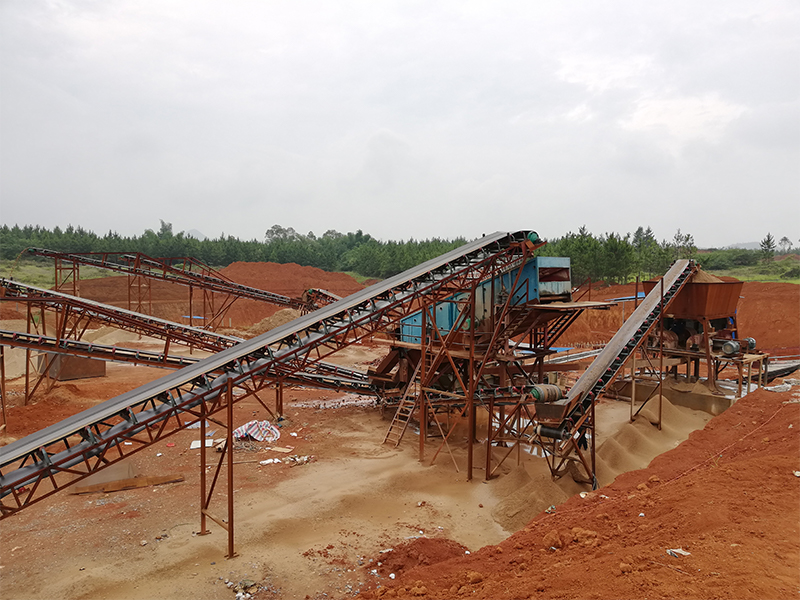
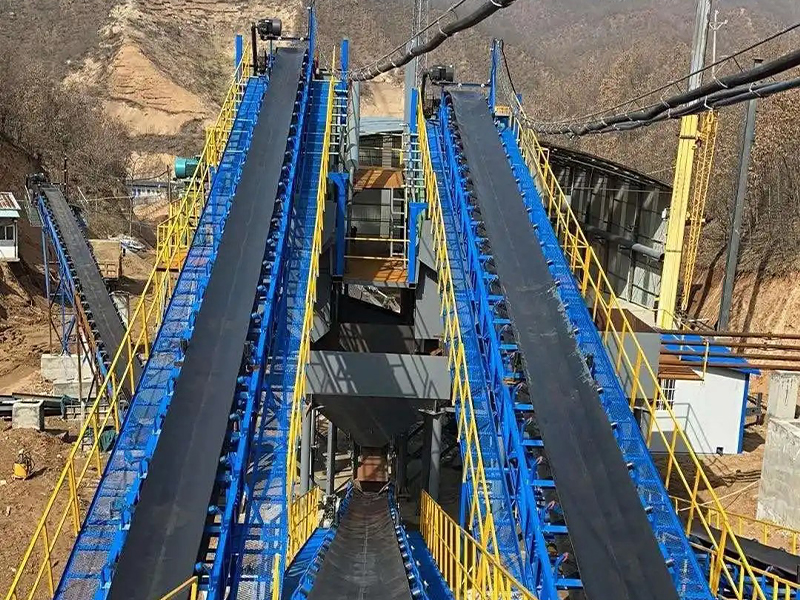
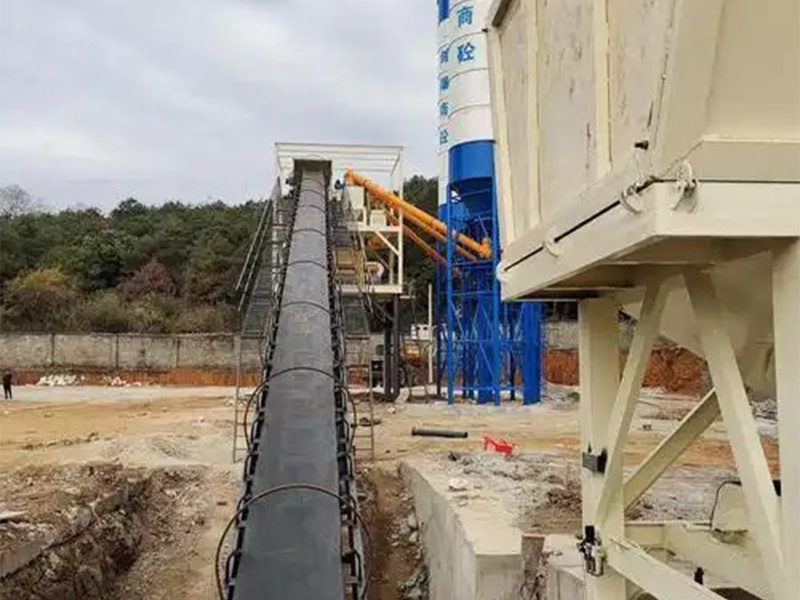
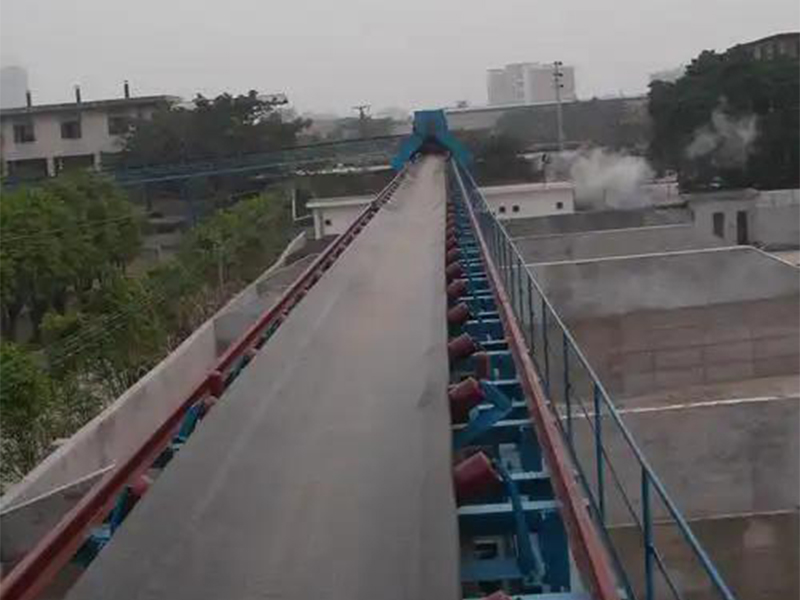
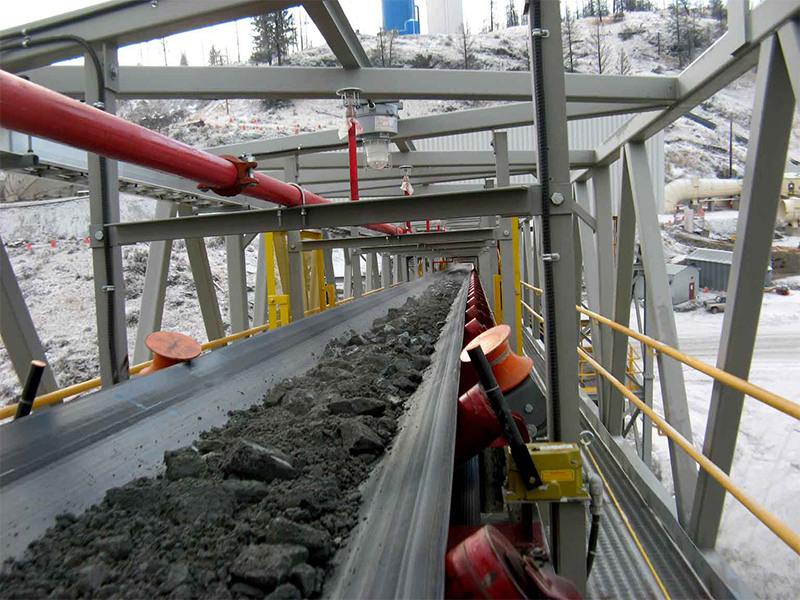
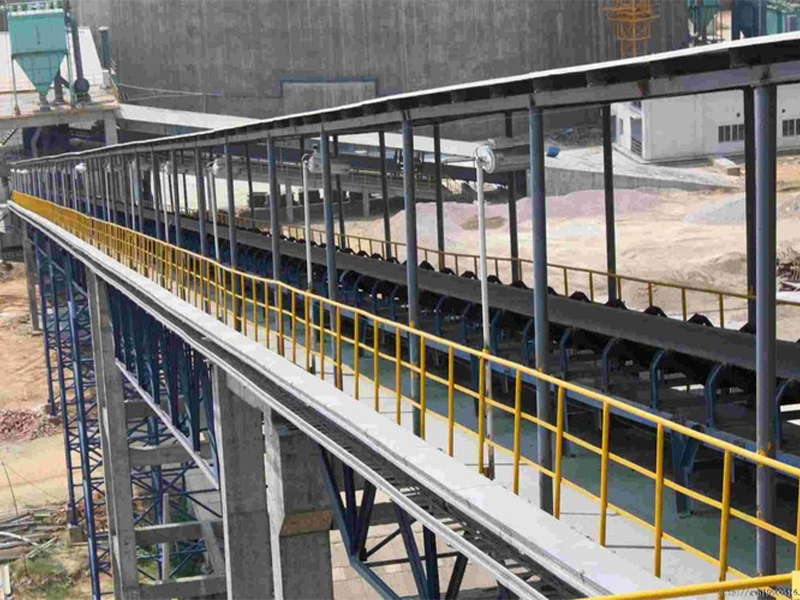
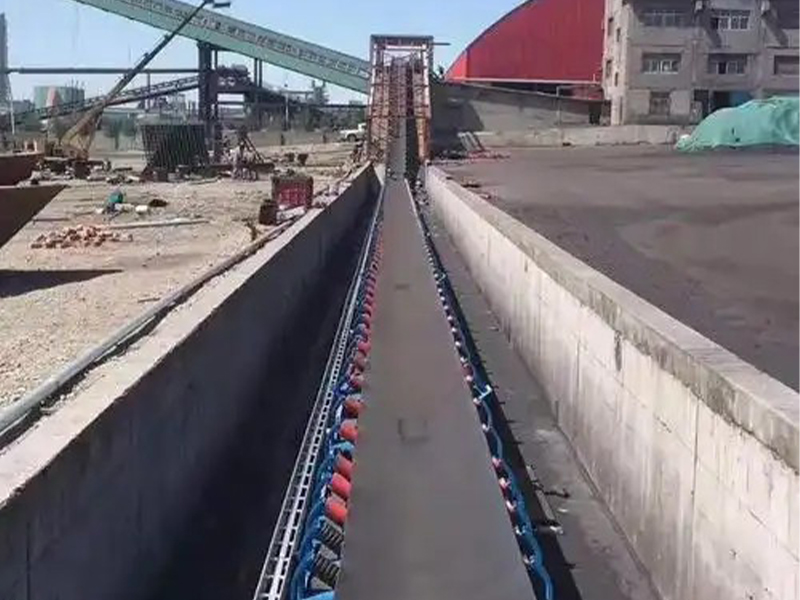
In high-capacity industrial settings, a conveyor belt's true value is demonstrated through continuous operation. At Zijin Mining's metal extraction facilities, heavy-duty ore drop impact zones require a belt cover compound that resists cuts and impact gouging. By using Jinao's high-impact steel cord conveyor belts, our customers report fewer belt tears and lower downtime.
In thermal power stations and cement operations like Conch Cement and Jidong Cement Group, conveyor belts are exposed to hot materials, abrasive clinker, and gypsum. The combination of heat and abrasive wear accelerated cover degradation on standard belts. Jinao's heat-resistant EPDM/SBR compound covers are formulated to maintain structural flexibility and abrasion resistance under operating temperatures up to 200°C, helping to prolong replacement cycles.
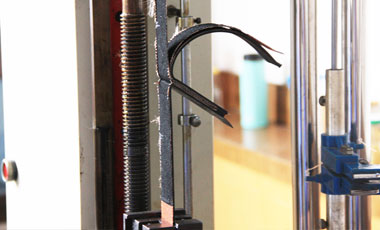
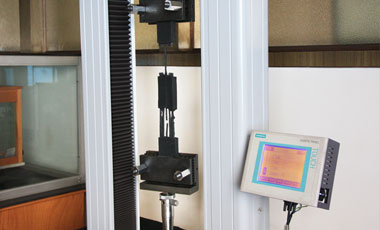
Our quality assurance protocol includes testing both raw materials and finished products before they leave the factory.
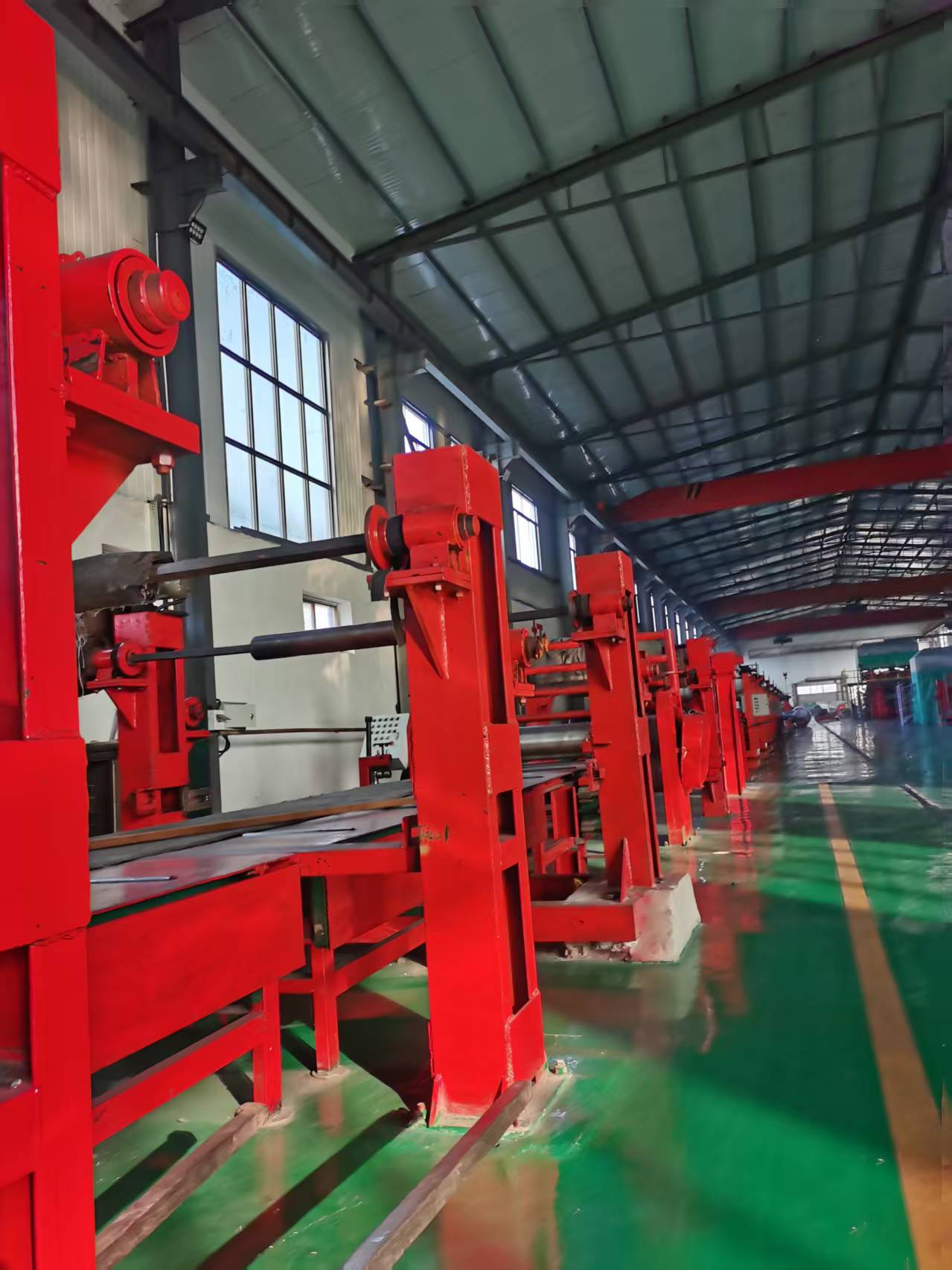
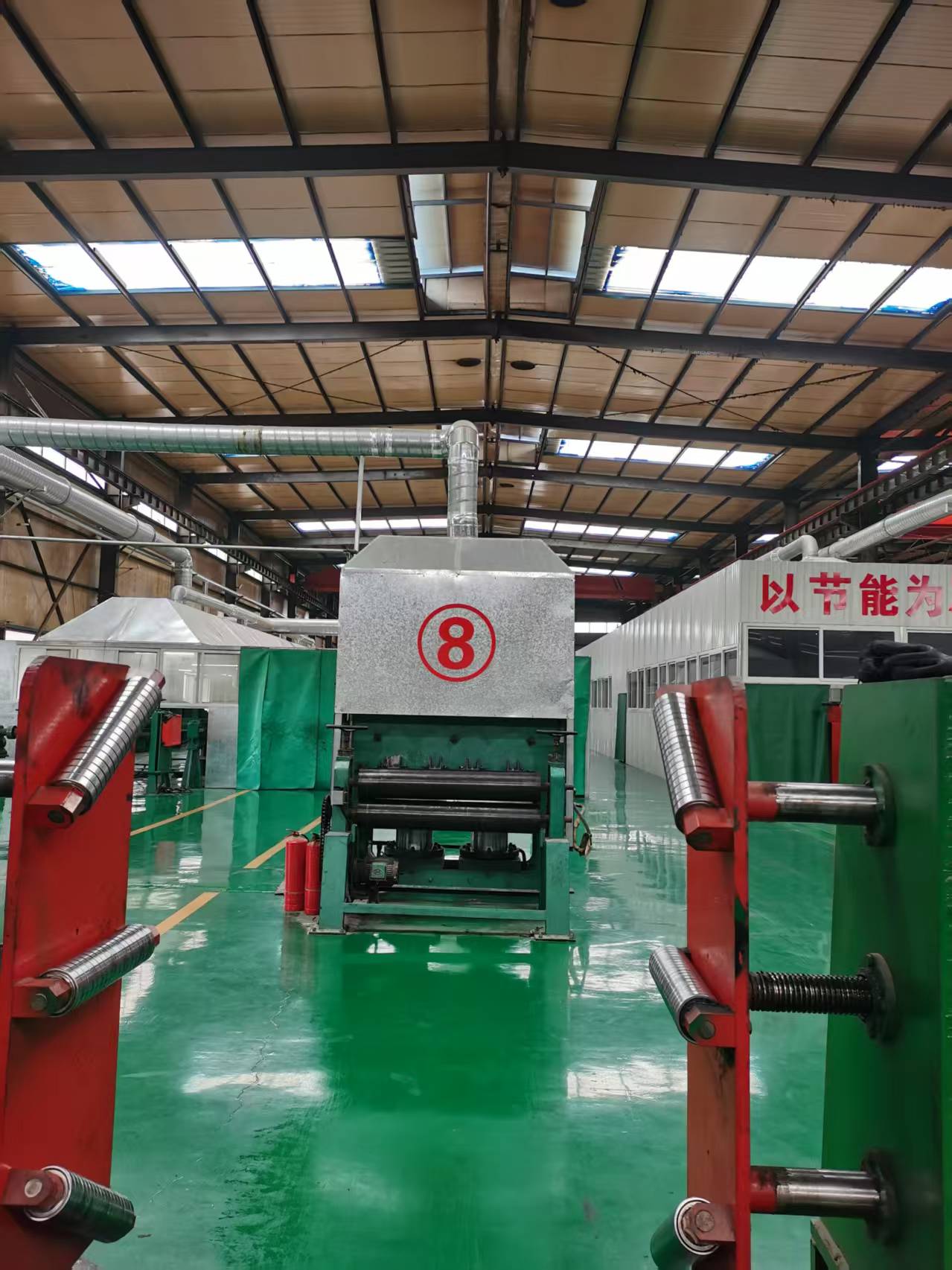
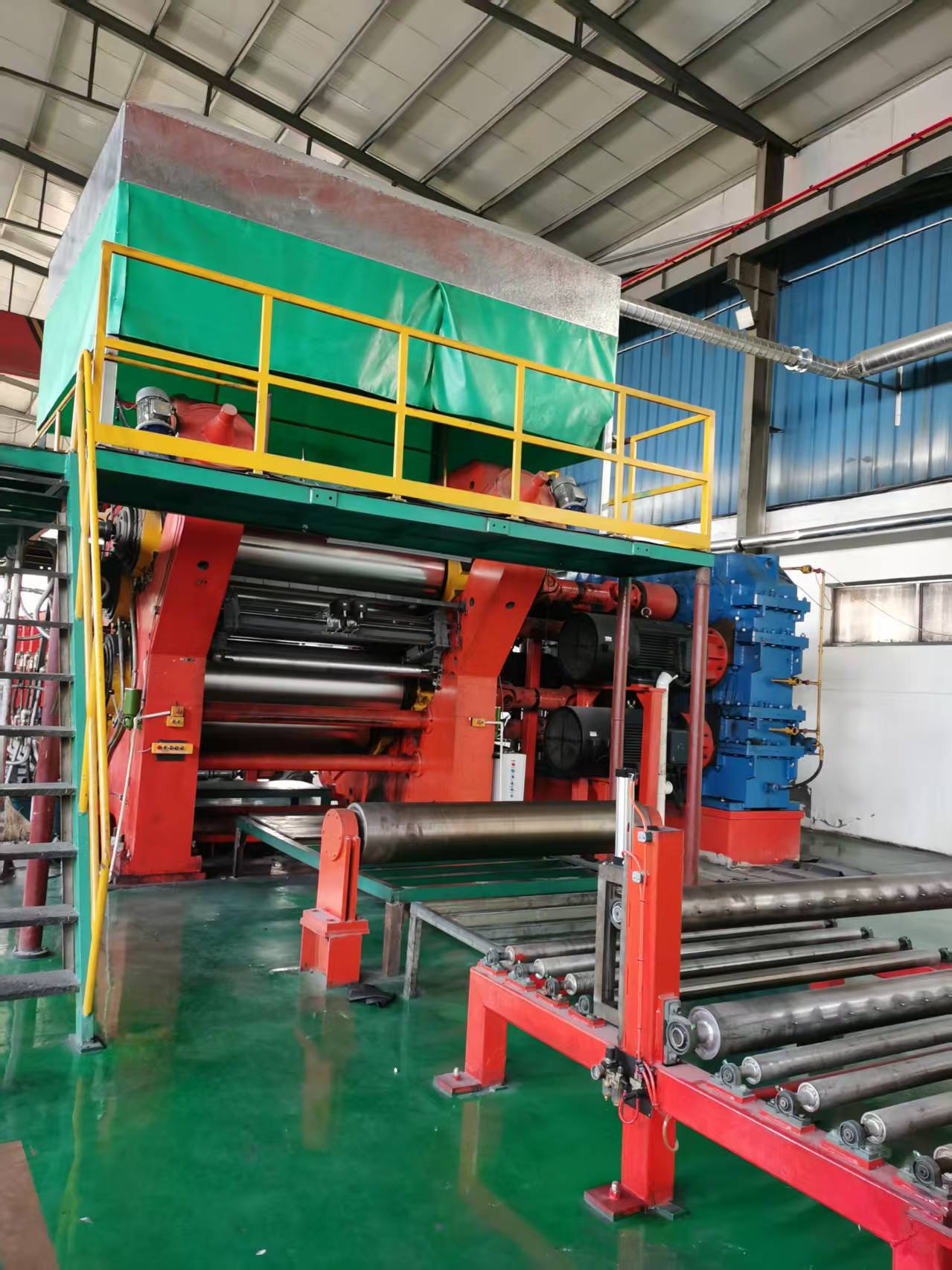
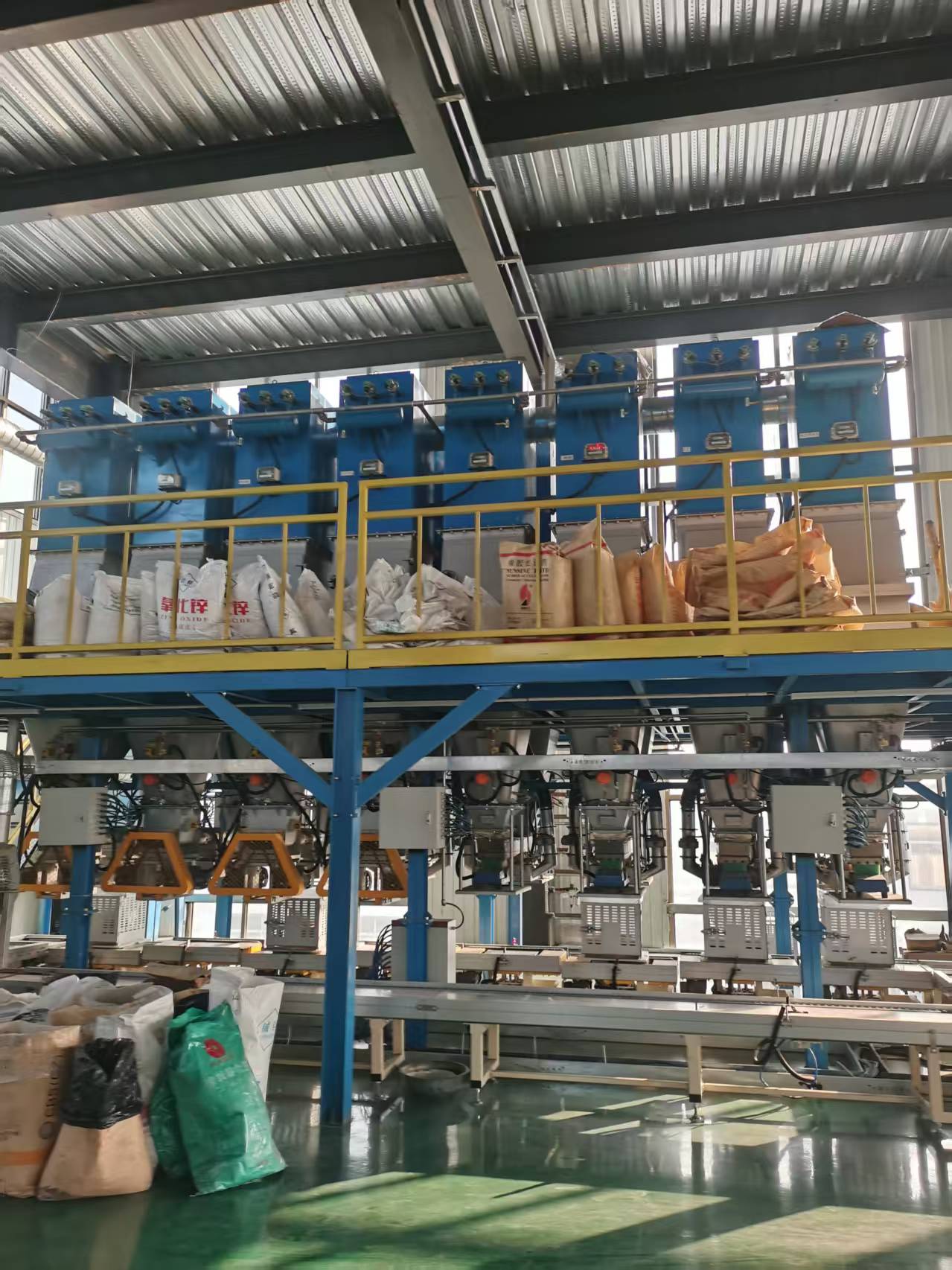
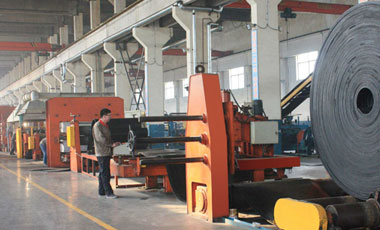
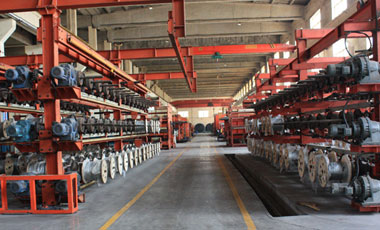
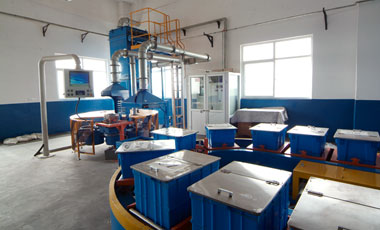
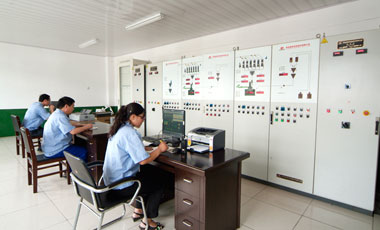
To verify that our rubber compounds comply with standards like ISO 4649, DIN 22102, and AS 1332, we test raw compounds and vulcanized rubbers in our testing center.
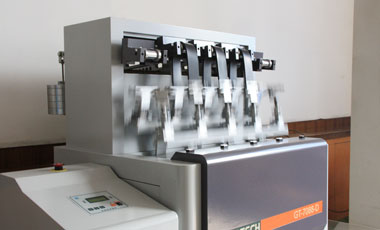
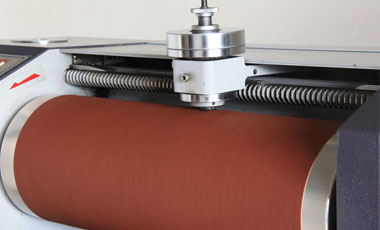
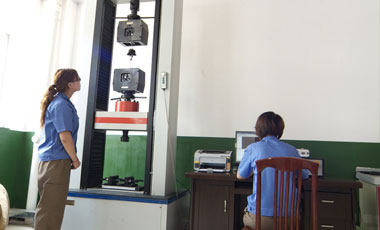
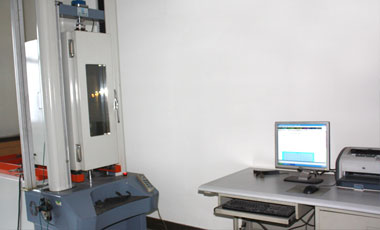
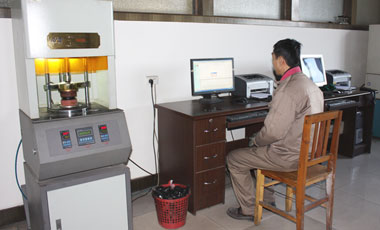
Our quality control protocol verifies multiple criteria:
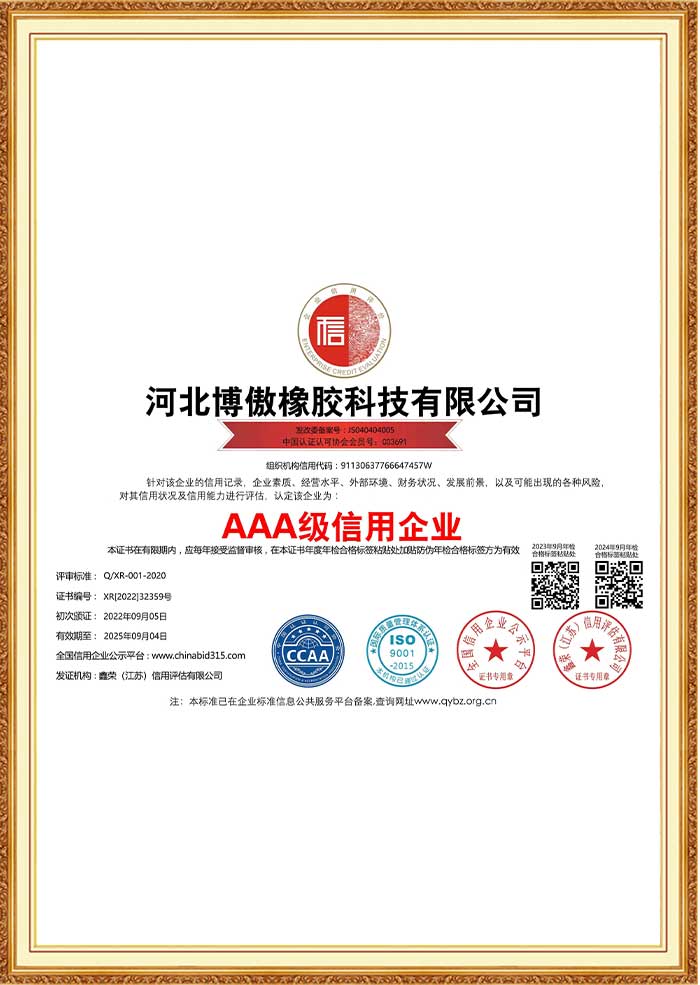
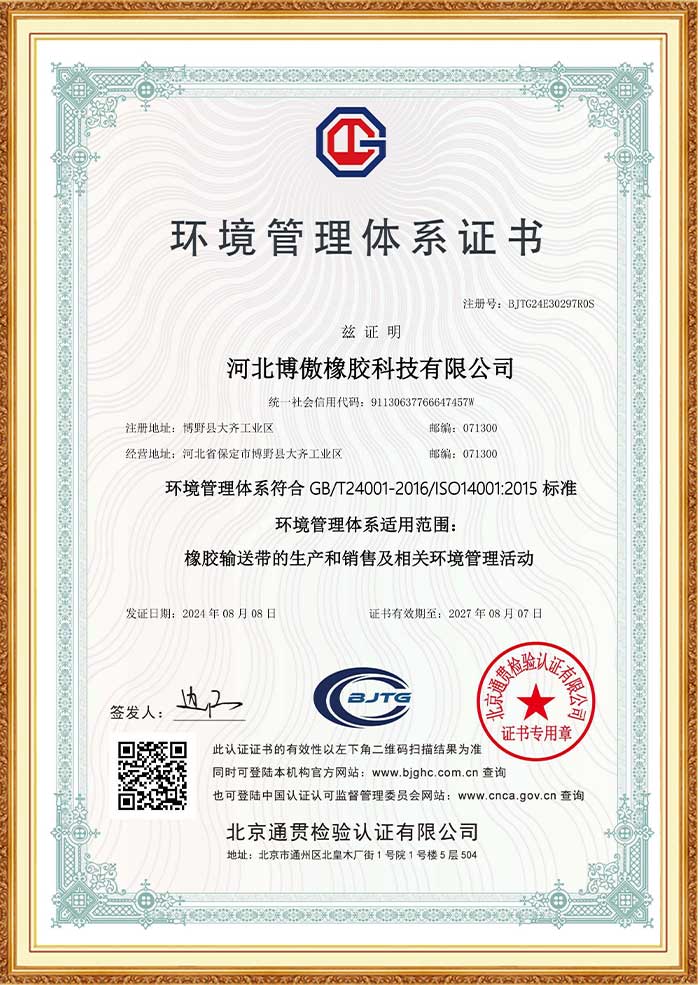
Our manufacturing and quality systems conform to global standards, ensuring reliability for international projects.
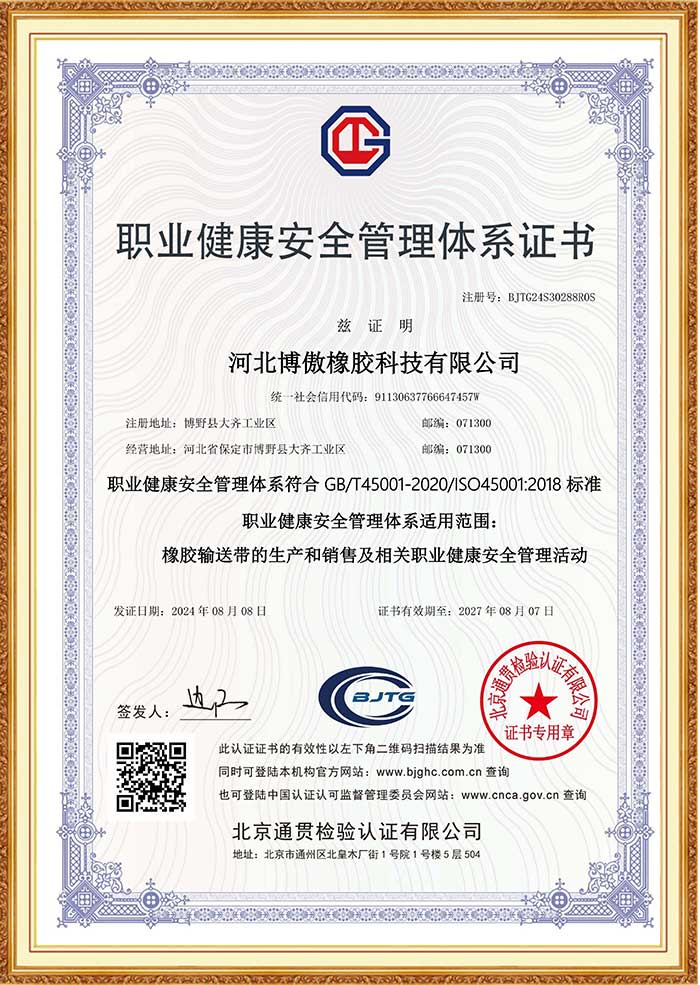
ISO 9001
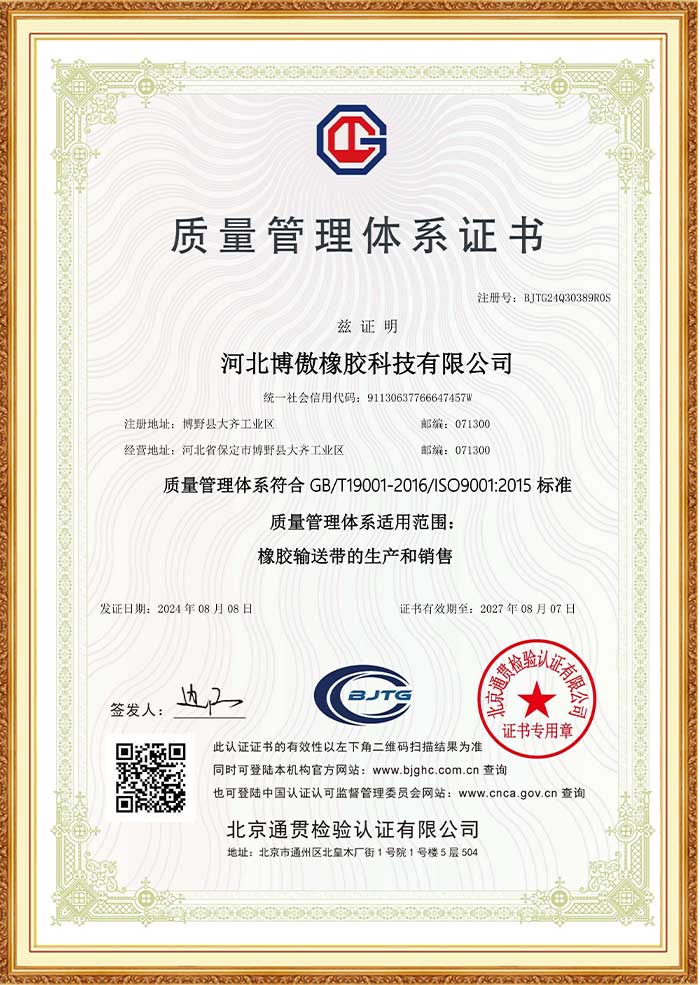
ISO 14001
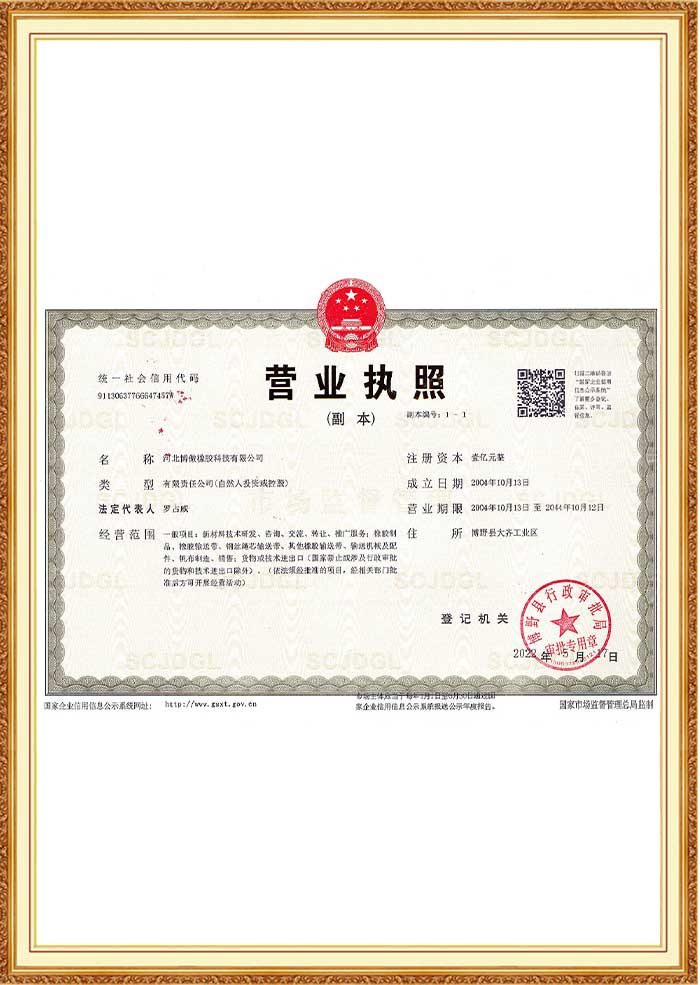
ISO 45001
Safety Certificate
National Standard
Helping operators optimize bulk material handling performance and extend conveyor belt lifespans.
Proper splicing is critical for belt integrity. We provide step-by-step procedures for both hot vulcanized splicing (recommended for heavy-duty steel cord and multi-ply EP belts) and cold chemical bonding, ensuring joint strength matches the main carcass.
We work with large mining operations to establish onsite safety stock levels, protecting against unexpected outages. Our technical service team advises on proper long-term storage practices (temperature control, UV shielding, and vertical spool positioning) to maintain compound elasticity.
We provide training for plant engineers on wear tracking, dynamic roller alignment, and skirting pressure adjustments. This proactive approach helps minimize uneven cover wear, reduce power consumption, and extend belt operating life.
Procuring conveyor systems for heavy industries requires balancing technical specifications with commercial realities. International buyers should consider these key factors:
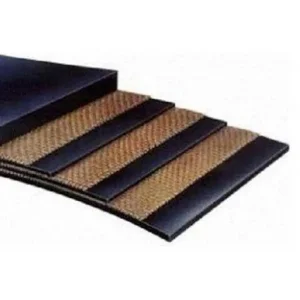
For short to medium center distances, synthetic fiber carcasses like Polyester-Nylon (EP) or Nylon-Nylon (NN) offer flexibility, dynamic troughing capability, and elasticity. For long overland routes with minimal allowable elongation, Steel Wire Rope reinforcement is the standard choice to prevent belt stretch under high-tension startup cycles.
Cover thickness must be selected based on the wear characteristics of the target material. A common guideline is a 3:1 ratio (top cover to bottom cover). For highly abrasive materials, a thicker top cover (e.g., 8mm top / 3mm bottom) provides a wear reserve. For non-abrasive bulk materials, thinner covers (e.g., 4mm top / 2mm bottom) help reduce overall belt mass and system energy consumption.
Modern procurement strategies also focus on sustainable operations. Developing energy-efficient compounds with low rolling resistance is an active area of research. By reducing indentation losses over idlers, these formulations can lower system power demands by up to 15%, reducing operating costs for long overland conveyors.
Common technical inquiries regarding abrasion-resistant conveyor belts, design criteria, and procurement processes.
DIN-W is designed for fine, abrasive materials (like glass cullet, sand, and slag) that slide along the cover. It offers a maximum volume loss of 90 mm³. DIN-X is formulated for impact resistance, cut, and gouge protection from large, falling rocks, with a maximum loss of 120 mm³. DIN-Y is a general-purpose grade designed for moderately abrasive materials like coal and limestone, with a maximum loss of 150 mm³.
EP (Polyester Warp / Polyamide Weft) fabric offers lower elastic elongation under load than NN (Nylon / Nylon) fabric. This reduces the take-up travel distance required for tensioning systems. EP belts also resist moisture absorption and maintain dimensional stability in humid conditions, though NN fabric remains preferred for applications requiring high impact resistance.
Edge wear is usually caused by belt mis-tracking, which leads to contact with the structural frame or drop chutes. It can also result from asymmetrical material loading. Installing self-aligning idlers, keeping pulleys aligned, using soft rubber skirting, and centering the material feed help prevent edge wear.
Thicker cover rubber increases the overall belt thickness, which shifts the neutral bending axis and increases outer cover strain during pulley wrapping. Using thick covers on small pulleys can cause cover cracking or inter-ply delamination. Pulley diameters must be selected based on the supplier's recommendations relative to the total belt thickness and carcass tension rating.
Conveyor belts should be stored vertically on their core spindles in a cool, dry, and dark location. Direct sunlight (UV rays) and ozone exposure can degrade the polymer structure. Belts should not be stored flat on their sides, as this can distort the carcass and lead to tracking issues after installation.
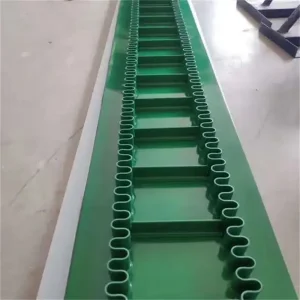
Explore our targeted conveyor belt configurations designed for temperature extremes, vertical transport, and specialized industrial processes.
 Boao Rubber