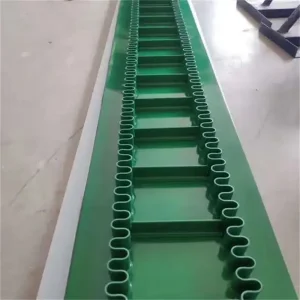
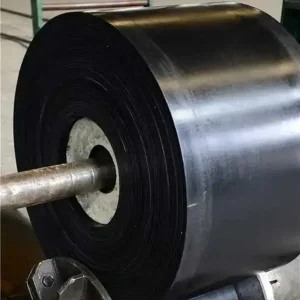
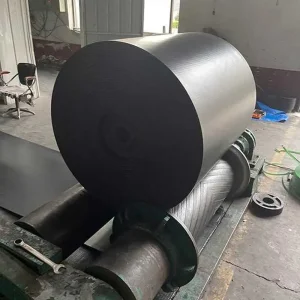
Engineered to handle high-tensile loads and long-distance transport. Explore our high-strength configurations below.
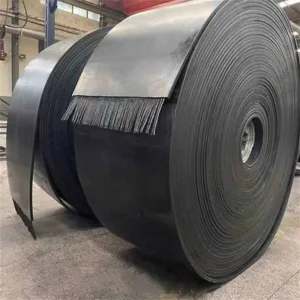
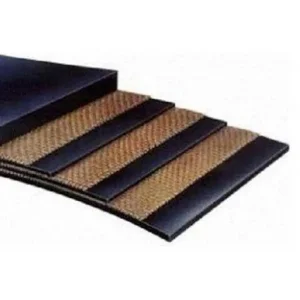
The industrial landscape in France—encompassing steelmaking, mineral quarrying, port terminal operations, and cement production—demands transport infrastructure that achieves maximum uptime and resists catastrophic failure. With the European Union pushing towards strict energy savings and safety standards, the choice of conveying equipment has shifted from traditional multi-ply fabric belts to high-tension Steel Wire Rope Core Conveyor Belts.
Major hubs such as Dunkerque, Fos-sur-Mer, and the Paris Basin are reliant on massive throughput systems. For cement groups like LafargeHolcim and specialized metallurgy operations, conveyor belt failure results in severe operational halts. In this scenario, steel-cord belts prove superior due to their high longitudinal load-bearing capability and low elongation under load. Steel wire rope core belts exhibit minimal stretch (typically less than 0.25% at working tension), meaning shorter take-up strokes and simpler tensioning structures are required on long-distance overland runs.
For French installations, compliance with EN ISO 15236 is crucial. This standard specifies requirements for the safety and performance of steel cord conveyor belts. Our engineering and manufacturing processes are strictly aligned with ISO metrics, assuring safety factors (typically 6.7:1 or higher) that satisfy regulatory bodies in France. Additionally, flame retardance matching EN 12882 classes ensures our belts can operate securely in underground mining, terminal chutes, and dry grain elevators.
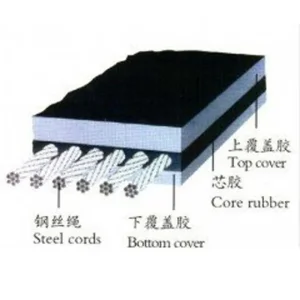
As a leading conveyor belt manufacturer, Hebei Boao Rubber Technology integrates a system of steel wires with specialized elastomeric polymers. Zinc galvanized steel cords are embedded to resist humidity-driven oxidation, preventing internal corrosion even when the cover rubber suffers lacerations.
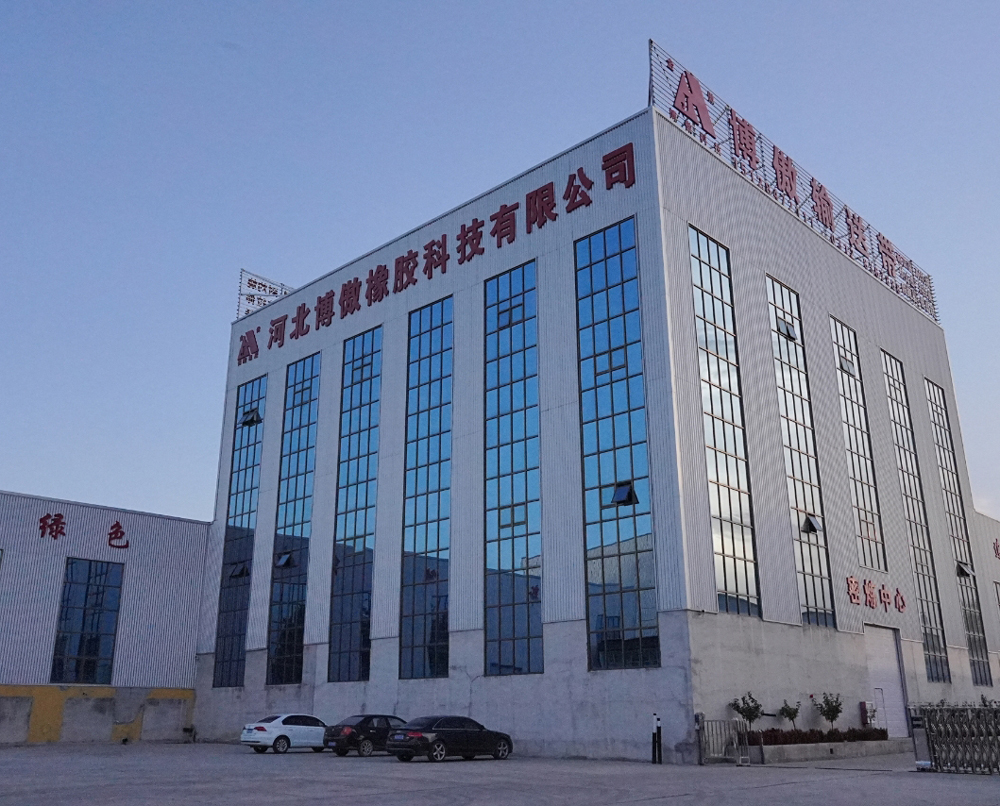
Founded in 2004 and covering an area of over 30 acres, Hebei Boao Rubber Technology Co., Ltd. is located in the Rubber Industrial Park of Boye County, Baoding, Hebei Province. We are a professional manufacturer in China that integrates product development, research, design, manufacturing, and business services for conveyor belts and conveyor machinery accessories under our trademark brand "Jinao".
Our facility houses multiple advanced production lines for rolling, forming, vulcanization, and rubber testing (from raw materials to finished products). In our pursuit to gain our consumers' full trust, we successfully passed the international quality management system certification, maintaining strict physical and chemical controls over every product.
Our quality control facility utilizes sophisticated testing gear to ensure that every steel cord conveyor belt satisfies global standards.
Measures the bond strength between the rubber cover and the steel cords, ensuring it surpasses standard parameters to prevent core-rubber delamination under stress.
Simulates continuous cycle bending over pulleys under full load conditions to guarantee long service life and prevent wire fatigue failure.
Evaluates the volume loss of cover rubber formulations against severe friction, ensuring durability under impacts from materials like quartz and granite.
| Strength Grade (DIN 22131 / ISO 15236) | Max Cord Diameter (mm) | Cord Pitch (mm) | Approx. Belt Weight (kg/m² @ 6+6 cover) | Minimum Pulley Diameter (A / B / C in mm) |
|---|---|---|---|---|
| ST 500 / ST 630 | 2.8 - 3.2 | 10.0 - 12.0 | 16.5 - 19.8 | 400 / 315 / 250 |
| ST 800 / ST 1000 | 3.5 - 4.0 | 12.0 - 15.0 | 20.2 - 23.5 | 500 / 400 / 315 |
| ST 1250 / ST 1600 | 4.5 - 5.0 | 15.0 - 18.0 | 24.8 - 29.2 | 630 / 500 / 400 |
| ST 2000 / ST 2500 | 5.5 - 6.2 | 18.0 - 20.0 | 31.0 - 36.5 | 800 / 630 / 500 |
| ST 3150 / ST 4000 | 7.2 - 8.6 | 22.0 - 24.0 | 42.0 - 51.0 | 1000 / 800 / 630 |
Skip the hassle of sourcing from multiple suppliers – our factory provides comprehensive logistics, planning, and maintenance solutions in one place.
Planned replacement, repair, inspection, preventative maintenance, and emergency response services for industrial conveyor belts.
Supply of conveyor belts and rubber materials, safety stock management, planned vulcanized bonding, rubber surface repair, and scheduled inspections.
Enhance the operational efficiency of belt conveyors, reduce mechanical wear, and establish sustainable lifecycle costs for industrial plants.
Extend the operational life of conveyor systems while helping to ensure safe and stable site logistics.
Our conveyor belts are utilized across heavy industries including steel, mining, port terminals, and concrete plants globally.
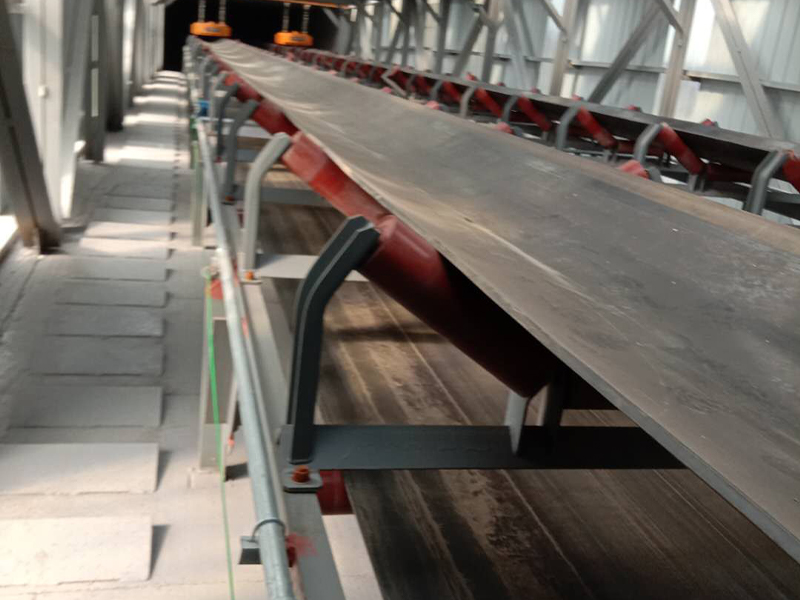
Taihang Steel Works
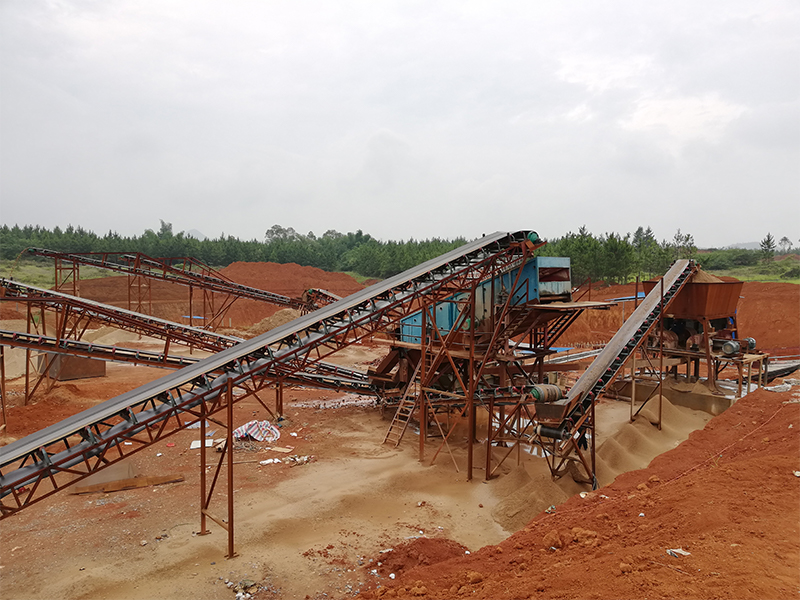
Tsingshan Group
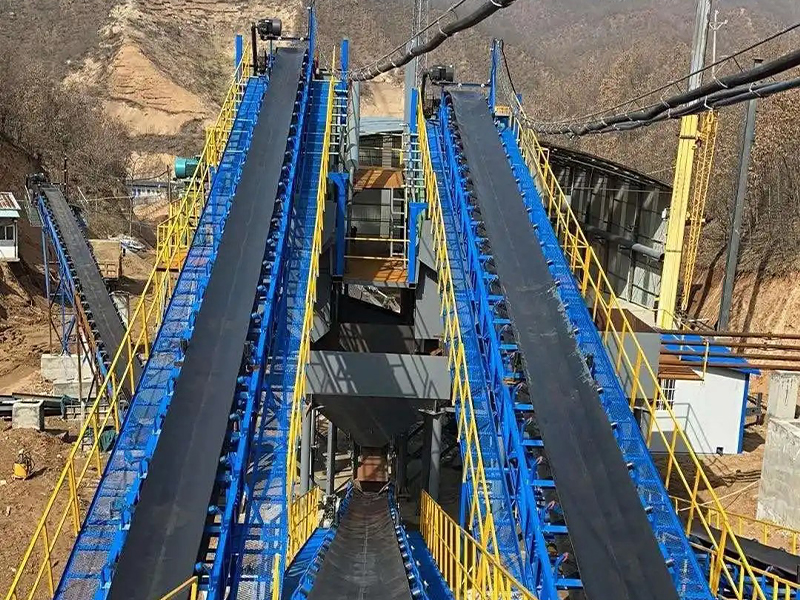
Zijin Mining Group
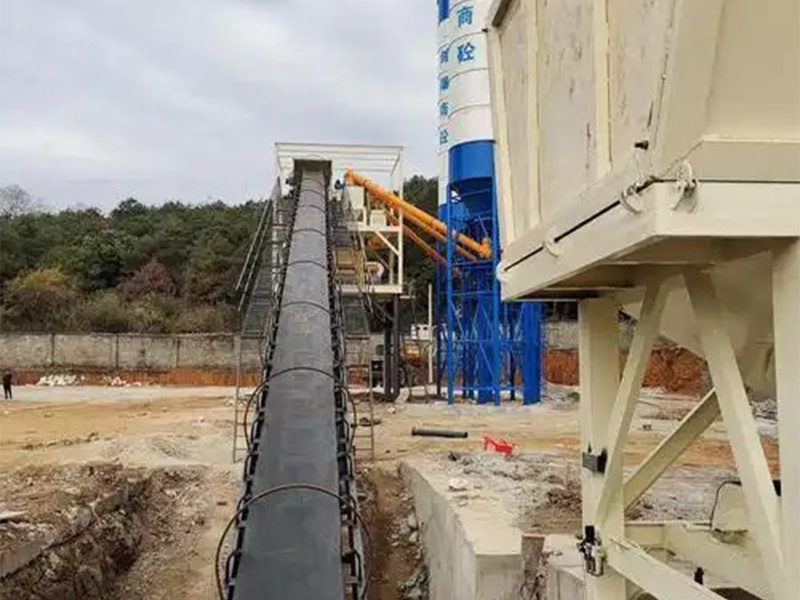
China Railway Group Mixing Plant
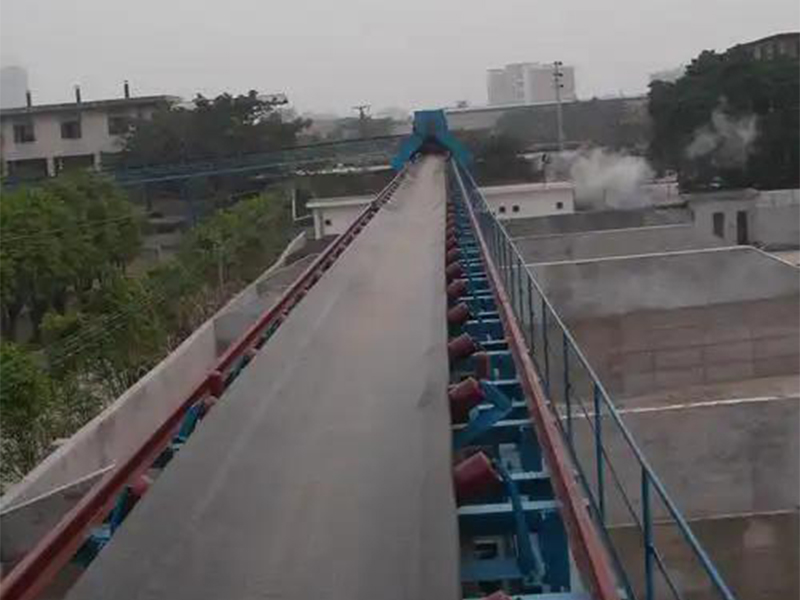
Conch Cement Plants
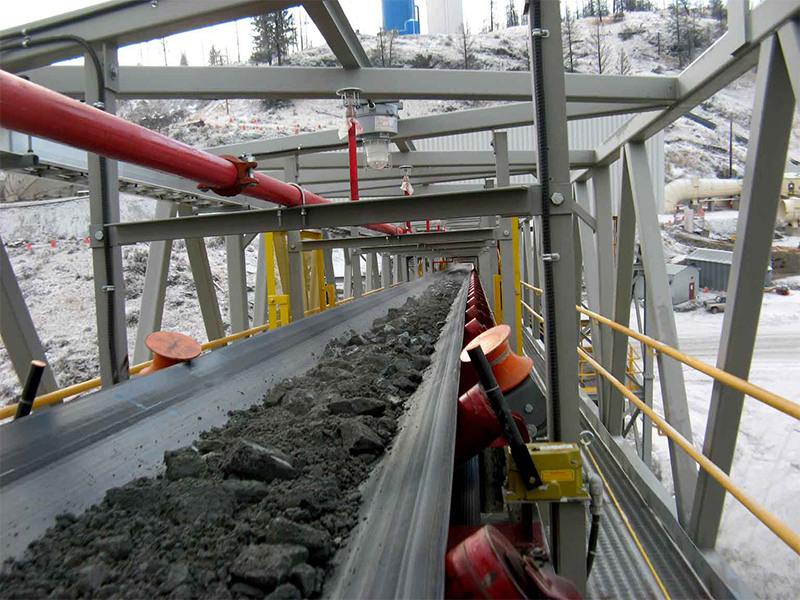
Datong Coal Group
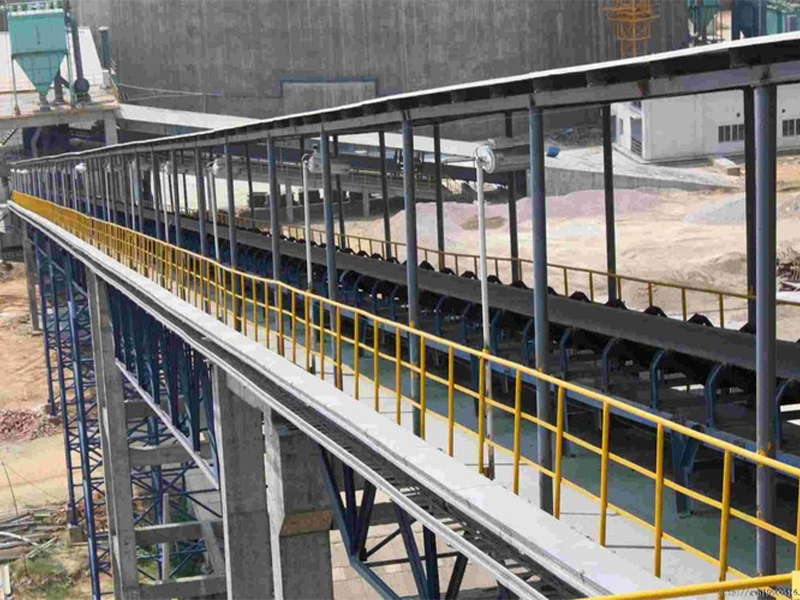
Jidong Cement Group
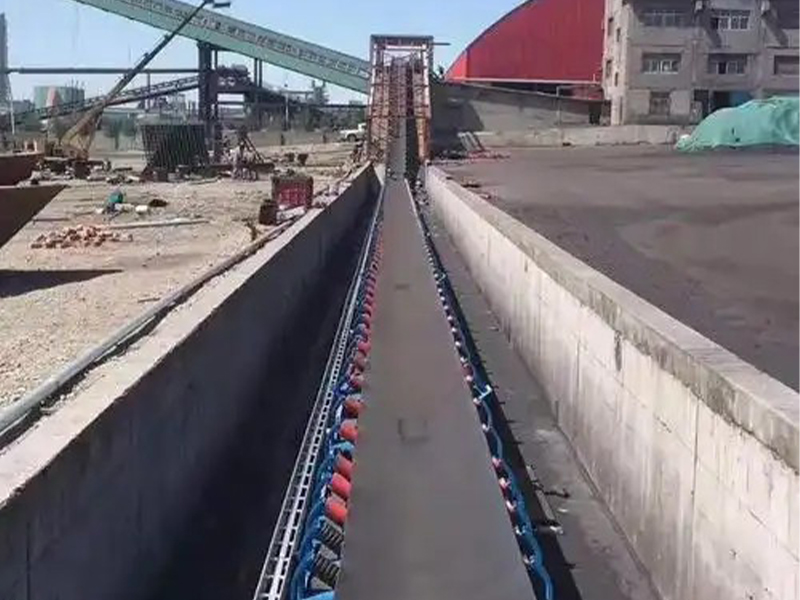
Jinmei Group Coal Line
The global materials handling sector is evolving towards automation. Next-generation conveyor systems incorporate sensor systems to continuously monitor belt health. Dynamic sensor loops embedded in the cover rubber can detect tears caused by trapped metal, triggering automated shutdowns to prevent longitudinal rip extension.
As manufacturers, our research focuses on low-rolling-resistance (LRR) rubber compounds. This technology reduces friction between the belt and rollers, potentially reducing energy consumption by up to 15% on long-distance conveyor runs.
Under the European Green Deal, industrial projects face rigorous environmental and carbon footprint evaluations. Our production processes minimize carbon outputs by recycling elastomer components and sourcing raw materials responsibly. Additionally, our high-durability steel cord belts offer extended lifetimes, helping to lower waste in large-scale material transport operations.
From flame-retardant rubber to acid-resistant polymers and steel wire reinforcements, we support your plant requirements.
Technical guidance and assistance from our engineering and support teams.
 Boao Rubber