Deploying our high-integrity, anti-abrasion, and high-tensile conveyor belt technologies optimized for Mumbai ports, heavy mining, and dry bulk shipping terminals.
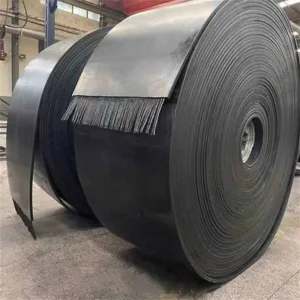
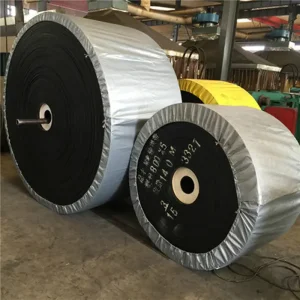
Mumbai, as India's premier commercial hub and gateway to the Arabian Sea, anchors a massive dry-bulk logistics, port operations, and heavy metallurgical ecosystem. Major ports like the Jawaharlal Nehru Port Trust (JNPT) and the historical Mumbai Port handle millions of metric tons of raw coal, iron ore, clinker, and chemical fertilizers annually. Moving these high-volume materials requires material handling equipment engineered to withstand humid maritime conditions, high ambient operating temperatures, and intense mechanical stresses.
Traditional fabric-core belts fail under these extreme parameters due to moisture-induced rot, elongation, and structural fatigue. Consequently, industrial plants in Mumbai are transitioning to Steel Wire Rope Core Conveyor Belts (Steel Cord Conveyor Belts). These advanced belts provide zero-elongation performance, extreme longitudinal tear resistance, and high-tension capabilities suitable for long overland conveyance corridors stretching from port berths directly to regional steel mills, power generation utilities, and cement hubs.
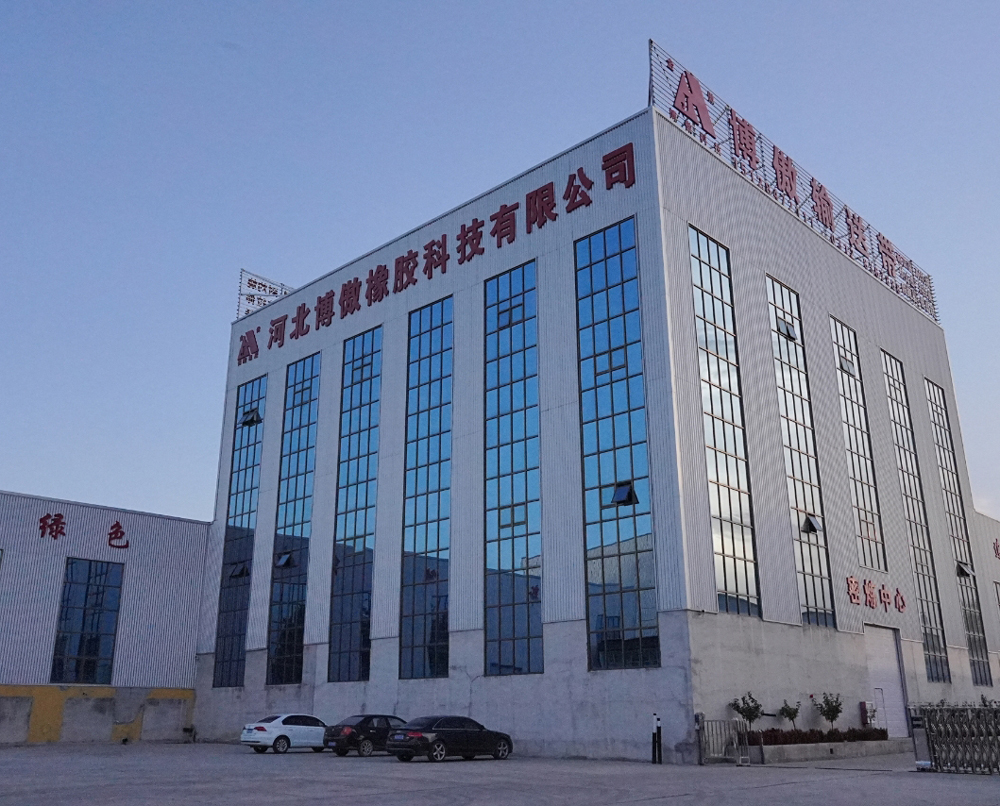
Hebei Boao Rubber Technology Co., Ltd. is located in the Rubber Industrial Park of Boye County, Baoding, Hebei Province. Founded in 2004, the company occupies an expanse of over 30 acres. Under our flagship brand, "Jinao", we have developed a reputation as a leading Chinese enterprise integrating design, research, development, and high-precision manufacturing of heavy-duty industrial conveyor belts and supporting mechanical systems.
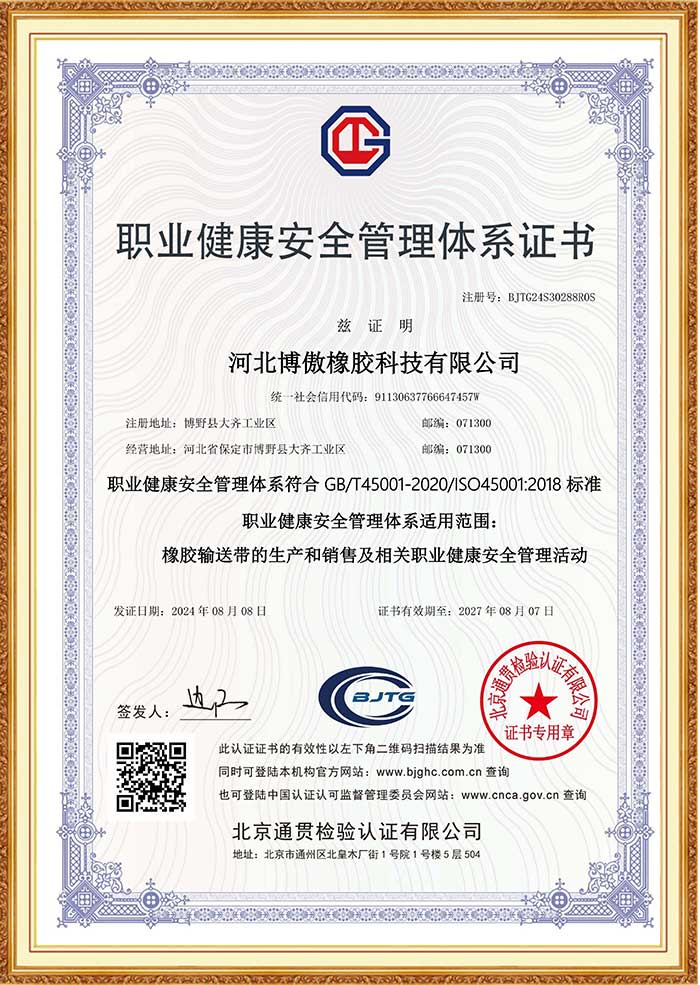
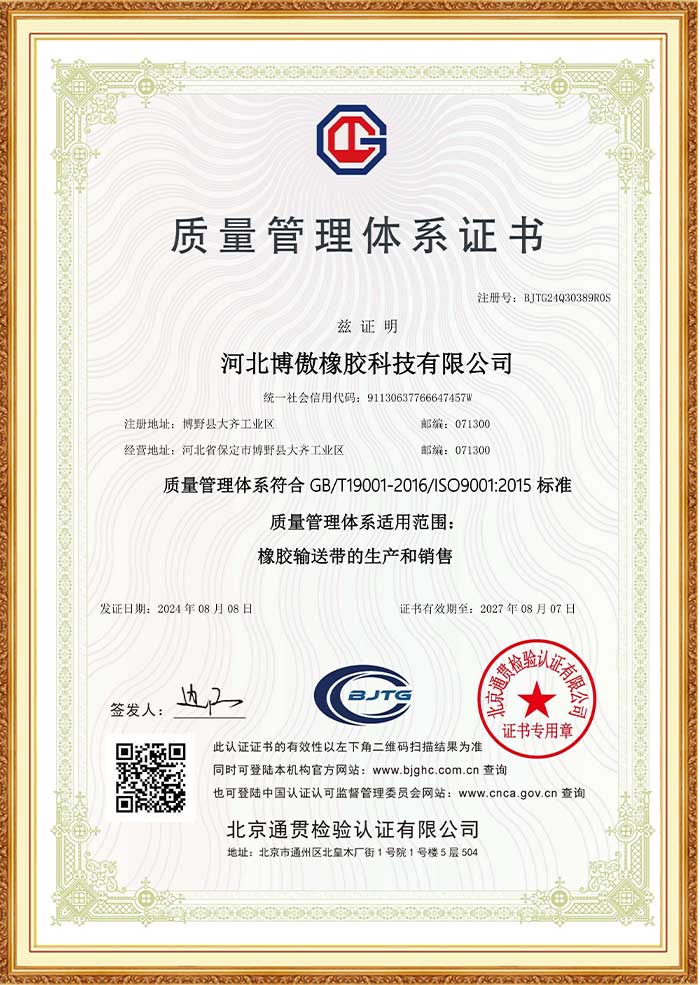
Our commitment to quality is verified by our compliance with international standards, having achieved international quality management system certifications in our first audits. With a comprehensive manufacturing line consisting of computerized compounding machinery, advanced multi-roll calenders, heavy vulcanizing presses, and a fully equipped chemical and physical testing laboratory, we ensure every conveyor belt leaving our facility delivers maximum operational life under high stress.
Our operations host an independent chemical analysis laboratory and physical properties testing room. We enforce strict monitoring on all inputs from raw polymer procurement to final vulcanized curing. Under our quality charter, substandard materials never enter our pipeline, and finished products that fall below target specification values are restricted from shipment.
Employing certified quality inspectors alongside testing methodologies (comprising adhesion peel testing, steel cord pull-out testing, dynamic fatigue assessment, and multi-directional abrasion analysis), we guarantee uniform belt thickness, consistent cord spacing, and reliable tensile performance.
Relying on strong technical foundation and responsive after-sales support systems, our material handling lines are exported to heavy industries globally. Our solutions are deployed in steel mills, coal mines, cement factories, deepwater ports, fertilizer manufacturing sites, agricultural grain terminals, and thermal power facilities.
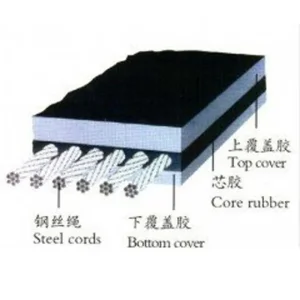
The structural core of our steel cord conveyor belt consists of high-tensile, zinc-galvanized open steel wire ropes. These ropes are aligned to prevent twisting or distortion, then embedded between high-adhesion rubber skim compounds. This steel core framework delivers high longitudinal strength while allowing for optimal transverse troughability, enabling high-volume materials to sit deeply inside the belt profile without spilling.
To meet the harsh requirements of heavy mining and ports, we utilize cover rubbers designed for maximum durability. Our dynamic testing includes abrasion resistance (ISO 4649 / DIN 53516), flame retardancy, and anti-tear cross reinforcement. The integration of steel cords combined with high-performance rubber polymers yields a conveying solution that is resistant to chemical attack, rot, and high tensions, and does not stretch over long distances.
Looking ahead, conveyor belt reliability relies on predictive diagnostic technologies. Our future product roadmap includes the integration of RFID diagnostic transponders and embedded steel mesh cross-sensors. When connected to automatic scanning systems, these features enable real-time tracking of belt integrity and automatic system shutdowns in the event of a longitudinal puncture or tear, saving plants from costly downtime.
| Technical Parameter | Standard Range (ST Series) | Operational Advantage |
|---|---|---|
| Nominal Strength | ST 630 to ST 5400 N/mm | Enables heavy-duty overland conveyance over long distances. |
| Cord Diameter | 2.8 mm - 11.3 mm | Provides high breaking load limit with minimal weight impact. |
| Rubber Cover Abrasion | < 90 mm³ to 120 mm³ (DIN) | Extends belt life when handling abrasive iron ore and clinker. |
| Rubber/Cord Adhesion | > 80 N/mm (Pull-out value) | Prevents cord detachment and separation under continuous shear stresses. |
| Elongation at Max Load | < 0.25% (Elastic) | Reduces the need for take-up travel systems on long conveyors. |
We maintain transparent control over our production quality by utilizing advanced processing and testing machinery.
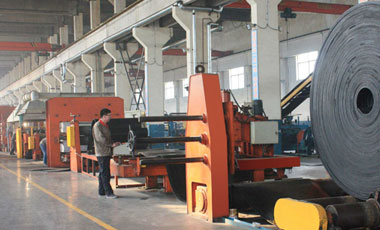
Fabric Conveyor Belt Production Line
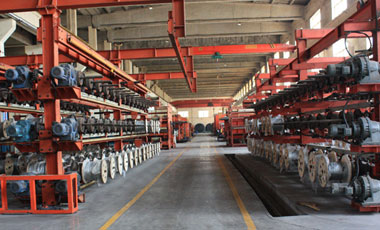
Steel Cord Conveyor Belt Equipment
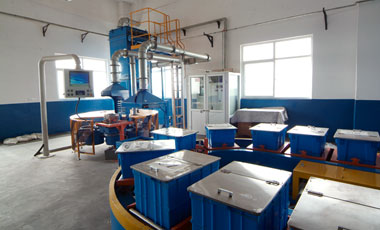
Mixing Center Proportioning Room
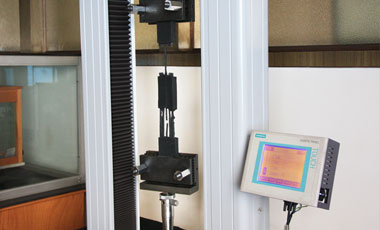
Steel Cord Pull-out Testing Machine
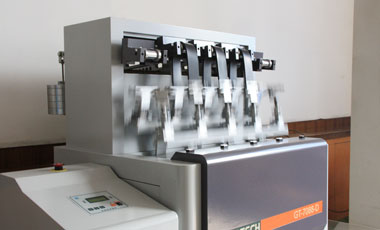
Dynamic Fatigue Tester
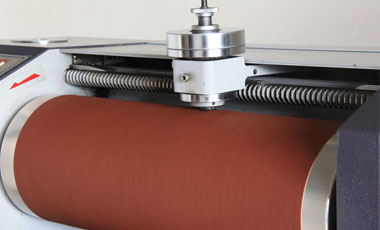
DIN standard Abrasion Tester
Sourcing your industrial materials from Hebei Boao Rubber Technology offers significant strategic advantages. Located in China's rubber industrial capital, we benefit from a complete upstream and downstream supply chain ecosystem. This gives us direct access to high-purity natural and synthetic rubber monomers, specialized steel wire suppliers, and advanced compounding agents. This local integration shields our production lines from unexpected swings in international raw material prices, allowing us to keep prices stable and reliable for our clients in Mumbai and globally.
Additionally, our shipping routes from the Port of Tianjin and Port of Qingdao offer direct, high-frequency access to Mumbai ports (JNPT and MbPT). With a container shipping time of 16 to 22 days, we can deliver custom-made belt orders quickly and keep your production lines moving. To support local operations, we maintain emergency storage buffer zones for our partner clients, ensuring that spare sections and splicing materials are available to prevent unexpected downtime.
Deploying our high-tensile material handling solutions to meet the demands of major mineral extraction, cement production, and infrastructure projects.
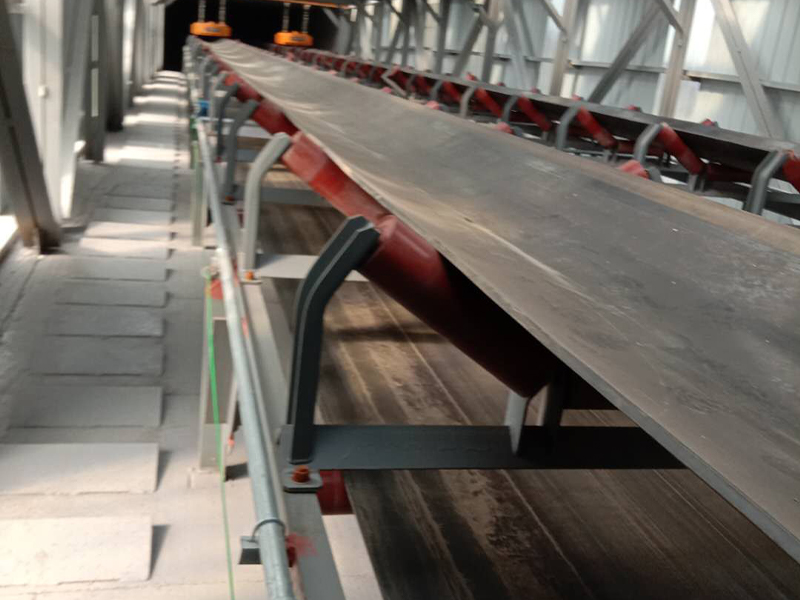
Taihang Steel Sintering Line
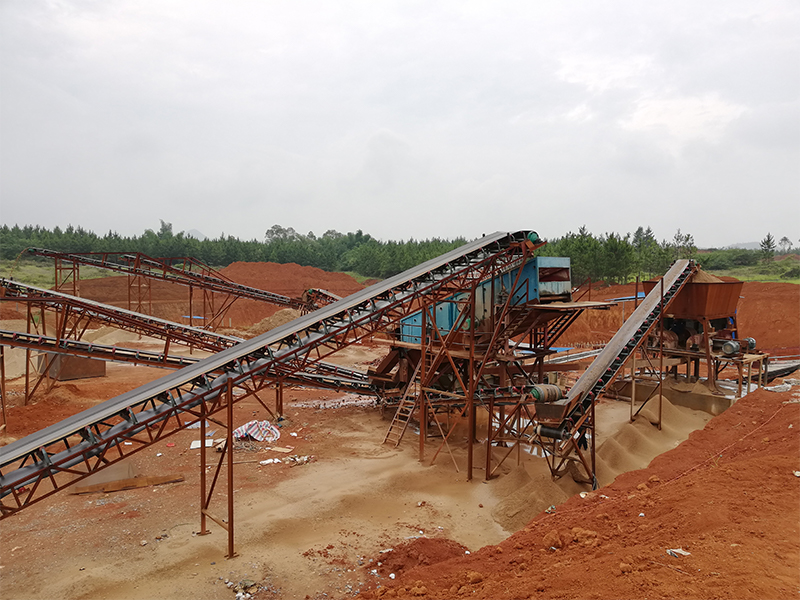
Tsingshan Group Smelting Plant
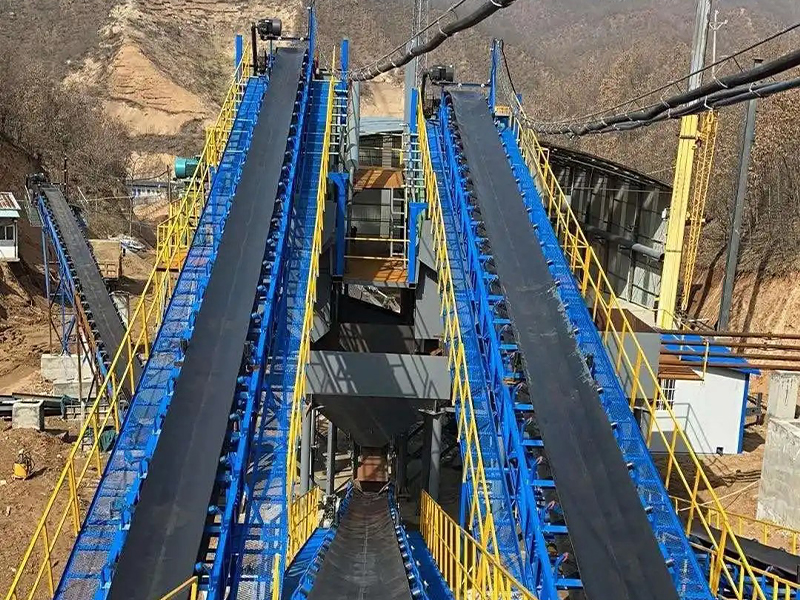
Zijin Mining Copper Ore Project
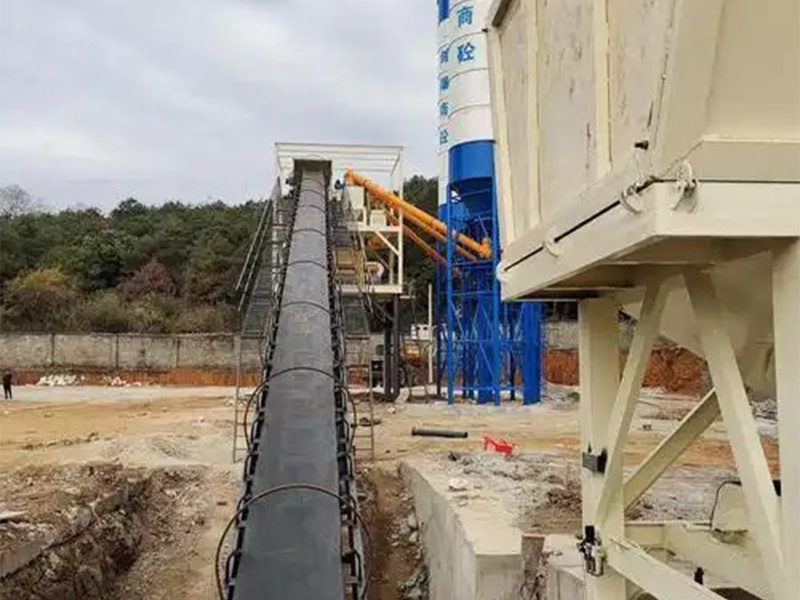
China Railway Group Mixing Plant
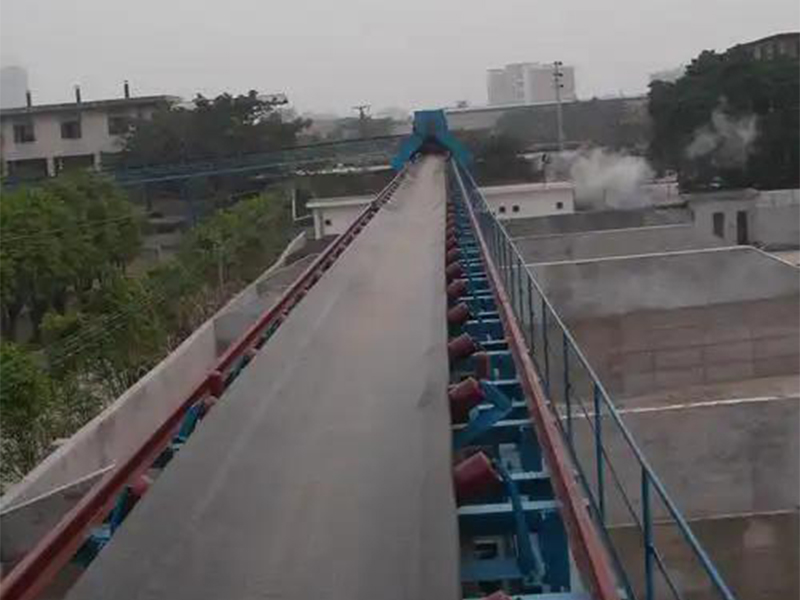
Conch Cement Dry Process Kiln
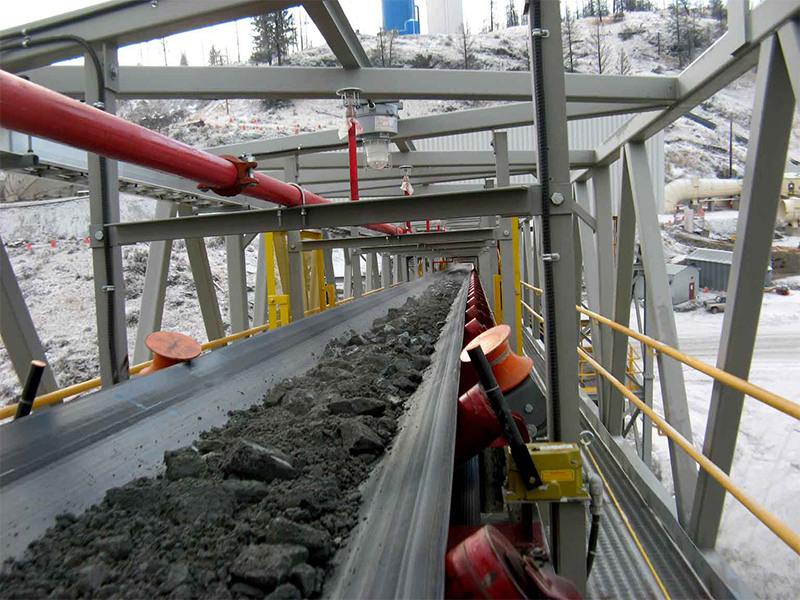
Datong Coal Mining Complex
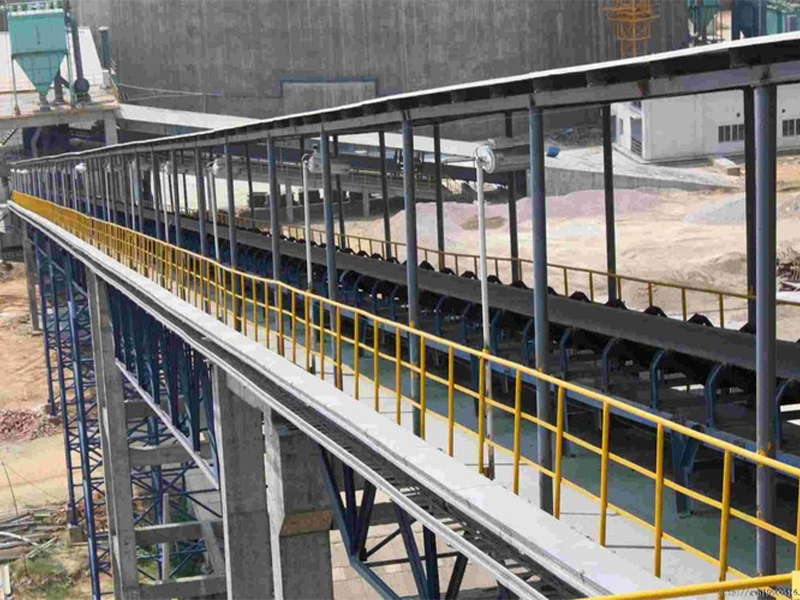
Jidong Cement Grinding Mill
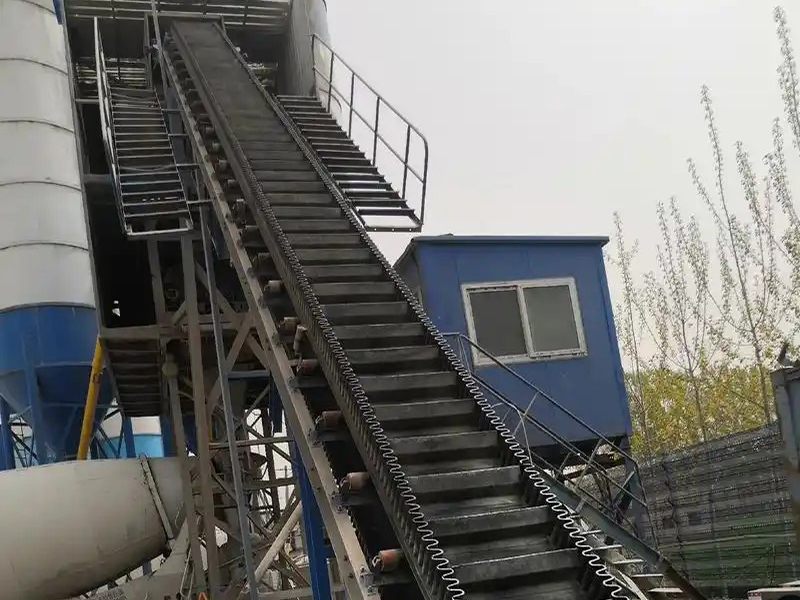
Puyang Steel Blast Furnace Feeds
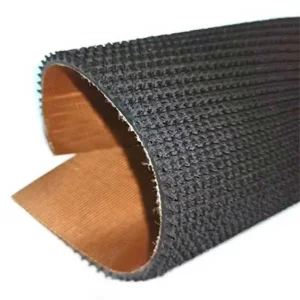
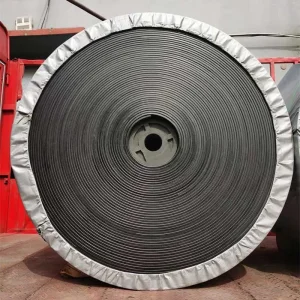
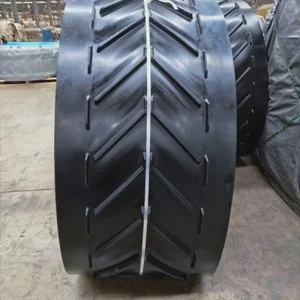
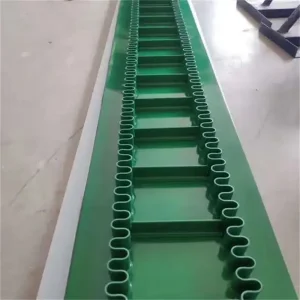
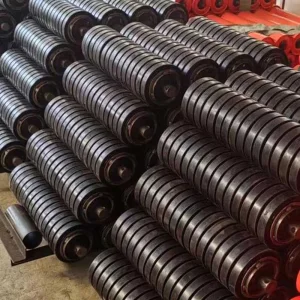
Explore our full range of high-performance fabric, patterned, and specialty rubber conveyor belts, engineered to meet international industrial standards.
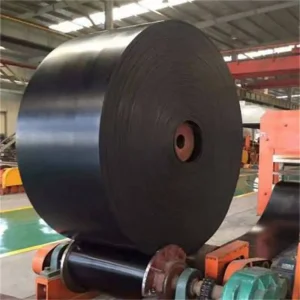
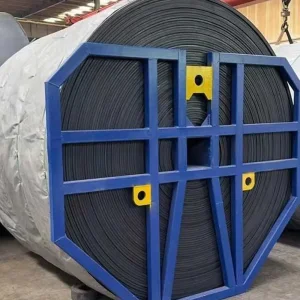
Installing and splicing a steel cord conveyor belt is a high-precision procedure. Unlike fabric belts, steel cord belts require dynamic vulcanized jointing, where individual steel cables are aligned and overlapping sections are cast in a vulcanizing press. Our technical service team provides detailed guidelines and support to ensure dynamic joint efficiency exceeds 90% of the nominal belt strength.
Our onsite assistance covers the entire installation cycle: from belt pull-in and tensioning design, to curing pressure and temperature management, through to alignment training and tracking tests. This structured approach helps prevent splice failures and ensures the long-term reliability of your conveyor system.
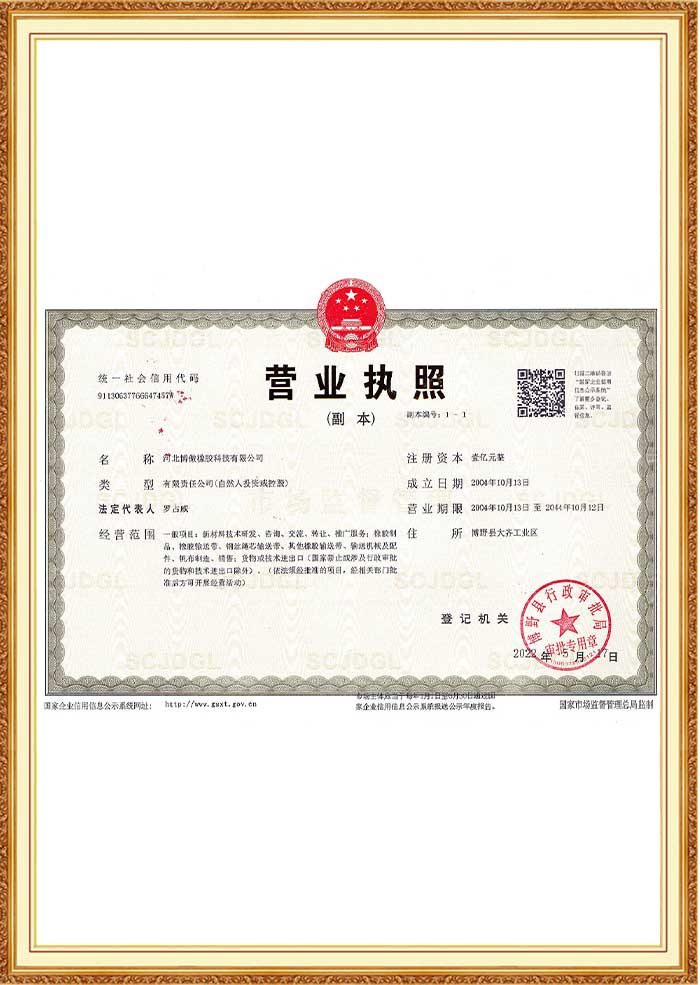
Our products are manufactured and certified to meet high-level industry quality standards.
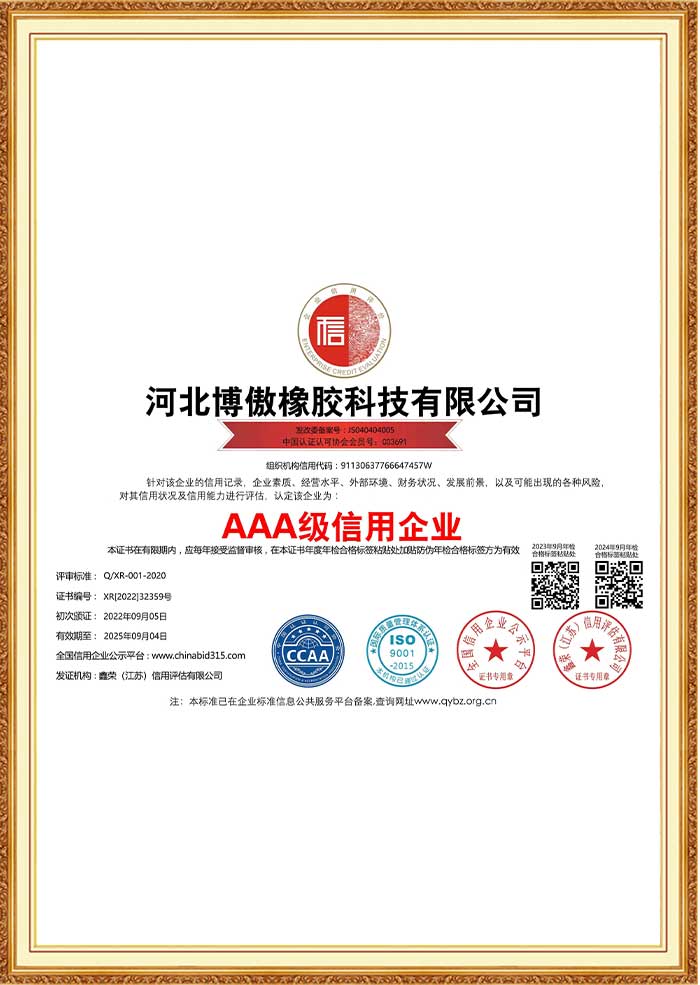
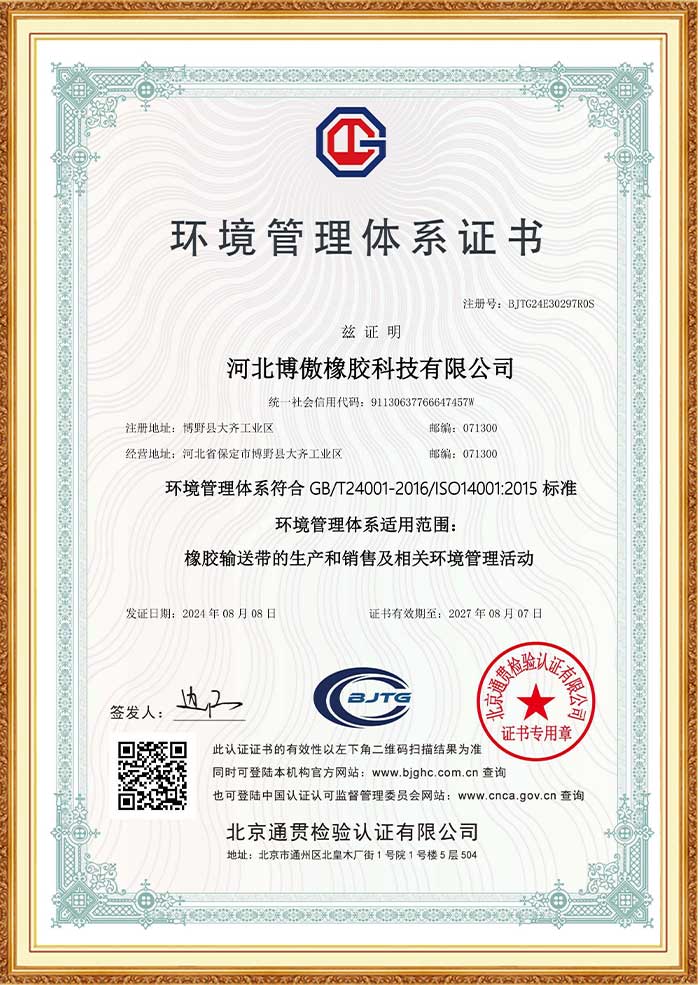
Our engineering team can assist you with system calculations, rubber cover compound choices, or splicing designs. Get in touch to discuss your project requirements and receive a detailed technical proposal.
 Boao Rubber