PVC-PU Lightweight Conveyor Belt Manufacturer & Supplier for Bangladesh

Precision-Engineered Thermoplastic Conveyor Belting for RMG, Pharmaceuticals, Food Processing & Logistics Industries

Primary Product Lineup for Bangladesh Markets

Engineered to withstand the demanding operating conditions of industrial zones in Dhaka, Chittagong, Gazipur, and Narayanganj.
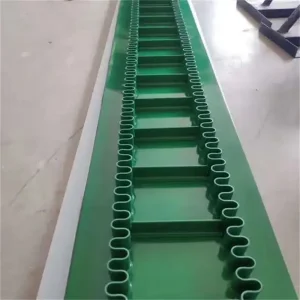
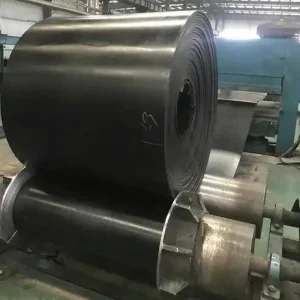
Best PVC-PU Lightweight Conveyor Belt for Bangladesh Industry

Premium PVC-PU Lightweight Conveyor Belt Solutions for Dhaka Manufacturing Plants

View Technical Specifications
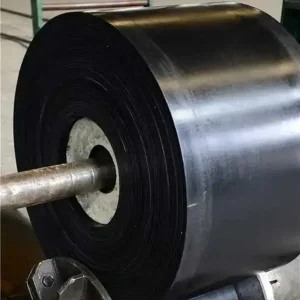
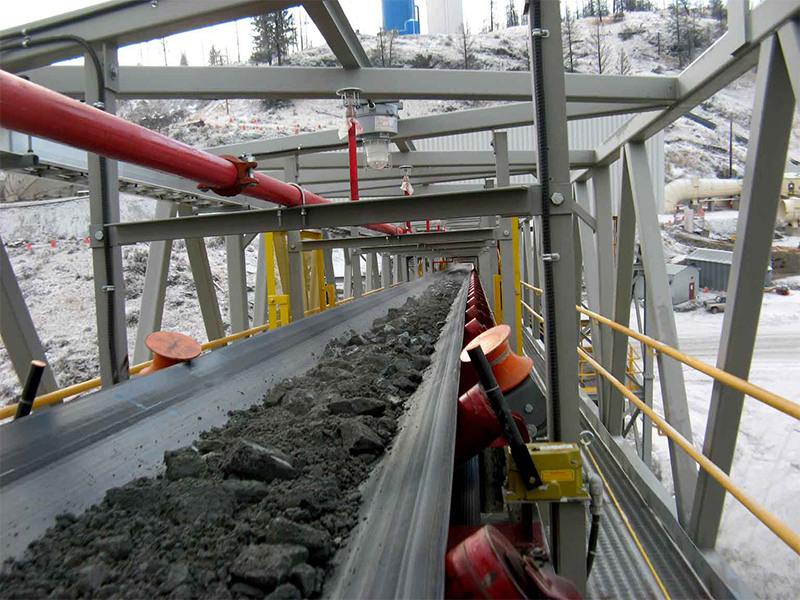
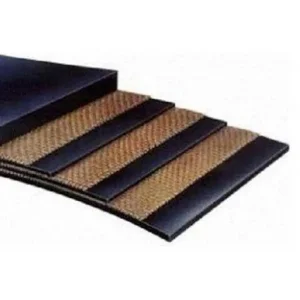
General-Purpose Rubber Conveyor Belt for Chittagong Port Bulk Handling

General-Purpose Rubber Conveyor Belts for Chittagong Port Bulk Handling Units

View Technical Specifications
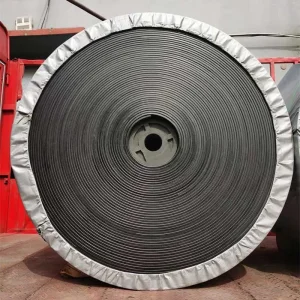
Acid and Alkali Resistant Conveyor Belts for Bangladesh Chemical Works

Acid & Alkali Resistant Conveyor Belts for Bangladeshi Fertilizer & Chemical Works

View Technical Specifications
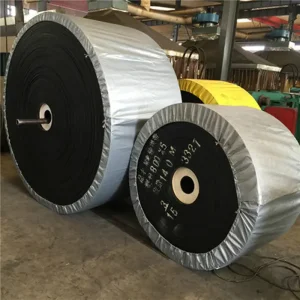
Corrosion Resistant Conveyor Belts for Wet-Process Chemical Plants

Corrosion Resistant Chemical Process Belts for Advanced Industrial Splicing

View Technical Specifications

Bangladesh's Industrial Boom and Modern Conveying Requirements

An in-depth analysis of the infrastructure demands, material handling standards, and mechanical challenges in key sectors.

As Bangladesh registers itself as one of Asia's most rapidly expanding industrial powers, its manufacturing topography is pivoting from manual labor setups to automated high-capacity throughput infrastructures. The modernizing hubs of Gazipur, Savar, Tongi, Narayanganj, and the special economic zones like the Mirsarai Economic Zone in Chittagong demand high-reliability materials handling equipment. Central to this operational upgrade is the performance of lightweight conveying systems—specifically based on Polyvinyl Chloride (PVC) and Polyurethane (PU) thermoplastic belts.

The Ready-Made Garments (RMG) Sector Transformation

The Ready-Made Garments (RMG) sector in Bangladesh is the second-largest apparel exporter globally. Modern garment sorting, automated cutting, assembly lines, packaging stations, and fabric processing facilities require specialized lightweight PVC and PU conveyor belts. These belts must feature anti-static properties (conforming to ISO 284 regulations) to prevent static discharge from damaging fine fabrics or attracting unwanted air pollutants. Furthermore, non-marking profiles and high-grip patterns are crucial for handling finished garments through steep inclines from the production floor directly to final carton packing bays.

FDA-Compliant PU Conveying in Bangladesh's Pharma & Food Industries

With Bangladesh aiming for global export dominance in pharmaceuticals, compliance with GMP (Good Manufacturing Practices) and US FDA regulations is critical. Top-tier pharmaceutical formulations by companies in Dhaka and Savar demand monolithic PU conveyor belts. These belts possess superior chemical resistance, zero microbial penetration, and easy-clean surfaces that tolerate harsh cleaning reagents. Similarly, in the food processing sectors (such as rice mills in Dinajpur, tea plantations in Sylhet, and snack processing units in Narayanganj), lightweight PU conveyor belts play an irreplaceable role in keeping production sanitary, preventing contamination, and facilitating high-speed operations.

Technical Architecture PVC vs. PU Polymer Belting

Understanding the molecular profiles, load limitations, and temperature tolerance thresholds of thermoplastic materials.

Selecting the correct conveyor belt requires understanding the material compound properties. Our Jinao brand engineered lines utilize premium raw materials, ensuring long-lasting performance even under high humidity and fluctuating industrial temperatures typical of Bangladesh.

Parameter / Material Property Polyvinyl Chloride (PVC) Conveyor Belts Polyurethane (PU) Conveyor Belts
Shore Hardness Range 70 Shore A to 90 Shore A (Highly flexible to semi-rigid) 85 Shore A to 98 Shore A (Extremely tough, abrasion-resistant)
Food Grade & Sanitary Approval Selected FDA-approved grades available (Primarily packaging) 100% FDA, USDA, and EU 10/2011 compliant (Direct contact food grade)
Oil & Solvent Resistance Moderate resistance to acids; sensitive to animal fats/mineral oils Exceptional resistance to organic/synthetic oils, fats, and chemical solvents
Minimum Pulley Diameter Requires larger pulley diameters compared to PU Ideal for micro-pulleys and knife-edge transfers (down to 5mm)
Tension Member (Fabric Core) Low-stretch polyester (EP), rigid weft, monofilament fabrics High-tensile polyester carcass for stable alignment and high load capacity
Primary Bangladesh Industries RMG packaging, logistics, airport baggage sorting, paper manufacturing Pharmaceutical production, food packaging, vegetable/fruit wash lines

Thermoplastic Splicing & Edge Processing

To ensure high uptime in industrial factories, Jinao PVC-PU conveyor belts utilize advanced splicing methods. We support Finger Splicing (Single/Double Finger), which maintains up to 90% of the belt's tensile strength, and Step Splicing for heavier processing lines. To protect the textile carcass from liquid ingress and bacterial growth, we provide customized edge sealing technologies including:

  • Fully Sealed Belt Edges (SmartEdge): Prevents fraying and thread contamination in cleanrooms.
  • V-Guides & Cleats (High-Frequency Welded): Thermoplastic guides welded directly to the base belt for precise tracking and steep vertical elevation of products.
  • Anti-Static & Low-Noise Backing: Infused with carbon fiber matrices to dissipate charge build-up on fast-moving conveyors.

Specialty Conveyor Systems & Structural Components

High-integrity handling solutions designed for demanding industrial operations and chemical exposure environments.
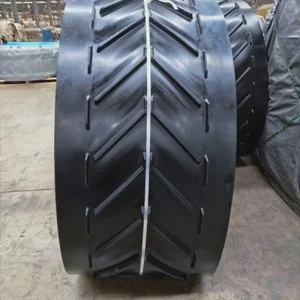
Patterned Rubber Conveyor Belt for Industrial Packaging

Non-Slip Patterned Conveyor Belts for Bangladesh Packaging & Warehouse Sorting

View Technical Specifications
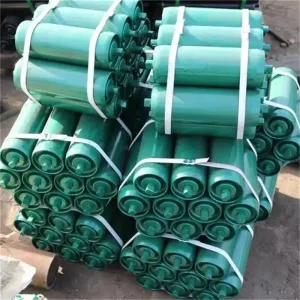
Trough Shape Conveyor Belt Idlers

Suspended Trough Shape Conveyor Belt Idlers for Heavy Bulk Systems

View Technical Specifications
Cold Resistant Conveyor Belts for Cold Storage

Industrial Cold-Resistant Conveyor Belts for Seafood & Meat Processing Facilities

View Technical Specifications
Heat-Resistant Conveyor Belts for Industrial Plants

High-Temperature Heat-Resistant Belts for Cement, Steel & Glass Plants

View Technical Specifications

Manufacturing Excellence Hebei Boao Rubber Technology

A trusted industrial partner with 22 years of certified quality control and global logistics solutions.

22+
Years Industry Experience
30+
Acres Production Facility
100%
Quality Laboratory Monitored
ISO
9001, 14001, 18001 Certified

Founded in 2004, Hebei Boao Rubber Technology Co., Ltd. (operating under our flagship brand "Jinao") is a specialized Chinese manufacturer of high-performance conveyor belting systems and matching accessories. Strategically located within the Rubber Industrial Park of Boye County, Baoding, Hebei Province, our facilities span a production footprint of over 30 acres.

We host advanced fabrication lines for rolling, calendering, high-temperature vulcanizing, and technical surface profiling. To support the global transition toward automated machinery, our laboratory features dedicated dynamic fatigue testing, chemical purity analysis, and polymer friction profiling, ensuring that every shipment meets strict quality controls before departure to international ports like Chittagong.

Global Collaborations & Industrial Footprint

Our solutions have been implemented across diverse industries worldwide, proving reliable under extreme operational stress. Some of our key global partners and industrial cases include:
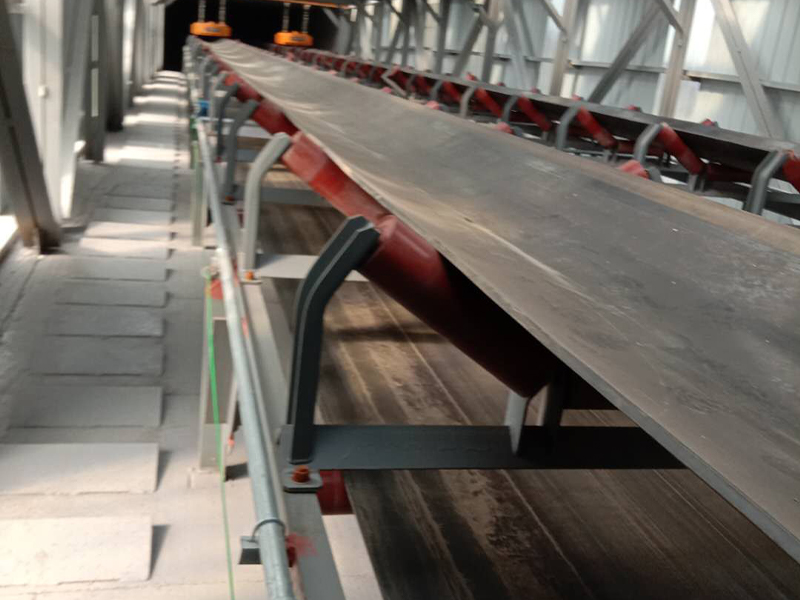
Taihang Steel

Taihang Steel Heavy Transport

Tsingshan Group

Tsingshan Group Mining Lines

Zijin Mining

Zijin Mining Bulk Splicing

China Railway Group Mixing Plant

China Railway Mix Plant Line

Conch Cement

Conch Cement Dry Splicing

Datong Coal Group

Datong Coal Handling Project

Jidong Cement Group

Jidong Cement Transport Line

Puyang Steel Group

Puyang Steel Processing System

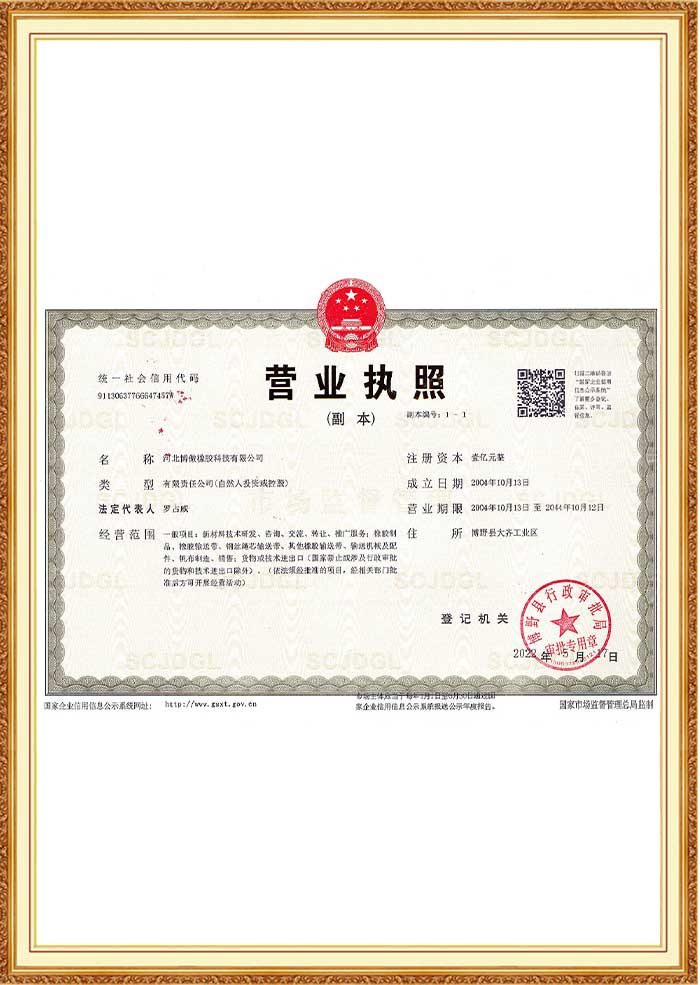
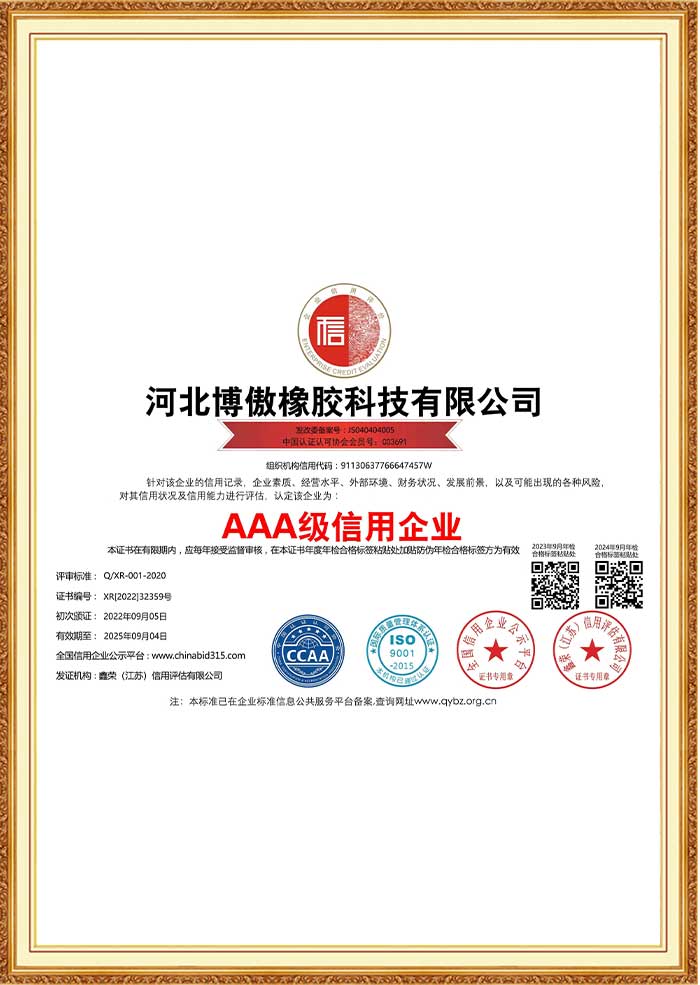
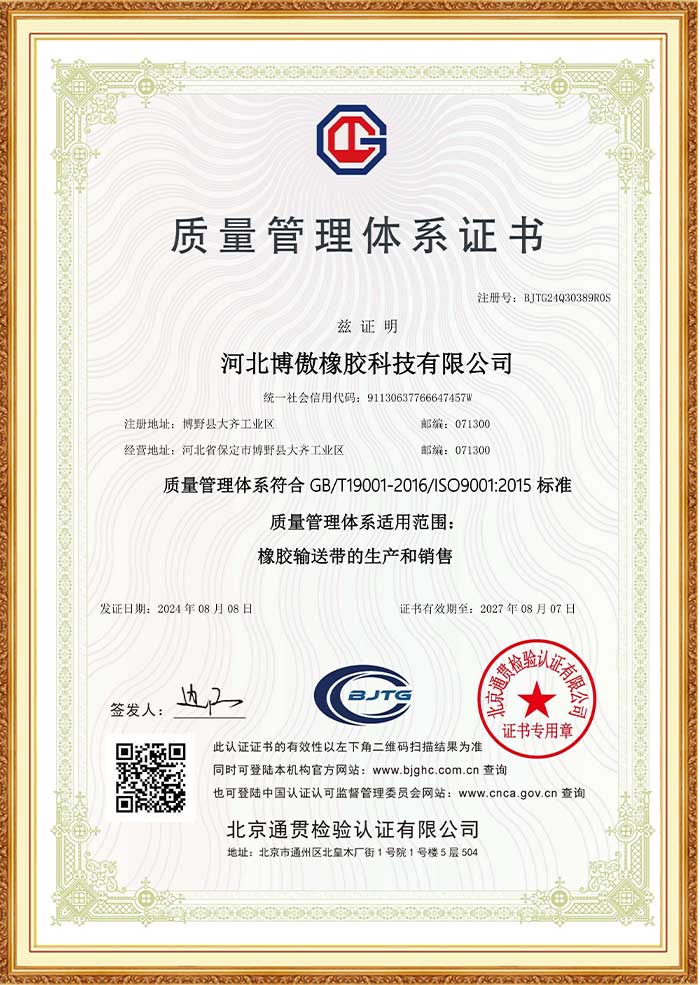
International Quality Certifications

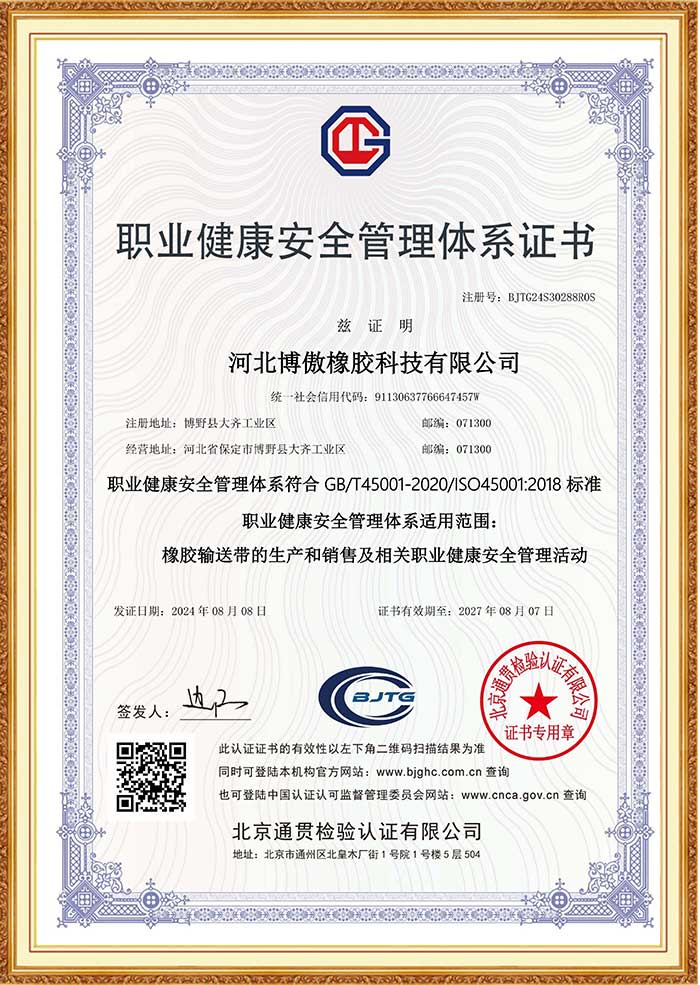
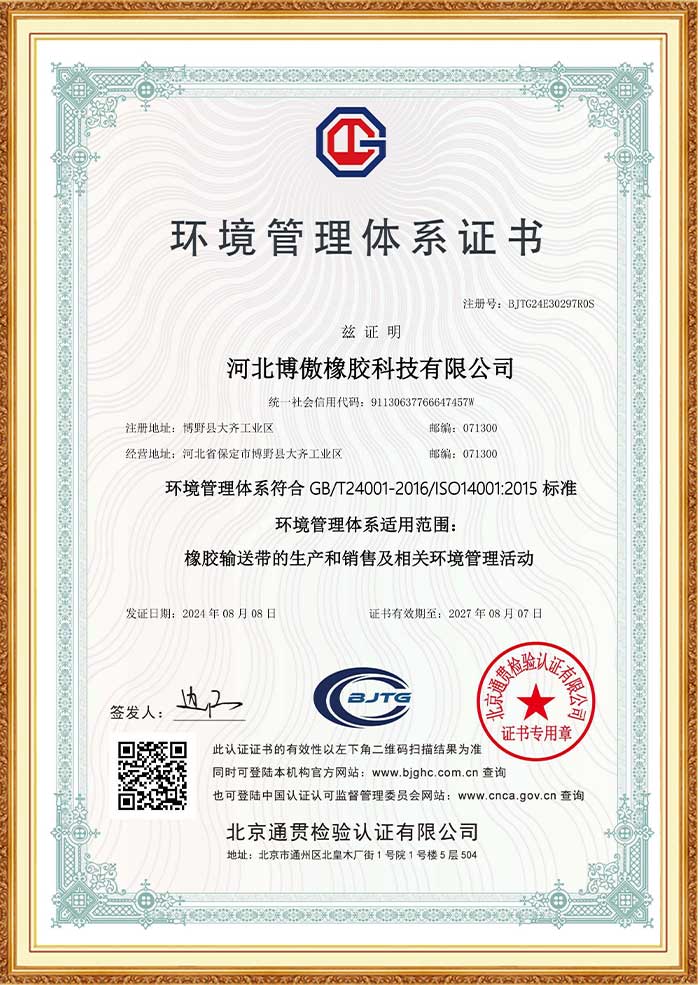
Our quality management is aligned with international standards. We maintain strict certifications across safety, environmental, and physical performance parameters to satisfy international trade compliance requirements:
API Certification 1
ISO Certification 1
ISO Certification 2
ISO Certification 3
CE Certificate

Global Trends: Carbon Neutrality & Cleanroom Automation

Integrating antimicrobial polymers, eco-friendly materials, and smart sensors into modern conveyor operations.

The global materials handling industry is transitioning toward eco-efficiency, energy preservation, and smart sensor integration. In response, modern conveyor belts must meet stricter environmental and efficiency standards:

  • Energy-Saving Thermoplastic Compounds: Our low-weight PVC-PU belts reduce conveyor system power consumption by up to 15% compared to traditional heavy-ply rubber, minimizing energy use in large factories.
  • Antimicrobial Nano-Coatings: Applied directly to food-grade PU belts to inhibit the growth of mold and bacteria in humid climates, keeping food products fresh and extending belt service life.
  • Monolithic TPU Belts: Unlike traditional fabric-reinforced belts, monolithic TPU contains no internal fabric layers, eliminating the risk of fraying or contamination in high-hygiene pharmaceutical applications.

Heavy-Duty Bulk Handling & Component Systems

Advanced conveyor belts and supporting accessories engineered for high-impact industrial operations.
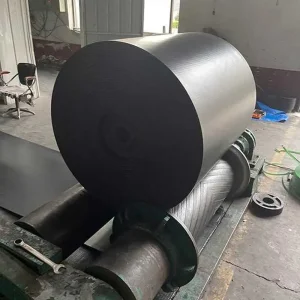
Cold Resistant Rubber Conveyor Belt for Demanding Logistics

Engineered Cold-Resistant Conveyor Belts for Cold Storage & Food Sorting

View Technical Specifications
Flame Retardant Conveyor Belt for Hazardous Environments

Flame-Retardant Safety Conveyor Belts for Port Warehousing & Cargo Sorting

View Technical Specifications
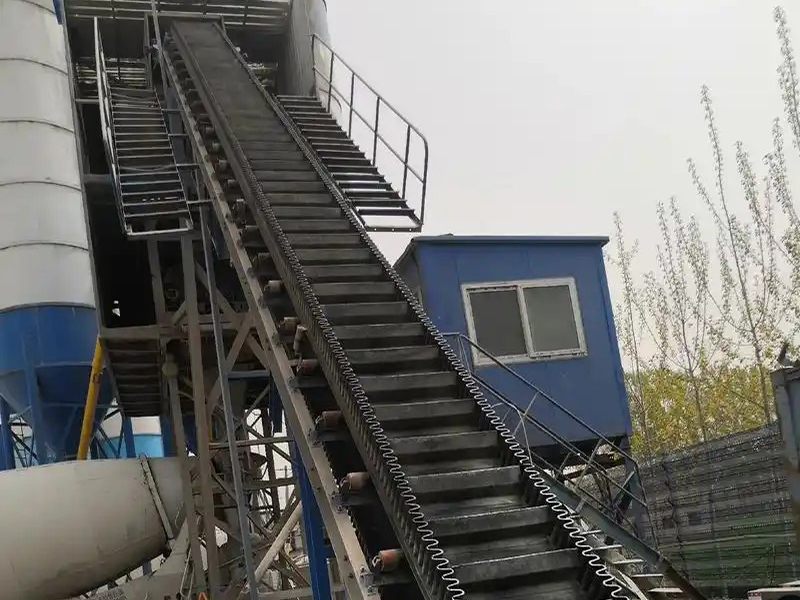
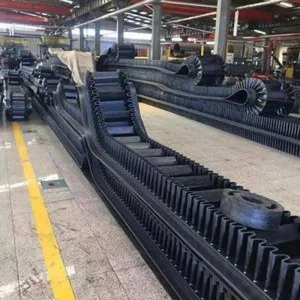
High Angle Wavy Edge Conveyor Belt for Grain Elevators

Steep-Incline High Angle Wavy Edge Conveyor Belts for Grain Elevators

View Technical Specifications
Reliable High Angle Wavy Edge Rubber Conveyor Belt

High-Stability Sidewall Wavy Edge Rubber Belts for Continuous Grain Elevators

View Technical Specifications
Advanced Flame Retardant Conveyor Belt

Self-Extinguishing Flame Retardant Rubber Conveyor Belts for Energy Plants

View Technical Specifications
Conveyor Trough-Type Idler Rollers

Trough-Type Conveyor Idler Rollers for Optimized Bulk Material Support

View Technical Specifications
Best Acid and Alkali Resistant Conveyor Belt

Chemical-Resistant Corrosion-Proof Belts for Wet-Processing Metallurgy

View Technical Specifications
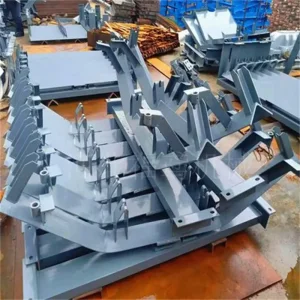
Conveyor Belt Idler Roller Brackets

Custom-Engineered Conveyor Roller Bracket Assemblies for Heavy Frameworks

View Technical Specifications

Expert Procurement Q&A: PVC-PU Conveyor Systems

Technical guidance and engineering answers for industrial projects in Bangladesh.

What are the primary performance differences between PVC and PU conveyor belts for food contact?
PU (Polyurethane) belts are ideal for direct food contact due to their high oil resistance, low chemical migration, and ability to handle micro-pulleys down to 5mm. They resist animal fats, vegetable oils, and harsh cleaning agents, complying with strict US FDA and EU 10/2011 standards. PVC (Polyvinyl Chloride) belts are cost-effective, versatile, and suitable for secondary packaging, dry foods, and general transport, though they are less resistant to oils and fats than PU.
How does high ambient humidity in Bangladesh affect thermoplastic conveyor belt performance?
High ambient humidity can cause mold growth and fiber degradation in standard belts. Jinao's lightweight PVC-PU belts feature fully sealed edges and antimicrobial polymer covers, preventing moisture absorption and protecting the internal polyester fabric core from microbial decay.
What safety certifications should garment factories require for sorting and packaging lines?
Garment factories should prioritize antistatic properties conforming to ISO 284. This prevents static buildup from fast-moving fabrics, reducing dust accumulation and fire hazards. Additionally, non-marking covers are recommended to avoid staining fabrics.
Which splicing method is best for lightweight PVC-PU belts to ensure high runtime?
For lightweight thermoplastic belts, hot-air vulcanized Finger Splicing (Single or Double Finger) is highly recommended. It creates a smooth, flexible joint that maintains up to 90% of the belt's tensile strength, running smoothly over small pulleys. For fast, temporary repairs, mechanical fasteners can be used, though they are less hygienic.
How can I request custom cleats and tracking guides for steep-incline systems?
Jinao offers customized thermoplastic profiles, including T-cleats, C-cleats, and V-guides, welded directly to the base belt using high-frequency welding. This ensures durable bonding that resists tearing under load. Contact our technical team with your incline angles, material specifications, and pulley configurations for tailored options.

Secure High-Performance Conveying Solutions Today

Consult with our engineering and logistics specialists. We offer custom designs, technical support, and reliable shipping to all industrial zones in Bangladesh.

Send Inquiry Now