Engineered for high efficiency, durability, and standard compliance. Discover our top-selling models designed for Paris and global industrial markets.
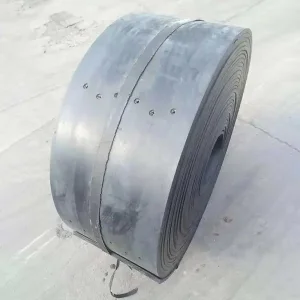
The Île-de-France region, with Paris at its core, is undergoing a profound industrial transition. Driven by rapid urban logistics growth, strict compliance to European Union food contact hygiene rules (regulation EC 1935/2004 and EU 10/2011), and high sustainability directives, the demand for precision engineered PVC and Polyurethane (PU) conveyor belts has surged.
In logistics centers and automated sorting facilities throughout Paris and suburbs like Marne-la-Vallée, lightweight PVC belts play a key role in ensuring smooth operations, low noise emissions, and high-speed throughput. Meanwhile, the region's famous gourmet food sector, including industrial bakeries, confectioneries, and high-capacity processing plants, relies heavily on high-grade PU belts. These belts offer exceptional resistance to animal fats, vegetable oils, and harsh cleaning agents, satisfying the stringent hygiene protocols required by French safety standards.
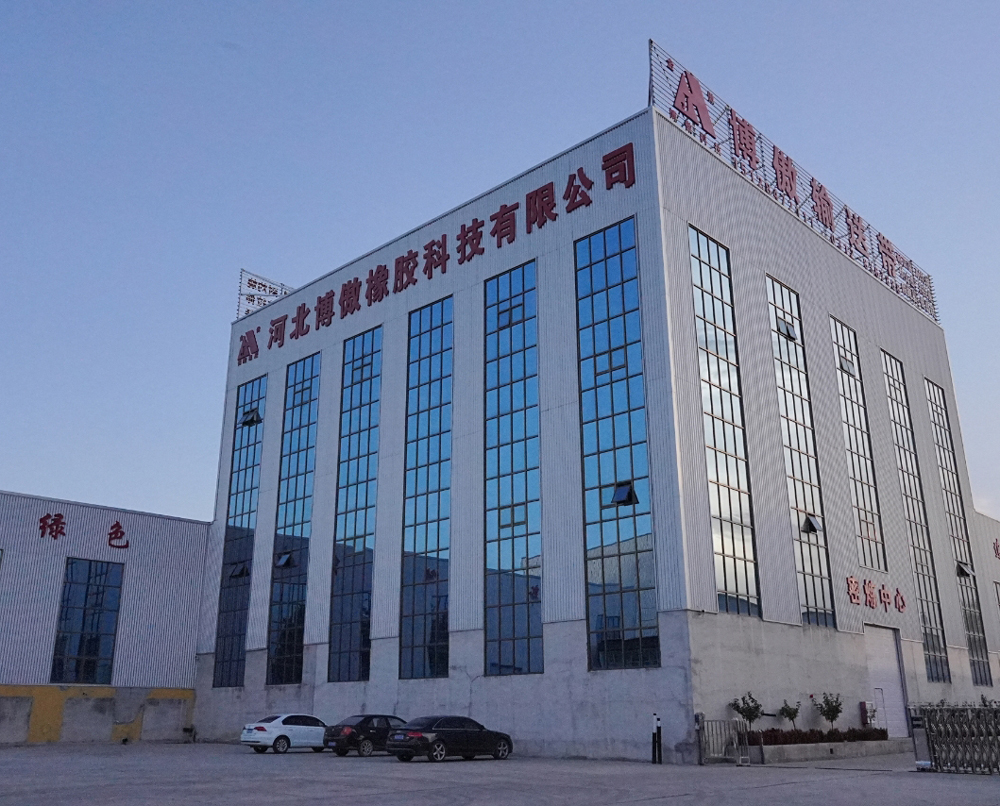
Combining domestic heavy-duty reliability with European refinement. Discover how Hebei Boao Rubber Technology Co., Ltd. serves high-precision markets worldwide.
Founded in 2004, Hebei Boao Rubber Technology Co., Ltd. operates a state-of-the-art facility spanning over 30 acres in Boye County Industrial Park. Operating under our premium brand "Jinao", we blend rigorous chemical R&D with advanced physical testing methods. Our mission is to bridge the gap between heavy industrial longevity and delicate, high-grade lightweight processing requirements.
Equipped with an independent physical testing lab and a chemical analysis facility, we verify all raw material shipments before production begins, ensuring zero defects reach the line.
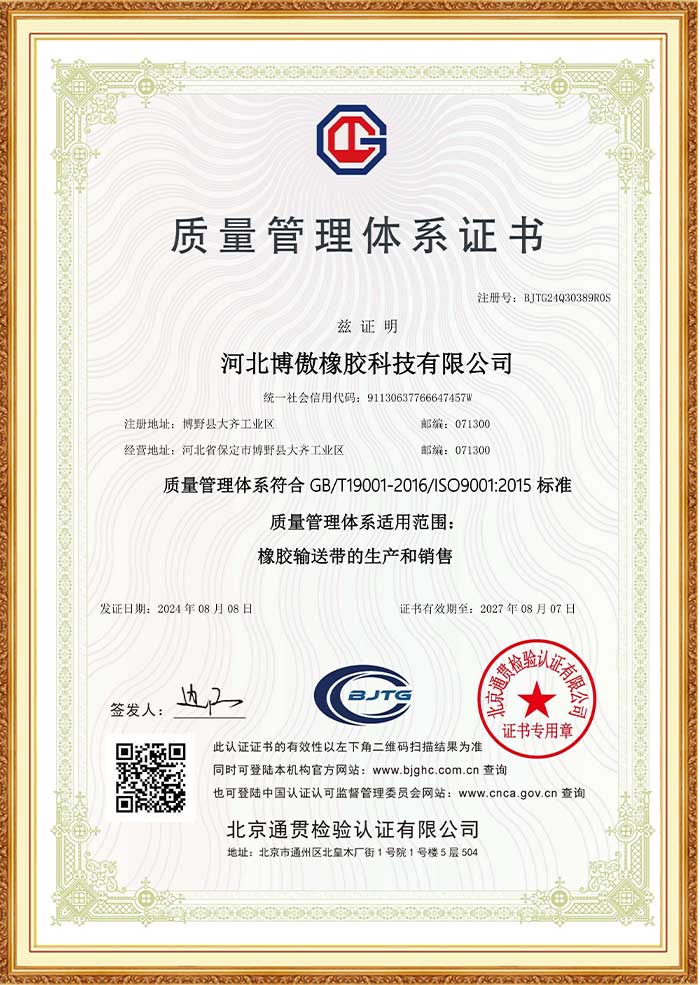
Our production complies with ISO9001, ISO14001, ISO45001, CE, and FDA food grade materials directives, satisfying European safety requirements.
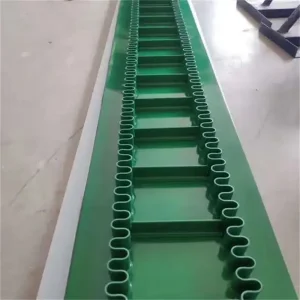
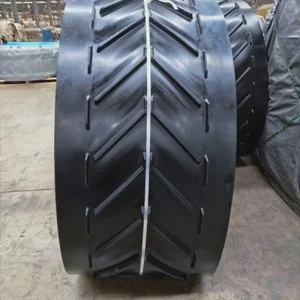
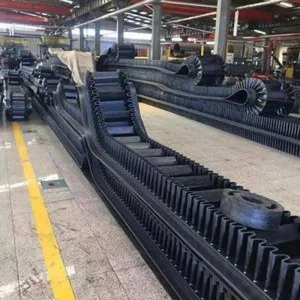
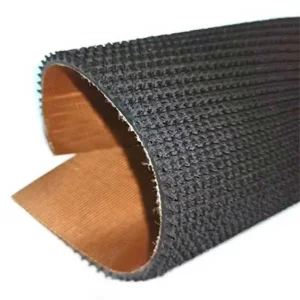
We supply exact widths, thicknesses, cleat patterns (Chevron, Concave/Convex, Herringbone), and anti-static ratings customized for your specific conveying framework.
Years of Industrial Innovation
Acres of Advanced Manufacturing Space
Annual Production Capacity (Meters)
Countries Supplied Globally
Understand the precise chemical divergence, applications, and technology roadmap for modern light-duty polymer belts.
Selecting the optimal polymer compound is essential for maximizing conveyor service life, maintaining energy efficiency, and preventing contamination. Our engineering team has developed specialized formulations for both PVC and PU compounds, designed to address distinct operational demands in the Paris packaging and logistics corridors.
| Property Parameter | Polyvinyl Chloride (PVC) Belting | Polyurethane (PU) Belting |
|---|---|---|
| Chemical Structure | Synthetic plastic polymer with plasticizers for flexibility. | Thermoplastic elastomer with cross-linked molecular chains. |
| Abrasion & Cut Resistance | Moderate. Suitable for packages, paper, bulk grains, and light cargo. | Exceptional. Resistant to sharp edges, hard granules, and constant friction. |
| Oil & Fat Resistance | Poor to moderate. Can degrade or swell when exposed to organic fats. | Outstanding. Hydrocarbon, grease, fat, and light chemical resistant. |
| Temperature Tolerance | -10°C to +80°C (Standard operating environments). | -30°C to +110°C (Excellent for baking or cryogenic chilling lines). |
| Eco-Friendly / Food Contact | Requires specific non-toxic plasticizers to meet basic FDA standards. | Inherently non-toxic, odorless, plasticizer-free. Highly recommended for direct food. |
| Primary Paris Sectors | Marne-la-Vallée E-Commerce Hubs, Airport baggage handling. | Paris industrial bakeries, cosmetic production lines, pharmaceutical labs. |
Developing corn-starch and plant-derived polymer bases for PVC replacements, targeted directly at reducing carbon taxes for European distributors.
Eliminating exposed fabric fibers along the belt edges through mechanical sealing methods. This prevents product contamination and improves hygiene in food production.
Embedding RFID and thermal monitoring tags directly within the belt layers to track real-time wear, tension variations, and pinpoint early failure risks.
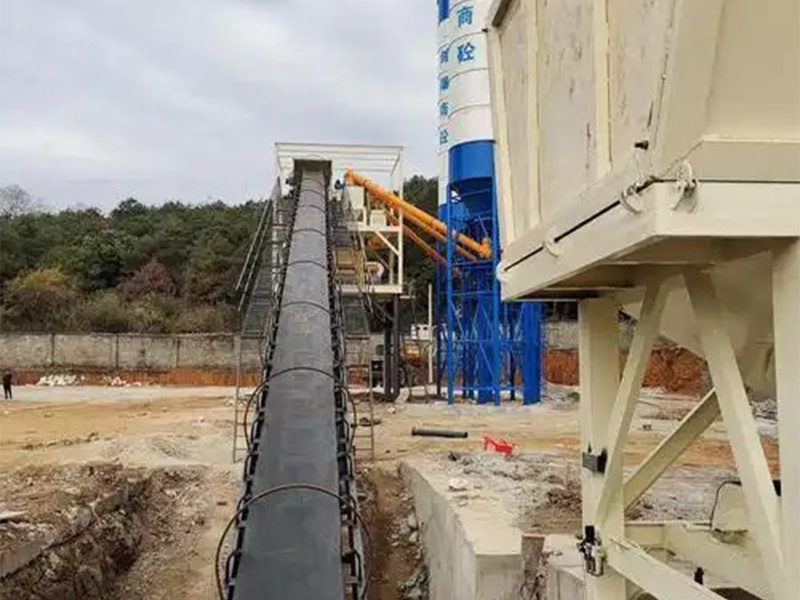
Real-world validation of "Jinao" conveyor systems in high-capacity infrastructure and material handling applications.
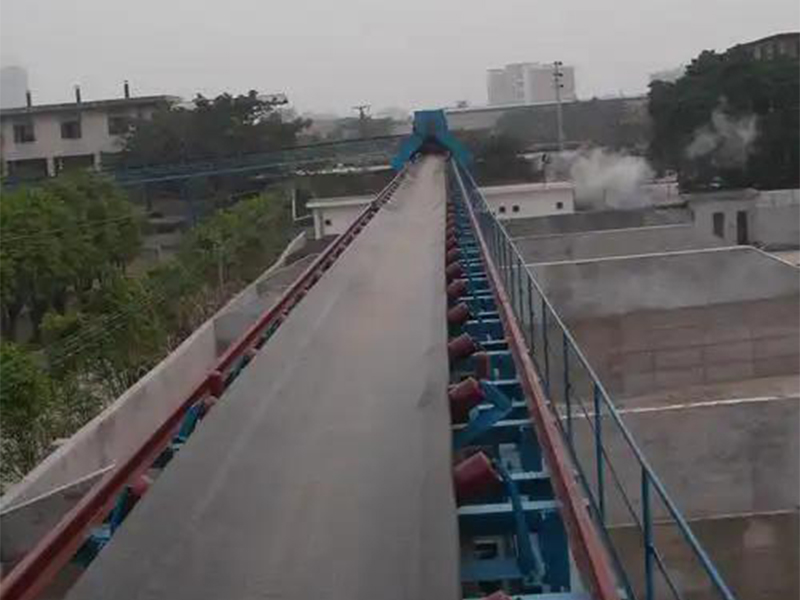
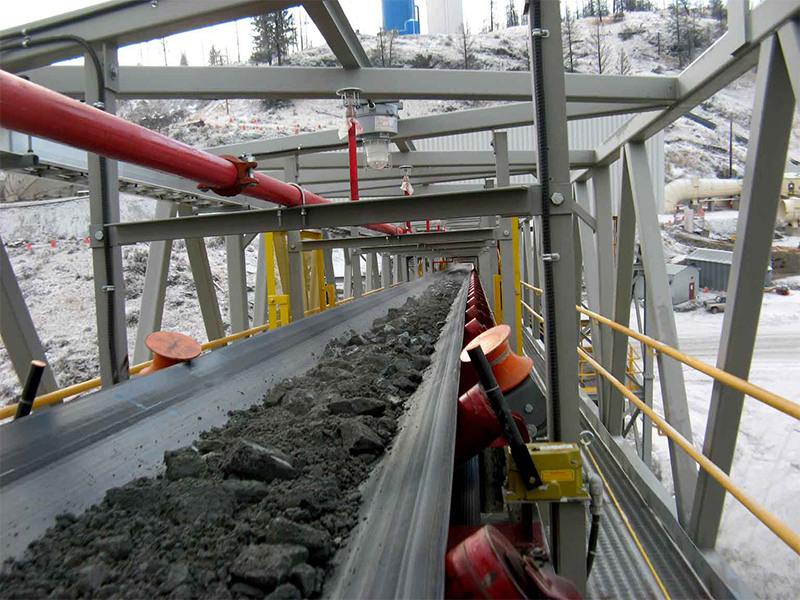
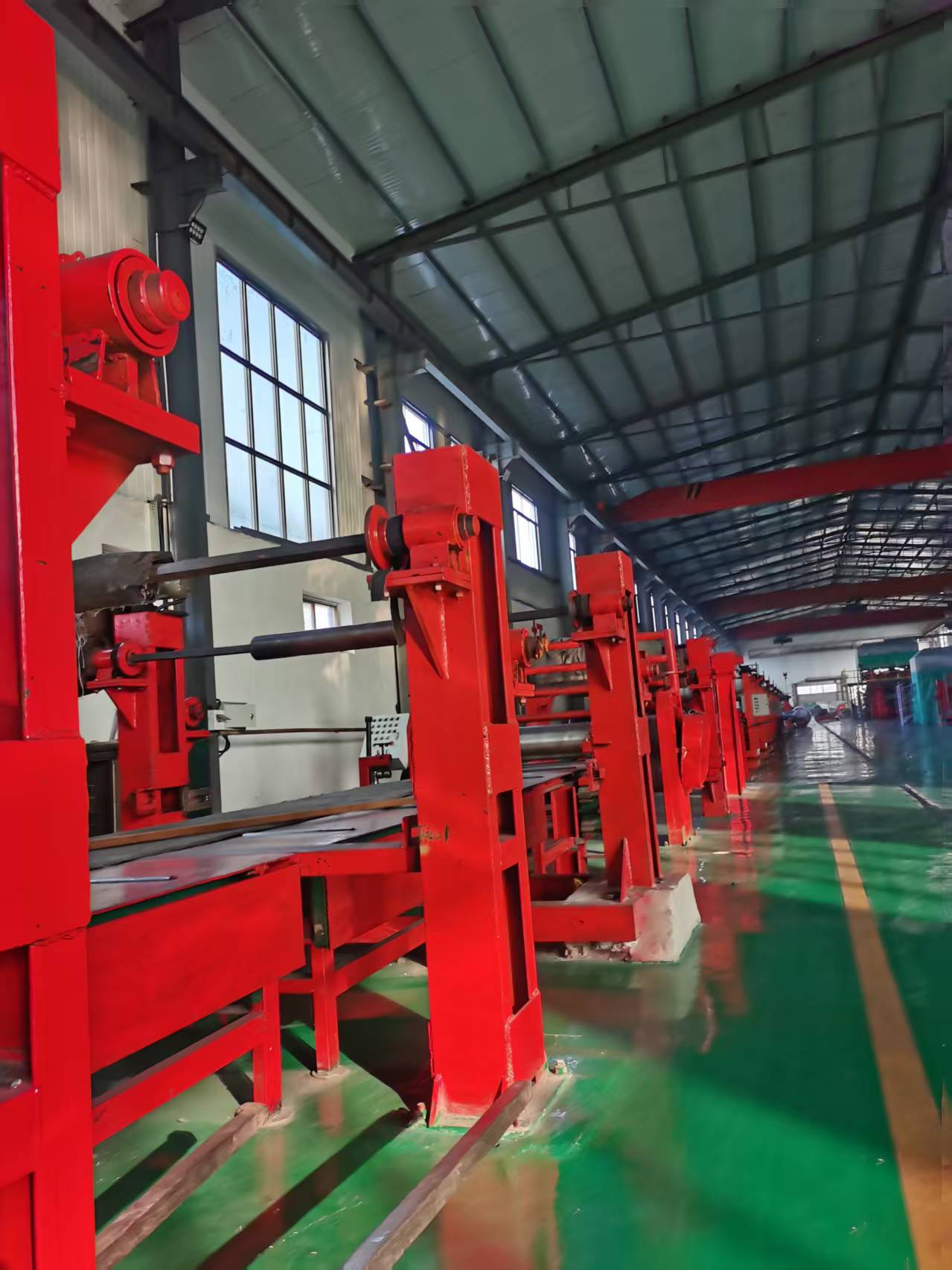
We do not just sell products; we deliver comprehensive engineering solutions. Our technical service plan ensures your production lines maintain optimal efficiency with minimal unplanned downtime.
Assisting your local engineering teams in Paris with finger-jointing, overlap splicing, and mechanical fast fastener techniques for secure installations.
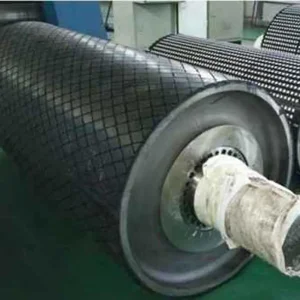
Helping you resolve tracking errors, belt slippage, and excessive stretch with optimized pulley lagging, roller selection, and proper tension configurations.
Providing physical verification of product reliability before shipping.
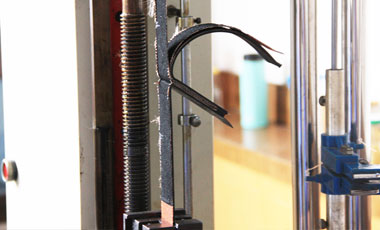
Peeling Adhesion Test
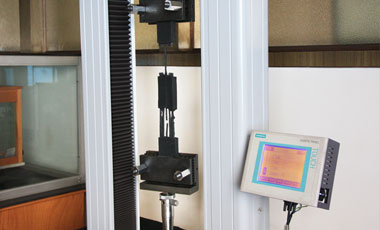
Steel Cord Pull-out Tester
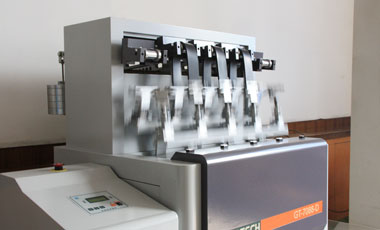
Dynamic Fatigue Tester
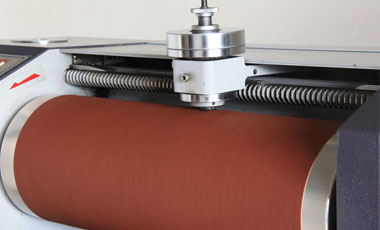
Abrasion Index Tester
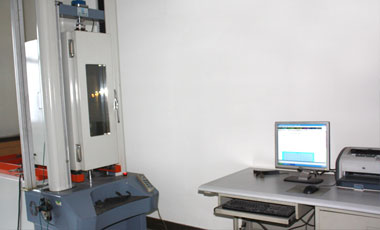
Tensile & Elongation Testing
From specialty edge-sealed designs to high-temperature configurations and idler roller systems.
Clear, direct answers regarding raw material engineering, European standards, logistics, and performance customization.
Connect directly with our senior polymer engineers and regional distribution partners to receive technical drawings and material samples.
Send Inquiry Now Boao Rubber