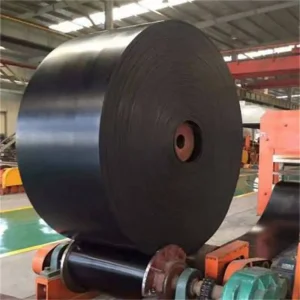
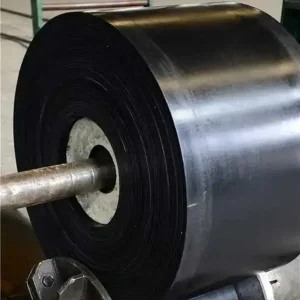
Pipe Conveyor Belt Manufacturers & Factory in the Osaka Market

Providing Advanced Enclosed Material Handling Solutions to the Sakai-Senboku Industrial Zone and Global Supply Chains

Featured Conveyor Systems for the Osaka Market

Engineered for extreme wear, eco-friendly containment, and high-efficiency logistics across Osaka port terminals.
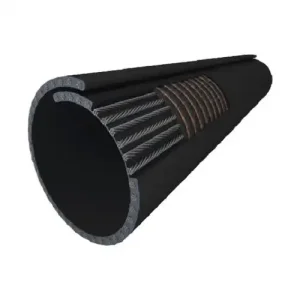
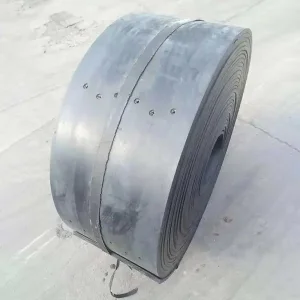
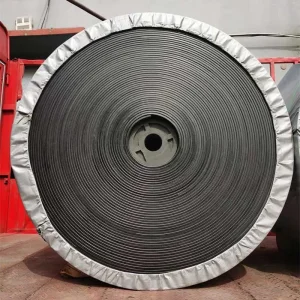
China Pipe conveyor belt Manufacturers, Suppliers

High-Performance Pipe Conveyor Belt for Osaka Port Terminal

View Technical Specifications →
China Rubber Lifting Conveyor Belt Suppliers

Heavy-Duty Rubber Lifting Conveyor Belt for Sakai Cement Plants

View Technical Specifications →
China Cold Resistant Rubber Conveyor Belt Suppliers

Cold Resistant Rubber Conveyor Belt for Kansai Cold Storage Logistics

View Technical Specifications →
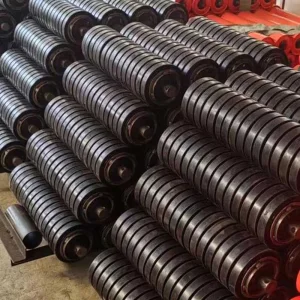
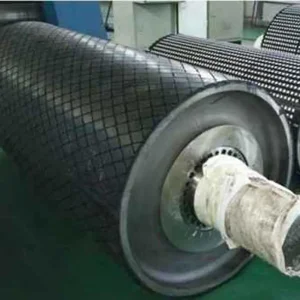
China Suppliers Factory Rubber Buffer Idler Roller

Conveyor Buffer Idler Roller for Corrosive Industrial Environments in Osaka Bay

View Technical Specifications →

Osaka Industrial Paradigm: The Environmental Shift in Material Handling

The Hanshin Industrial Region, centered around the Osaka Prefecture, stands as one of the most critical heavy-industrial corridors in East Asia. From the sprawling steel factories in Sakai and the oil refineries of the Senboku coastal zone to the thermal power stations along Osaka Bay, bulk material transportation is a foundational requirement. Historically, standard open trough conveyor systems served these industries, but rapid urbanization, coastal preservation initiatives, and the implementation of the Japanese Air Pollution Control Act have triggered a massive technological transition.
Modern operations in the Osaka market can no longer tolerate material spillage, dust emissions, or contamination. Enclosed conveying systems have shifted from a premium option to a mandatory compliance standard. In this landscape, the pipe conveyor belt (also known as the tube conveyor) has emerged as the ultimate choice. By forming a sealed, cylindrical tube around materials like coal, iron ore, clinker, and chemical powders, these belts protect both the environment from industrial dust and the materials from outdoor moisture.
Furthermore, Osaka's coastal terminals must manage materials along narrow, irregular corridors that weave through densely built infrastructure. Standard straight conveyors require complex and expensive transfer towers to redirect lines. A high-quality pipe conveyor belt can handle tight 3D horizontal and vertical curves, reducing mechanical complexity and lowering installation footprint. This environmental and architectural suitability makes choosing a premier manufacturer a critical decision for local plant managers and engineers.
22+
Years Industry Experience
30+
Acres Production Complex
100%
Strict JIS/ISO Compliance
Jinao
Global Registered Brand

Company Profile & Expert Manufacturing Standards

Hebei Boao Rubber Technology Co., Ltd., established in 2004, is located in the Rubber Industrial Park of Boye County, Baoding, Hebei Province. Over the past 22 years, our facility has grown to cover more than 30 acres of dedicated production and testing space. Under our flagship brand "Jinao", we have built a reputational framework centered on structural research, formula design, precision calendering, and reliable vulcanization for industrial conveyor systems.
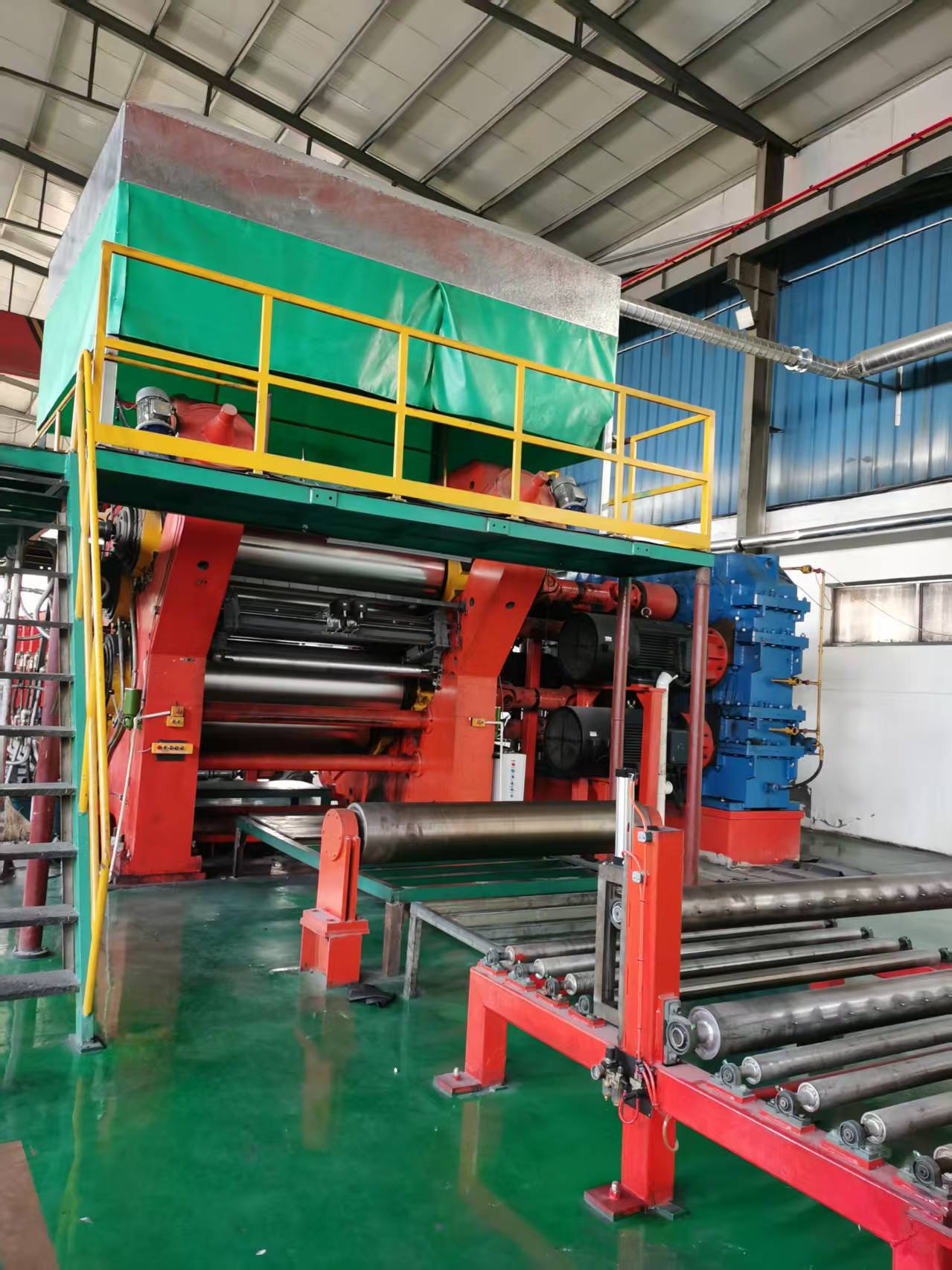
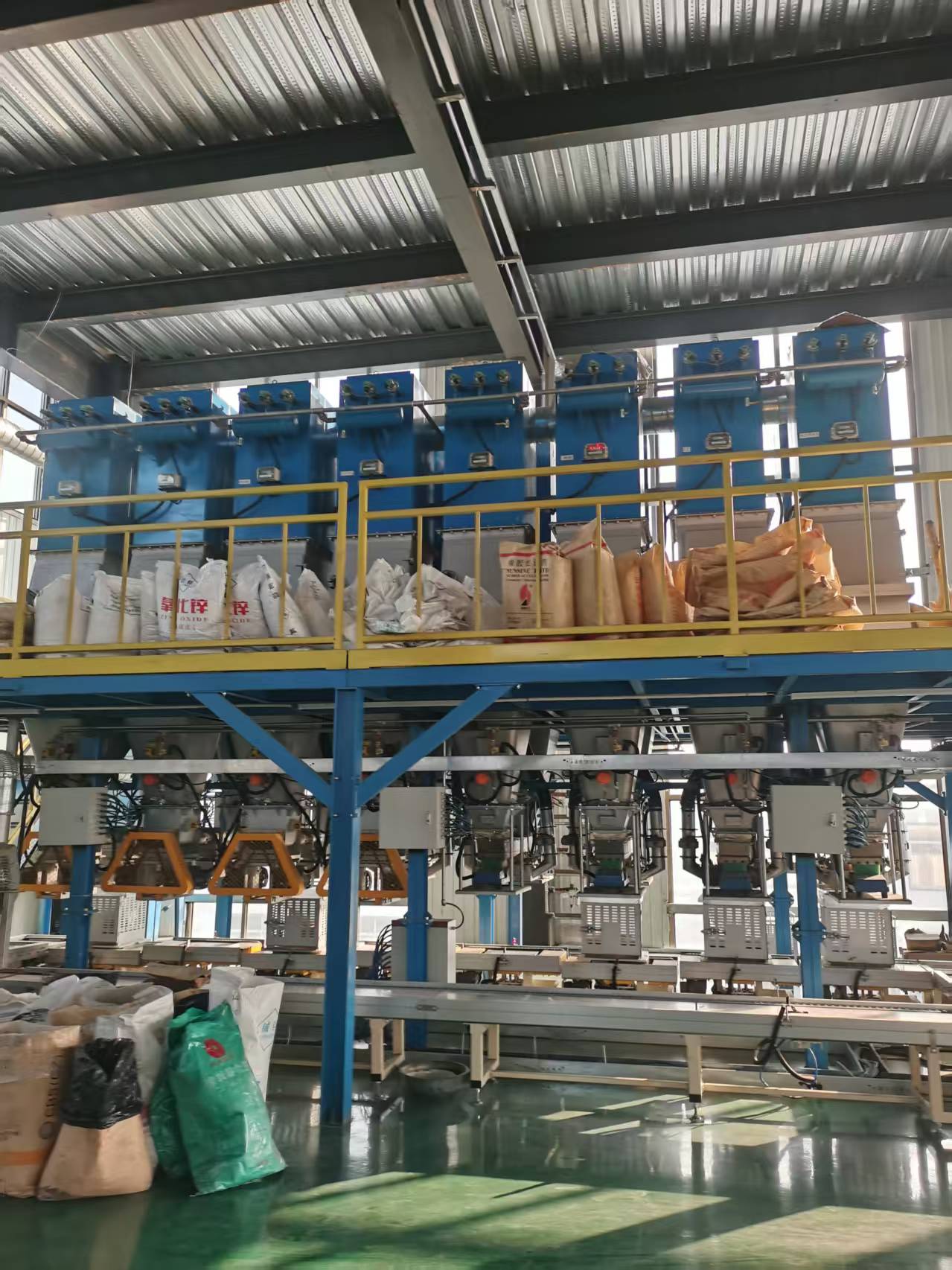
We integrate product development, engineering, and manufacturing under a single quality control standard. We operate advanced multi-roll calendering systems, high-tension forming machinery, and automated vulcanization presses. By controlling the complete lifecycle of our products, we guarantee that every foot of conveyor belt leaving our factory meets the demanding operational conditions of heavy metallurgy, power, and cement plants worldwide.

Independent Physical & Chemical Labs

Our facility houses advanced testing spaces evaluating vulcanization properties, rubber tensile strength, ozone aging resistance, and belt transverse stiffness to ensure optimal shape stability.

End-to-End Quality Control

From auditing raw polymers and steel cord tensile ratings to checking the gauge of calendered plies, we enforce strict controls to ensure unqualified products never leave our plant.

Technical & Localized Splicing

Our technical service plans include engineered replacement guides, splicing vulcanizer setups, and storage recommendations to extend structural life and operational reliability.

Our Global Certificates & Compliances

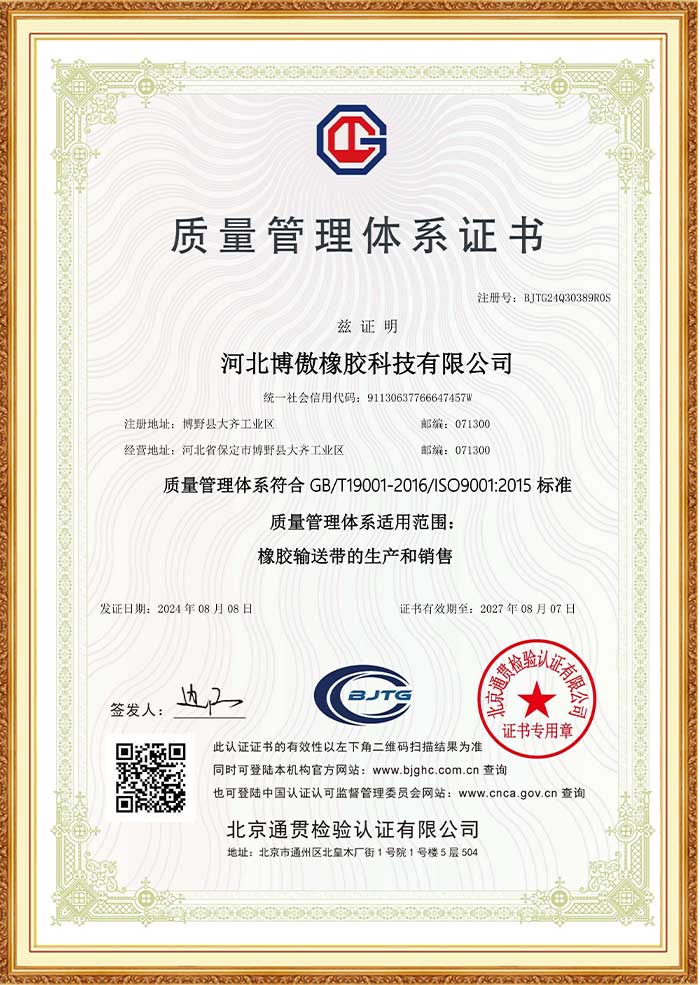
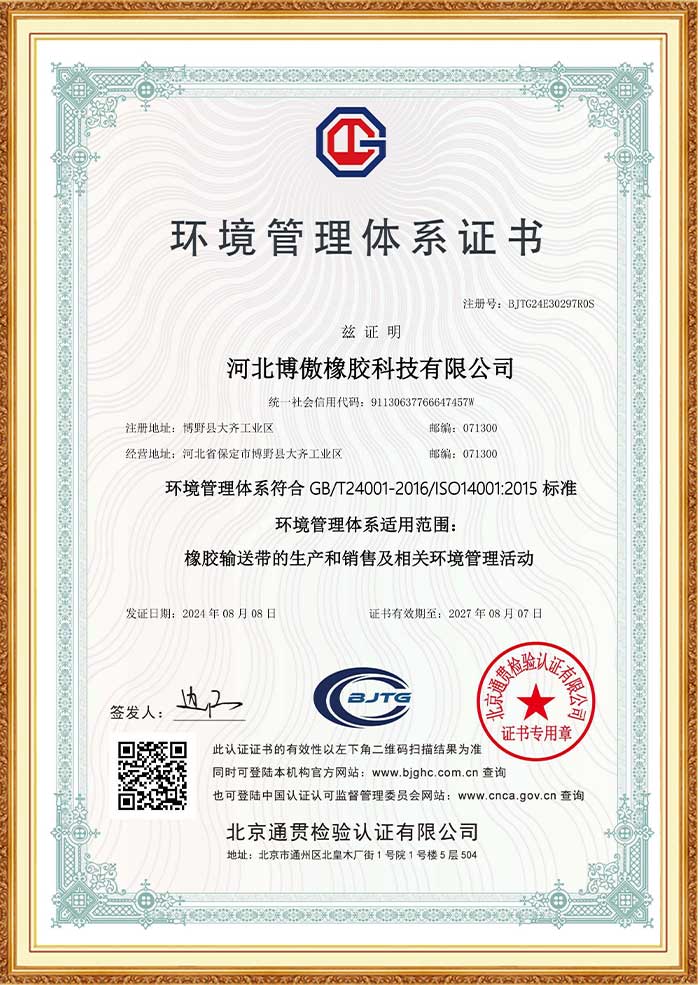
We manufacture in strict compliance with ISO9001, ISO14001, ISO45001, CE, and specialized safety standards.
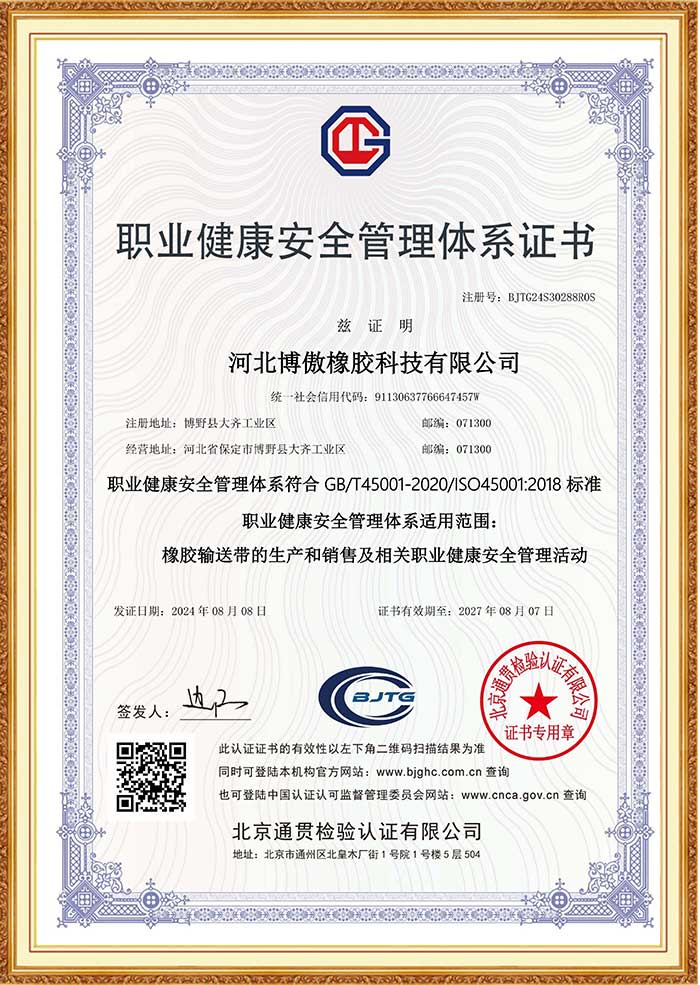
Hebei Boao Quality ISO Certificate
Hebei Boao Factory Environmental Standard Certificate
Hebei Boao Safety compliance Certificate
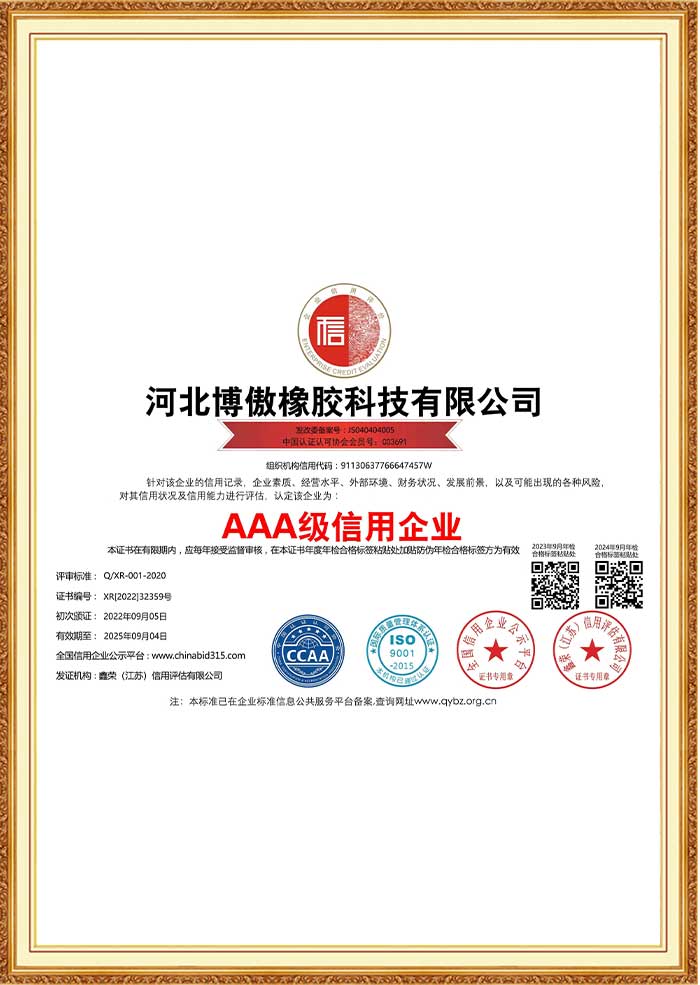
Jinao Brand Qualification Record
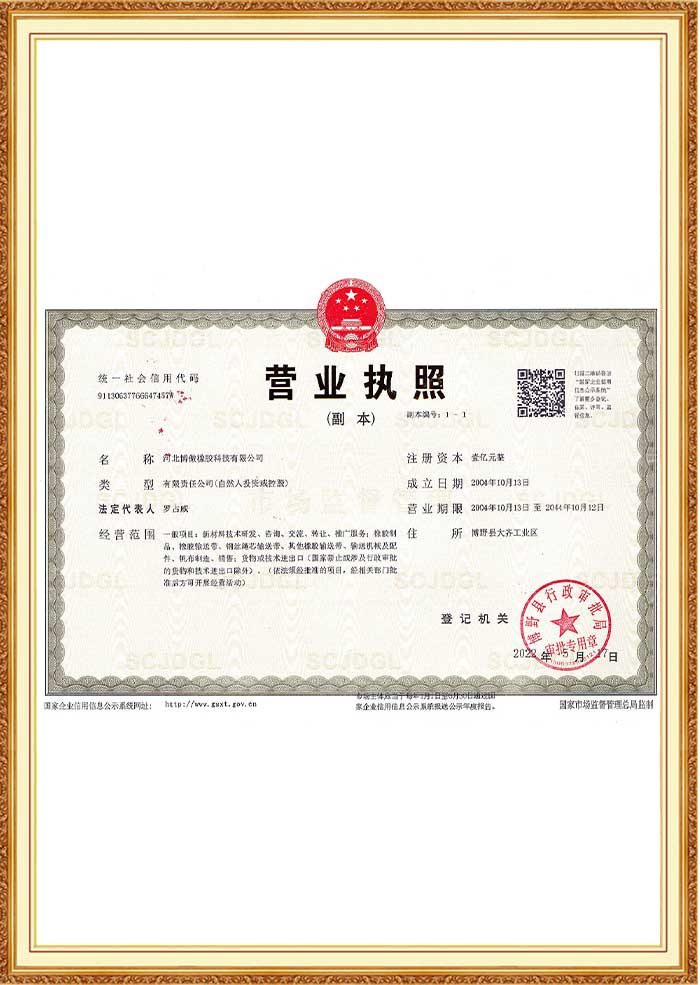
Industrial Manufacturing License

Engineering Specifications & Cross-Border Supply Advantages

For plant managers in the Sakai-Senboku industrial port or municipal waste-to-energy plants along Osaka Port, purchasing conveyor belts involves strict engineering parameters. A pipe conveyor belt is not just a standard flat belt that is forced into a circular shape. It requires precise balancing of transverse stiffness and longitudinal elasticity.

JIS-Aligned Cross-Border Sourcing

Japanese heavy industries follow strict JIS K 6322 specifications for rubber conveyor belts. Boao Rubber bridges this gap by engineering customized rubber compound configurations. Whether your operation requires Class-H cover rubbers for high-abrasion resistance (e.g., slag handling in steel plants) or flame-retardant properties for underground coal corridors, our formulations meet or exceed national parameters.

Sourcing directly from our Hebei factory offers a significant cost advantage. We bypass local distributor markups in Japan while utilizing direct, reliable shipping lanes from Tianjin Port or Qingdao Port directly to the Port of Osaka. With a short shipping transit time of 4 to 6 days, Osaka industrial sites can coordinate scheduled shut-down installations with minimal lead time.

Key Design Parameters for Pipe Belts

  • Carcass Core Options: EP Fabric, NN Fabric, Steel Wire Rope Core
  • Belt Width Range: 500mm to 2400mm
  • Overlap Sealing Design: Overlapping zone designed to prevent dust leakage
  • Cover Compounds: Wear, Heat, Cold, Acid/Alkali, Flame Retardant
  • Minimum Curve Radius: 300 to 500 times the pipe diameter (dynamic calculation)

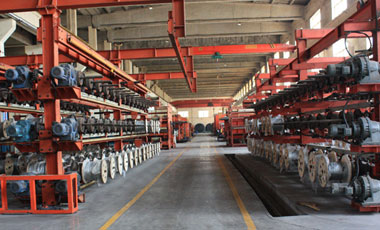
State-of-the-Art Manufacturing & Testing Infrastructure

Take an inside look at our advanced calendering lines, forming stations, and physical quality verification labs.
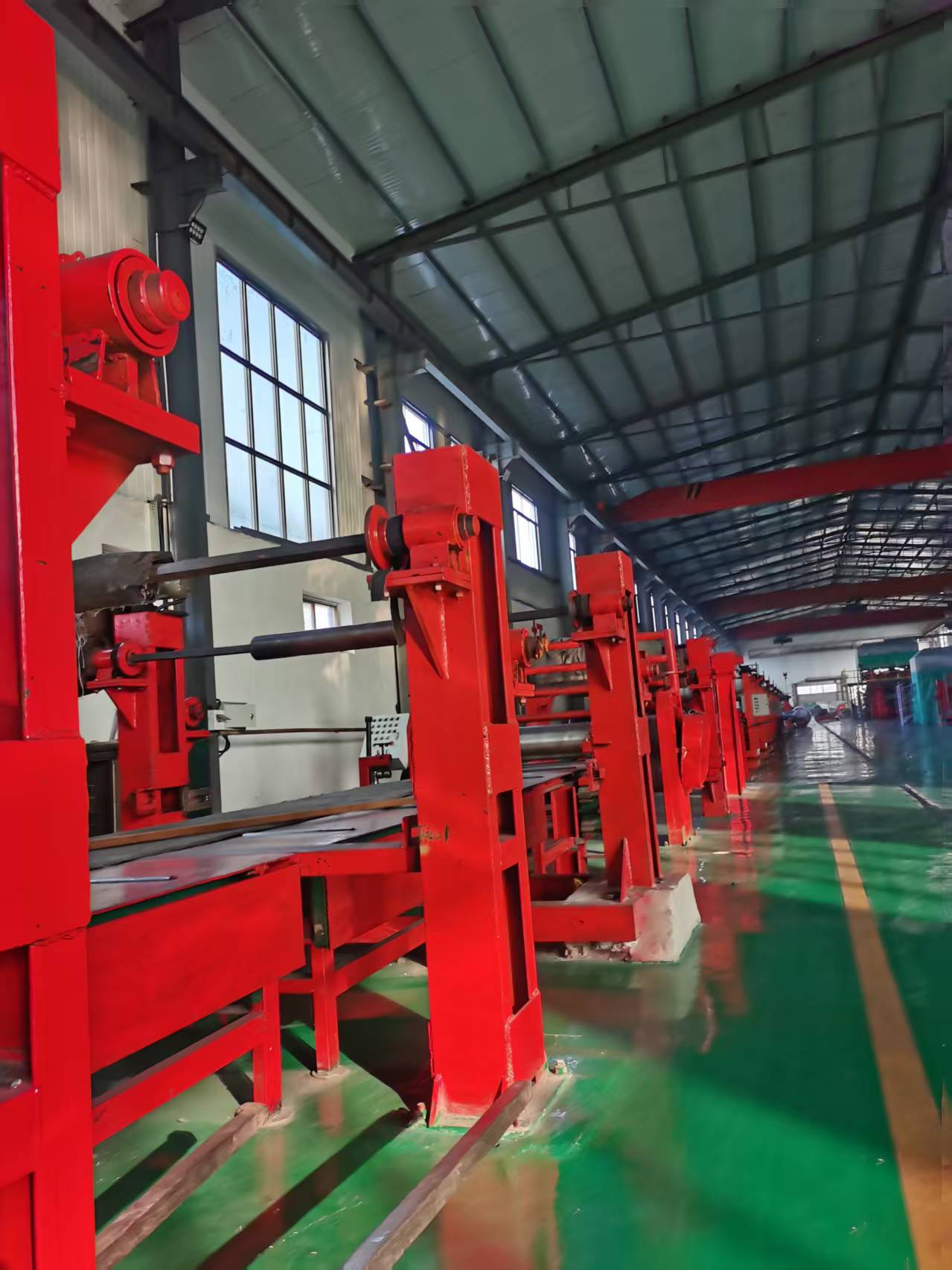
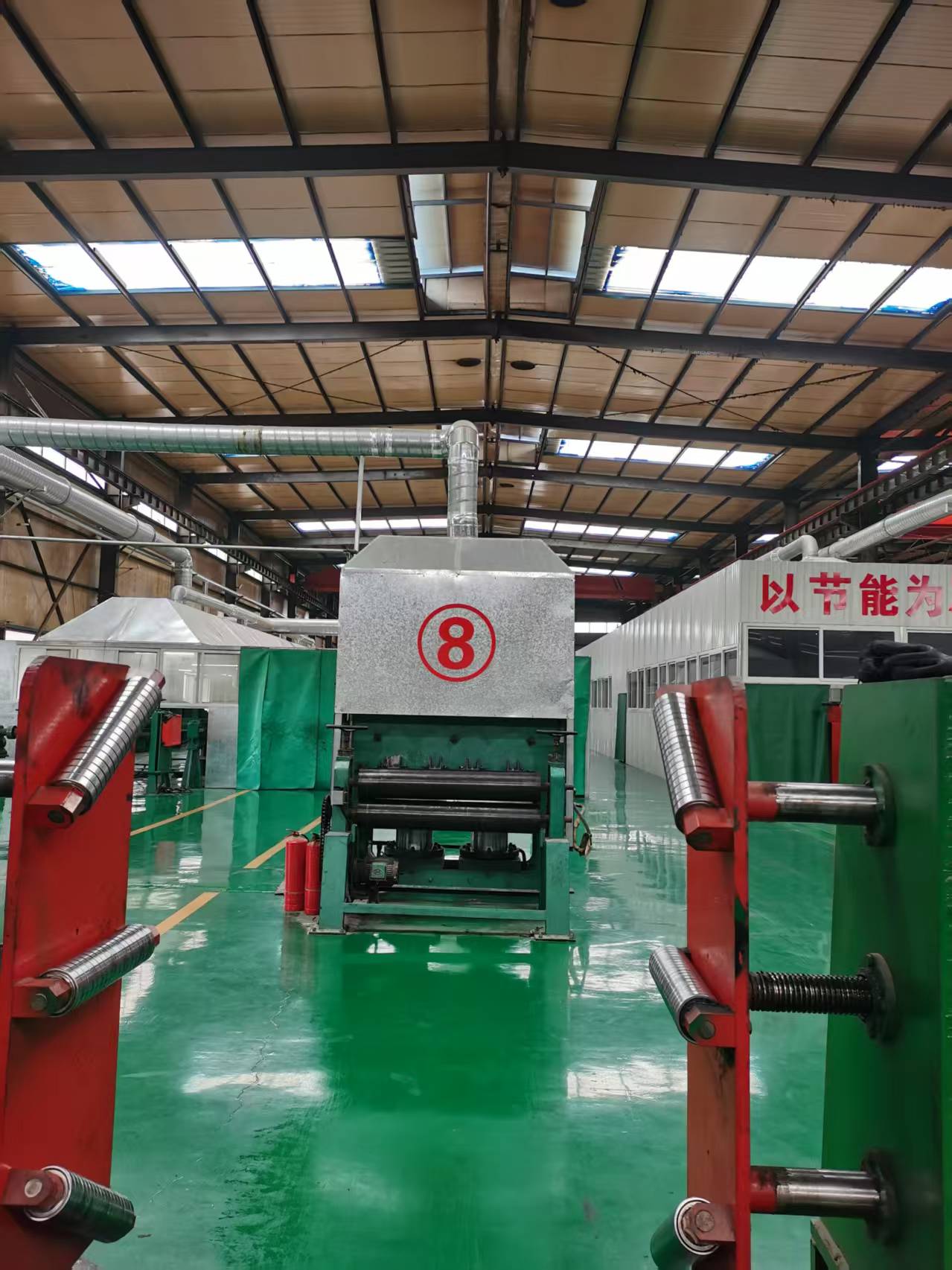
Production Equipment Calendering

Calendering Line

Vulcanization Press Line

Vulcanization Line

Heavy Fabric Belting Manufacture

Belt Forming Section

Steel Cord Belt Assembly Machine

Steel Cord Assembly

Production Line of Fabric Conveyor Belt

Fabric Conveyor Belt Production

Production Equipment of Steel Cord Conveyor Belt

Steel Cord Belt Line

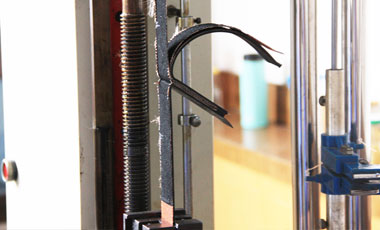
Peeling Test Equipment

Ply Adhesion Peeling Test

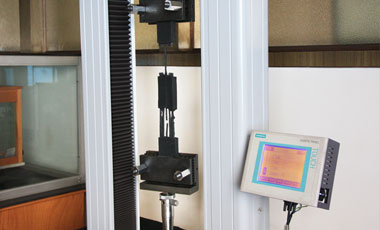
Steel Cord Pull-out Machine

Steel Cord Pull-Out Tester

Proven Industrial Applications & Case Records

We deploy conveying systems in the world's most demanding environments, from mining corridors to coastal smelting yards.
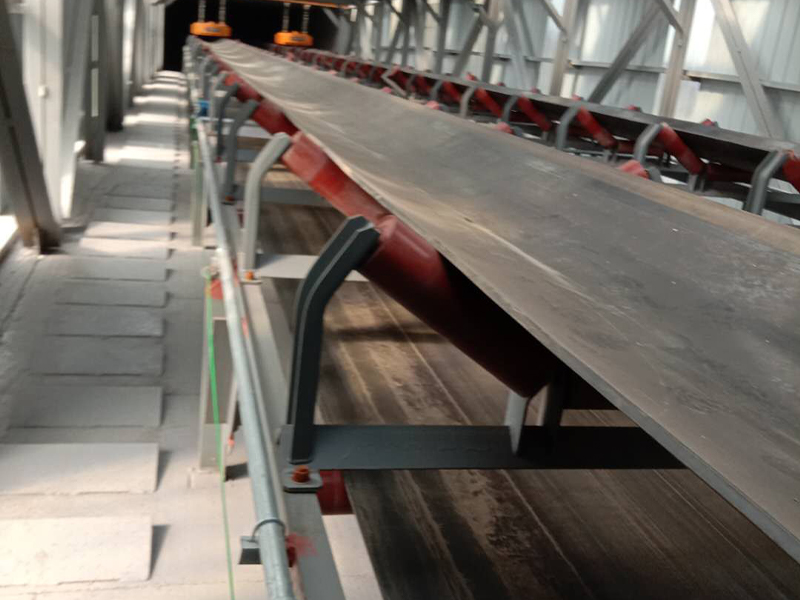
Taihang Steel Application

Taihang Steel Heavy Smelting Feed

Supplying heavy-gauge heat and abrasion-resistant belt systems handling hot sintering loads and raw iron ore feeds with minimal downtime.
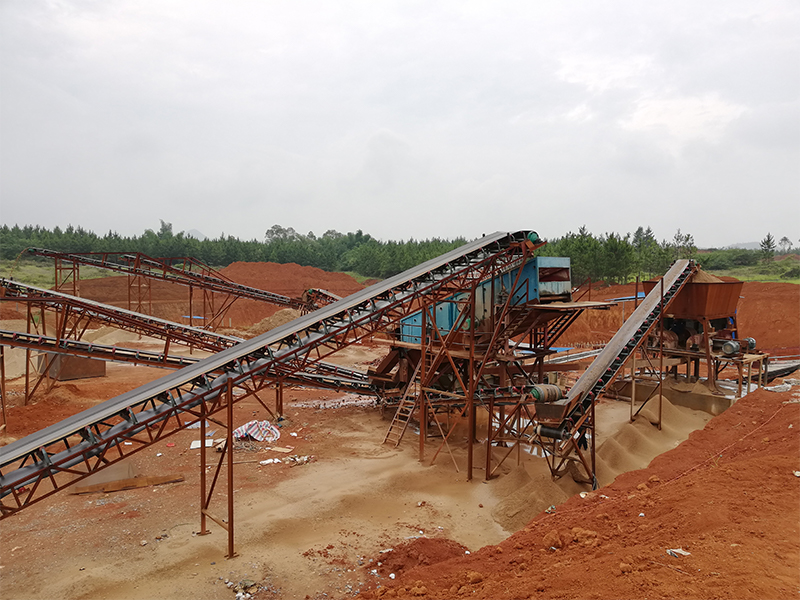
Tsingshan Group Mining System

Tsingshan Group Bulk Handling

Supporting cross-border mineral logistics with high-tensile fabric and steel cord belting capable of running under high tension ratios.
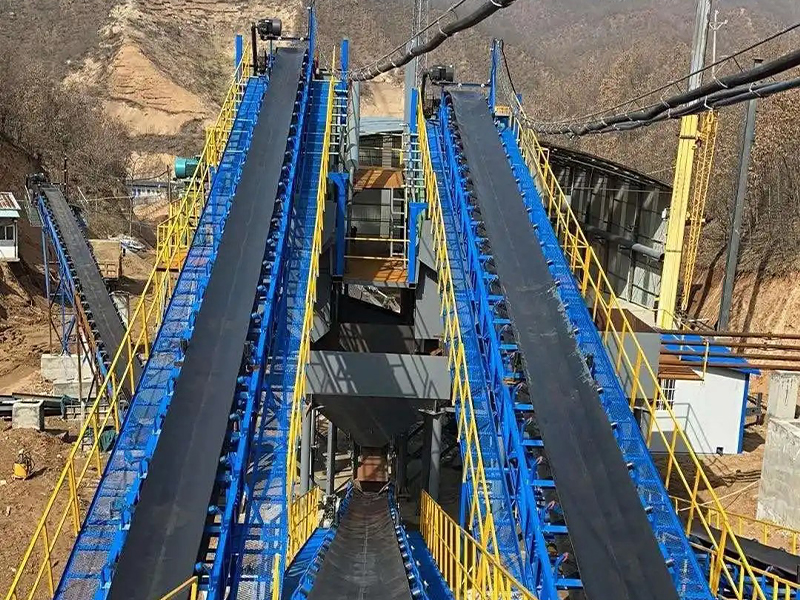
Zijin Mining Deep System

Zijin Mining Overland Corridors

Deploying miles of long-distance overland conveyors crossing mountainous terrain, demanding optimal troughability and low stretch properties.
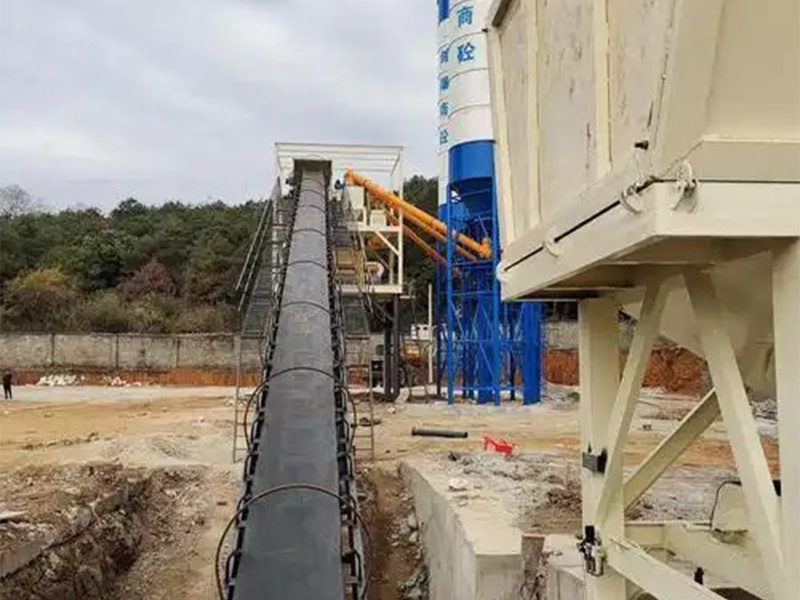
China Railway Mixing Plant

China Railway Concrete Mixing Lines

Standardizing dust-controlled aggregate transfer systems, ensuring zero environmental contamination near urban construction sectors.
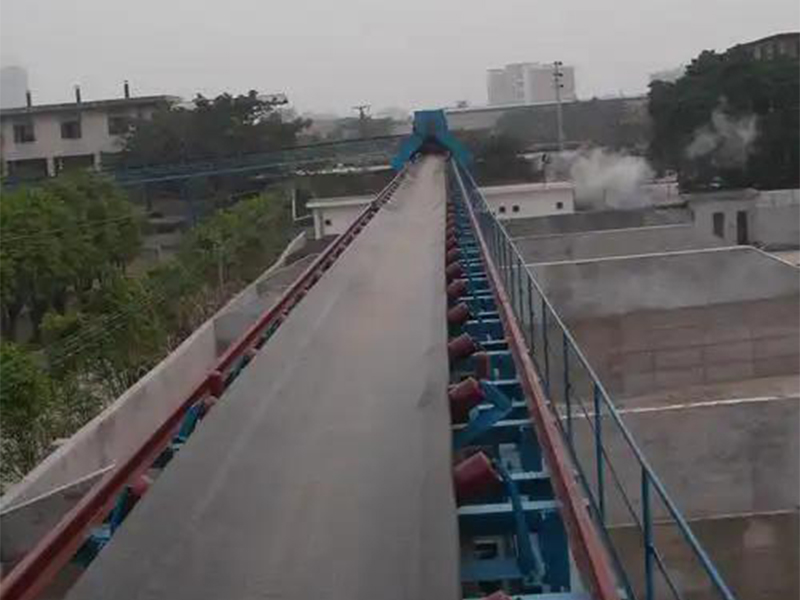
Conch Cement Conveying Link

Conch Cement Raw Material Handling

High-strength enclosed pipe conveyor belts running clinker and crushed limestone over agricultural protection zones without dust leakage.
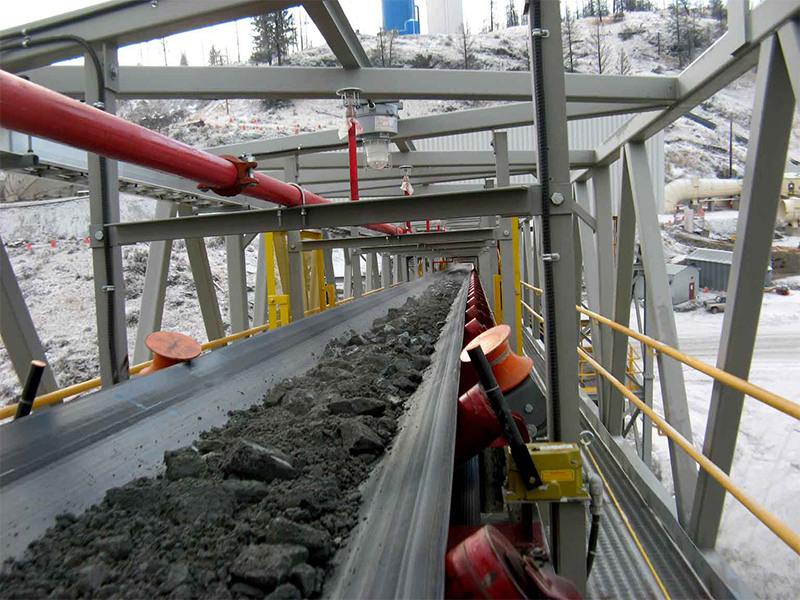
Datong Coal Group Corridor

Datong Coal Long-distance Delivery

Flame-retardant (FR) rubber belting engineered to prevent fire propagation inside extraction galleries and loading terminals.

Technical FAQ: Pipe Conveyor Belts for Engineers

Get answers to critical engineering, installation, and procurement questions regarding enclosed conveying systems.

Why are pipe conveyor belts preferred in coastal zones like Sakai-Senboku?
Coastal industrial zones in Osaka are subject to strict dust emission rules to protect the marine environment and nearby urban areas. Standard belt systems spill dust and fine materials under high coastal winds. Pipe conveyor belts wrap the material in a sealed tube, keeping it dry and preventing any particulate emissions.
How is the transverse stiffness of a pipe conveyor belt controlled?
Transverse stiffness is critical: if it is too stiff, the belt requires excessive power to close and damages idler rolls; if it is too soft, the belt will collapse, twist, or sag. We manage this through targeted fiber orientation in the fabric plies and precise formulation of the core rubber compound, matching the specific curve layout of the plant.
What standard sizes and capacities are available for Osaka projects?
We manufacture custom configurations from 500mm to 2400mm in width, corresponding to tube diameters from 150mm to over 700mm. Tension levels range from standard EP200 multi-ply fabrics to ultra-high strength ST5400 steel wire rope carcasses for long-distance overland runs.
What is the standard transit time and port handling process for import to Osaka Port?
Once manufacture and laboratory testing are complete, belts are rolled, protected with heavy-gauge packaging, and loaded into containers. The sea route from Tianjin Port or Qingdao Port directly to Osaka Port takes 4 to 6 days. Our export department coordinates complete documentation including bill of lading, certificate of origin, and testing reports to ensure rapid customs clearance.
How does Boao guarantee belt alignment and prevent rotation in curved sections?
Belt twist or rotation inside idler panels is typically caused by uneven tension distribution. We test longitudinal elasticity, edge reinforcement stability, and ply uniformity. When necessary, we collaborate with local engineers to calibrate the guiding idler panel angles, ensuring the overlap section remains at the top center.

Complete Product Catalog & Custom Specifications

Select from our comprehensive list of industrial conveyor belts, specialized rubber covers, and high-strength supporting components.
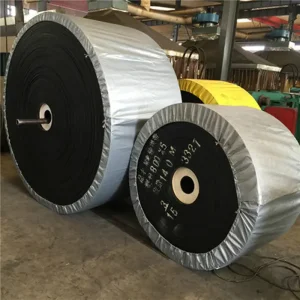
Best Heat-Resistant Rubber Conveyor Belts

Super Heat-Resistant Rubber Conveyor Belts for Osaka Metallurgical Plants

View Technical Specifications →
Best Conveyor Trough-Type Idler Rollers

Conveyor Trough-Type Idler Rollers for Port Material Terminals

View Technical Specifications →
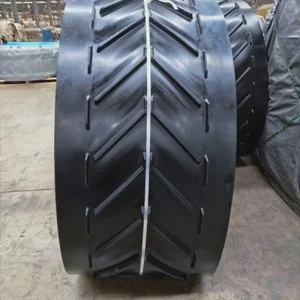
China Patterned Rubber Conveyor Belt

Patterned Rubber Conveyor Belt for Steep Angle Material Transport

View Technical Specifications →
China Nylon Rubber Conveyor Belt

High-Strength Nylon (NN) Rubber Conveyor Belt for Long Distance Mining Lines

View Technical Specifications →
Best Heat-Resistant Rubber Conveyor Belts Duplicate

Premium Heat-Resistant Rubber Belts (Sakai Steel Mill Grade)

View Technical Specifications →
China Rubber Lifting Conveyor Belt Factory

High-Durability Bucket Elevator Rubber Lifting Belt for Industrial Plants

View Technical Specifications →
China Acid and Alkali Resistant Conveyor Belt

Chemical Acid and Alkali Resistant Conveyor Belt for Refining Hubs

View Technical Specifications →
China Heat-Resistant Rubber Conveyor Belts Factory

High-Temperature Handling Vulcanized Belts (Ordinary & Strong Heat Resistant)

View Technical Specifications →