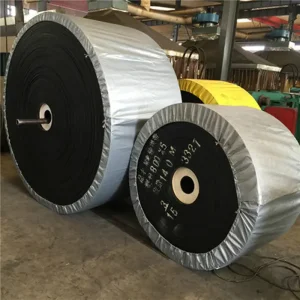
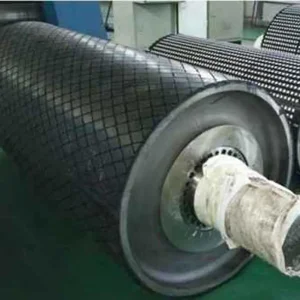
As the economic epicenter of Japan, the Greater Tokyo Area and its surrounding Keihin Industrial Zone demand top-tier material handling configurations that combine space-efficiency, low noise emission, and high structural longevity. From modern urban waste recycling plants along Tokyo Bay to aggregate processing yards feeding large-scale transportation infrastructure projects, layered (multi-ply) conveyor belts are the backbone of continuous bulk handling.
In high-density industrial hubs like Kawasaki, Yokohama, and Chiba, operational downtime is prohibitively expensive. Equipment must satisfy stringent Japanese Industrial Standards (JIS K 6322) alongside municipal environmental noise and dust ordinances. Our premium multi-ply textile and steel-cord integrated rubber conveyor belts are uniquely engineered to absorb extreme impact, maintain straight tracking under heavy load configurations, and yield low energy resistance, supporting Tokyo operators in hitting their high-performance throughput metrics.
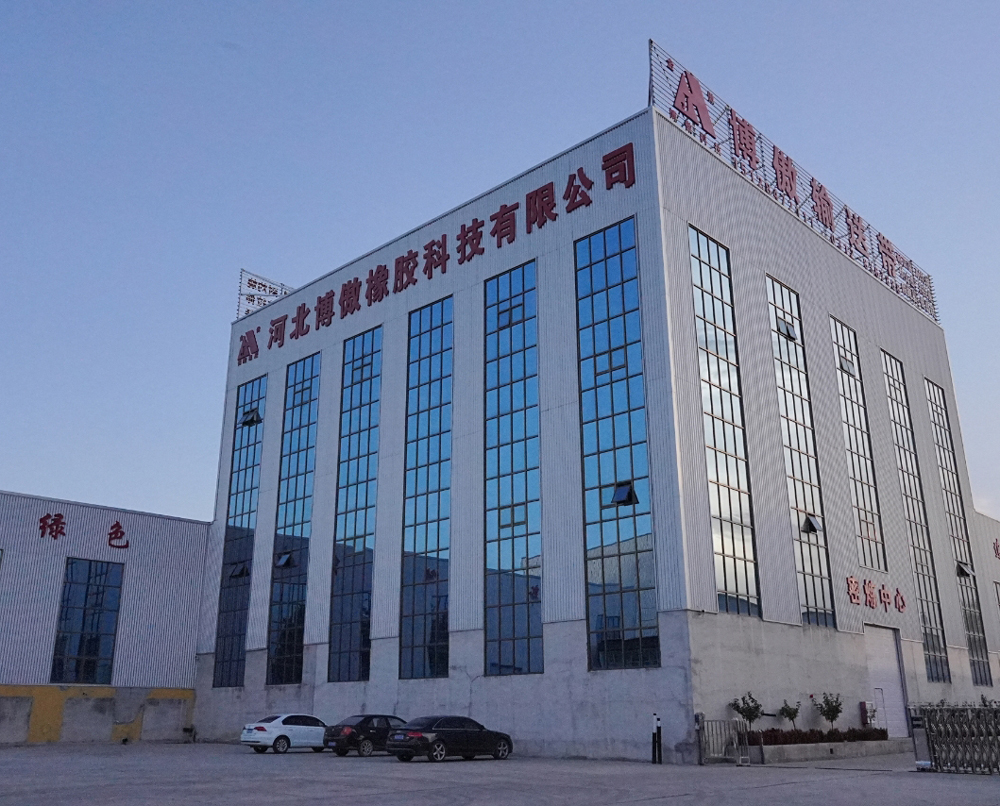
Located in the Rubber Industrial Park of Boye County, Baoding, Hebei Province, Hebei Boao Rubber Technology Co., Ltd. has established itself as an industry leader since its founding in 2004. Spanning over 30 acres, the company is a fully integrated Chinese manufacturer specializing in the research, design, production, and after-sales support of high-performance conveyor belts under our flagship "Jinao" brand.
Our facility houses multiple advanced calendering, forming, and vulcanization lines designed to produce seamless, highly uniform multi-ply conveyor systems. Backed by an independent physical laboratory and a chemical analysis facility, every step of our raw material sourcing, compound mixing, and final curing is methodically tested, ensuring that no sub-standard product leaves our warehouse.
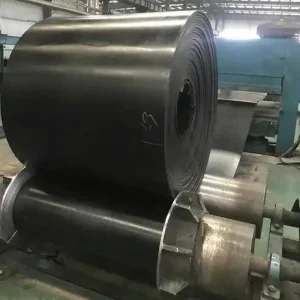
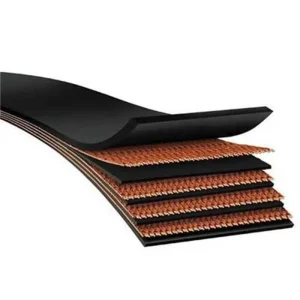
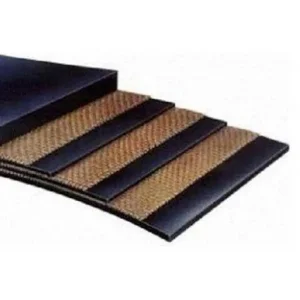
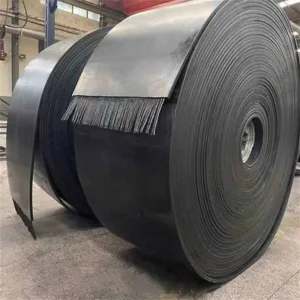
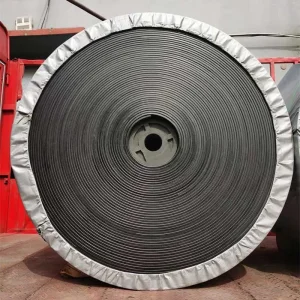
Multi-ply layered conveyor belts rely on a sandwich configuration of synthetic fabric plies bound together by specialized rubber skim coats, finished with a heavy-duty top and bottom rubber cover. Selecting the correct reinforcement fabric dictates the belt’s elongation properties, impact resistance, and tension limits.
Features a polyester warp for high longitudinal strength and a nylon weft for excellent troughability. Exhibiting minimal structural stretch, EP belts are ideal for long-distance conveyor runs common in mining, coal storage, and steel mills.
Reinforced with polyamide fabrics in both warp and weft directions. NN belts offer outstanding elasticity, exceptional flex life, and superb resistance to severe shock loads. Highly suited for quarrying and aggregate plants in Tokyo suburbs.
Designed for extreme high-tension vertical lifts and overland handling system layouts where fabric carcass elongation is unacceptable. Delivers the absolute highest mechanical fastener holding capacity and tear resistance.
| Property Description | EP Fabric Belt (Polyester/Nylon) | NN Fabric Belt (Nylon/Nylon) | Steel Wire Rope Core Belt |
|---|---|---|---|
| Tensile Strength Range | 100 to 630 N/mm per ply | 100 to 500 N/mm per ply | St 500 to St 5400 N/mm (Total) |
| Elongation at Break (Warp) | Low (≤ 1.5% at nominal load) | Moderate (≤ 2.5% at nominal load) | Extremely Low (≤ 0.25%) |
| Impact / Tear Resistance | Good | Excellent (Highly Elastic) | Outstanding (Armored Steel Protection) |
| Troughability & Flexing | Excellent for 30° to 45° idlers | Superb for high-depth trough setups | Moderate (Requires larger pulley diameters) |
| Key Applications | Cement, Coal, Power Plants, Recycling | Quarries, Ore Mining, Heavy Shock Loads | Long overland corridors, Deep vertical shaft lifts |
For conveyor operators in Tokyo's logistics docks and processing factories, maintaining system tension and perfect belt tracking is vital. A minor tracking deviation can lead to severe cover abrasion, material spillage, and edge fraying. Boao Rubber provides a comprehensive technical service program that takes the hassle out of sourcing and maintenance.
Our engineering services cover:
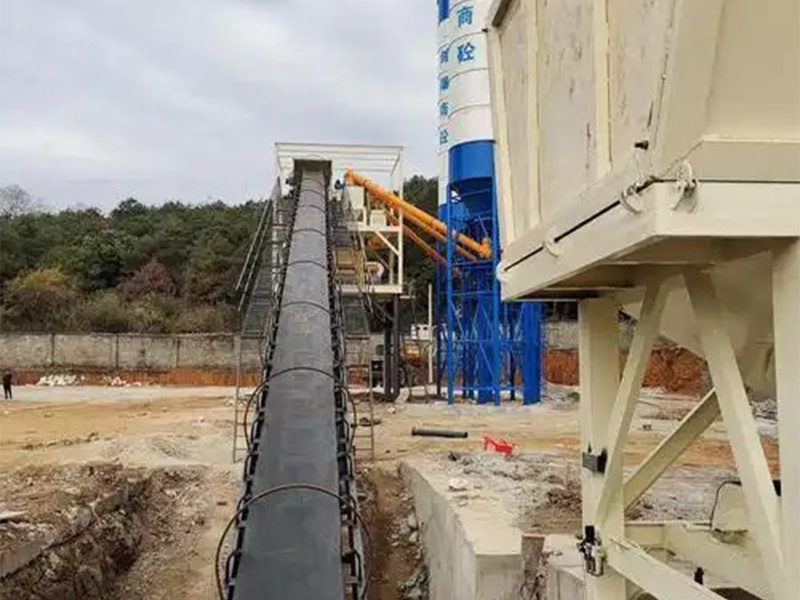
Supplied high-abrasion EP fabric conveyor belts for continuous aggregate batching operations.
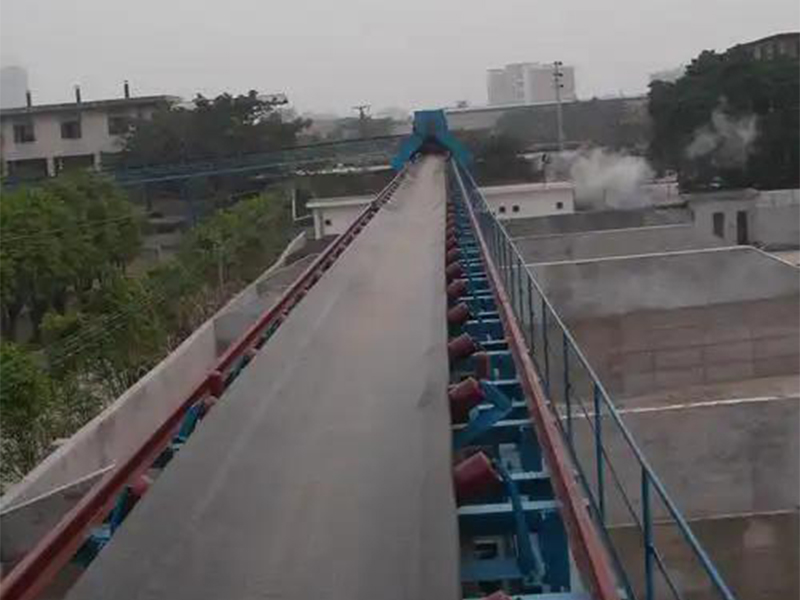
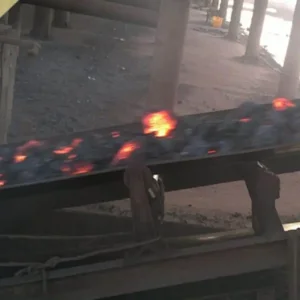
Engineered heat-resistant multi-ply belts for handling hot clinker at temperatures exceeding 180°C.
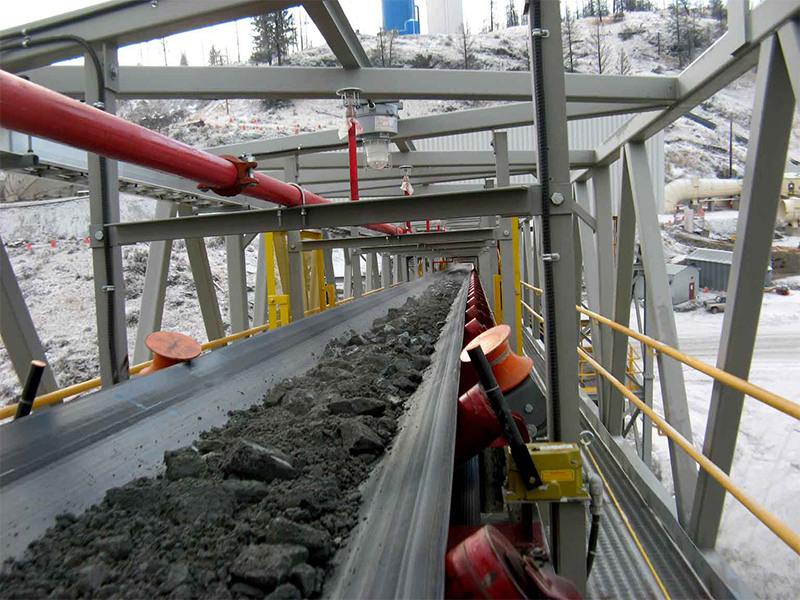
Implemented flame-retardant steel wire rope core belts for underground coal transport safety.
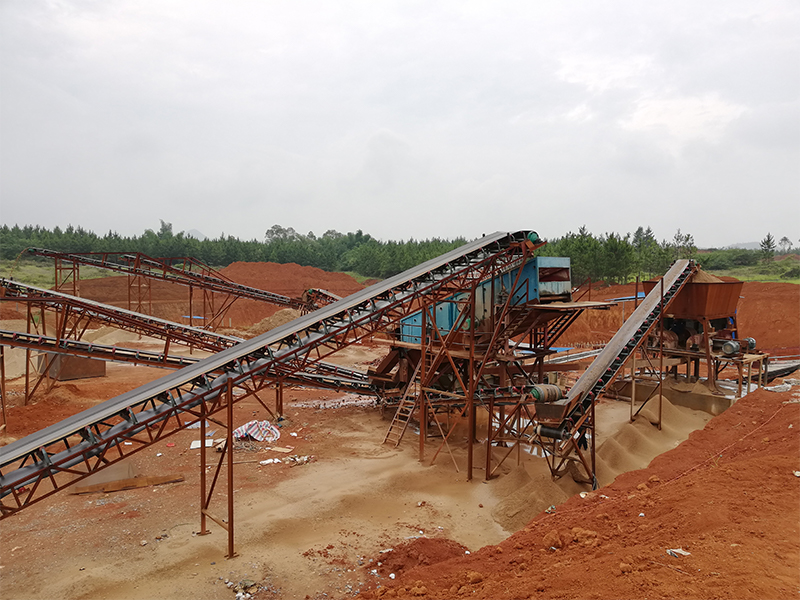
Delivered chemical-resistant multi-ply conveyor systems for extreme processing plant setups.
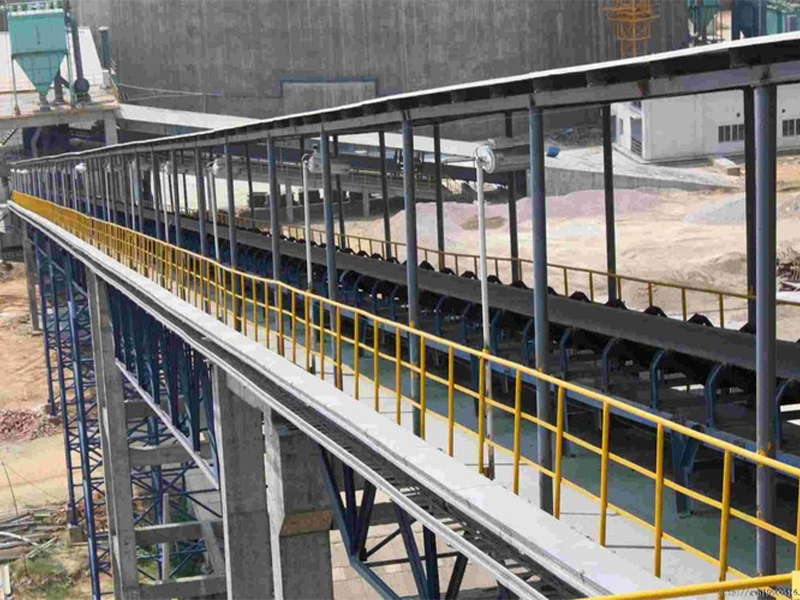
Installed heavy-duty abrasion resistant aggregate feed belts for plant efficiency gains.
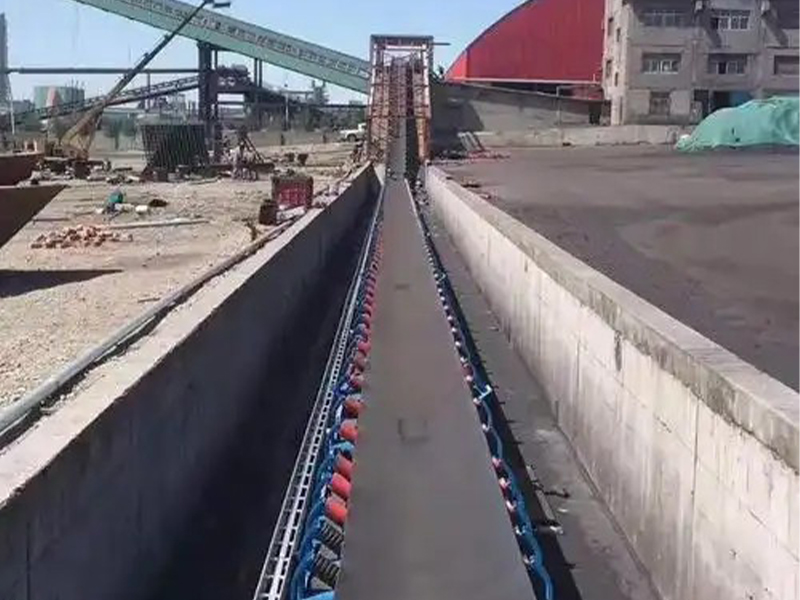
Supplied high-tensile multi-ply flame resistant belts for overland coal supply routes.
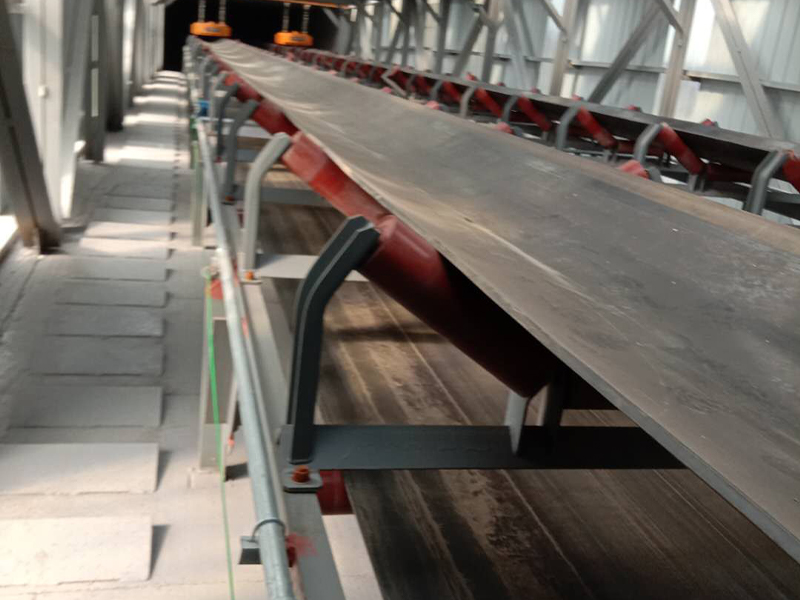
Heavy-duty, high-heat resistance belts optimized for transporting slag and raw ores.
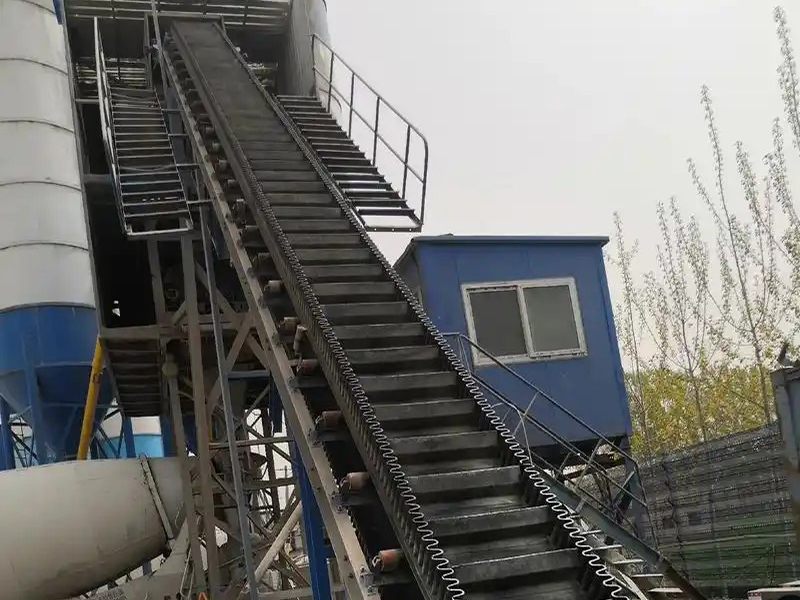
Custom multi-ply rubber formulation delivering reliable transport within sinter yards.
Our quality control program operates on a zero-tolerance policy for micro-fractures, layer separation, or compound impurity. Our Boye County testing center utilizes sophisticated laboratory machinery to verify physical and mechanical specifications before dispatch:
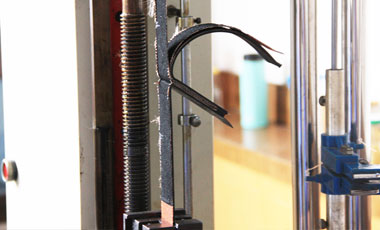
Measures inter-ply bond strength to guarantee zero layer delamination during extreme high-speed operations.
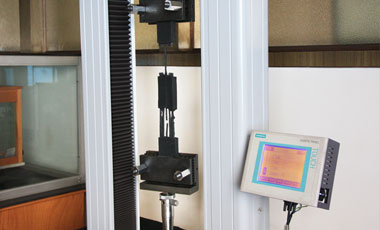
Validates the mechanical bonding integrity of vulcanized rubber to the high-tensile steel core wires.
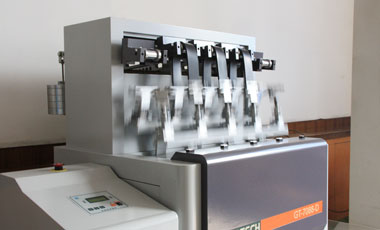
Simulates continuous cycling over tight idler configurations to predict long-term belt operational life.
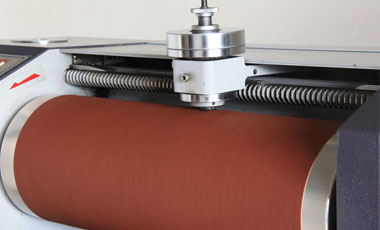
Verifies the wear rate of cover compound rubbers against hard aggregate friction, following DIN 22102 standards.
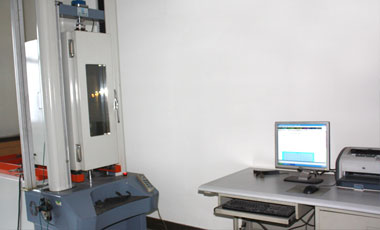
Tests elongation at break, ultimate tensile strength, and hardness limits (Shore A) of final cured rubber sheets.
Full test reports and certificate copies are available upon direct request for procurement evaluations.
Our Jinao brand multi-ply rubber conveyor belts are produced using raw materials and vulcanization parameters that align directly with the testing requirements of JIS K 6322. We strictly monitor parameters such as tensile strength, elongation at break, and rubber adhesion. We can supply complete mill test certificates (MTC) alongside your shipping documents to confirm product compliance.
EP (Polyester-Nylon) belts feature polyester fibres in the warp direction, which yields extremely low structural stretch during operation. NN (Nylon-Nylon) belts utilize nylon fabric in both directions, which offers greater flexibility and elasticity. This makes NN belts ideal for short, high-impact sorting systems, while EP belts are better suited for long-distance, high-tension lines where structural stretch must be minimized.
Our heat-resistant conveyor belts are categorized into specific grades based on heat thresholds: T1 (up to 120°C), T2 (up to 150°C), T3 (up to 180°C), and T4 (up to 220°C). We compound the cover rubber with specialized EPDM (Ethylene Propylene Diene Monomer) elastomers to prevent surface cracking, hardening, and inter-ply delamination when conveying sintering ores or hot cement clinker.
Since our factory is located in Boye County, Baoding (near Tianjin Port), shipping logistics to Tokyo, Yokohama, or Kawasaki are fast and efficient. Standard manufacturing lead times vary from 14 to 21 days depending on order size and custom specifications. Sea transit from Tianjin to Tokyo Port typically takes 5 to 7 days, enabling highly reliable supply chain cycles.
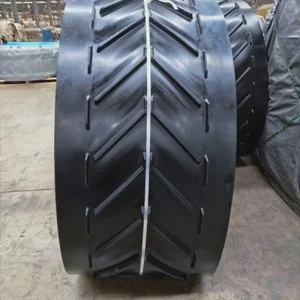
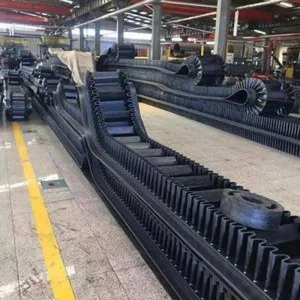
Whether you require a standard EP textile belt, a heat-resistant sinter yard belt, or custom high-angle chevron systems, our engineering team is here to assist with detailed specs and competitive direct-to-factory pricing.
Send Inquiry Now Boao Rubber