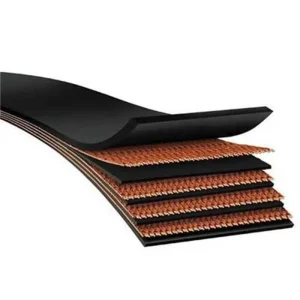
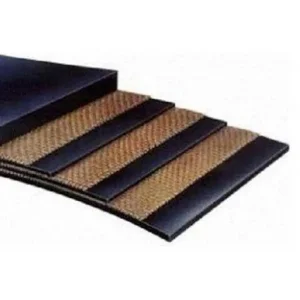
Engineered with multi-ply structural carcass frameworks to withstand heavy impact, abrasion, and tropical humidity across Northern Vietnam.
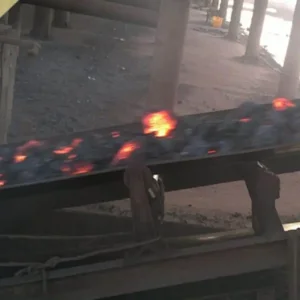
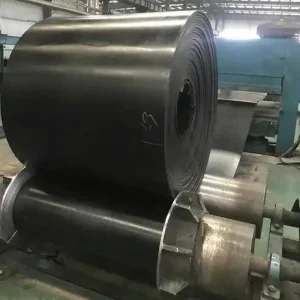
The industrial landscape of Hanoi and the broader Northern Vietnam region has undergone a significant transformation. As a major corridor in the Red River Delta economic zone, Hanoi acts as the logistical hub connecting provinces like Hai Phong, Quang Ninh, Bac Ninh, and Vinh Phuc. This growth has created massive demand for heavy-duty material transport infrastructure, particularly in high-volume, bulk handling operations.
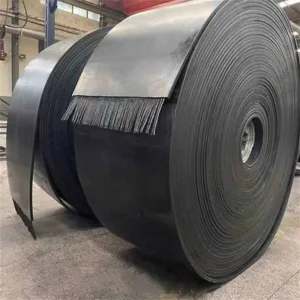
From cement plants and coal-fired thermal power installations to sand quarrying and steel mills, the local environment is challenging. Operations must deal with extreme seasonal humidity, high summer temperatures (frequently exceeding 40°C), and wet raw materials. Standard conveyor belts often fail prematurely under these conditions due to carcass delamination, ozone degradation, and cover wear. This is why multi-ply layered conveyor belts have become the standard for operations in Hanoi, providing the tensile strength and interlayer adhesion needed to survive these tough conditions.
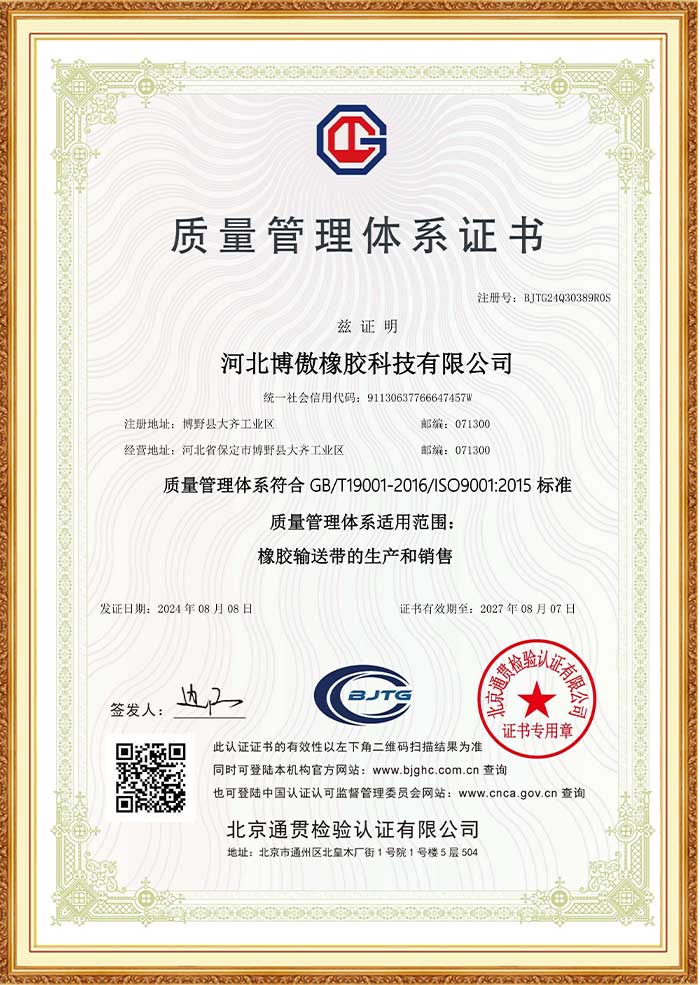
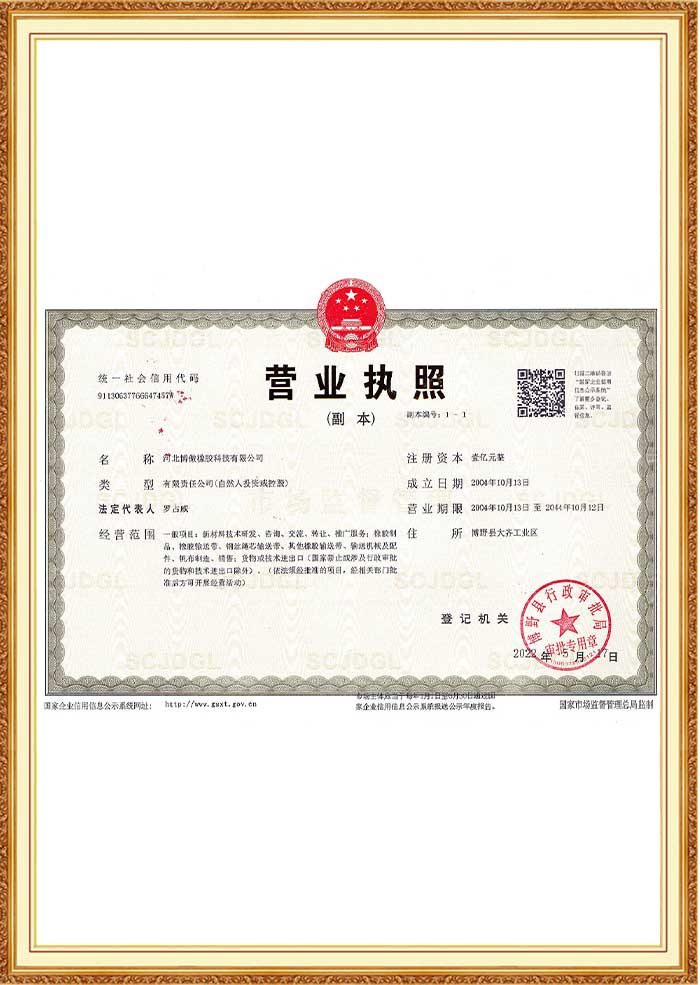
Hebei Boao Rubber Technology Co., Ltd. is located in the Rubber Industrial Park of Boye County, Baoding, Hebei Province. Founded in 2004, the company covers an area of over 30 acres. Under our registered brand "Jinao", we operate as a professional Chinese manufacturer integrating product development, research, structural design, manufacturing, and technical services for conveyor belts and supporting accessories. We have passed the international quality management system certification, reflecting our commitment to global standards.
Our facility houses advanced production lines for rubber rolling, belt forming, vulcanization, and material testing. This enables us to manage the entire manufacturing process, from raw polymers to the finished, packed conveyor belt rolls shipped to the Hanoi port.
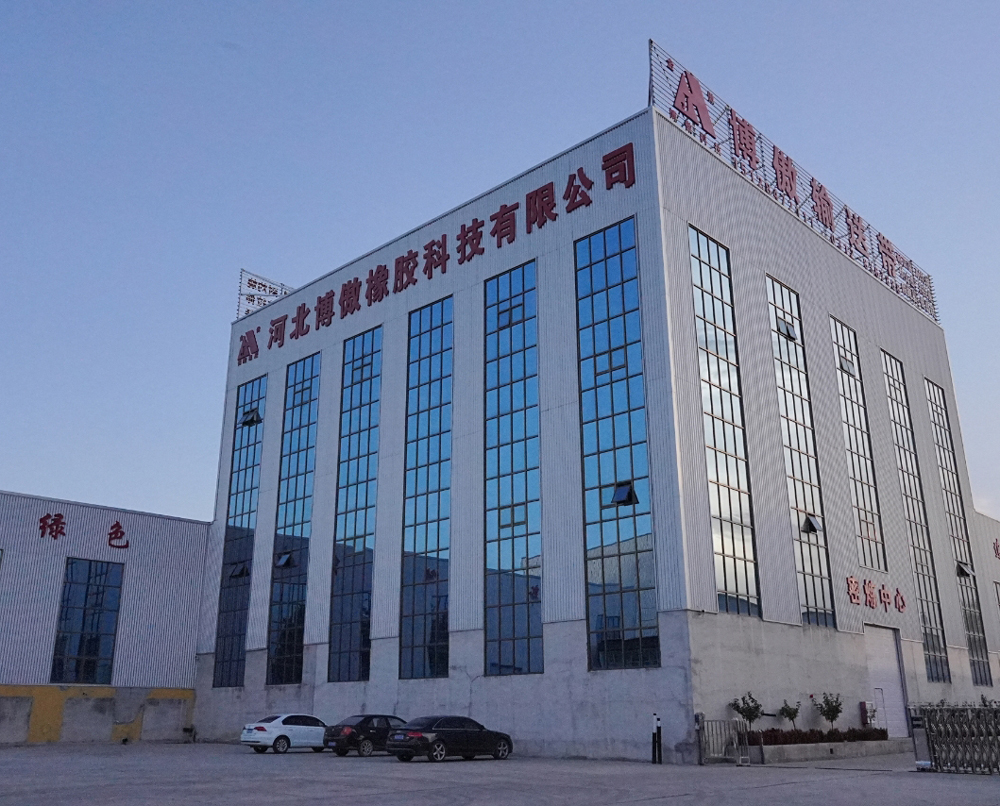
We maintain an independent chemical analysis room and physical testing lab. We monitor every stage of production from raw material receipt to final delivery, ensuring that unqualified materials do not enter production and out-of-spec products do not leave the factory.
Our quality control process is managed by professional inspectors using advanced testing equipment, including dynamic fatigue testers, peeling testers, and steel cord pull-out rigs.
Supported by a comprehensive technical and after-sales system, our conveyor products are exported to major industrial centers worldwide, serving heavy industries like steel, metallurgy, coal, cement, and power generation.
The global bulk material handling industry is moving toward high-capacity, high-speed, and energy-efficient conveyor systems. In this competitive landscape, Chinese conveyor belt factories offer significant advantages by combining cost efficiency with advanced manufacturing technology. By integrating upstream raw materials (such as high-grade natural rubber and synthetic fibers like nylon and polyester) with automated manufacturing processes, factories like Hebei Boao Rubber can deliver high-performance belts at competitive prices.
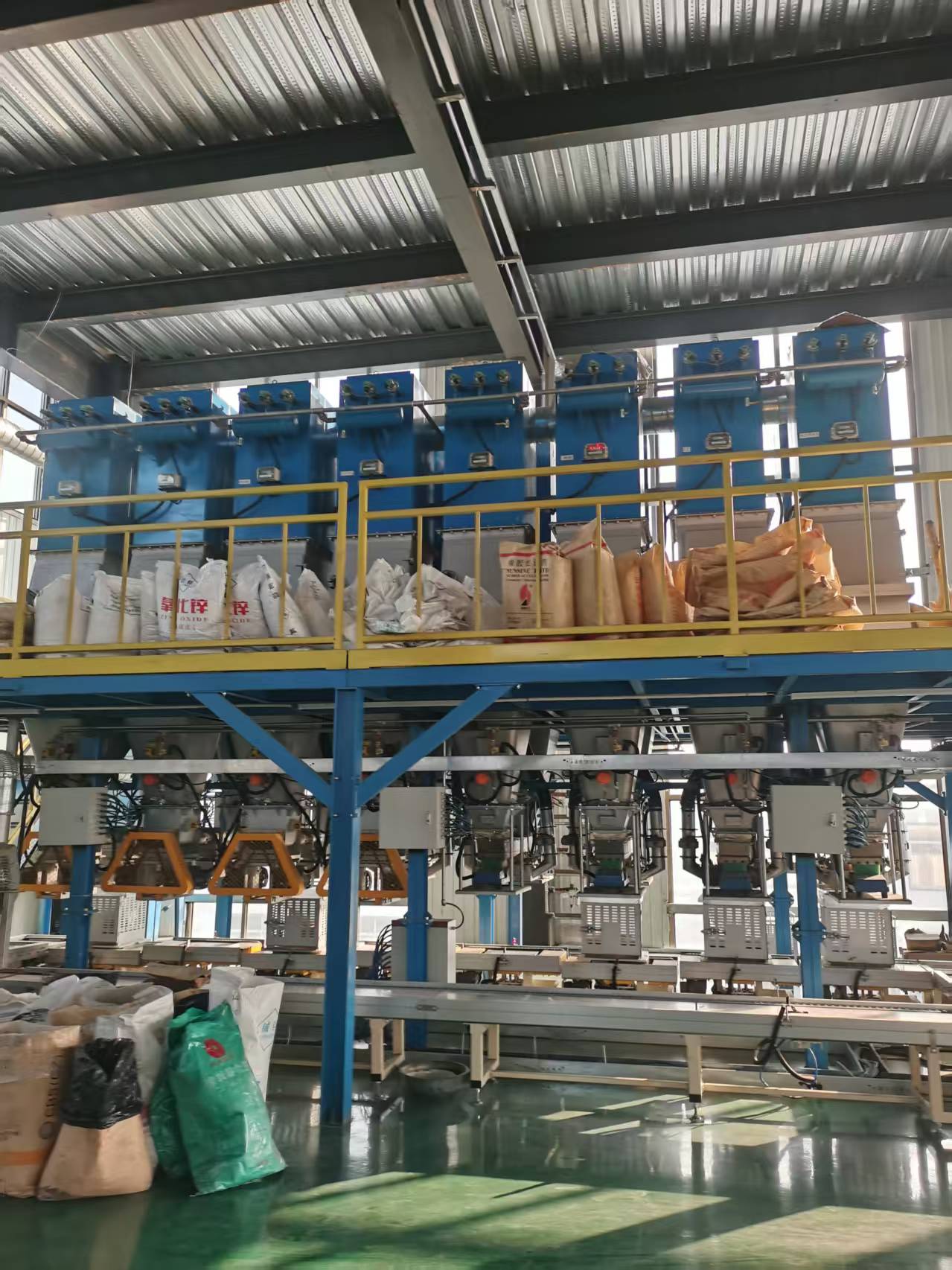
Our modern mixing centers utilize automated batching systems to ensure consistent rubber compound formulations. This precision is critical for specialty applications, such as acid-alkali resistant belts and flame-retardant covers, where minor compounding variations can compromise safety and reduce belt life. Large-scale vulcanizing presses also enable the continuous curing of wide and thick multi-ply belts, ensuring uniform physical properties across the entire length of the roll.
For Hanoi procurement managers, sourcing directly from our Hebei factory offers access to high-performance conveyor belting, short transit times, and technical support. This balance of performance and cost efficiency is key for operations looking to manage their total cost of ownership (TCO).
We design and manufacture heavy-duty conveying systems and specialized accessories to meet the demanding requirements of industrial bulk transport.
Our comprehensive line of rubber belting covers diverse industrial demands:
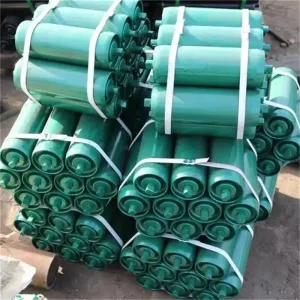
High-performance components engineered to keep systems running smoothly:
We provide end-to-end technical support to ensure your conveying systems remain efficient and reliable.
Planned replacement, hot/cold splicing, mechanical repairs, inspections, and emergency breakdown services for conveyor systems.
Supply of replacement belts, safety stock management, on-site vulcanizing jointing, rubber surface repair, and preventative inspections.
We aim to improve system operational efficiency, reduce belt wear rates, and lower overall maintenance costs for our clients.
Tailored maintenance schedules designed to prevent unscheduled downtime and extend the operational life of your conveyor belts.
Take a look inside our manufacturing plant, featuring advanced compounding, calendering, vulcanizing, and testing equipment.
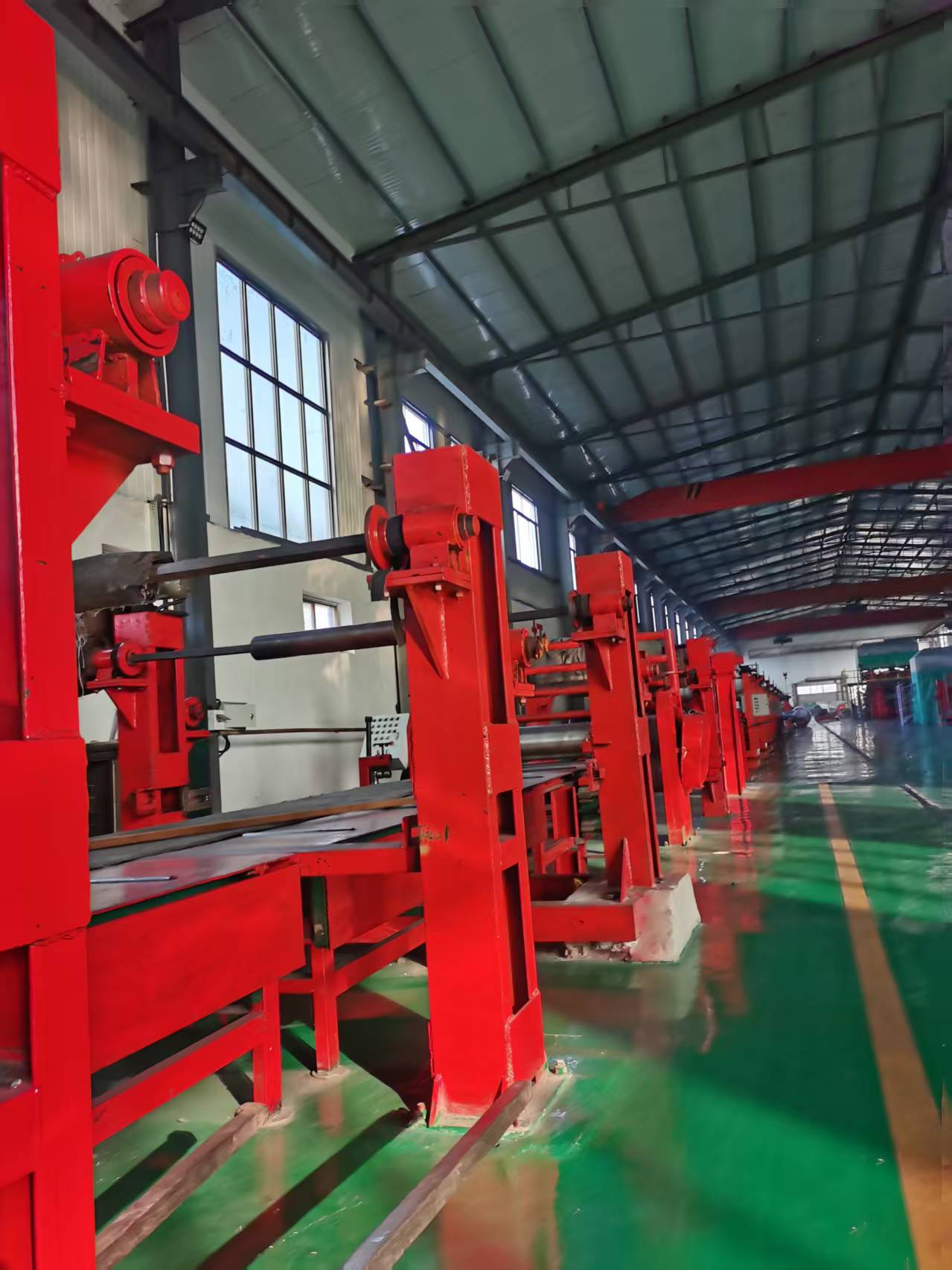
Internal Banbury Mixer
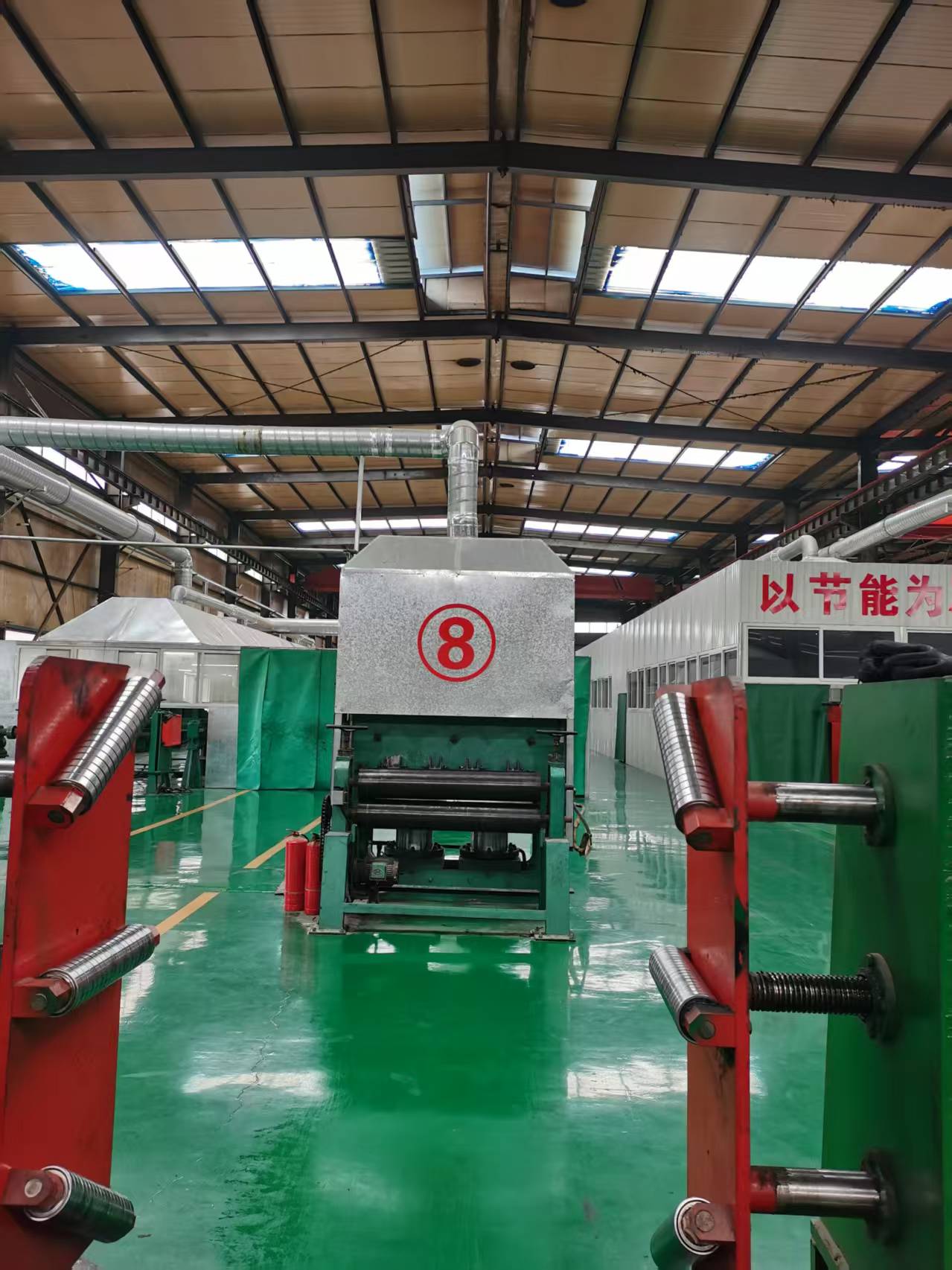
Precision Calendering Unit
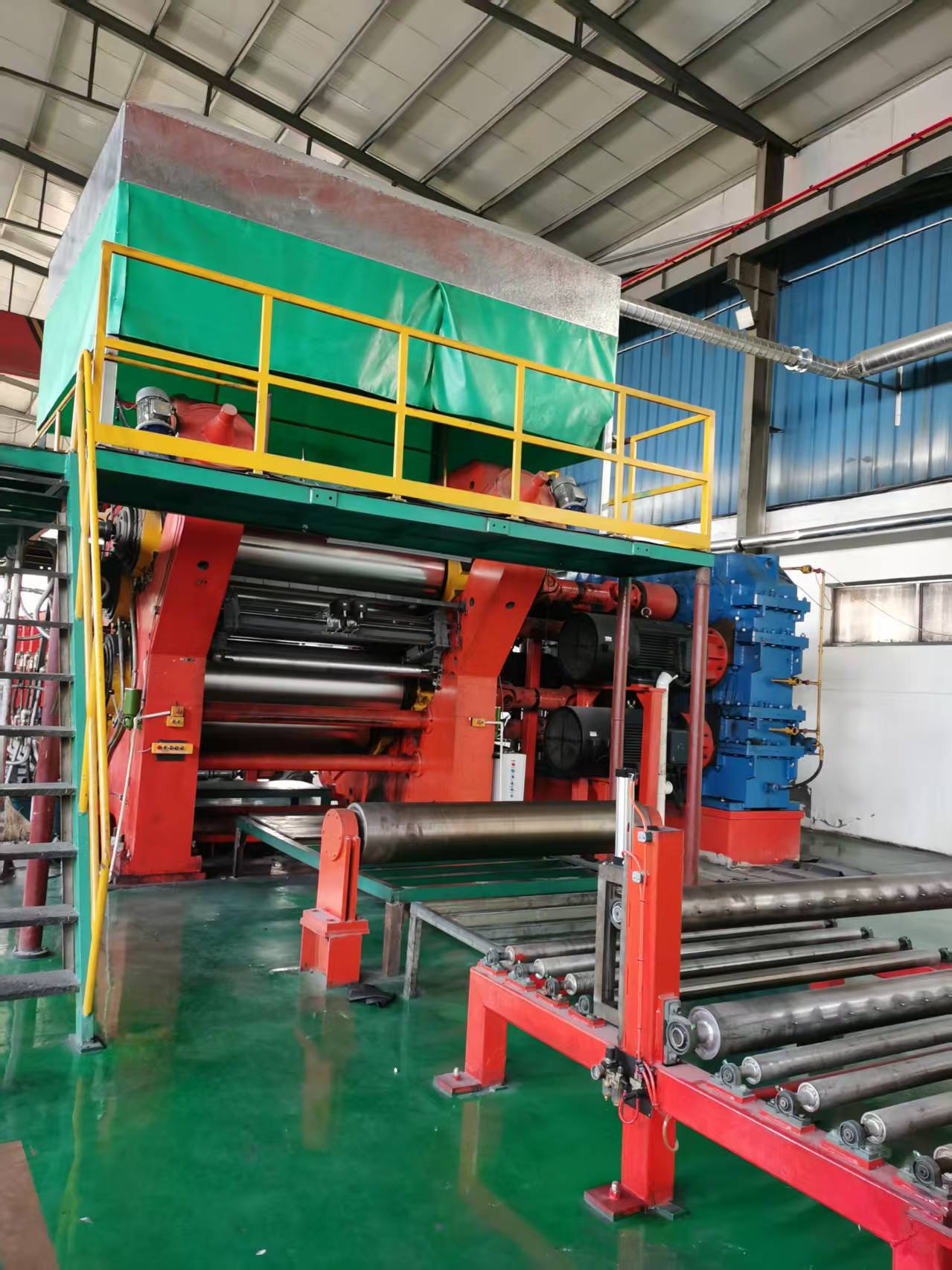
Fabric Ply Laying Station
Continuous Vulcanization Press
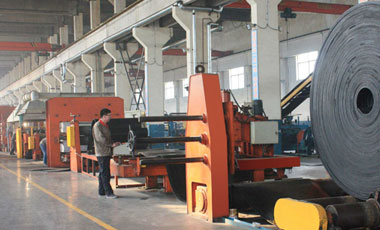
Fabric Conveyor Belt Production Line
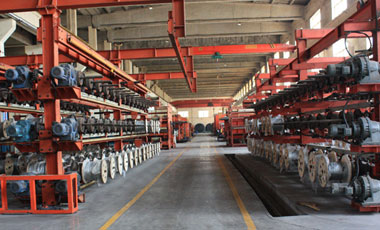
Steel Cord Conveyor Belt Line
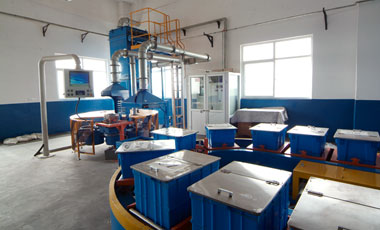
Proportioning Room of Mixing Center
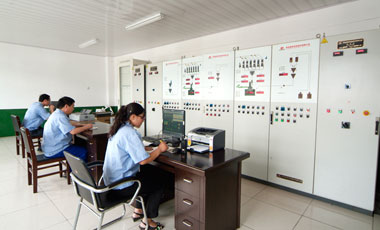
Proportioning System of Mixing Center
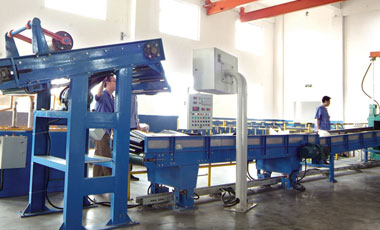
Compounding Material Feeding Device
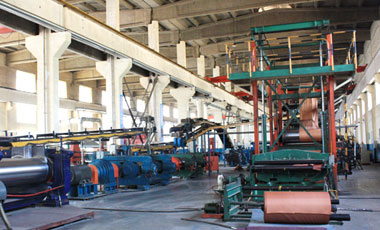
Calendering & Shaping Control System
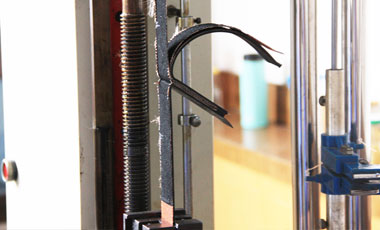
Inter-ply Adhesion Peeling Tester
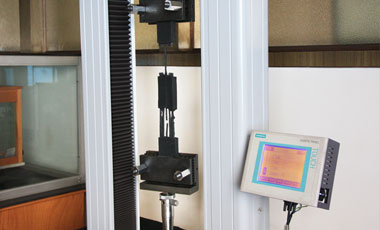
Steel Cord Adhesion Pull-out Tester
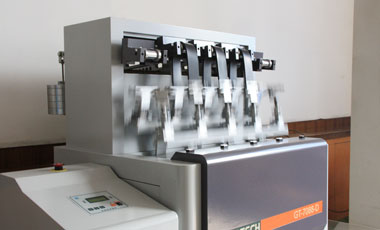
Dynamic Flexing Fatigue Tester
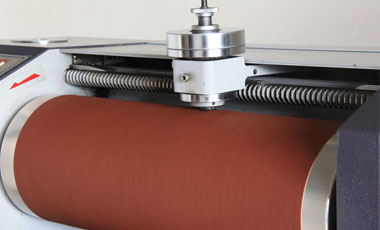
DIN Rubber Abrasion Tester (mm³ loss)
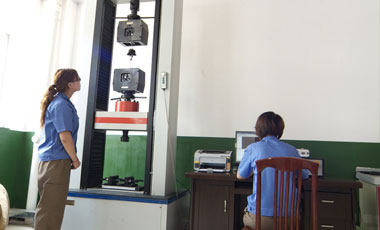
Rotary Drum Abrasion Tester
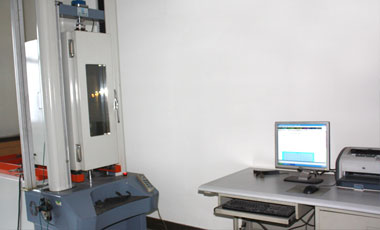
Tensile Strength Testing Station
We supply high-performance conveyor systems to major projects, ports, and power plants globally and within the Northern Vietnam industrial zones.
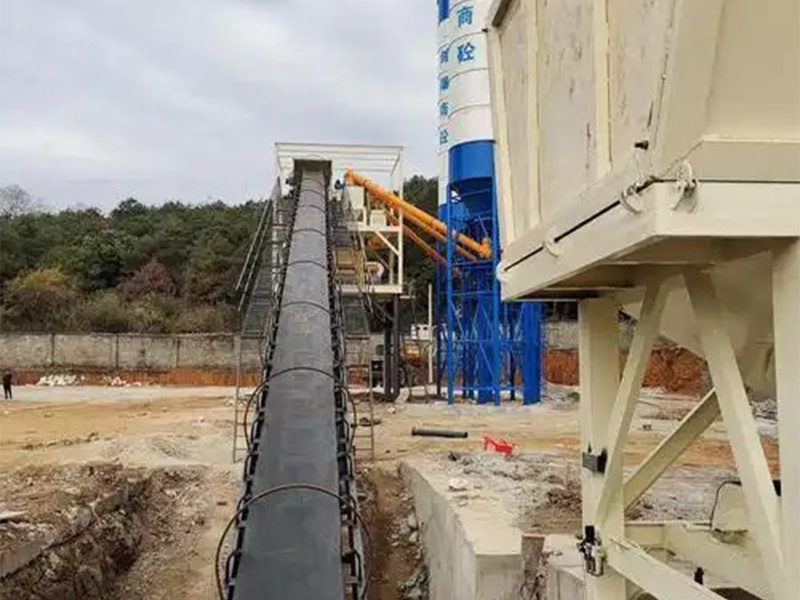
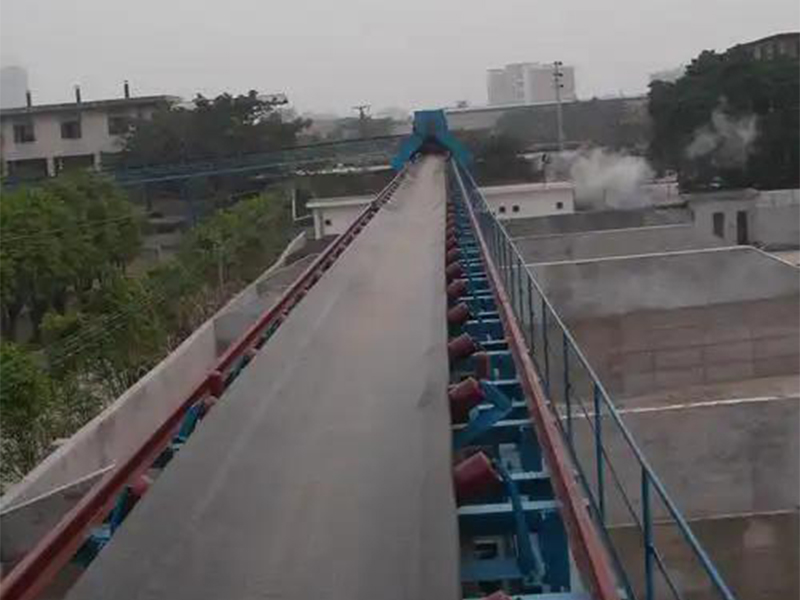
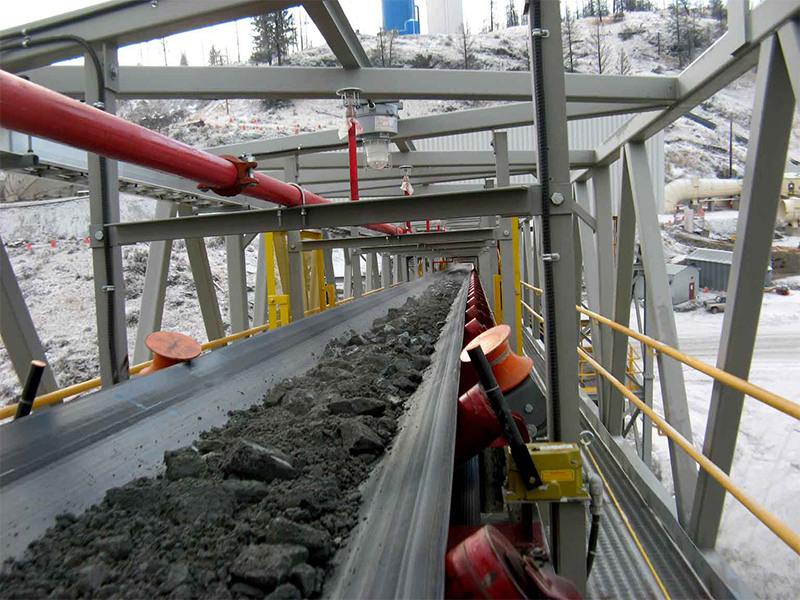
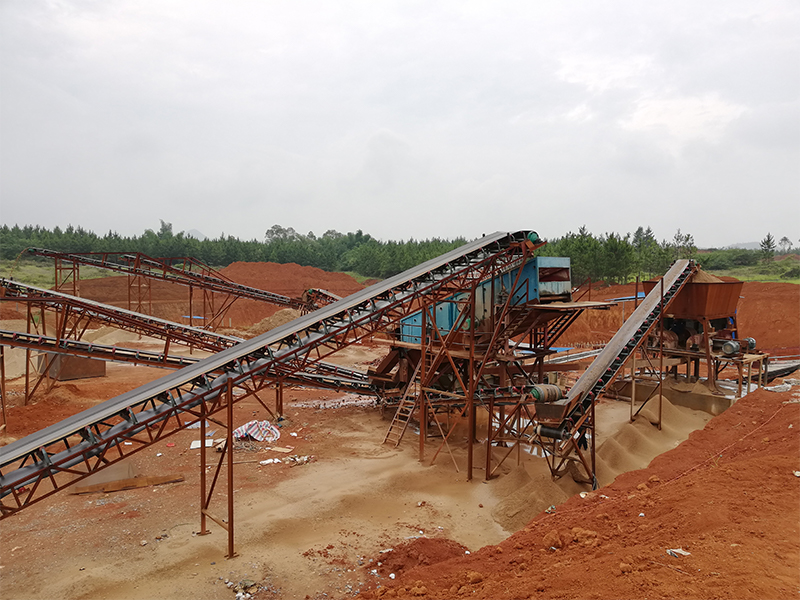
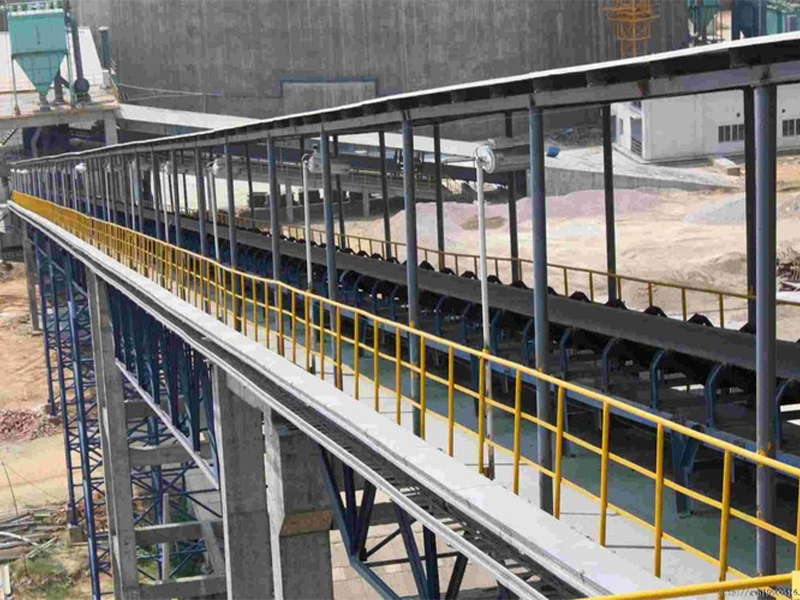
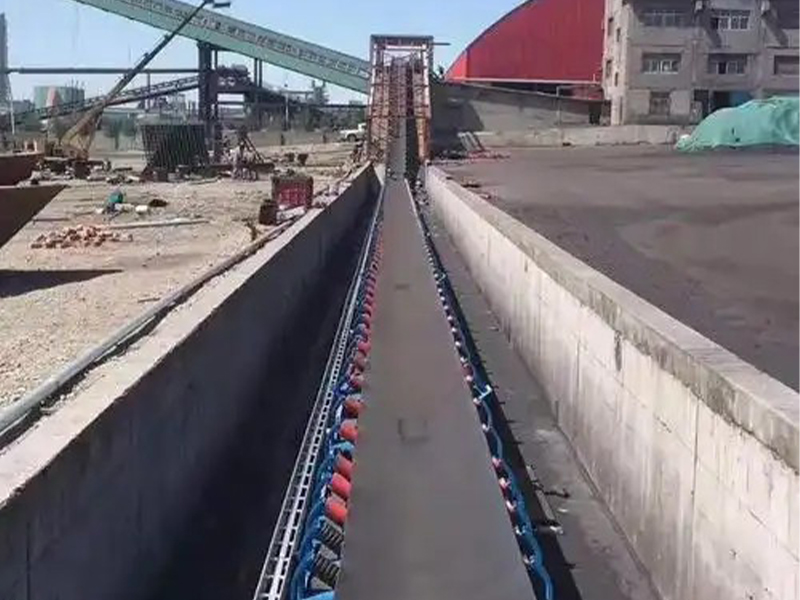
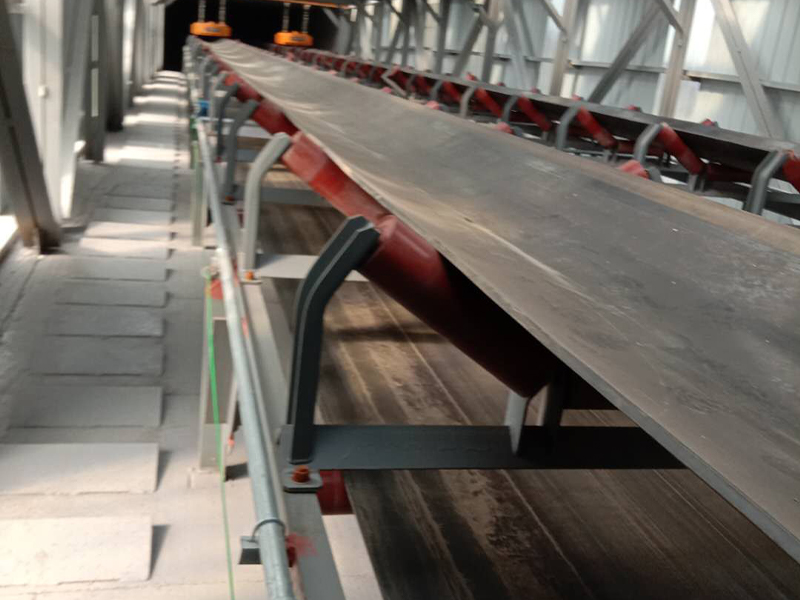
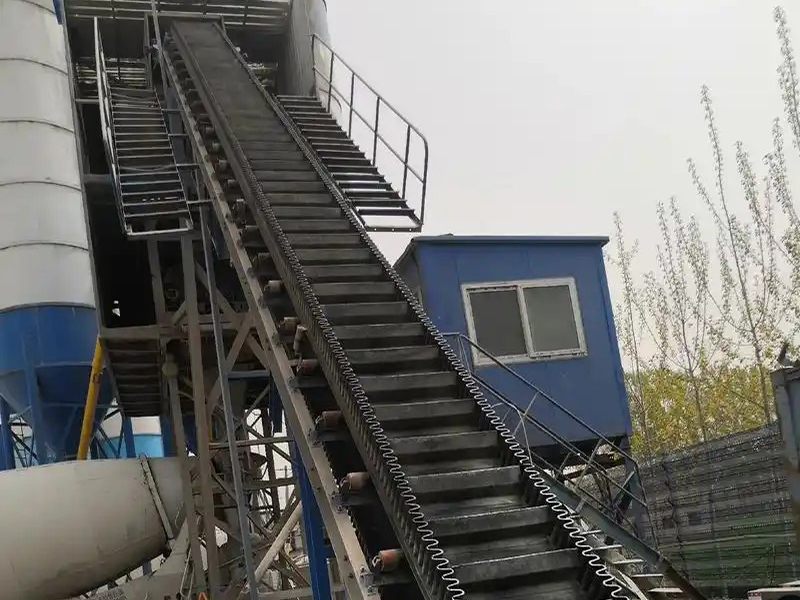
When purchasing layered conveyor belts for large industrial installations, selecting the correct carcass material is essential to meet performance requirements and maximize wear life. Layered conveyor belts typically use either Polyester (EP) or Nylon (NN) synthetic fabrics as the reinforcement layers, embedded between rubber covers. Each fabric type offers distinct mechanical advantages:
EP conveyor belts feature polyester warp fibers in the longitudinal direction and polyamide/nylon fill fibers in the transverse direction. This design provides several operational benefits:
NN conveyor belts use nylon fibers for both warp and fill, offering high elasticity and flexibility. Their key advantages include:
In addition to the fabric carcass, the outer rubber cover must be formulated to withstand local environmental conditions. For Hanoi and Northern Vietnam, cover compounds are designed to resist ozone degradation, micro-biological growth in humid conditions, and heat aging from hot clinker and aggregates.
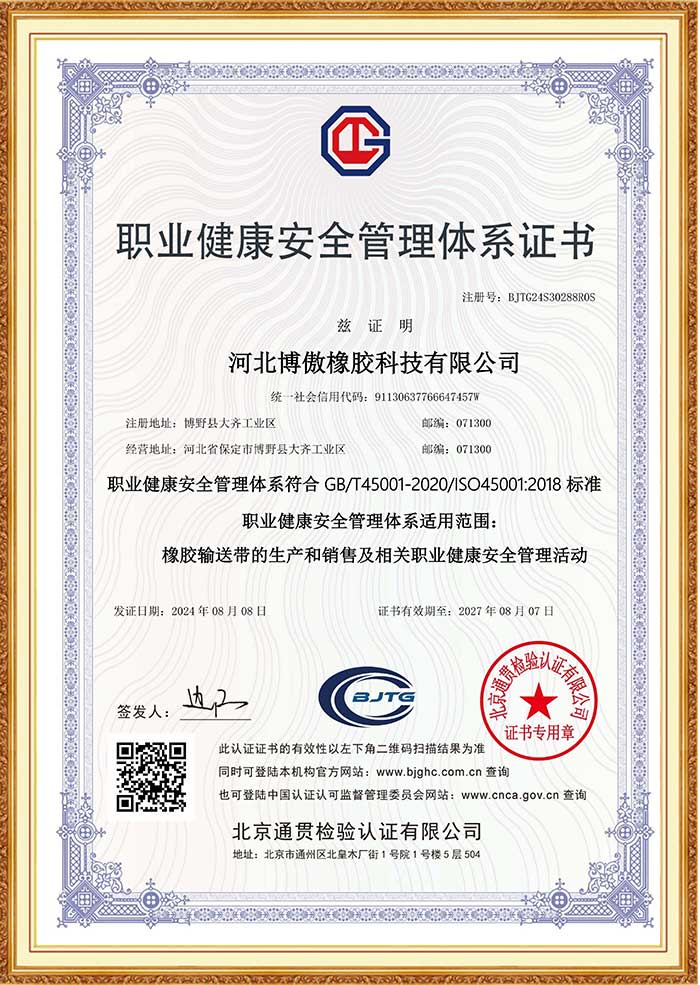
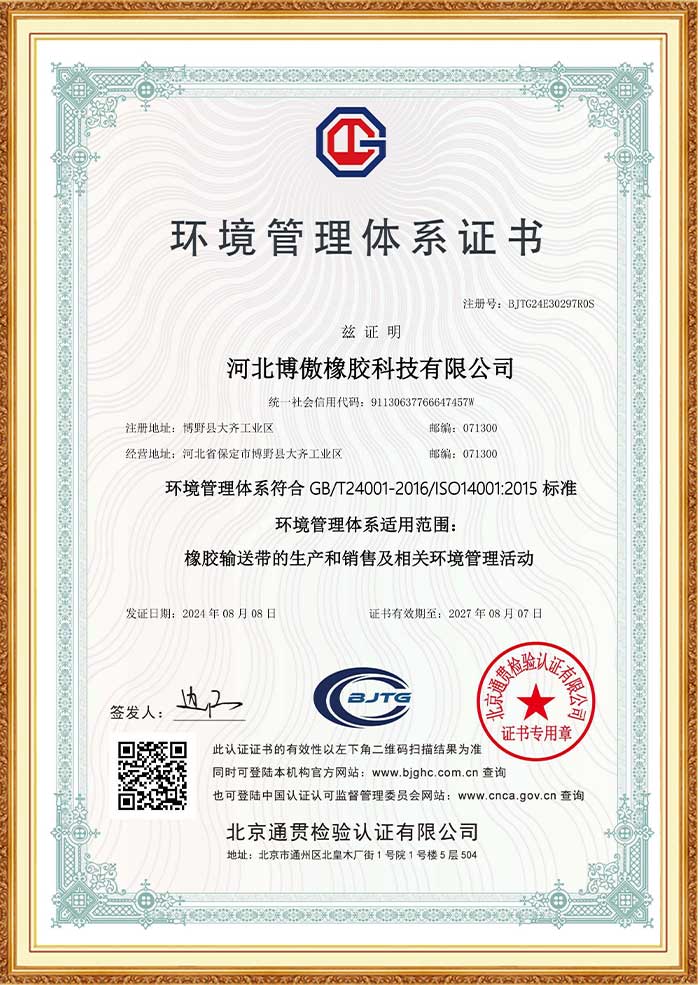
Our engineering and manufacturing processes comply with international safety and quality standards, including ISO9001, ISO14001, and ISO45001.
Common questions regarding specifications, applications, and logistics for the Hanoi industrial market.
A: EP (Polyester/Nylon) fabric has low elongation in the warp (longitudinal) direction, providing high dimensional stability and requiring shorter take-up systems. NN (Nylon/Nylon) fabric offers higher elasticity, better impact resistance, and superior troughability, making it suitable for handling large, heavy materials over shorter distances.
A: We use high-quality polyester and nylon fabrics that do not lose tensile strength when exposed to moisture. The rubber covers are formulated with anti-aging, ozone-resistant, and anti-fungal additives to prevent degradation in hot, humid climates.
A: Our heat-resistant conveyor belts are classified into four classes (T1, T2, T3, T4). The T4 class can handle materials at continuous temperatures up to 200°C, with peak exposures reaching 250°C, making them suitable for cement clinker and metallurgy slag.
A: Every batch undergoes rigorous laboratory testing, including tensile strength and elongation testing of the rubber and fabric plies, inter-ply adhesion tests, and DIN abrasion testing to verify wear rates.
A: Production timelines vary based on order volume and belt specifications, typically ranging from 15 to 25 days. Transit from Tianjin Port to Haiphong Port or directly to Hanoi via road takes approximately 5 to 7 days.
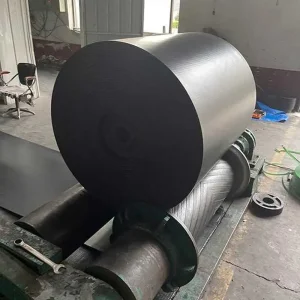
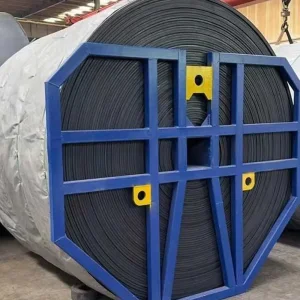
Explore our range of heavy-duty fabric and steel reinforced conveyor belts designed for diverse industrial applications.
 Boao Rubber