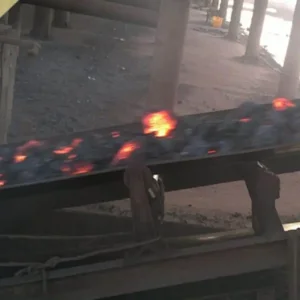
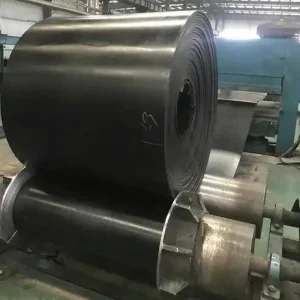
Hungary has positioned itself as one of Central Europe's critical nodes for industrial production, automotive factories, and heavy bulk material transport. From the industrial clusters of Győr and Miskolc to the logistics centers of Budapest and Debrecen, having an uninterrupted bulk material movement workflow is paramount to operational profitability.
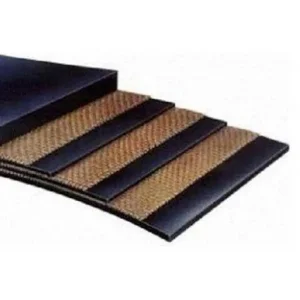
Modern applications require high-strength multi-ply (EP/NN) conveyor belts designed to withstand intense mechanical loads, severe temperature fluctuations, and aggressive chemical environments. For instance:
By tailoring our "Jinao" brand belt series to conform to strict European DIN 22102 and REACH specifications, Hebei Boao Rubber Technology ensures Hungarian operators gain maximum uptime and minimum carcass stretch.
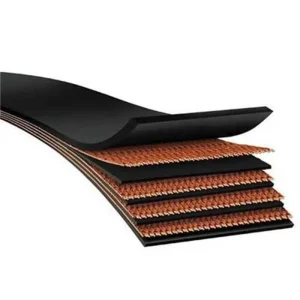
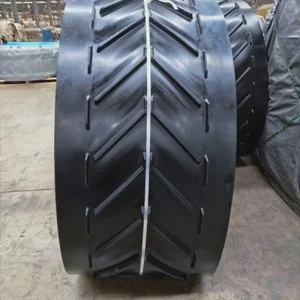
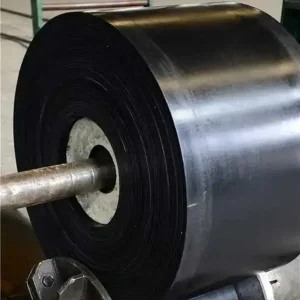
The structural integrity of a layered conveyor belt relies heavily on the fabric carcass embedded between the rubber covers. Below is a detailed engineering analysis comparing Polyester-Nylon (EP) and Nylon-Nylon (NN) structures, designed to help Hungarian procurement departments choose the optimal setup for their material handling equipment.
| Carcass Code | Warp / Weft Fibers | Tensile Strength (N/mm) | Elongation at Reference Load | Key Strengths & Features | Primary Industrial Use cases in Hungary |
|---|---|---|---|---|---|
| EP (Polyester) | Polyester / Polyamide | 100 - 630 N/mm per ply | ≤ 1.5% (Very Low Stretch) | Excellent dimensional stability, low stretch, moisture/mildew resistant | Grain silos, cement batching plants, long-distance mineral lines |
| NN (Nylon) | Polyamide / Polyamide | 100 - 500 N/mm per ply | ≤ 2.5% (High Elasticity) | High impact absorption, extreme flexibility, superb troughability | Quarrying, hard rock mining, heavy aggregate crushing centers |
| Steel Cord (ST) | Steel Wire Cables | 500 - 5400 N/mm | ≤ 0.2% (Negligible Stretch) | Extreme tensile loading capacity, superior splice longevity | Deep pit mines, cross-country energy generation fuel transport |
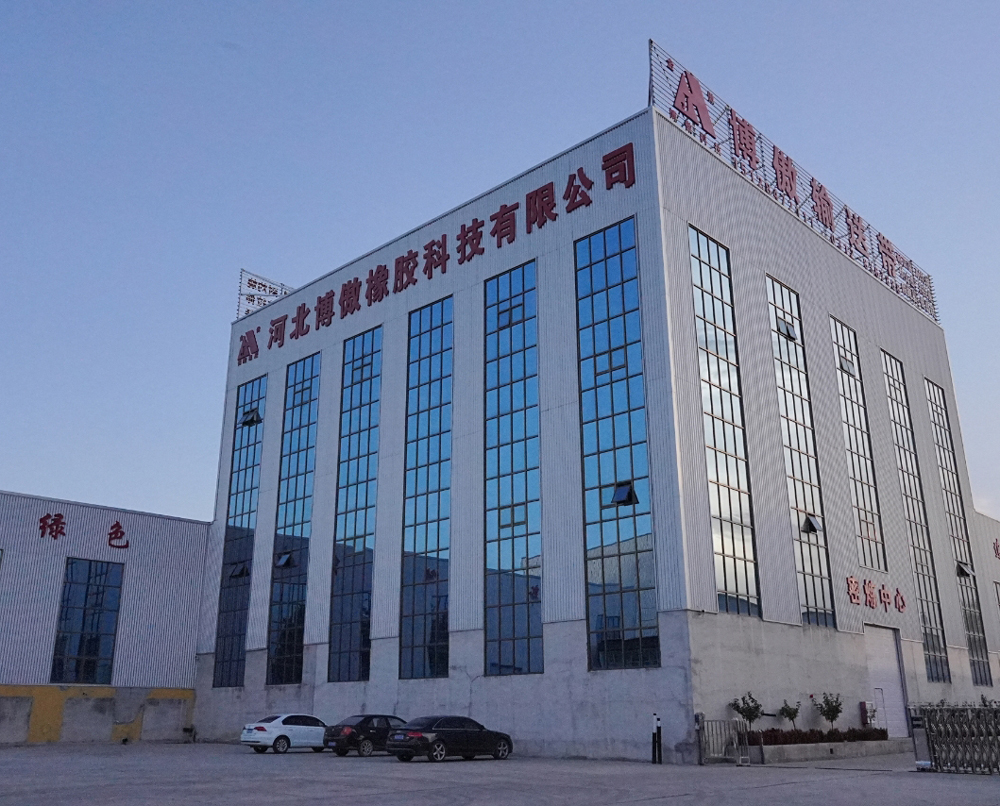
Our Boye County facility houses an independent chemical analysis room and physics laboratory. Raw materials undergo strict rheometer, tensile, and aging tests before entering the production line.
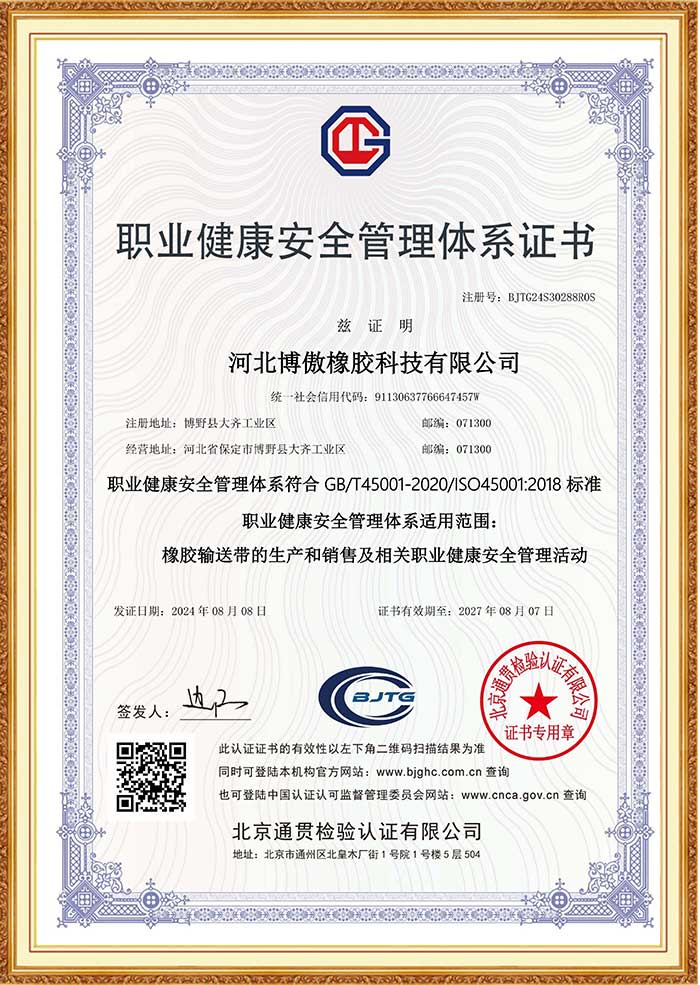
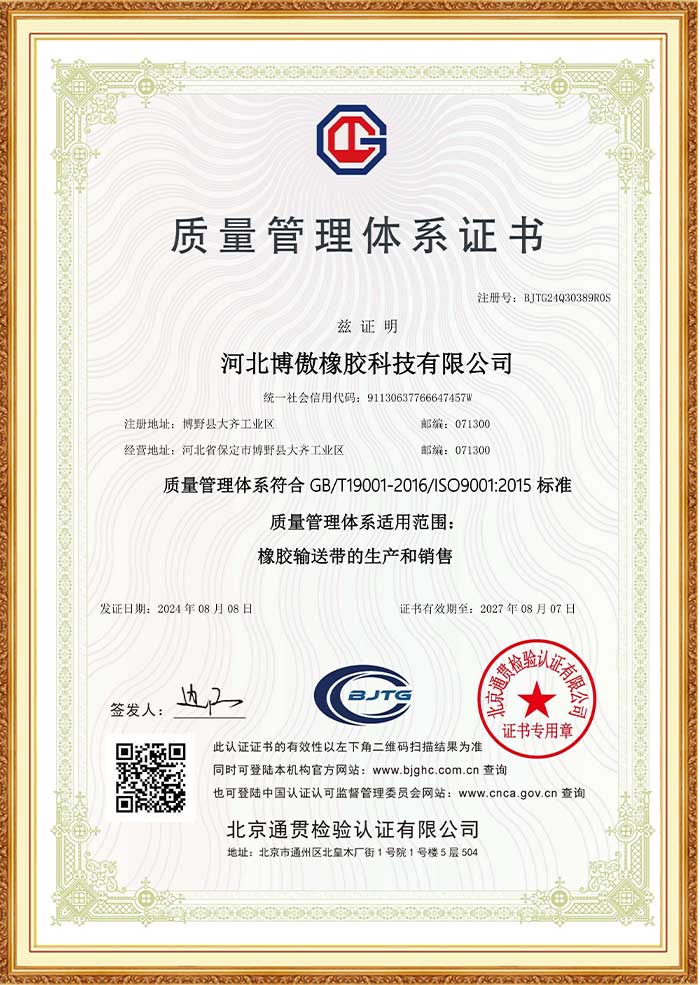
We comply fully with European directives including CE marking, REACH chemical safety regulations, and ISO 9001:2015. Rest assured of no hazardous chemical outgassing on sensitive food/grain lines.
From planned replacements and emergency splice bonding to custom compound configurations (abrasion, heat, cold, oil, acid), we provide turn-key service protocols for global buyers.
Under our proprietary "Jinao" brand, Hebei Boao Rubber Technology runs multiple integrated production lines featuring advanced rubber mixing centers, high-pressure calenders, and long-bed vulcanizers. We ensure the longevity of every layered belt through precise testing machinery:
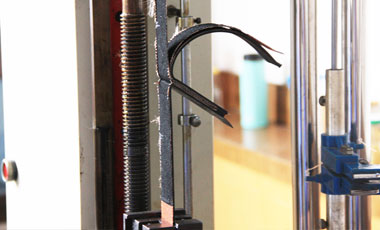
Adhesion Peeling Test
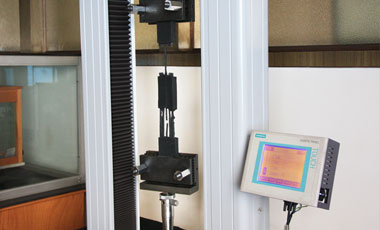
Cord Pull-out Machine
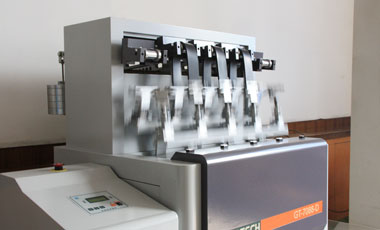
Dynamic Fatigue Tester
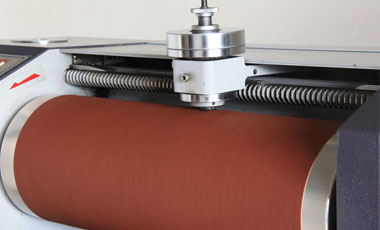
Abrasion Tester
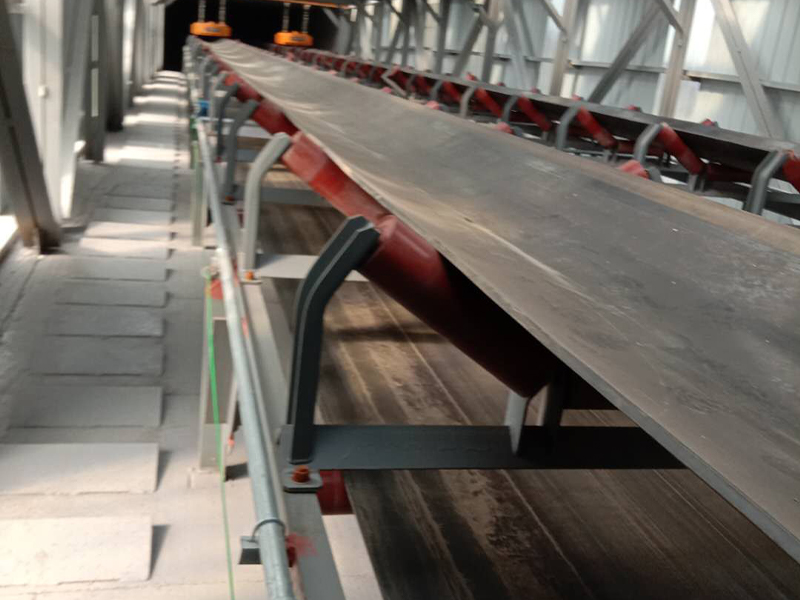
Taihang Steel Heavy Transport Line
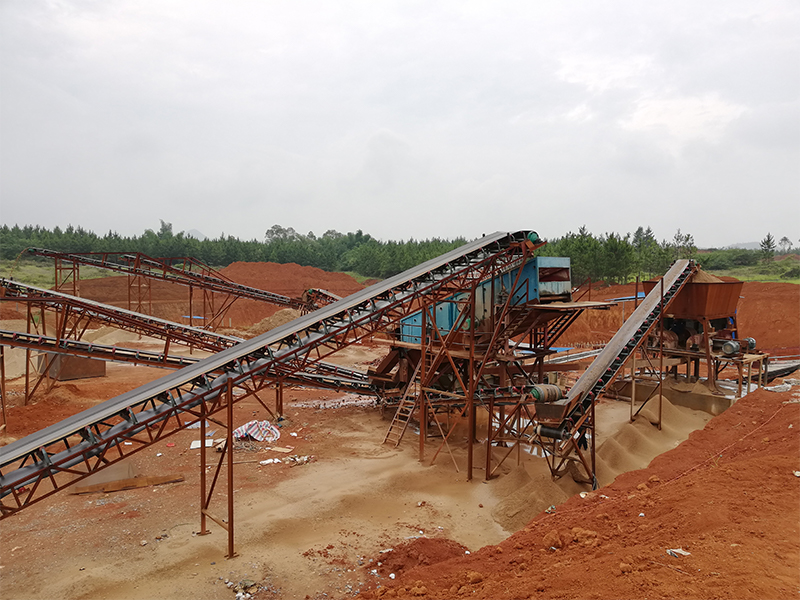
Tsingshan Group Mining System
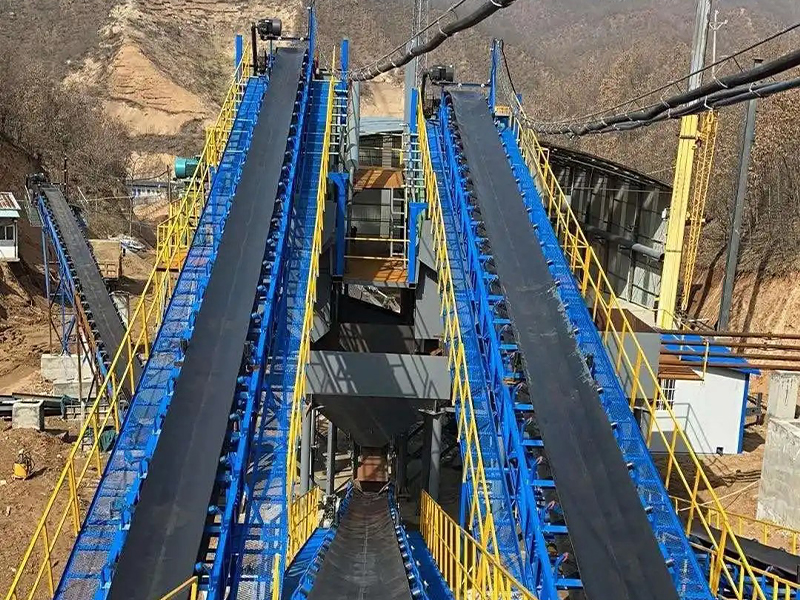
Zijin Mining Bulk Routing Plant
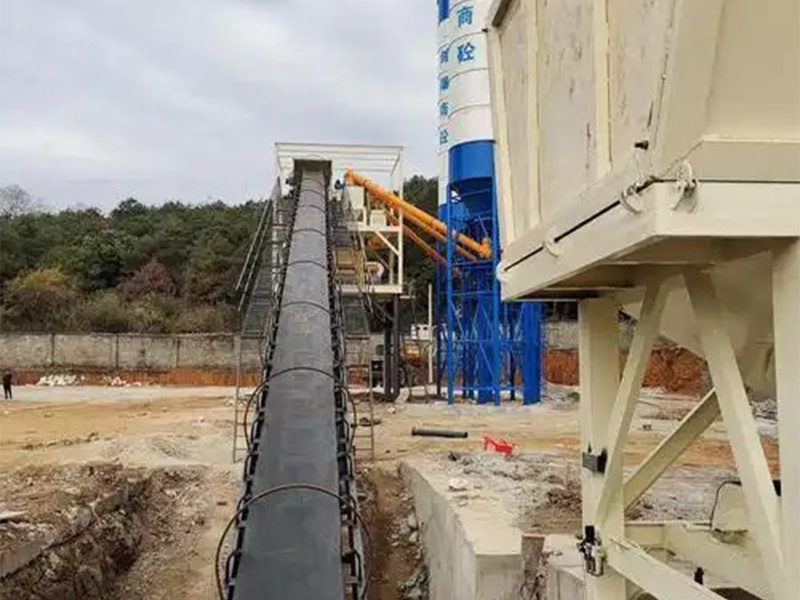
Railway Infrastructure Projects
No matter how well-engineered a conveyor belt carcass is, the splice area remains the weakest link. In order to guarantee uninterrupted production flow for Hungarian cement complexes and thermal power stations, Hebei Boao Rubber Technology offers comprehensive technical service plans:
As EU climate policies tighten energy consumption thresholds across the CEE region, reducing conveyor system friction losses becomes crucial. Hebei Boao Rubber is pioneering several key technology initiatives:
Low Rolling Resistance (LRR) Rubber Compounds: By reducing the viscoelastic hysteresis of the bottom cover compound as it passes over idlers, our LRR formulations can cut system power requirements by 10% to 15% on long overland conveyors.
REACH Compliant Plasticizers: Eliminating polycyclic aromatic hydrocarbons (PAHs) from our cover compounds to meet the strictest human health and environmental protection regulations enforced in Central Europe.
Anti-Tear & Smart Monitoring: Developing multi-ply systems with built-in metal sensor grids that automatically trigger system shutdown upon detection of longitudinal tears, preventing catastrophic field failures.
Yes. All of our multi-ply layered conveyor belts (EP and NN) and steel-cord belts are manufactured in strict compliance with DIN 22102, ISO 14890, and equivalent BS/EN specifications. This covers tensile strength, cover thickness configurations, and volumetric abrasion resistance limitations.
Typically, production takes 15 to 25 days depending on the thickness, carcass type, and order volume. Transit times via maritime cargo routing (such as through the Port of Koper, Port of Rijeka, or direct rail to Budapest freight terminals) range from 28 to 35 days. We also offer buffer safety stock storage for long-term supply contracts.
Our flame retardant rubber conveyor belts are regularly tested for safety performance under ISO 340 / DIN 22103 standards. The tests ensure that the belt will self-extinguish when exposed to open flame inside underground coal mining galleries or indoor logistics warehouses.
Absolutely. For fertilizer production, seawater operations, and acid leaching plants, we produce custom formulations of acid and alkali-resistant conveyor belts using specialized synthetic rubbers (like EPDM or NBR) to ensure long-term structural durability against swelling and chemical erosion.
Every production batch is sent out with a complete physical testing report from our independent laboratory. This includes tensile strength at break, adhesion strength between plies, cover-to-carcass adhesion, elongation at reference load, and DIN abrasion loss index parameters.
Connect with Boao's application engineers today to discuss custom compound formulations, sizing details, safety stock storage options, and bulk container shipping quotes.
 Boao Rubber