 Boao Rubber
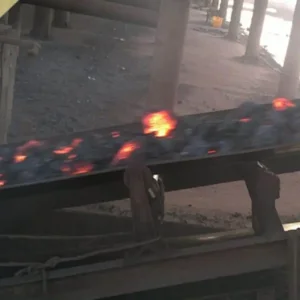
Engineered to meet the precise requirements of Germany's extraction, construction, and heavy manufacturing plants. Exceptional mechanical resistance and high-tensile carcasses.
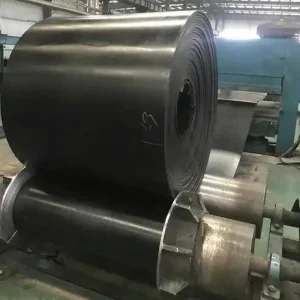
An in-depth look at Germany's rigorous mechanical engineering demands and the alignment of Chinese high-performance manufacturing.
The Industrial Landscape of Germany: From the historic coal and steel operations in the Ruhr Valley (Ruhrgebiet) to the advanced recycling complexes in Bavaria and major maritime ports like Hamburg and Bremerhaven, Germany relies heavily on high-integrity bulk material handling. In these applications, downtime is measured in thousands of Euros per minute. Conveyor lines must operate continuously under extreme thermal, physical, and environmental loads. To satisfy these demands, systems must adhere to strict European and German national standards (specifically DIN 22102 for fabric conveyor belts).
Strict Adherence to DIN Standards: Fabric conveyor belts used in Germany must prioritize durability, elongation control, and safety. Multi-ply (layered) fabric belts—utilizing polyester-warp/polyamide-weft (EP) or polyamide/polyamide (NN) fabric reinforcements—provide the structural backbone needed for long-distance transport. The German market demands strict compliance regarding rubber cover characteristics (Class X, Y, W, and Z), which govern tensile strength, elongation at break, and maximum volumetric abrasion loss. High-durability belts must demonstrate abrasion resistance below 120 mm³ (under DIN Class W specifications) when hauling abrasive quartz sands, crushed granite, or furnace slag.
Strategic Value of Chinese Advanced Manufacturing: Leveraging modern, ISO-certified manufacturing infrastructure in Boye County, Hebei, Hebei Boao Rubber Technology Co., Ltd. closes the gap between cost efficiency and technical performance. By combining high-purity SBR/NBR polymers and high-tenile synthetic fibers with rigorous testing protocols, we supply German bulk handling operations with conveyor belts that provide a lower total cost of ownership (TCO) without sacrificing longevity or performance.
Over two decades of structural polymer compounding and multi-ply fabric assembly experience since 2004.
Modernized calender and vulcanization lines based in the Boye Rubber Industrial Park, Baoding, China.
All layered and rubber compounds are subjected to intensive laboratory validations to match EU industrial benchmarks.
Manufacturer of "Jinao" Brand Heavy-Duty Conveyor Solutions
Hebei Boao Rubber Technology Co., Ltd. is located in the Rubber Industrial Park of Boye County, Baoding, Hebei Province. Founded in 2004, our facility covers more than 30 acres. We are a professional Chinese manufacturer that integrates product development, engineering research, structural design, manufacturing, and comprehensive global logistics services for conveyor belts and supporting conveyor machinery accessories.
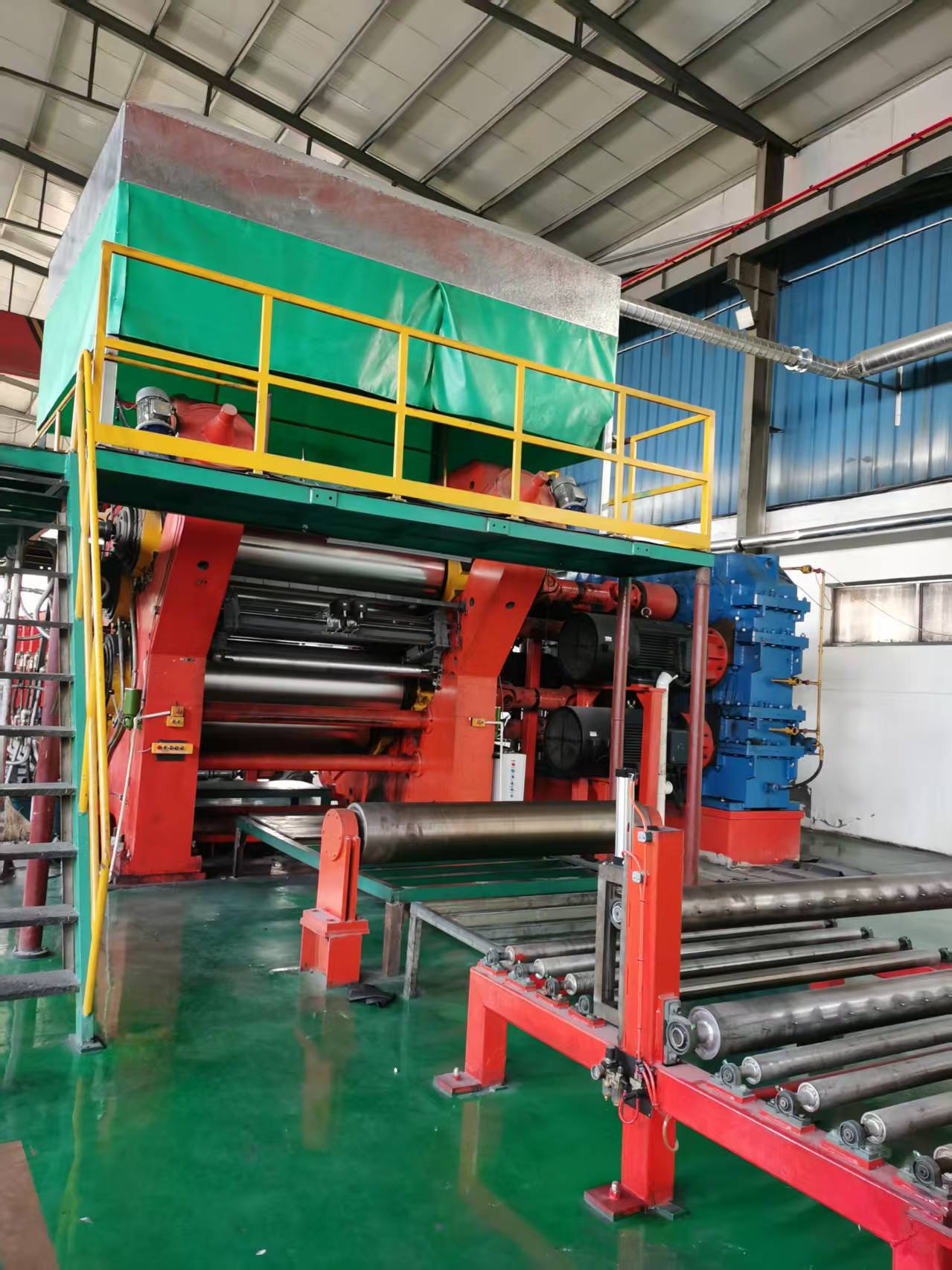
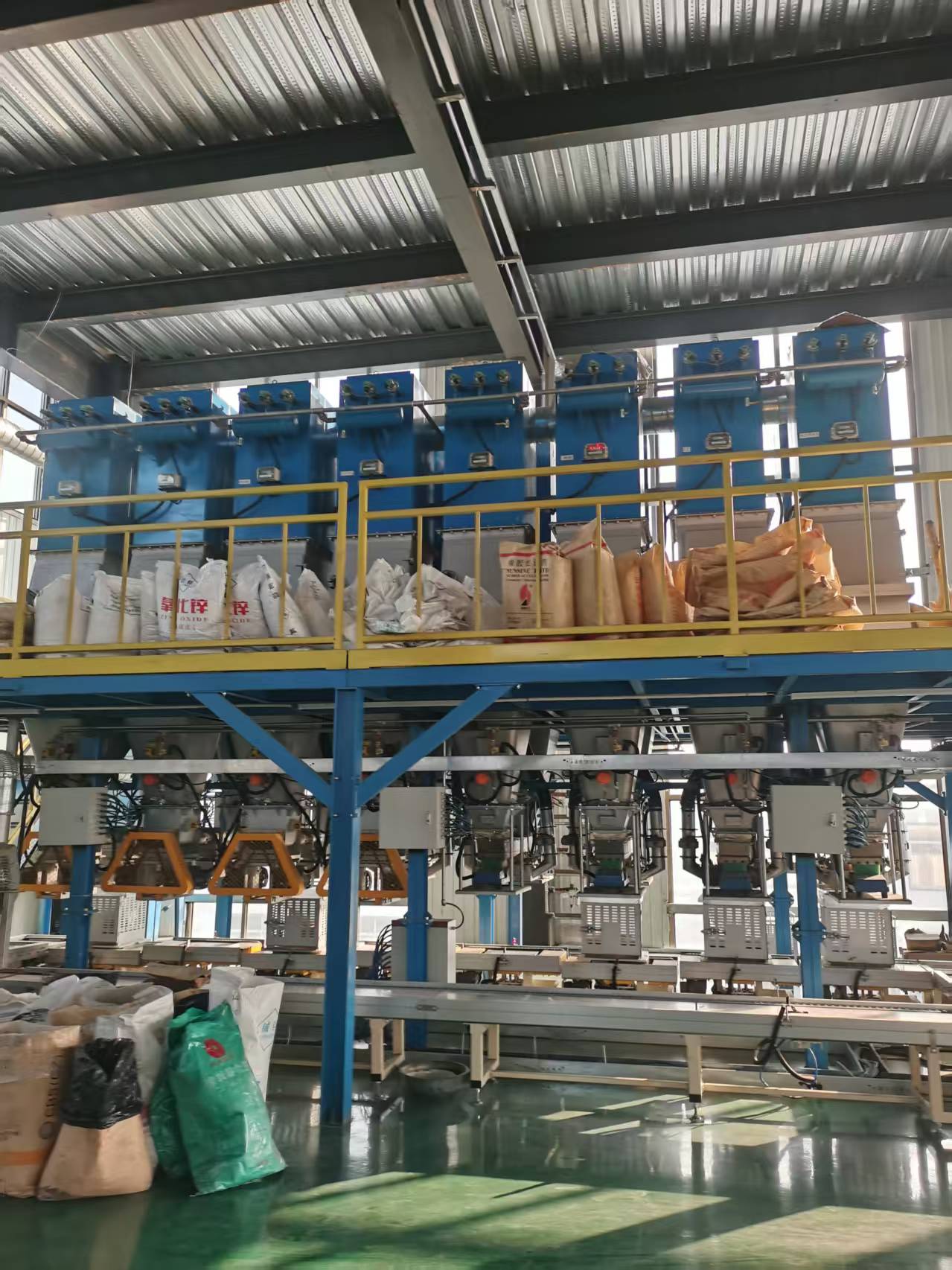
Our flagship "Jinao" brand has become synonymous with durability and operational safety. Boao operates state-of-the-art production lines featuring automated internal mixers, heavy-duty calendering lines, multi-station continuous plate vulcanizers, and complete quality testing stations. Our production flow guarantees that raw materials are fully homogenized and fabric plies are aligned correctly to prevent belt drift, ply separation, or premature elongation under load.
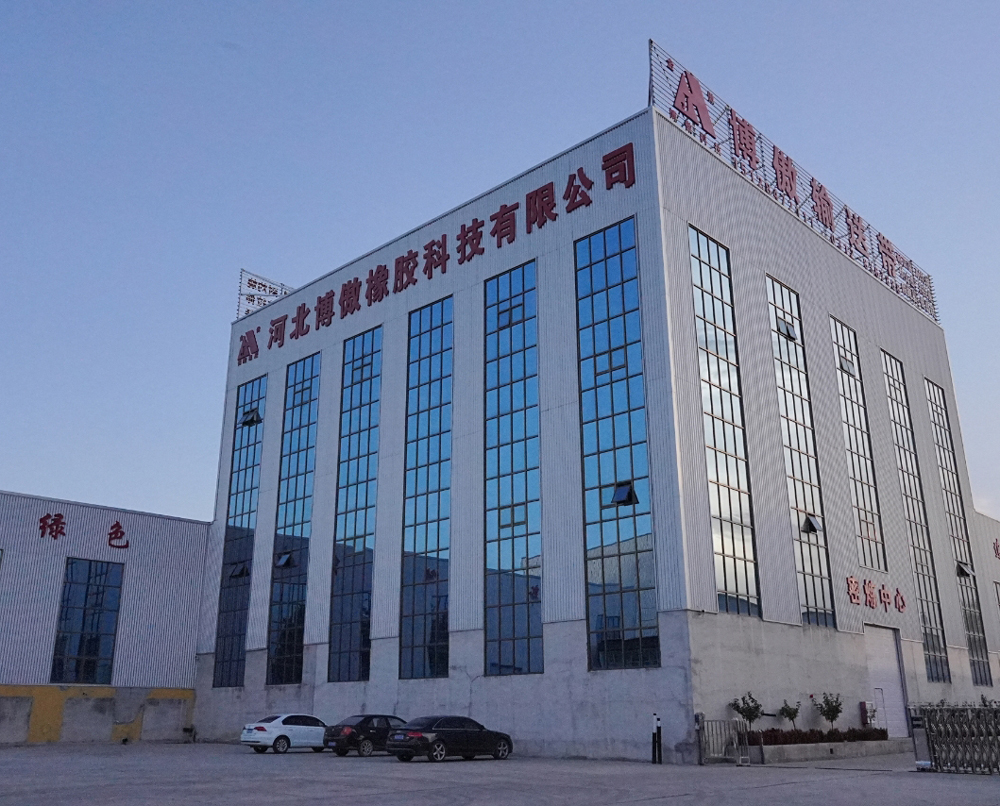
Our dedicated chemical and physical testing laboratory screens every batch of raw rubber, synthetic fibers, and vulcanized samples. Substandard compounds are rejected immediately.
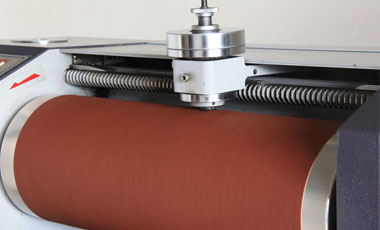
Equipped with computerized tensile testers, DIN abrasion testers, drum friction testers, and heat aging ovens to verify compound performance metrics.
Exporting to countries worldwide, with dedicated supply chains serving key industrial regions in Western and Eastern Germany.
Understanding the mechanical behavior of composite carcasses in high-load conveying applications.
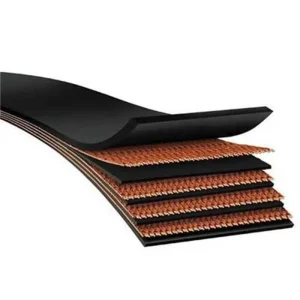
Layered conveyor belts—often termed multi-ply belts—consist of multiple sheets of woven synthetic fabric bound together by elastomeric interlayer skim coats. This composite structure is protected by top and bottom rubber covers designed for specific environmental challenges.
The EP fabric carcass features a warp made from polyester fibers (for high tensile strength and low longitudinal elongation) and a weft made from polyamide/nylon fibers (providing excellent lateral flexibility and mechanical fastener retention). EP belts are widely preferred in Germany for long-center bulk material systems because:
Both warp and weft fibers in NN carcasses consist of high-tensile polyamide. This configuration delivers specific structural characteristics:
Get in touch with our engineering team for DIN-compliant belt thickness, ply configuration, and tensile rating recommendations.
Send Inquiry NowTailored belt configurations designed for the key industrial sectors operating within Germany.
Sintering and coking plants expose conveyor belts to constant temperatures up to 200°C and short peaks exceeding 400°C. Our EP-T400 heat-resistant rubber compounds use EPDM polymers to prevent structural cracking, cover hardening, and ply separation, maintaining consistent material transport in blast furnace feed lines.
Moving hot clinker requires specialized thermal and mechanical properties. Our high-tensile layered EP belts feature low-abrasion covers (DIN Class X or Y) to withstand aggressive friction from sharp clinker particles, helping operators lower cost-per-ton handling rates.
For open-cast mining operations in the Lusatian and Rhenish districts, fire safety is critical. We produce flame-retardant layered conveyor belts compliant with safety classes such as DIN EN ISO 340 (K or S grade) to prevent fire propagation along underground or surface galleries.
At ports like Hamburg and Rostock, high throughput requires belts with reliable tracking and minimal downtime. Our general-purpose and oil-resistant multi-ply belts are designed to handle variable cargos—ranging from grain and fertilizer to heavy mineral ores—while resisting moisture and salt spray degradation.
In-house testing and manufacturing processes developed to maintain consistent belt quality.
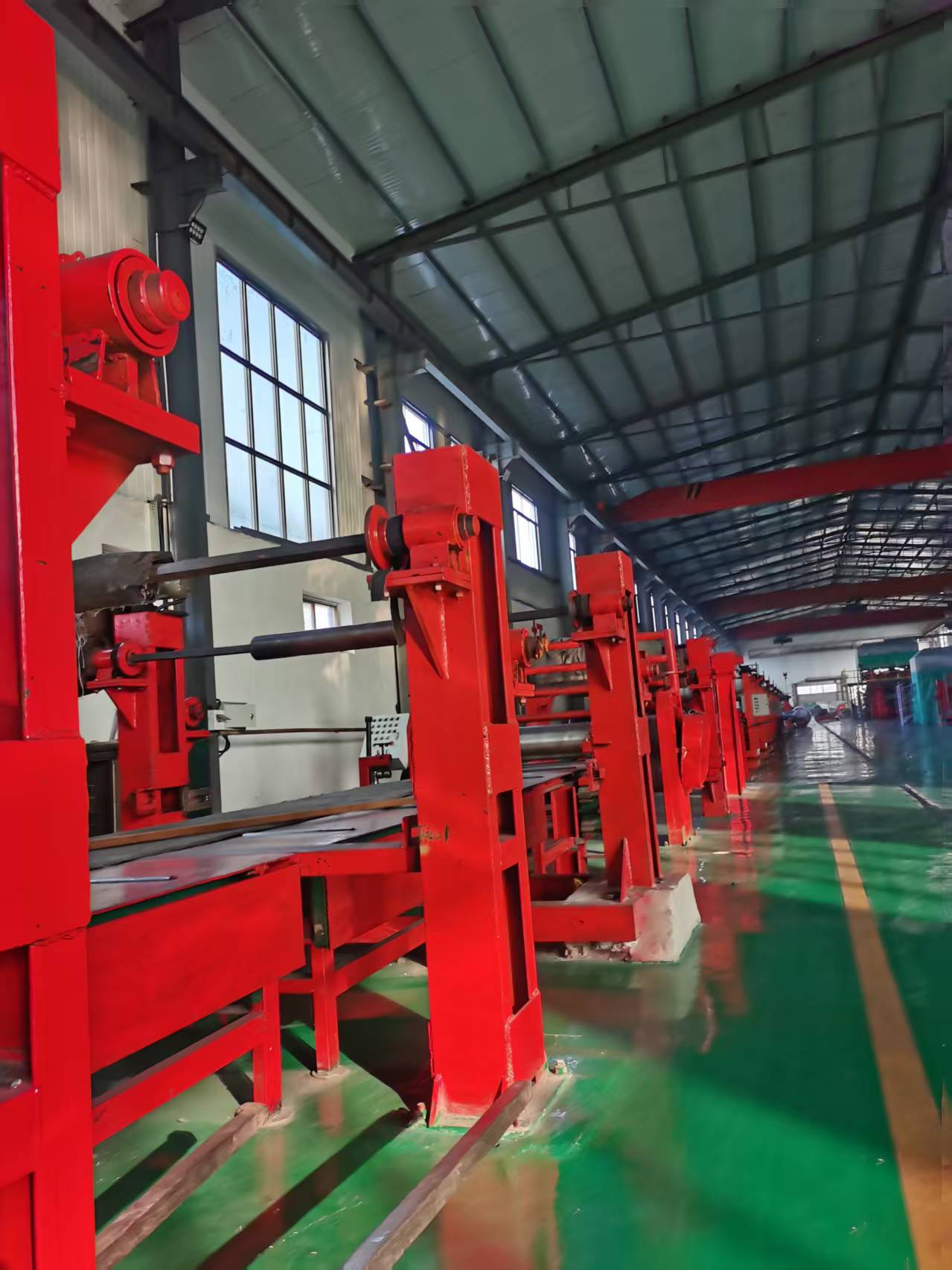
Fabric Conveyor Belt Calendering
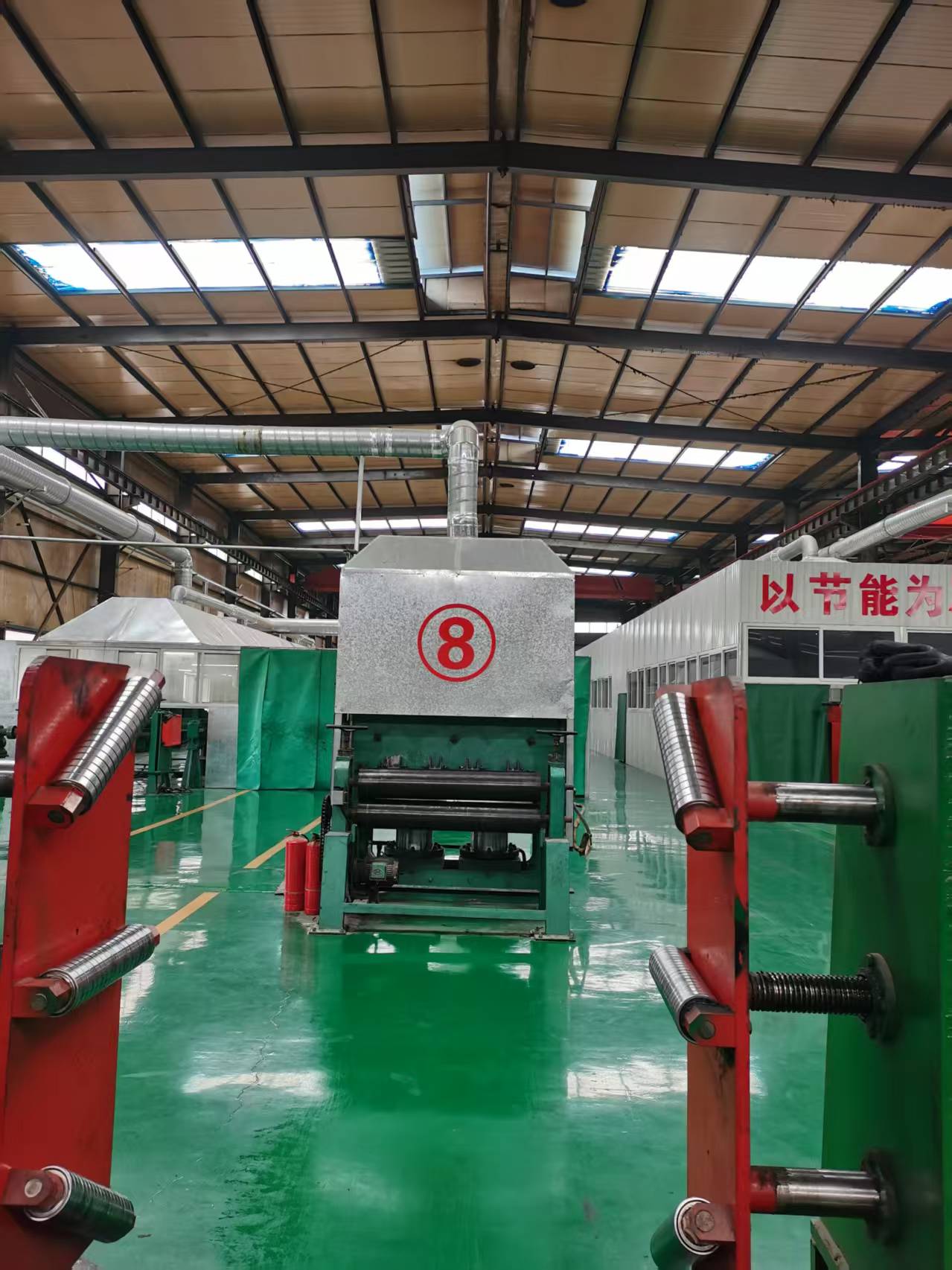
Continuous Vulcanization Press
Compound Rheometer Stations
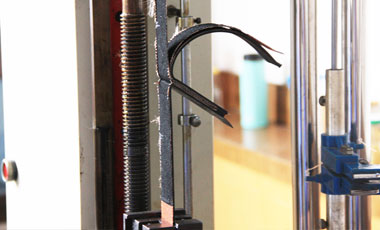
Ply Adhesion Peeling Test
DIN Abrasion Tester (mm³ Loss)
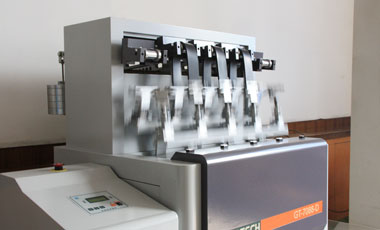
Dynamic Fatigue Tester
Tensile Strength & Elongation Station
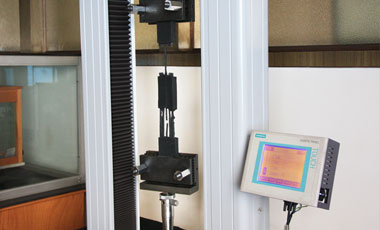
Steel Cord Adhesion Pull-out Tester
Strict Testing Protocols: Our quality control framework begins at the polymer stage. Every batch of Natural Rubber (NR), Styrene-Butadiene Rubber (SBR), and Ethylene Propylene Diene Monomer (EPDM) is evaluated for viscosity and cure kinetics. During manufacturing, the adhesive layer between the fabric plies is tested to meet or exceed DIN 22102 requirements (minimum 6.0 N/mm inter-ply adhesion). Physical cover tests verify tensile strength, ultimate elongation, and DIN abrasion loss. These processes are designed to prevent belt splitting, edge delamination, or ply separation in demanding environments.
Our belts are field-tested in demanding material handling applications worldwide.
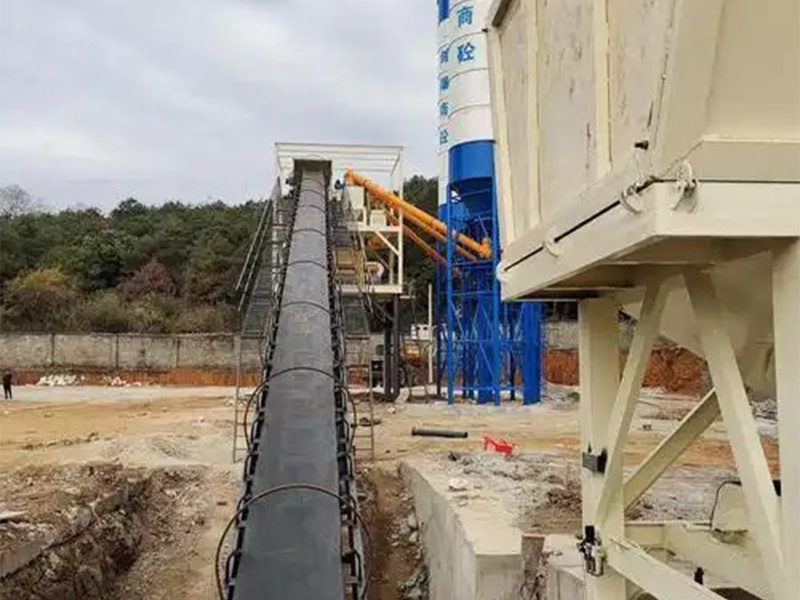
China Railway Group Mixing Plant
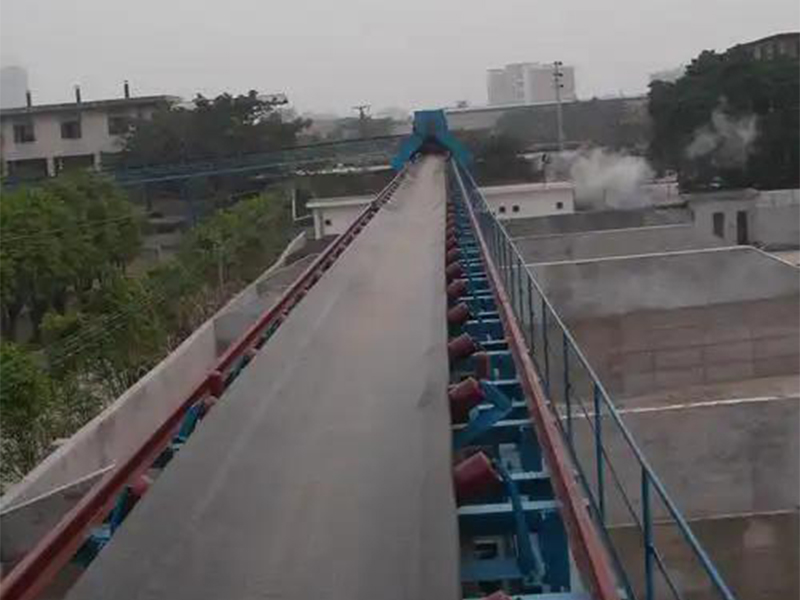
Conch Cement Plant Integration
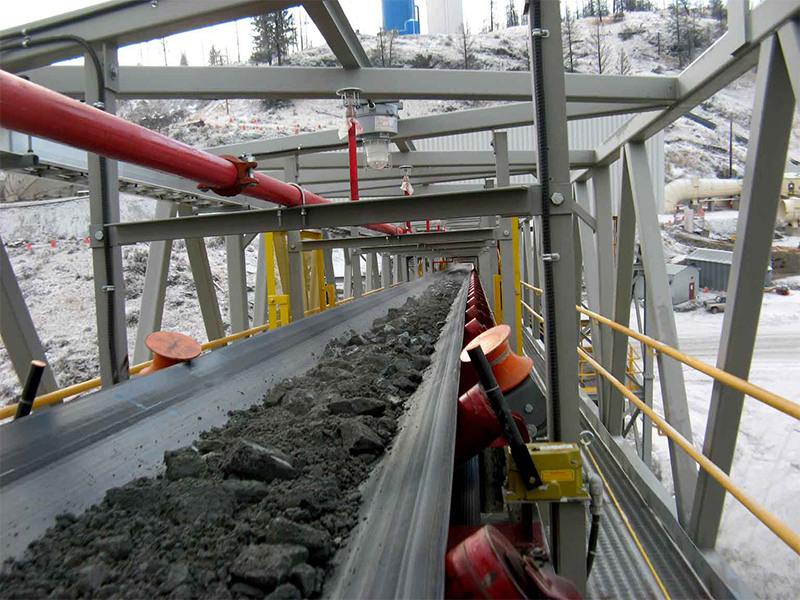
Datong Coal Group Heavy Handling
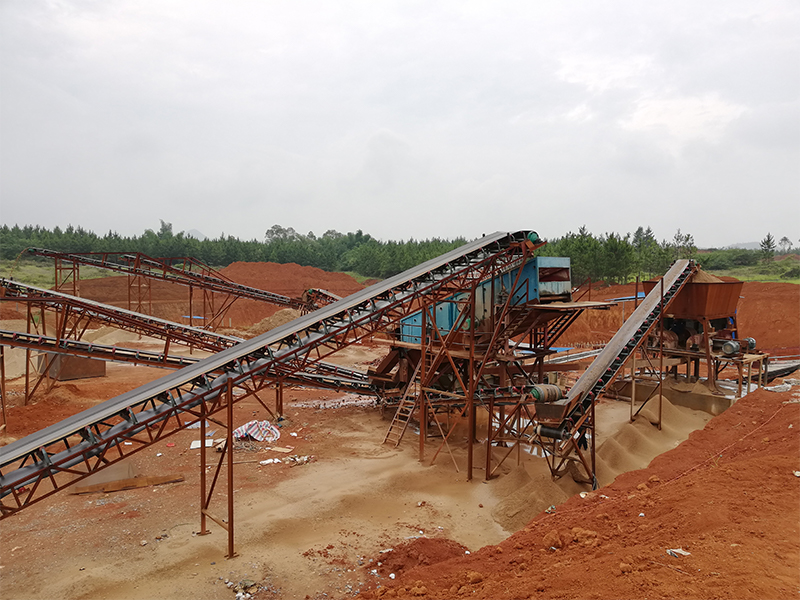
Tsingshan Group Smelting Facilities
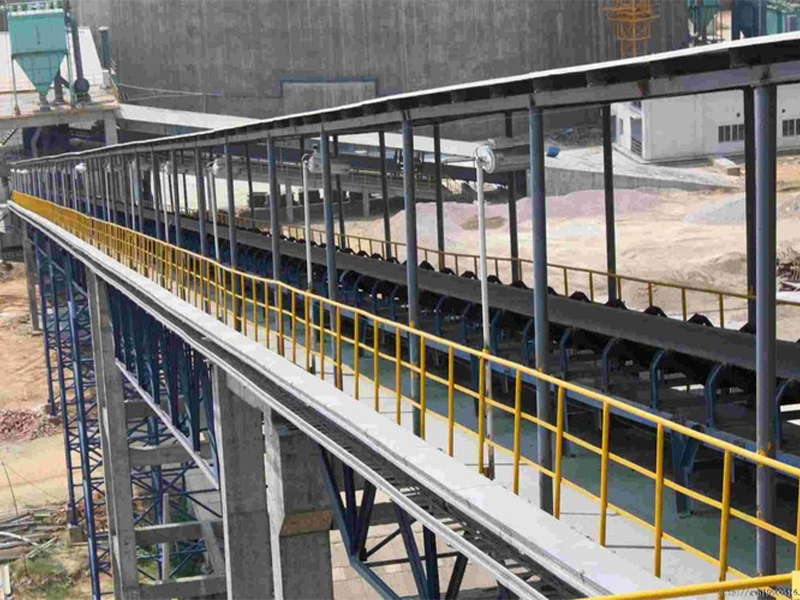
Jidong Cement Material Lines
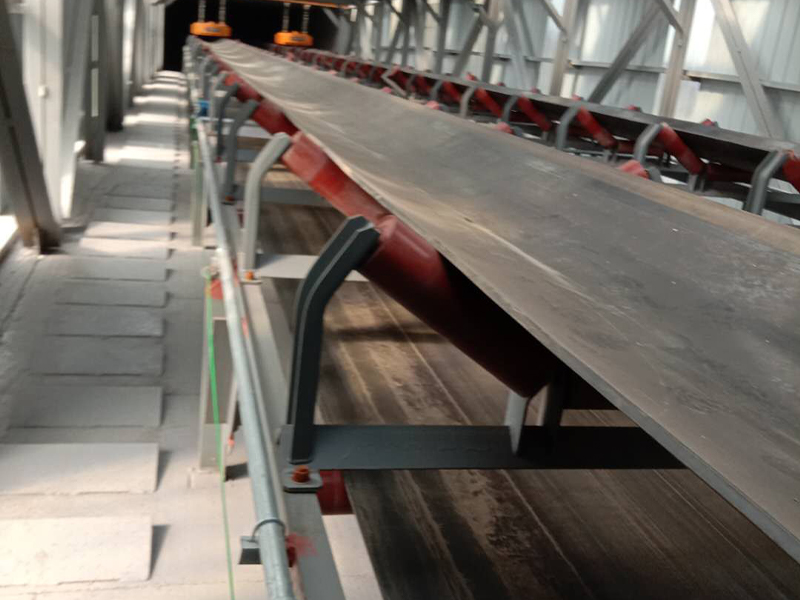
Taihang Steel Blast Furnace Feeds
Supporting German engineers with comprehensive mechanical planning, structural optimization, and replacement support.
We calculate dynamic tension requirements, transition distances, and minimum pulley diameters based on your existing systems to prevent joint failure and edge fatigue.
We provide matching vulcanizing kits—including cover rubber compounds, tie gum, and hot vulcanizing cements—to help maintain seam strength up to 90% of the belt carcass.
Support guidelines for tracking adjustments, skirt board configurations, and impact bed alignments to mitigate gouging and premature cover wear.
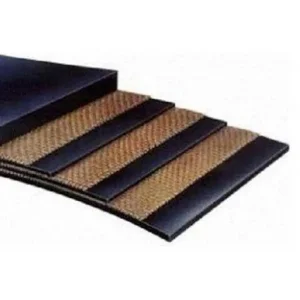
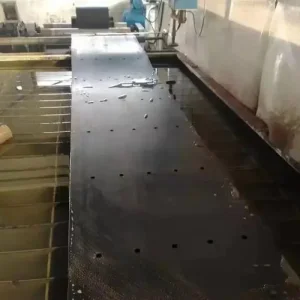
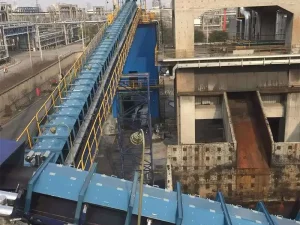
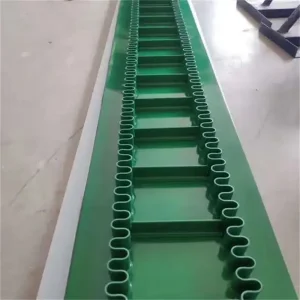
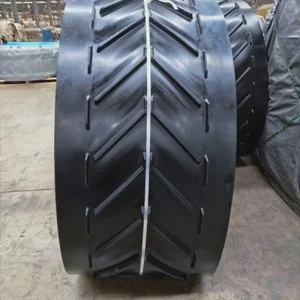
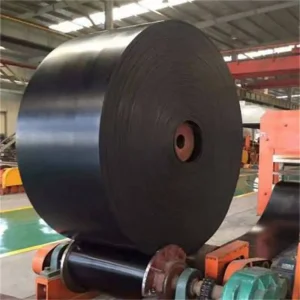
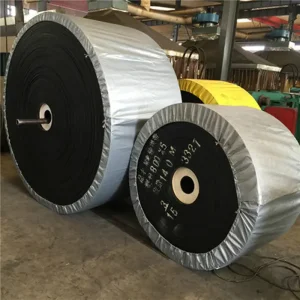
Select from our range of multi-ply fabric conveyor belts, engineered for high tensile strength and long-term durability under heavy loads.
Key information regarding compliance, testing, shipping logistics, and material selection for German technical buyers.
Contact Hebei Boao Rubber Technology for technical assistance, product samples, or direct factory pricing.
Send Inquiry Now