Engineered for high-capacity continuous bulk transport, featuring superior adhesion, high elongation at break, and exceptional wear life under South American atmospheric conditions.
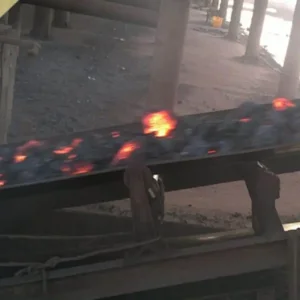
Designed for processing mills and biomass cogeneration plants handling wood chips up to 200°C.
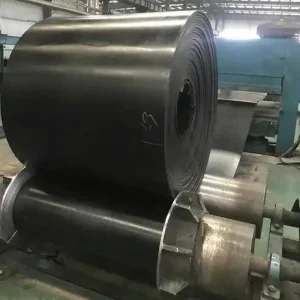
Maintains elastomer elasticity down to -40°C for sub-zero port storage and seasonal operation.
Tailored for fertilizer loading docks and chemical pulp treatment facilities handling acidic media.
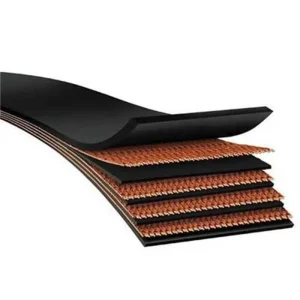
Outstanding flexibility and fatigue resistance, perfect for high-speed long-center conveyors.
Uruguay has emerged as an essential hub for industrial pulp production, agricultural grain exportation, and maritime transit in the Southern Cone. Crucial megaprojects like the UPM Paso de los Toros cellulose mill and the modern grain terminal systems at the Port of Montevideo demand absolute reliability in heavy-duty conveyor systems. Bulk handling is the backbone of these operations, and any unscheduled stoppage can result in huge financial losses. Layered conveyor belts (specifically EP and NN fabric styles) provide the mechanical resilience, tensile strength, and flex life needed to handle millions of tons of dry bulk cargo annually.
With forestry constituting a key GDP driver in Fray Bentos, Conchillas, and Paso de los Toros, our abrasion-resistant and heat-resistant belts are critical. Handling raw wood bark, wood chips, and chemical pulp derivatives requires compound properties that resist terpenes, oils, and elevated dryer temperatures.
Exporting soybeans, wheat, and barley through Montevideo and Nueva Palmira demands high-speed, food-safe, and anti-static conveyor belts. Dust explosion prevention (flame retardant covers) is a regulatory mandate and a crucial safety metric for grain elevators and enclosed pipe conveyor lines.
Uruguayan infrastructure development depends heavily on quarry operations in Minas and nearby regions. Transporting abrasive granite, limestone, and clinker requires heavy-duty multi-ply fabric belts that withstand heavy impact, sharp edges, and continuous heavy loads without delamination.
| Belt Specification | Carrying Material | Main Technical Parameter | Recommended Uruguay Site Application |
|---|---|---|---|
| EP Polyester-Nylon | Soybeans, Wheat, Fertilizer | Low elongation, high tensile strength | Montevideo Grain Loading Terminals |
| NN Polyamide-Nylon | Wood Chips, Aggregates | Excellent impact resistance, superior troughability | Paso de los Toros Cellulose Raw Yards |
| Heat-Resistant (HR) | Hot Clinker, Biomass Ash | Up to 200°C short-term temperature resistance | Minas Cement and Biomass Cogeneration Lines |
| Flame Retardant (FR) | Grain, Coal, Fines | Self-extinguishing, meets ISO 340 / DIN 22103 | Enclosed silos and bulk ports in Nueva Palmira |
Deploying advanced polymer formulations and digital diagnostic features to support Uruguay's transition to sustainable, high-efficiency bulk material handling.
Electric power costs are a major factor in continuous bulk transport. Our technical department is introducing Low Rolling Resistance (LRR) bottom cover compounds for long-center conveyors. By reducing the energy lost as the belt passes over idlers, LRR technology can lower energy usage by up to 12-15% on long overland conveyors, which directly supports Uruguay's industrial energy efficiency goals.
Environmental standards in Uruguayan ports demand zero dust pollution during grain and fertilizer handling. We are expanding the deployment of pipe conveyor belts that close dynamically into a protective tube. This design prevents wind-blown dust emissions and protects sensitive agricultural cargoes from moisture during rainy weather.
The future of conveyor systems is data-driven. Next-generation systems feature embedded vulcanized transponders and magnetic sensor loops. These components detect longitudinal tears instantly, automatically shutting down the system before major damage occurs. This technology prevents costly shutdowns at high-throughput port terminals like the terminal in Montevideo.
Aligning with South American environmental targets, our research center is developing cover compounds made with bio-sourced process oils. These eco-friendly materials maintain physical properties like tensile strength and abrasion resistance while reducing the carbon footprint of production.
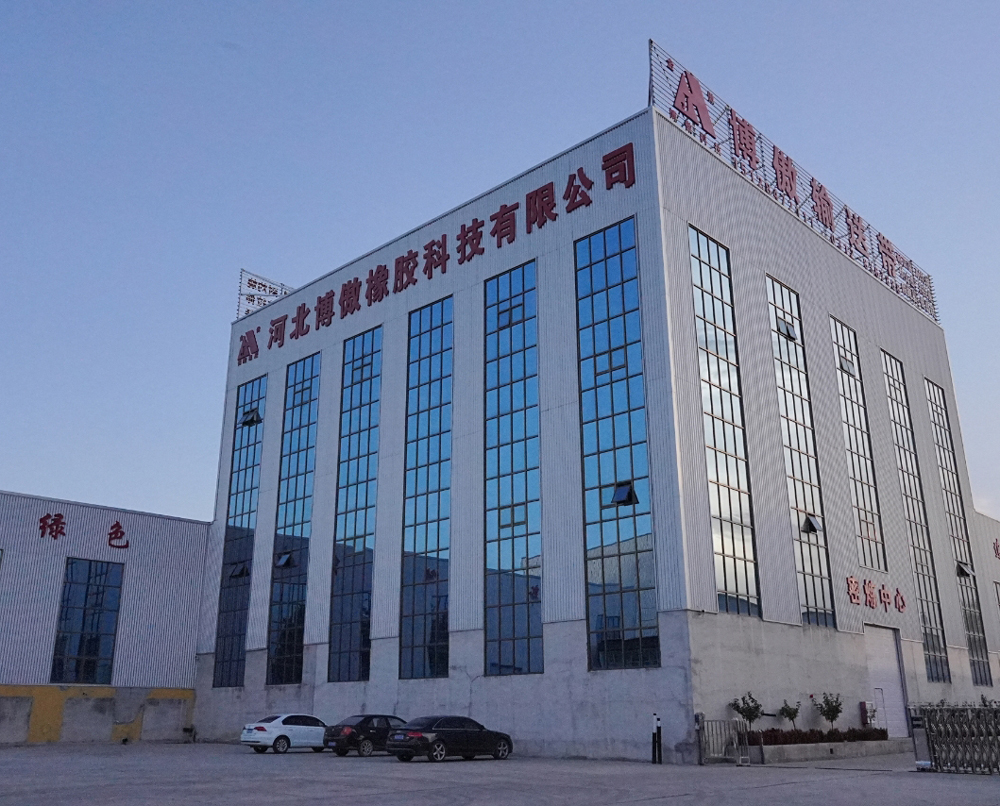
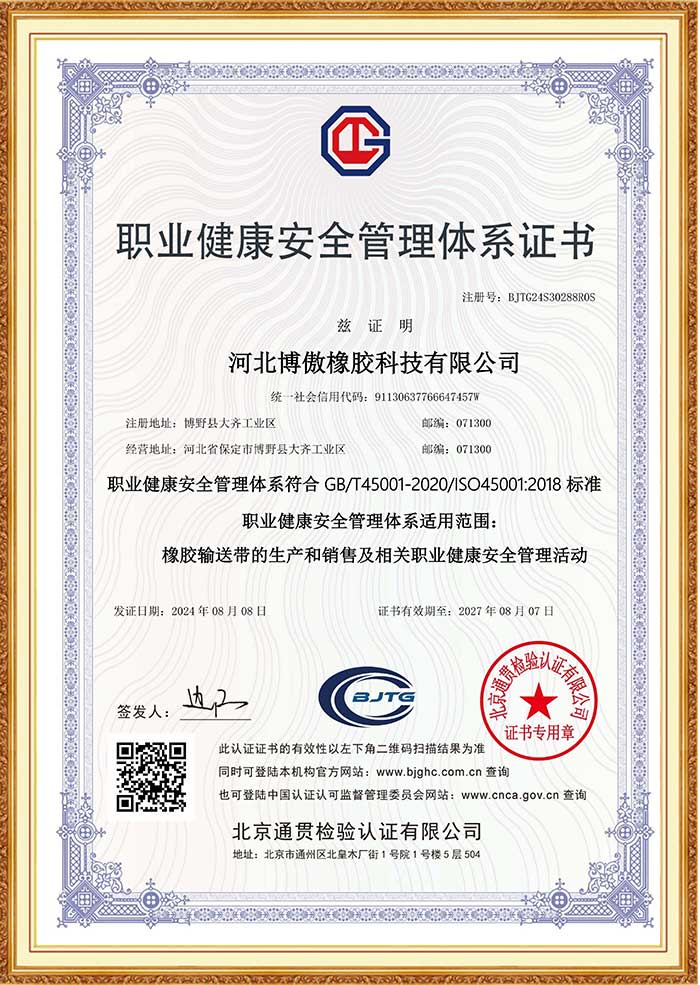
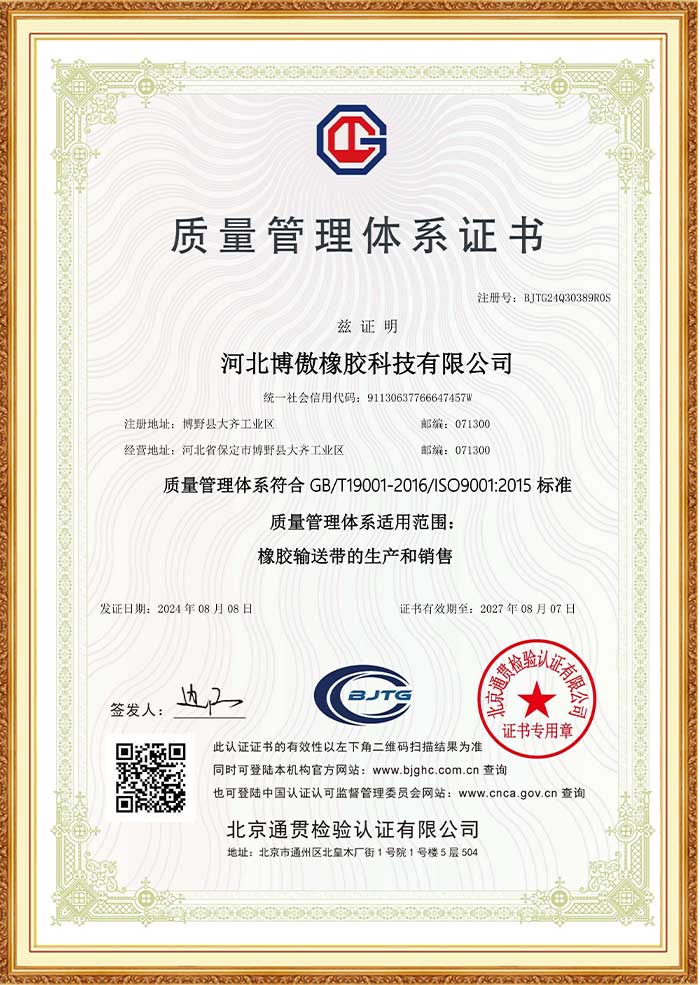
Founded in 2004, Hebei Boao Rubber Technology Co., Ltd. (operating under the premium brand "Jinao") is located in the Rubber Industrial Park of Boye County, Baoding, Hebei Province. Over the past 22 years, our facility has grown to exceed 30 acres, developing into a leading engineering manufacturer that integrates design, research, formulation, manufacturing, and global business services.
Our facility features advanced production lines for calendering, forming, and continuous vulcanization, supported by an advanced quality testing center. We track and verify product quality from raw material compounds through to final vulcanized rolls, ensuring every belt we ship meets international standards.
From large global operations to customized bulk handling installations in South America, we design, build, and support systems that perform under heavy load.
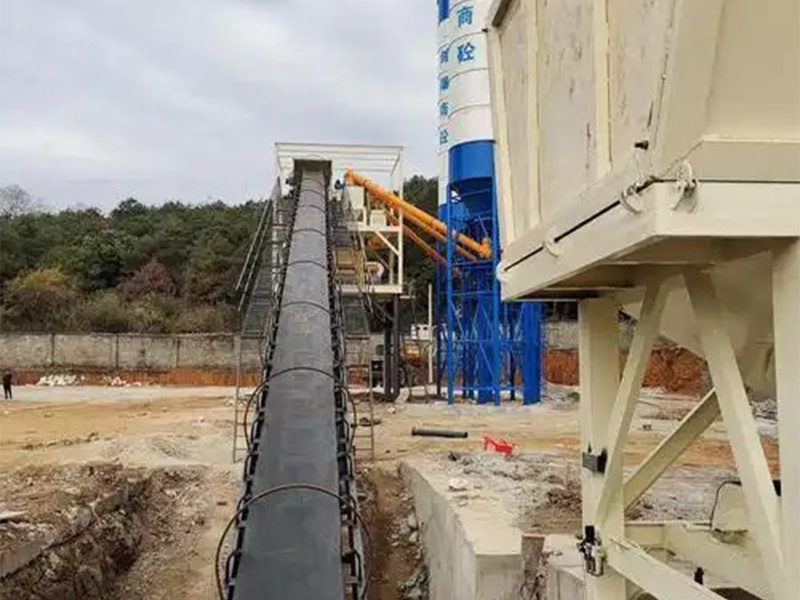
Supply of high-speed, anti-static EP 400/3 belts for grain terminals, running continuously during peak export season.
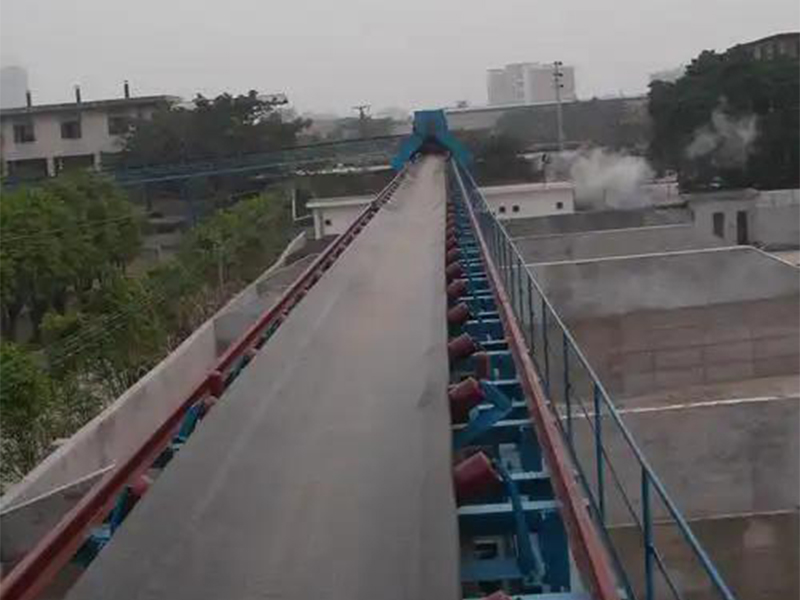
Wood chip transport using NN 300 belts. Highly flexible and impact resistant, running without top cover degradation.
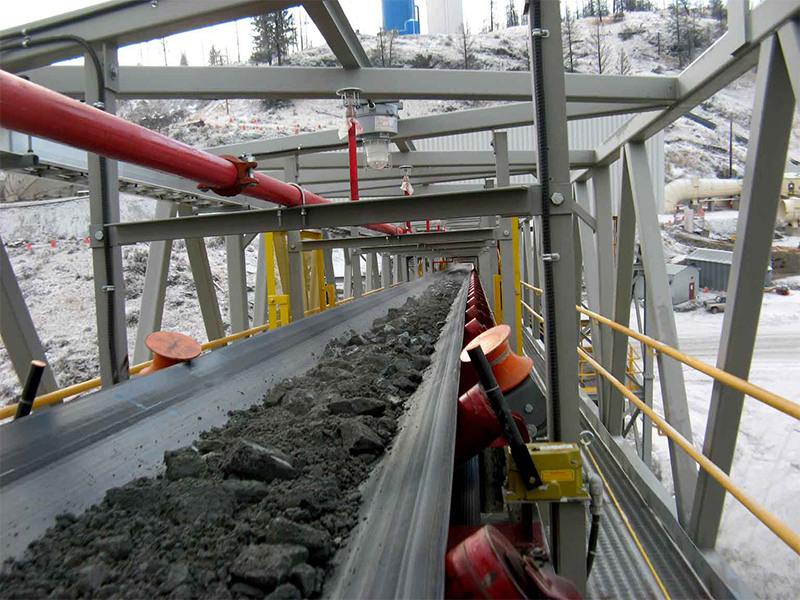
Heavy-duty EP 500/4 belts with thick abrasion-resistant covers, handling sharp crushed limestone and aggregates.
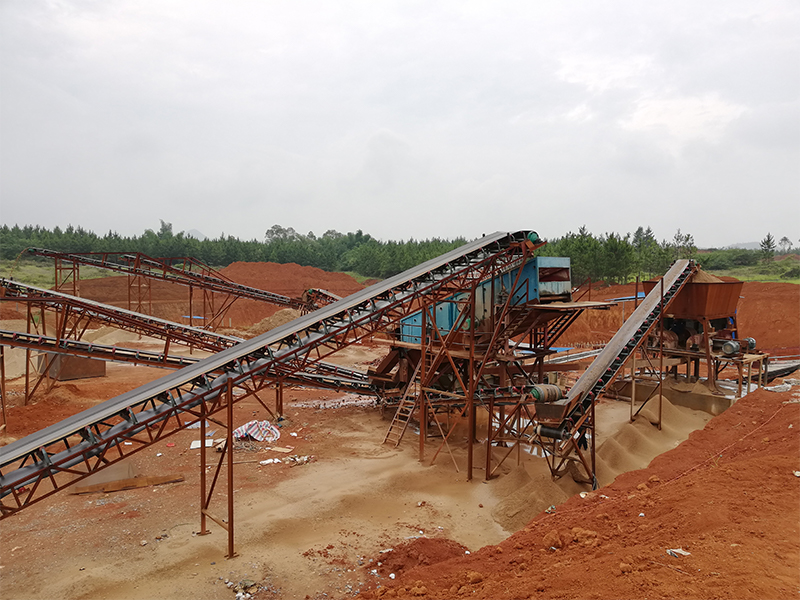
Flame-retardant and oil-resistant layered belts handling moist forest residue fuels for cogeneration boilers.
Helping you extend the operating life of your conveyor belts with proper specification matching, belt splice engineering, and preventative maintenance support.
We analyze your conveyor geometry, drive capacity, and pulley diameters to calculate the exact tension rating, cover thickness, and fabric reinforcement for your needs.
We supply step splice patterns, matching vulcanizing kits, and detailed temperature/pressure specifications for both hot and cold splicing onsite.
Belts are wound on steel-core drums and wrapped in UV-resistant protective covers, keeping them protected during ocean transport and terminal storage.
We offer guidelines on pulley lagging, belt cleaning systems, and impact bed selection to help reduce premature cover wear and extend service life.
Explore our complete product catalog, designed for heavy-duty material transport and bulk handling across all major industrial sectors.
Durable and versatile belts for sand, gravel, and light aggregate transport under standard operating temperatures.
High-tensile vertical elevator belts built to handle continuous operations in tall grain storage silos.
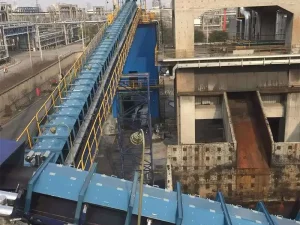
Safety-first design featuring self-extinguishing covers, engineered for dry grain silos and coal terminals.
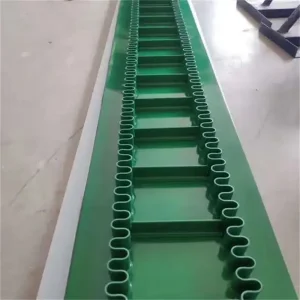
Hygiene-compliant, food-safe belts designed for packaging lines, bottling plants, and processing facilities.
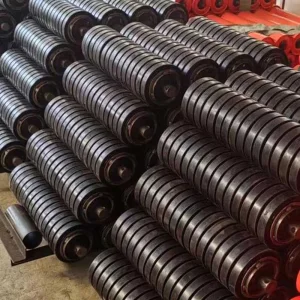
Heavy-duty rubber rings that absorb landing impact at conveyor feed points, protecting the main belt from damage.
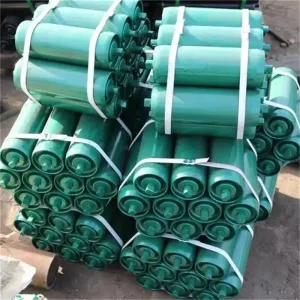
Suspended multi-roller troughing assemblies that conform dynamically to deep high-capacity belt profiles.
Durable, light-gauge conveyor belts optimized for automated sorting, agricultural packaging, and logistics.
Excellent elasticity and dynamic troughability, engineered for high-tonnage mining and aggregates handling.
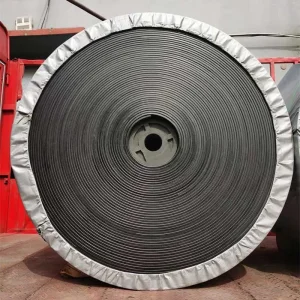
Cold-tolerant rubber compounds that prevent hardening and cracking, keeping the belt flexible in cool weather.
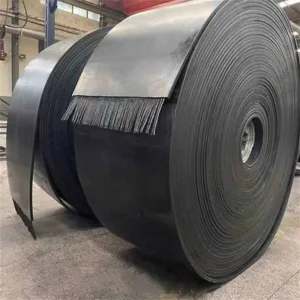
High-tensile steel cord reinforcement, offering minimal elongation on long overland transport systems.
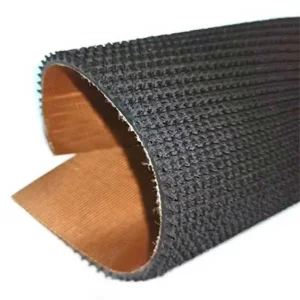
Textured cover profiles designed to prevent slip when conveying fine materials or small packages up steep inclines.
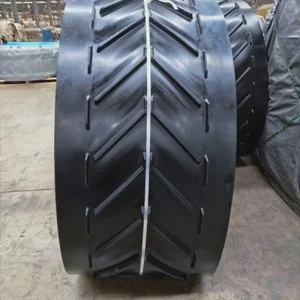
Molded cleat profiles (like herringbone and chevron) that allow steep angle bulk transport without material rollback.
Engineered answers to technical questions about choosing, installing, and maintaining layered conveyor belts in South American marine and river-basin climates.
EP fabric belts feature a polyester warp (lengthwise) and nylon weft (crosswise). Polyester has a high modulus and low elongation under load, which minimizes the take-up travel distance needed. This is critical for long grain port systems where structure length is fixed. Additionally, EP fabrics show excellent dimensional stability in humid marine environments, like the Port of Montevideo, where humidity fluctuates widely.
DIN 22102 categorizes cover grades based on tensile strength and abrasion loss. For wood chips, a Grade Y cover (abrasion loss ≤ 150 mm³) is typically sufficient because wood chips are low-abrasion. However, wood handling often requires terpene resistance to prevent swell. For crushed granite or limestone quarry applications, a Grade X cover (abrasion loss ≤ 120 mm³) or Grade W (abrasion loss ≤ 90 mm³) is recommended to resist heavy impacts and cutting from sharp rock edges.
Major forestry operations (like UPM or Montes del Plata) require strict international compliance. This includes ISO 9001 for manufacturing quality, ISO 14001 for environmental management, and safety certifications like ISO 45001 / ISO 18001. For safety in enclosed grain silos, belts must also meet anti-static and flame-retardant standards like DIN EN ISO 340 (DIN 22103) or local equivalents.
Typically, ocean transit from Tianjin Port (our nearest major port) to Montevideo takes 35 to 45 days. Manufacturing lead times range from 15 to 20 days depending on the roll volume and specifications. This brings the total timeline to approximately 50-65 days. To support major projects, we can also coordinate safety stock agreements to store replacement rolls closer to your site.
Contact our engineering support team for custom compounds, mechanical dimension drawings, and competitive direct-from-factory quotes.
Send Inquiry Now Boao Rubber