Engineered for extreme wear resistance, vertical extraction, and precise material tracking across global distribution networks.
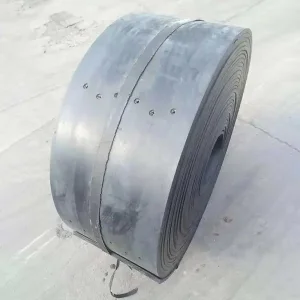
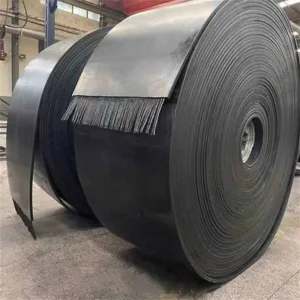
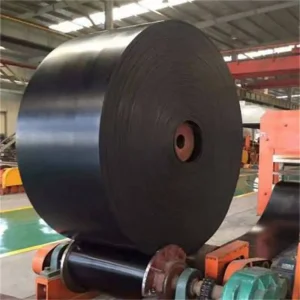
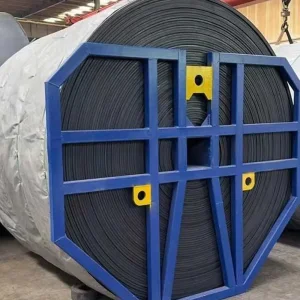
Years of Engineering Expertise
Acres Factory footprint
Material Quality Monitored
Global Standard Certifications
In modern industrial process automation, the role of conveying media has evolved from simple bulk transport to critical process control pathways. White rubber conveyor belts represent a highly specialized domain where physical durability must align with strict hygiene, chemical resistance, and non-marking criteria. Standard black conveyor belts rely heavily on carbon black compounding for mechanical reinforcement and UV protection. However, in applications such as food processing, pharmaceutical handling, packaging lines, and paper processing, carbon black introduces a significant risk of surface contamination. Hebei Boao Rubber Technology Co., Ltd. addresses this design challenge by engineering "Jinao" brand white rubber belts. These belts replace carbon black with advanced synthetic silica and non-staining mineral filler networks, maintaining high tensile strength and tear resilience while preventing any risk of marking the transported product.
A white rubber conveyor belt must withstand challenging process conditions. We construct the belt using highly specialized synthetic polymers:
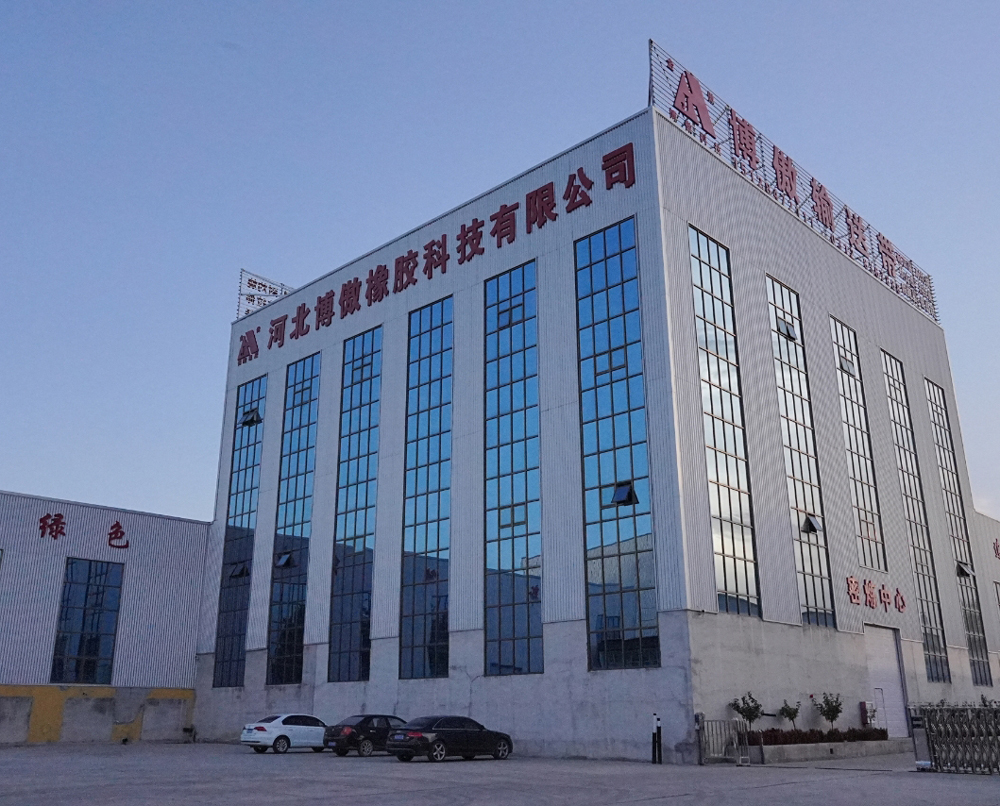
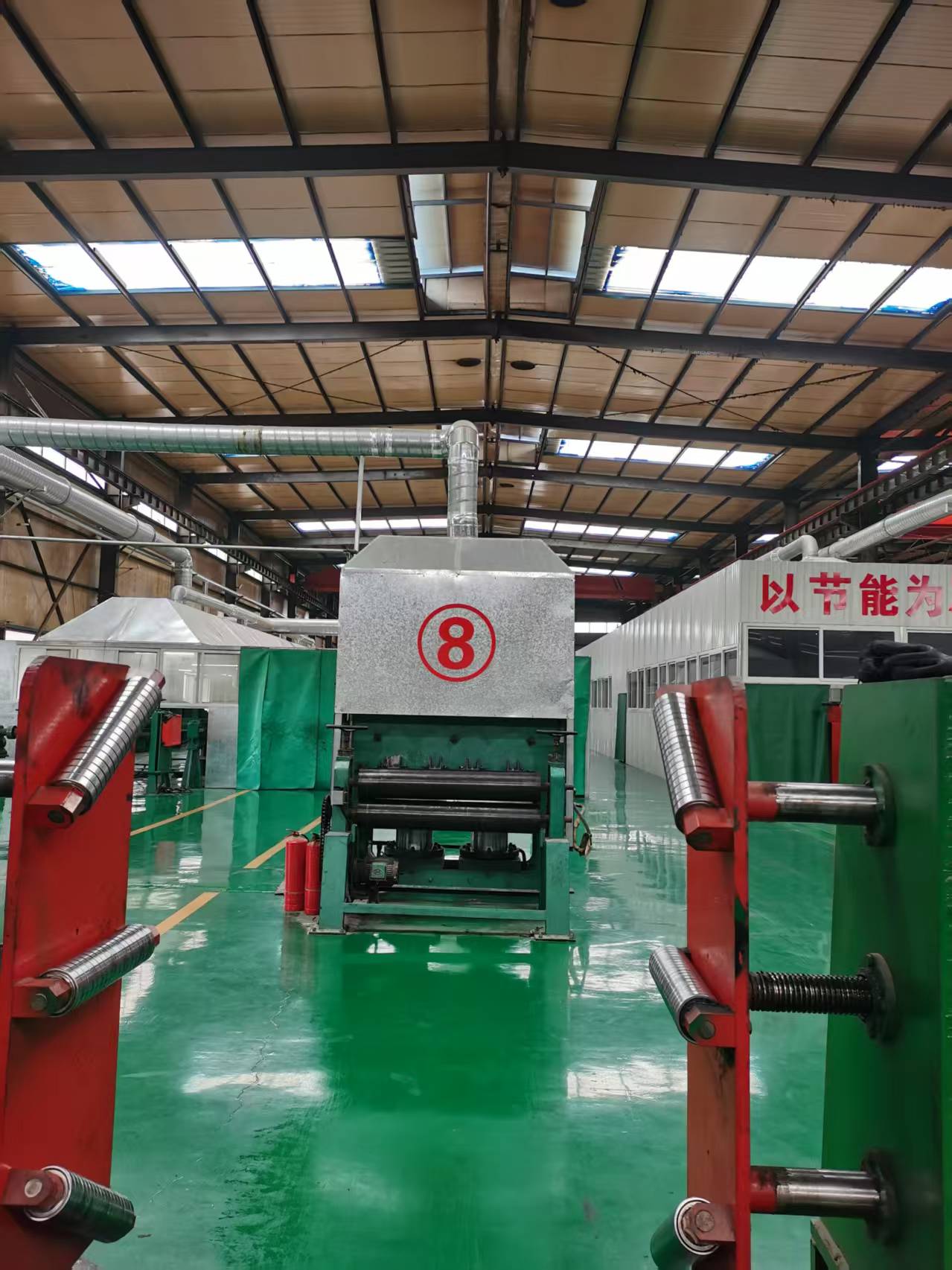
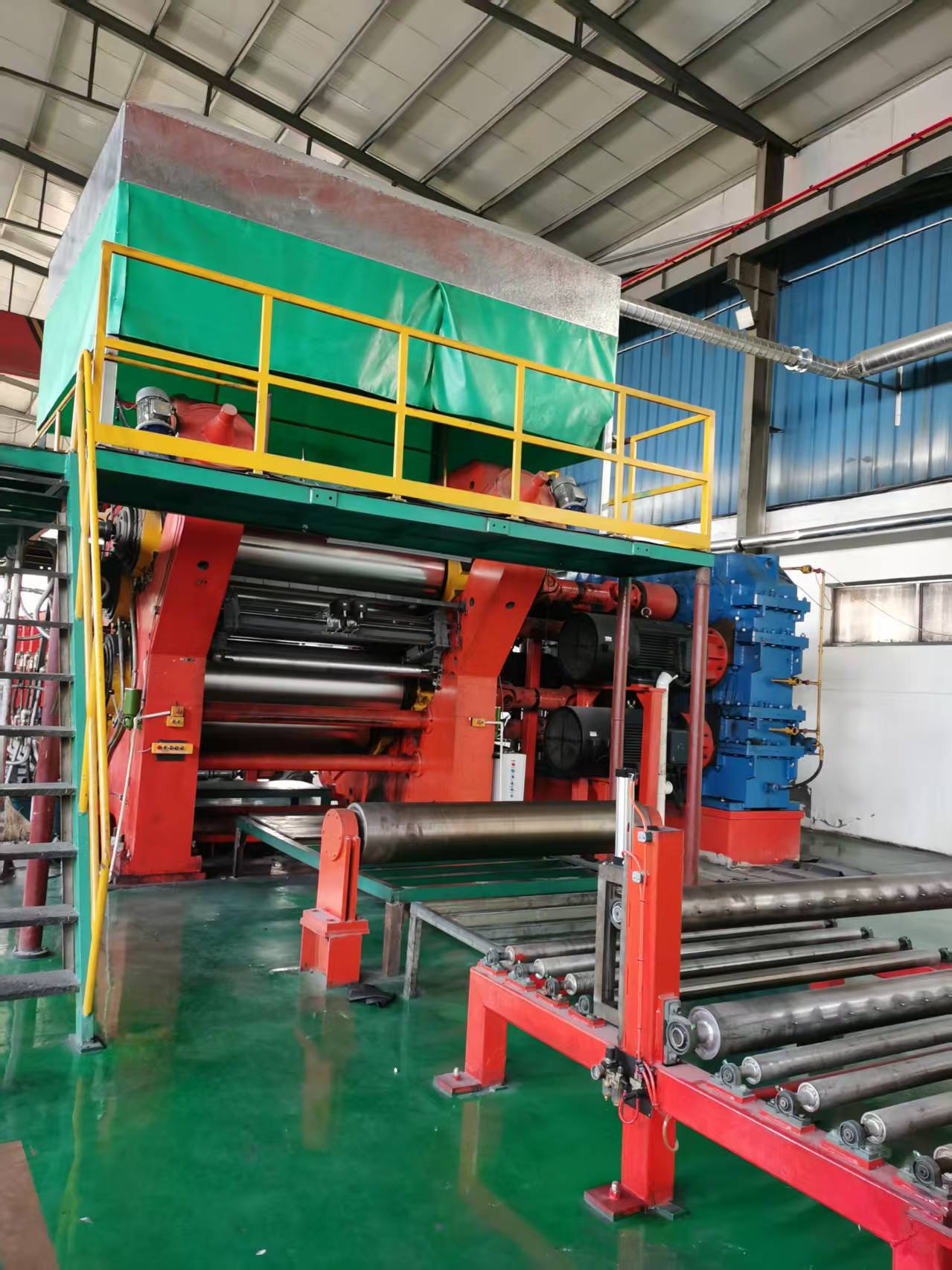
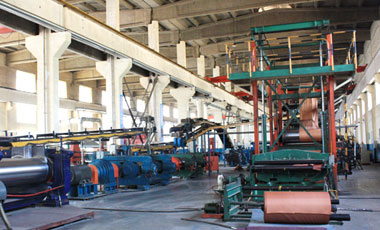
Our manufacturing facility, Hebei Boao Rubber Technology Co., Ltd., is situated in the Boye County Rubber Industrial Park, Baoding, Hebei Province. Founded in 2004, the facility covers over 30 acres. It features automated compounding systems, multi-roll calenders, and long-platen continuous vulcanization presses.
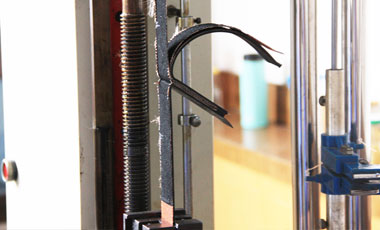
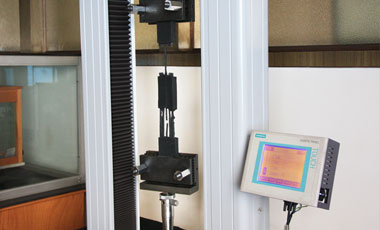
Our manufacturing processes are backed by international quality management systems. Hebei Boao has established a strict testing routine. From chemical analysis of incoming polymers to final peeling tests and steel cord pull-out testing, each step is monitored to ensure the products meet international standards before delivery.
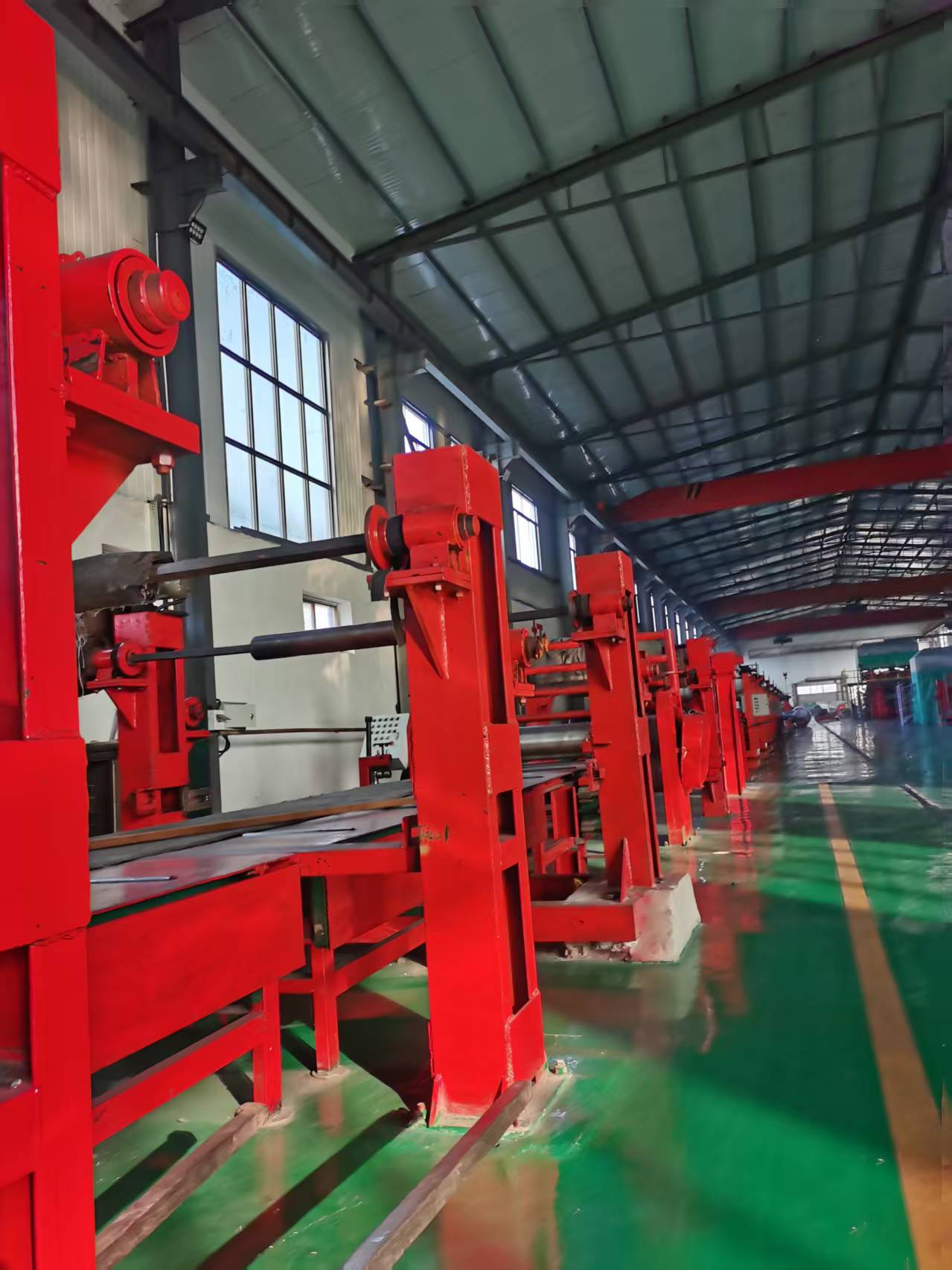
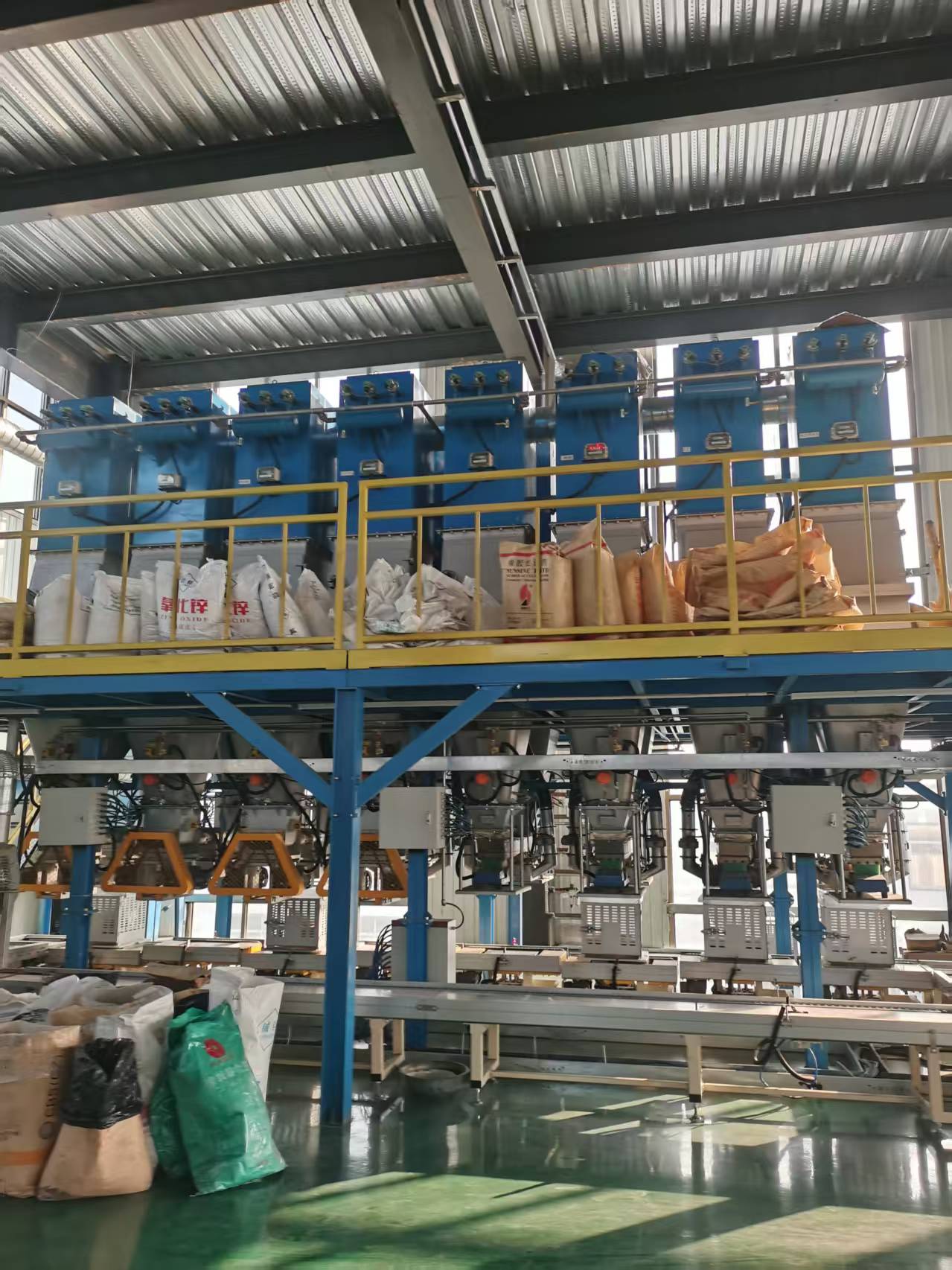
Global supply chains require consistent delivery and dependable quality. Hebei Boao meets this demand by upgrading to Factory 4.0 standards. In our mixing center, raw material feeding is automated. Computing systems measure elastomers, vulcanizing agents, and non-staining pigments to ensure batch-to-batch consistency. The calendering phase uses laser thickness-gauges to maintain precise rubber cover dimensions. This prevents uneven belt wear and belt tracking problems during operation.
Continuous vulcanization is key to high-tensile belt production. Our long-bed vulcanization presses apply uniform heat and pressure across the entire belt surface. This process optimizes cross-linking density in the elastomer compound, preventing delamination. By combining these manufacturing steps with our raw material logistics, Hebei Boao delivers reliable performance, helping global customers avoid unexpected downtime.
Our independent laboratories run daily testing. This includes peeling tests to verify carcass adhesion, steel cord pull-out tests, dynamic fatigue analysis, and abrasion testing. We check every batch to ensure consistency from raw material to finished product.
We run a multi-step quality control system. Our quality inspectors verify physical dimensions, edge finishes, and compound hardness. This ensures that no out-of-specification products leave our facility.
With strong technical support and comprehensive after-sales systems, Boao products are exported to industrial regions worldwide. We serve critical material handling operations in steel mills, cement plants, power utilities, and bulk grain terminals.
State-of-the-art testing systems ensuring absolute durability and compliance across physical, mechanical and chemical parameters.
Conveyor infrastructure is critical to the efficiency of modern processing facilities. The Jinao brand by Hebei Boao offers tailormade solutions designed to meet the demands of key industrial sectors:
In industrial food processing, conveyors must handle vegetable oils, animal fats, and clean grain. Our FDA-compliant white rubber belts are built to prevent oil absorption. This prevents rubber swelling and tracking issues, helping ensure reliable production. The non-marking white compound is easy to clean, making inspection and hygiene maintenance straightforward.
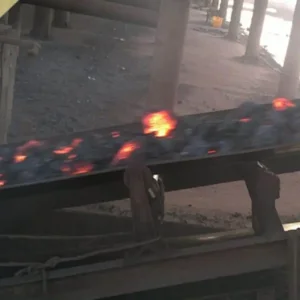
Iron ore, coke, and sinter processing involve high temperatures and mechanical stress. Our heat-resistant conveyor belts are designed to handle temperatures up to 200°C. By using heavy-duty fabric and reinforced rubber, these belts reduce heat cracking and help prevent premature failure in demanding steel plant applications.
Handling cement clinker, limestone, and gypsum requires high abrasion resistance. Jinao conveyor belts are engineered with cut-resistant covers to handle sharp, abrasive minerals. This helps reduce wear and extends the service life of the belts in harsh cement plant environments.
Subterranean coal mining requires strict safety measures. Our flame-retardant rubber conveyor belts are designed to minimize fire hazards. They are engineered to self-extinguish and prevent static charge build-up, supporting safety protocols in deep mining and power generation operations.
| Property Parameter | FDA Standard (White Rubber) | High Abrasion Grade (General) | Flame Retardant Mine Grade | Super Heat Resistant (EPDM) | |||||
|---|---|---|---|---|---|---|---|---|---|
| Base Polymer | NBR / SBR / EPDM Blend | Natural Rubber / SBR Blend | Neoprene / Nitrile / PVC | High-Density EPDM | |||||
| Tensile Strength (MPa) | ≥ 14 MPa | ≥ 24 MPa | ≥ 18 MPa | ≥ 15 MPa | Cover Thickness | 1.5 mm - 4.0 mm | 3.0 mm - 8.0 mm | 4.0 mm - 10.0 mm | 3.0 mm - 6.0 mm |
| Elongation at Break (%) | ≥ 400% | ≥ 450% | ≥ 350% | ≥ 380% | |||||
| Operating Temperature | -20°C to +90°C | -30°C to +80°C | -25°C to +75°C | -40°C to +200°C (Intermittent) |
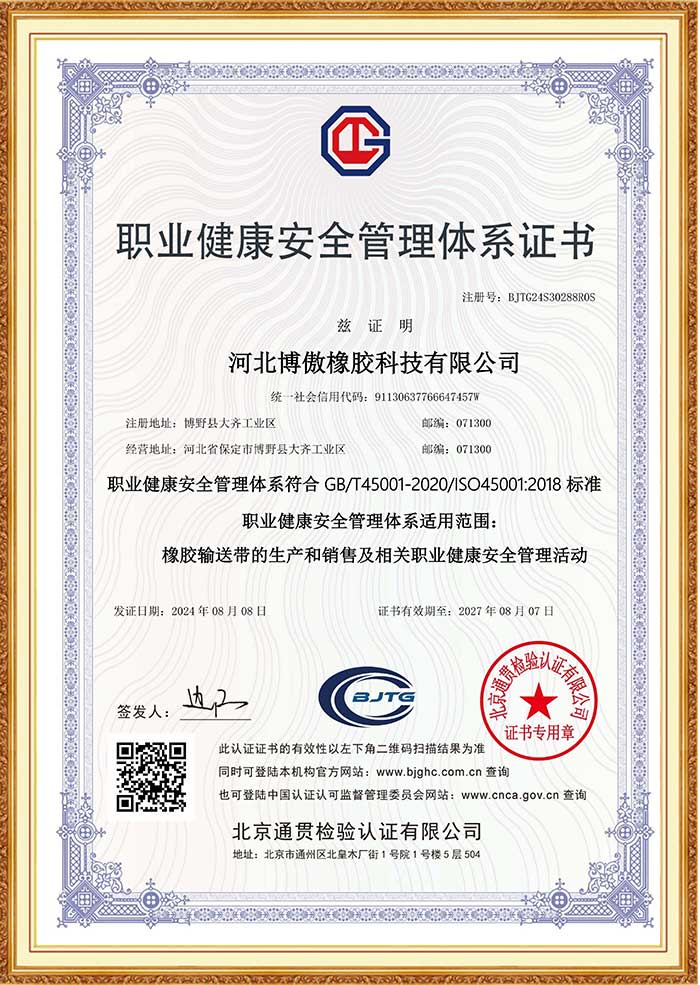
Hebei Boao products hold national and international certifications, meeting the compliance requirements of global markets.
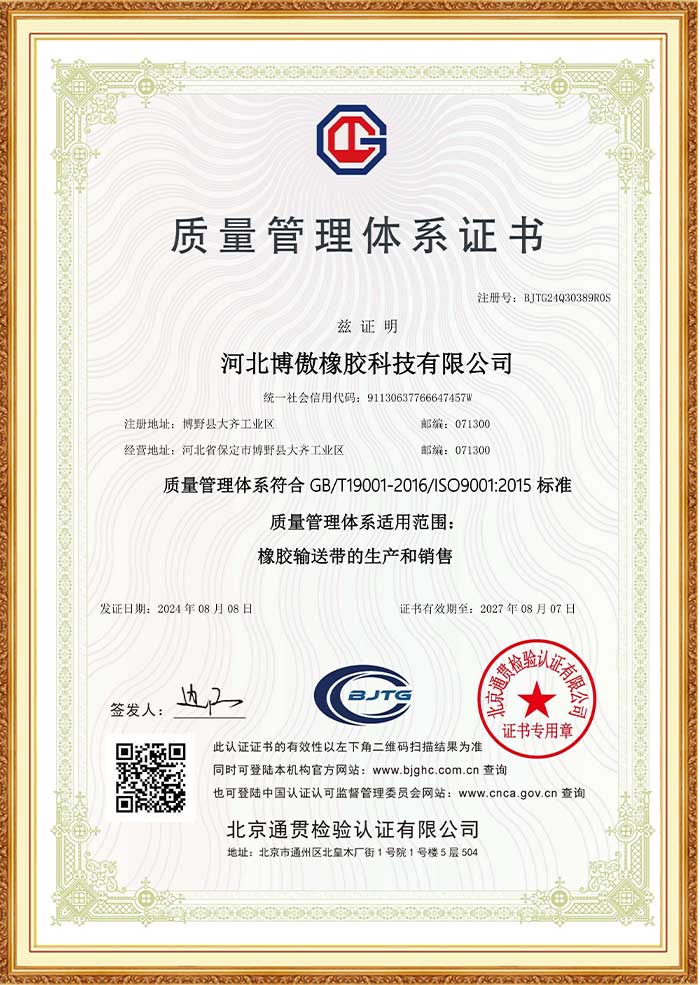
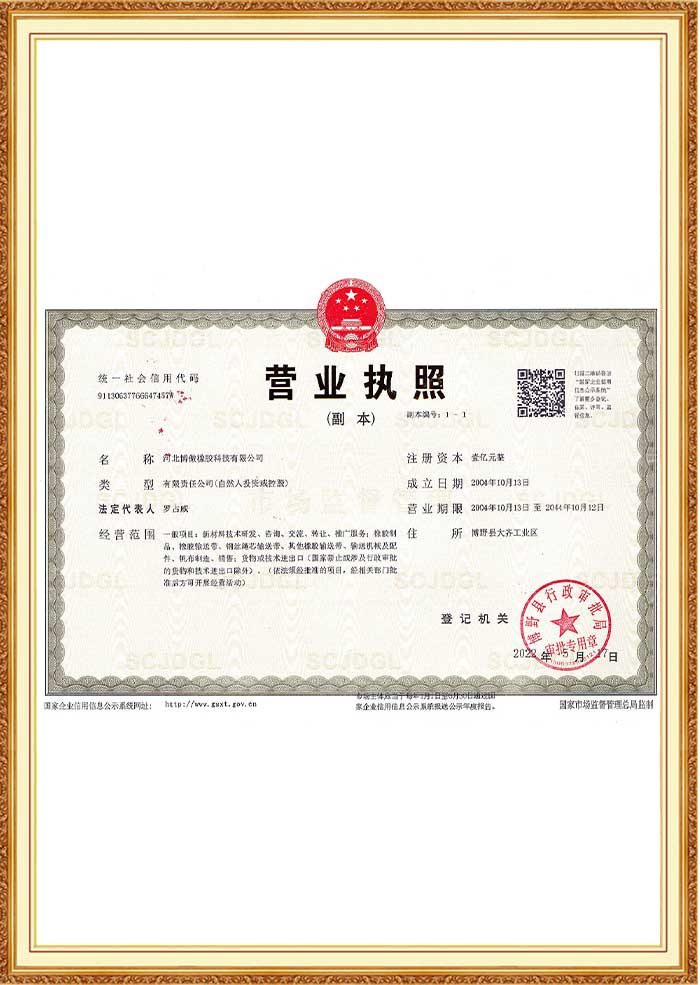
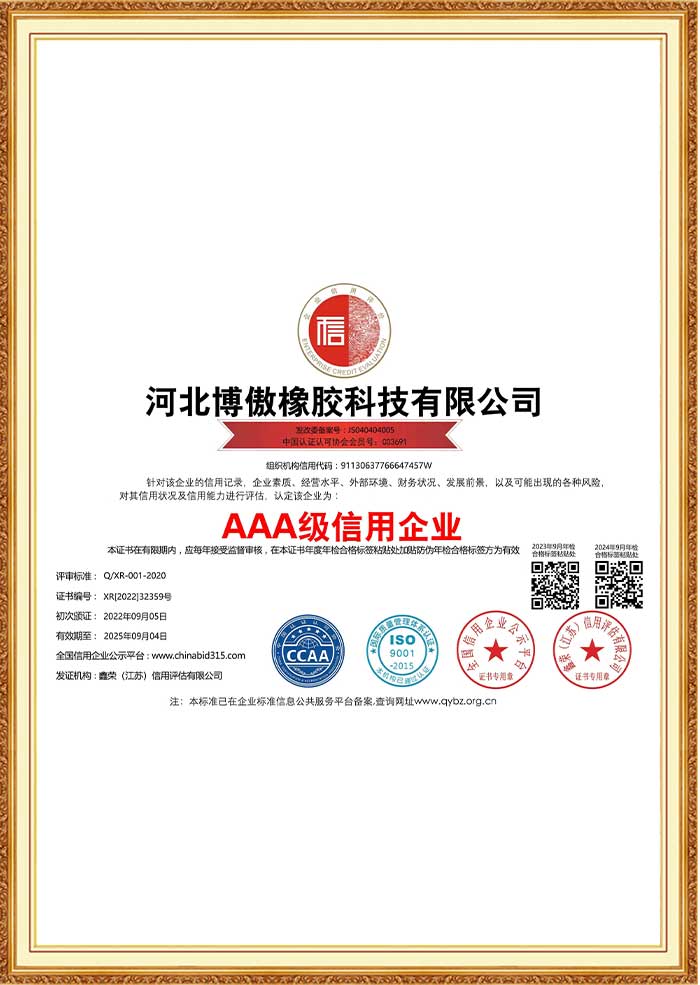
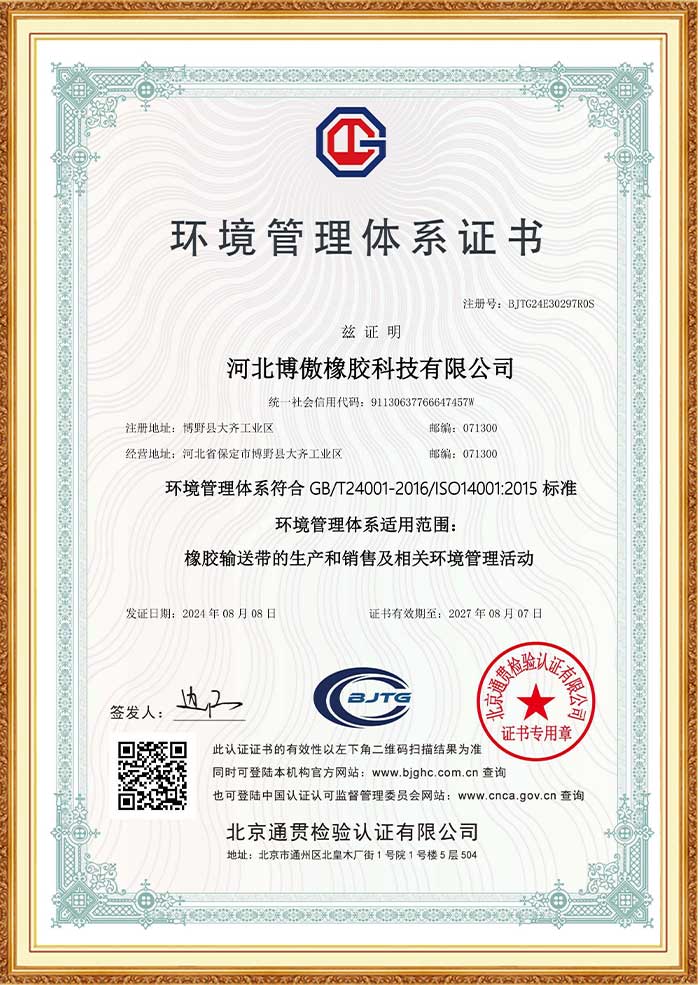
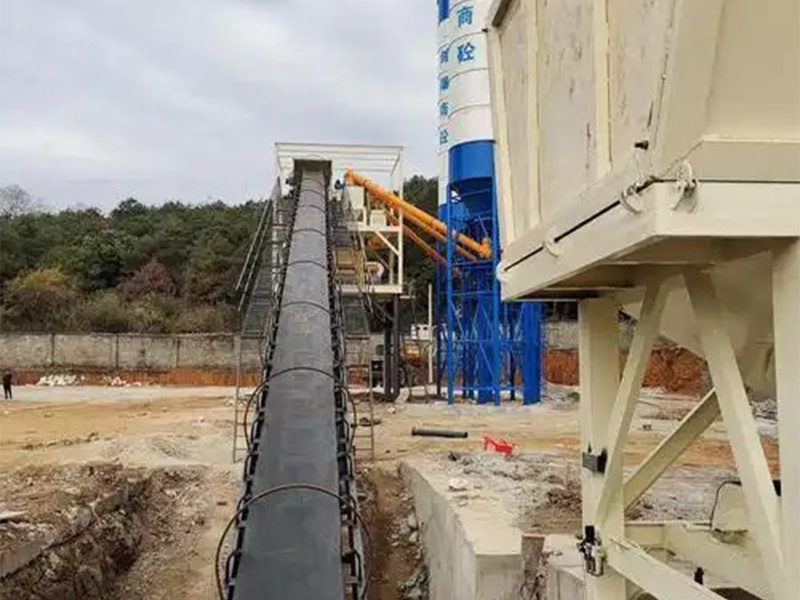
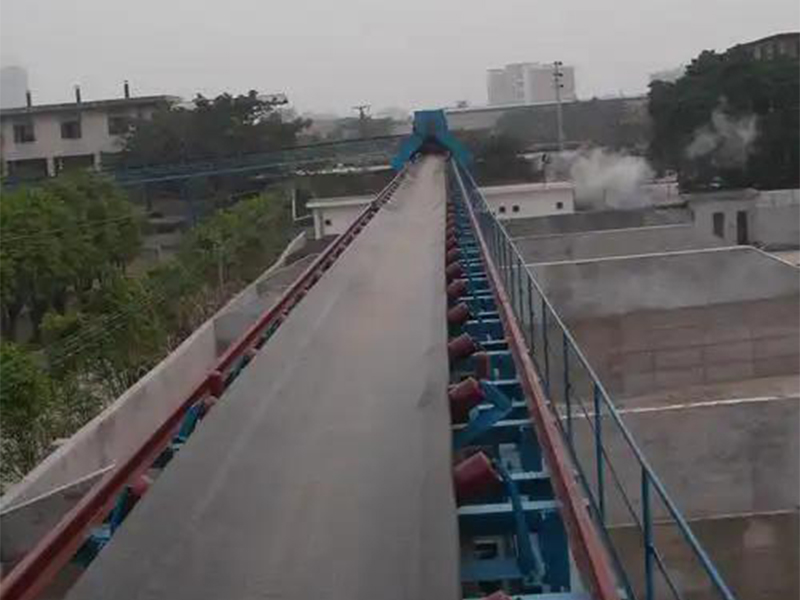
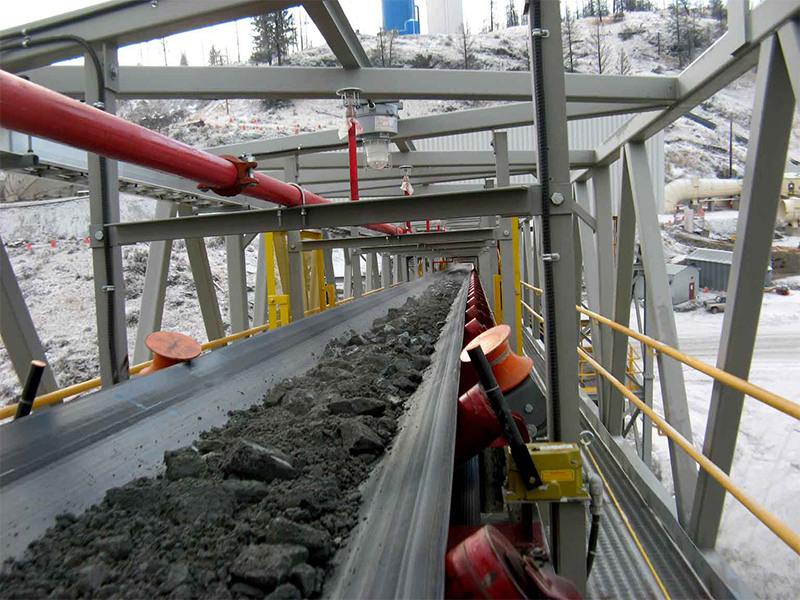
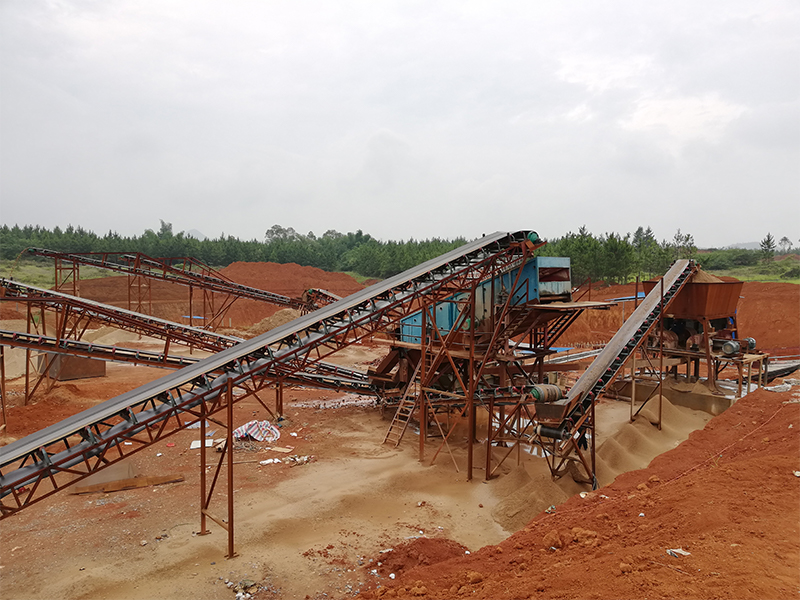
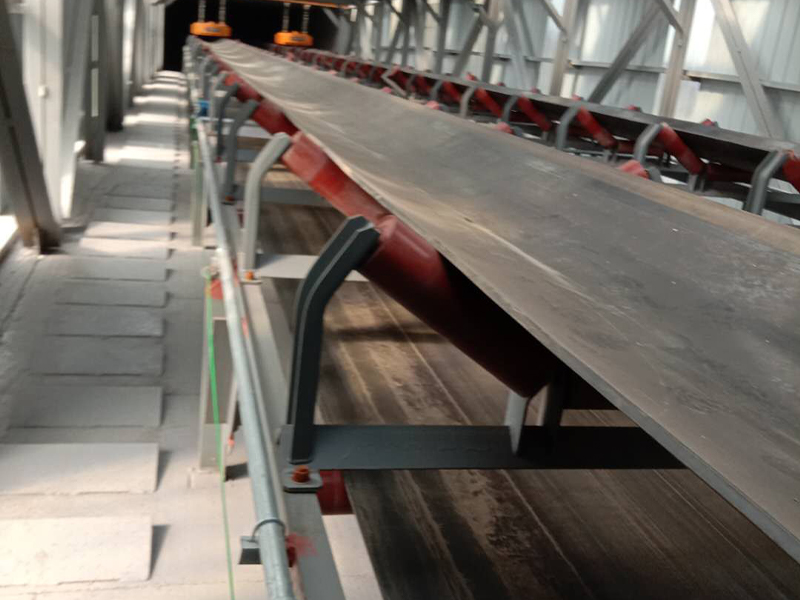
Our conveyor belts are deployed in heavy industries and infrastructure projects across the region.
In response to global sustainability trends, Hebei Boao Rubber Technology is researching new compounding options for white conveyor belts. We are evaluating plant-based plasticizers and bio-sourced elastomers to replace petroleum-derived components, aiming to lower the environmental footprint of our products while keeping mechanical performance stable.
Our engineering roadmap also includes the integration of sensor options for conveyor systems. By adding conductive loops and RFID tags, operators can monitor belt wear and splice conditions in real time. These smart features help identify wear patterns early, allowing for scheduled maintenance and reducing the risk of unexpected belt failures.
We work with rubber plantations that follow sustainable forest management practices. Additionally, we are optimizing our energy use by recovering heat from our vulcanization systems. These adjustments help lower greenhouse gas emissions per kilometer of belt produced, supporting global environmental standards.
Industrial operations require transparent sourcing and reliable delivery schedules. Hebei Boao supports global buyers by providing detailed quality documentation, including raw material certificates, physical properties test reports, and chemical compatibility assessments. This ensures that every belt meets the regulatory requirements of its destination country.
For international shipments, we package our belts in heavy-duty, UV-resistant coverings to protect the rubber during transport and storage. Our logistics department coordinates ocean and overland freight, handling customs documentation to help ensure on-time delivery to project sites worldwide.
Our typical manufacturing lead time for standard fabric belts (EP/NN) and general white rubber belts is 15 to 20 days per container. For complex steel wire rope core belts, production ranges from 20 to 30 days, including custom compounding and post-vulcanization cooling steps.
Yes. Our food-grade white rubber conveyor belts are compounded using ingredients that comply with FDA CFR 21 177.2600 rules for repeated use with food. We avoid toxic accelerators and plasticizers, ensuring the belts are non-marking, odorless, and suitable for direct contact with food materials.
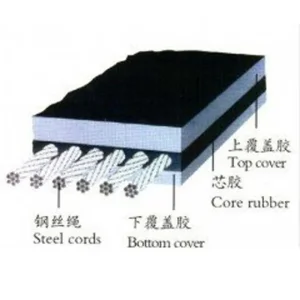
Every production run of steel wire rope core belts undergoes vulcanization pressure monitoring and post-production testing. We pull samples for static wire adhesion tests (pull-out test), cover-to-cord rubber bonding evaluations, and dynamic fatigue checks to ensure they meet international standards like DIN 22131 and ISO 15236.
We operate both heavy-duty multi-platen vulcanizing presses and continuous rotational vulcanizers (Rotocures). Flat platen presses are utilized for thick, high-tension multi-ply fabric and steel cord belts, while Rotocures are used for thinner, lightweight conveyor belt options to ensure uniform thickness.
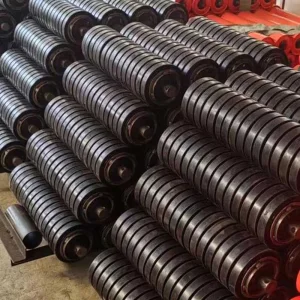
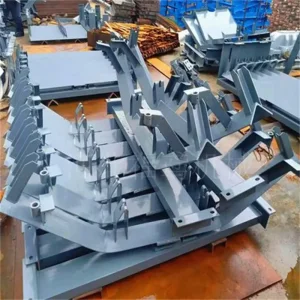
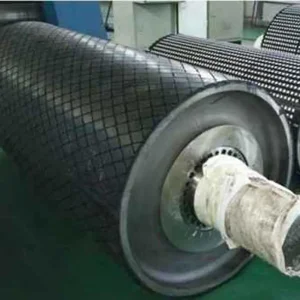
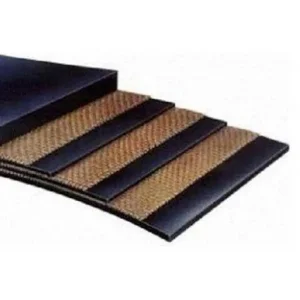
Heavy-duty idlers, structural brackets, and specialty cover profiles designed to optimize conveyor life and efficiency.
Get in touch with Hebei Boao's engineering team today. We provide tailored compounding, carcass selection, and splicing advice to help optimize your system performance.
 Boao Rubber