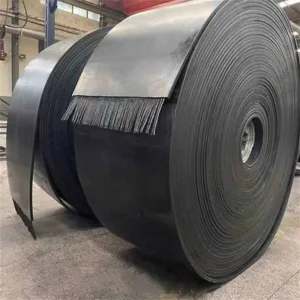
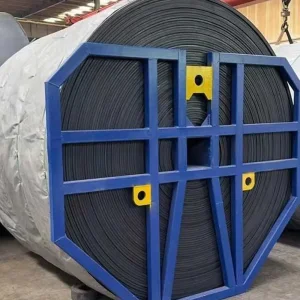
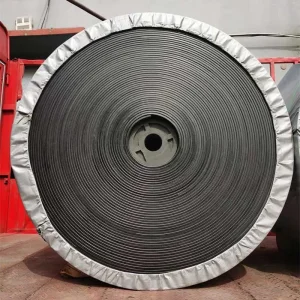
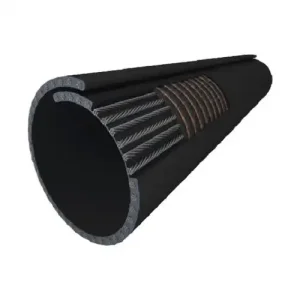
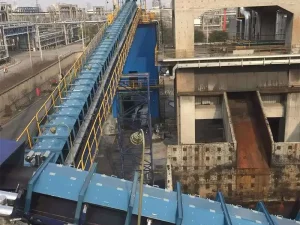
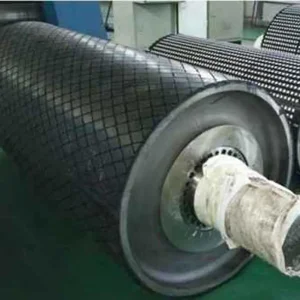
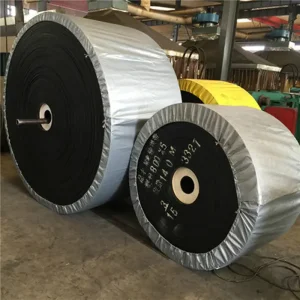
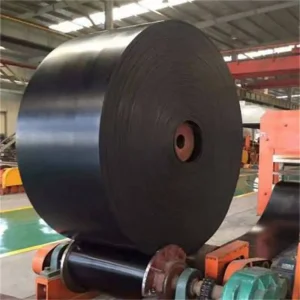
China Steel Cord Conveyor Belts Manufacturers & Factories

Premium Grade Steel Wire Rope Core Conveyor Belts & Heavy-Duty Elastomeric Industrial Solutions from Hebei Boao Rubber Technology

22+

Years of Industrial Manufacture

30+

Acres State-of-the-Art Factory Floor

100%

Quality Inspections & Traceability

ISO

ISO9001, ISO14001, ISO18001 & API Certifications

Primary Industrial Conveyor Solutions

Explore our premium product portfolio designed for extreme tension, high wear-resistance, and long-distance bulk material transit.
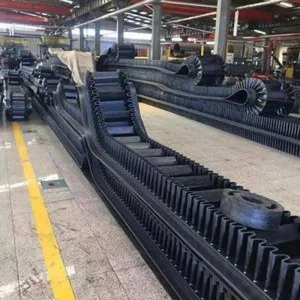
Best High Angle Wavy Edge Rubber Conveyor Belt

Best High Angle Wavy Edge Rubber Conveyor Belt

View Technical Specs
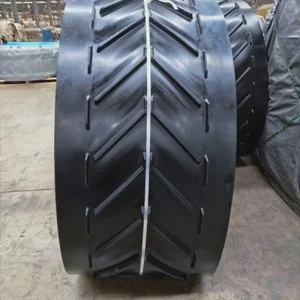
Best Chevron Conveyor Belt

Best Chevron Conveyor Belt - Patterned Conveyor Belts

View Technical Specs
Best High Angle Wavy Edge Conveyor Belt

Best High Angle Wavy Edge Conveyor Belt Solutions

View Technical Specs
China Steel Wire Rope Core Conveyor Belt

China Steel Wire Rope Core Conveyor Belt Suppliers

View Technical Specs
China Anti Tear Steel Wire Rope Core Conveyor Belt

China Anti Tear Steel Wire Rope Core Conveyor Belt

View Technical Specs
China Cold Resistant Rubber Conveyor Belt

China Cold Resistant Rubber Conveyor Belt

View Technical Specs
China Pipe conveyor belt

China Pipe Conveyor Belt Manufacturers & Suppliers

View Technical Specs
China Anti Tear Steel Wire Rope Core Conveyor Belt

China Anti Tear Steel Wire Rope Core Conveyor Belt

View Technical Specs

Steel Cord Conveyor Belts: Engineering, Standards & China Manufacturing Advantages

An in-depth whitepaper on structural engineering, compound formulations, and quality inspection methodologies for heavy industrial transport.

In high-tonnage mining, metallurgical processing, terminal port loading, and large-scale manufacturing, raw materials must traverse immense distances over challenging terrains. Standard fabric-ply belt systems fail when subjected to long flight lengths, massive tensile loads, and catastrophic rip hazards. To solve this, engineers deploy steel cord conveyor belts (often referred to as steel wire rope core conveyor belts). These systems utilize galvanized high-carbon steel cables embedded in an elastomeric matrix to provide high tensile strength, minimal elongation, and unparalleled reliability.

Key Takeaway for Procurement: Standard synthetic fabric layers (EP/NN) exhibit dynamic elongation of up to 1.5% to 2% under peak load, necessitating long take-up stroke configurations. Steel cord belts hold elastic deformation to less than 0.2%, dramatically reducing structural footprint requirements for take-up systems and avoiding belt slippage on drive pulleys.

1. Architectural Anatomy & Construction of Steel Cord Conveyor Belts

A steel cord belt's longevity is determined by its internal compound integration and the configuration of its high-tensile wire rope core. The belt structure is composed of:

  • The Steel Cord Core: High-tensile carbon steel wires wrapped into bundles and coated with zinc to prevent oxidation. The cord pitch (spacing) and diameter dictate the ultimate ST rating (e.g., ST500 to ST5400). Left-hand and right-hand lay cords are arranged alternately to prevent tracking deviations.
  • High-Cohesion Insulation Rubber (Skim Compound): This vital inner layer features specific chemical vulcanizing agents that form chemical bonds directly with the zinc-plated wire surface. High pull-out strength requires excellent compound penetration between individual steel strands.
  • Outer Cover Rubber (Top/Bottom Covers): Formulated based on application stresses. Standard ratings comply with international codes such as DIN 22131, ISO 15236, and AS 1332. Typical properties optimize for ultimate abrasion resistance, oil resistance, heat resistance, cold tolerance, or flame self-extinguishing capabilities.
  • Optional Transverse Reinforcement (Rip Stop): Secondary high-strength textile plies or steel cords laid perpendicular to the running direction. These networks distribute local shear stresses from piercing elements (e.g., sharp basalt or tramp metal) to prevent catastrophic longitudinal splitting.

2. Why Choose Hebei Boao Rubber Technology? ("Jinao" Brand Heritage)

Established in 2004, Hebei Boao Rubber Technology Co., Ltd. has spent 22 years refining industrial vulcanization and compounding processes. Situated within the boye County Rubber Industrial Park in Baoding, Hebei, China, the Boao facility covers over 30 acres of advanced manufacturing space.

Under our signature product brand "Jinao", we run advanced production lines dedicated to rolling, shaping, vulcanization, and material analysis. Our integrated manufacturing workflow spans from compounding base rubbers to final product dispatch, maintaining complete control over mechanical and chemical tolerances. Rather than outsourcing raw material checks, Boao operates independent chemical analysis rooms and physics testing laboratories to verify all batches prior to processing.

3. Specialized Laboratory Testing and E-E-A-T Quality Control

To ensure field reliability, Boao performs rigorous testing on our steel wire rope core systems. Every production run undergoes verification protocols, including:

Steel Cord Pull-out Machine

Tests the mechanical and chemical adhesion between the steel cords and the surrounding vulcanized insulation rubber. This guarantees that internal cords do not slip under extreme tensile stress.

Peeling Adhesion Test

Measures force required to separate rubber layers. Delamination is a major cause of belt failure; high peeling values prevent ply separation over decades of heavy service.

Dynamic Fatigue & Abrasion

Simulates continuous cyclic stress over pulley configurations. Our DIN Abrasion Tester ensures rubber covers withstand high wear from falling ores and scraping clean-up systems.

4. The Comparative Advantages of Chinese Belt Manufacturing

Industrial operations purchase from Chinese manufacturers not only for cost savings, but for deep supply chain integration. The boye County cluster in Baoding delivers specific operational advantages:

  • Raw Material Proximity: Direct access to premium Chinese steel wire mills (supplying high-carbon, zinc-coated cords with precise twist patterns) and major domestic synthetic rubber producers reduces transit costs and keeps material fresh.
  • Advanced Processing Machinery: Chinese factories leverage large-scale continuous curing presses (vulcanizers) capable of processing belts up to 2.4 meters wide and 40mm thick with absolute thermal consistency.
  • Integrated Testing Regimes: Boao maintains independent laboratories ensuring compliance with API 6D, API 607, CE, ISO9001, ISO14001, ISO18001, and TS certifications.

Advanced Production Lines & Scientific Testing Labs

A visual breakdown of Hebei Boao's advanced production floor, showing our raw material processing and scientific testing capabilities.
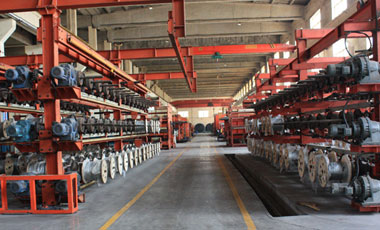
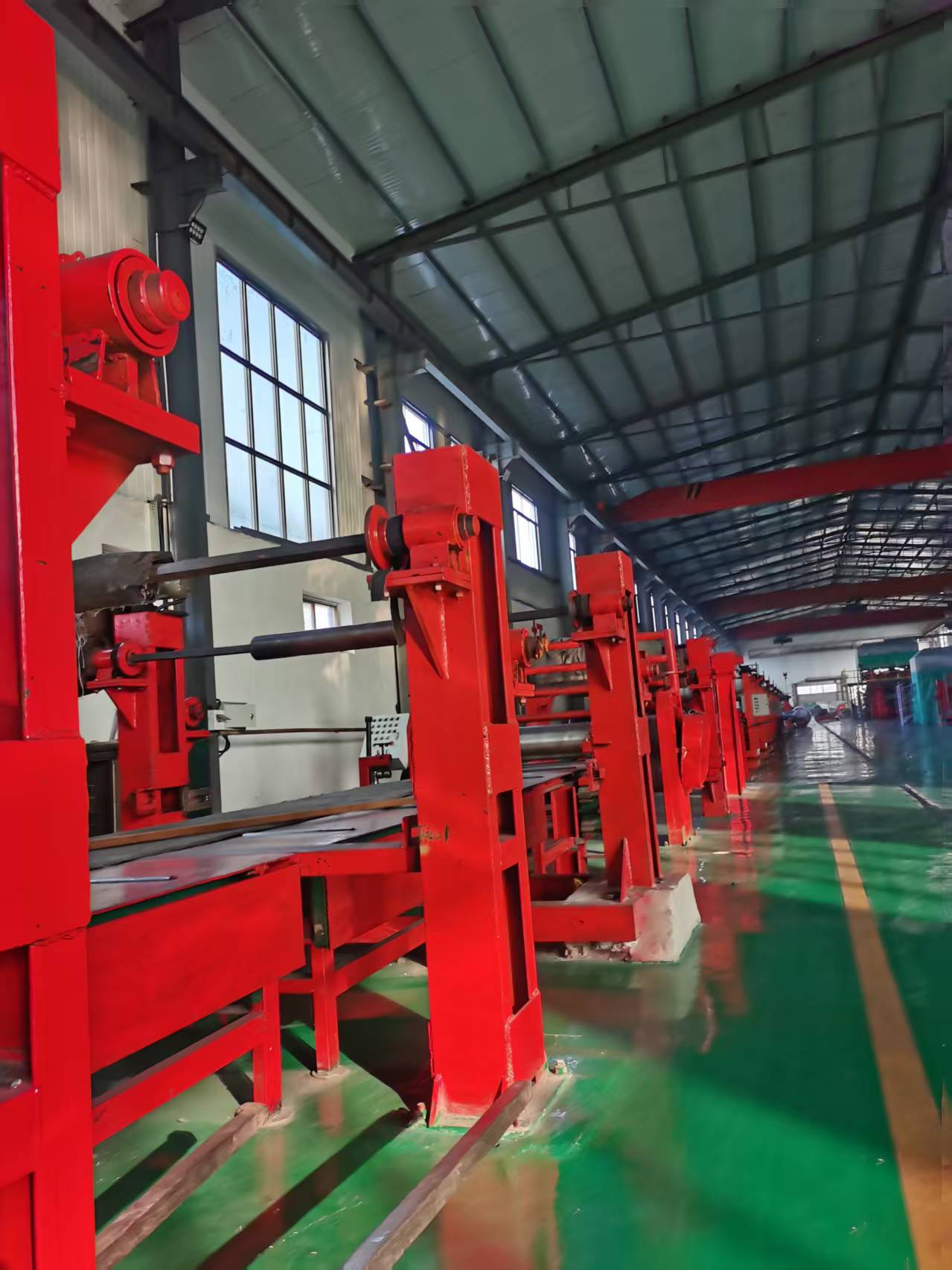
Production Equipment of Steel Cord Conveyor Belt

Steel Cord Conveyor Belt Production Line

Multi-station payout tension control system ensuring uniform tension across all steel cords during extrusion and shaping.
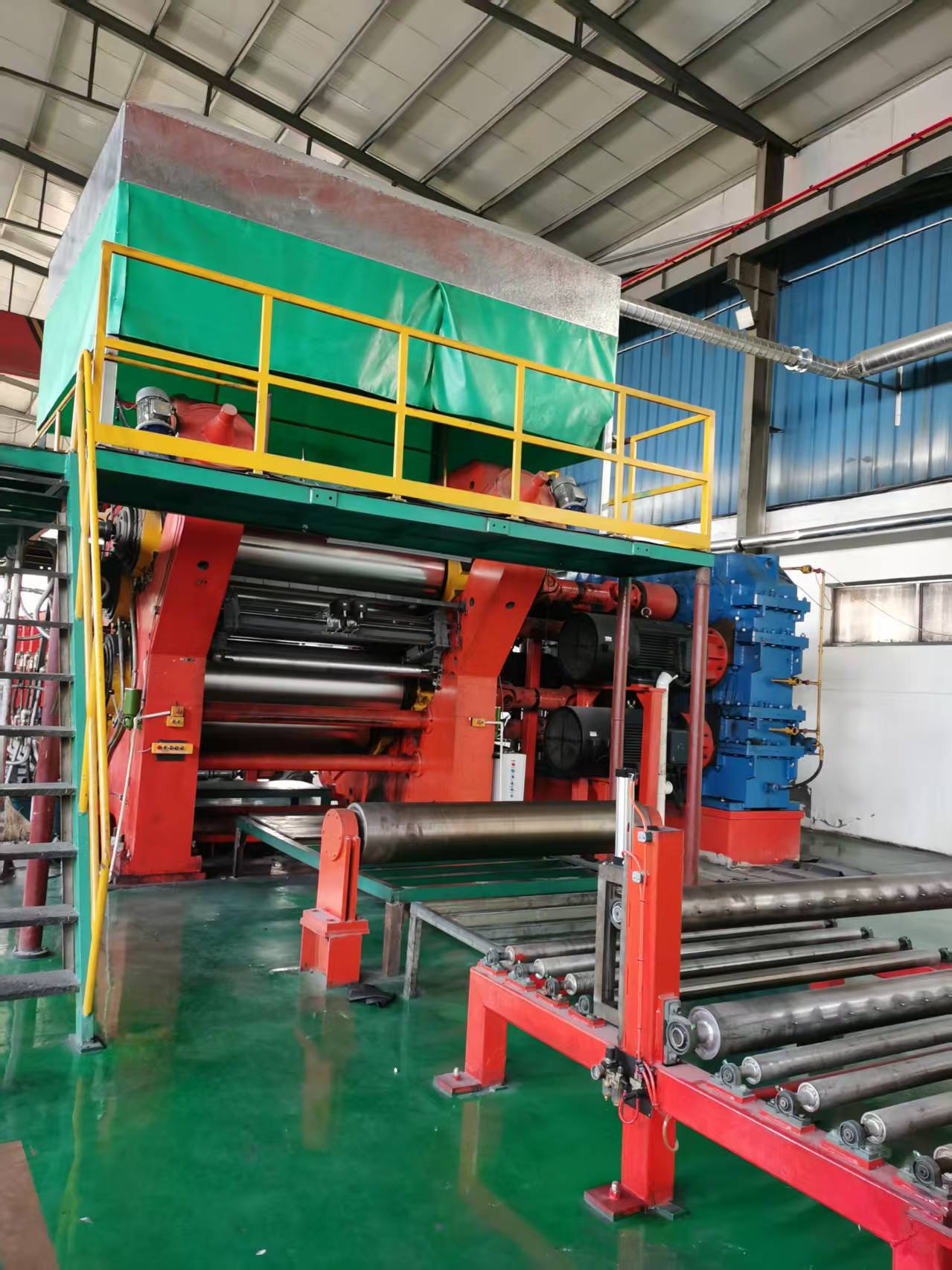
Production Line of Fabric Conveyor Belt

Fabric Conveyor Belt Calendering

High-precision multi-roll calenders coat textiles with base polymers, ensuring tight thickness tolerances.
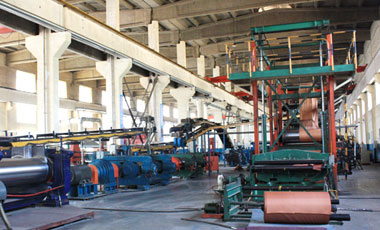
Proportioning Room of Mixing Center

Mixing Center Proportioning Room

Automated compound dosing system ensures accurate carbon black, polymer, and vulcanizing agent weight measurements.
Calendering & Shaping Machine

Calendering & Shaping Machine

Lays up structural rubber sheets with wire matrices under controlled temperatures to eliminate air pocket voids.
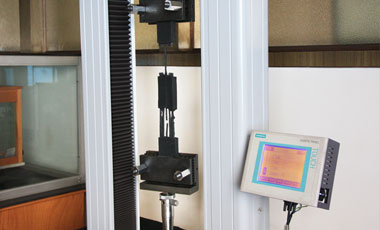
Steel Cord Pull-out Machine

Steel Cord Pull-Out Strength Tester

Measures the bond strength between the steel wire core and the surrounding rubber vulcanization layer.
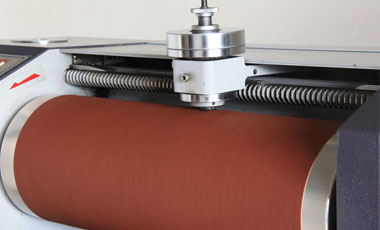
Abrasion Tester

DIN Abrasion Testing Unit

Quantifies cover volume loss (in mm³) under abrasive friction, guaranteeing long belt life in harsh aggregate environments.

5. Technical Service Plans: Extending Belt Operational Life

Sourcing a high-performance belt is only the first step. Proper installation, tracking, splicing, and preventive maintenance dictate the system's operational lifespan. Boao provides technical assistance designed to reduce the Total Cost of Ownership (TCO):

Service Overview

Planned replacement, hot vulcanized splicing, structural repair, ultrasonic wire thickness inspection, and emergency breakdown repair.

Scope of Service

Safety stock inventory management, planned hot bonding splicing, rubber surface repairs, transition zone adjustments, and routine inspection loops.

Standard & Objectives

Designed to optimize conveyor runtime, reduce power consumption, and extend belt operating cycles to achieve joint cost efficiencies.

6. Macro Industry Applications & Global Procurement Cases

Our conveyor belts, brackets, and supporting rollers are deployed in high-stress, high-volume production operations. Some of our key industrial references include:

Conch Cement

Clinker conveying under highly abrasive, thermal conditions.

Tsingshan Group

Bulk materials transport in heavy smelting facilities.

Datong Coal Group

High-tension underground and overland coal transport systems.

Zijin Mining

Heavy mine haulage belts handling sharp, heavy ore fragments.

China Railway

Mixing plant aggregate feed systems with high load cycles.

Taihang Steel

Sinter feeding systems operating under continuous high temperatures.

Jidong Cement

Raw material feed lines handling limestone and heavy additives.

Puyang Steel Group

Continuous heavy scrap and raw iron charge distribution.

7. Strategic Industry Trends: The Future of Bulk Materials Handling

The industrial conveyor market is moving toward eco-friendly designs and smart monitoring technologies. Key trends driving our engineering research at Hebei Boao include:

  • Eco-Friendly Enclosed Pipe Conveyors: Completely seals the transported material, preventing dust emissions, spillages, and product contamination, while allowing horizontal and vertical curve navigation.
  • Low Rolling Resistance (LRR) Rubber Compounds: Reduces friction between the belt and backing idlers. LRR rubber can lower system power consumption by 10% to 15%, reducing operating costs.
  • Embedded Smart Monitoring Sensors: Real-time electronic rip detection loops and electromagnetic induction grids alert operators to stop operations in the event of major foreign object penetration.

Technical Q&A - Procurement & Engineering Guide

Expert insights addressing key design, splicing, safety, and performance factors for steel cord conveyor belts.

Q1: What determines the pull-out strength of steel cords, and why does Hebei Boao outperform general standards?
Pull-out strength depends on the mechanical twist of the steel cords and the formulation of the insulation skim rubber. Boao uses high-penetration zinc-plated wire rope structures that allow insulation rubber to bond deeply into the individual strands during vulcanization. This mechanical and chemical bond prevents ply separation under high tension.
Q2: When should we specify an anti-tear steel cord belt instead of a standard steel cord belt?
Standard steel cord belts are highly resistant to longitudinal tension but are susceptible to cutting and tearing from sharp materials (such as scrap metal or heavy basalt) that pierce the belt. For high-impact loading zones, we recommend specifying our Anti-Tear series, which incorporates transverse steel wire grids or high-strength fabric plies above the main longitudinal steel cord matrix.
Q3: How do ISO, DIN, and AS standards compare for heavy-duty cover rubber grades?
DIN 22131 (primarily Grade X and Y) and ISO 15236 are widely used international standards. Grade X (DIN-X) specifies higher tensile strength (25 MPa) and superior abrasion resistance (maximum 120 mm³ volume loss) for sharp, high-impact materials. Grade Y (DIN-Y) is suitable for general bulk conveying with moderate abrasion (150 mm³ volume loss). Australian Standard AS 1332 (Grades M and N) follows a similar engineering framework.
Q4: What splicing methods are recommended for steel cord conveyor belts?
Multi-stage hot vulcanized splicing is the standard for joining steel cord conveyor systems. The process involves stripping back the cover rubber to expose individual steel cords, interlacing them in a staggered configuration (Stage 1, 2, or 3 depending on tension level), applying unvulcanized skim rubber sheets, and curing under temperature and pressure using a vulcanizing press. Mechanical fasteners are not recommended for high-tension steel cord systems.
Q5: How does environmental temperature affect rubber compound performance?
Extreme cold causes standard rubber compounds to crystallize and lose flexibility, resulting in cracking and high energy consumption during cold-weather startups. Our Cold Resistant series uses specialized polymers that maintain flexibility at temperatures down to -50°C. For heat-sensitive operations (e.g., handling hot sinter or cement clinker), our Heat-Resistant (HR) compound options withstand temperatures up to 200°C, preventing degradation of the rubber matrix.

Specialty Conveyor Belts & Systems

Explore our range of heat-resistant, chemical-resistant, patterned, and specialty conveyor components engineered to DIN standards.
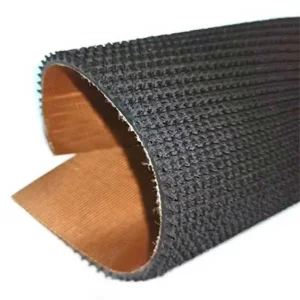
Patterned Conveyor Belts: Magic Carpet, Concave & Convex Designs

Patterned Conveyor Belts: Concave & Convex Designs

View Technical Specs
Best Acid and Alkali Resistant Conveyor Belt

Best Acid and Alkali Resistant Conveyor Belt

View Technical Specs
Best Flame Retardant Rubber Conveyor Belt Suppliers

Best Flame Retardant Rubber Conveyor Belt

View Technical Specs
China Conveyor Trough-Type Idler Rollers

China Conveyor Trough-Type Idler Rollers

View Technical Specs
China Heat-Resistant Rubber Conveyor Belts

China Heat-Resistant Rubber Conveyor Belts

View Technical Specs
Best Nylon Rubber Conveyor Belt Suppliers

Best Nylon Rubber Conveyor Belt - Durable Solutions

View Technical Specs
China Nylon Rubber Conveyor Belt - Polyamide (NN)

Polyamide (NN) Nylon Rubber Conveyor Belt

View Technical Specs
China Cold Resistant Rubber Conveyor Belt

China Cold Resistant Rubber Conveyor Belt

View Technical Specs