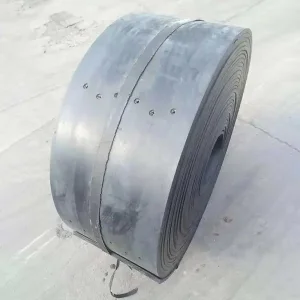
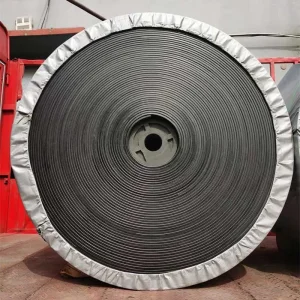
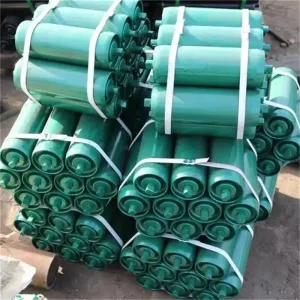
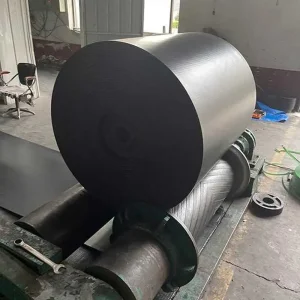
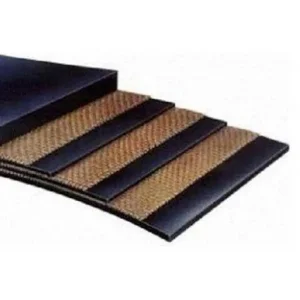
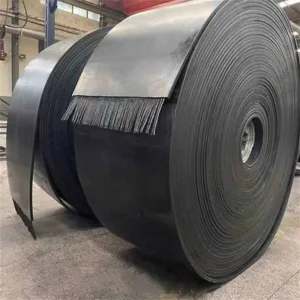
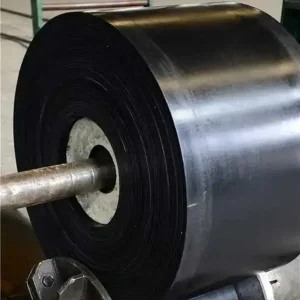
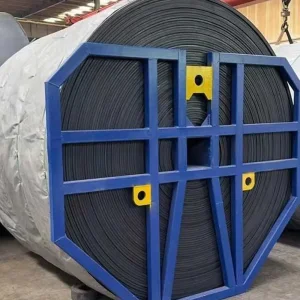
Explore our core selection of industrial-grade rubber belting products designed for extreme applications, heavy impact, and maximum material throughput.
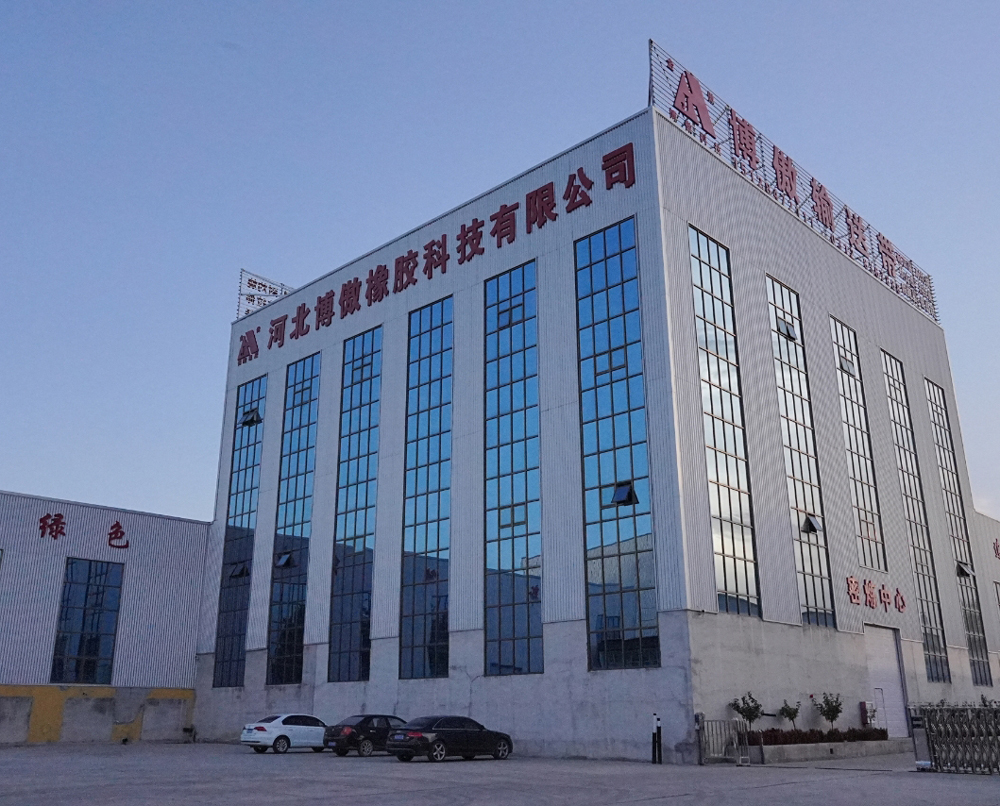
For more than two decades, Hebei Boao Rubber Technology Co., Ltd. has stood at the forefront of China's heavy-duty industrial conveyor belt manufacturing. Located in the heart of Boye County's Rubber Industrial Park (Baoding City, Hebei Province), our state-of-the-art facility spans over 30 acres of advanced fabrication and laboratory space.
Under our renowned trademark brand, "Jinao", we design, develop, test, and supply premium-grade conveyor belting systems and matching industrial line accessories. Our production ecosystem integrates advanced calendering, continuous vulcanization, and chemical/physical analysis facilities, enabling us to sustain certifications from international quality management bodies effortlessly.
Discover the engineered advantages that make "Jinao" conveyor belts the gold standard for global logistics, mining, and bulk material handling.
Our in-house physics and chemical laboratories execute absolute monitoring over every inbound lot of rubber polymer, steel cords, and fabric plies. Unqualified materials are strictly blocked from production.
Leveraging high-precision testers (abrasion, peeling, steel cord pull-out, and dynamic fatigue testers) we guarantee mechanical compliance with DIN, ISO, and AS standards prior to dispatch.
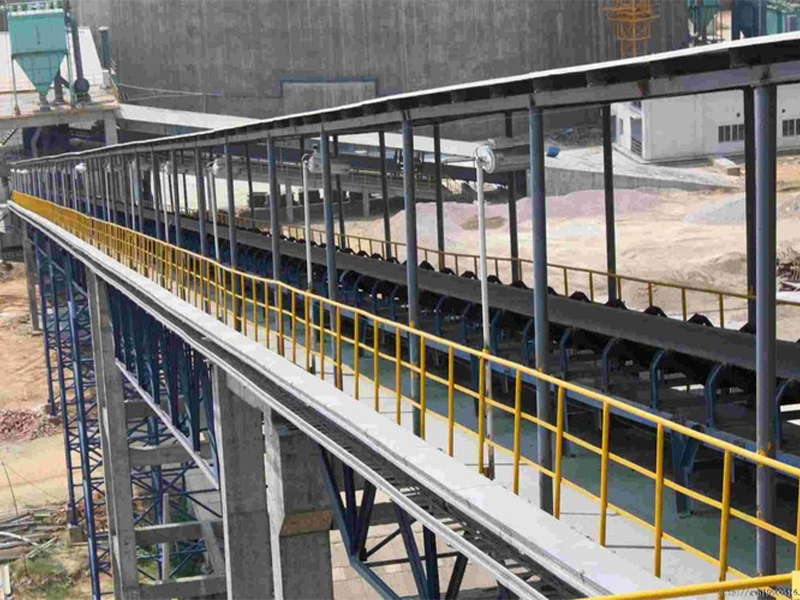
Our robust logistics infrastructure allows rapid transit to ports worldwide. From mining corridors to cement operations, our supply chain ensures timely, compliant localized delivery.
From heavy extraction to highly refined production corridors, see how Boao designs application-specific rubber belting materials.
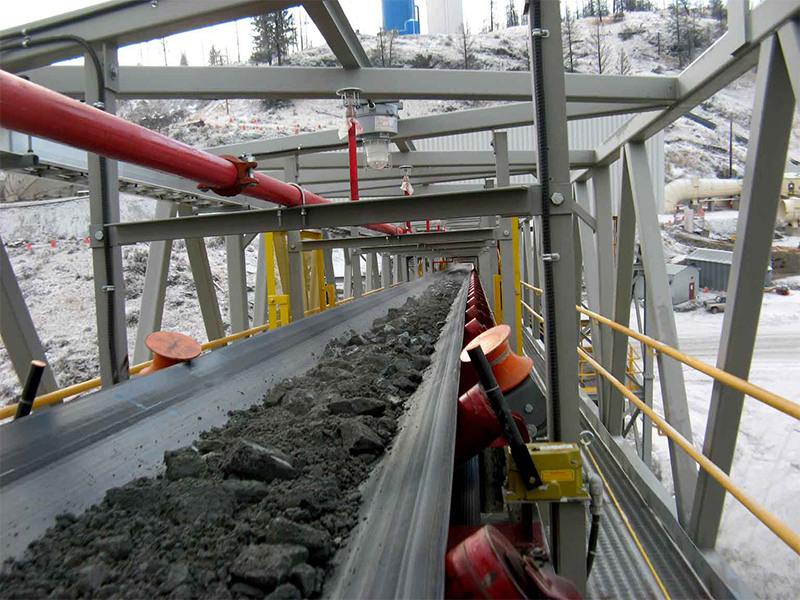
Our high-temperature and heat-resistant belts handle red-hot sinter, coke, and slag up to 200°C (with peaks at 400°C), minimizing conveyor shutdowns in continuous metallurgical mills.
We provide heat-resistant EP and NN belting designed to sustain intense abrasion from limestone clinker, aggregate, and dry powder handling systems without ply separation.
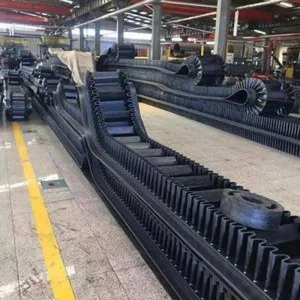
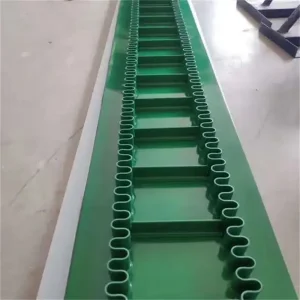
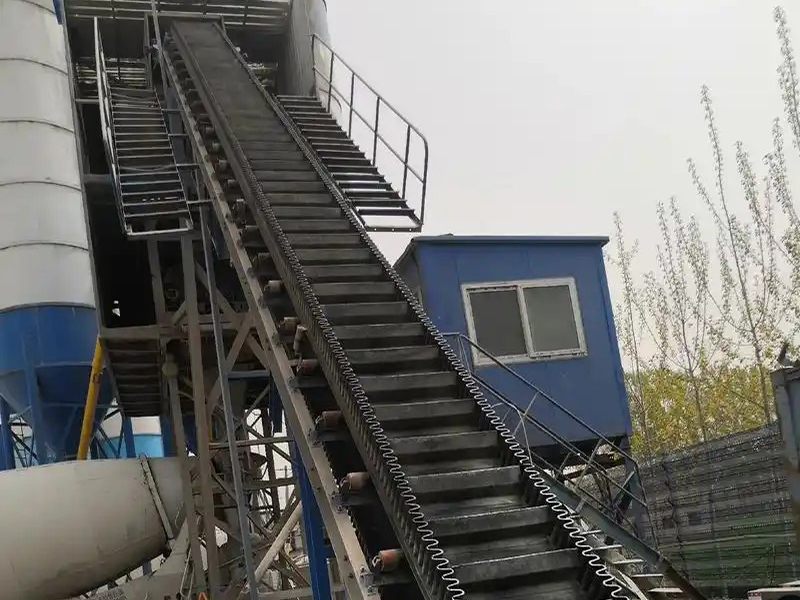
For high-capacity bulk shipping operations, our high-angle wavy edge and sidewall belts optimize footprint while keeping ship-loaders functioning at extreme rates.
Equipped with MT820/DIN22109 compliance, our steel cord and textile ply flame-retardant rubber conveyor belts prevent fire progression in underground corridors.
An executive overview of industrial material handling trends, supply chain dynamics, and regulatory compliance requirements.
The global dry bulk logistics market continues to transition toward faster feed velocities and high-tonnage corridors. This shift exposes belting matrices to accelerated mechanical degradation, thermal oxidation, and core vulcanization reversion. Meeting these challenges requires advanced chemical design.
By blending high-molecular-weight Polybutadiene Rubber (PBR) with Styrene-Butadiene Rubber (SBR) and high-structure Carbon Blacks, Boao synthesizes covers that exceed the requirements of DIN 22102 and ISO 10247. Our formulations improve carcass adhesion and reduce cover wear indices. They also preserve elastic behavior under severe impact, preventing micro-fracture propagation.
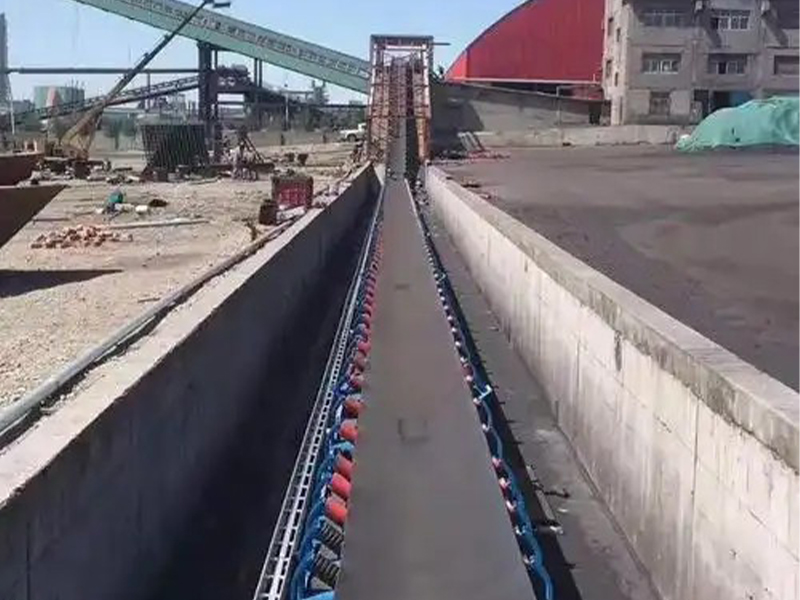
To reduce energy consumption on long-distance overland runs, we construct our lower covers with low rolling resistance rubber (LRR). This compound reduces viscoelastic deformation as the belt passes over rollers, decreasing systemic electricity demand by up to 15%.
Environmental extremes require customized conveyor belt configurations. A standard cover compound will fail when exposed to extreme thermal variance, strong chemical attack, or freezing temperatures.
Sub-Zero Arctic Mining: Under conditions reaching -50°C in remote polar basins, conventional rubber compounds glassify, crack, and fail catastrophically. Our Cold-Resistant belts utilize tailored plasticizers and customized polymer networks to remain flexible at low temperatures.
Corrosive Processing Environments: Phosphate processing and maritime loading terminals expose belts to highly acidic slurries and salt mist. Boao's acid-and-alkali-resistant compounds use inert polymer backbones to prevent structural delamination and mechanical swelling, ensuring long service life.
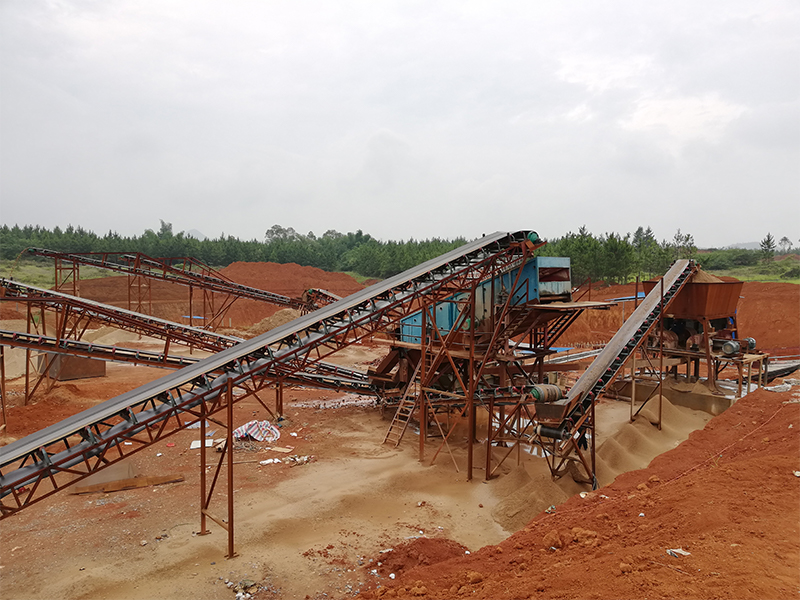
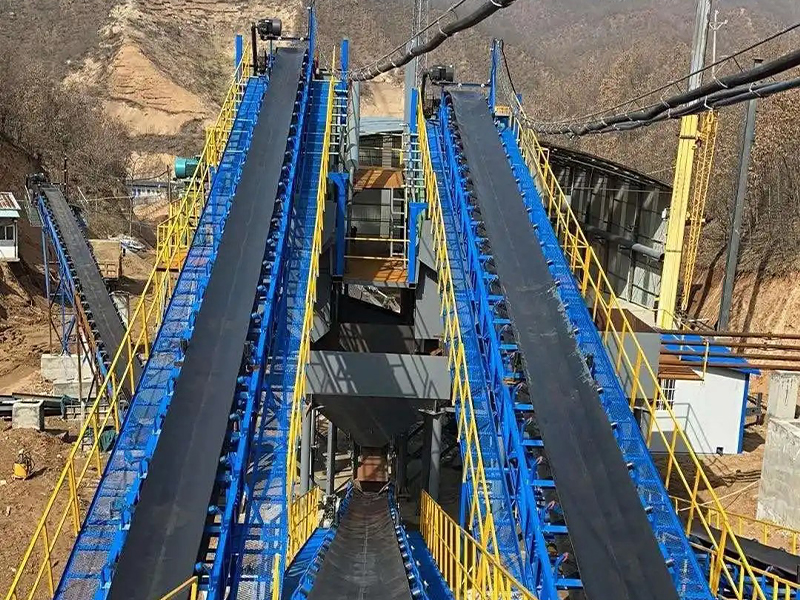
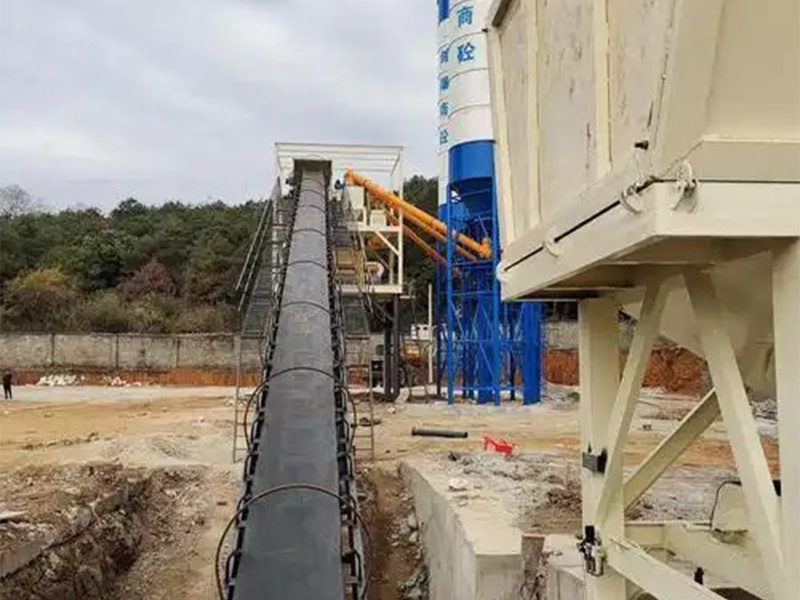
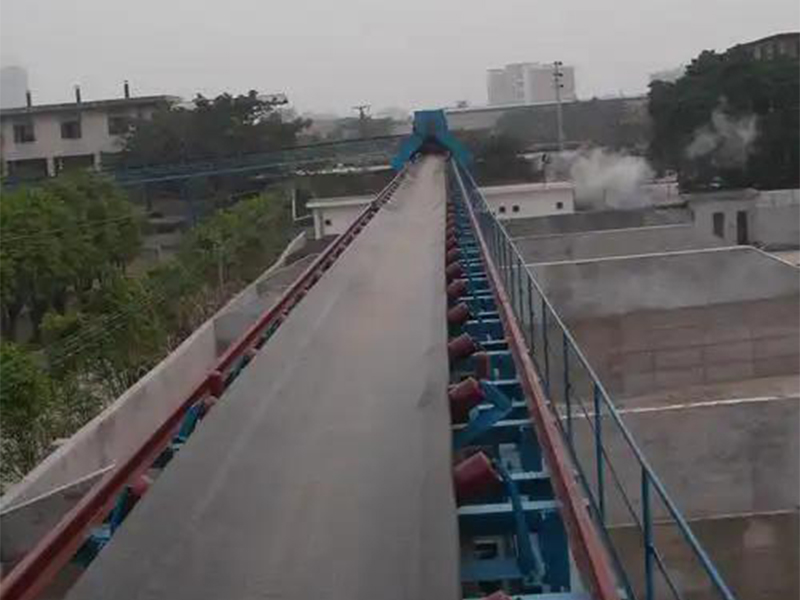
We work closely with leading heavy-industry groups to deliver durable, high-performance material handling solutions.
Operational support, preventive maintenance guidelines, and global certification compliance (API, CE, ISO).
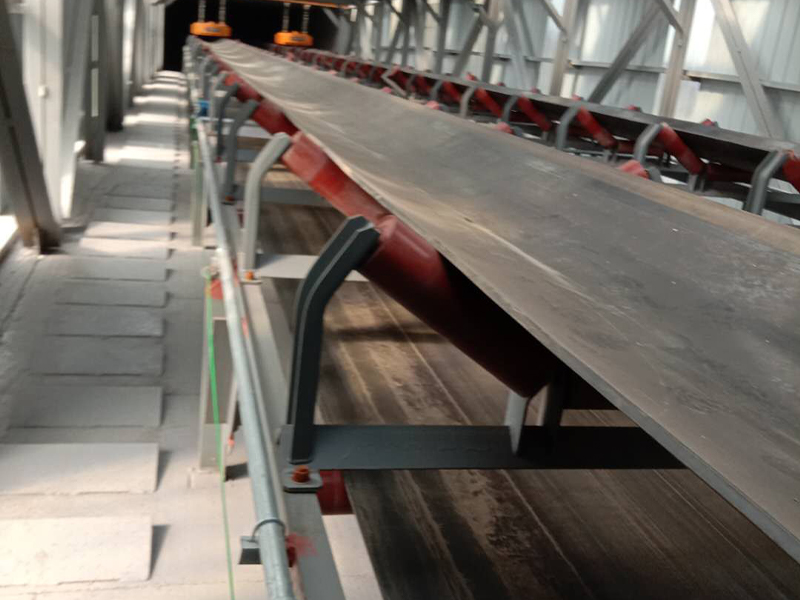
Our service packages include planned replacements, physical inspections, hot vulcanized splicing, and emergency repair of heavy conveyor systems to help maintain continuous uptime.
We work with clients to maintain custom safety stocks of critical conveyor belts and splice materials. This ensures immediate availability of spare belts and matching mechanical components.
By monitoring belt tracking, cover wear, and splice integrity, our technical service program helps maximize conveyor operating life and reduce overall belting consumption.
Our facility operates under rigorous international quality management guidelines. We carry certifications for API 6D, API 607, CE, ISO 9001, ISO 14001, OHSAS 18001, and TS, allowing our products to comply with local safety and environmental laws worldwide.
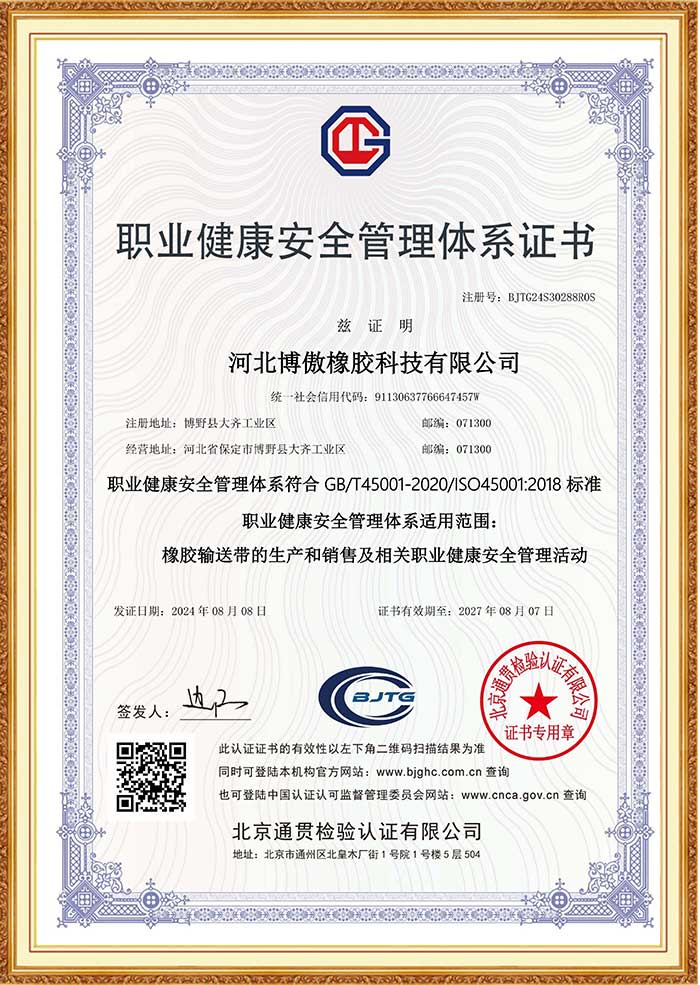
ISO QMS
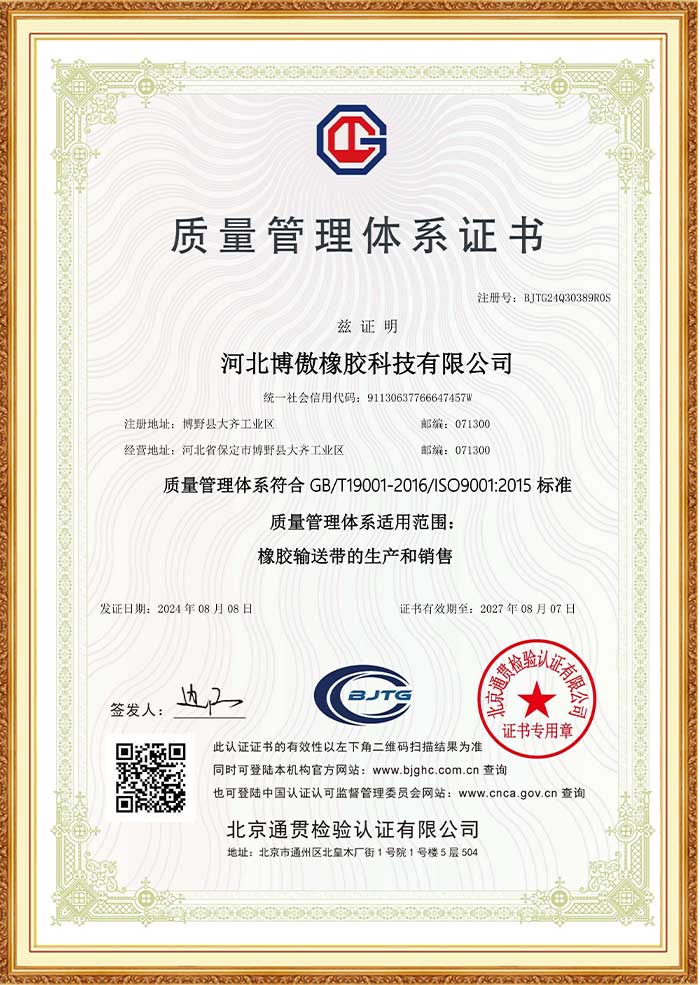
Quality Standard
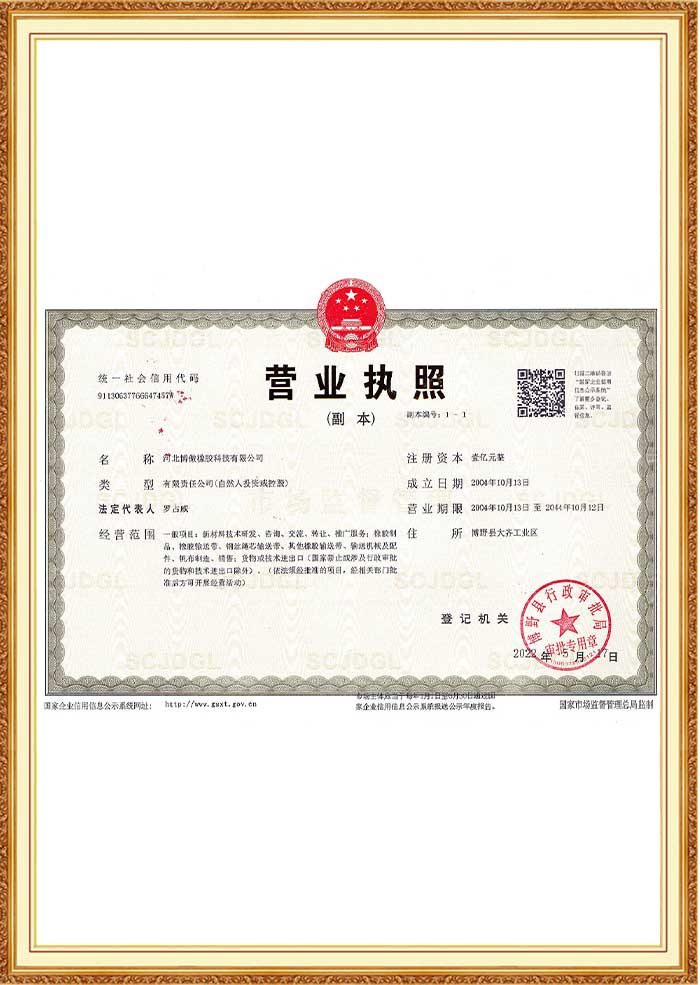
Safety Approval
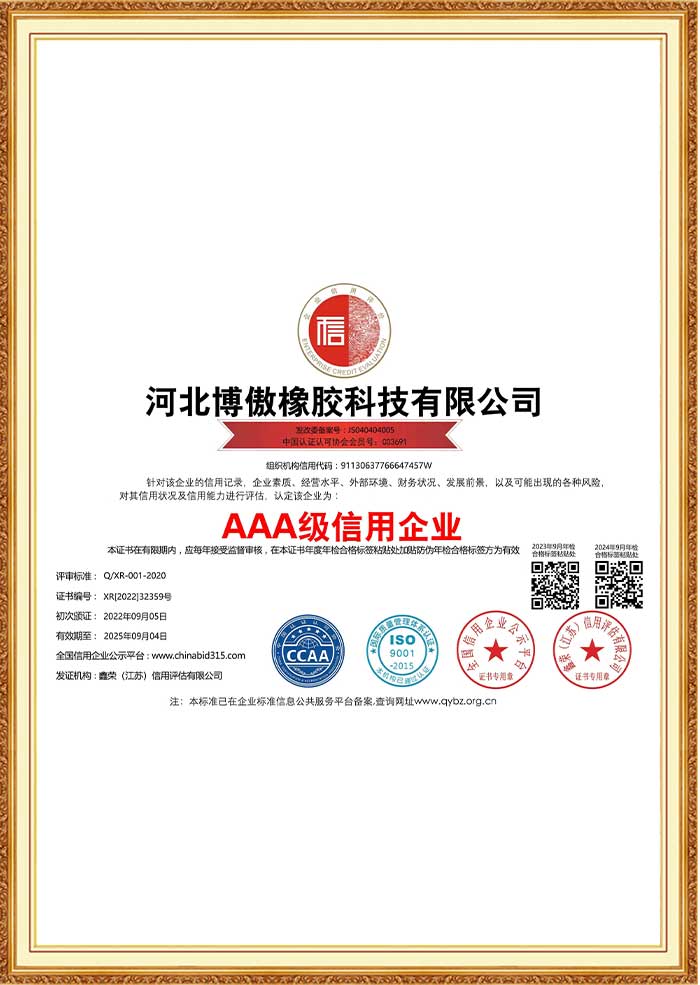
Compliance Cert
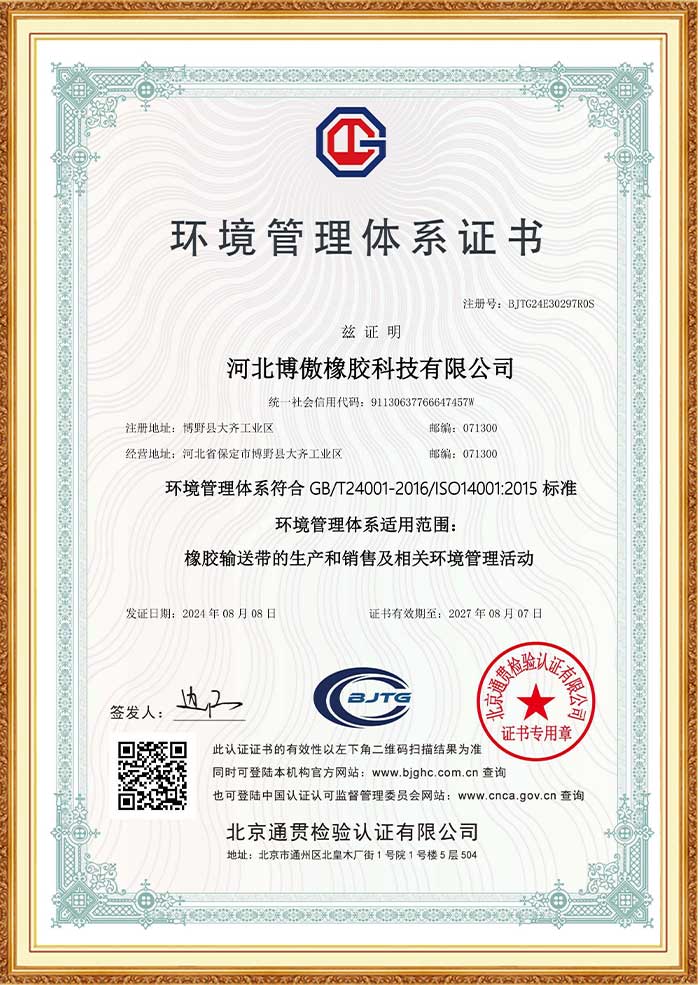
Manufacturing License
Our facility features modern compounding, calendering, and vulcanizing equipment, supported by advanced testing instruments.
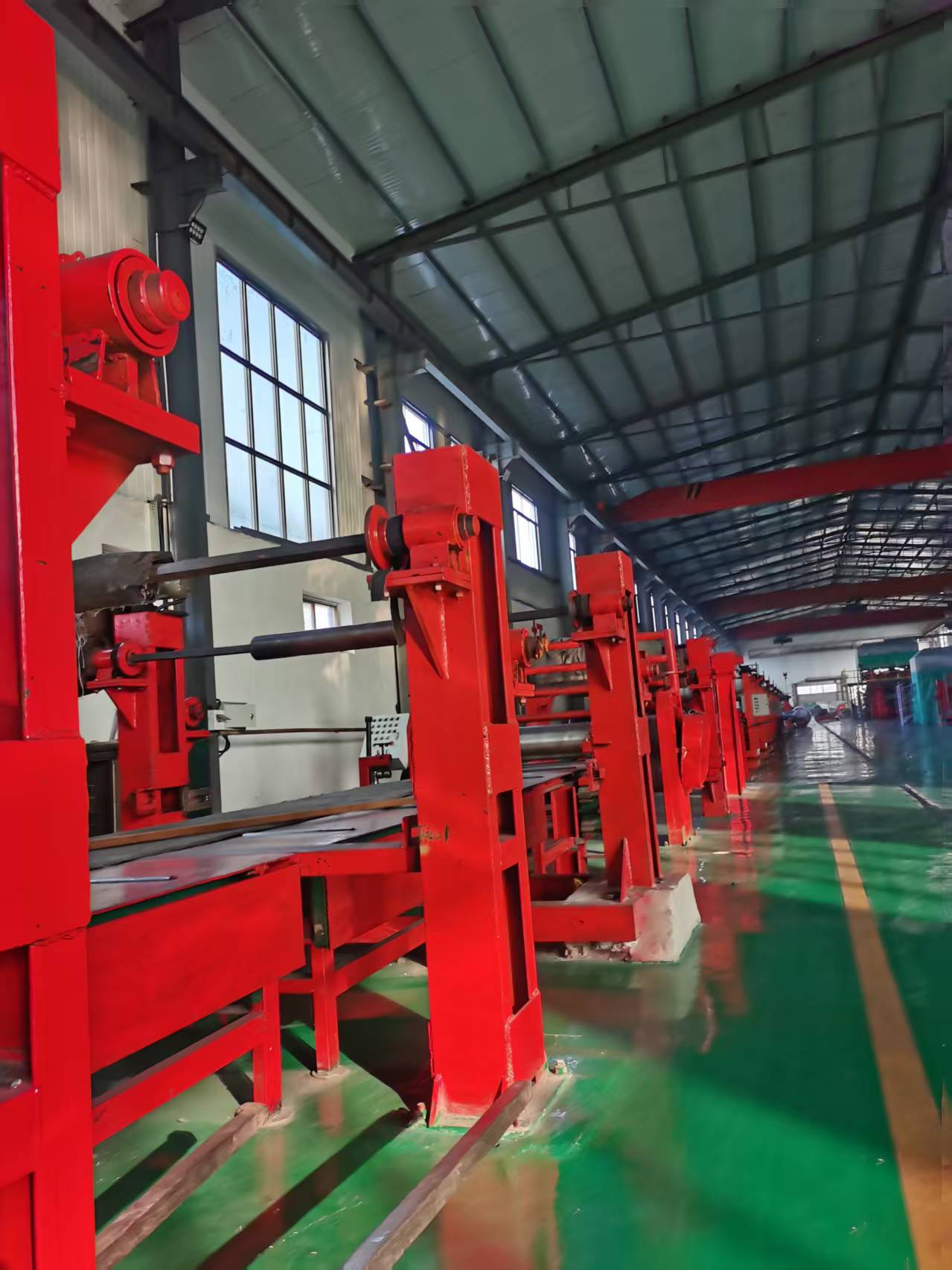
Main Vulcanization Unit
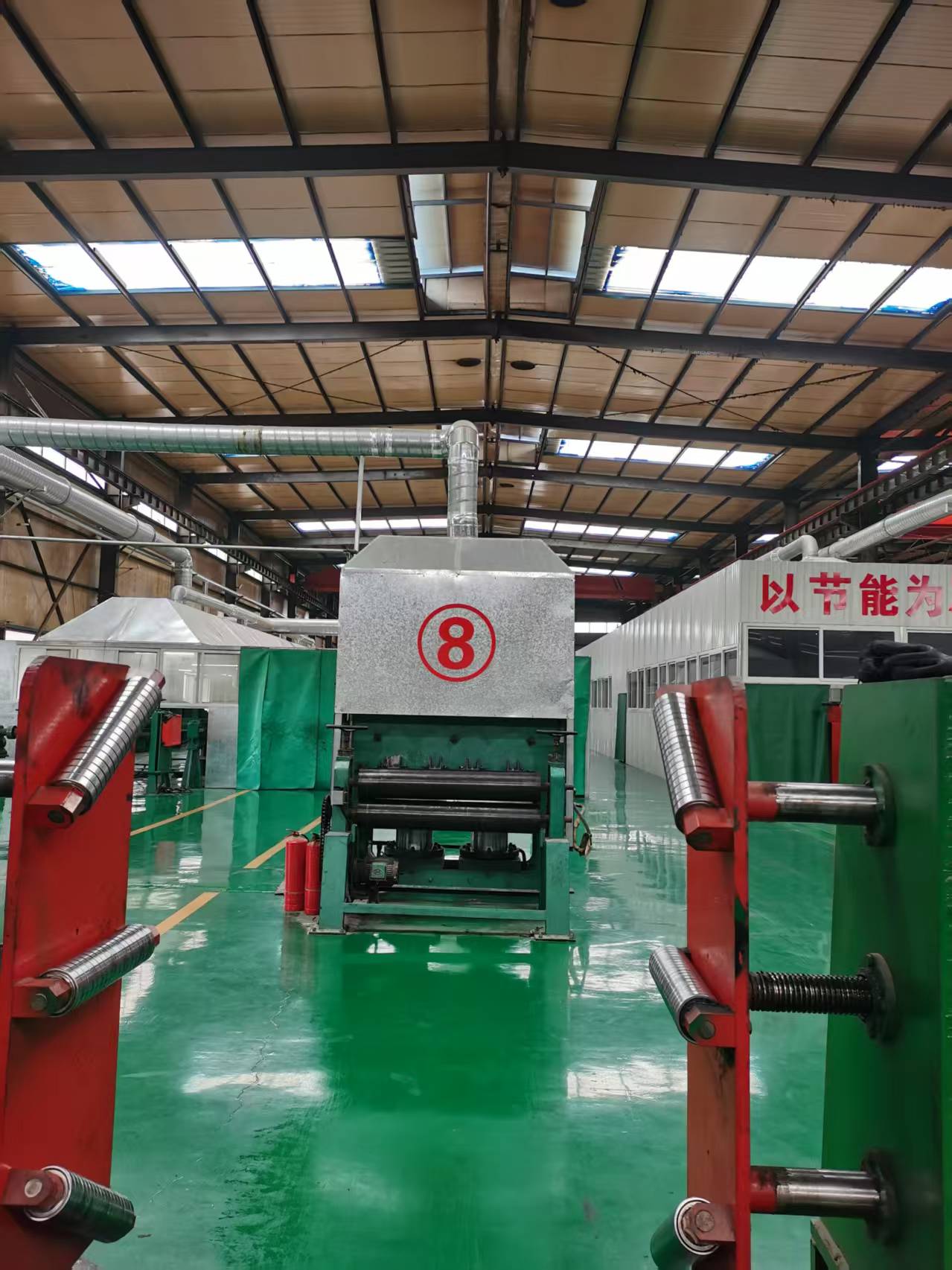
Multi-Roll Calendering
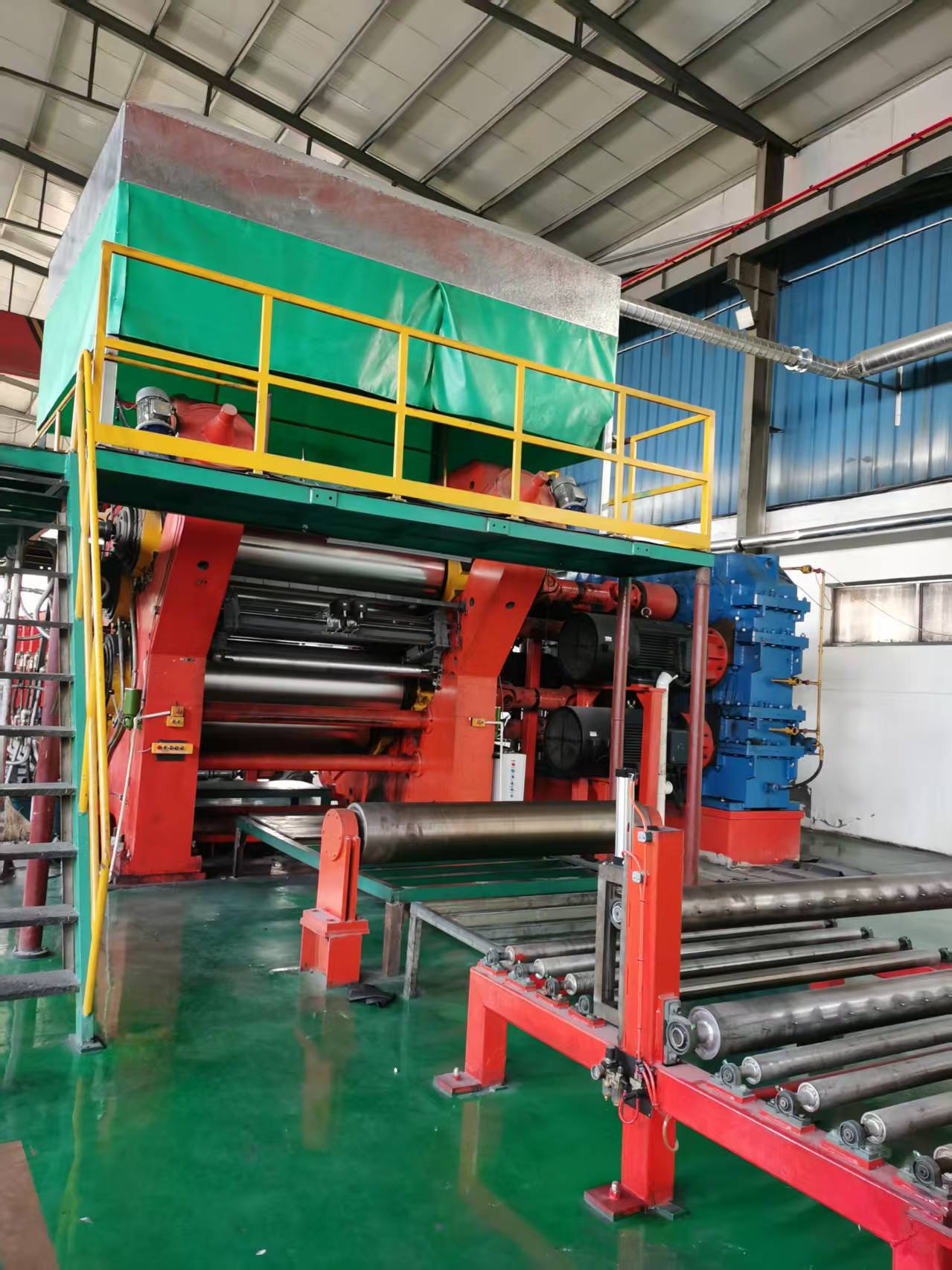
Tensioning Section
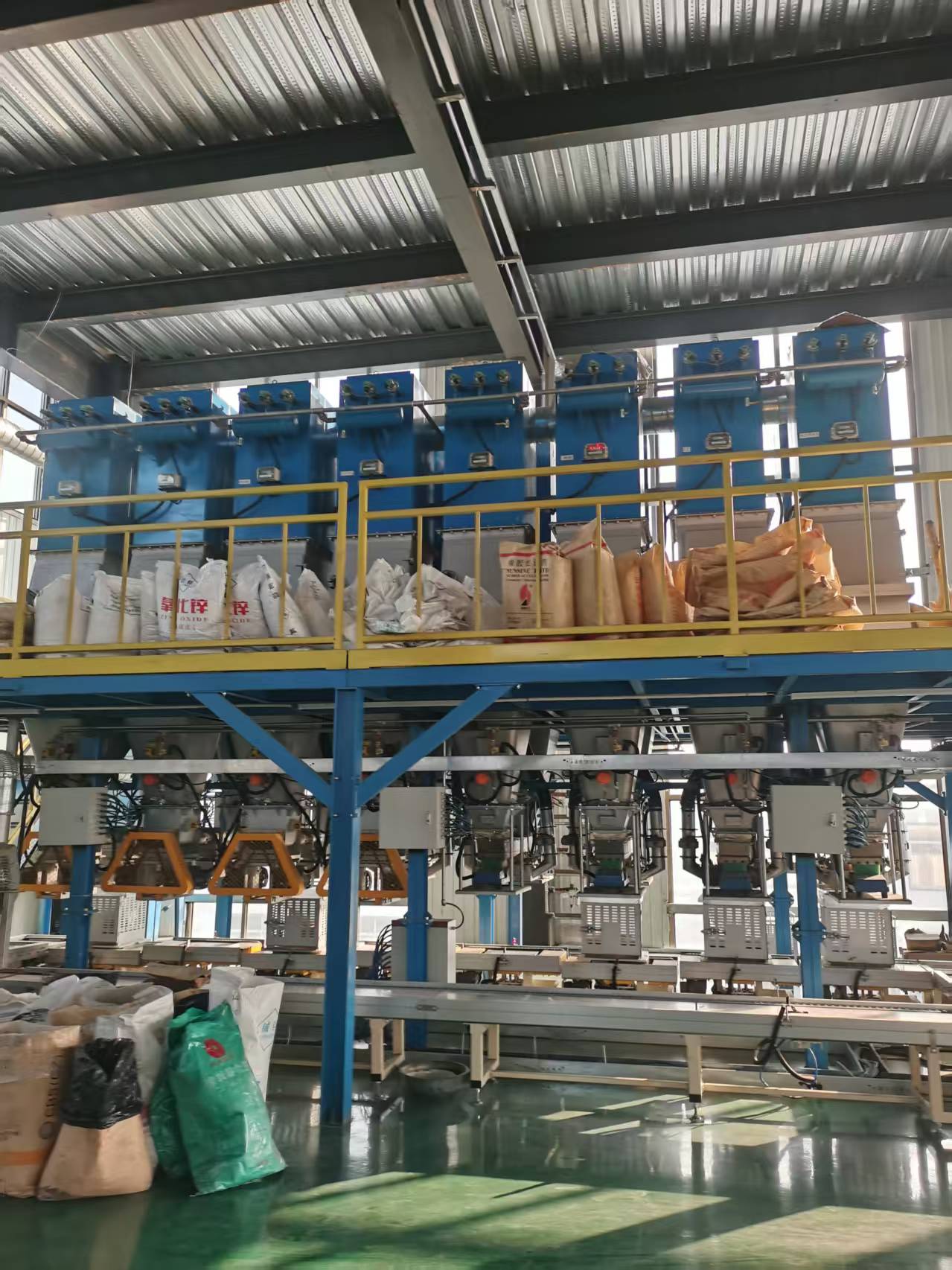
Fabric Ply Assembling
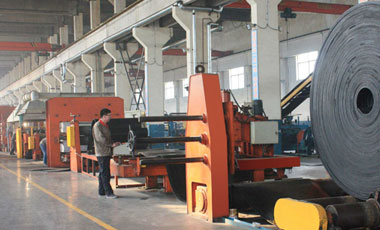
Fabric Conveyor Belt Line
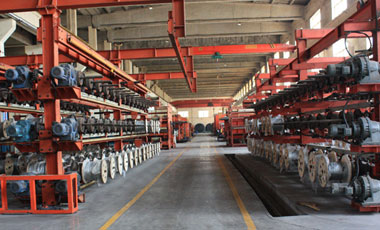
Steel Cord Conveyor Belt Line
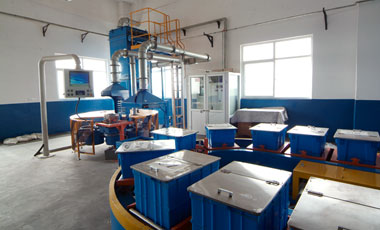
Proportioning Room
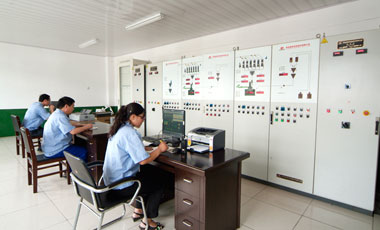
Automated Compounding
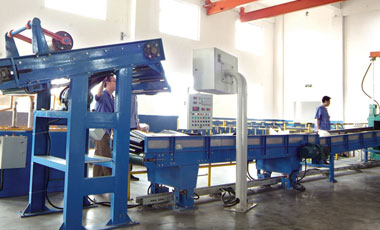
Polymer Feeding Device
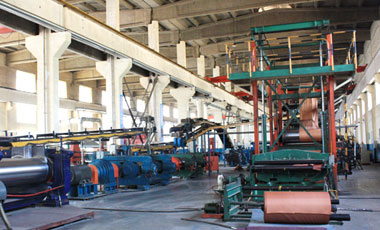
Calendering & Shaping Machine
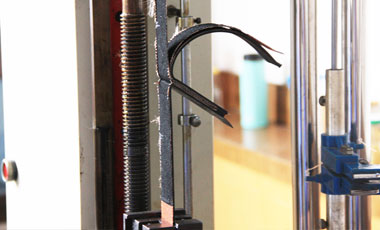
Inter-ply Peeling Test
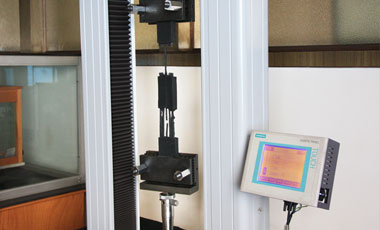
Steel Cord Pull-out Machine
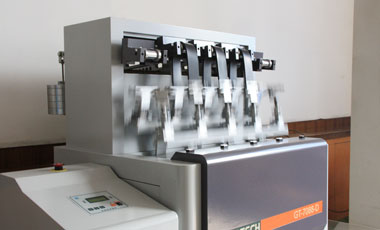
Dynamic Fatigue Tester
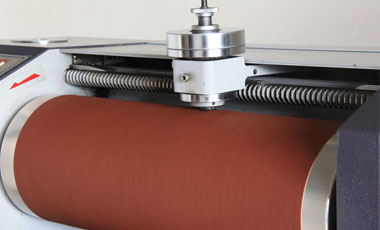
Cover Rubber Abrasion Tester
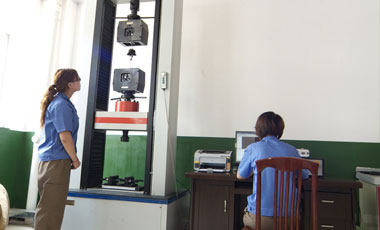
Rotary Drum Abrasion Tester
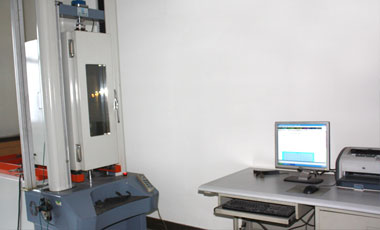
Cover Hardness & Elongation
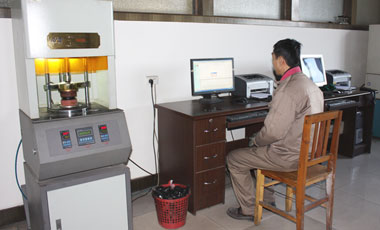
Thermal Aging Chamber
Technical answers to common questions about industrial rubber belting selection, installation, and preventative maintenance.
Explore our selection of specialized high-angle belts, heavy steel cord reinforced belts, and low-friction rollers.
 Boao Rubber