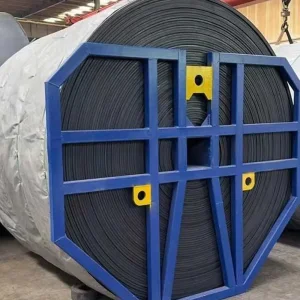
Explore our foundational range of textile-reinforced, steel-cord, and specialized patterned rubber belts tailored for heavy B2B material handling systems.
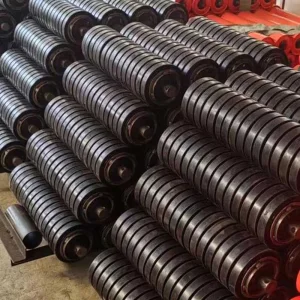
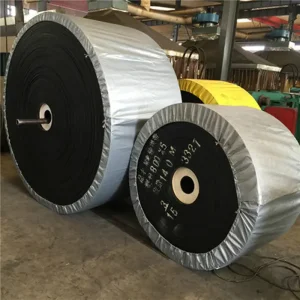
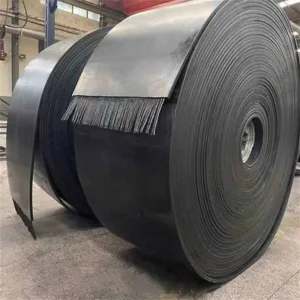
Forging high-tensile, abrasion-resistant material handling systems for global enterprises since 2004.
Hebei Boao Rubber Technology Co., Ltd. is strategically located in the Rubber Industrial Park of Boye County, Baoding City, Hebei Province, China. Spanning a state-of-the-art production complex of over 30 acres, our manufacturing facility is designed for large-scale production of heavy-duty conveyor belts under the signature "Jinao" brand.
We are a certified engineering enterprise integrating technical research, design, production, and comprehensive B2B servicing. We operate multi-stage advanced production lines spanning calendering, custom forming, continuous vulcanization, and systematic laboratory verification. Certified under major global quality frameworks, Hebei Boao Rubber delivers top-tier material conveyor systems engineered for performance in challenging environments.
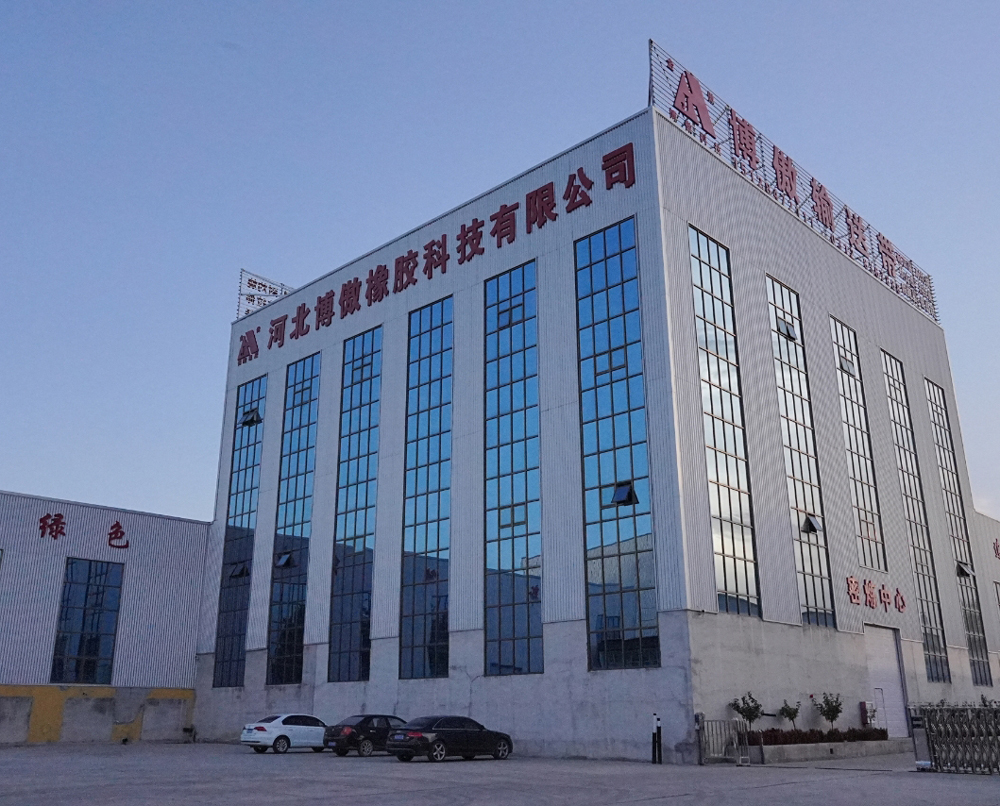
Our in-house analytical laboratories monitor raw chemical input and structural material physics. We operate on a zero-tolerance policy for substandard materials. No raw rubber compound is calendered without strict approval, and no completed roll leaves our dock without full batch trace compliance.
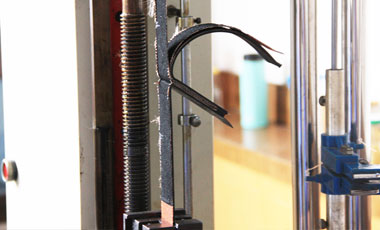
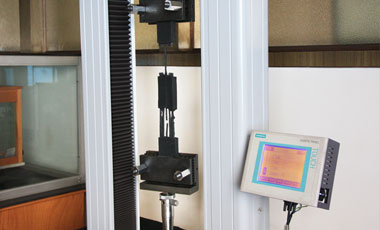
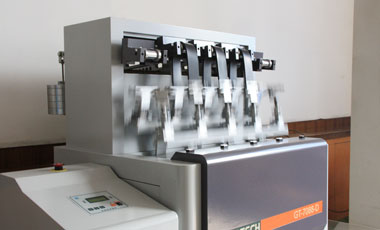
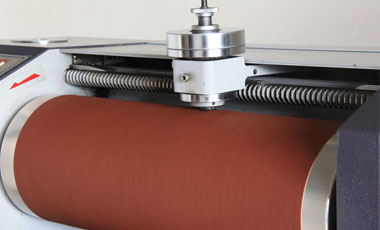
Equipped with computerized physical fatigue, DIN abrasion, and steel-cord pull-out testing equipment, our QC inspectors monitor rubber-cover-to-carcass adhesion, tensile strength, and compound elongation variables across every production shift.
Backed by dedicated logistics networks and on-site engineering advisory teams, our belts are deployed in domestic and international processing corridors. We serve major global operations across steelmaking, coal mining, cement formulation, thermal power, and chemical fertilizer shipping terminals.
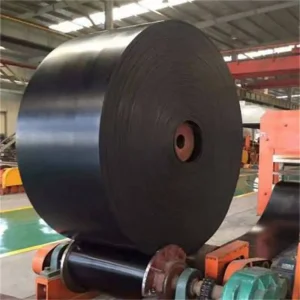
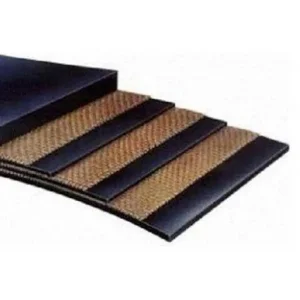
In global industrial terminology, "Ordinary Conveyor Belts" refer to standard multi-ply textile or steel reinforcement designs used for high-reliability bulk transport. Choosing the right configuration is critical to prevent belt stretch, ply separation, and cover wear.
| Carcass Code | Reinforcement Core | Adhesion Strength | Elongation at Break | Primary Industrial Use Case |
|---|---|---|---|---|
| EP (Polyester) | Polyester Warp / Nylon Weft | ≥ 4.5 N/mm (Ply-to-Ply) | Low stretch (≤ 1.5% at rated load) | Medium to long distances, mining, cement, limestone |
| NN (Nylon) | Nylon Warp / Nylon Weft | ≥ 5.0 N/mm (Ply-to-Ply) | Moderate stretch (≤ 2.5%) | High impact, heavy shock loading, quarry, coal prep |
| Steel Cord | High-Tensile Steel Wire Ropes | ≥ 100 N/mm (Pull-out force) | Ultra-low (≤ 0.2%) | Overland transport, deep mine shafts, power plants |
| Lightweight (PVC/PU) | Synthetic woven monofilament | Chemical bonding matrix | Minimal stretch | Indoor processing, packaging lines, grain handling |
Selecting the right cover rubber formulation determines the longevity of the belt in the field. When ordering from China suppliers, ensure you match cover grades to your material dynamics:
Modern conveyor systems demand customized solutions rather than off-the-shelf products. At Boao, we translate industrial requirements into tailored material profiles:
For steel mills conveying sintered ore and hot slag, standard rubber covers will degrade quickly. Our specialized heat-resistant designs operate at continuous temperatures up to 200°C (with peaks up to 400°C), utilizing EPDM matrices that prevent premature cracking and ply separation.
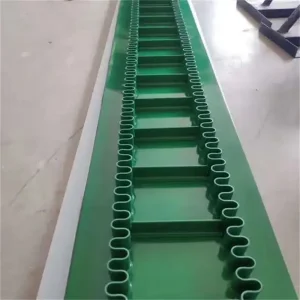
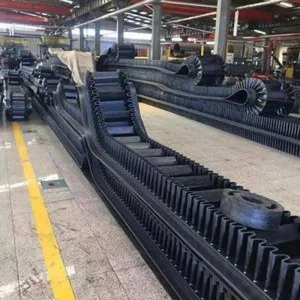
High-inclination wavy edge (sidewall) and patterned belts prevent material fallback on steep paths. For wet, acidic, or basic chemical transport, our acid and alkali-resistant compounds protect the reinforcement core from corrosion and structural failure.
As an industry-leading manufacturer, Boao Rubber is committed to technical innovation across our belt lines:
Overland conveyor systems consume significant electricity overcoming indentation rolling resistance. Our next-generation bottom cover compounds minimize deformation around pulleys, reducing conveyor drive power consumption by up to 12% to 15%.
We are researching the integration of passive sensor networks into our high-tensile steel cord lines. These modules automatically stop the conveyor line if a rip or tear is detected, preventing expensive system failures.
We believe that testing is the foundation of quality. Below is a breakdown of our advanced processing equipment and verification systems used on our factory floor:
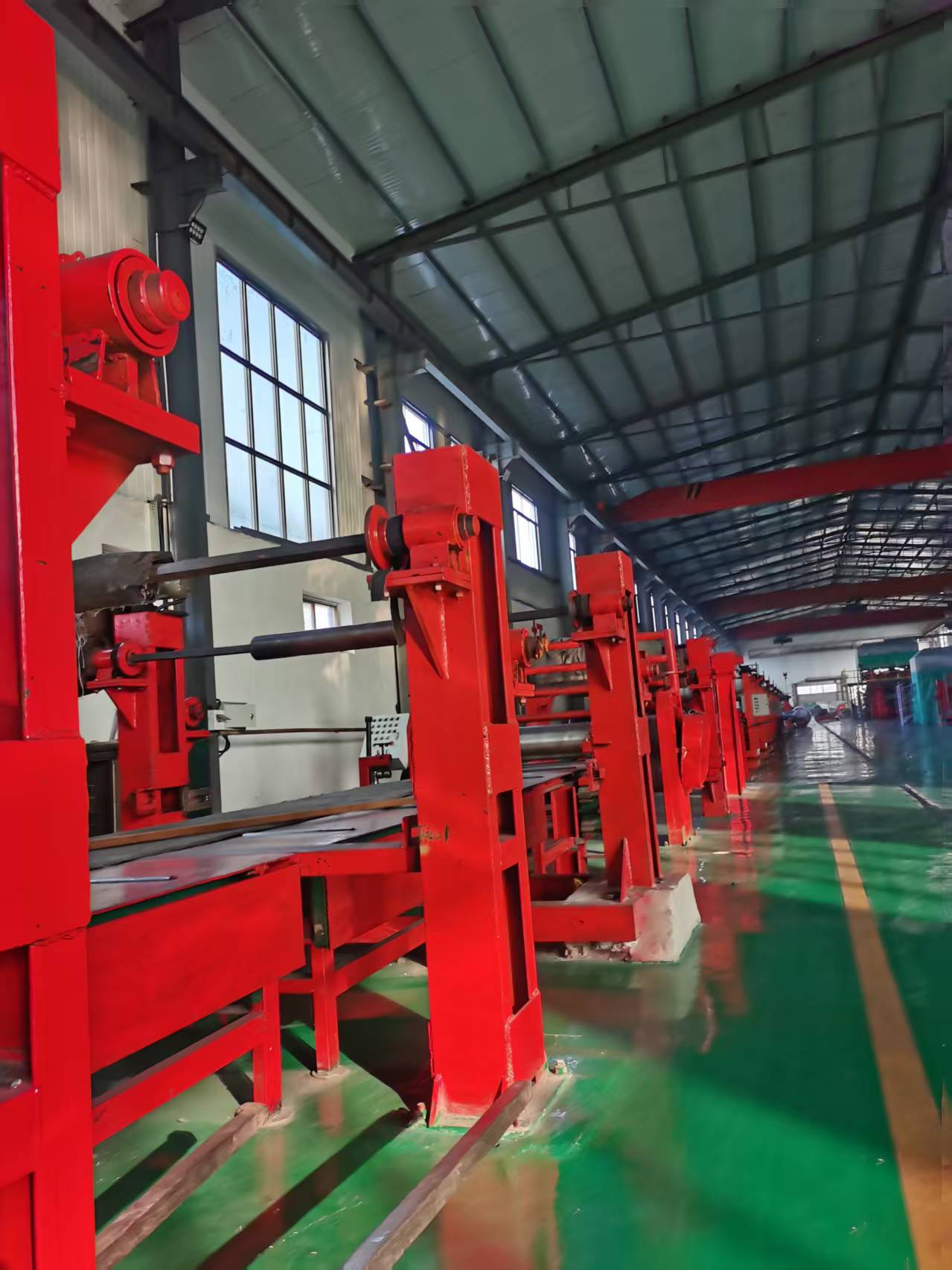
Multi-roll precision calenders control compound thickness and ensure uniform adhesion to EP and NN plies.
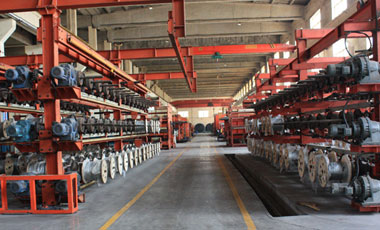
Specialized high-tension steel rope lines ensure consistent structural tension and alignment throughout the belt length.
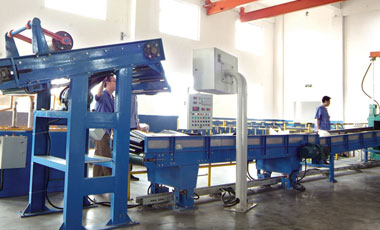
Automated compound mixing and feeding systems provide consistent quality and batch performance across production runs.
Our belts are designed for heavy-duty industrial applications. Below are the key enterprises utilizing Jinao brand belts in high-volume production operations:
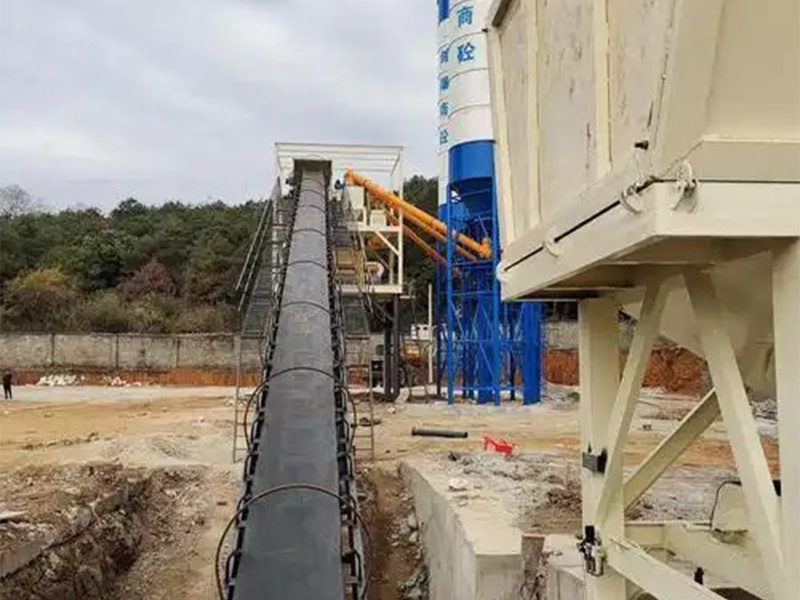
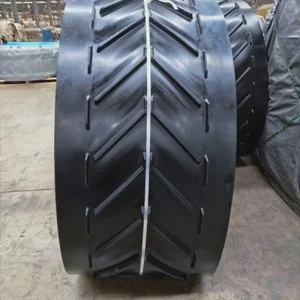
We supply high-abrasion EP and Chevron belts for aggregate and concrete transport, delivering performance in continuous, high-volume production operations.
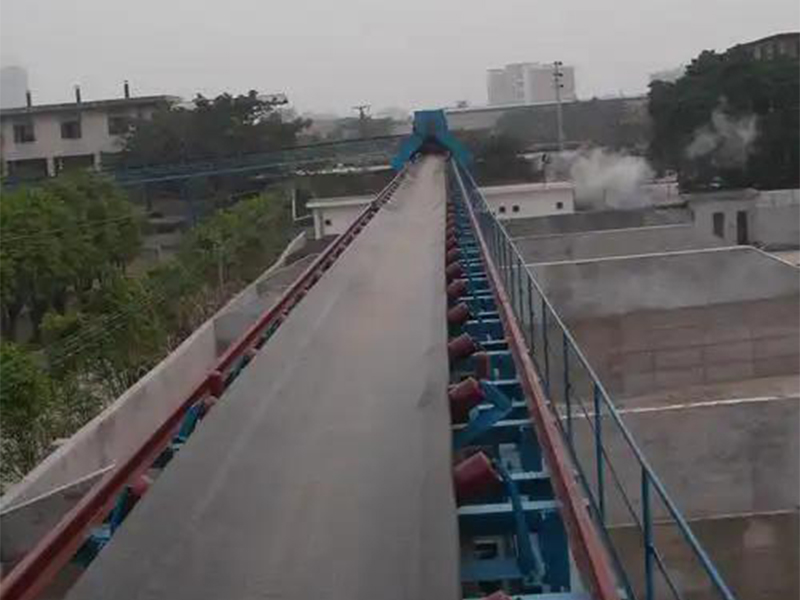
Equipped with our heat-resistant and steel-cord conveyor series to move raw clinker and pulverized coal across steep vertical lifts under dusty, challenging thermal environments.
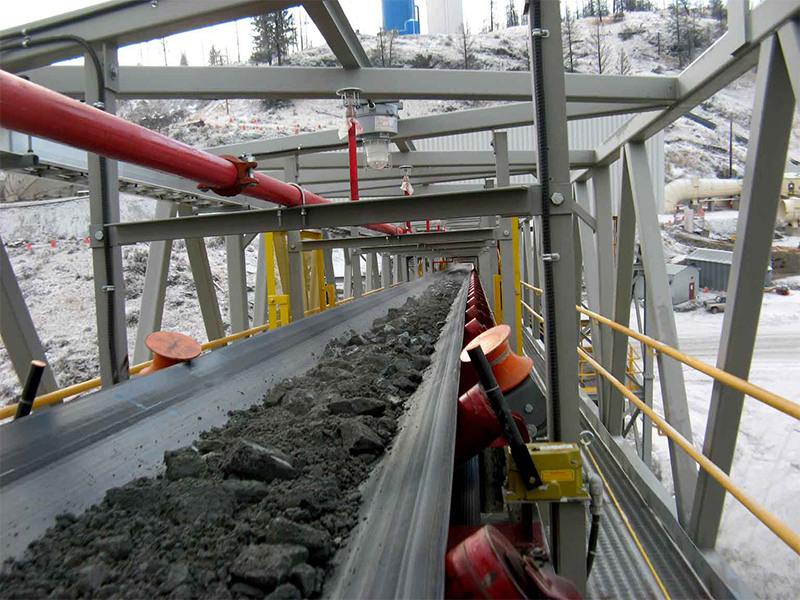
Utilizes our flame-retardant, high-tensile steel cord belts in underground and overland transit systems, meeting strict safety guidelines for hazardous areas.
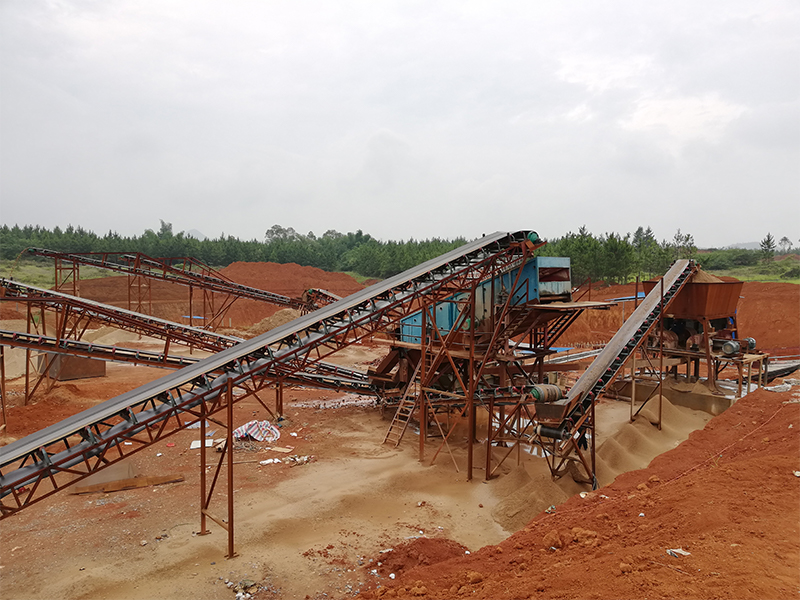
Deploying heavy-duty conveyor belts in nickel smelting and metallurgical processing complexes, handling extreme corrosive and abrasive load structures.
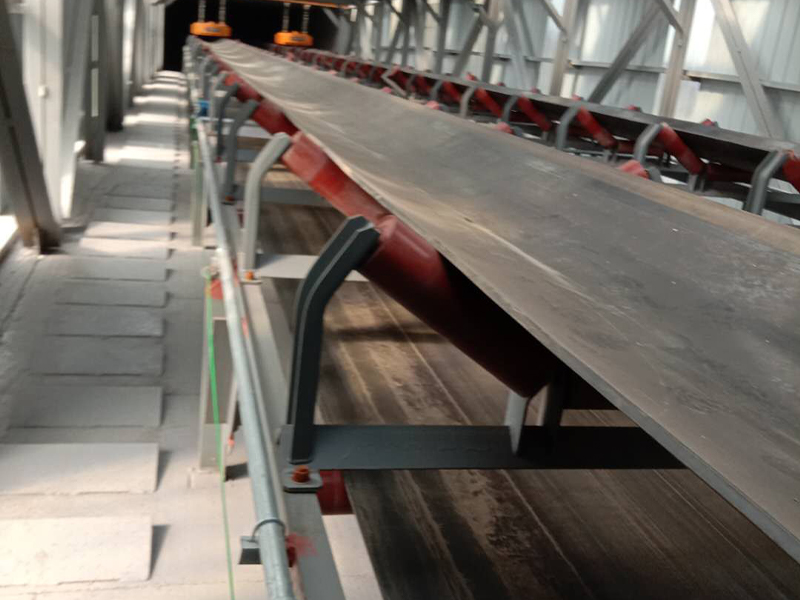
Running Jinao high-temperature and oil-resistant belts to convey sintered inputs directly to raw coke processing ovens.
We provide comprehensive lifecycle support for our heavy-duty conveyor systems. Our technical service plan ensures high efficiency and minimizes unplanned downtime:
Our engineers perform complete system recalculations based on transport capacity, material weight, trough angle, and motor horsepower. This ensures your EP/NN ply configurations are optimized, helping prevent system failures from undersized belts.
We maintain safety stock levels for strategic B2B accounts. Additionally, our field crews offer step-by-step guidance on mechanical splicing and hot/cold vulcanizing procedures to maximize splice strength in the field.
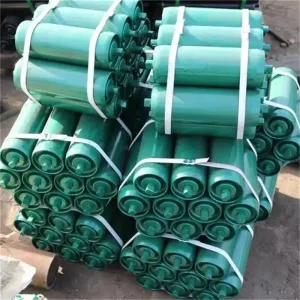
We provide guidelines on checking cover rubber thickness, testing idler rollers, and resolving belt mistracking. Catching issues early prevents edge wear and reduces overall operating costs.
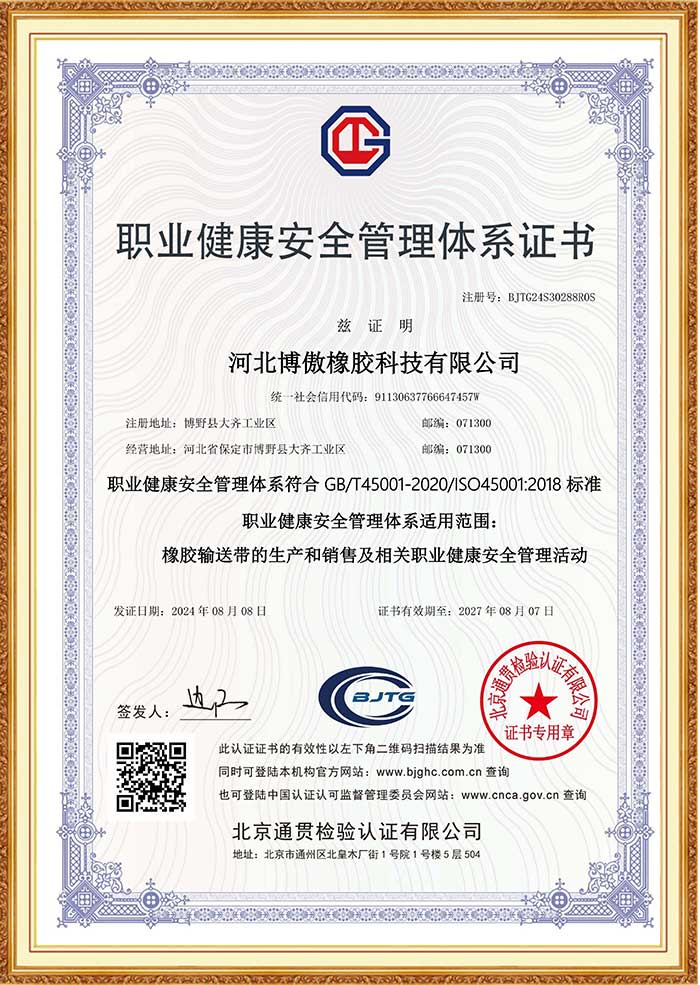
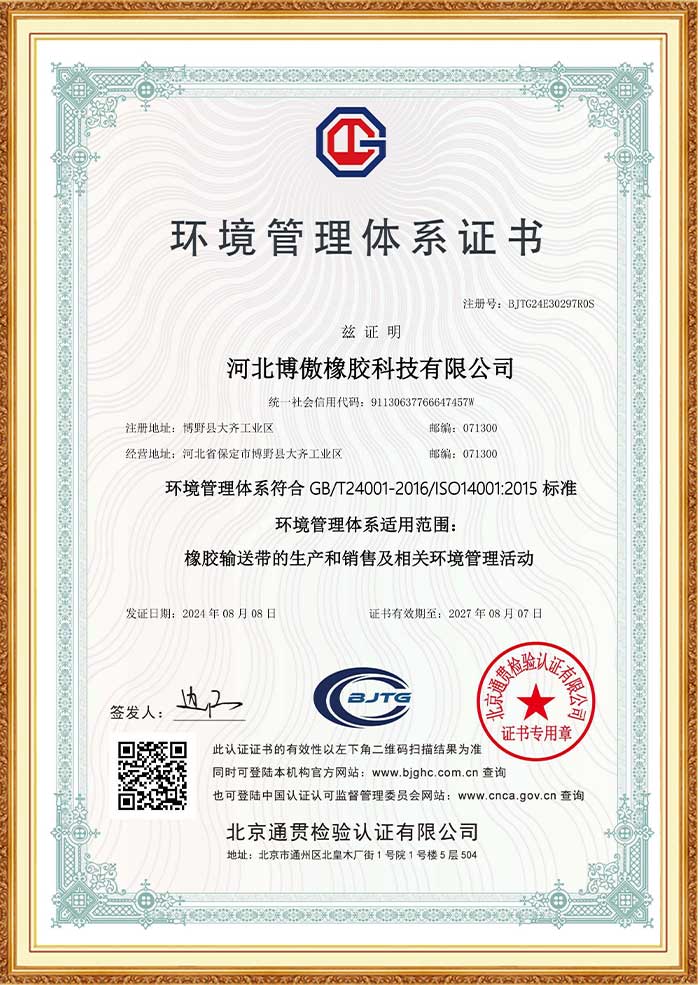
Hebei Boao Rubber operates under international quality and safety management systems. Our manufacturing facilities and design methods are certified to meet major global standards:
Our QC processes align with major international standards, including DIN (Germany), AS (Australia), RMA (USA), and SANS (South Africa), ensuring seamless integration into existing conveyor networks.
Select from our complete industrial range of heavy-duty, high-inclination, and steel-reinforced conveyor belts designed for specialized bulk transport systems.
 Boao Rubber