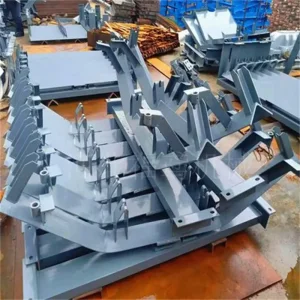
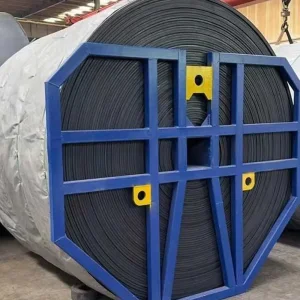
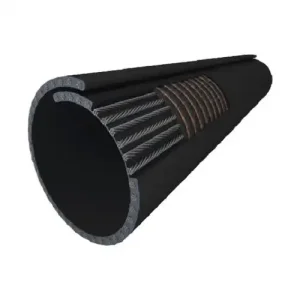
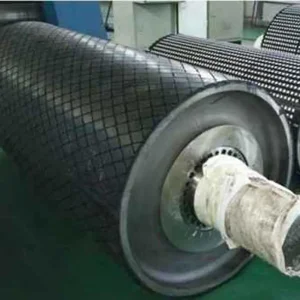
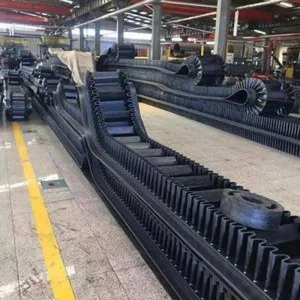
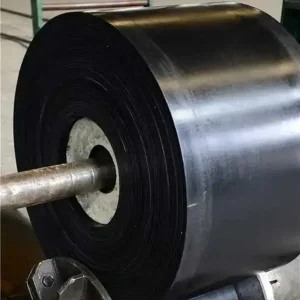
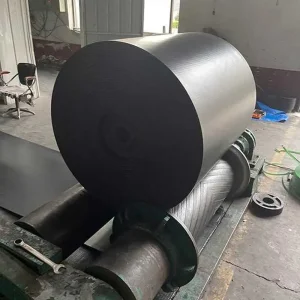
Direct supply from Hebei Boao Rubber Technology's state-of-the-art Chinese manufacturing plant.
Years Industry Leadership
Acres Production Campus
Certified Raw Materials
Global Industrial Partners
For operations involving extreme temperatures, traditional Styrene-Butadiene Rubber (SBR) and Natural Rubber (NR) belts display signs of degradation such as hardening, cracking, and premature carcass delamination. Ethylene Propylene Diene Monomer (EPDM) is engineered to solve these issues at a molecular level.
By employing a fully saturated polymer backbone, our EPDM conveyor belts resist thermal oxidation, ozone exposure, and chemical erosion. This specific structure ensures that the rubber retains its dynamic elasticity and structural integrity, even when conveying sintering plants clinker, cement core materials, chemical fertilizers, or hot foundry sand at temperatures ranging up to 220°C (428°F) continuous and peaks of 250°C.
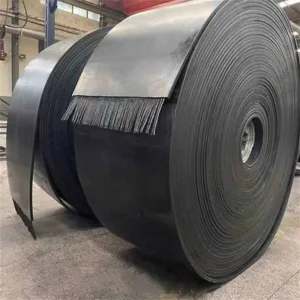
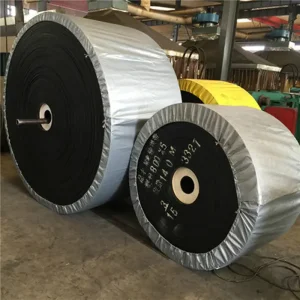
Hebei Boao Rubber Technology uses advanced vulcanization press structures and proprietary compounding accelerators to optimize cross-linking density. The result is a heavy-duty conveyor belt that maximizes your system's lifetime, drastically reducing operational downtime.
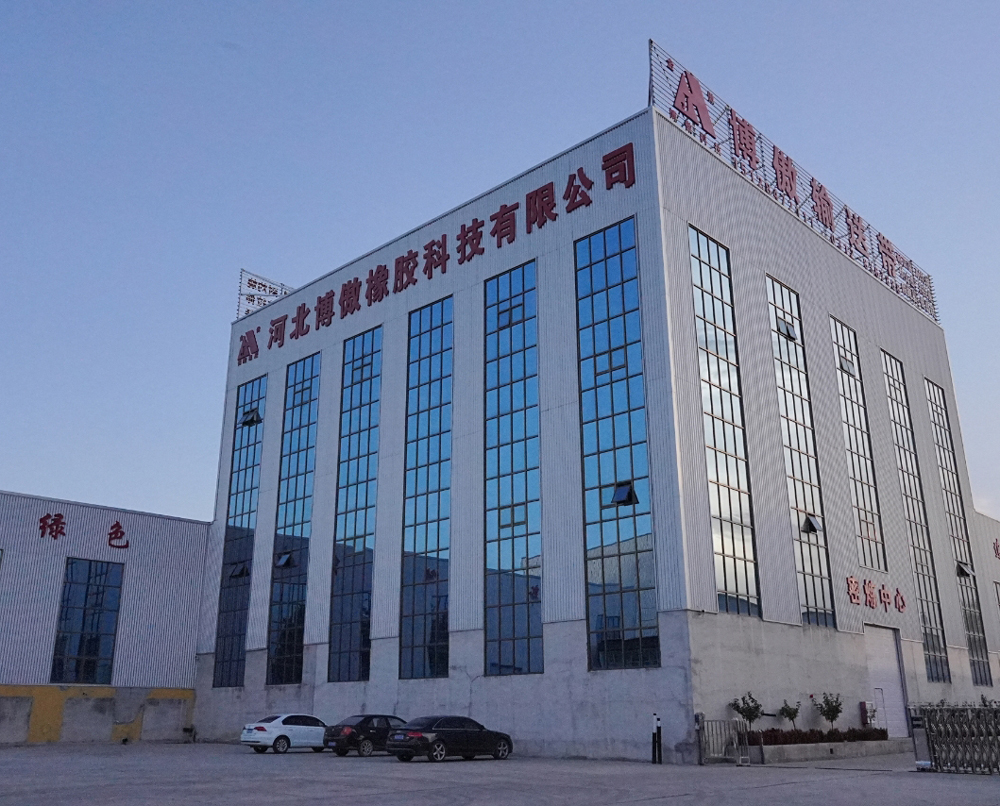
Strategic advantages of partnering with Hebei Boao Rubber Technology Co., Ltd.
Our plant houses a chemical analysis laboratory and physical testing facility, checking raw rubber polymers, steel wire cords, and multi-ply fabrics. We guarantee that zero substandard materials enter our calendering line.
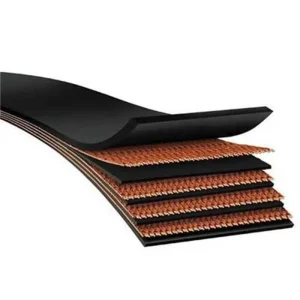
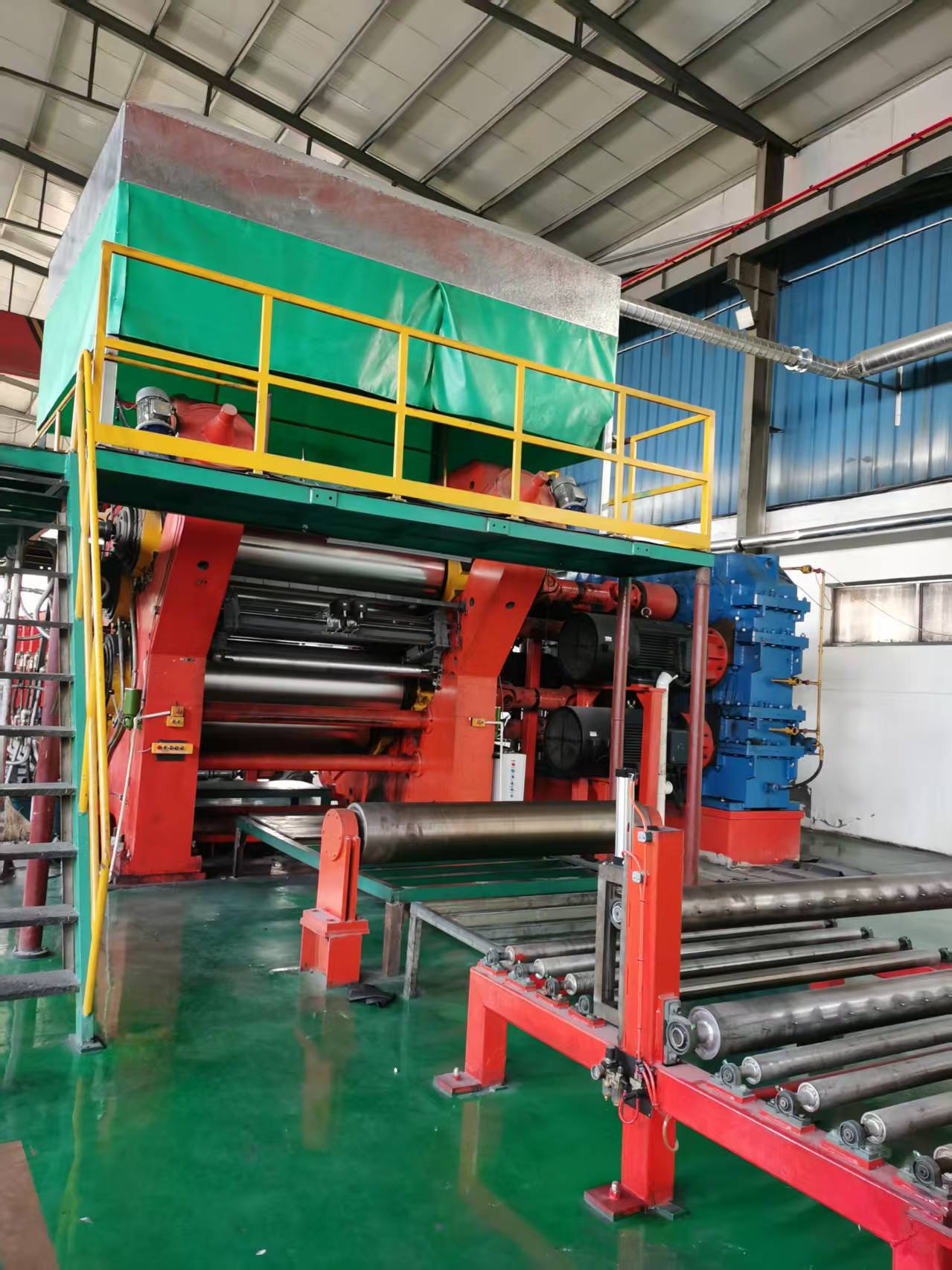
By integrating rubber formulation, compounding, fabric ply building, and continuous vulcanization under one roof, we achieve major production economies while maintaining precise tension controls across multi-ply fabrics.
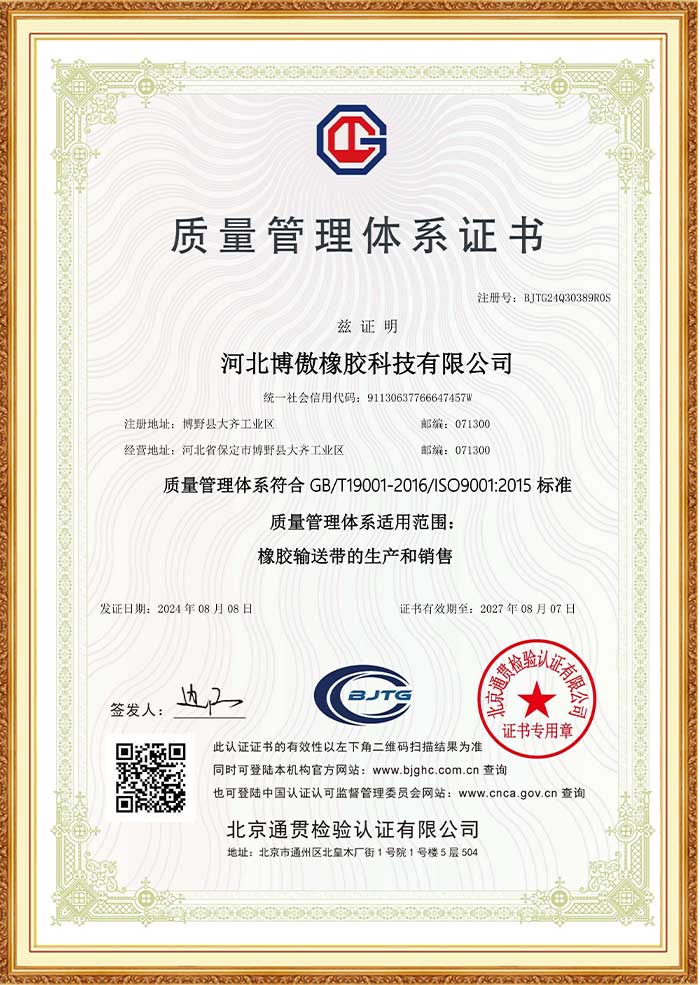
We comply fully with international standards including ISO9001, ISO14001, ISO18001, and API guidelines. Our products match standard metrics under DIN 22102, AS 1332, RMA, and ISO 4192 specifications.
Match raw compounding profiles with your specific plant operation parameters
| Heat Resistance Class | Max Continuous Temperature | Peak Load Temperature | Primary Material Focus | Recommended Cover Polymer |
|---|---|---|---|---|
| Class T1 (DIN 22102) | 125 °C (257 °F) | 150 °C (302 °F) | Sintered sand, wood chips, foundry scraps | Butyl / EPDM Blends |
| Class T2 (DIN 22102) | 150 °C (302 °F) | 180 °C (356 °F) | Hot cement powder, ash, fertilizer salts | Premium EPDM Copolymer |
| Class T3 (DIN 22102) | 175 °C (347 °F) | 200 °C (392 °F) | Clinker, metallurgical slag, sinter materials | 100% High-Ethylene EPDM |
| Super Heat Resistance | 220 °C (428 °F) | 250 °C (482 °F) | Aggressive industrial smelting ovens, coke plants | Special Heat & Flame EPDM Formula |
How Jinao® guarantees quality control from raw materials to final shipment
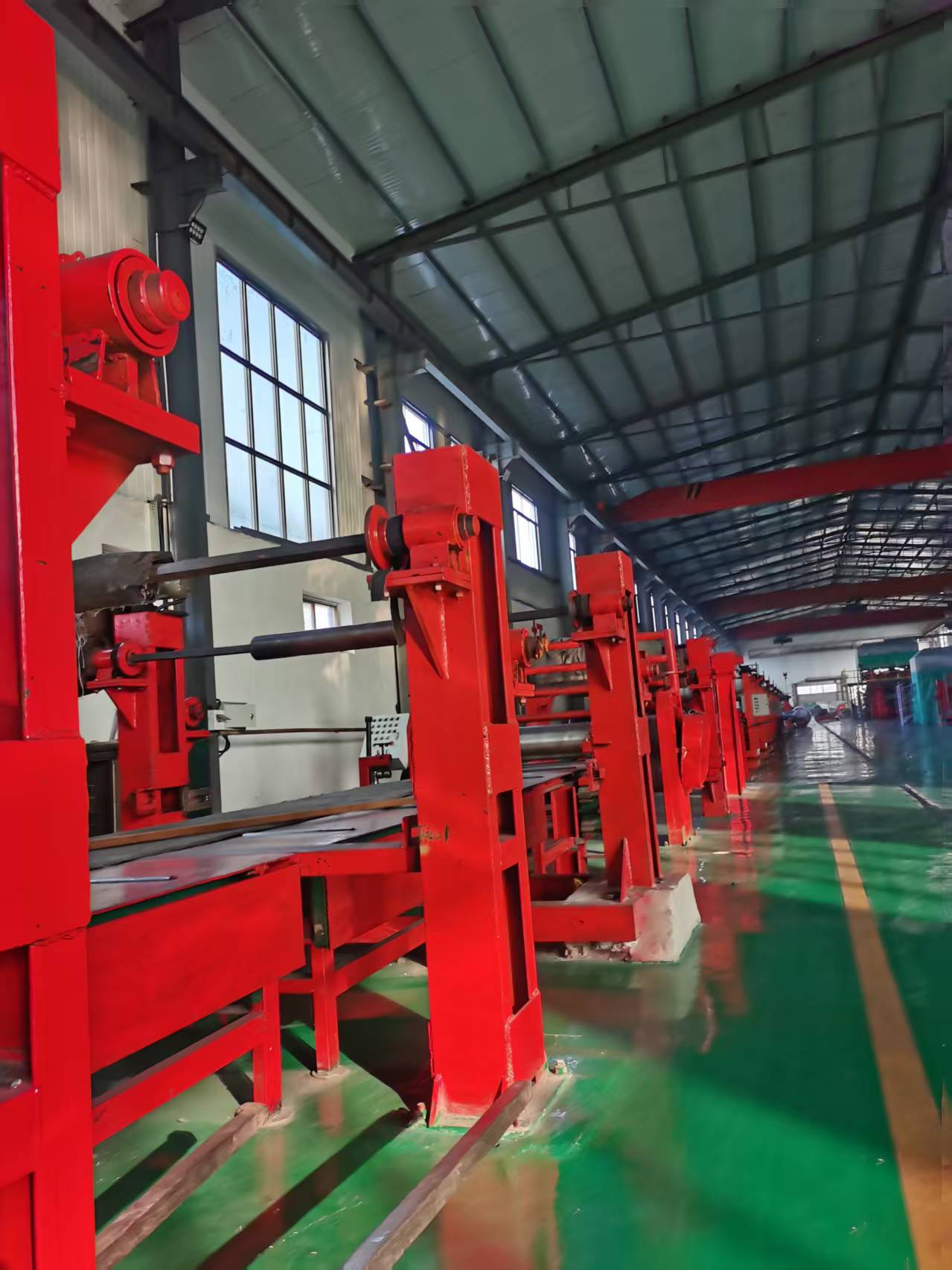
Production Line of Fabric Conveyor Belt
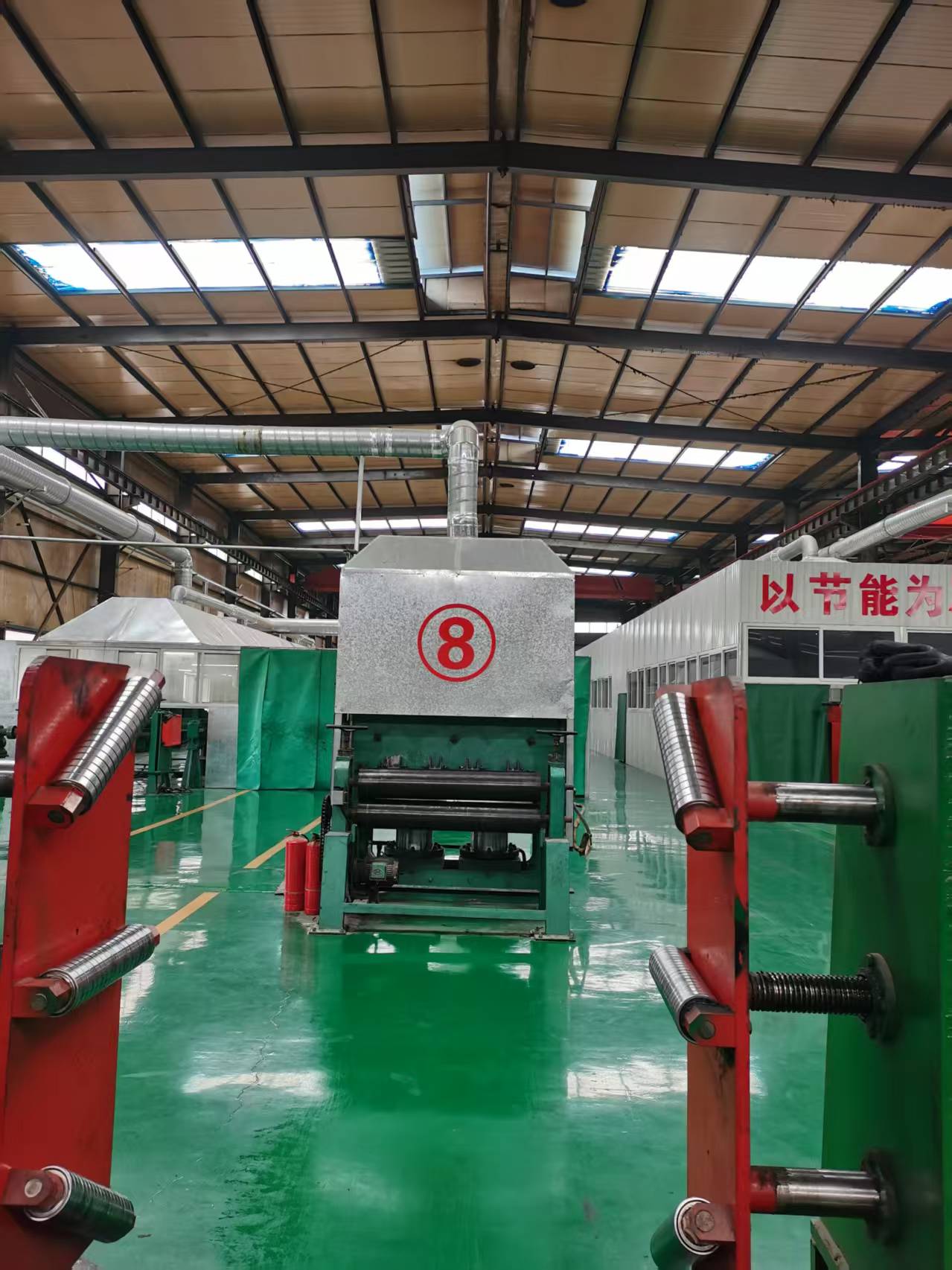
Production Equipment of Steel Cord Conveyor Belt
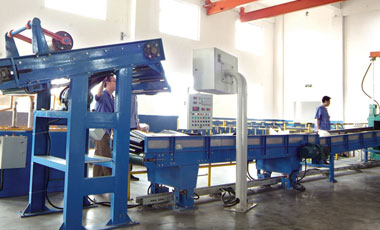
Proportioning Room of Mixing Center
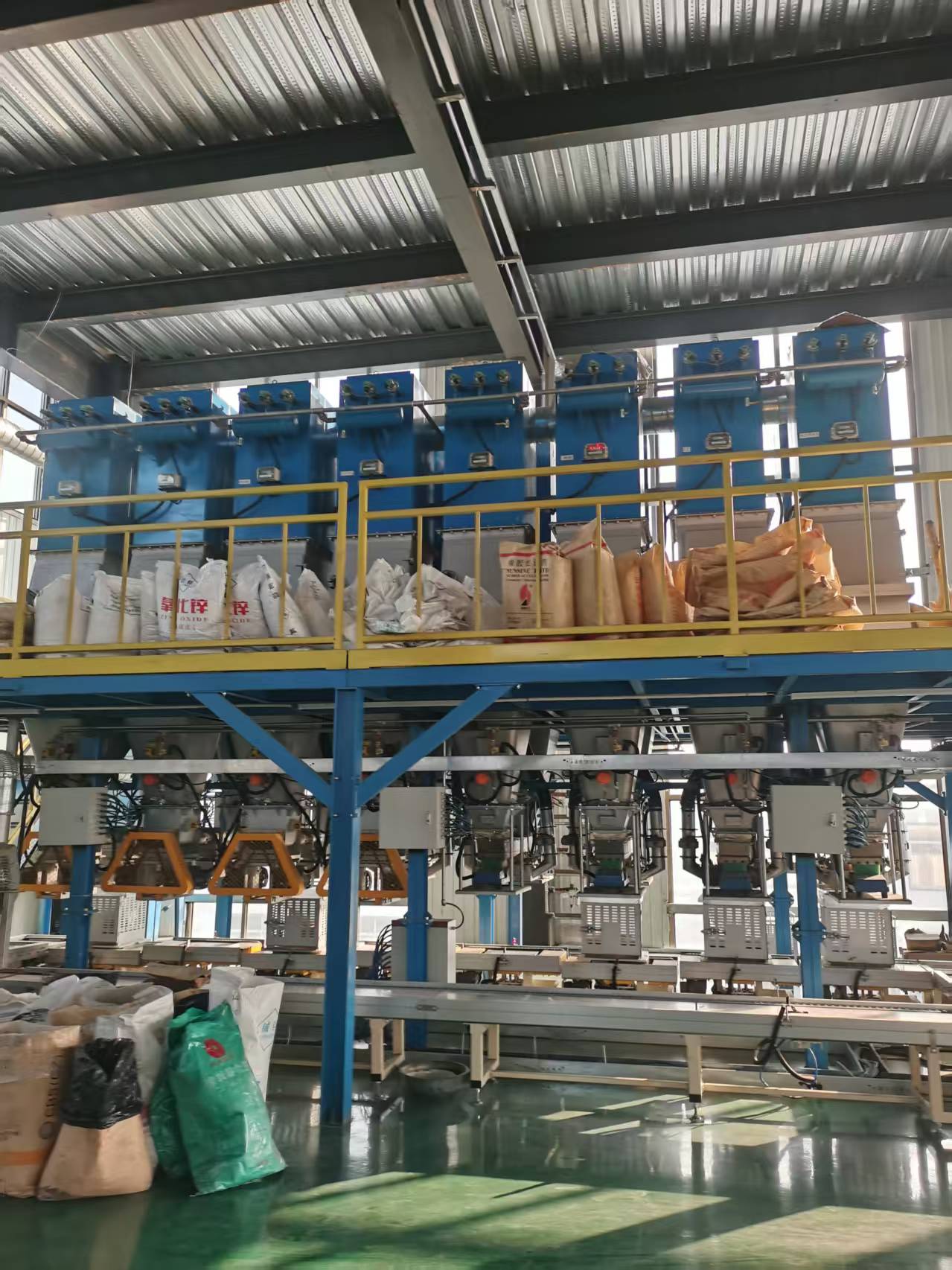
Proportioning System of Mixing Center
Calendering & Shaping Machine
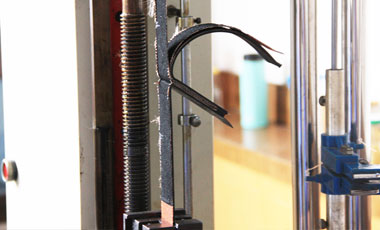
Peeling Test Laboratory
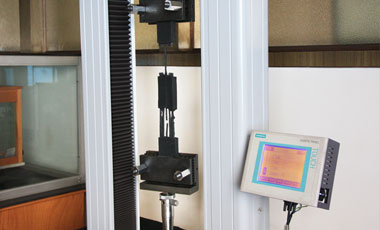
Steel Cord Pull-out Machine
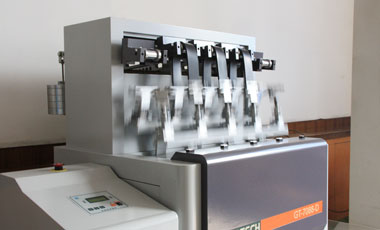
Dynamic Fatigue Tester
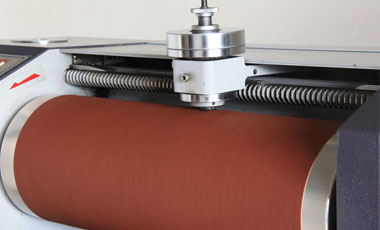
Abrasion Testing Unit
Custom engineering packages deployed across steel mills, cement plants, and mining sectors
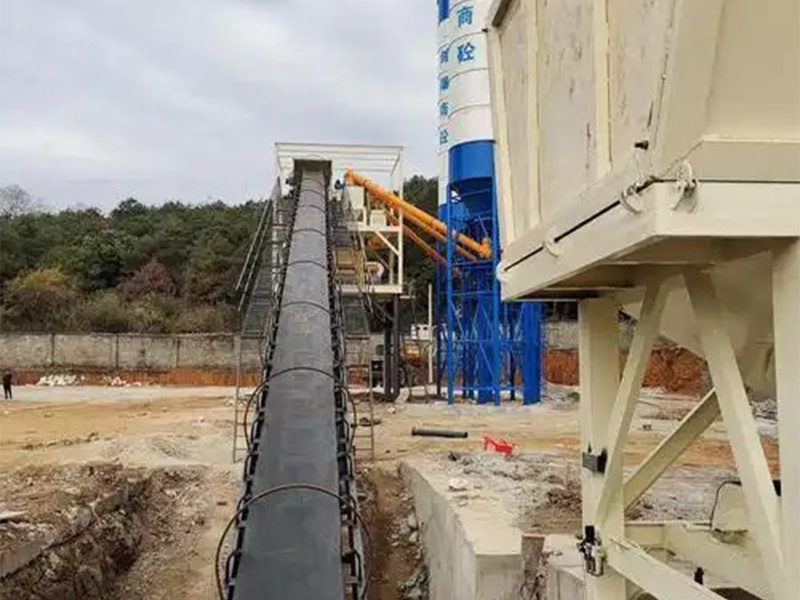
China Railway Group Mixing Plant
Conch Cement
Datong Coal Group
Tsingshan Group
Jidong Cement Group
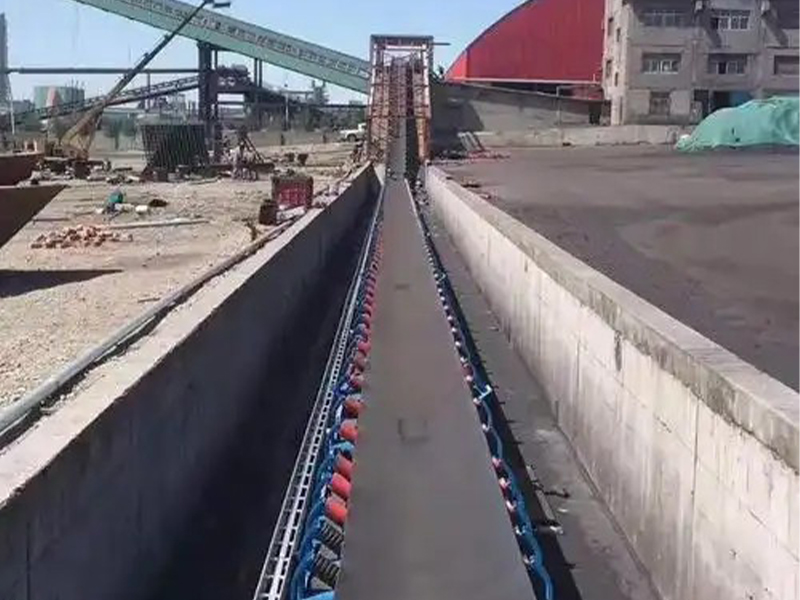
Jinmei Group Coal Conveying
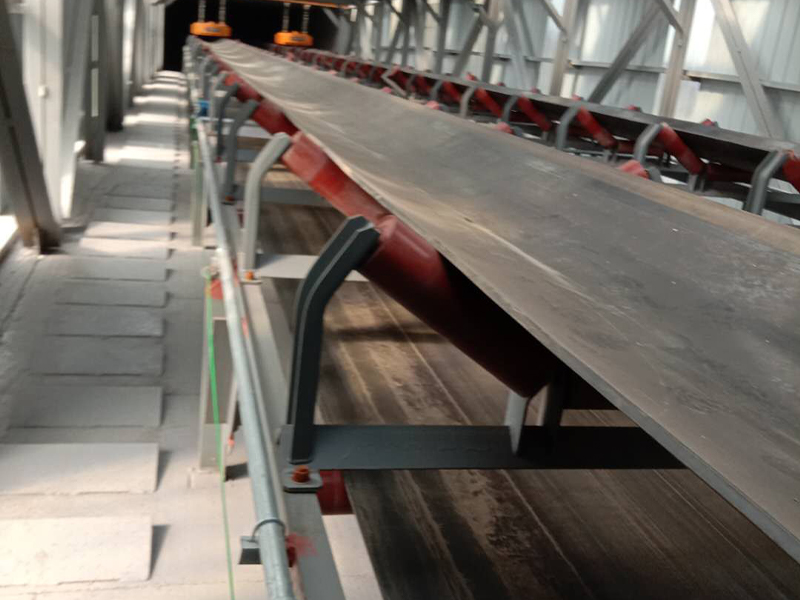
Taihang Steel
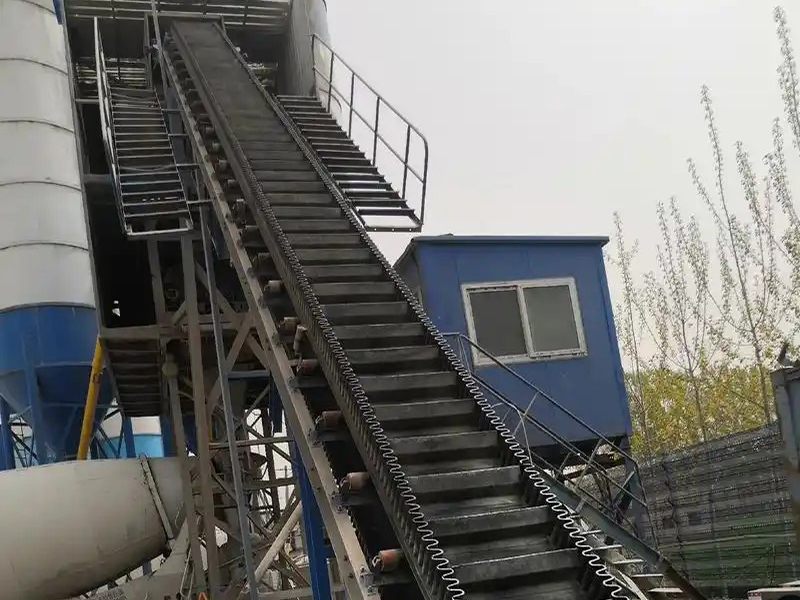
Puyang Steel Group
Global procurement teams in mining and metallurgy are switching from cheap NR/SBR compounds to advanced EPDM formulations. The primary goal is reducing the Total Cost of Ownership (TCO). While EPDM requires a slightly higher initial capital outlay, it delivers a 2.5x increase in operational lifetime under extreme heat conditions.
Current industrial trends involve using smart thermal sensing layers embedded directly within the belt core to monitor internal temperature distributions. The Jinao® engineering team remains at the forefront of this technology, researching compounds that balance temperature resistance with flame retardancy (under ISO 340 / EN 12882 certifications).
Our global services provide full lifecycle engineering support, covering safety stock calculations, emergency field splice kits, vulcanizing parameters, and scheduled wear inspections. We work closely with procurement offices from Hamburg to Santiago, ensuring that custom-length belt rolls arrive packaged with premium moisture barrier wood/steel reels.
Direct technical answers from Hebei Boao's lead applications engineer
Explore our complete product catalog for mining, steelmaking, and bulk powder handling
 Boao Rubber