Direct factory-engineered systems optimizing bulk flow dynamics, minimizing maintenance downtime, and securing operational environmental compliance.
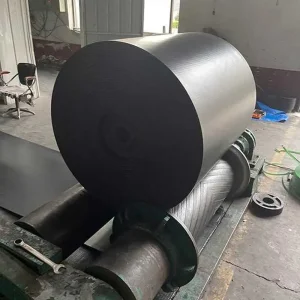
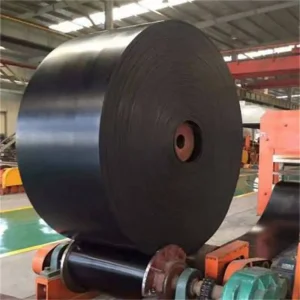
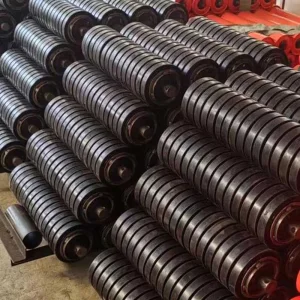
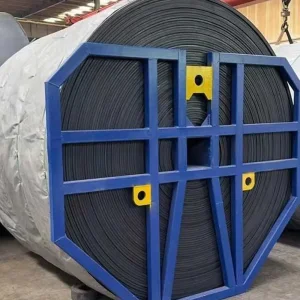
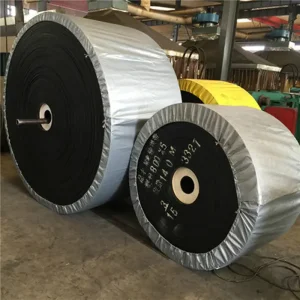
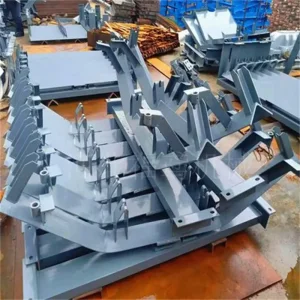
In modern industrial bulk solids handling, the conveyor skirting rubber system is a critical component for transfer point containment, dust suppression, and structural preservation of conveyor belts. Transfer points represent zones of high kinetic energy and intense mechanical abrasion. Failure to isolate these environments leads directly to material leakage, structural belt damage, degradation of surrounding roller frames, and OSHA-violating airborne dust levels.
Advancements in composite polymer chemistry have shifted global sourcing from basic SBR scrap rubber sheets to specialized vulcanized elastomers and co-extruded polyurethane-rubber sealing structures. The trend favors dual-sealing geometries (combining a primary containment seal with a flexible secondary dust seal) to accommodate vertical belt movement without inducing localized friction stress.
Traditional skirting rubber materials with high friction coefficients can increase energy costs by up to 10% and accelerate belt wear. Modern solutions utilize proprietary formulations that reduce the coefficient of friction against rubber conveyor belts to < 0.5, ensuring maximum belt lifecycle and reduced wear at the skirting interface.
In highly regulated industries such as underground coal mining and grain silo processing, skirting materials must conform strictly to international safety standards, including MSHA (US Mine Safety and Health Administration) compliance and ATEX anti-static ratings, to prevent electrostatic sparks and flame propagation.
Procurement directors and engineering leads must look beyond basic dimensions when specifying conveyor skirting systems. Selecting the correct Shore A hardness and wear index is critical to prevent belt scouring. If the skirting rubber is harder than the belt cover compound, it will wear a permanent trough into the belt, rendering a high-value asset unusable.
| Rubber Grade Formulation | Hardness (Shore A) | Tensile Strength (MPa) | Abrasion Loss (ISO 4649) | Elongation at Break (%) | Primary Application Areas |
|---|---|---|---|---|---|
| Premium Natural Rubber Blend | 50 ± 5 | 18 MPa | < 90 mm³ | ≥ 550% | High-wear transfer points, dry aggregates, and mineral sands. |
| Neoprene / SBR Heavy Duty | 60 ± 5 | 14 MPa | < 120 mm³ | ≥ 400% | General bulk handling, cement manufacturing, coal transport. |
| Flame Retardant (FR-AS) Rubber | 65 ± 5 | 12 MPa | < 150 mm³ | ≥ 350% | Underground mining, coal processing plants, power generation. |
| Polyurethane (PU) Hybrid | 80 ± 5 | 35 MPa | < 40 mm³ | ≥ 600% | Extreme abrasive conditions, high-speed belts, wet/slurry applications. |
Engineered solutions tailored to the operational demands of heavy industry, logistics, and processing fields.
Designed for run-of-mine (ROM) impact stations. The skirt board handles high impact loads while withstanding structural movement. Integrated rubber buffer idlers distribute load forces to protect the belt's internal carcass.
For high dust volumes and dry, abrasive materials like clinker and limestone. Our dual-sealing systems isolate dust particles from the atmosphere, ensuring PM10/PM2.5 environmental compliance.
Engineered to handle high-speed conveying of corrosive materials (coal, sulfur, iron ore) in coastal environments. Resistant to salt spray, UV exposure, and moisture degradation.
Located in the heart of the Rubber Industrial Park, Boye County, Baoding, Hebei Province, Hebei Boao Rubber Technology Co., Ltd. has been a leading manufacturer of conveyor belt systems and material handling accessories since its founding in 2004. Spanning over 30 acres, the company leverages its premium "Jinao" brand to deliver customized systems to industrial operations worldwide.
With an integrated operation encompassing research, design, production, and after-sales support, Boao operates state-of-the-art production lines for rubber mixing, rolling, forming, vulcanization, and advanced mechanical testing. Our facilities adhere strictly to ISO international quality management systems, ensuring consistent quality from raw material intake to final product shipment.
Our in-house analytical laboratories monitor every step of the production process. We perform tensile tests, abrasion tests, peel strength evaluations, and dynamic fatigue checks to ensure all materials conform to exact technical standards before leaving the factory.
We verify rubber vulcanization kinetics and elastomer consistency. Unqualified raw materials are rejected at intake, and finished items that do not meet strict tolerances are prevented from shipping.
Jinao solutions are utilized in steelworks, metallurgical smelting plants, coal operations, cement processing lines, and ports worldwide. Our systems are built to withstand challenging environments and high load rates.
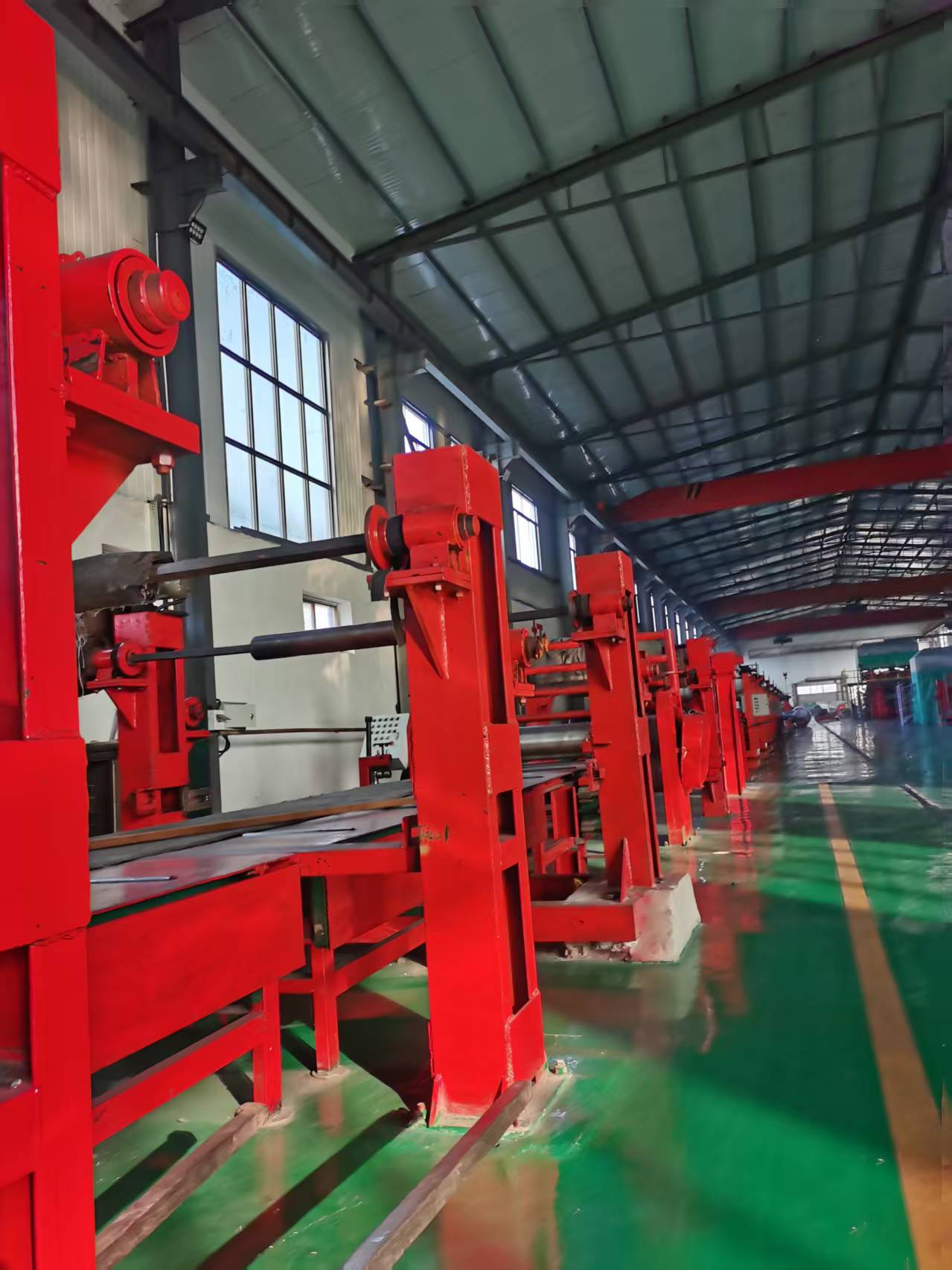
Fabric Conveyor Line
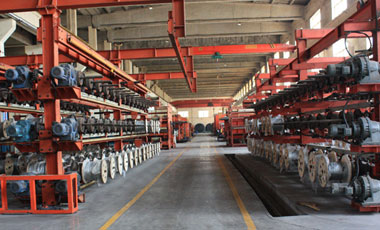
Steel Cord Production
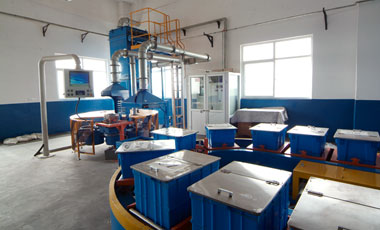
Mixing Proportioning
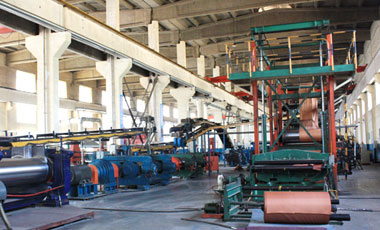
Calendering & Shaping
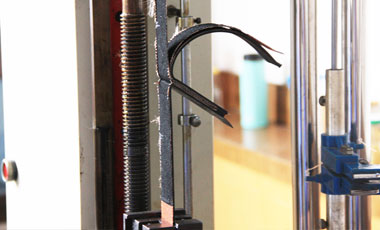
Peeling Test Station
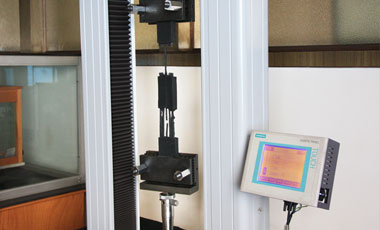
Steel Cord Pull-out Tester
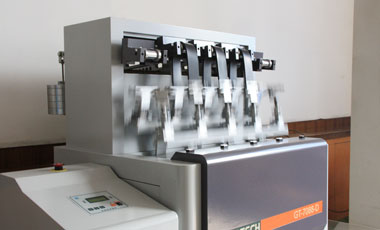
Dynamic Fatigue Tester
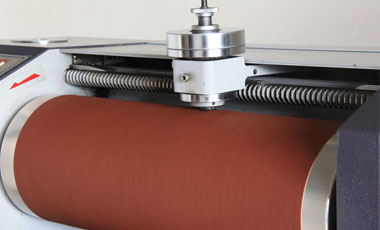
ISO Abrasion Tester
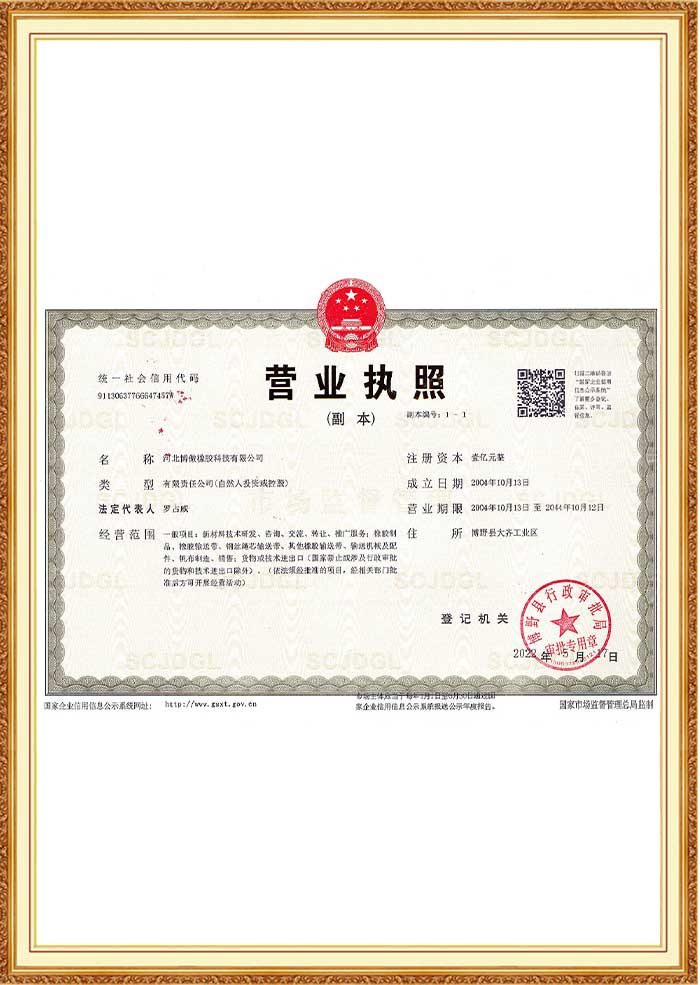
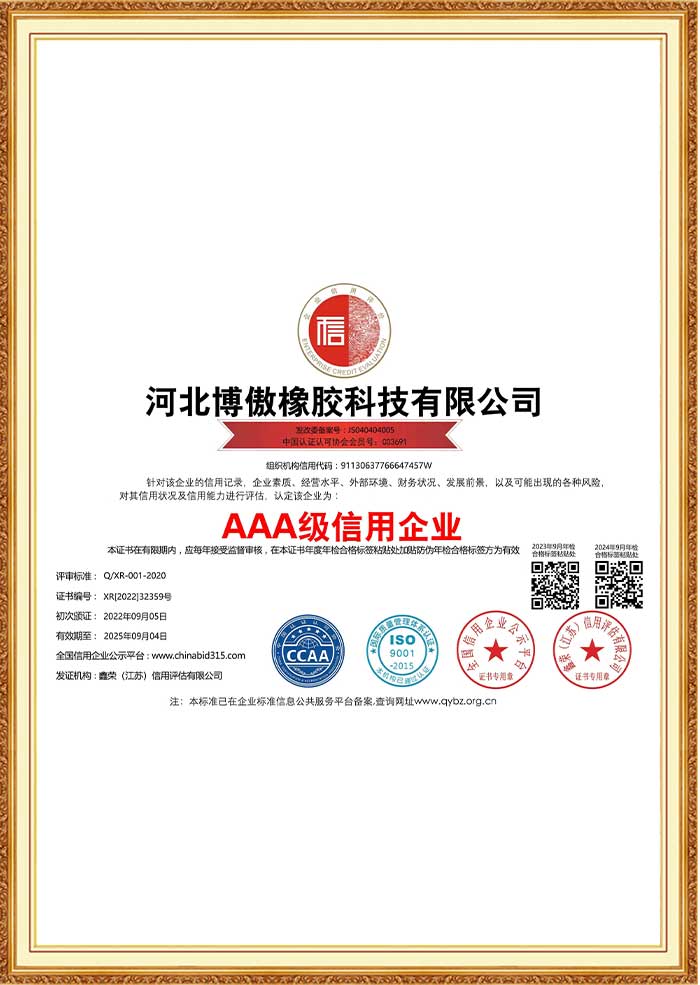
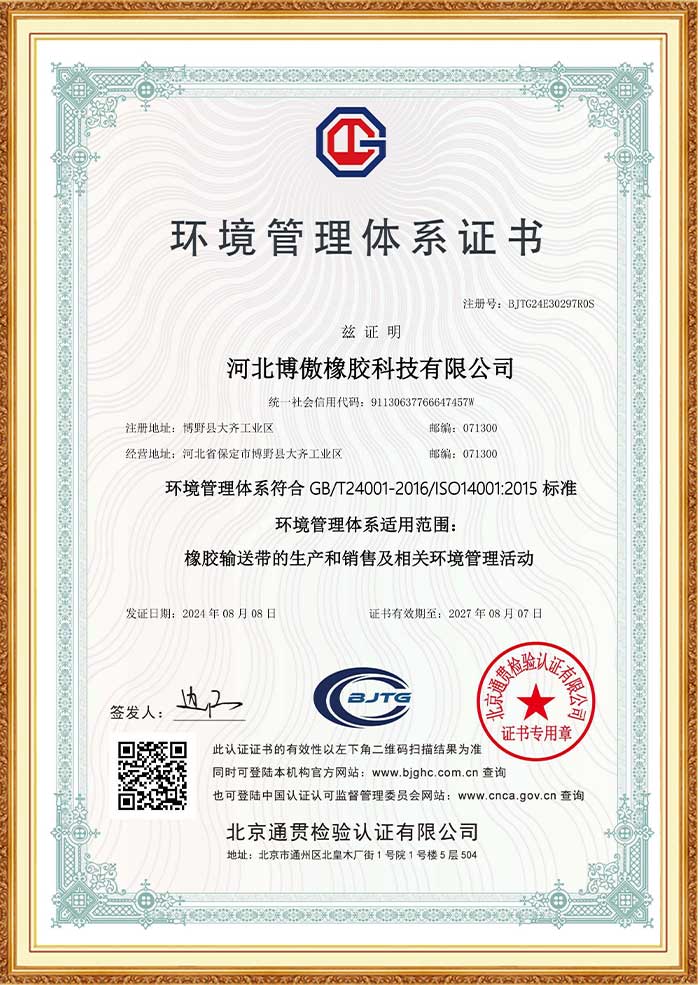
All "Jinao" branded conveyor systems are manufactured in compliance with international quality, safety, and environmental standards, including API 6D, API 607, CE, ISO9001, ISO14001, and ISO45001.
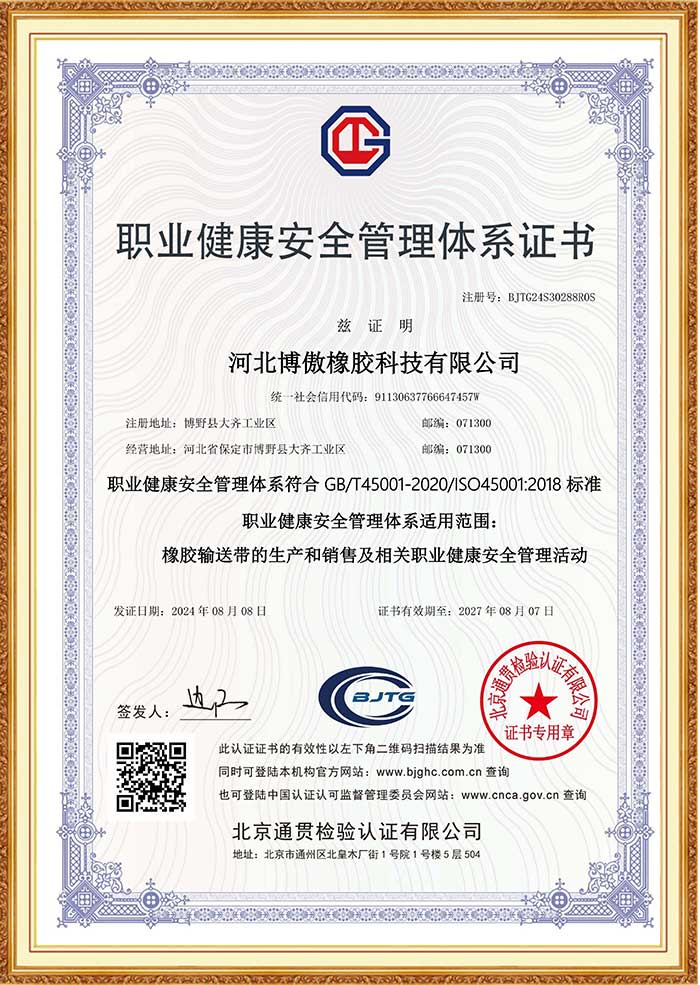
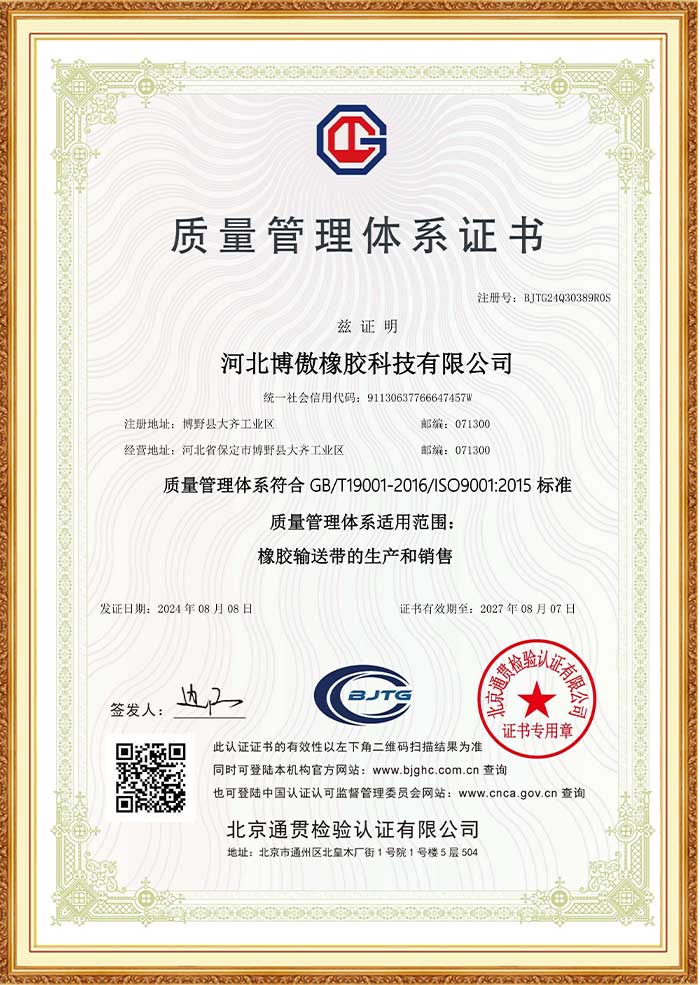
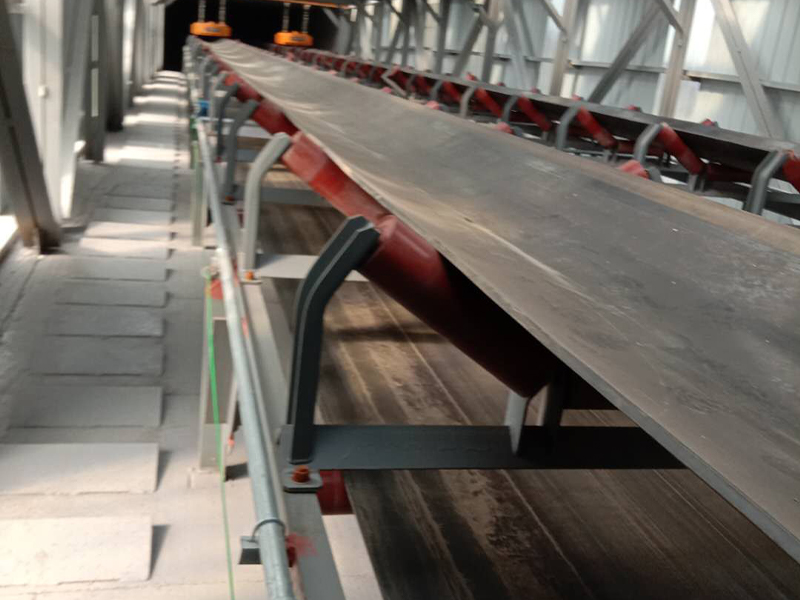
We provide full-lifecycle technical support to ensure optimal system implementation and minimize the risk of material leakage or premature belt wear.
Our service packages include regular site inspections and wear profile mapping to detect minor skirting misalignments before they can cause belt damage.
We manage safety stocks of key skirting rubber sizes and configurations to minimize procurement lead times and ensure parts are available when needed.
By optimizing the fit and alignment of skirting components, we help operations extend the service life of both their sealing systems and primary conveyor belts.
Taihang Steel
Tsingshan Group
Zijin Mining
Conch Cement
Datong Coal Group
Industrial operations require sealing solutions that can adapt to changing conditions and higher conveyor speeds. Our R&D team is currently focusing on three key technology areas:
Developing sensor-integrated skirting modules that monitor contact pressure and wear in real time, alerting maintenance teams before material leakage can occur.
Utilizing co-extruded dual-color polymers where a bright core layer becomes visible as the skirt wears, providing a clear visual cue for replacement intervals.
Researching bio-based polymers that offer the same wear characteristics as natural rubber while aligning with corporate environmental and sustainability goals.
Expert engineering answers to common technical, installation, and procurement questions.
Complete your transfer point specifications with our full range of industrial conveyor accessories.
 Boao Rubber