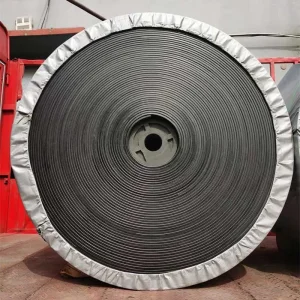
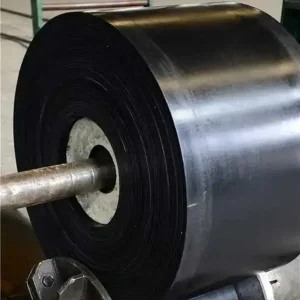
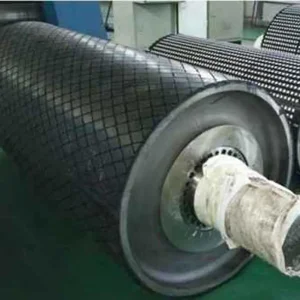
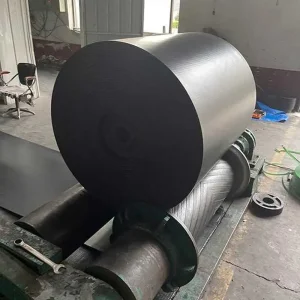
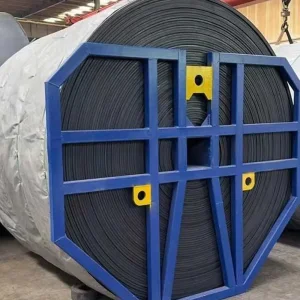
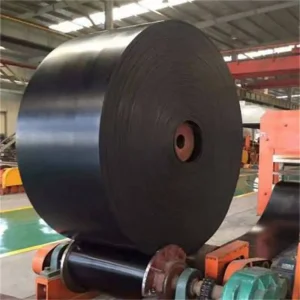
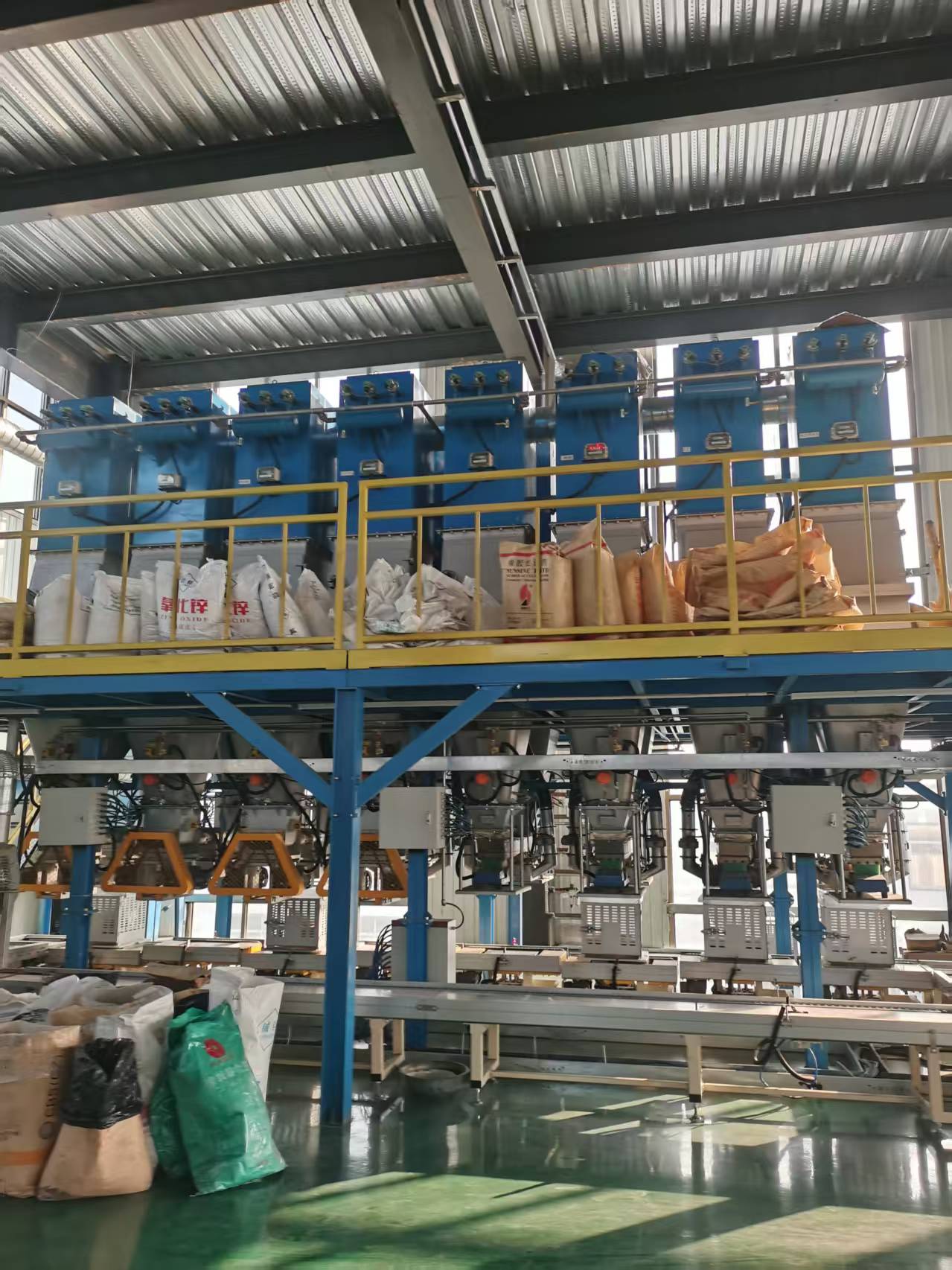
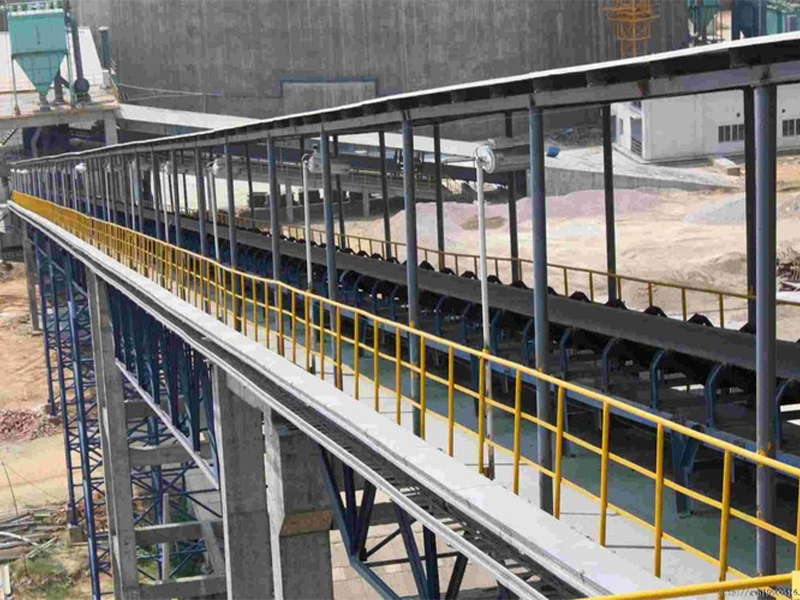
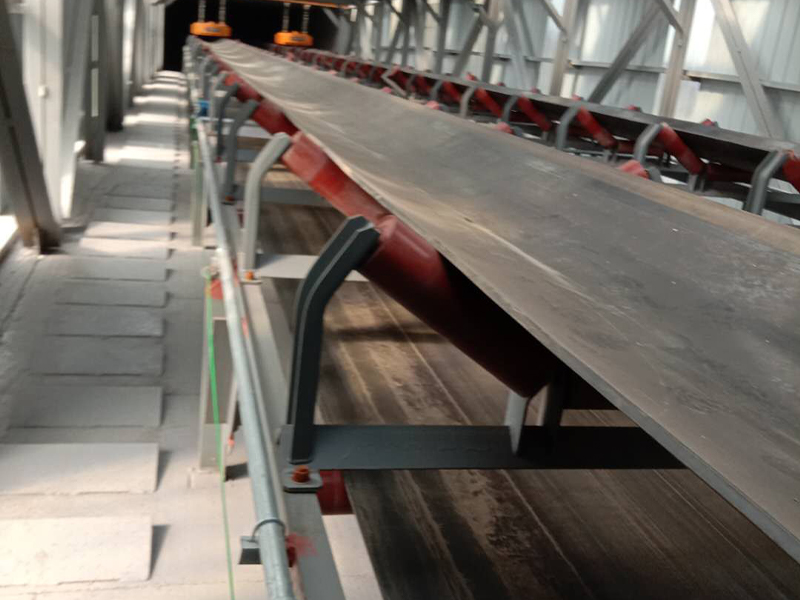
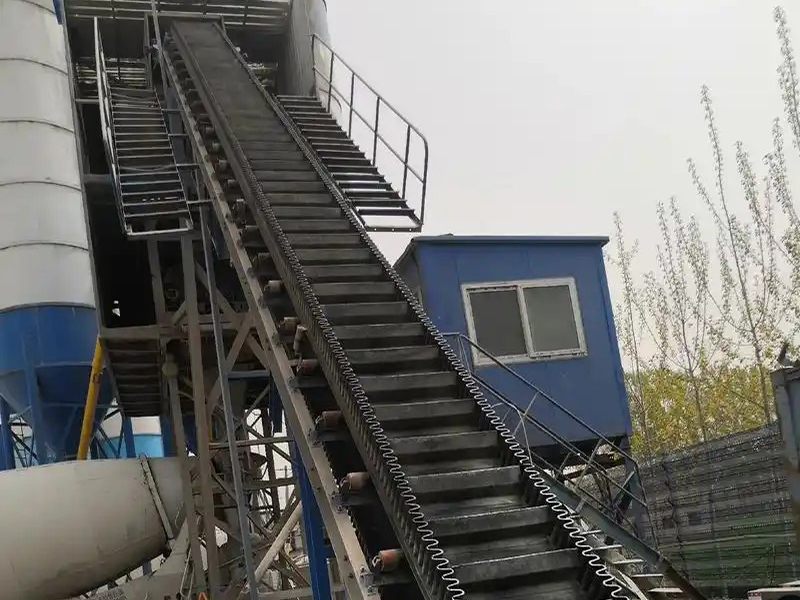
China Conveyor Belt Rubber Strips Suppliers & Factory

High-Performance Engineered Rubber Systems for Global Heavy Industry & Bulk Handling Operations

Engineered Conveyor Solutions

Explore our premium product portfolio designed for extreme mechanical stress, chemical resistance, and high-efficiency material handling.
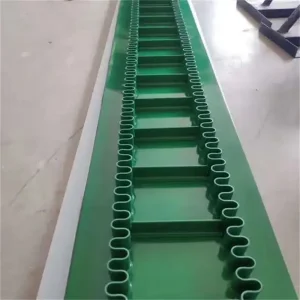
China PVC-PU Lightweight Conveyor Belt Suppliers

China PVC-PU Lightweight Conveyor Belt Suppliers - Durable Factory Manufacturing for Every Application

View Details
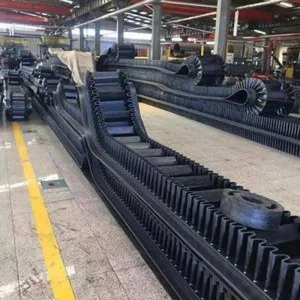
Best High Angle Wavy Edge Rubber Conveyor Belt

Best High Angle Wavy Edge Rubber Conveyor Belt - China Suppliers & Factory for Reliable Material Handling

View Details
China Cold Resistant Rubber Conveyor Belt

China Cold Resistant Rubber Conveyor Belt - China Factory Suppliers for Diverse Specifications

View Details
Best Acid and Alkali Resistant Conveyor Belt

Best Acid and Alkali Resistant Conveyor Belt Suppliers and Factory in China for Phosphate Fertilizer

View Details
China Suppliers Conveyor Idler Rollers

China Suppliers Factory for Conveyor Trough-Type Idler Rollers - Efficient Material Handling

View Details
Best Flame Retardant Rubber Conveyor Belt

Best Flame Retardant Rubber Conveyor Belt Manufacturers in China - Trusted Suppliers & Factory Solutions

View Details
China Anti Tear Steel Wire Rope Conveyor Belt

China Anti Tear Steel Wire Rope Core Conveyor Belt - High-Quality Suppliers and Factory Solutions

View Details
China Nylon Rubber Conveyor Belt

China Nylon Rubber Conveyor Belt / Polyamide (NN) Conveyor Belt Suppliers & Factory for Bulk Material Transport

View Details

Whitepaper: Rubber Engineering Insights

An in-depth analysis of the technical specifications, global market dynamics, and material design paradigms defining modern heavy-duty conveyor belt systems.

1. The Crucial Role of Conveyor Belt Rubber Strips in Industrial Operations

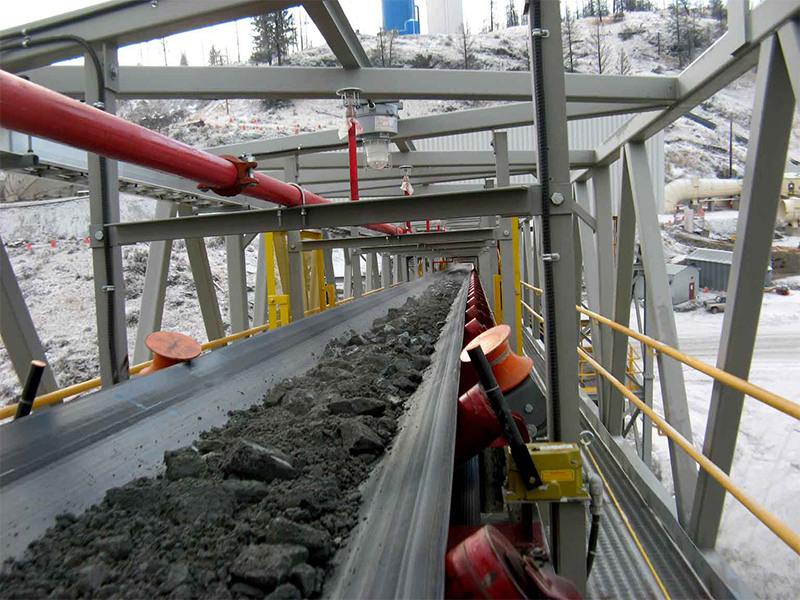
Conveyor belt rubber strips, skirt boards, and wear liners are essential components within large-scale industrial bulk material handling operations. These products are engineered to prevent material spillage at feed points, minimize dust emissions, and protect the conveyor belt structure from aggressive mechanical impact. In sectors such as underground coal mining, cement batching plants, open-pit iron ore operations, and deepwater marine ports, these elastomeric systems absorb kinetic energy, direct material flow, and establish a seal between moving belts and static structural hoppers.

From a chemical engineering perspective, conveyor rubber strips must balance tensile strength, tear propagation resistance, and abrasion loss. Standard natural rubber compounds deliver excellent elasticity and resilience against high particle impact, whereas synthetic formulations, including styrene-butadiene rubber (SBR), nitrile butadiene rubber (NBR), and ethylene propylene diene monomer (EPDM), provide resistance to heat degradation, chemical oxidation, and hydrocarbon swelling. Understanding the precise tribological requirements of the bulk material—be it sharp, highly abrasive silica sand or chemically aggressive potash—is vital for selecting the correct rubber cover grade.

2. China's Conveyor Rubber Manufacturing Ecosystem and Efficiency Core

China's industrial rubber sector operates at the forefront of global production capacity and process technology. Located in established industrial zones, such as the Rubber Industrial Park of Boye County in Baoding, Hebei, manufacturers utilize vertical integration to streamline operations from raw monomer compounding to final vulcanization. This geographic clustering reduces raw material logistics delays and supports continuous research into rubber compounding technology.

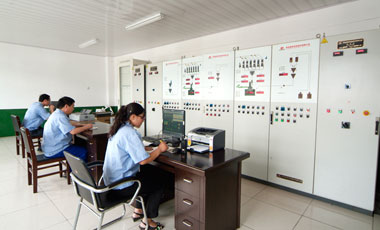
Advanced Chinese manufacturing plants utilize high-throughput mixing centers featuring automated computer control systems. These systems ensure precise batch-to-batch consistency for complex rubber mixtures. In addition, large continuous rotary vulcanization presses (Rotocures) and high-tonnage multi-platen presses enable the production of extra-wide, high-tension reinforced belts and precision rubber strips with close tolerances. This automated setup reduces manual handling, decreases structural defect rates, and ensures that products comply with major international specifications, including DIN 22102, AS 1332, and ISO standards.

3. Localized Applications and Industrial Demands Across Key Regions

Industrial demand for conveyor rubber strips varies based on regional infrastructure and material properties:

  • Mineral Processing (North America & Western Europe): Sizable mining sectors require heavy-duty impact-absorbing strips and high-angle corrugated sidewall belts to optimize mine layout and minimize dust. Regulatory frameworks focus on dust control and long-term mechanical reliability to reduce costly maintenance shut-downs.
  • Heavy Infrastructure & Smelting (Asia-Pacific): High-volume steel plants, coal-fired power stations, and cement operations demand continuous operation. The key focus here is on heat-resistant conveyor systems capable of transporting materials up to 200°C, and tear-resistant steel cord belts that resist damage from sharp tramp metal.
  • Chemical Processing & Port Terminals (Middle East & South America): Facilities processing fertilizers, acids, or operating in high-salinity marine environments require specialized acid-and-alkali-resistant belts. These configurations prevent chemical cracking and degradation under intense ultraviolet exposure.

Hebei Boao Rubber Technology Co., Ltd.

Established in 2004, Hebei Boao Rubber Technology Co., Ltd. is situated in the Rubber Industrial Park of Boye County, Baoding, Hebei Province. Over the past 22 years, our facility has grown to cover more than 30 acres. Operating under our proprietary brand "Jinao", we are a leading manufacturer in China that integrates research and development, custom engineering, and comprehensive business services for industrial conveyor belts and mechanical accessories.

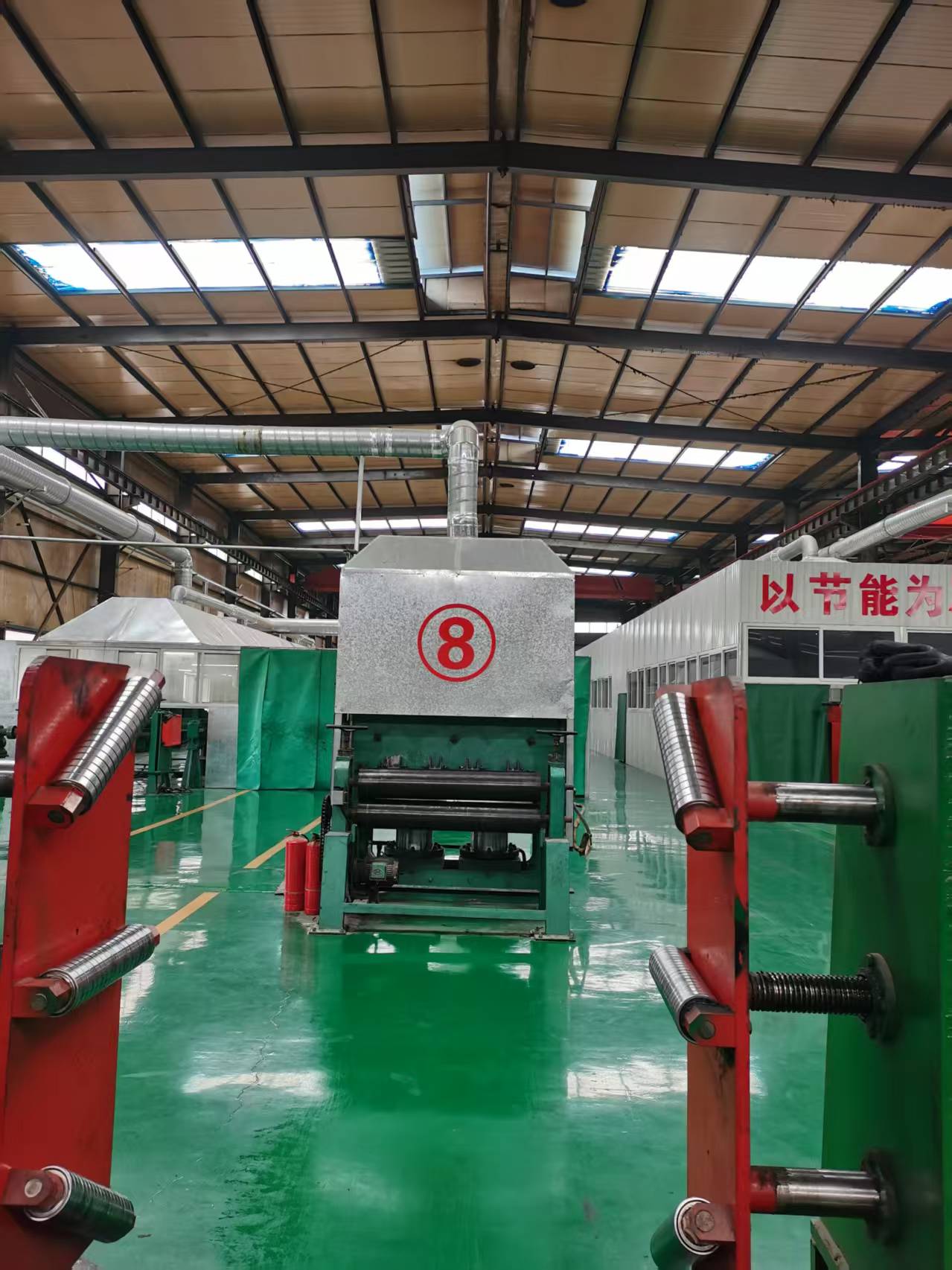
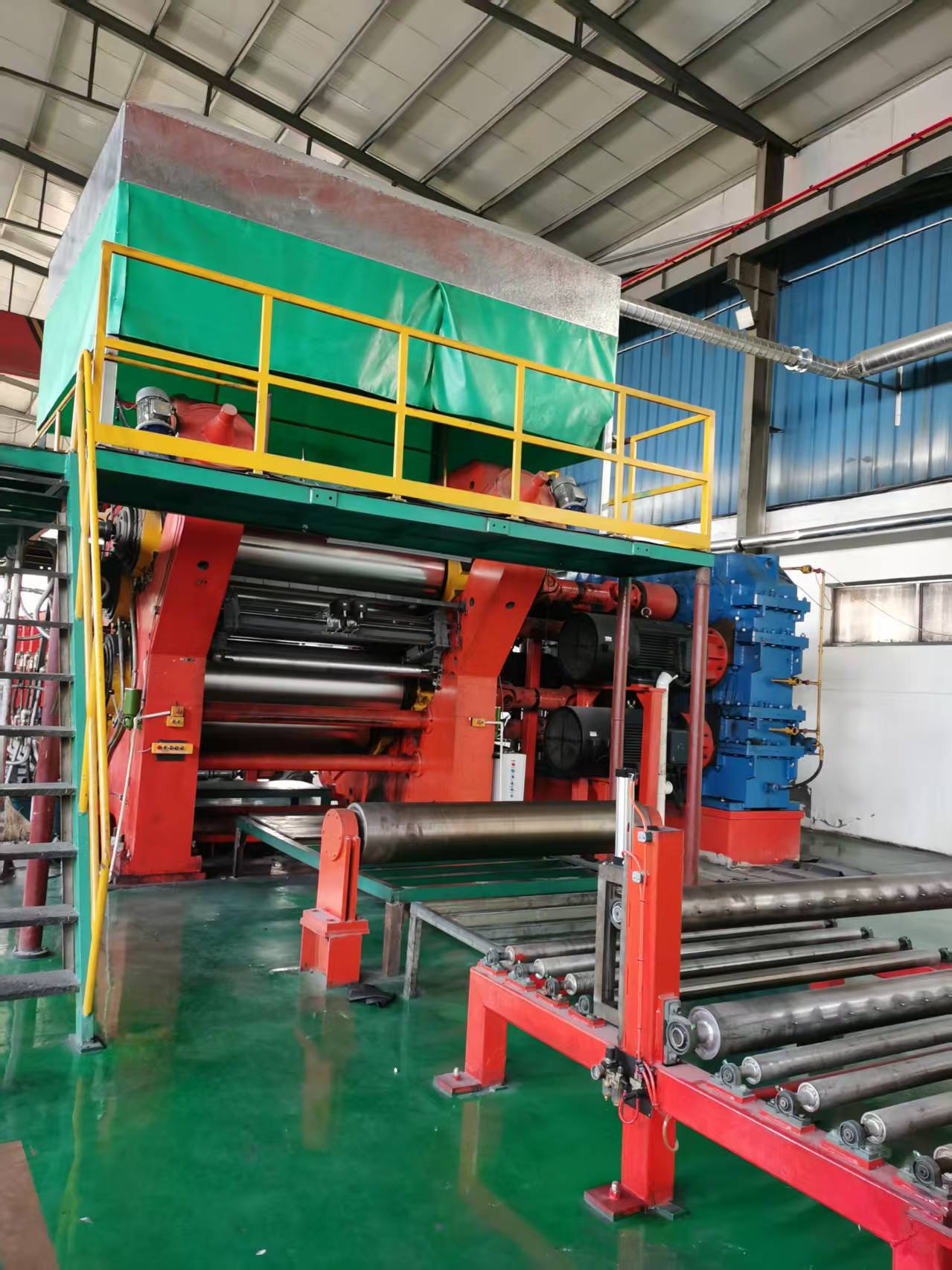
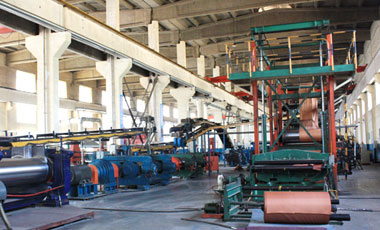
We maintain a complete, integrated quality control system and hold international quality certifications. Our plant features multiple advanced production lines for rubber mixing, calendering, ply-lamination, continuous vulcanization, and finished product testing, ensuring complete tracking from incoming raw materials to final dispatch.
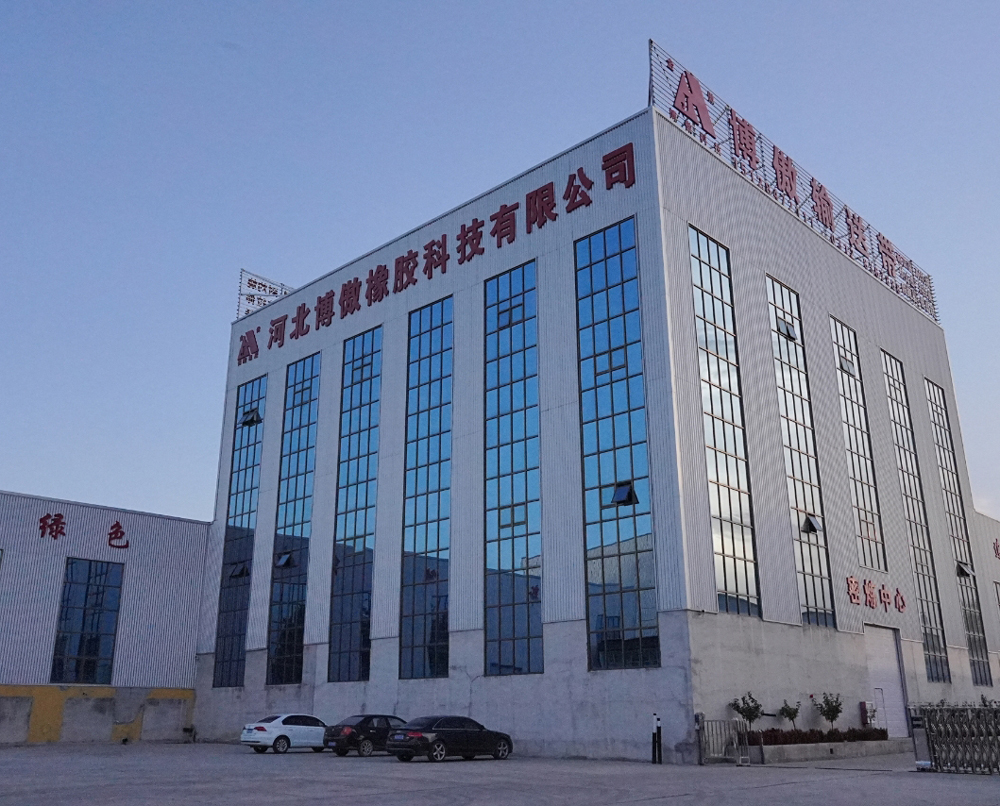
Hebei Boao Rubber Factory Production Line
22
Years of Experience
30+
Acres Facility Area
100%
Quality Monitored
Jinao
Trusted Brand

Why Choose Boao Technology

We leverage advanced testing equipment and a robust quality control philosophy to deliver reliable material handling systems.

Quality Assurance

Our facility operates an independent chemical analysis lab and physical testing room. We run verification checks on incoming raw materials and perform mechanical tests on finished batches to ensure all products comply with our standards before leaving the site.

Quality Control

Using specialized testers for abrasion loss, ozone aging, flame retardance, and dynamic fatigue, our QC staff monitors production tolerances. This process ensures consistent tracking across all product batches.

National & Global Reach

Backed by experienced technical staff and responsive after-sales support, our products are distributed throughout major domestic industrial centers and international markets. They support demanding operations in steel plants, coal mines, cement works, and shipping ports.

R&D Laboratory & Manufacturing Infrastructure

High-precision processing machinery and experimental validation facilities guarantee the physical and chemical integrity of Jinao products.

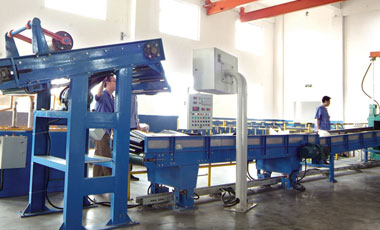
We operate advanced equipment, including high-accuracy rubber calenders, automatic compounding systems, and large vulcanizing presses. This setup allows us to manufacture multi-ply fabric belts, heavy-duty steel wire reinforced belts, and custom-molded rubber profiles with consistent dimensional accuracy.
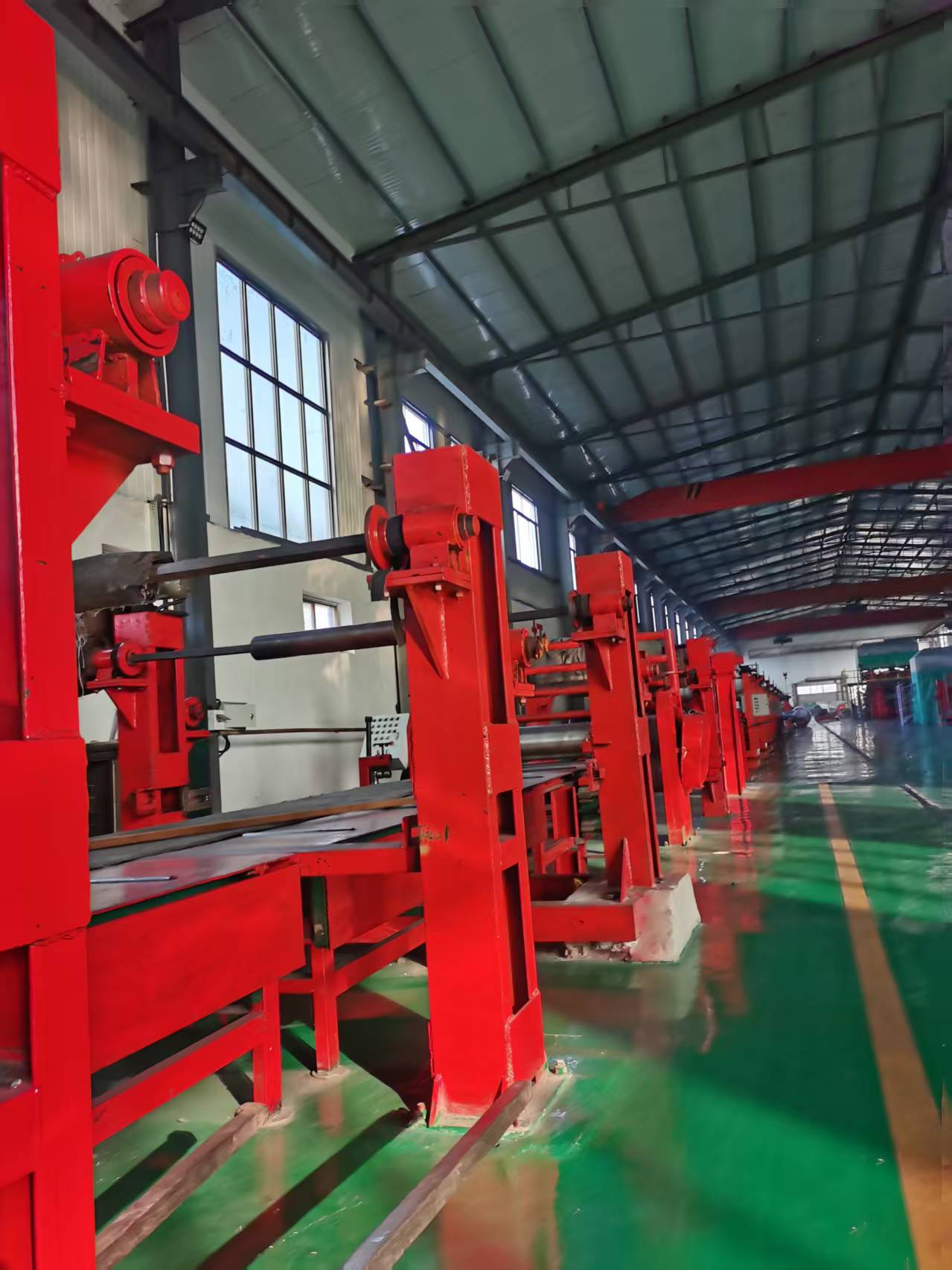
Processing Plant 1

Mixing & Extrusion Section

Processing Plant 2

Raw Material Preparation

Processing Plant 3

Calendering Station

Processing Plant 4

Tension Control Section

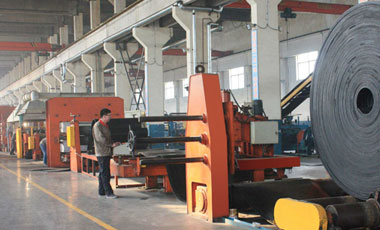
Production Line of Fabric Conveyor Belt

Fabric Conveyor Belt Line

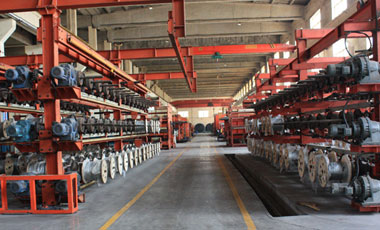
Production Equipment of Steel Cord Conveyor Belt

Steel Cord Belt Line

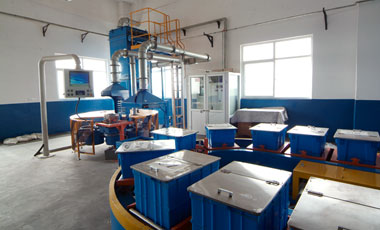
Proportioning Room of Mixing Center

Mixing Center Proportioning Room

Proportioning System of Mixing Center

Automated Dosing System

Feeding Device

Pneumatic Feeding System

Calendering & Shaping Machine

Precision Calendering Machine

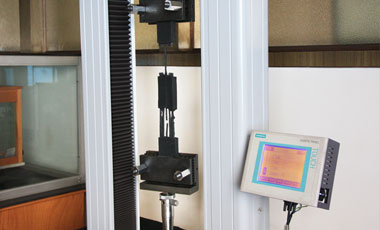
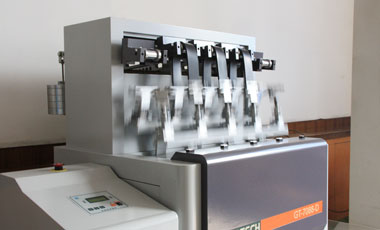
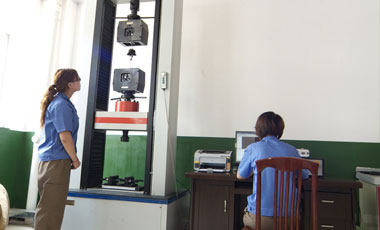
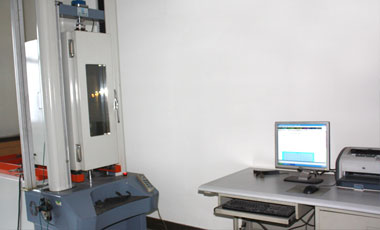
Our Quality Control laboratory performs physical and chemical tests. We analyze tensile parameters, tear strength, DIN abrasion index, steel cord pull-out resistance, and flame propagation rates to ensure compliant performance.
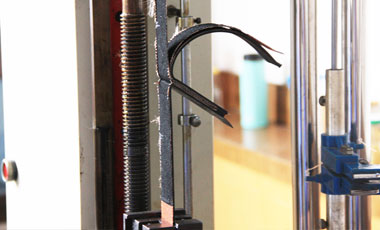
Peeling Test

Inter-ply Adhesion Peeling Test

Steel Cord Pull-out Machine

Steel Cord Adhesion Pull-out Tester

Dynamic Fatigue Tester

Dynamic Fatigue & Flexing Tester
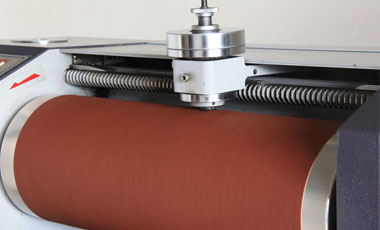
Abrasion Tester 1

DIN Abrasion Tester (ISO 4649)

Abrasion Tester 2

Volumetric Wear Testing

Physical Properties Testing

Tensile Strength & Elongation Test
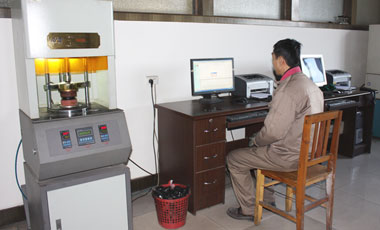
Test Station

Rheometer Compounding Test

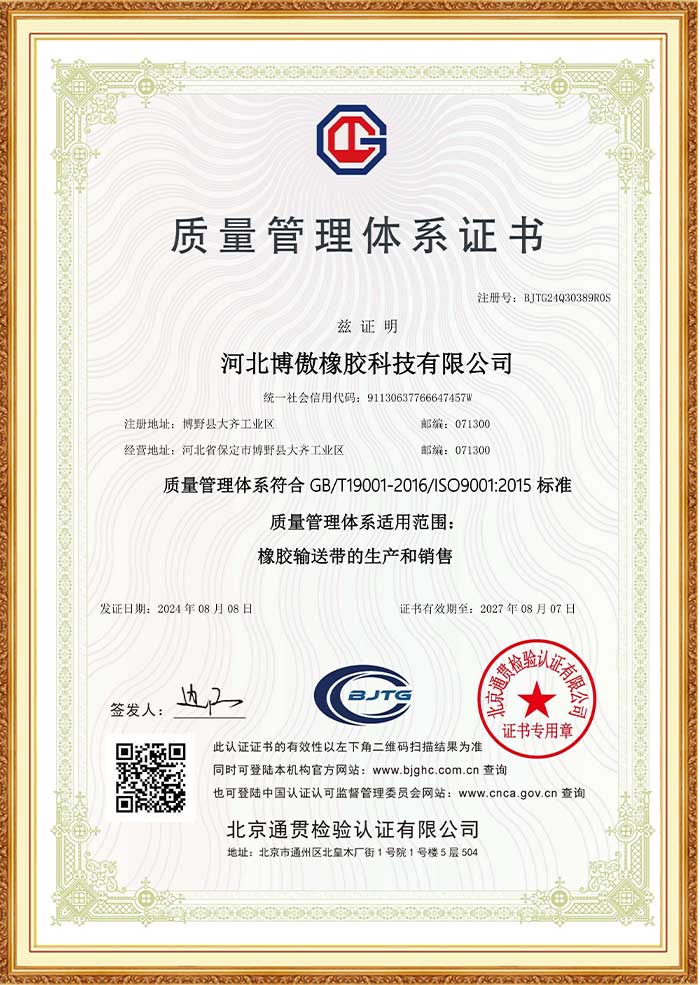
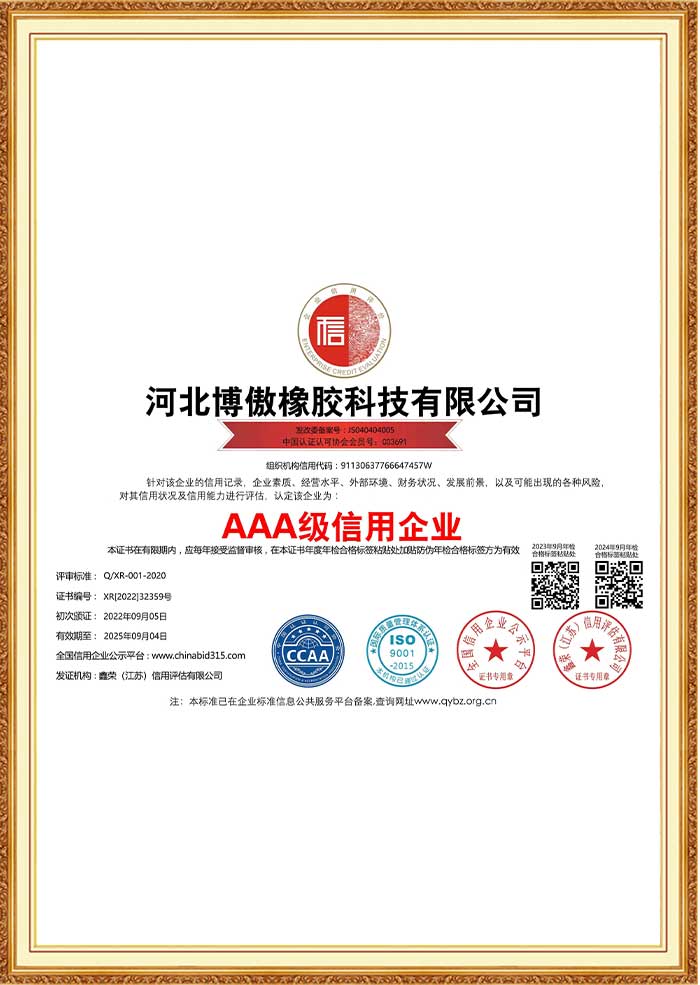
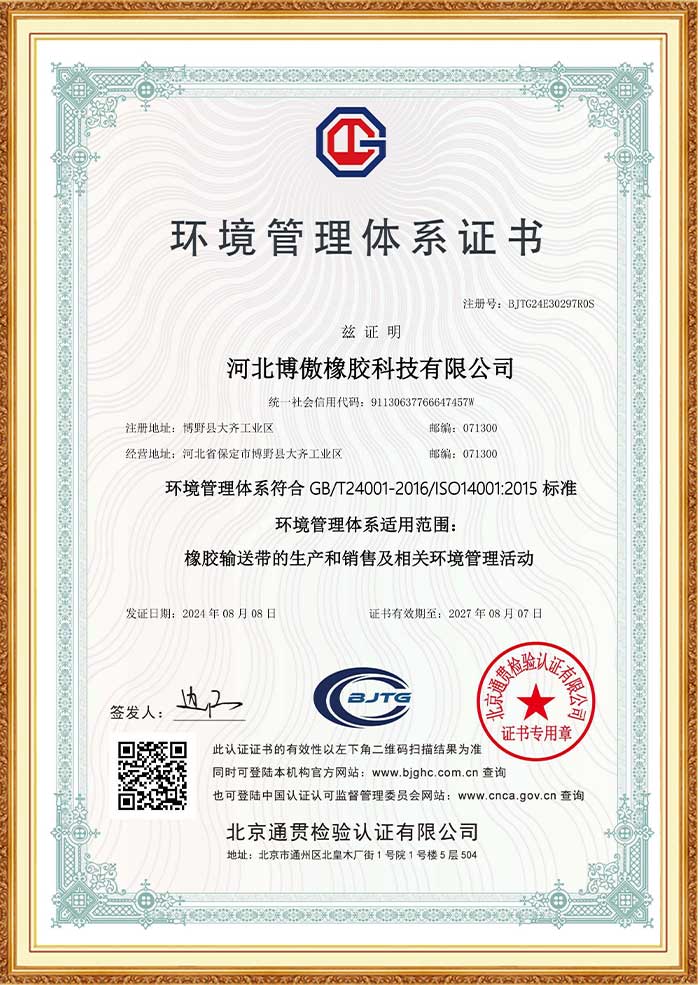
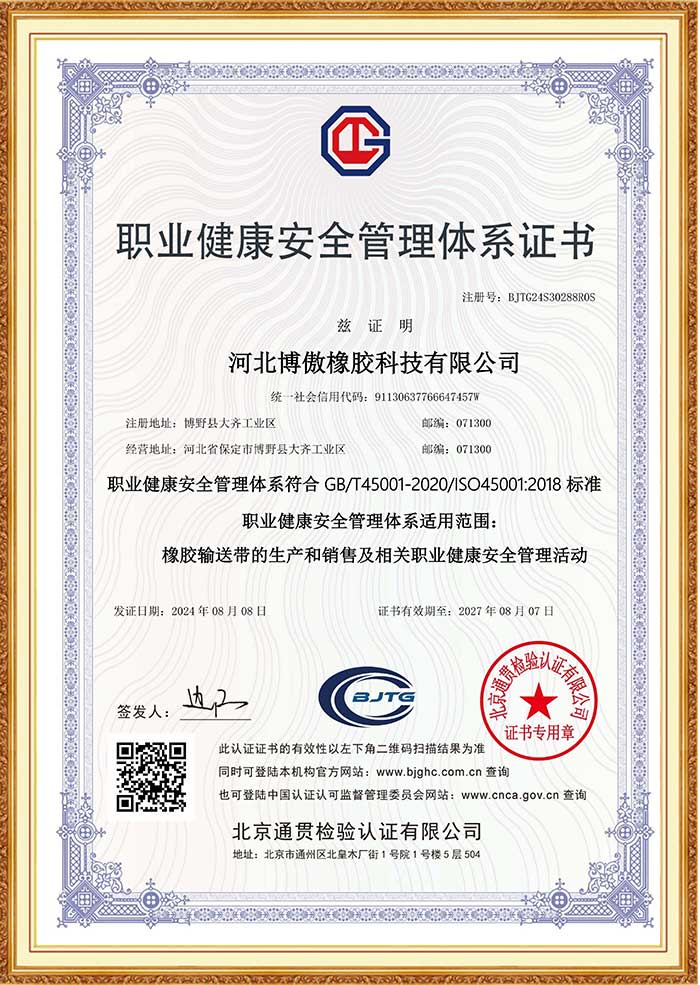
Our management processes are certified under standard quality systems. We manufacture in compliance with major global industrial directives, including API 6D, API 607, CE, ISO 9001, ISO 14001, and OHSAS 18001.
Certificate 1

ISO9001 Certificate

Certificate 2

Environmental Certificate

Certificate 3

Health & Safety Certificate

Certificate 4

Quality Management System

Certificate 5

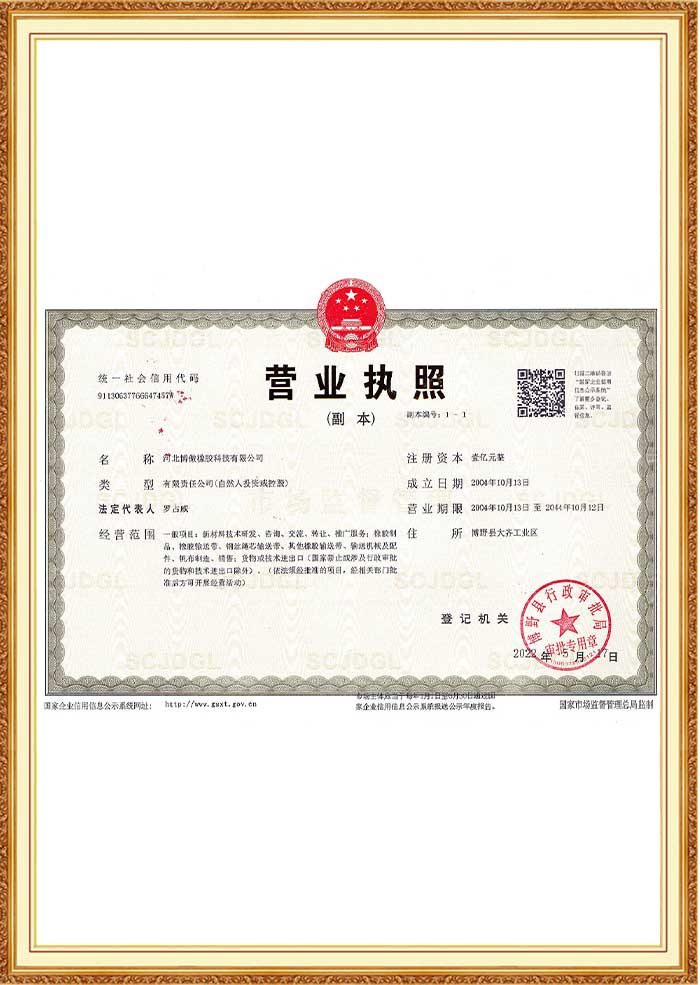
Production License

Real-World Deployment & Heavy Industry Projects

Our systems support demanding bulk conveying applications across prominent mining, metallurgy, and infrastructure corporations.
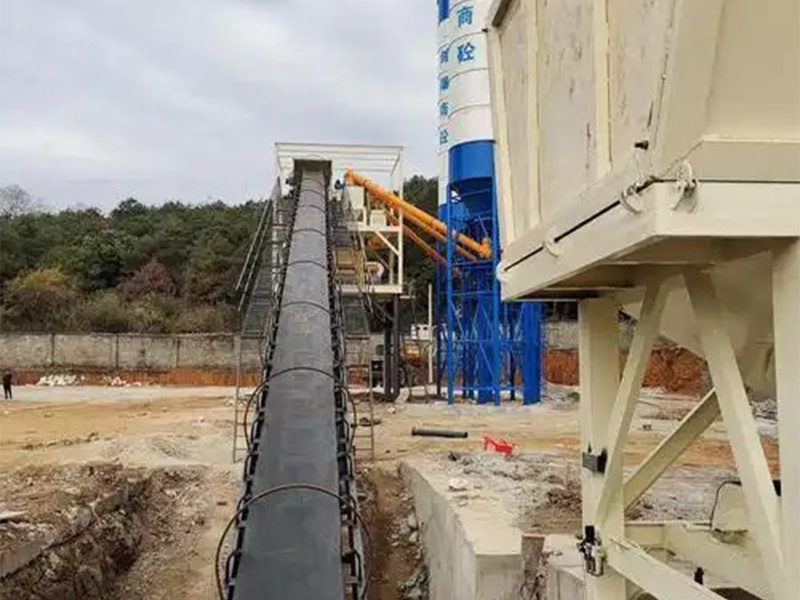
China Railway Group Mixing Plant Case
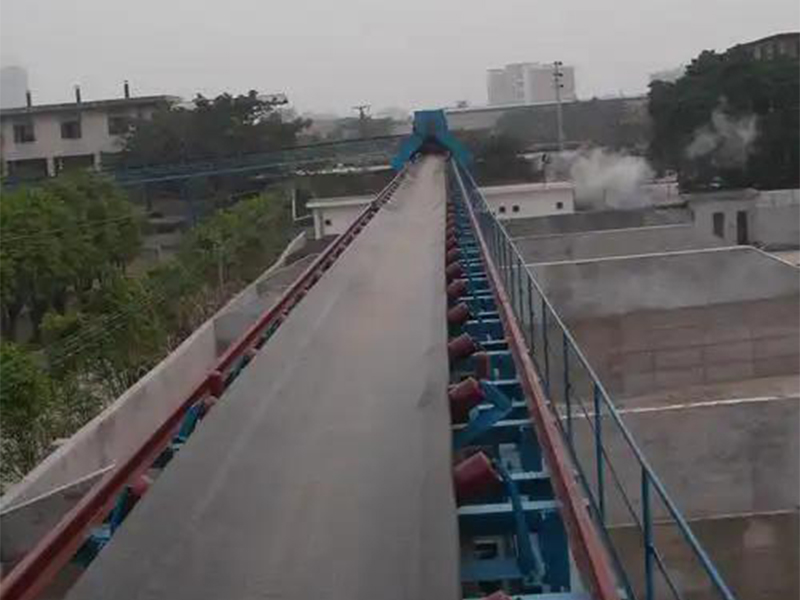
China Railway Group Mixing Plant

Conch Cement Case

Conch Cement Group

Datong Coal Group Case
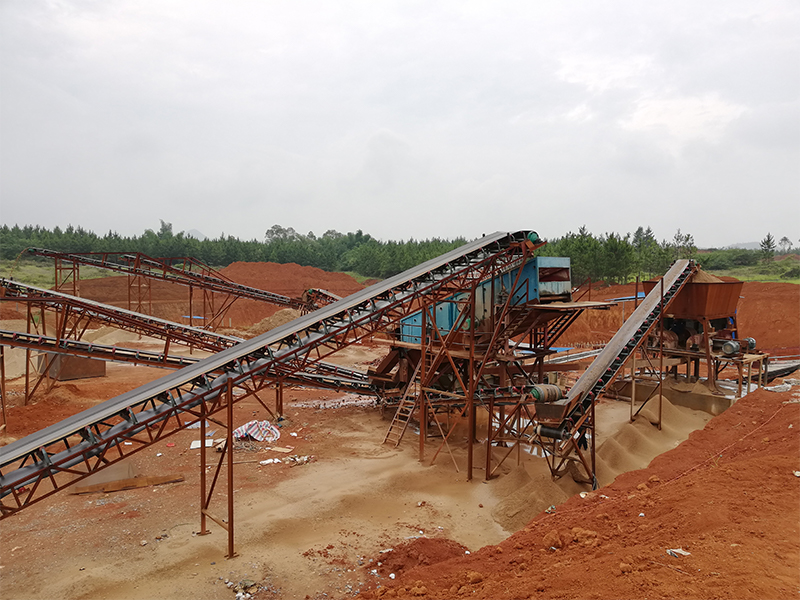
Datong Coal Group

Tsingshan Group Case

Tsingshan Holding Group

Jidong Cement Group Case
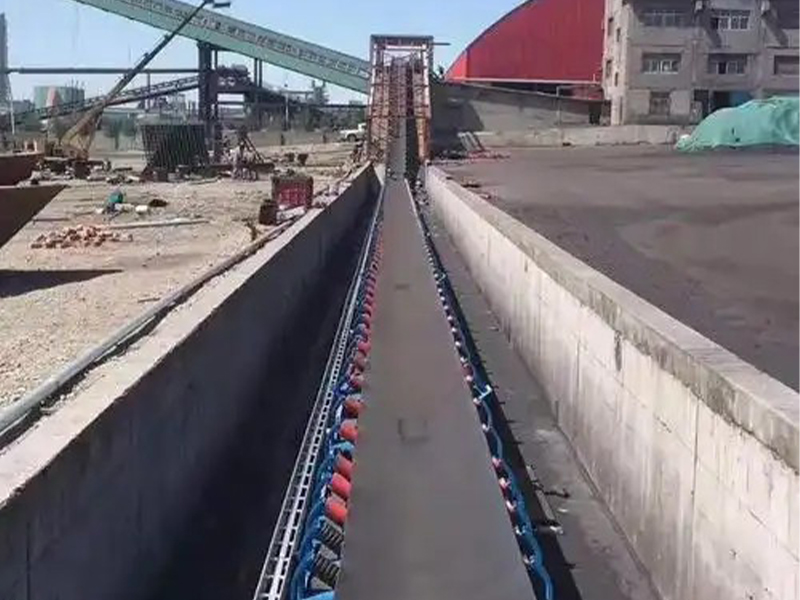
Jidong Cement Group

Jinmei Group Coal Conveying Line Case

Jinmei Group Coal Terminal

Taihang Steel Case

Taihang Steel Complex

Puyang Steel Group Case

Puyang Steel Corporation

Technical Service & Field Engineering Plans

We provide comprehensive lifecycle support for bulk conveyor lines, helping to minimize unplanned downtime.

Service Overview

Our service packages include planned belt replacements, cold/hot vulcanizing splicing, field inspections, structural system adjustments, and rapid-response emergency repairs to maintain operational continuity.

Sourcing & Stock Management

We provide supply agreements for conveyor belts and repair materials, manage buffer stock levels to support continuous plant operations, coordinate warehouse storage, and perform rubber face maintenance.

Operational Standards

Our goal is to improve conveying efficiency, reduce cover wear, limit tracking errors, and increase structural life, supporting cost-effective operations for our clients.

Industrial QA & Procurement FAQ

Key technical answers to assist procurement engineers and maintenance managers in selecting the correct rubber conveyor configurations.

What are the differences between DIN-X, DIN-Y, and DIN-W cover rubber grades?
These designations represent distinct cover rubber classifications under the German standard DIN 22102, which define the mechanical properties required for different levels of service:
  • DIN-X: Offers high resistance to cutting and impact damage. Typically features a tensile strength of 25 MPa and maximum volumetric wear loss of 120 mm³, making it suitable for sharp, heavy materials like large rocks or iron ore.
  • DIN-Y: A versatile grade designed for general conveying. Features a tensile strength of 20 MPa and a maximum volumetric wear loss of 150 mm³, suitable for coal, sand, limestone, and general crushed stone.
  • DIN-W: Engineered specifically for high abrasion resistance. Offers a tensile strength of 18 MPa but with a low volumetric wear loss of 90 mm³, ideal for highly abrasive fines, glass cullet, and mineral sands.
How does ambient operating temperature influence conveyor rubber strip selection?
Temperature is a key factor in elastomer aging and degradation:
  • Extreme Cold (Down to -50°C): Standard SBR or natural rubber can crystallize and become brittle under low temperatures, leading to cracking. Cold-resistant belts utilize specialized polymers formulated to retain elasticity and flexibility under low-temperature conditions.
  • High Temperature (Up to 200°C+): High heat causes standard rubber compounds to harden and crack. For hot materials, we utilize EPDM-based compounds that resist thermal oxidation, preserving structural adhesion between the rubber covers and fabric plies.
Why is a steel wire rope reinforcement core chosen over multi-ply EP fabrics?
The reinforcement type is selected based on the conveying distance, load capacity, and tension requirements:
  • Steel Cord Core: Features high longitudinal tensile strength, low elongation under load, and excellent troughability. It is suitable for long-distance, high-speed, and high-capacity overland conveying.
  • EP (Polyester-Nylon) Fabric: Features a high modulus in the warp direction (polyester) and good flexibility in the weft direction (nylon). It offers good impact resistance and chemical resilience for short to medium-length conveyors.
What methods are used to inspect conveyor belt joints for wear and tear?
We recommend a combination of visual inspections, ultrasonic testing (UT), and X-ray monitoring:
  • Visual Inspection: Checked regularly for surface cracking, edge fraying, or step-deformations at splice points.
  • Ultrasonic Thickness Gauging: Measures residual cover thickness to monitor wear rates over time.
  • Magnetic/X-ray Imaging: Used for steel cord belts to detect internal cord breakage, corrosion, or splice slippage without stopping production.
How do flame-retardant rubber conveyor belts comply with underground safety standards?
Our flame-retardant conveyor belts are engineered to meet safety standards like MT 820 or ISO 340. The rubber compounds incorporate additives such as chlorinated paraffin, antimony trioxide, or aluminum trihydrate. These compounds self-extinguish once the external flame source is removed, preventing the spread of fire along the conveyor path.

Optimize Your Conveying Systems Now

Get in touch with Hebei Boao's technical sales team to request custom specifications, material testing data, and competitive pricing for your upcoming bulk handling project.

Inquiry Now

Explore More System Components

Complete your material handling setup with our specialized belt designs, custom profiles, and conveyor accessories.
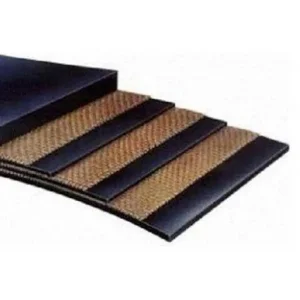
China General-Purpose Rubber Conveyor Belt

China General-Purpose Rubber Conveyor Belt - Quality Factory Suppliers for Bulk Material Handling

View Details
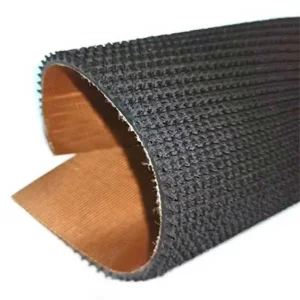
China Suppliers Patterned Conveyor Belts

China Suppliers Factory of Patterned Conveyor Belts: Magic Carpet, Concave, and Convex Designs

View Details
High-Quality Nylon Rubber Conveyor Belts from China

Best High-Quality Nylon Rubber Conveyor Belts from China Suppliers | Durable Polyamide Factory

View Details
Rubber Lifting Conveyor Belt for Bucket Elevators

China Suppliers Factory Rubber Lifting Conveyor Belt for Bucket Elevators and Material Handling

View Details
China Suppliers Patterned Conveyor Belts Dual

China Suppliers Factory for Patterned Conveyor Belts: Magic Carpet, Concave, and Convex Designs

View Details
Best Rubber Conveyor Belt Suppliers

Best General-Purpose Rubber Conveyor Belt Suppliers, Factory Direct Solutions

View Details
China Conveyor Trough-Type Idler Rollers Suppliers

China Conveyor Trough-Type Idler Rollers - High-Quality Suppliers and Factory Direct Solutions

View Details
China Flame Retardant Rubber Conveyor Belt Suppliers

China Flame Retardant Rubber Conveyor Belt from China Suppliers | Reliable Factory Solutions

View Details