Direct Factory Sourced Engineering Components & High-Durability Rubber Belting
Demystifying Rubber Standards: DIN 22102, AS 1332, RMA, and ISO 10247 Protocols
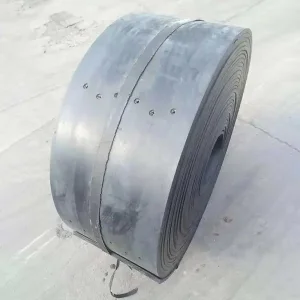
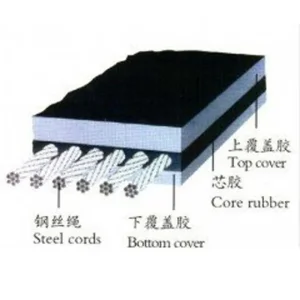
Industrial conveyor belt cover grades are defined globally by their physical properties, including tensile strength, elongation at break, and volumetric abrasion loss. Standard configurations categorize rubber formulations based on their resistance to specific destructive forces: mechanical wear, high heat, chemical corrosion, and combustibility.
The table below outlines the rigorous metric criteria mandated by international standard associations. China factories like Hebei Boao Rubber Technology Co., Ltd. (Jinao Brand) formulate polymer matrices to consistently exceed these baseline metrics.
| Standard | Cover Grade | Min. Tensile Strength (MPa) | Min. Elongation at Break (%) | Max. Abrasion Loss (mm³) | Primary Industrial Use Case |
|---|---|---|---|---|---|
| DIN 22102 | Grade W | 18 | 400 | 90 | Highly abrasive materials (slabs, quartz, heavy aggregates) |
| DIN 22102 | Grade X | 25 | 450 | 120 | Severe cutting & impact (large iron ore run-of-mine rocks) |
| DIN 22102 | Grade Y | 20 | 400 | 150 | General purpose bulk handling (coal, cement clinker, sand) |
| DIN 22102 | Grade Z | 15 | 350 | 250 | Light duty, non-abrasive and fine agricultural materials |
| AS 1332 | Grade M | 24 | 450 | 125 | High tension, heavy impact mineral processing |
| AS 1332 | Grade N | 17 | 400 | 150 | General abrasive mineral conveying |
Modern compound design relies on combining Natural Rubber (NR) for high tensile strength and tear resistance with Styrene-Butadiene Rubber (SBR) or Polybutadiene Rubber (BR) to enhance abrasion resistance. When conveyor systems transport hot material like sinter, chemical additives like Ethylene Propylene Diene Monomer (EPDM) are added to prevent thermal cross-linking, which leads to surface hardening and cracking.
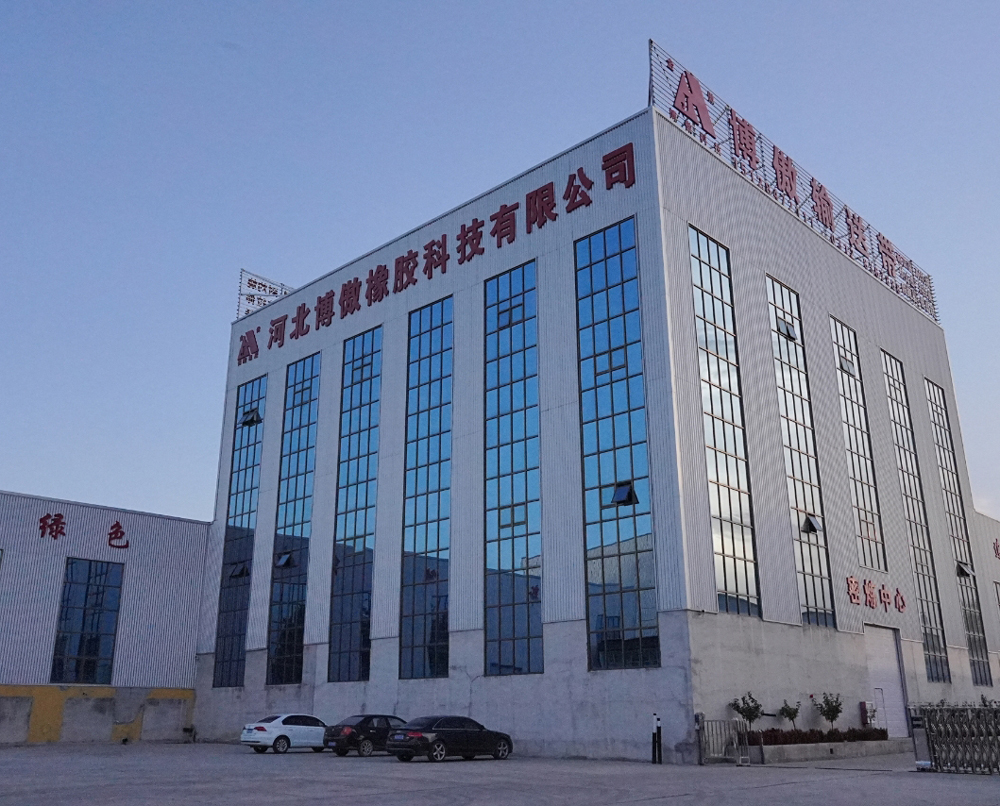
Established in 2004, and located in the Rubber Industrial Park of Boye County, Baoding, Hebei Province, Hebei Boao Rubber Technology Co., Ltd. spans over 30 acres of advanced manufacturing space. Under our flagship "Jinao" brand, we have built a reputation for product development, design, and manufacturing of high-performance conveyor belts and mechanical accessories.
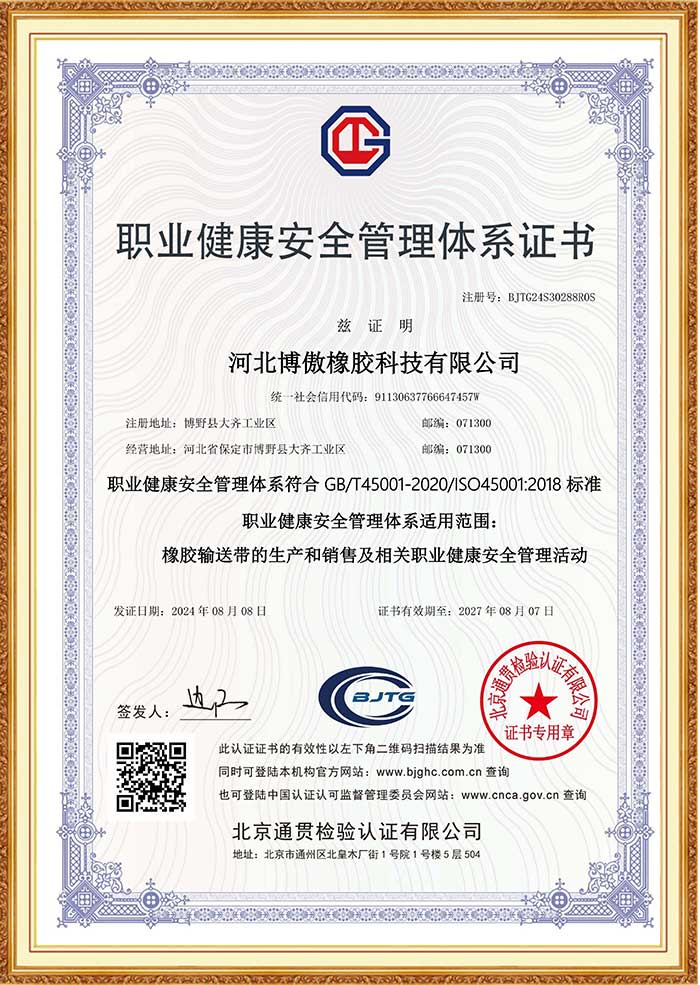
We manage the entire lifecycle of our rubber products from raw compound formulation to vulcanization. Our production lines feature advanced equipment for raw material mixing, calendering, forming, and continuous vulcanization. We are fully certified to international standards, including ISO 9001 (Quality Management), ISO 14001 (Environmental Management), and ISO 45001 (Occupational Health & Safety).
With 22 Years of Experience, Hebei Boao has become a trusted supplier to major domestic and international heavy industries.
The Convergence of Molecular Polymer Chemistry and Industrial Automation
We are researching self-healing supramolecular rubber covers. These materials use hydrogen bonding networks to automatically repair micro-abrasions and minor punctures, helping to prevent structural delamination and extending the belt's overall service life.
By blending graphene nanoplatelets and carbon nanotubes into the SBR/NBR matrix, we can increase tensile strength by up to 35% without making the belt brittle. This compounding process provides excellent dissipation of static charges and improves flame retardancy.
Future conveyor belts will integrate RFID and flexible sensor arrays. These sensors measure real-time cover thickness and thermal profiles, alerting maintenance teams before failures happen and supporting predictive maintenance programs.
To support global carbon reduction goals, our development pipeline includes bio-derived monomers and recycled carbon black. These raw materials help lower the overall carbon footprint of our manufacturing process while maintaining durability.
Engineered Belt Cover Formulations Designed for Specific Industrial Applications
Transporting hot sinter, coke, and metal ores requires heat-resistant cover formulations (T150, T200, and T300 up to 300°C). Our EPDM-based compounds prevent cracking and hardening, keeping the conveyor carcass protected from thermal degradation.
Primary Client References: Taihang Steel, Tsingshan Group, Puyang Steel Group.
Handling large run-of-mine ores requires covers with high cut, tear, and gouge resistance (DIN X and DIN W standards). Our natural rubber blends are designed to absorb high energy impacts, preventing carcass exposure and tear propagation.
Primary Client References: Datong Coal Group, Zijin Mining, Jinmei Group.
Conveying hot clinker and raw materials requires belts that combine heat and oil resistance. Our specialized compound formulations prevent swelling and swelling-induced tracking issues, keeping operations running smoothly.
Primary Client References: Conch Cement, Jidong Cement Group.
How Modern Test Laboratories Ensure consistent Quality from Raw Material to Finished Product
Our dedicated physics lab and chemical analysis room inspect every production lot. We enforce a strict quality policy: no raw materials enter the plant, and no products ship to clients, without passing our performance benchmarks.
Our testing facility is equipped to perform critical safety and performance evaluations, including:
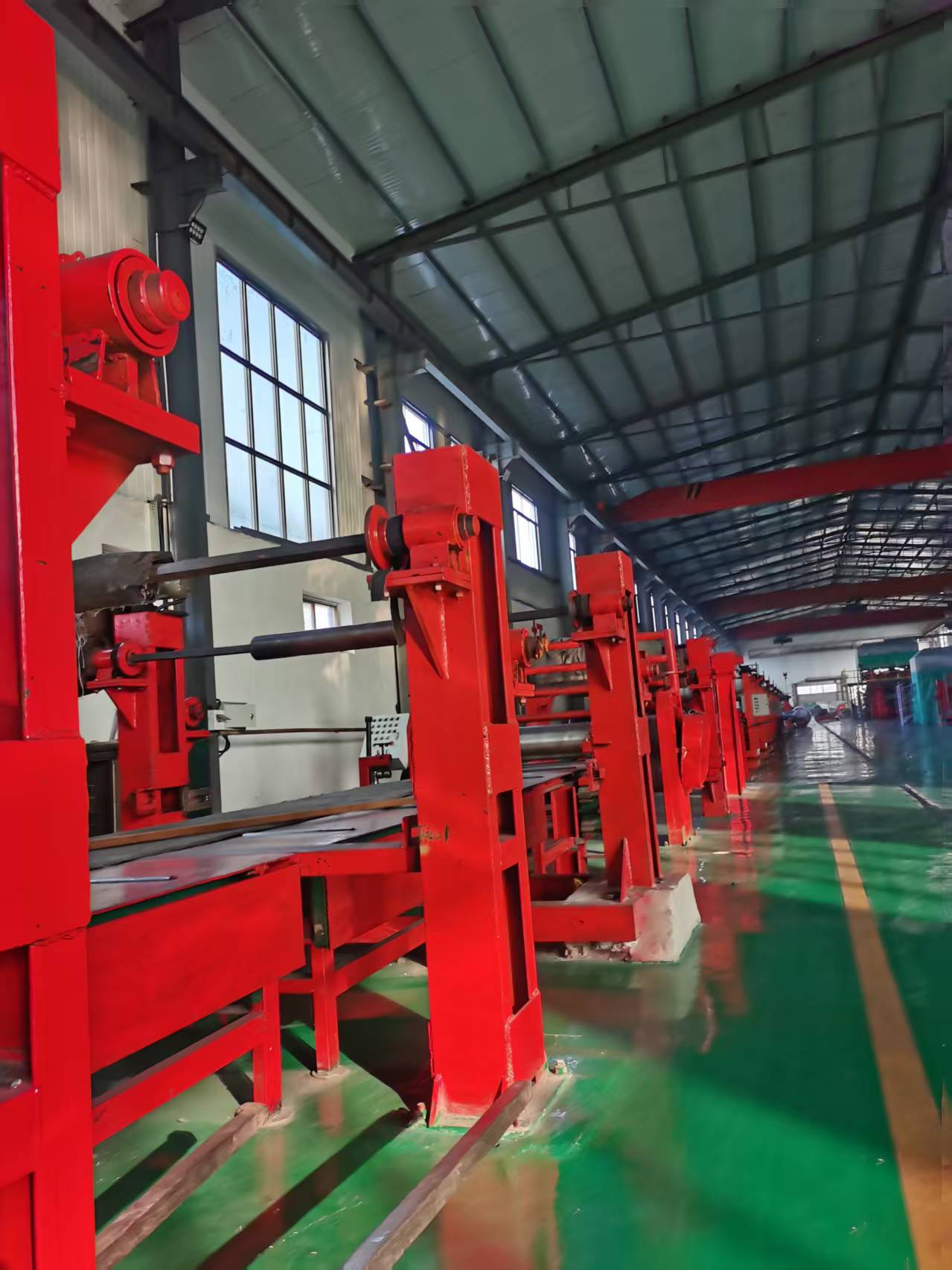
Fabric Conveyor Vulcanizer
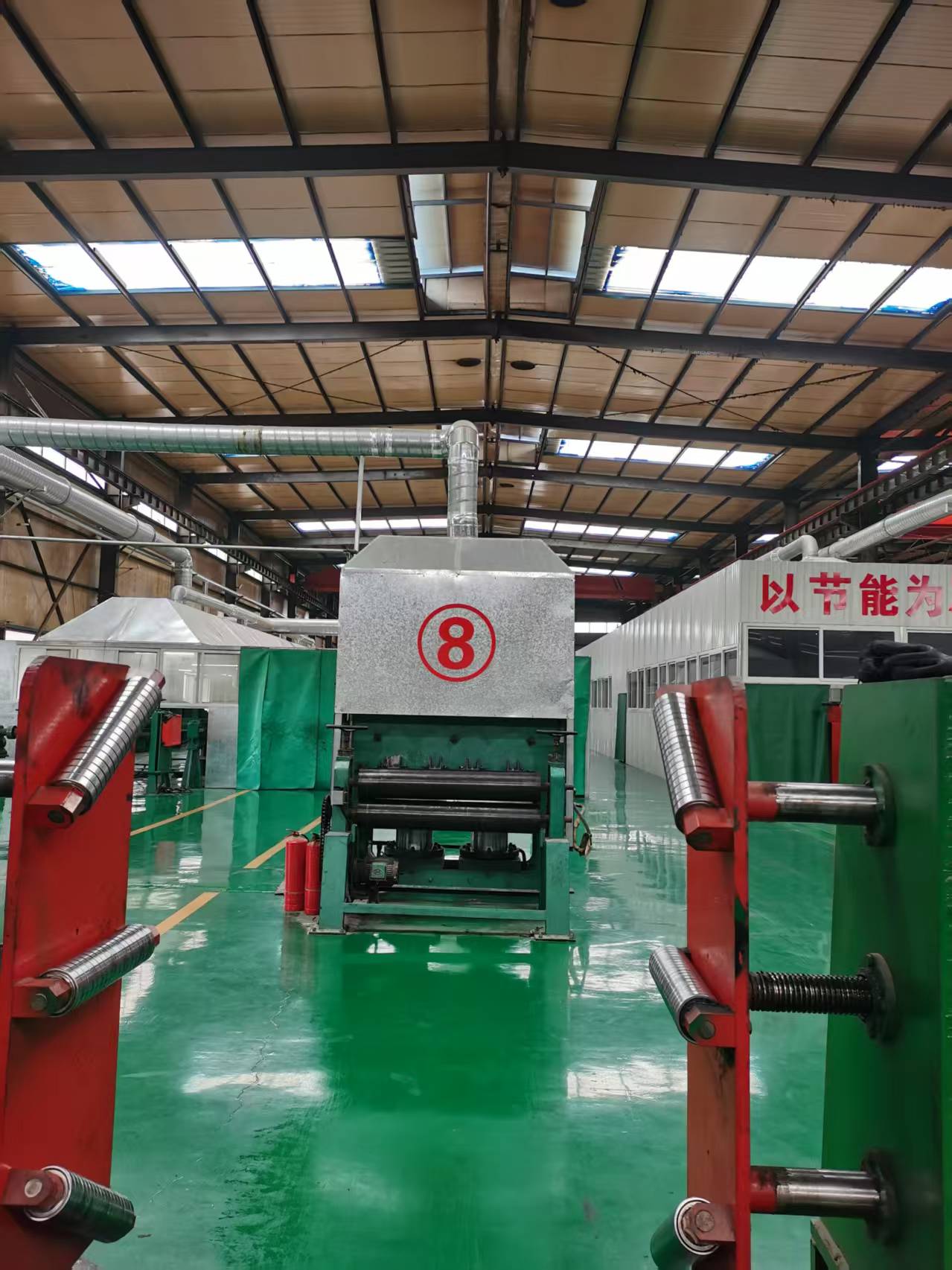
Calendering Line
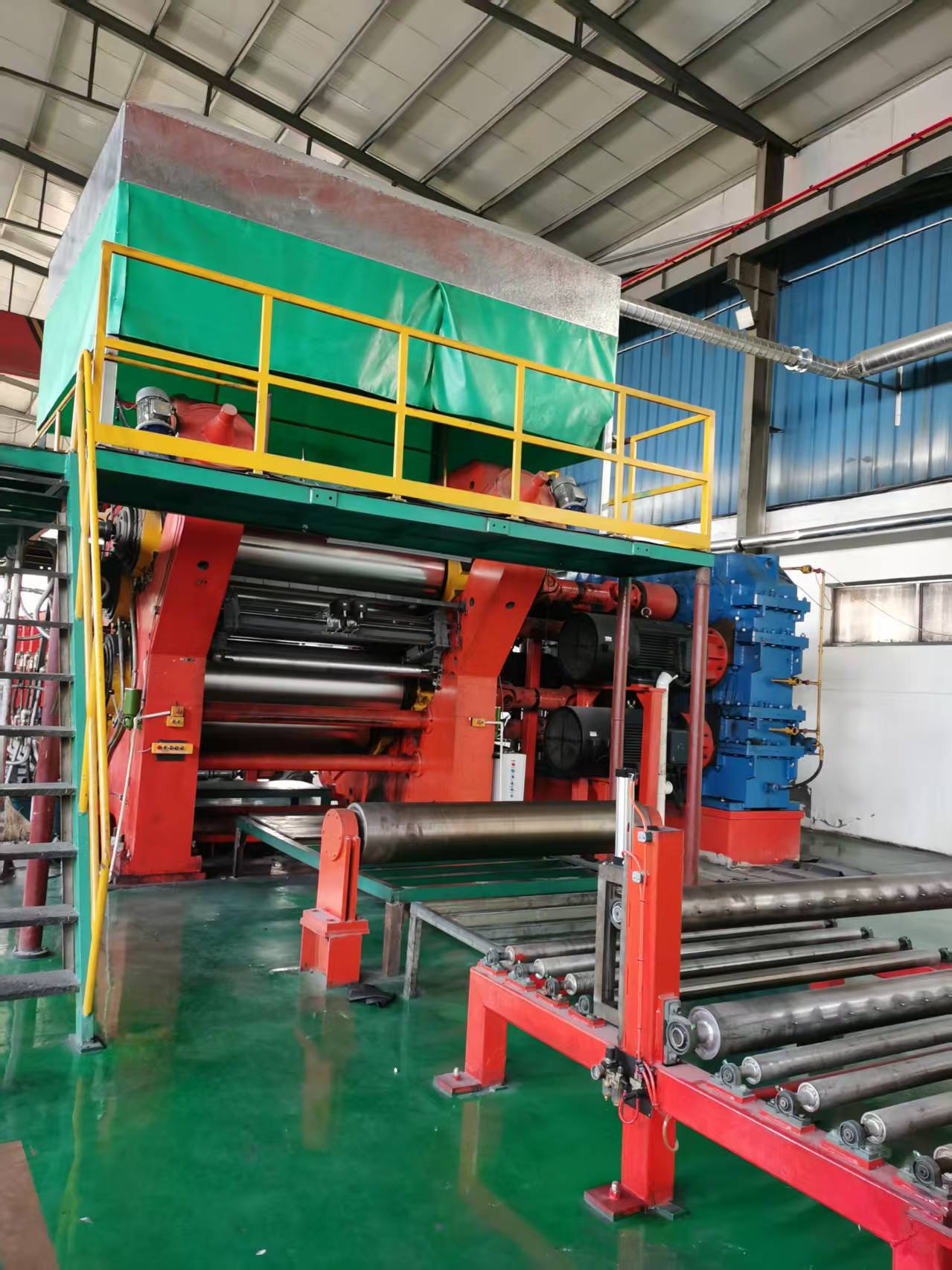
Steel Cord Calendering Machine
Continuous Vulcanization Press
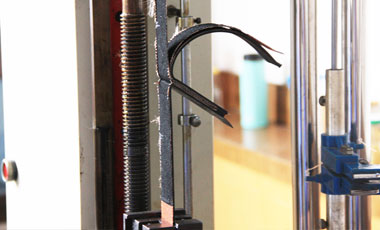
Peeling Test Device
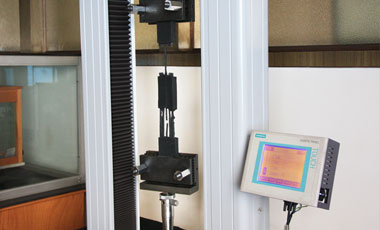
Steel Cord Pull-out Tester
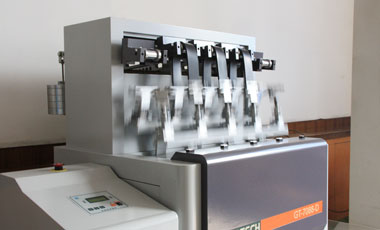
Dynamic Fatigue Tester
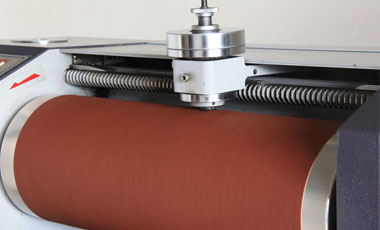
DIN Abrasion Tester
Key Technical Criteria for Purchasing Managers to Balance Cost and Service Life
Procuring heavy-duty conveyor belts requires evaluating several key operational variables. Sourcing parameters should specify more than just physical belt dimensions; they must define exact polymer configurations based on operational demands:
For transporting coarse, sharp minerals like granite, quartz, or run-of-mine ore, specify DIN Grade W (abrasion loss under 90 mm³) or AS Grade M. Using general-purpose rubber for these materials will lead to fast cover wear and high lifecycle costs.
Determine both the average and peak temperatures of your material. Choose the appropriate heat-resistant grade (T150 for up to 150°C, T200 for up to 200°C, and T300/EPDM for higher temperatures). Operating EPDM-modified covers below peak temperatures helps prevent cover cracking.
Underground coal mines require flame-retardant and anti-static covers certified to MSHA, CANMET, or EN 12882 standards. These safety compounds prevent static buildup and self-extinguish quickly to help prevent fire propagation.
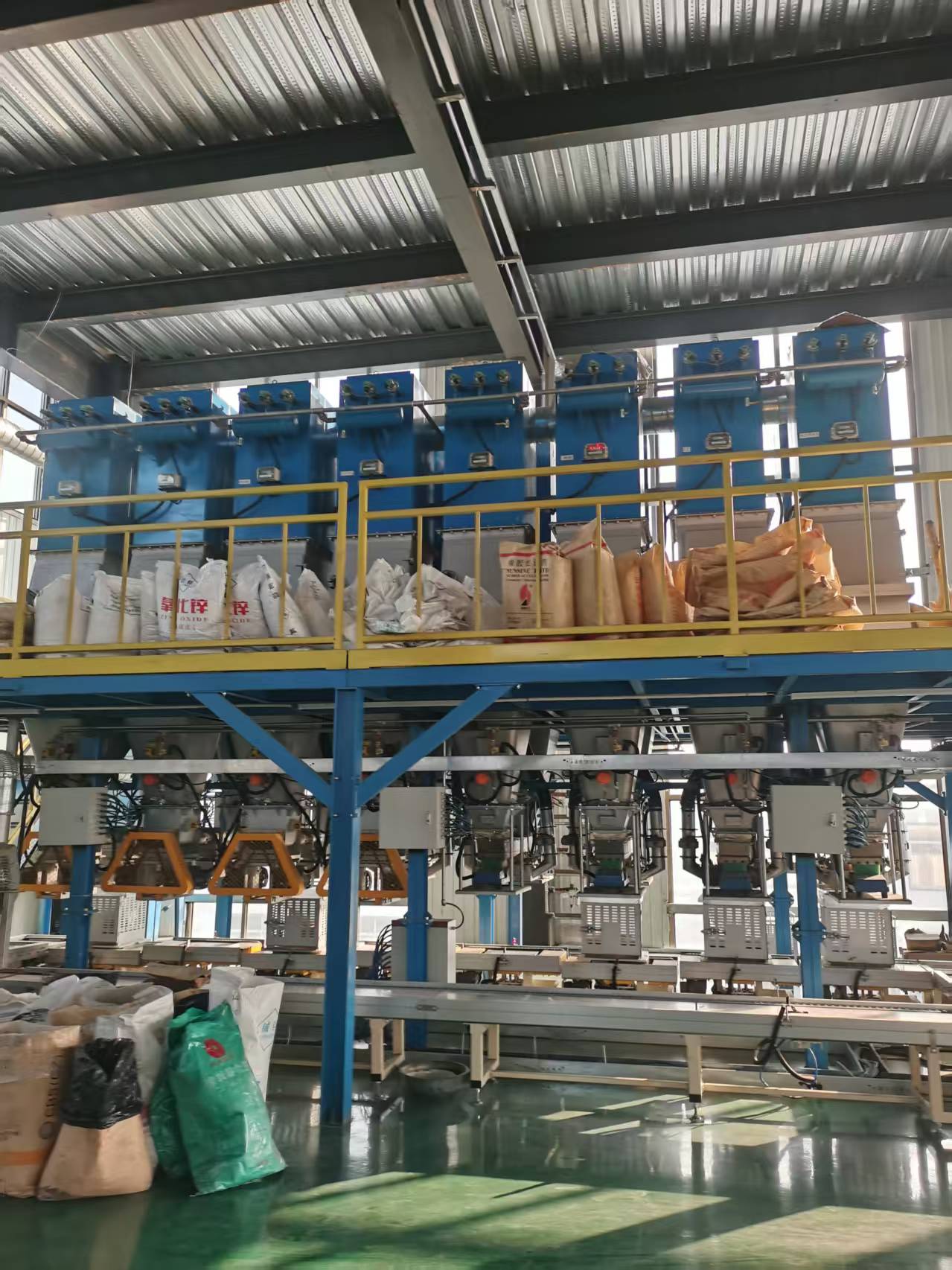
China Railway Group Mixing Plant
Conch Cement
Datong Coal Group
Tsingshan Group
Jidong Cement Group
Jinmei Group
Taihang Steel
Puyang Steel Group
Clear Answers to Technical Questions from Maintenance and Operations Teams
Each grade is formulated for different wear mechanisms. DIN W features a low volumetric abrasion loss (max 90 mm³) and is designed for sliding wear caused by fine, highly abrasive materials. DIN X has higher tensile strength (25 MPa) and is designed to resist cutting and gouging from large materials dropped from height. DIN Y (max 150 mm³ abrasion loss) serves as a general-purpose formulation for coal, grain, and non-corrosive aggregates.
We evaluate flame-retardant covers using drum friction tests, laboratory burner tests (ISO 340), and electrical resistance tests (ISO 284). These methods confirm the rubber cover will self-extinguish within specified limits once the ignition source is removed and will not generate static charges that could cause sparks in coal mines.
SBR-based rubbers can lose elasticity and harden when exposed to temperatures above 120°C for long periods, which leads to surface cracking. In contrast, EPDM rubbers use saturated polymer chains that withstand oxidation and ozone exposure, allowing them to remain flexible at temperatures up to 200°C (and up to 300°C for peak loads).
Delamination is usually caused by chemical attack (such as swelling from oil exposure), excessive heat that breaks down adhesive bonds, or severe mechanical impacts that puncture the cover. We address this by applying adhesion promoters and running peel-adhesion tests to verify core-to-cover bond strength.
Our acid-alkali resistant belts are formulated with inert polymers that resist acid and base degradation. This design prevents chemical absorption, swelling, and structural weakening of the belt when handling materials like fertilizers or chemical aggregates.
Custom-Engineered Products Designed to Optimize Material Flow and Extend System Lifetime
 Boao Rubber