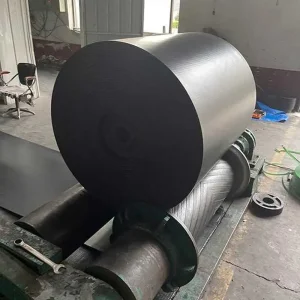
Direct supply from Hebei Boao Rubber Technology Co., Ltd. custom engineered for high-impact industrial operations.
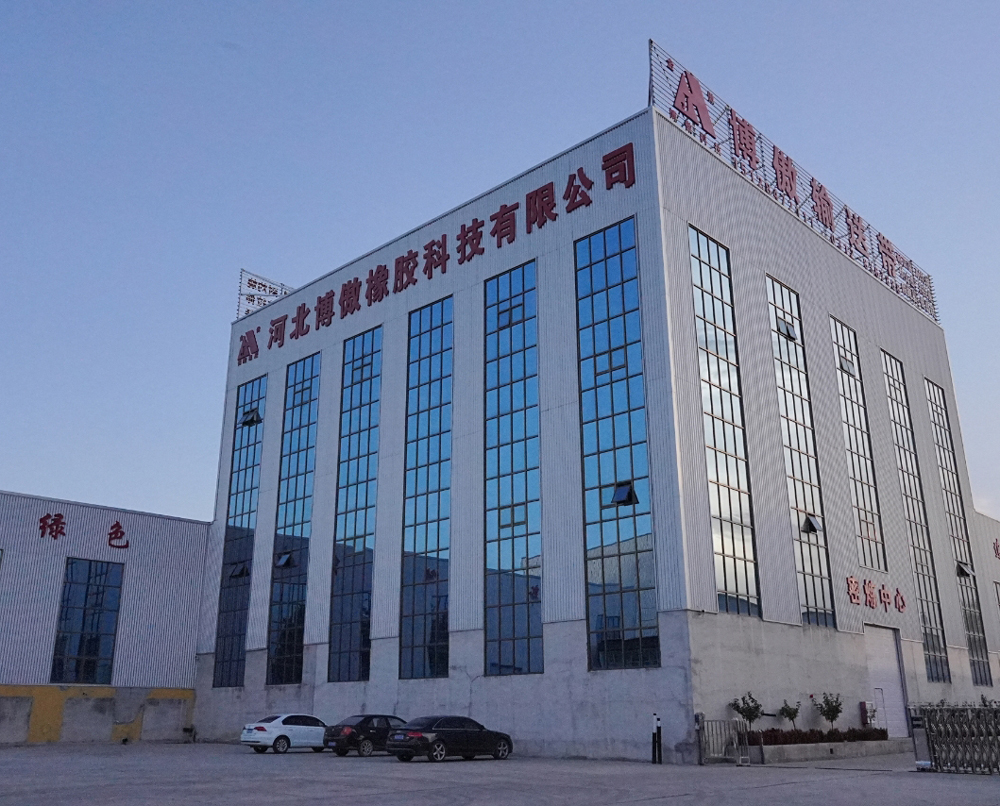
Hebei Boao Rubber Technology Co., Ltd. is situated within the highly specialized Rubber Industrial Park of Boye County, Baoding, Hebei Province. Founded in 2004, the company spans a cutting-edge footprint of over 30 acres. Under our prestigious "Jinao" brand, we have established ourselves as an international enterprise integrating product development, rigorous scientific research, structural engineering, raw vulcanization design, and business consultancy services.
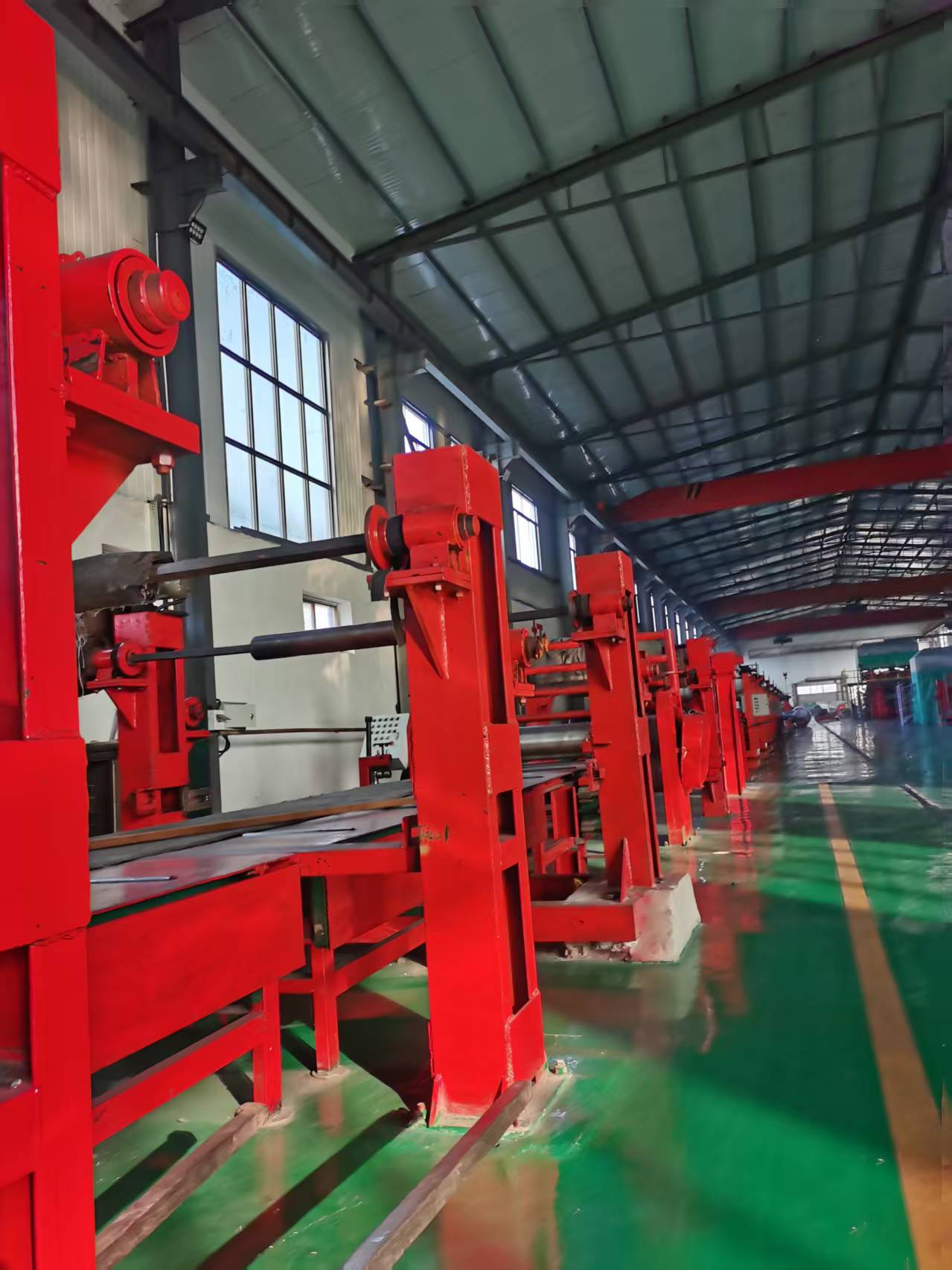
Our production facilities are equipped with fully integrated rolling, calendering, molding, and high-frequency vulcanizing systems. We maintain continuous testing capabilities extending from raw monomer chemistry analysis to finished product physical stress verification. With 22 years of domestic and international market dominance, Boao Rubber consistently ensures peak operational efficiency for heavy material handling industries worldwide.
A comprehensive analysis of multi-ply fabric carcass dynamics, mechanical properties, and wear mitigation methodologies.
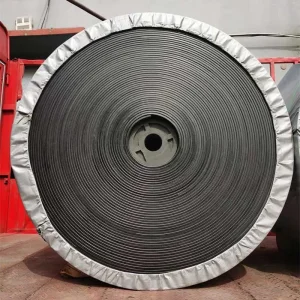
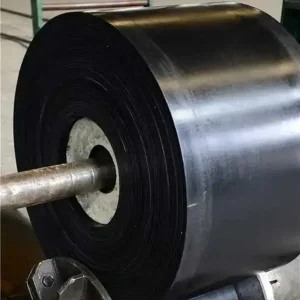
A 3-ply rubber conveyor belt utilizes three distinct layers of woven fabric reinforcement (the carcass) embedded within elastomeric binders and protected by robust top and bottom rubber covers. This configuration represents the "sweet spot" in bulk material handling, offering an optimized balance between flexibility, structural strength, weight, and operational economy.
The selection of carcass fabric—primarily Polyester-Nylon (EP) or Nylon-Nylon (NN)—directly dictates the mechanical characteristics of the belt under high working tension. EP fabrics exhibit extremely low structural elongation, making them the industry standard for long-center conveyor system setups.
The top and bottom covers consist of specialized rubber compounds formulated to withstand various degradation factors. Standard classifications include DIN 22102 Grade X (extreme abrasion and impact resistance), Grade Y (moderate abrasion and general-purpose handling), and Grade W (ultra-high wear resistance for fine abrasive materials). Specialized layers, including steel mesh cord or glass-fiber breakers, are sometimes incorporated to improve mechanical impact resistance.
For engineering planning, selecting the correct belt tension rating is critical. The table below illustrates the typical mechanical parameters of standard EP-reinforced 3-ply rubber conveyor belts:
| Belt Specification (3-Ply) | Tensile Strength Rating (N/mm) | Top Cover Thickness (mm) | Bottom Cover Thickness (mm) | Elongation at Reference Load (%) | Typical Applications |
|---|---|---|---|---|---|
| EP 300 / 3 Ply | 300 N/mm | 3.0 - 5.0 | 1.5 - 2.0 | ≤ 1.5% | Light to medium aggregates, packaging, agricultural grains |
| EP 450 / 3 Ply | 450 N/mm | 4.0 - 6.0 | 2.0 - 3.0 | ≤ 1.5% | Coal prep plants, cement mills, sand and gravel handling |
| EP 600 / 3 Ply | 600 N/mm | 5.0 - 8.0 | 2.0 - 4.0 | ≤ 1.5% | Heavy mining, steel mill sintering lines, copper ore transport |
| EP 800 / 3 Ply | 800 N/mm | 6.0 - 10.0 | 3.0 - 5.0 | ≤ 1.5% | Primary crushers, run-of-mine (ROM) materials, high drop heights |
A key aspect of performance design is tailing the belt's composition to localized industrial challenges. Below are typical application configurations engineered by Boao Rubber:
Challenge: Damp conditions, high fire risk, limited headroom, and high impact load from roof drop chutes.
Technical Solution: Flame-retardant 3-ply rubber conveyor belts complying with DIN EN ISO 340 and mine safety standards. Fitted with specialized rubber buffer idler rollers to absorb high-impact drop energy.
Challenge: Temperatures exceeding 150°C and highly abrasive clinker dusty conditions.
Technical Solution: Heat-resistant conveyor belts using EPDM covers combined with high-modulus EP fabric to prevent thermal degradation and ply separation.
Challenge: High-speed material transit, exposure to sea salt air corrosion, and dynamic flex stress.
Technical Solution: Anti-ozone and oil-resistant 3-ply rubber belts combined with highly stable suspended conveyor brackets and pipe-type systems to prevent spillage and environmental contamination.
The Boye County industrial cluster in Hebei, China, houses a robust supply chain network. By integrating raw polymer sourcing directly with our automated continuous mixing systems, Boao Rubber controls quality from rubber compound synthesis to final vulcanization press. Our facility's automated raw material feeding devices reduce variance in rubber formulation, leading to higher consistency in rubber hardness, density, and ply adhesion.
This localized supply chain structure minimizes delivery lead times and buffers clients against international market volatility. By sourcing direct-from-factory, operators bypass additional distributor margins, leading to optimization of the Total Cost of Ownership (TCO) over the lifecycle of the conveyor installations.
A look at our testing processes, domestic footprint, and commitment to product quality.
The company has an independent chemical analysis room and physics laboratory, which can ensure timely monitoring of every link from raw material procurement to product delivery. It strictly follows the principle of not entering the site for unqualified products and not leaving the site for products that do not meet standards.
Professional quality inspectors, sophisticated experimental testing equipment, and advanced testing methods ensure the quality of the company's products.
With strong technical strength and a comprehensive after-sales system, our products are exported to various parts of the country. Widely used in industries such as steel, metallurgy, coal, cement, power generation, fertilizers, grain depots, ports, etc.
Our infrastructure matches rigorous international quality protocols. Below are our onsite laboratories and processing equipment.
High-Density Compound Calendering
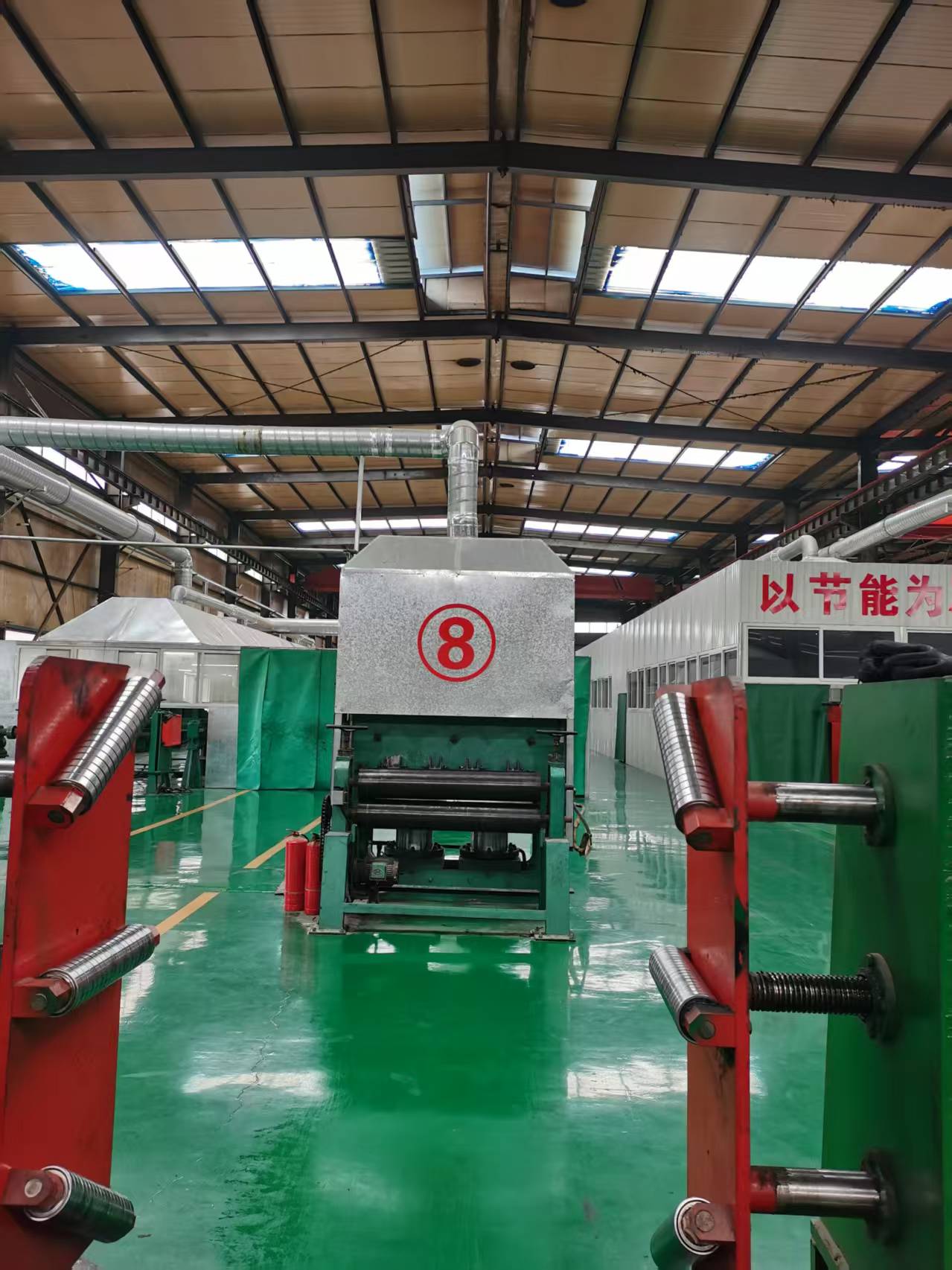
Automated Fabric Ply Laying
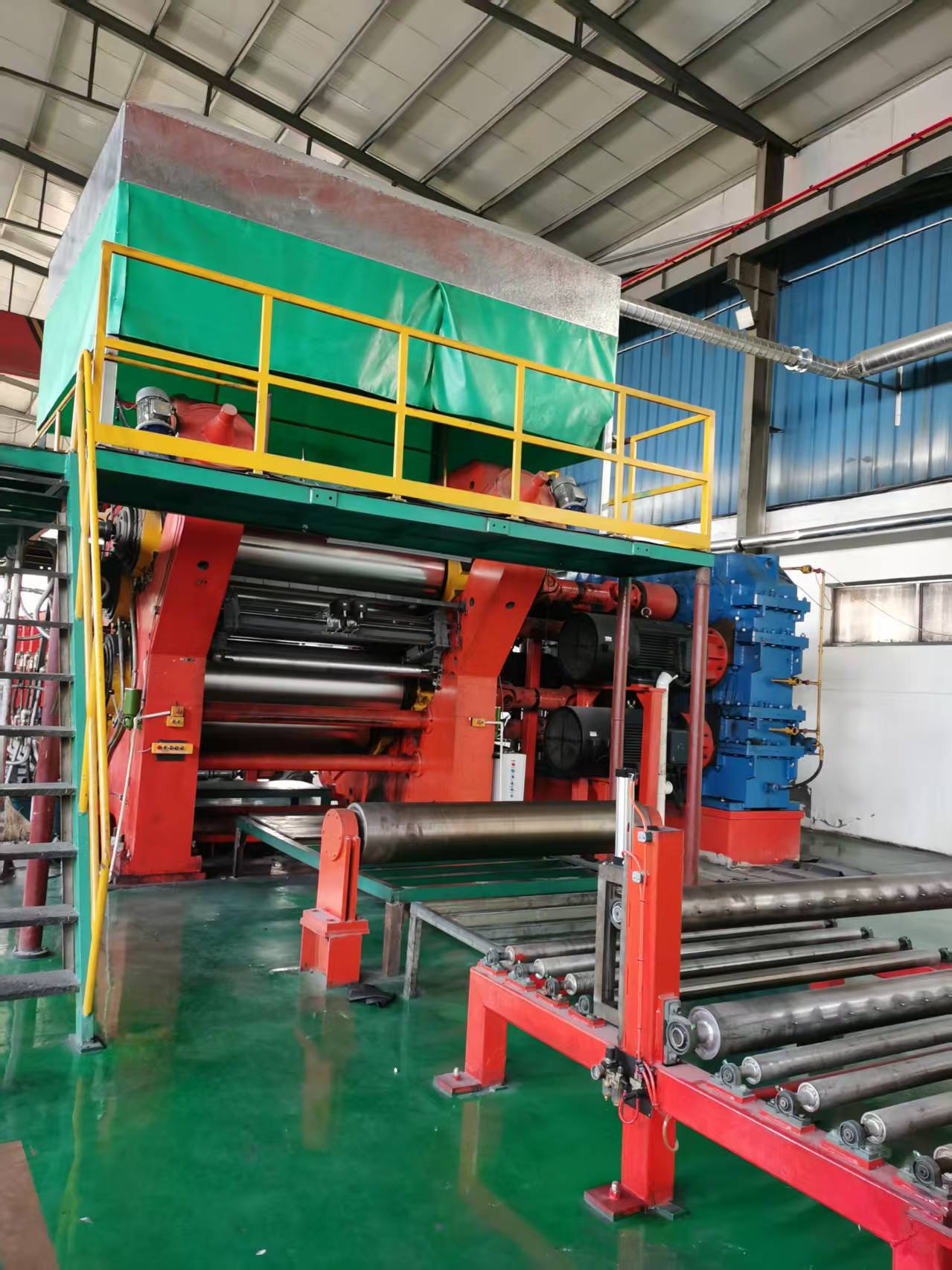
High-Temperature Press Vulcanizer
Continuous Rolling Press Machinery
Production Line of Fabric Conveyor Belt
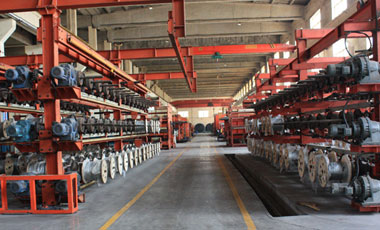
Production Equipment of Steel Cord Conveyor Belt
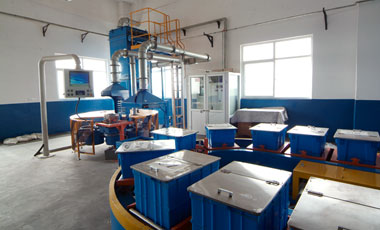
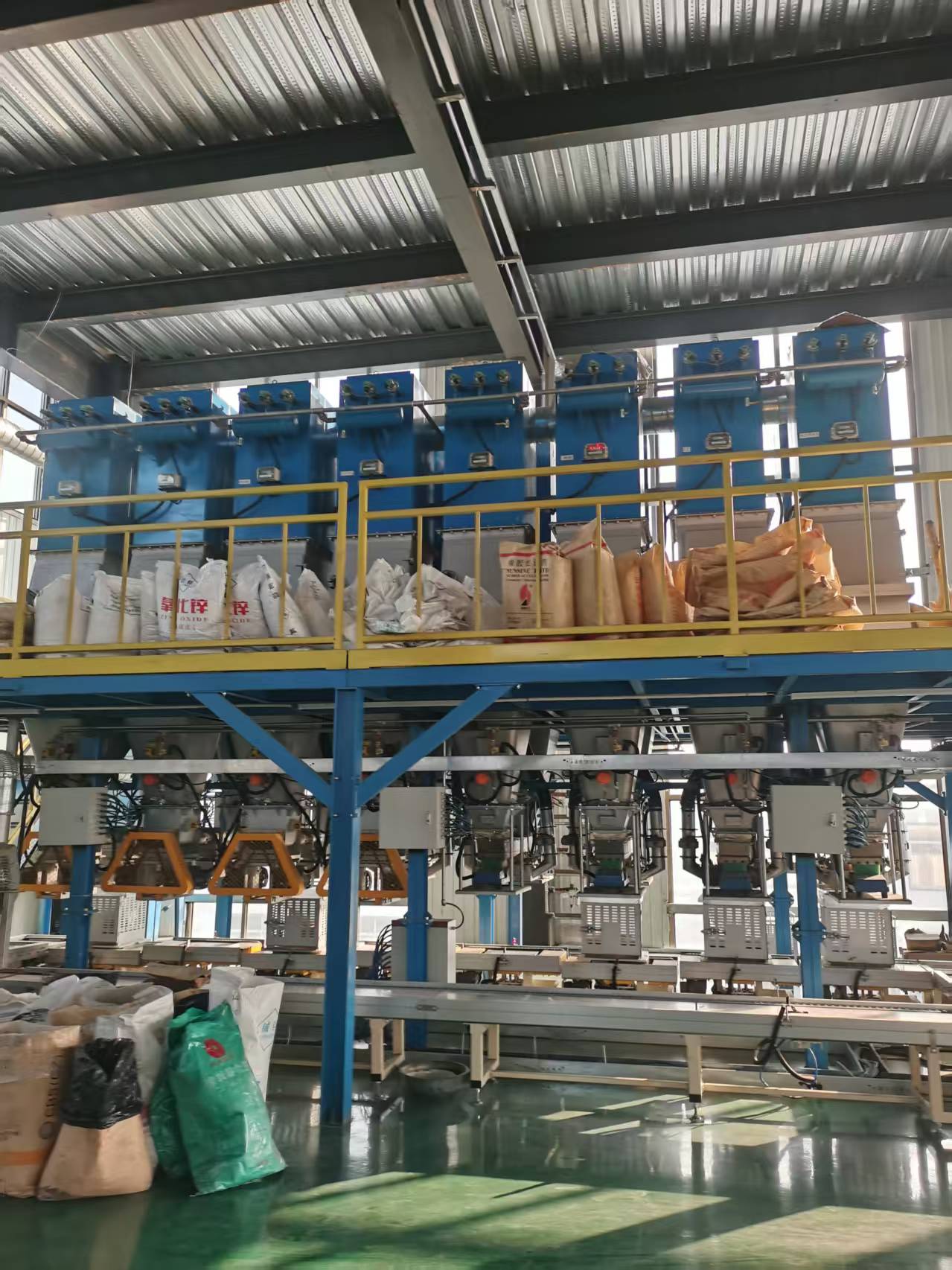
Proportioning Room of Mixing Center
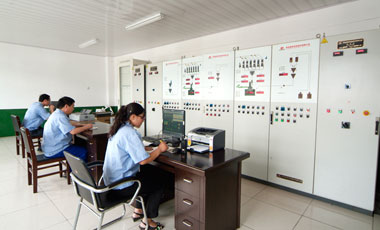
Proportioning System of Mixing Center
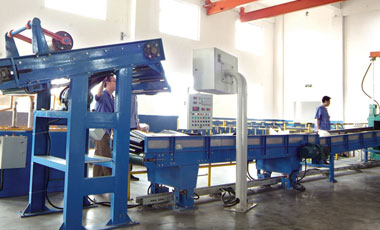
Feeding Device
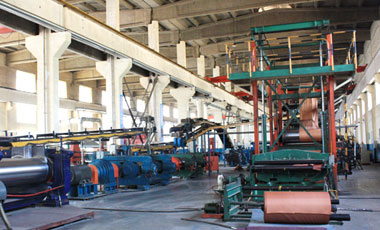
Calendering & Shaping Machine
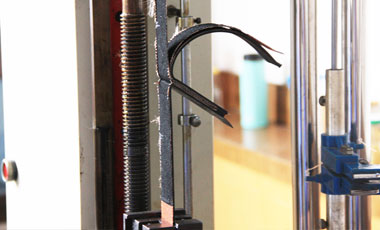
Peeling Test
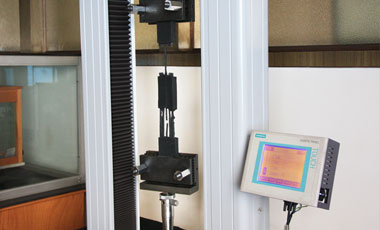
Steel Cord Pull-out Machine
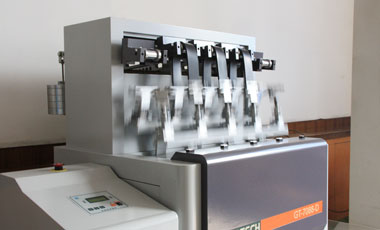
Dynamic Fatigue Tester
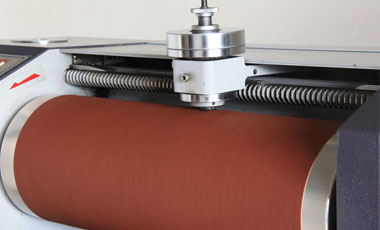
Abrasion Tester (DIN Standard)
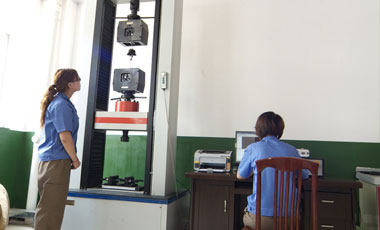
Abrasion Tester (ISO Standard)
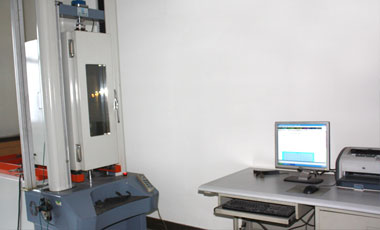
Physical Properties Testing
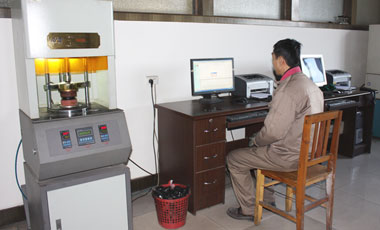
Quality Control Stress Test
Proof of performance in challenging settings across coal, steel, cement, and mixing plants.
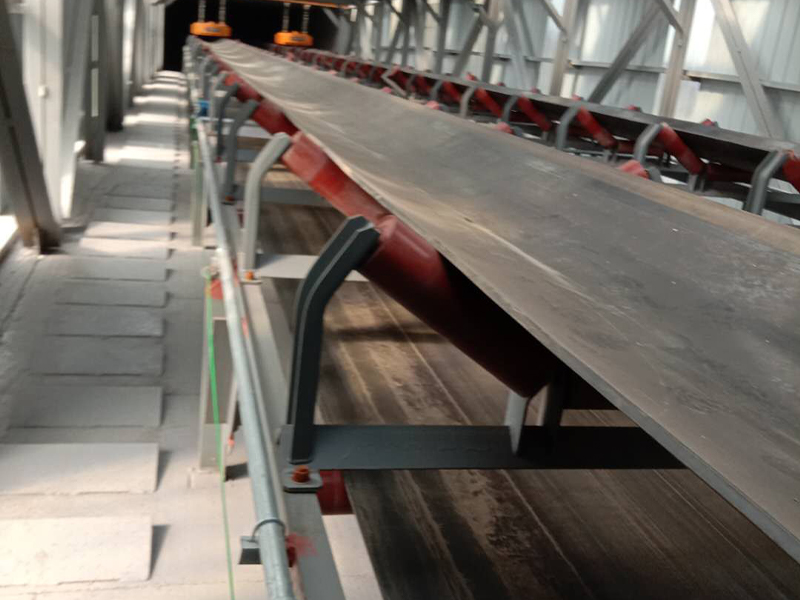
Taihang Steel
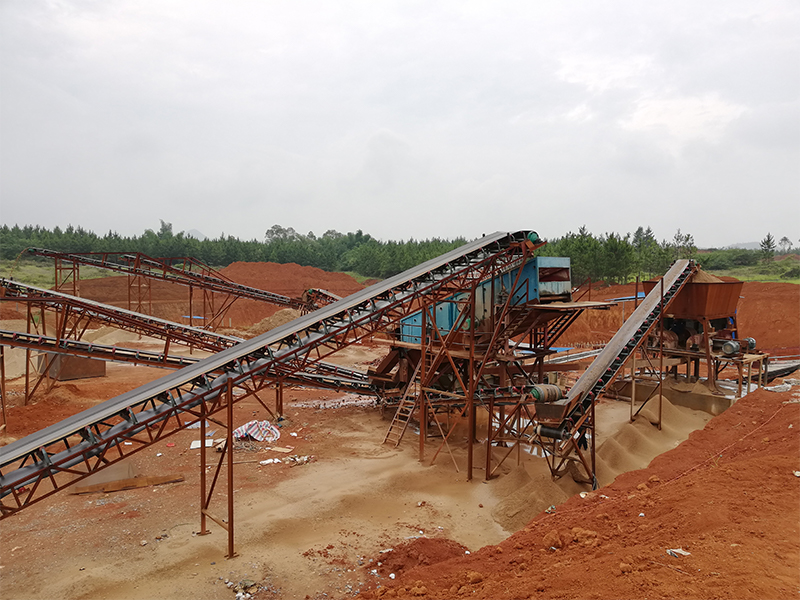
Tsingshan Group
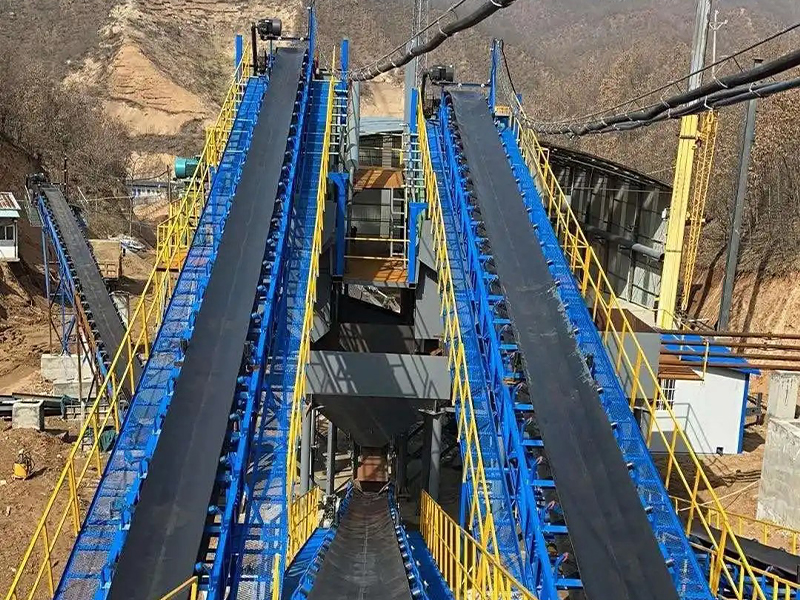
Zijin Mining
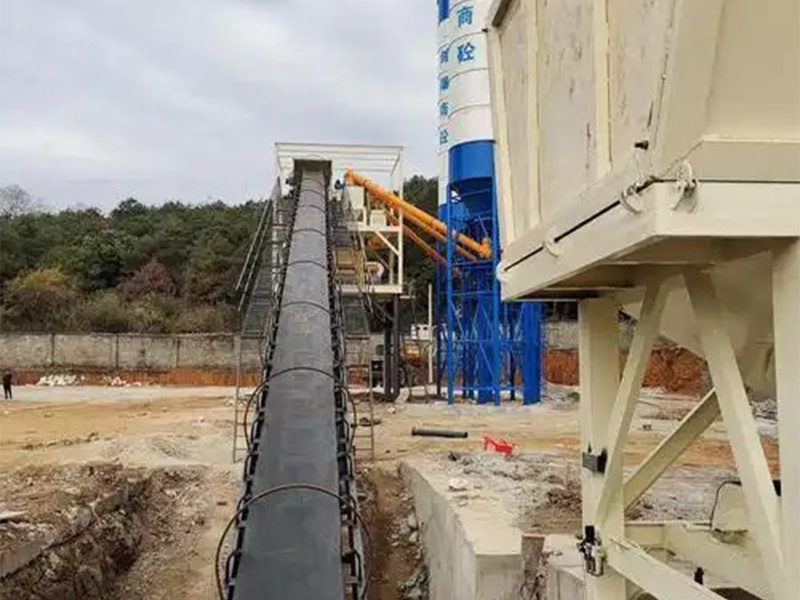
China Railway Group Mixing Plant
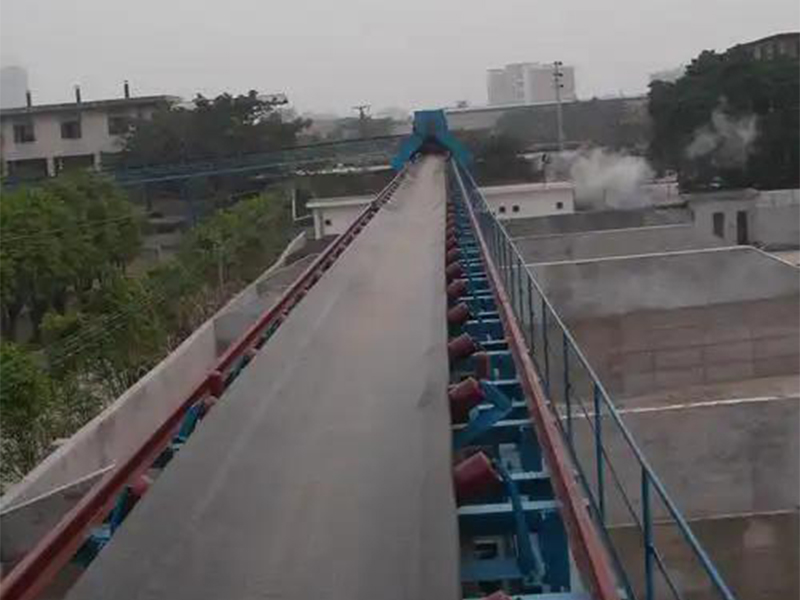
Conch Cement
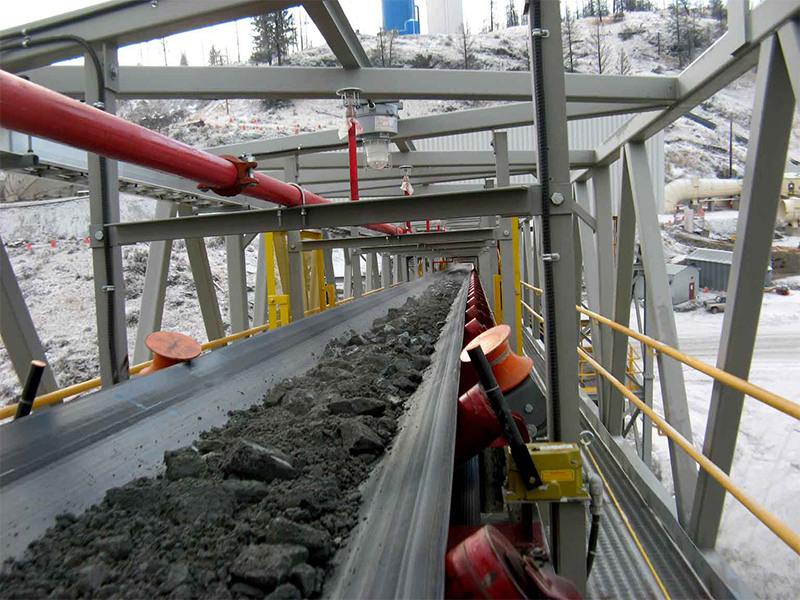
Datong Coal Group
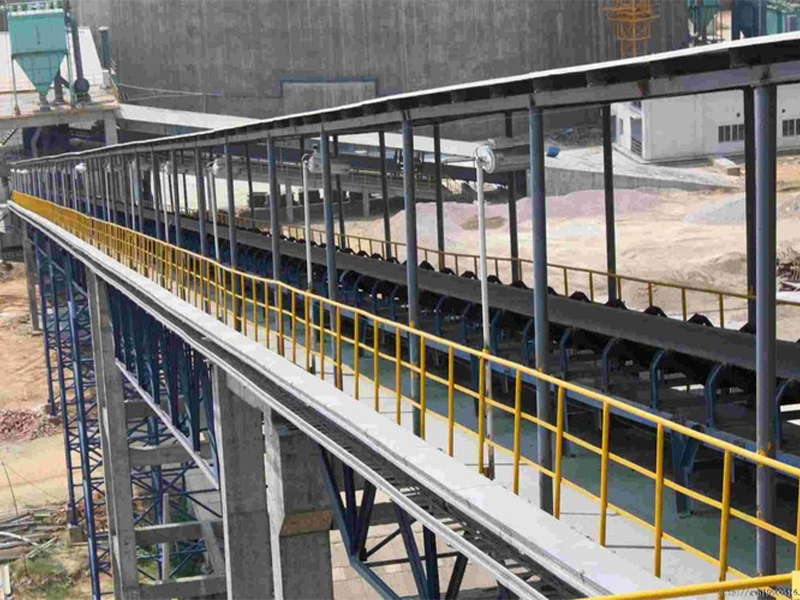
Jidong Cement Group
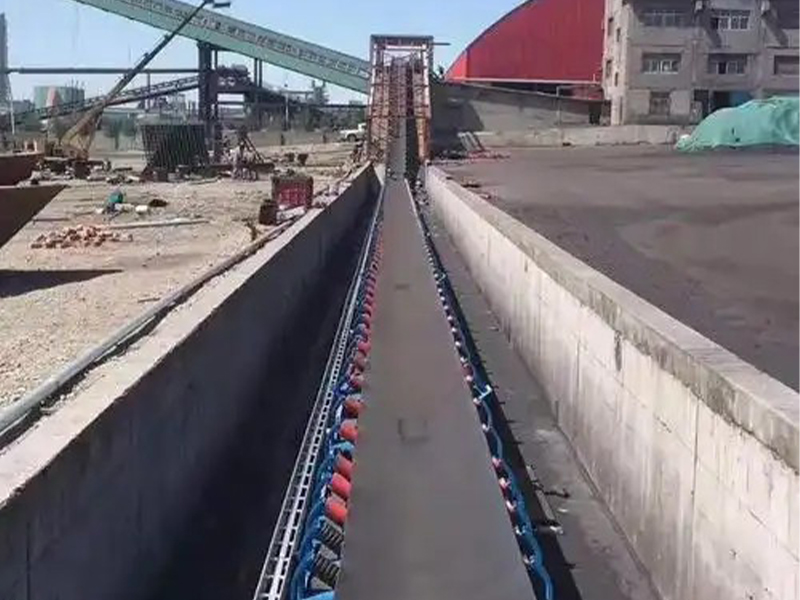
Jinmei Group Coal Conveying Line
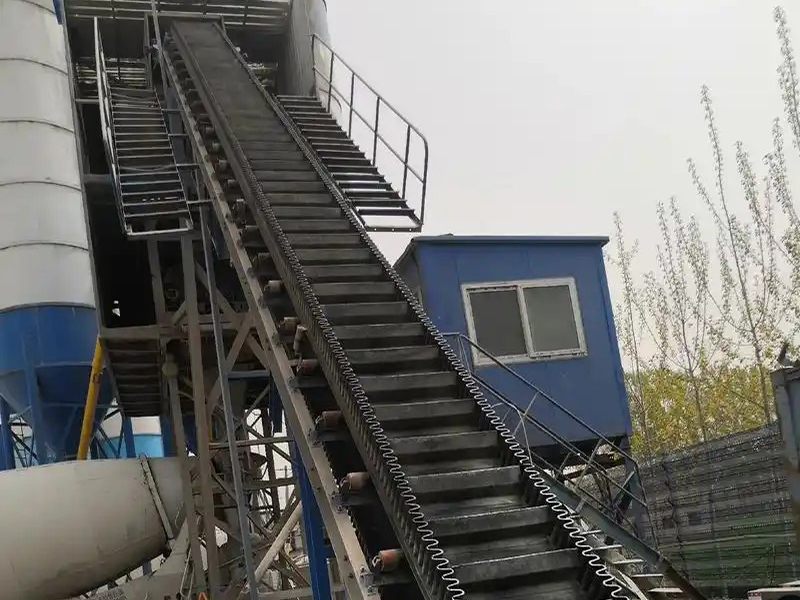
Puyang Steel Group
Skip the hassle of sourcing from multiple suppliers – our factory provides your ideal packaging and belt solutions all in one place.
Planned replacement, joint repair, routine thermal scans, thickness profiling, and emergency callouts for conveyor installations.
Supply of conveyor belts and rubber materials, safety stock guarantees, warehouse storage audits, hot/cold splice bonding, and emergency splice vulcanization.
Improve operational efficiency, minimize unplanned downtime, reduce fabric wear rates, and establish a mutual benefit model for raw material supply.
Customized maintenance schedules designed to extend operational lifecycle and control ongoing maintenance budgets.
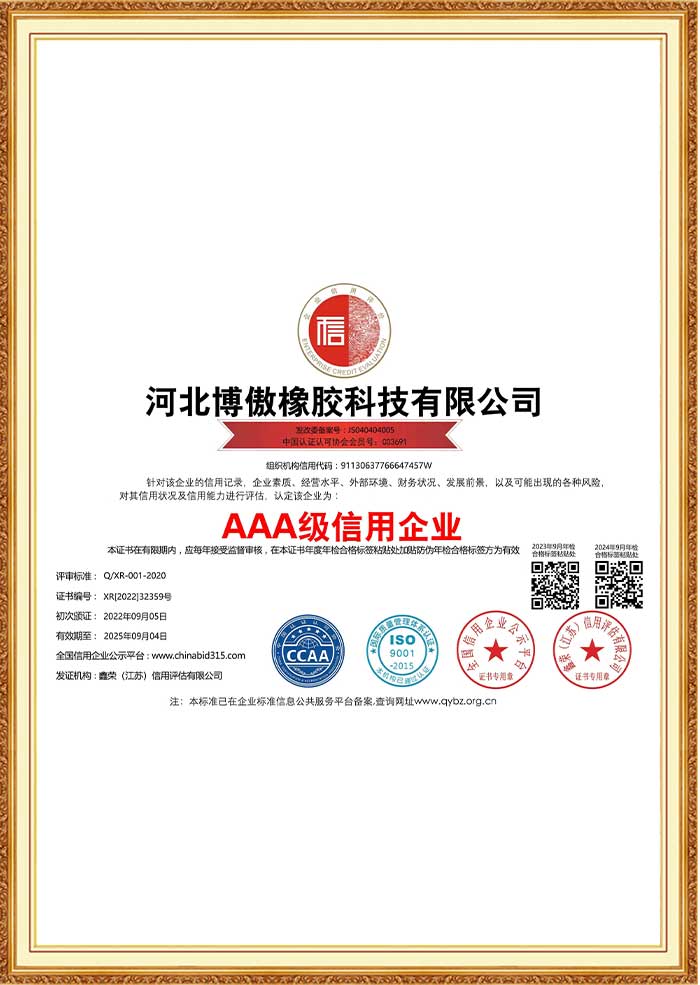
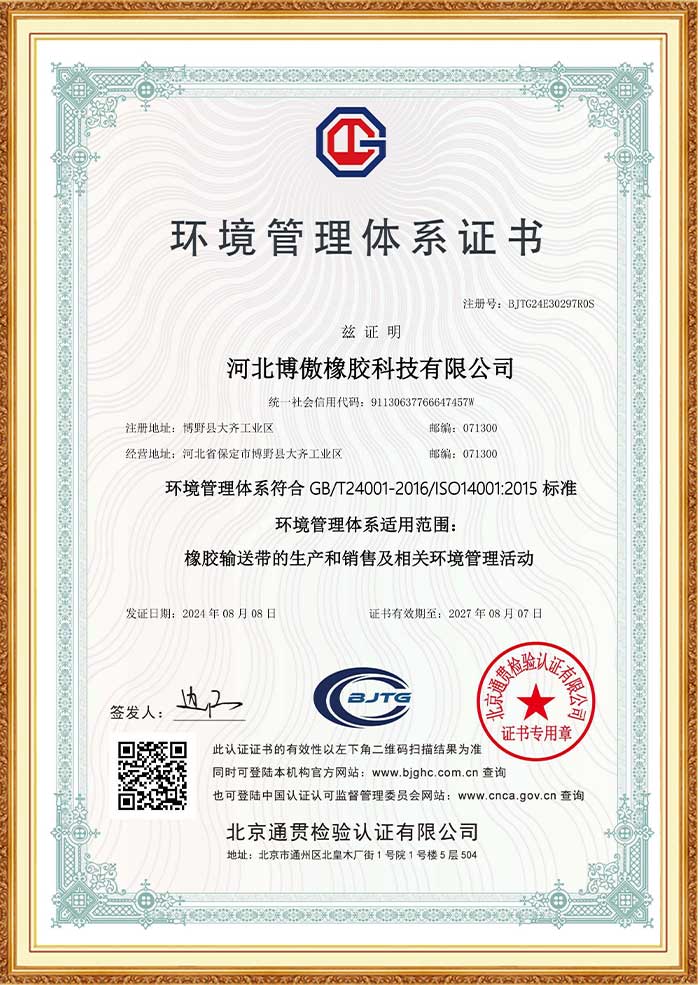
We maintain full compliance with major quality systems including API 6D, API 607, CE, ISO9001, ISO14001, ISO18001, and TS specifications.
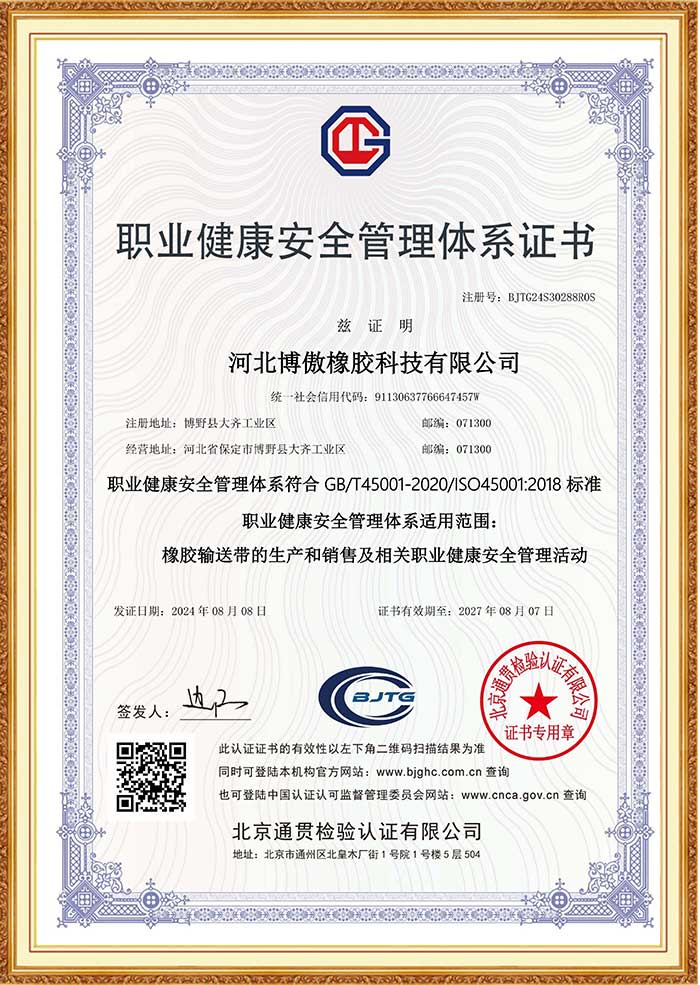
ISO9001 Certification
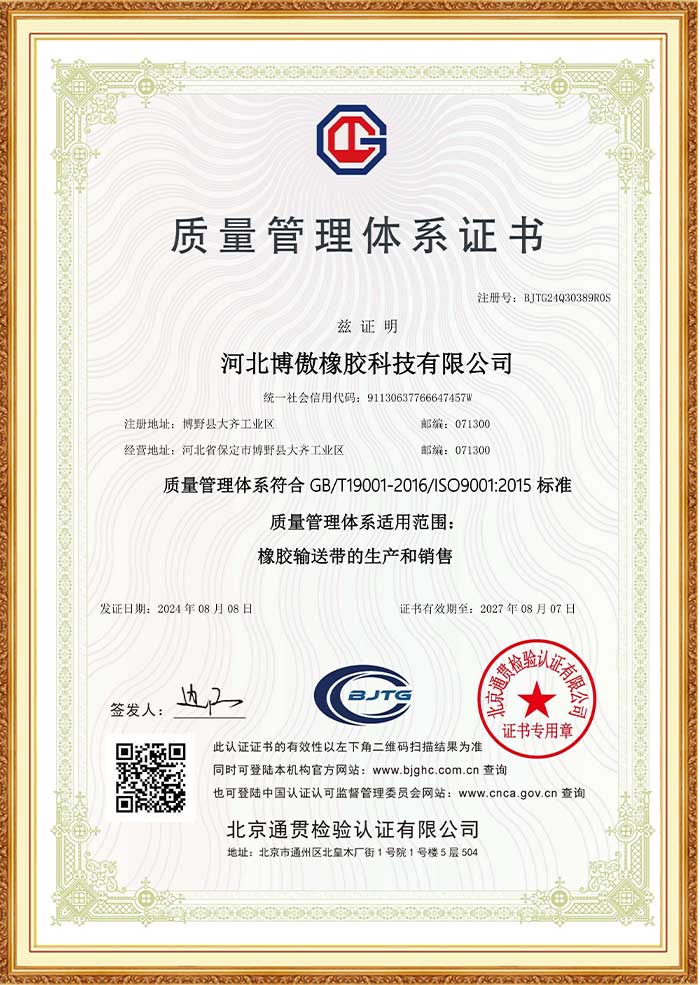
Environmental Safety Audit
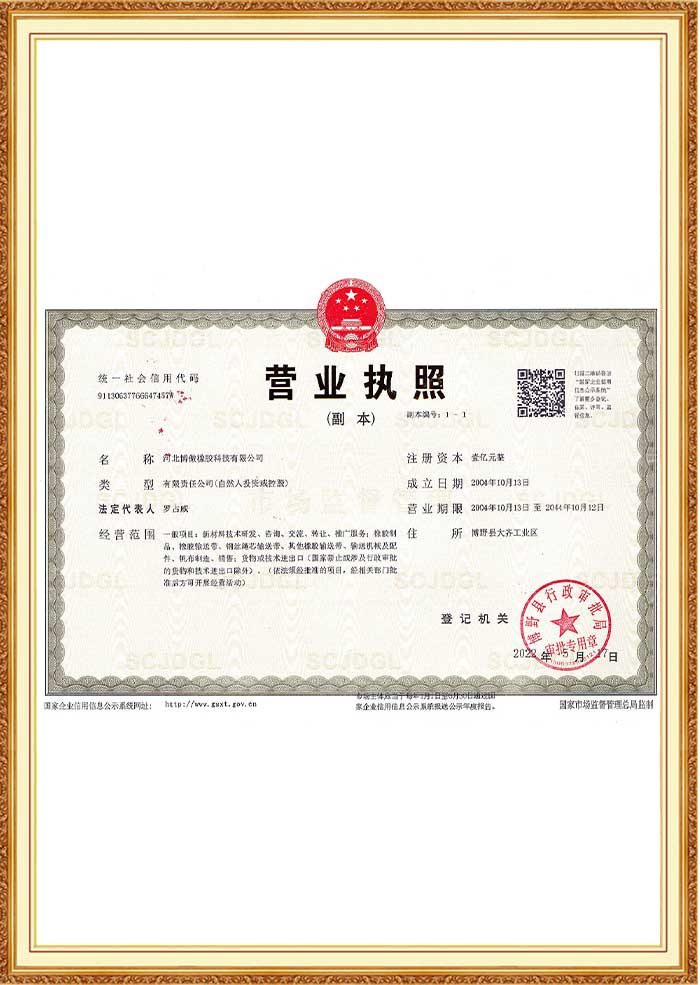
Health & Safety Standard
CE Conformity Certificate
Industry Compliance License
Comprehensive spectrum of rubber conveyor configurations, manufactured in-house to DIN and ISO standards.
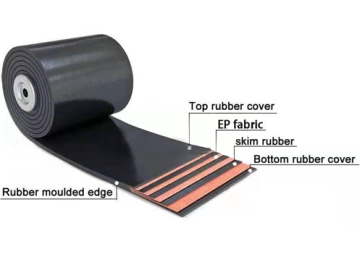
Features low structural elongation under load, high tensile strength, and excellent water resistance.
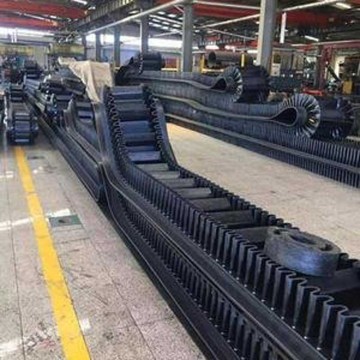
Equipped with sealed edges to prevent fabric fraying and seal raw edges against chemical moisture ingress.
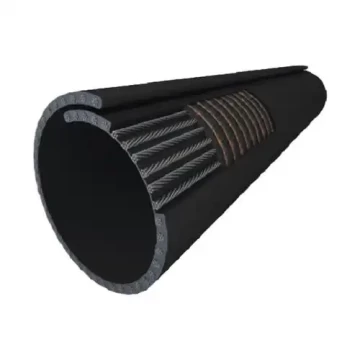
Wraps into a tubular profile for enclosed bulk handling, preventing environment dust pollution and material spillage.
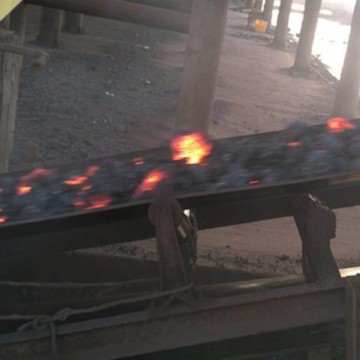
Engineered with synthetic polymers to withstand continuous high heat loads up to 200°C.
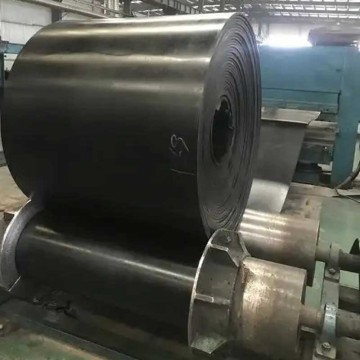
Maintains elastomer flexibility and cracking resistance at sub-zero operating environments down to -50°C.
Formulated with inert rubber polymers to resist swelling, degradation, and chemical leaching.
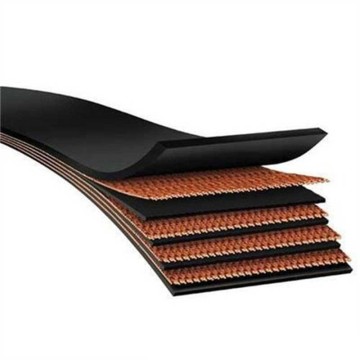
Provides structural elastic deformation recovery and high fatigue life under intense bending stress.
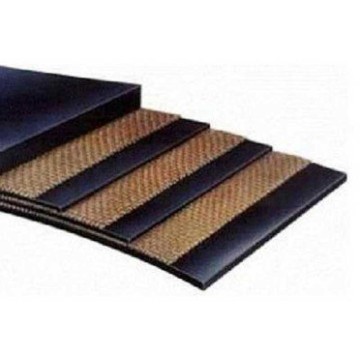
Cost-effective design for non-corrosive aggregates, minerals, and dry sand transportation.
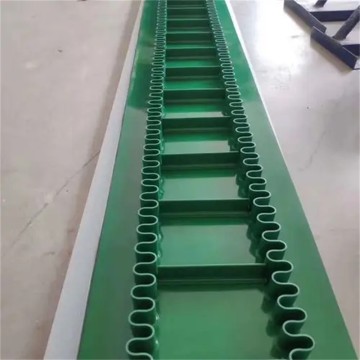
Hygienic and lightweight food-grade compound belts for manufacturing and packaging lines.
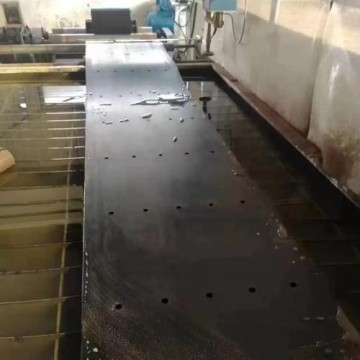
Specifically reinforced with rigid vertical webs and high shear strength layers for bucket elevator assemblies.
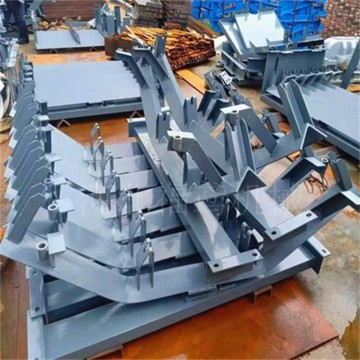
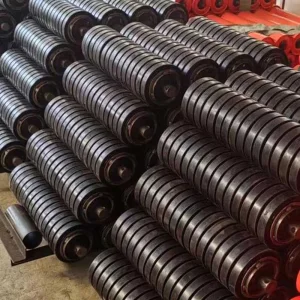
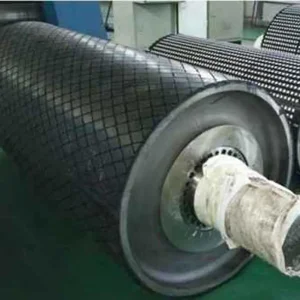
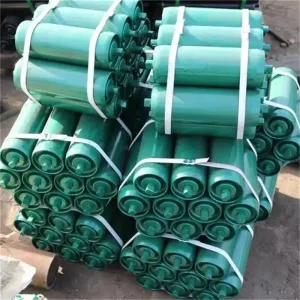
Industrial rollers designed for structural support, low rotational torque, and moisture resistance.
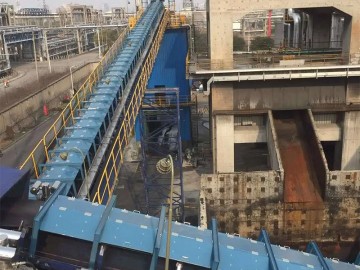
Self-extinguishing rubber formulations to meet underground mine safety guidelines.
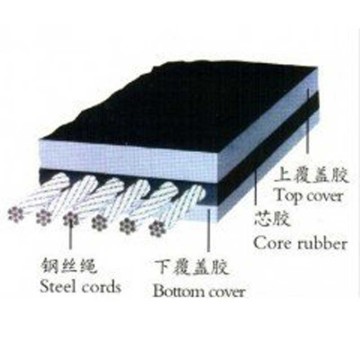
Reinforced with transverse steel wire cord matrices to prevent longitudinal splitting from sharp rocks.
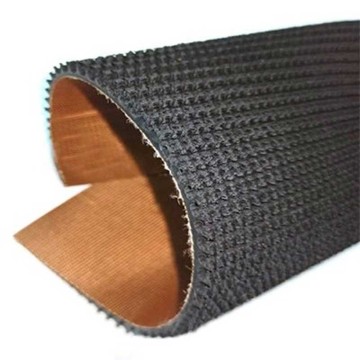
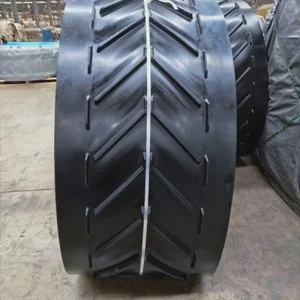
Molded chevron and herringbone profiles to prevent fallback on incline systems.
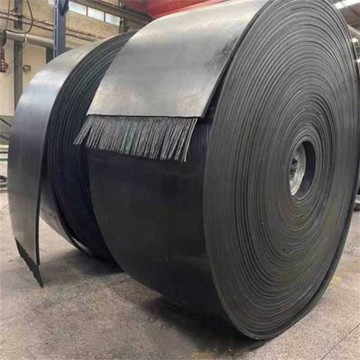
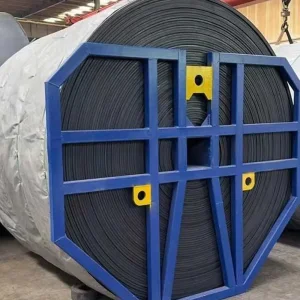
High longitudinal strength and minimal elongation for heavy bulk transport over long-distance land routes.
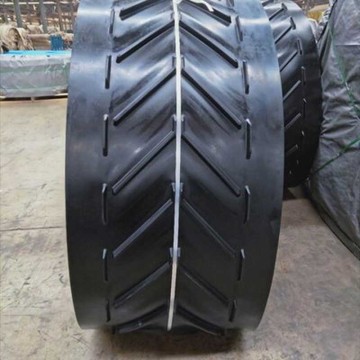
Designed for high-inclination bulk transport, helping prevent material rollback.
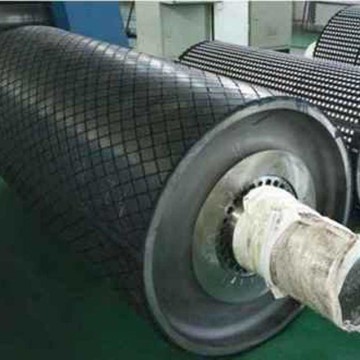
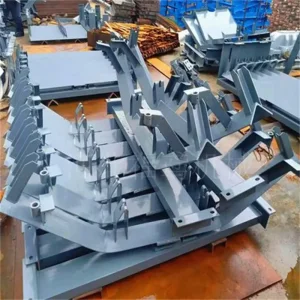
Engineered support structures designed to form optimal trough shapes for bulk material containment.
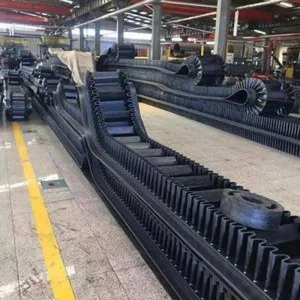
Integrated corrugated sidewalls and transverse cleats to enable vertical lifting up to 90 degrees.
Technical guidance from Boao's application engineers on selection, installation, and optimization.
We are committed to providing you with the highest quality products and excellent services. If you have any questions or need assistance with our products, please feel free to contact us and we will be happy to serve you.
Explore our complete product catalog for specialized industrial applications.
 Boao Rubber