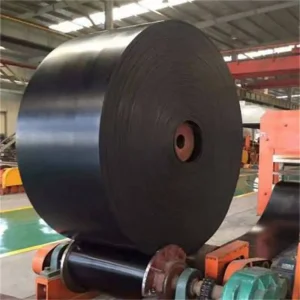
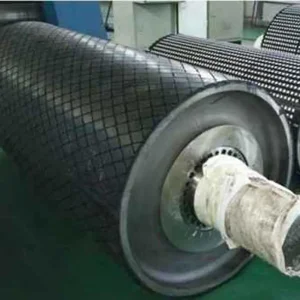
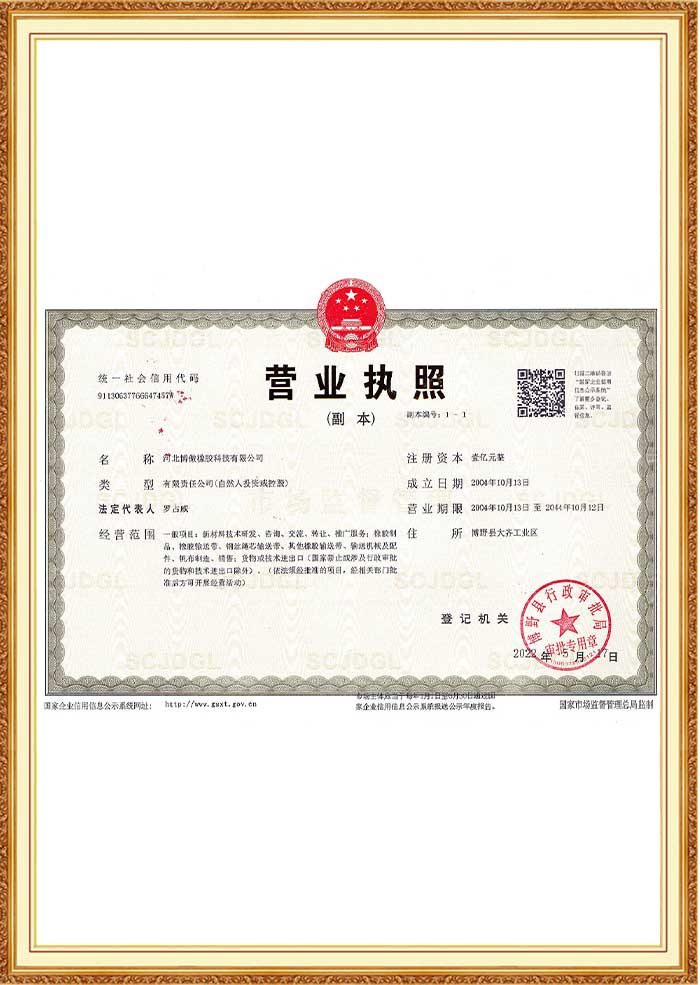
Founded in 2004, Hebei Boao Rubber Technology Co., Ltd. (operating under our hallmark brand "Jinao") stands as a leading global designer and manufacturer of high-performance conveyor systems and industrial rubber components. Spanning across 30+ acres in the Rubber Industrial Park of Boye County, Baoding, Hebei Province, our enterprise integrates state-of-the-art polymer formulation research with advanced manufacturing architectures.
Our processing capacity utilizes multi-stage calendar systems, heavy-duty hot vulcanization presses, and complete automated steel wire rope core tensioning arrays. Backed by 22 Years of Experience, Hebei Boao supports primary industrial logistics in ports, metallurgy, cement plants, mining, and power generation. We ensure that heavy bulk handling operations remain uninterrupted through structural innovation and chemical resistance.
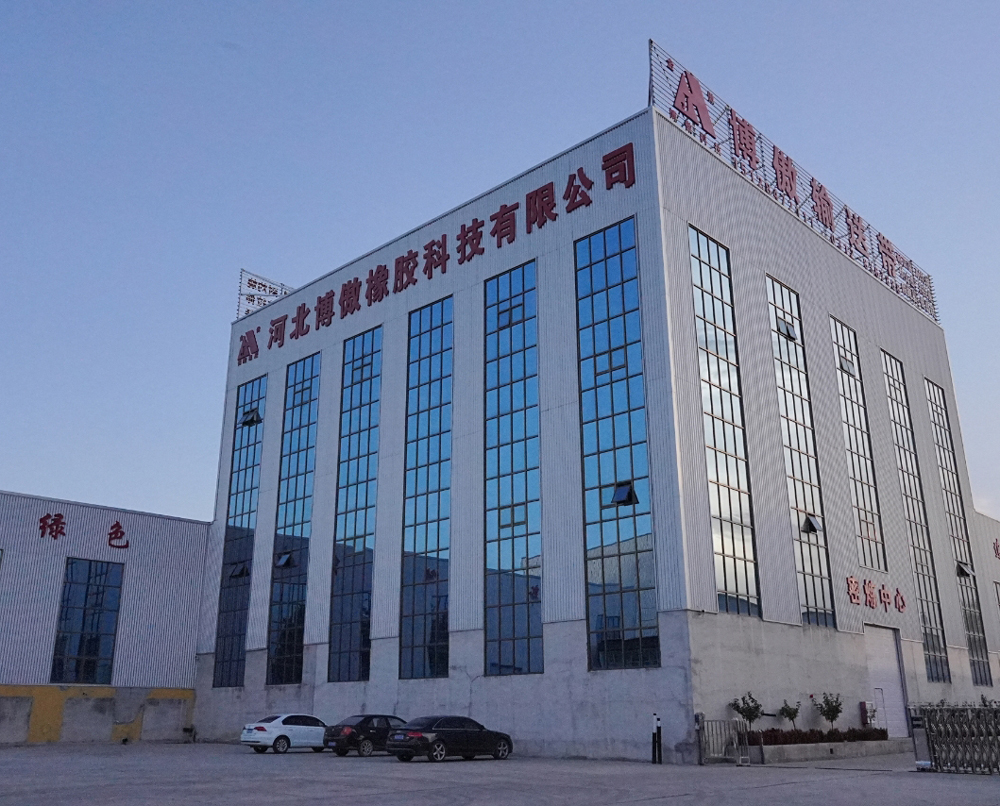
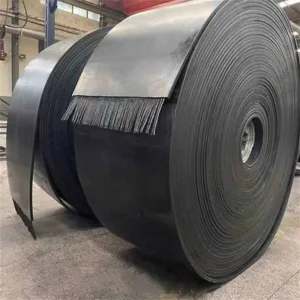
Industrial operations require heavy-duty wide rubber belts that can withstand extreme environmental conditions, abrasion, chemical exposure, and mechanical load. Below is an overview of the key performance criteria for demanding bulk transport applications.
Heavy mining aggregates, clinker, and sharp metal ores subject conveyor surfaces to continuous high-energy impacts. We design integrated rip-stop barriers and cross-rigid textile matrices within our wide rubber belts to arrest tears before they lead to structural failures.
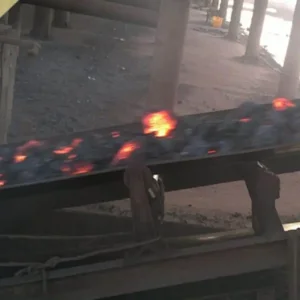
Transporting hot materials, such as sintered ore and cement clinker, can lead to thermal degradation. Our heat-resistant compounds utilize high-molecular-weight EPDM structures that resist cracking, hardening, and core delamination up to 250°C continuous service limits.
In fertilizer processing and maritime port terminals, exposure to acidic fertilizers, wet salts, and alkaline solutions causes premature compound aging. Our specialized rubber formulations resist environmental stress cracking and prevent ply-separation.
Our systems are engineered for high performance in demanding industries, supporting continuous operations and large-scale bulk logistics.
Continuous iron ore feeding systems require belts with high temperature and abrasion resistance. Leading enterprises such as Taihang Steel and Puyang Steel Group rely on our custom-compounded wide rubber belts to transport hot sintered ore directly from ovens to cooling towers.
In high-capacity extraction plants operated by Zijin Mining and Tsingshan Group, our high-tension steel wire rope core conveyor belts transport raw mineral deposits over long distances, offering high resistance to continuous impact and edge wear.
In cement manufacturing plants like Conch Cement and Jidong Cement Group, hot materials accelerate normal cover wear. Our specialized belts feature high hot-load life cycles, minimizing plant downtime during clinker transport.
Additional Industrial Collaborations Include: China Railway Group Mixing Plants, Datong Coal Group, and Jinmei Group Coal Conveying Lines.
Our engineering services tailor every aspect of conveyor belt construction to specific operation parameters. From the selection of tensile reinforcement to the chemical synthesis of cover rubbers, we match specifications to precise structural loads.
| Belt Type | Reinforcement Core | Tensile Rating (N/mm) | Key Cover Compound Options | Primary Performance Standard |
|---|---|---|---|---|
| EP Conveyor Belts | Polyester Warp + Nylon Weft | 100 - 630 N/mm per ply | SBR/NBR (Abrasion, Oil Resist) | DIN 22102, ISO 14890 |
| Nylon (NN) Belts | Nylon Warp + Nylon Weft | 100 - 500 N/mm per ply | High Elasticity Natural/SBR blends | GB/T 7984, BS 490 |
| Steel Cord (ST) Belts | Zinc-Coated Steel Wire Rope | ST500 - ST5400 N/mm | Flame Retardant, High Impact Rubbers | DIN 22131, ISO 15236 |
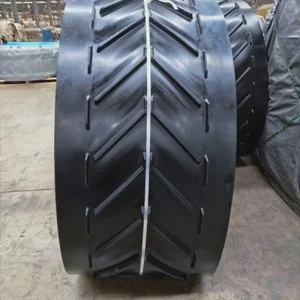
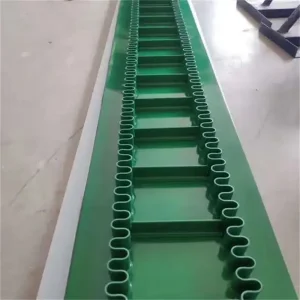
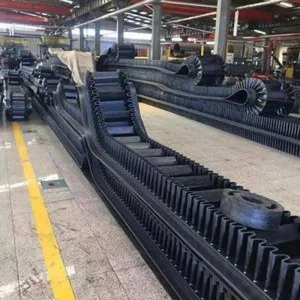
| High Inclination & Sidewall | Cross-Rigid Fabric / Steel Cord | Custom Multi-ply Engineered | Anti-static, Moderate Oil & Temp | ISO 340, DIN 22109-1 |
For wide conveyor installations (widths up to 2400 mm), our structural engineers optimize vertical transition distances and troughing geometry to prevent edge stress and belt buckling. This detailed approach improves tracking stability and minimizes material spillage under high-load conditions.
At Hebei Boao Rubber Technology, we maintain a dedicated chemical analysis facility and physical testing laboratory. Our quality control system monitors every stage, from raw elastomer and cord procurement to vulcanization and final packaging.
To ensure high standards of performance and reliability, we perform rigorous tests including:
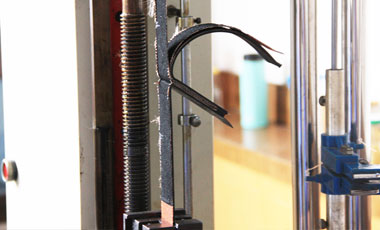
Inter-ply Adhesion Test
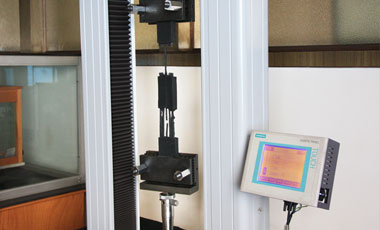
Steel Cord Adhesion Test
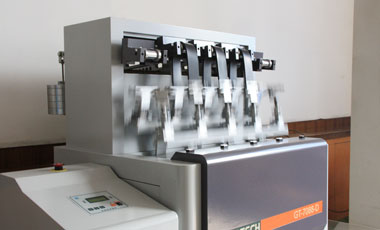
Dynamic Fatigue Chamber
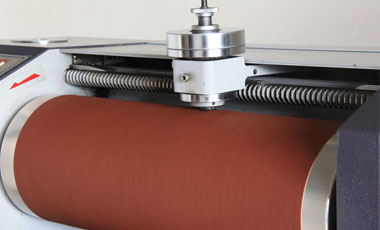
Standard DIN Abrasion Test
Our research and development program focuses on long-term efficiency, lower maintenance costs, and reduced environmental impact.
Overland long-distance conveyors consume significant power overcoming indentation rolling resistance. Our engineering teams have developed specialized backing rubber compounds that lower power consumption by up to 15%, reducing energy costs for bulk transport operators.
We offer wide rubber belts with integrated RFID sensors and transponder coils. These systems provide real-time rip detection and continuous scan tracking, helping operators identify mechanical issues early and schedule preventive maintenance to avoid unplanned stops.
For safety in underground coal mining and enclosed gallery conveyors, we use halogen-free, self-extinguishing flame-retardant (FR) rubber compounds. These formulations limit toxicity and smoke density, complying with global underground safety codes.
We provide comprehensive engineering services to support system efficiency and extend the lifecycle of your conveyor belts:
Our service teams assist with dynamic vulcanization splicing and mechanical alignment checks, ensuring flat tracking across tension configurations.
We work with global distributors to coordinate warehouse stock reserves, ensuring reliable component availability for scheduled conveyor system overhauls.
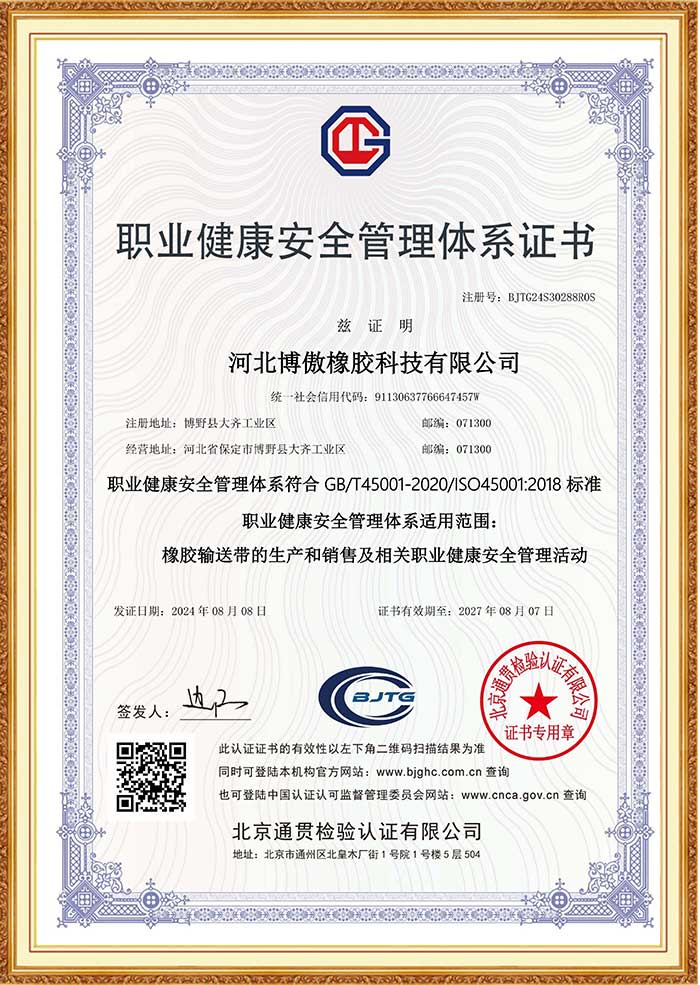
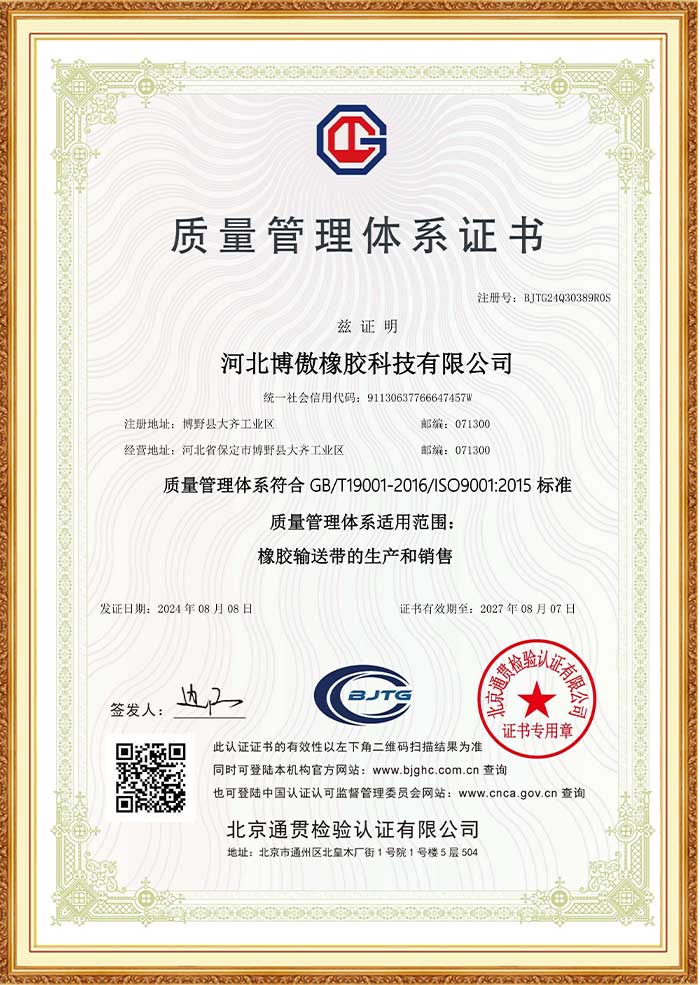
Our products conform to major international testing standards, including API 6D, API 607, CE, ISO9001, ISO14001, and ISO45001.
 Boao Rubber