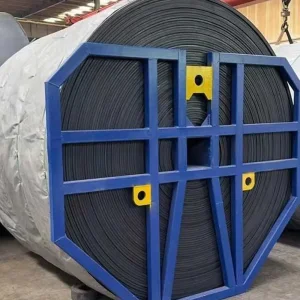
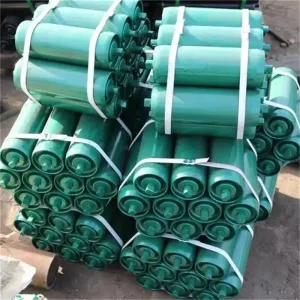
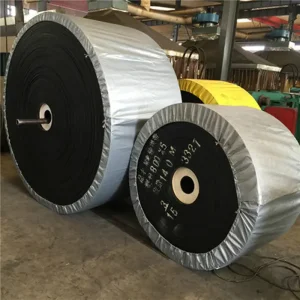
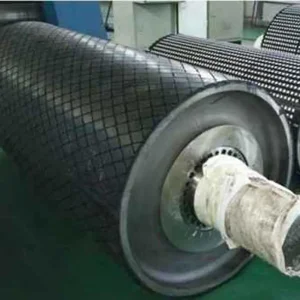
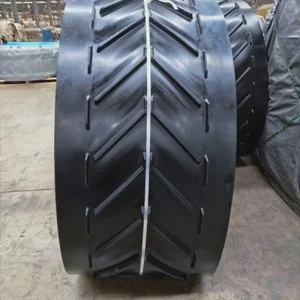
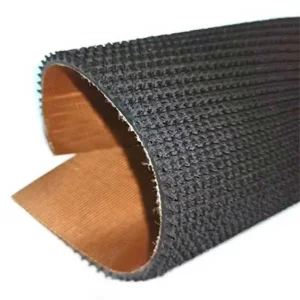
Explore our high-performance conveyor systems and component solutions engineered to withstand critical thermal and abrasive forces.
In modern high-capacity mineral recovery and bulk solids transportation, industrial hazards represent the most significant threat to both operational continuity and workforce safety. Specifically, fire safety within underground coal mines, thermal power generating stations, and grain terminals has evolved from a local regulatory concern to a global compliance imperative. When handling combustible substrates, a minor thermal ignition source can translate into a catastrophic underground run-away conflagration. It is within this hazardous crucible that the whole-core flame-retardant conveyor belt stands as the primary line of defense.
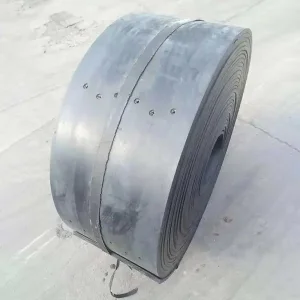
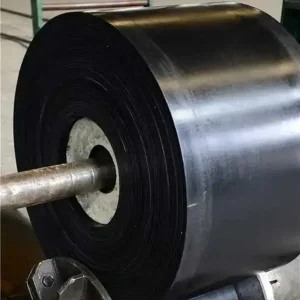
Conventionally layered multi-ply belts utilize adhesive interfaces that are prone to delamination and ply-separation under heavy impact and high shear. In contrast, solid woven (whole-core) conveyor belts eliminate these mechanical points of failure by impregnating a single, highly integrated woven textile matrix with a specialized Polyvinyl Chloride (PVC) or Nitrile-modified PVC-Rubber compound (PVG). This monolithic design not only prevents ply delamination but dramatically halts flame propagation. By integrating advanced fire-retardant chemistry directly into the elastomer formulation, whole-core belts act as self-extinguishing systems that satisfy the stringent demands of global testing bodies like the Mine Safety and Health Administration (MSHA), the European Committee for Standardization (CEN), and national safety frameworks across Australia, South Africa, and South America.
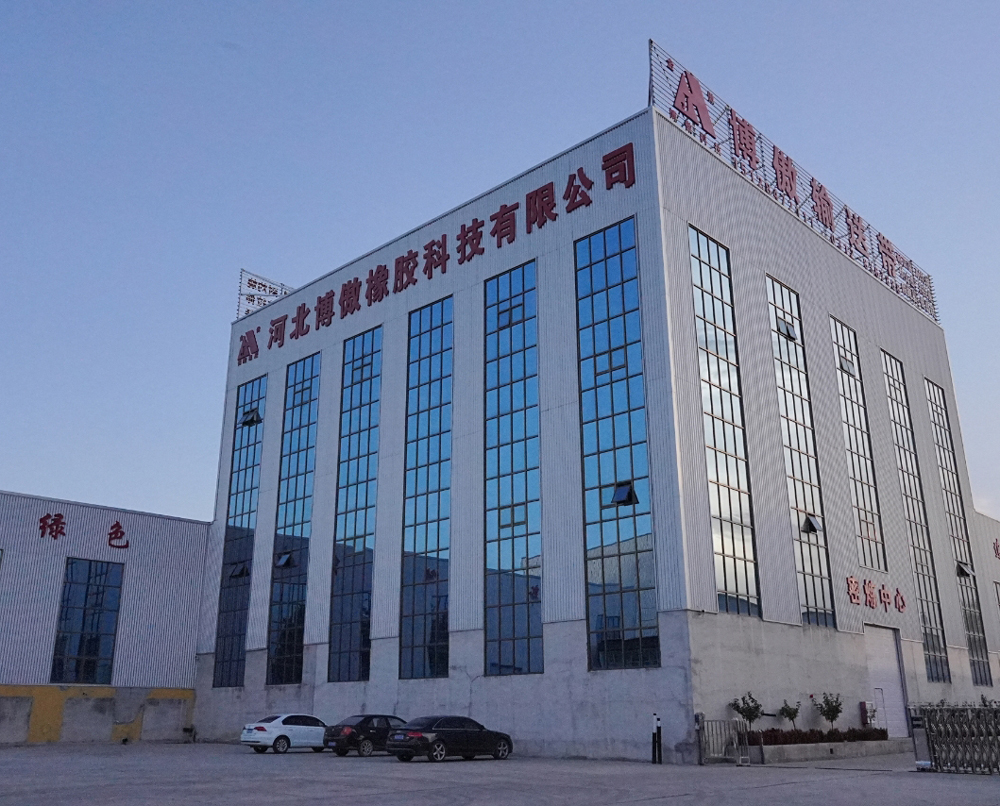
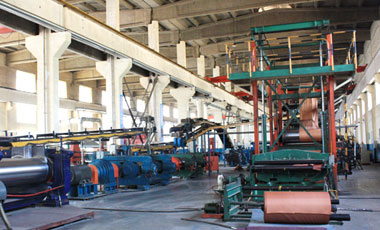
Founded in 2004 and spanning over 30 acres within the specialized Rubber Industrial Park of Boye County, Baoding, Hebei Province, Hebei Boao Rubber Technology Co., Ltd. has established itself as an authoritative leader in the development, formulation, and manufacture of high-performance conveyor systems. Guided by our signature "Jinao" brand, we integrate advanced macromolecular research, structural design, and state-of-the-art vulcanization systems to deliver bespoke solutions for the most challenging bulk transportation environments.
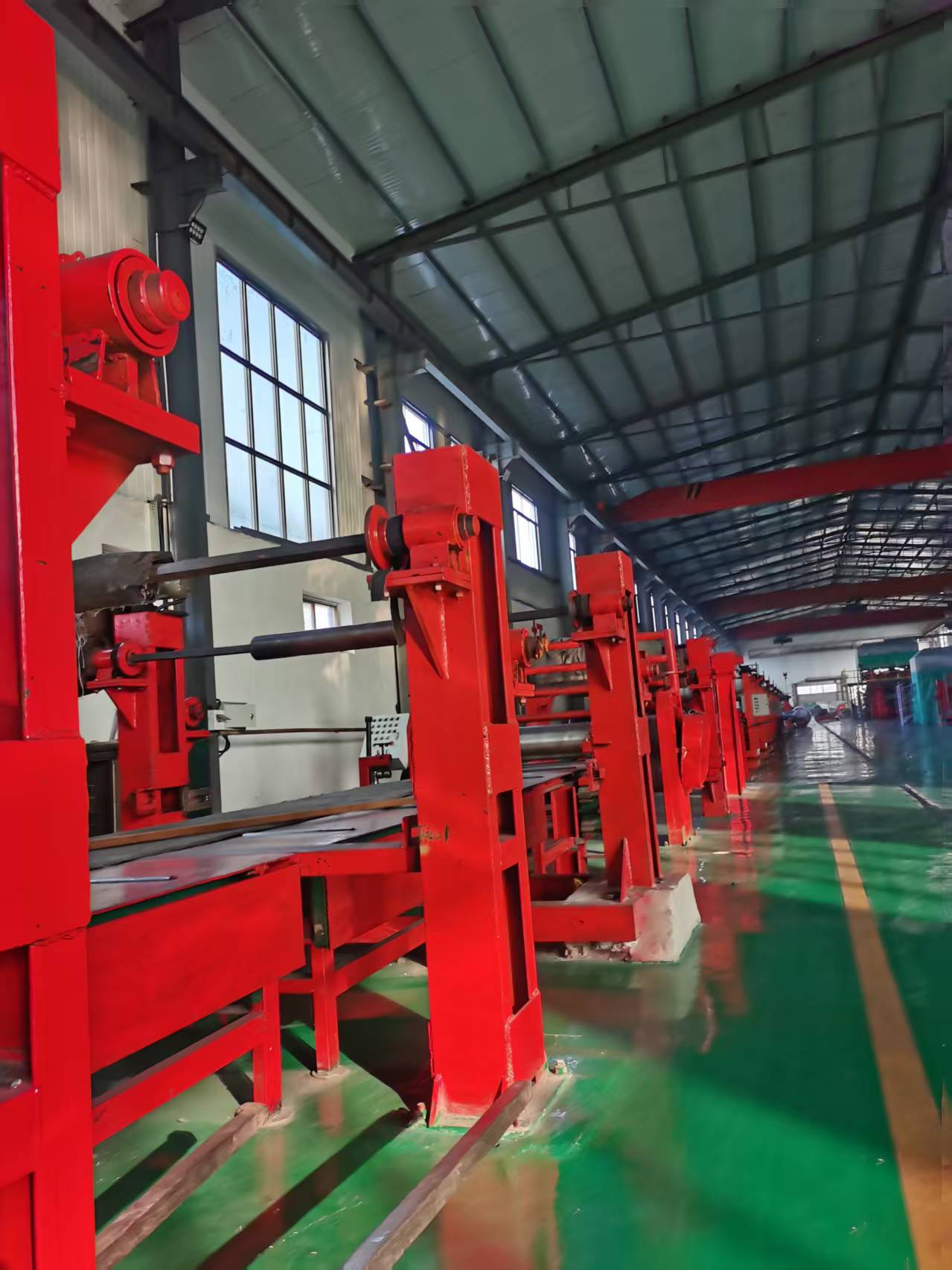
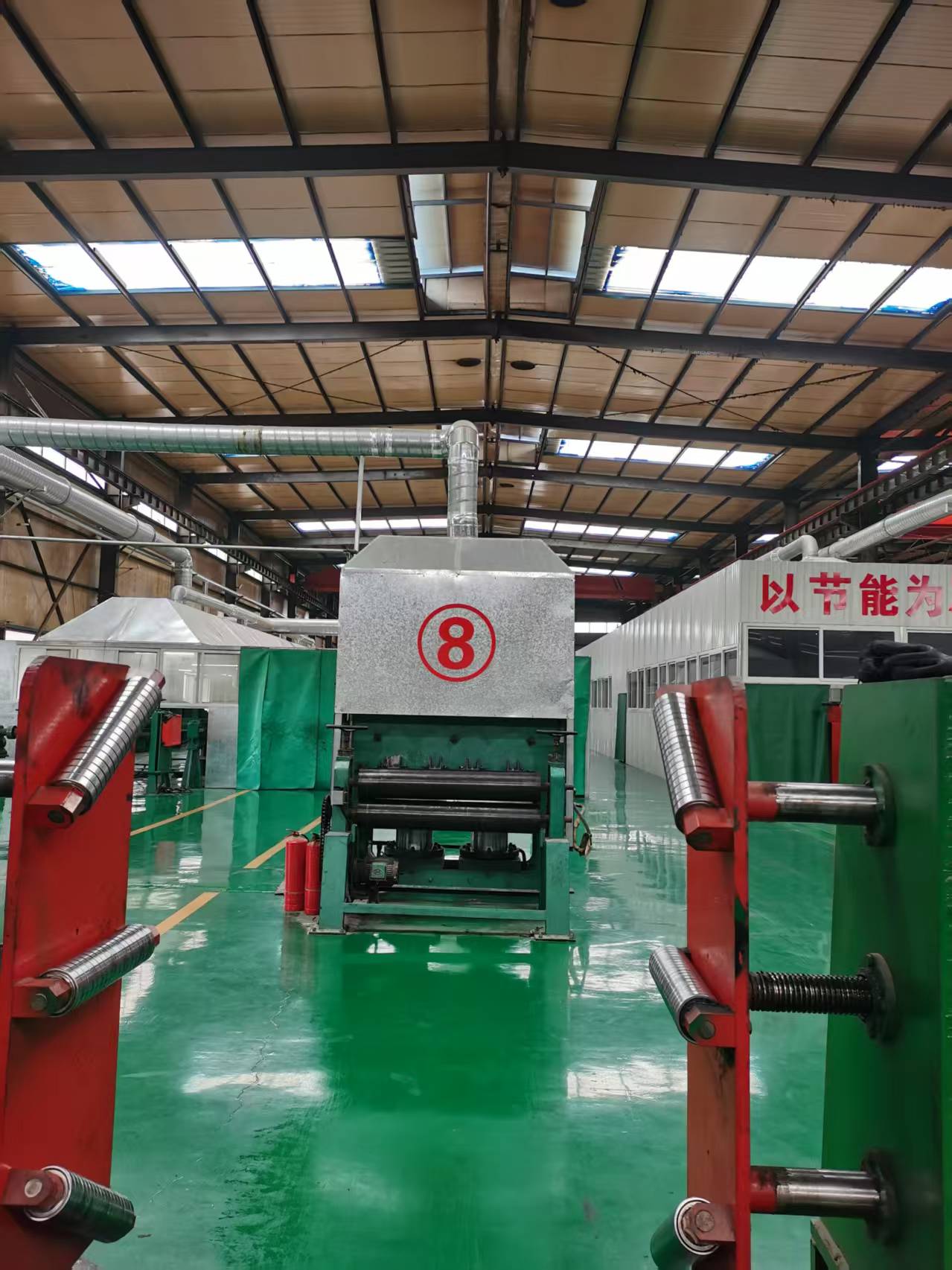
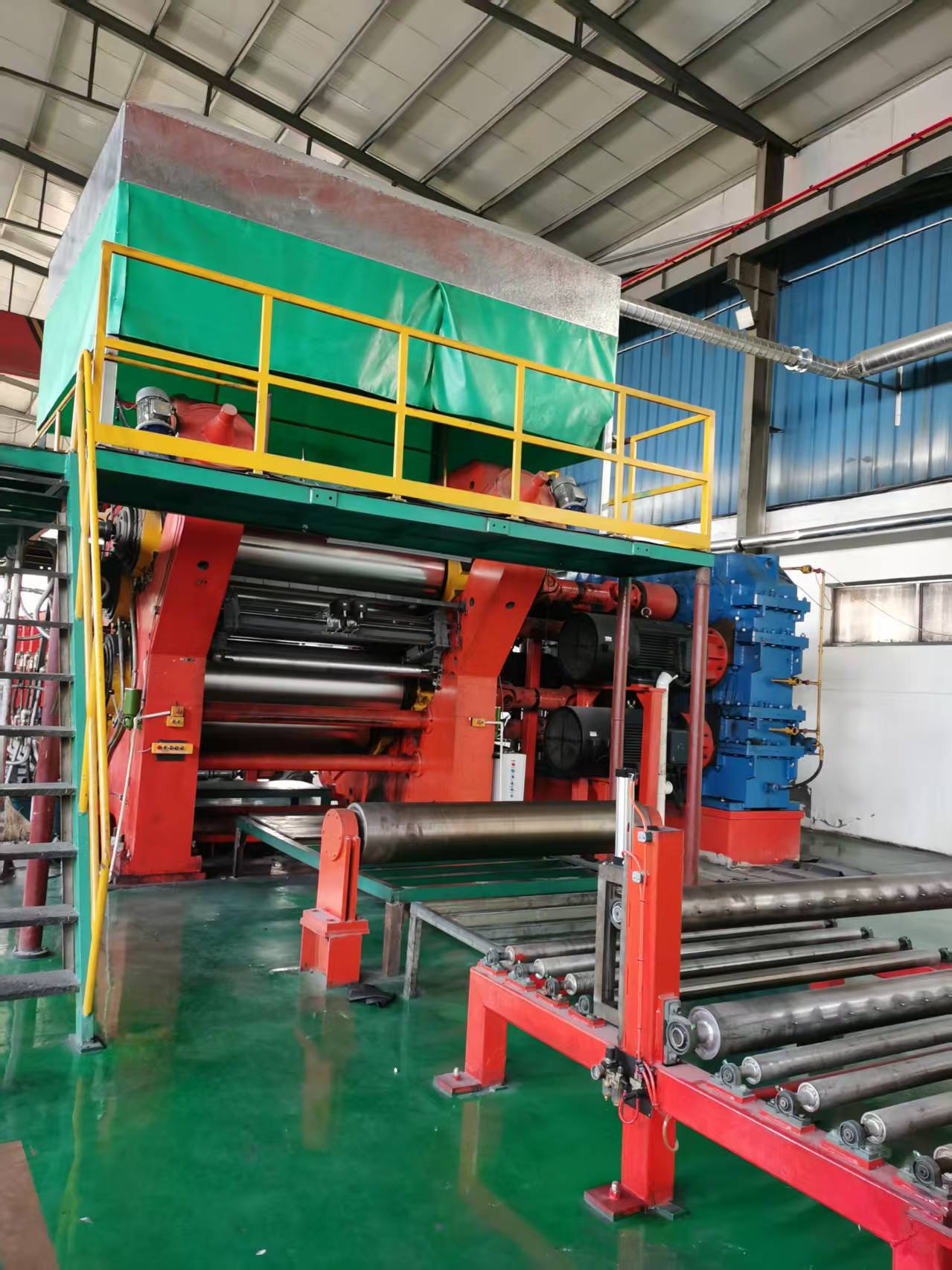
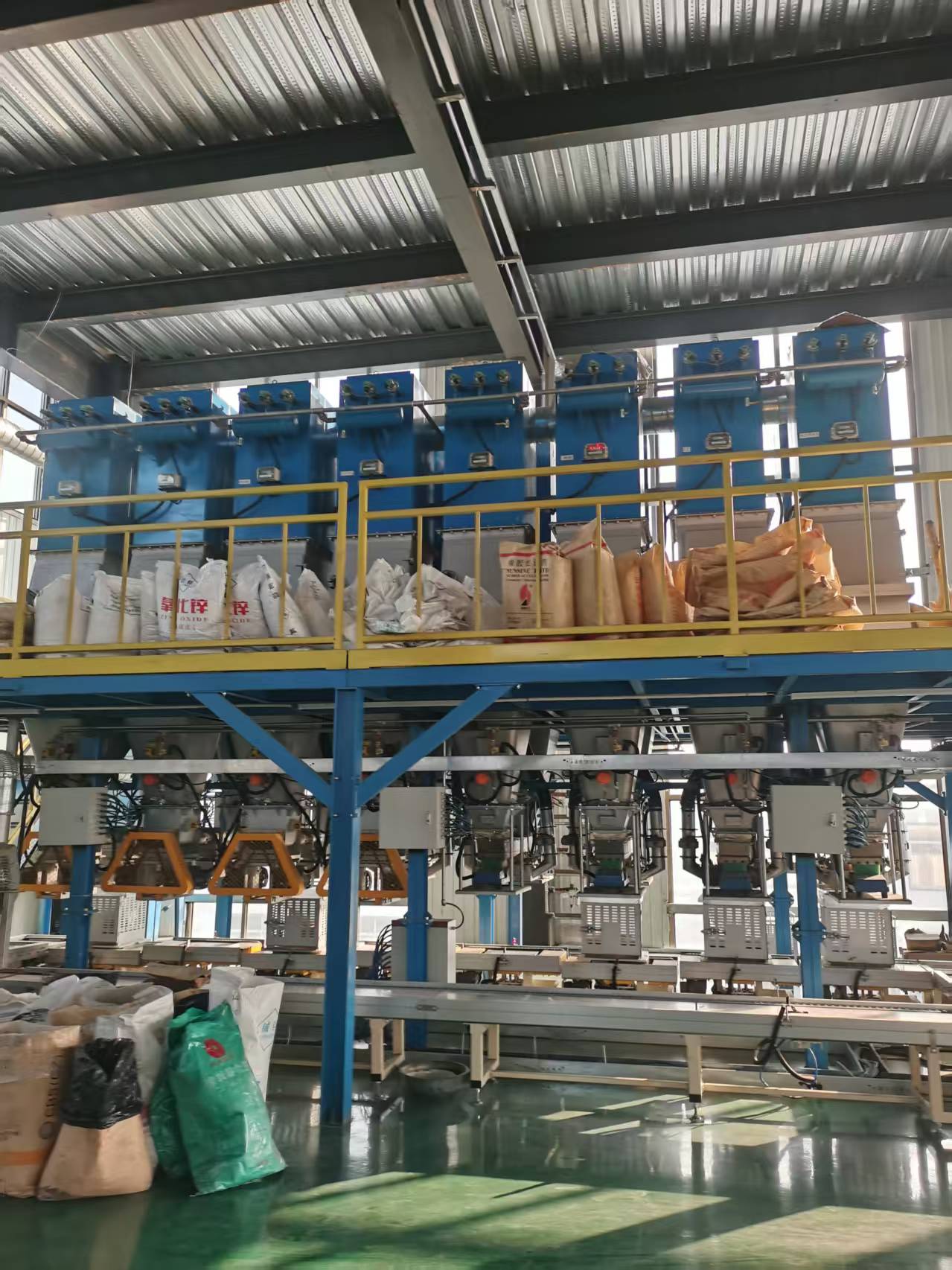
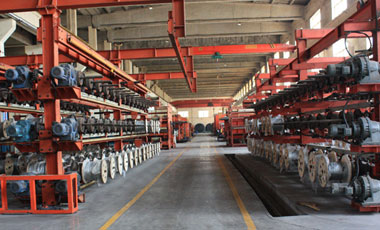
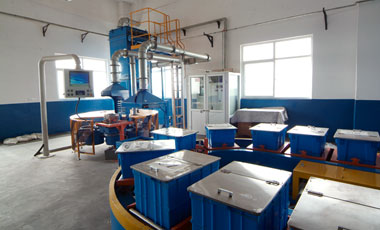
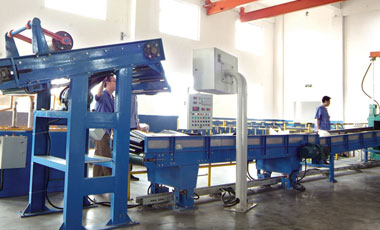
Our facility houses multiple advanced automated production lines for raw compounding, calendering, solid weaving, and vulcanization. As an ISO-certified manufacturer, we control the entire lifecycle of production, verifying the technical integrity of our output from raw polymer and high-tensile polyester yarn acquisition to final delivery of cured belting systems. This total integration guarantees that every shipment is backed by verifiable test metrics and engineered reliability.
To optimize conveyor layouts for specific industrial environments, operators must understand the primary structural variations within whole-core belting. Selecting the appropriate impregnation compound impacts the belt's coefficient of friction, mechanical splice strength, abrasion resistance, and incline capacity.
| Performance Characteristic | Whole-Core PVC Flame-Retardant Belt | Whole-Core PVG Flame-Retardant Belt | Standard Multi-Ply Rubber Belt |
|---|---|---|---|
| Elastomeric Cover Compound | Pure Polyvinyl Chloride (PVC) | Rubber-modified PVC (Nitrile Blend) | SBR / Natural Rubber |
| Carcass Structure | Monolithic Solid Woven Polyester/Nylon | Monolithic Solid Woven Polyester/Nylon | Multi-ply Layered Fabric (EP/NN) |
| Max Operating Angle | Up to 15° (Smooth surface) | Up to 18° - 20° (High tack cover) | Up to 15° (Chevron required for higher) |
| Delamination Risk | Zero (Monolithic core) | Zero (Monolithic core) | Moderate to High (Adhesive interface) |
| Flame Retardancy | Excellent (Self-extinguishing ≤ 3s) | Excellent (Self-extinguishing ≤ 5s) | Poor (Unless specialized FR cover added) |
| Impact & Tear Resistance | High (Interlocked warp/weft structure) | Superior (Cushioned cover + weave) | Moderate (Susceptible to ply shear) |
| Electrical Resistance | < 3 × 10⁸ Ω (Antistatic) | < 3 × 10⁸ Ω (Antistatic) | Varies (Usually requires antistatic agent) |
*Note: The choice between PVC and PVG should be governed by incline configurations and wetness of environments. PVG offers significantly enhanced traction properties in wet conditions due to its rubber-modified compound cover.
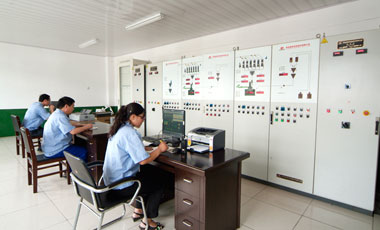
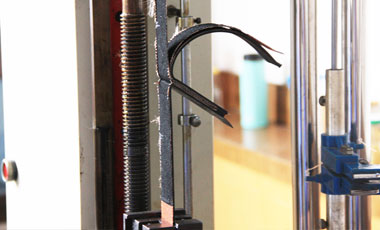
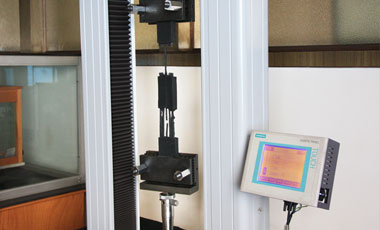
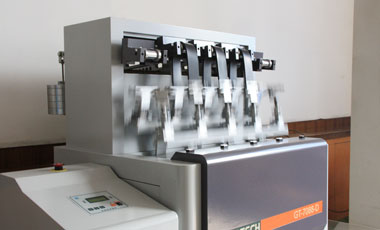
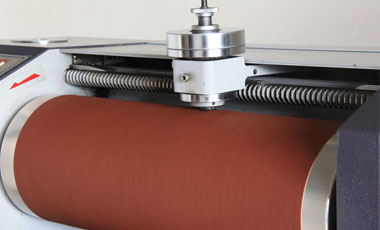
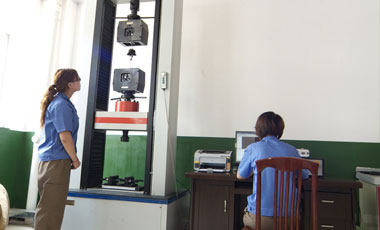
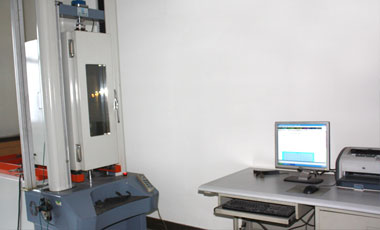
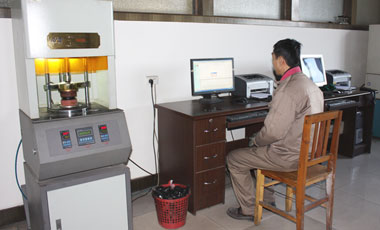
At Hebei Boao Rubber Technology, we operate under the paradigm that quality control is a mathematical science, not a subjective inspection. Our facility features an independent chemical analysis laboratory and a physics testing room, equipped with dynamic fatigue testers, electronic tensile machines, and environmental simulation apparatuses to monitor each phase of our process.
We execute strict tracking protocols spanning raw material procurement (polymers, plasticizers, flame-retardant additives, and high-tenacity yarns) to finished products. Unqualified raw inputs are denied entry, and any finished output that fails our criteria is rejected.
Our laboratories utilize specialized pull-out testing rigs to evaluate cord-to-rubber bonding strengths, dynamic fatigue testers to evaluate cyclical stress, and abrasion testers to check cover compound wear properties under simulated operation.
Backing our engineering is a robust customer support system. Our conveyor belts are utilized nationwide and globally across power generation plants, steelworks, mining complexes, and modern deep-water port terminals.
A conveyor belt is not simply a product; it is the arteries of a broader industrial system. Diverse environments present unique demands that require optimized product formulations:
Methane rich, enclosed drift paths require antistatic, flame-retardant belts. Boao's whole-core PVC belts eliminate the possibility of sparks generated from static buildup and inhibit flame propagation under severe drum friction.
Transferring hot sinter, coke, and slag demands thermal degradation resistance. Our high-temperature resistant compounds handle thermal loads up to 400°C, preventing surface cracking and premature carcass decay.
Handling bulk grains presents a significant danger of airborne organic dust explosions. Antistatic properties ensure dry organic particles are not ignited by frictional static charges on the return run.
We work closely with operations teams to manage the operational life of our belts through structured service protocols:
Scheduled replacement planning, preventative hot/cold splice repair, system tension alignment, and 24/7 technical troubleshooting.
Maintaining emergency safety stocks at local logistics depots, ensuring rapid delivery to reduce mine and plant downtime.
Our solutions are aimed at improving drive energy efficiency, minimizing belt slippage, and optimizing mechanical splice longevity.
Conducting failure-mode analysis on worn belts to refine compound parameters for our client's next operating cycle.
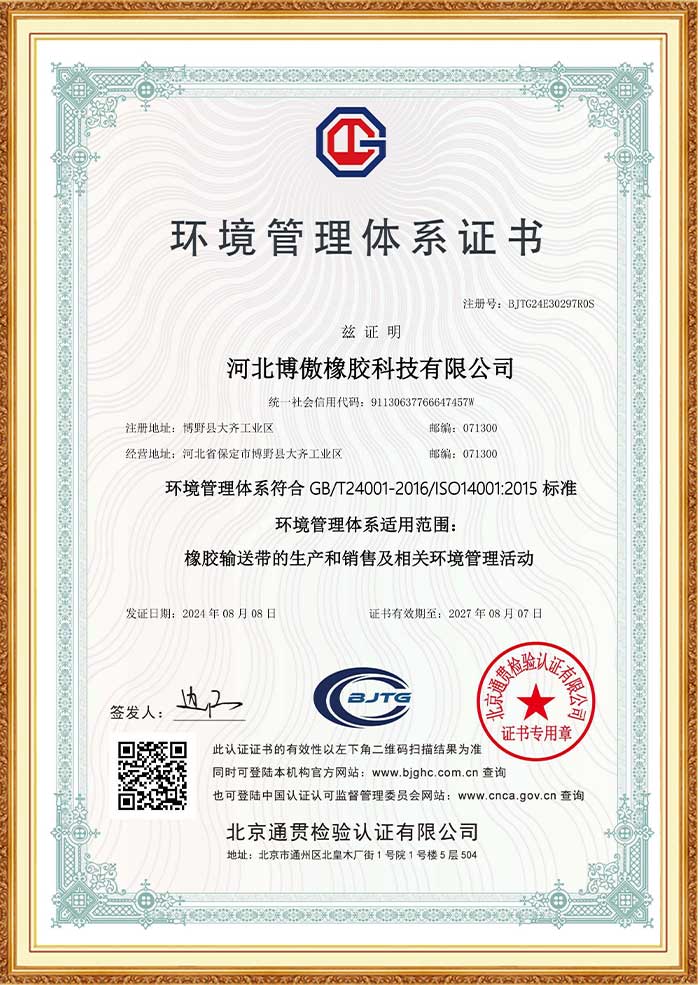
Our manufacturing and testing frameworks conform to international standards, including: API 6D, API 607, CE, ISO9001, ISO14001, ISO18001, and TS. When selecting Jinao brand belts, operations teams can rely on verified compliance with global safety standards.
Our testing verification includes:
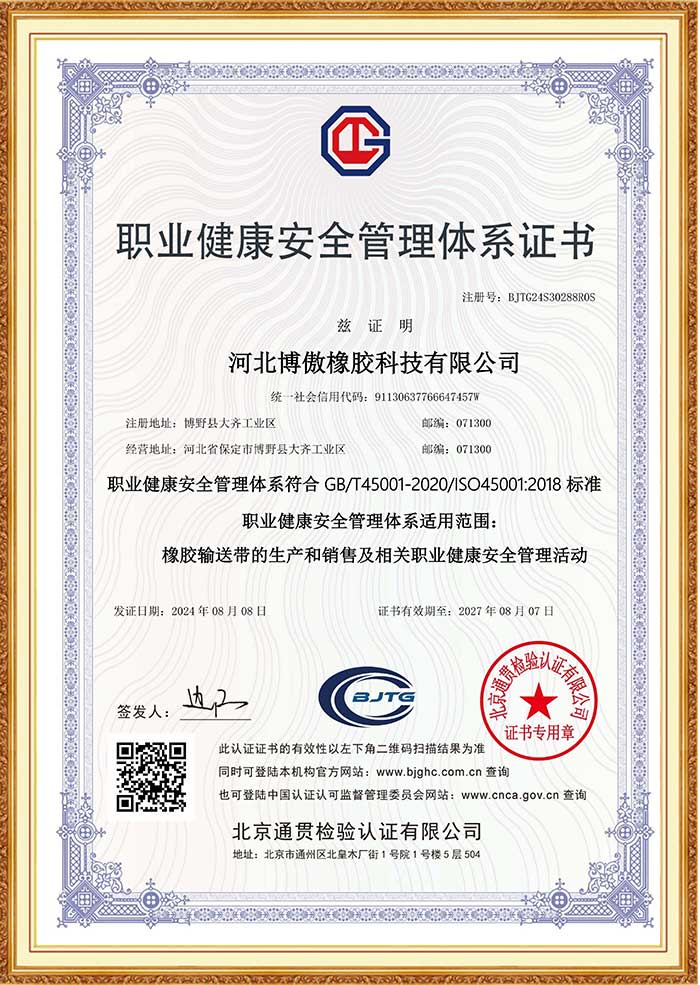
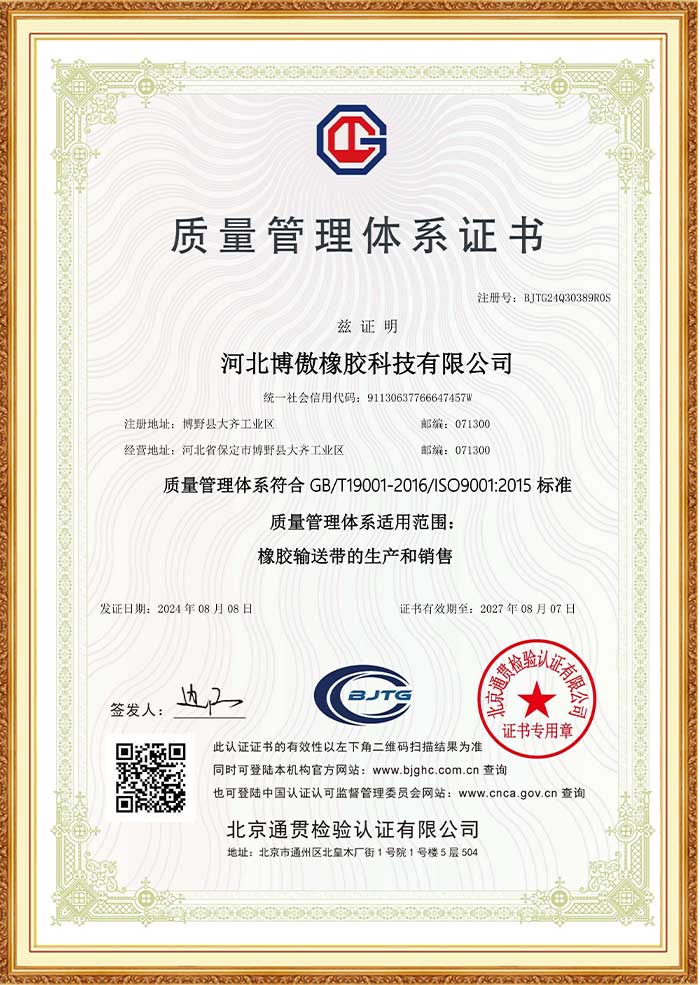
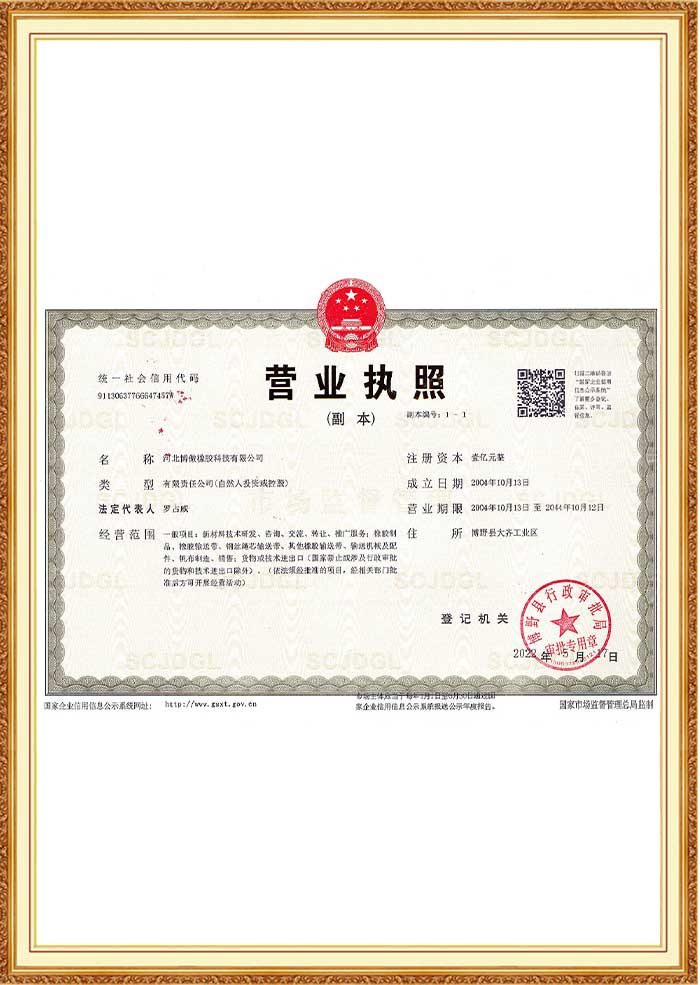
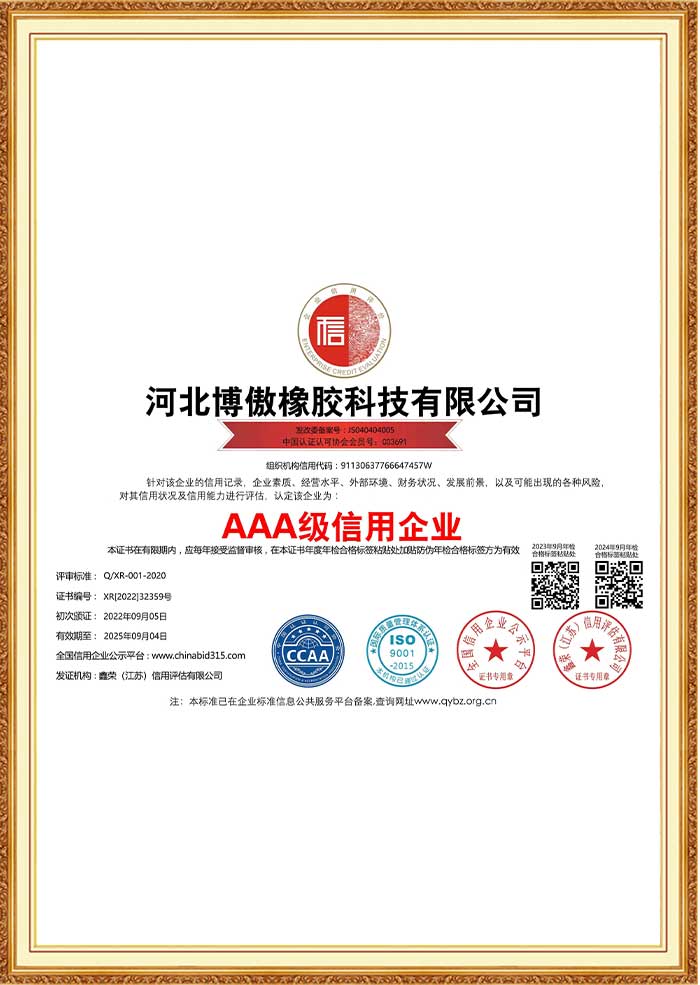
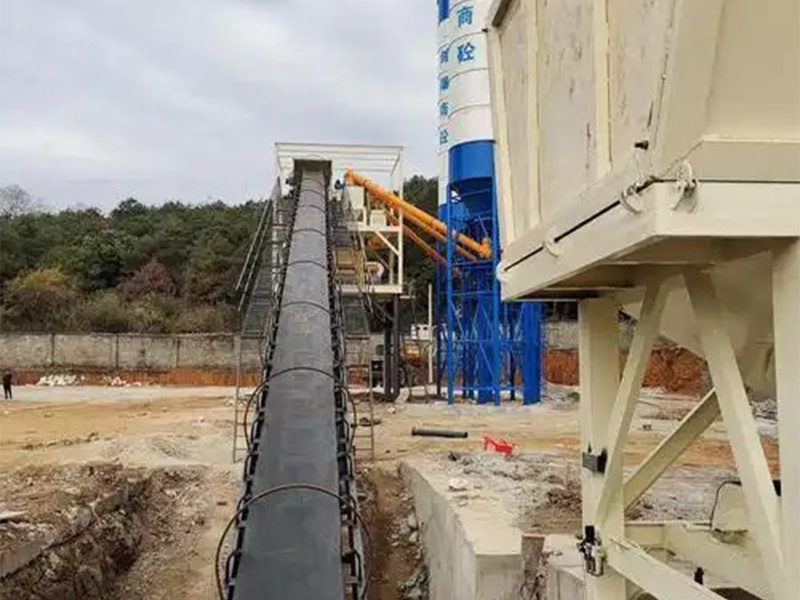
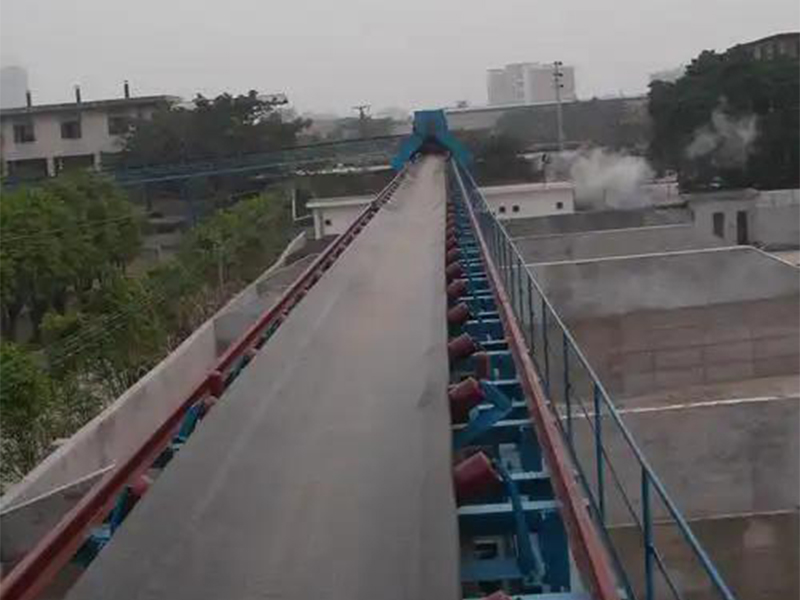
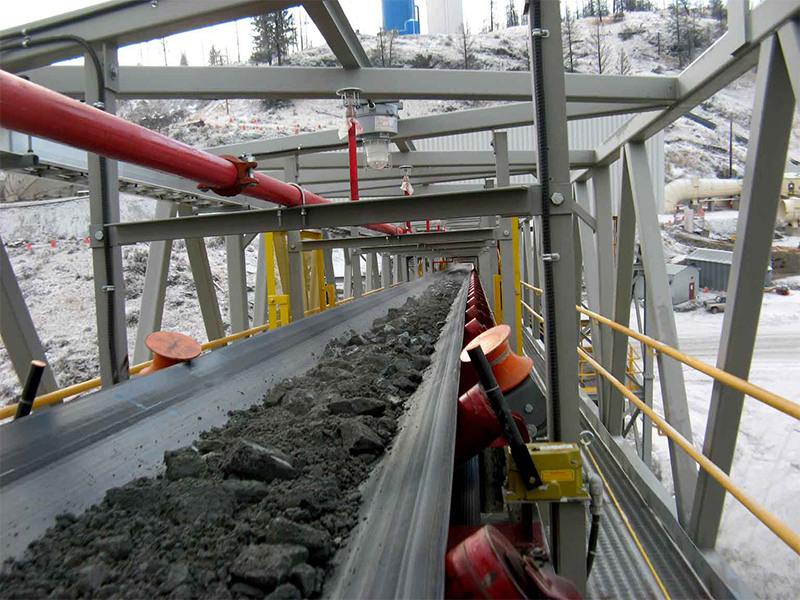
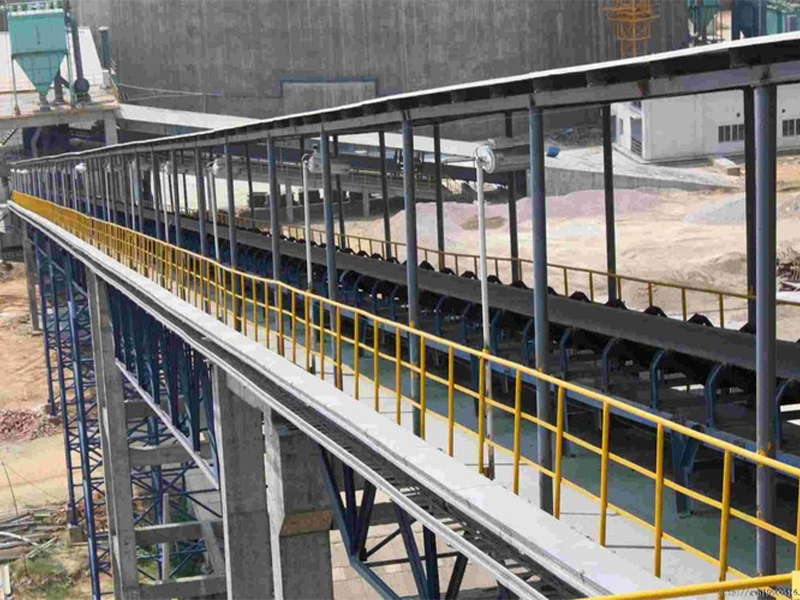
Our heavy-duty belting systems are trusted by leading global enterprises across coal, mining, cement, and metallurgy.
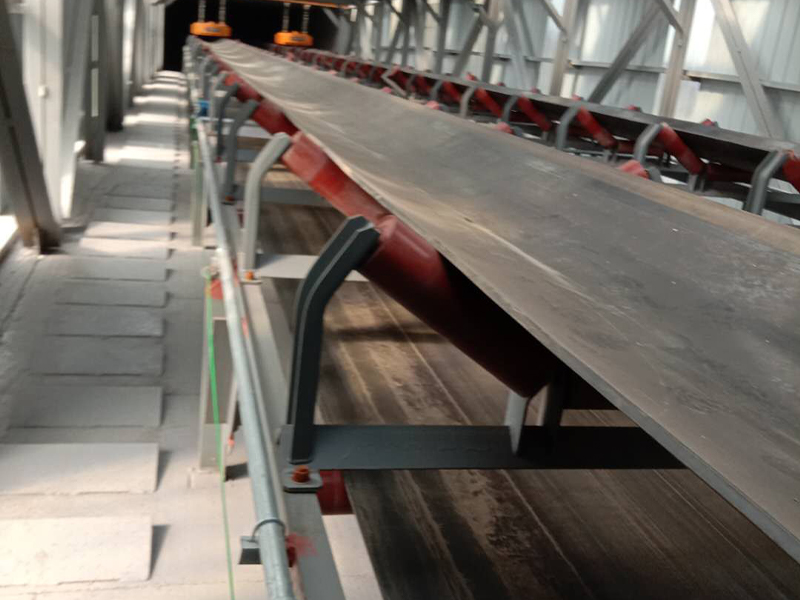
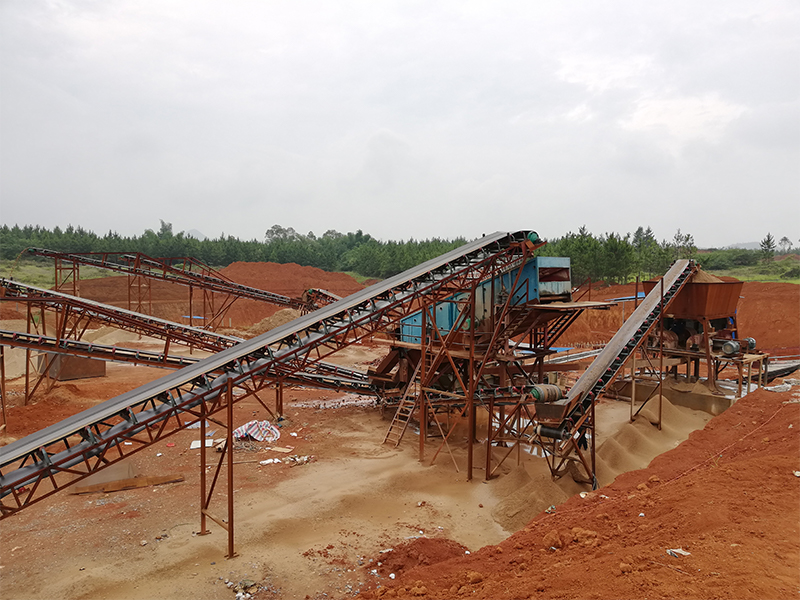
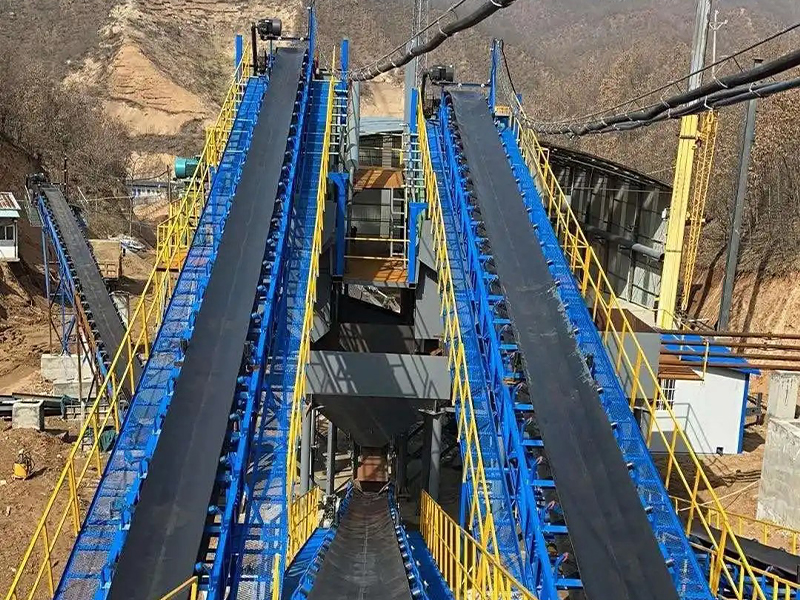
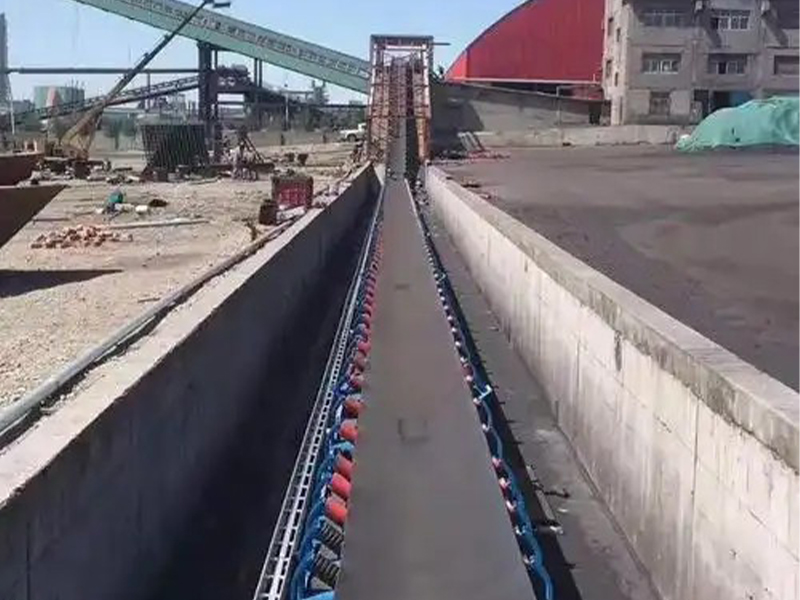
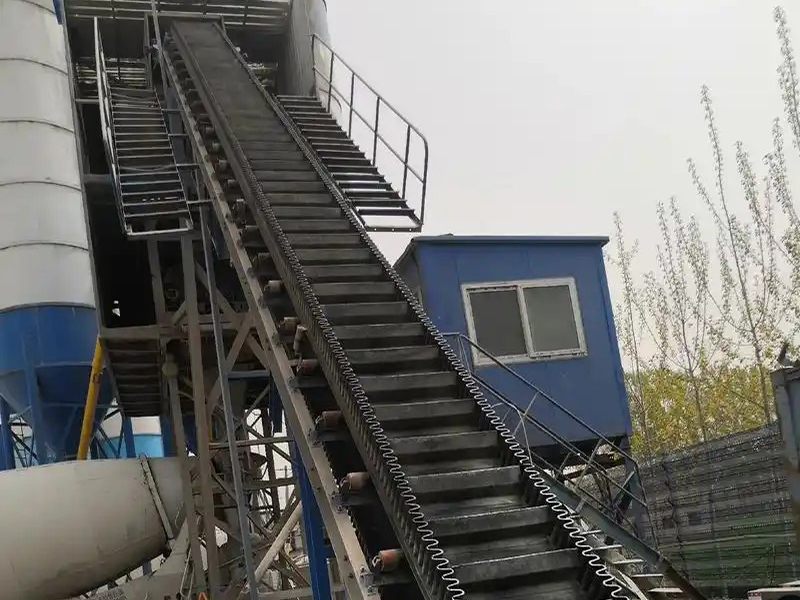
As deep-shaft mining reaches deeper deposits, conveyor networks must withstand increasing hydrostatic and structural loads. This shifts the engineering requirements from simple flame retardancy to high-strength, low-stretch structural characteristics. Hebei Boao Rubber Technology is addressing these trends with three key development goals:
We are investigating halogen-free flame-retardant matrices to minimize toxic smoke emissions in confined underground areas, preparing for upcoming global green-mining mandates.
Developing whole-core structures with integrated RFID and conductive loop sensors, allowing real-time detection of tear propagation and cover wear to support predictive maintenance schedules.
Improving the cover compound properties of our PVG systems to extend cover wear life under high abrasion, matching the operating life of steel cord conveyor systems.
Addressing the key engineering and procurement questions faced by heavy-industry buyers.
The differences lie in the surface elastomeric cover. PVC whole-core belts utilize a polyvinyl chloride cover, which is highly cost-effective and provides good oil and fire resistance, but has a lower coefficient of friction. PVG belts incorporate a rubber-modified PVC compound. This adds nitrile elastomer into the cover, providing better impact absorption, enhanced tear resistance, and a higher coefficient of friction suitable for steeper incline conveyor routes.
Multi-ply belts rely on thin inter-ply rubber tie gum layers to hold separate polyester/nylon plies together. High impact forces or localized damage can cause these layers to separate (delaminate). Solid woven whole-core belts weave the warp and weft yarns into a single, three-dimensional carcass structure. Since there are no plies to separate, delamination is structurally impossible, resulting in longer belt service life under high-impact loading conditions.
For underground coal mining operations, belts must satisfy strict flammability and electrostatic safety criteria. They must pass burner gallery tests (such as EN 12882, DIN 22109, AS 4606, or MSHA Part 18 regulations) to prove they are self-extinguishing if ignited. The surface electrical resistance must also remain below 300 Megaohms (3 × 10⁸ Ω) to prevent electrostatic build-up that could ignite ambient methane gas.
Solid woven conveyor belts show lower mechanical elongation under tension compared to nylon-based multi-ply belts. In typical working tensions, elastic elongation is below 1.5%, minimizing the take-up travel requirements for long-distance transport configurations.
Request a technical consultation, structural performance assessment, or localized project pricing from Boao's engineers.
From acid-resistant plies to heavy steel cord reinforcing covers, review our specialized line of material handling solutions.
 Boao Rubber