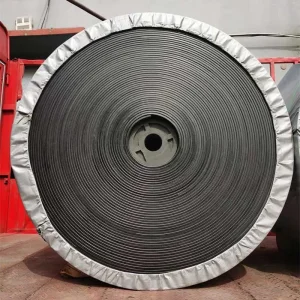
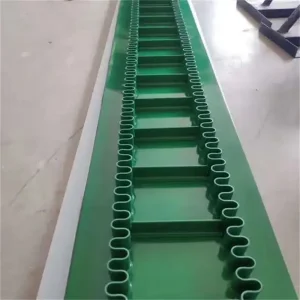
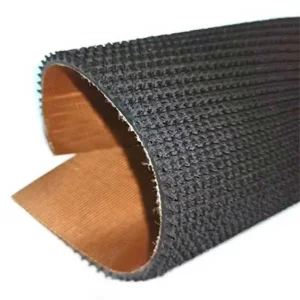
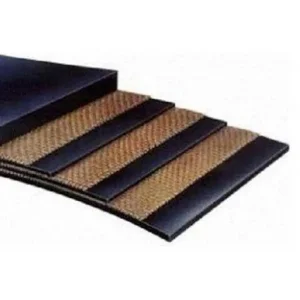
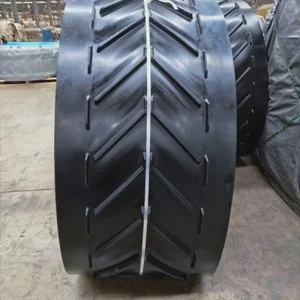
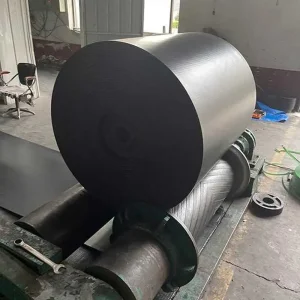
In modern bulk material handling, unexpected belt rips represent one of the most financially draining failure modes. In high-throughput heavy-duty settings, such as open-pit mining operations, gold extraction, steelworks, and deep-sea port terminals, conveyor systems transport thousands of tons of sharp, abrasive, and heavy cargo every hour. Standard textile or base elastomer belts frequently fail when subjected to severe impacts from falling materials, trapped tramp metal, or razor-sharp rock fragments. A minor puncture can quickly propagate into a disastrous longitudinal tear, halting operations, endangering crew members, and incurring millions of dollars in lost productivity and emergency repairs.
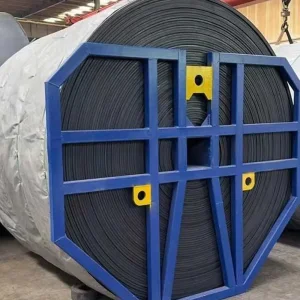
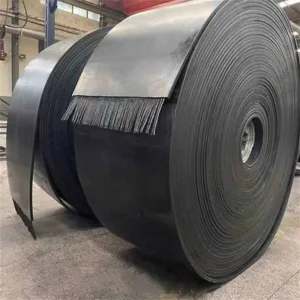
As a result, global engineering managers are pivoting away from cheap standard belts toward engineered, tear-resistant rubber conveyor belts. The modern industrial landscape demands materials capable of absorbing massive impact energy and localizing puncture damage. Through strategic design, integrating elastic rubber covers with high-tensile reinforcement matrices (such as transverse steel wire breakers or high-density nylon plies) ensures that even if a puncture occurs, the damage remains localized. This engineering whitepaper examines the scientific principles, manufacturing processes, and economic advantages that govern high-durability conveyor systems.
Tear resistance in heavy rubber compounds relies on the cross-linking density of the polymer matrix. By blending Natural Rubber (NR) for elasticity and dynamic flex resistance with Styrene-Butadiene Rubber (SBR) or Butadiene Rubber (BR) for wear resistance, materials scientists create a compound capable of resisting cutting and tearing. Standard testing metrics, such as ISO 34-1 and ASTM D624, measure the force required to propagate a cut in a standardized rubber specimen. High-performance conveyor covers achieve tear strength values exceeding 140 N/mm, whereas generic compounds often fail below 80 N/mm.
Beneath the rubber cover lies the structural core. For heavy-duty operations, Steel Wire Rope Core Conveyor Belts provide minimal elongation and high tensile strength. In rip-sensitive applications, manufacturers embed a "breaker layer" above the longitudinal steel cords. This breaker consists of high-tensile transverse steel cords or synthetic fabrics (aramid/nylon) spaced to deflect sharp objects. If an iron bolt or sharp rock pierces the cover, it strikes the transverse breaker, preventing the belt from slicing open longitudinally.
Established in 2004, Hebei Boao Rubber Technology Co., Ltd. (producing under the prominent "Jinao" brand) is located in the boye County Rubber Industrial Park, Baoding, Hebei Province. Over more than two decades, the company has grown from a regional workshop into a state-of-the-art facility covering more than 30 acres. Today, Boao is a leading manufacturer that integrates product development, scientific research, structure design, precision manufacturing, and expert technical consulting.
Our facility is equipped with automated raw material mixing centers, calendering machines, multi-platen continuous vulcanizing presses, and high-precision quality control testing machinery. We monitor every step of production—from checking raw polymer shipments to certifying finished belts—ensuring consistent, high-performance output.
"We operate under a simple principle: unqualified raw materials are never admitted to our production lines, and products that do not meet our strict quality metrics never leave our shipping docks. This level of quality control forms the foundation of our global partnerships."
Our facility features an independent chemical analysis lab and a physics testing room, enabling us to run peeling, pull-out, and abrasion tests on every batch.
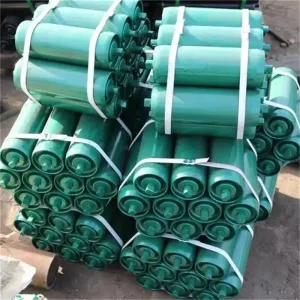
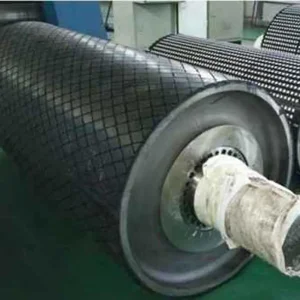
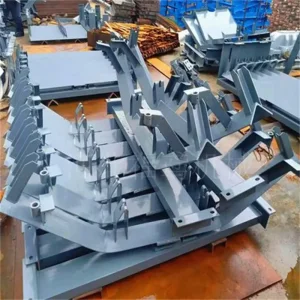
We manufacture both the rubber belts and supporting accessories (including trough-type idler rollers, ceramic lagging pulleys, and brackets), ensuring system compatibility.
Our products are engineered to comply with API 6D, API 607, CE, ISO 9001, ISO 14001, and ISO 18001 standards, facilitating seamless site integration.
In the global market, procuring high-quality industrial components requires balancing performance with cost-efficiency. Chinese rubber manufacturers—led by modern facilities like Hebei Boao Rubber—offer significant advantages by combining localized supply chains, state-of-the-art automation, and favorable logistics.
The boye County Rubber Industrial Park provides direct access to key raw materials, including synthetic polymers, natural rubber, carbon blacks, and specialty vulcanizing agents. By sourcing these materials locally, we eliminate the transit delays and international shipping surcharges that inflate manufacturing costs in other parts of the world. Additionally, our automated compounding systems minimize human error, ensuring consistent batches and reduced material waste.
Furthermore, our continuous vulcanization lines allow us to produce high-density textile and steel cord belts in large volumes with short lead times. For international buyers, this means receiving premium-grade products that meet European and American standards (such as DIN 22102 and RMA) at a highly competitive total cost of ownership.
| Parameters | DIN X Class (Extreme Wear) | Jinao Custom Anti-Tear Grade | Standard EP Belt Cover |
|---|---|---|---|
| Tensile Strength (MPa) | ≥ 25 | ≥ 26.5 | ≥ 15 - 18 |
| Elongation at Break (%) | ≥ 450 | ≥ 480 | ≥ 350 - 400 |
| Abrasion Loss (mm³) | ≤ 120 | ≤ 90 | ≤ 200 |
| Tear Strength (ISO 34-1) | ≥ 120 N/mm | ≥ 155 N/mm | ≥ 70 N/mm |
Our optimized manufacturing setups enable international buyers to invest the savings generated by direct-from-factory pricing into additional system features. These include thickening the belt covers, upgrading to aramid rip-stop breakers, or integrating ceramic lagging on drive pulleys to enhance belt traction.
A conveyor belt's real value is proven in the field. Our "Jinao" products are used in demanding applications worldwide, serving major industrial operations that require high reliability and minimal downtime.
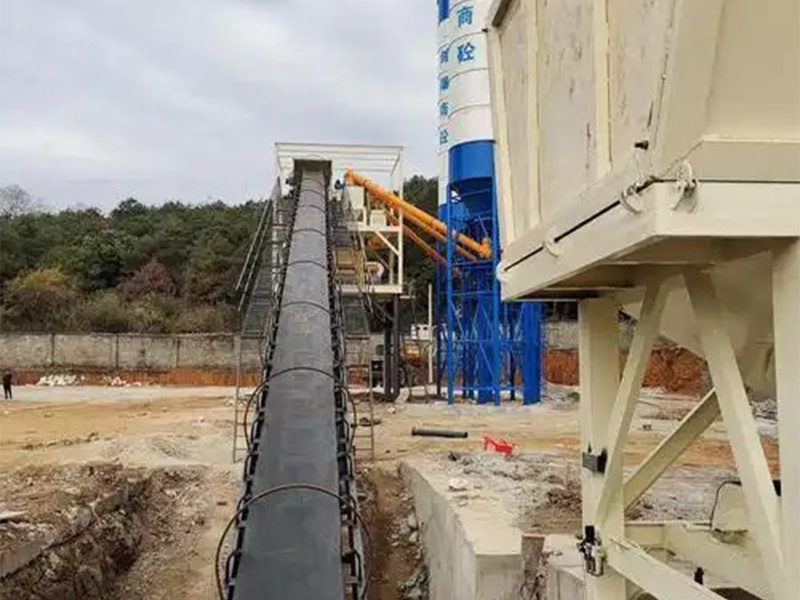
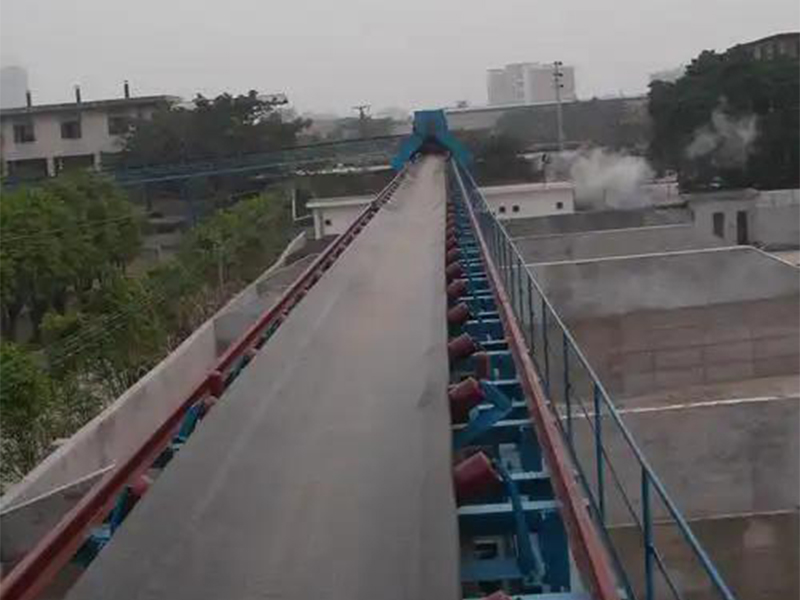
China Railway Mixing Plant
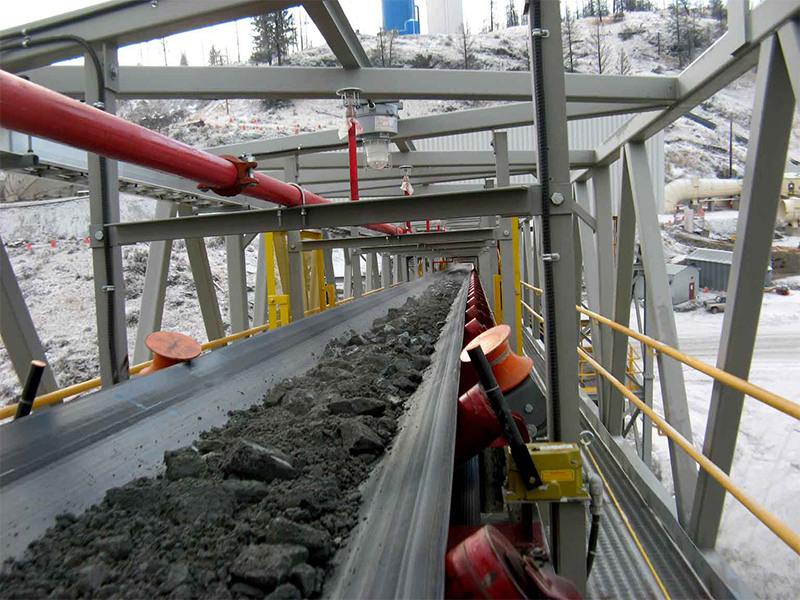
Conch Cement
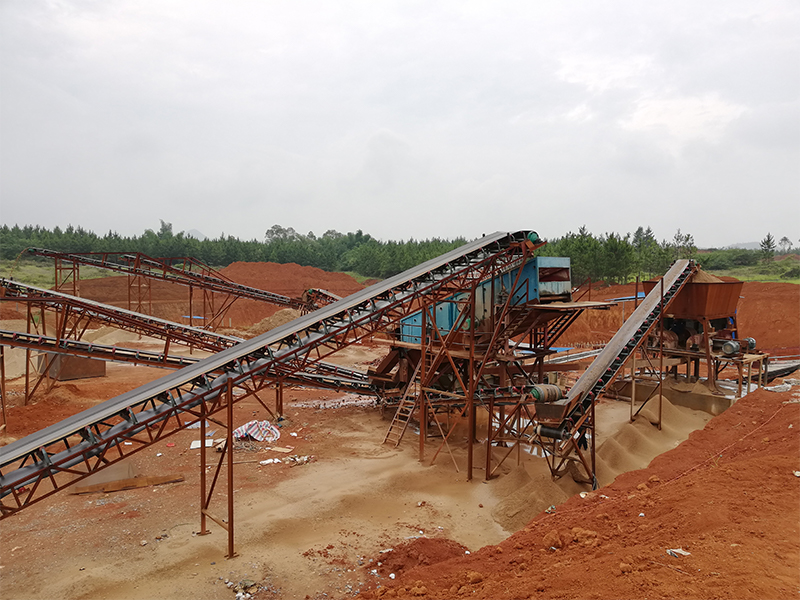
Datong Coal Group
Tsingshan Group
1. Mining and Quarrying: In open-pit copper, gold, and iron mines, conveyor systems transport heavy, jagged ores. Standard belts are easily punctured when sharp rocks fall from high drop zones. Our steel cord reinforced, tear-resistant belts prevent minor punctures from developing into long-running rips.
2. Steel & Metallurgy Operations: Sinter plants and blast furnaces handle abrasive raw materials at elevated temperatures. Our belts are engineered with heat-resistant polymers and heavy covers to protect the inner carcass, ensuring stable performance in challenging thermal conditions.
3. Port and Marine Terminals: High-capacity ship loaders require reliable belt performance to avoid expensive maritime demurrage charges. Our low-rolling-resistance rubber compounds and rip-stop reinforcement cores provide the durability needed to handle high-volume bulk cargo.
4. Cement and Aggregate Plants: Handling materials like crushed limestone, clinker, and gypsum requires conveyor belts with excellent abrasion resistance. By utilizing our wear-resistant formulations, cement plants can extend their maintenance intervals and improve overall system uptime.
At Hebei Boao Rubber Technology, we verify the material properties of our conveyor belts through rigorous, in-house laboratory testing. Every production run undergoes extensive physical and mechanical testing to ensure compliance with global engineering specifications.
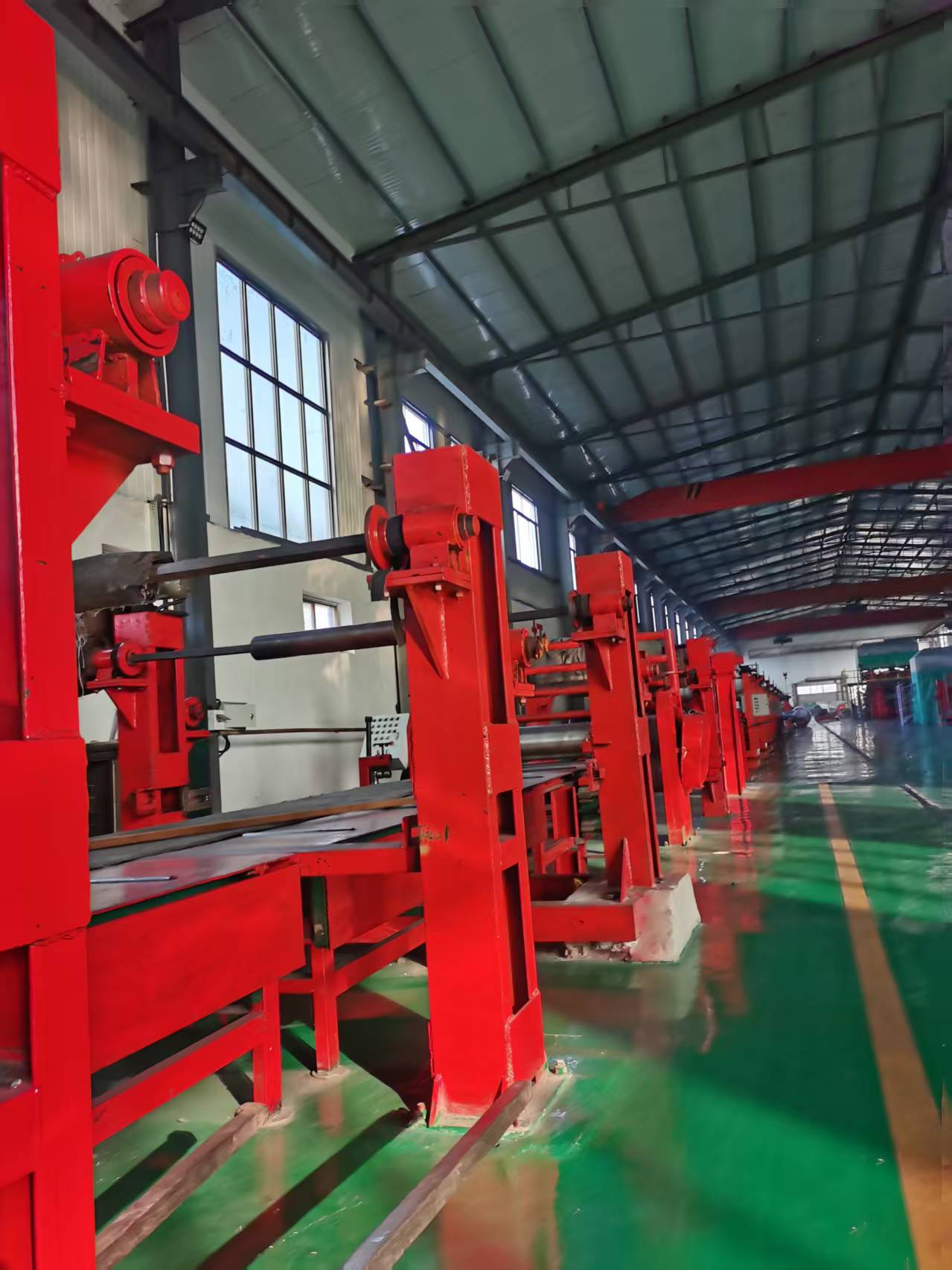
Calendering Process
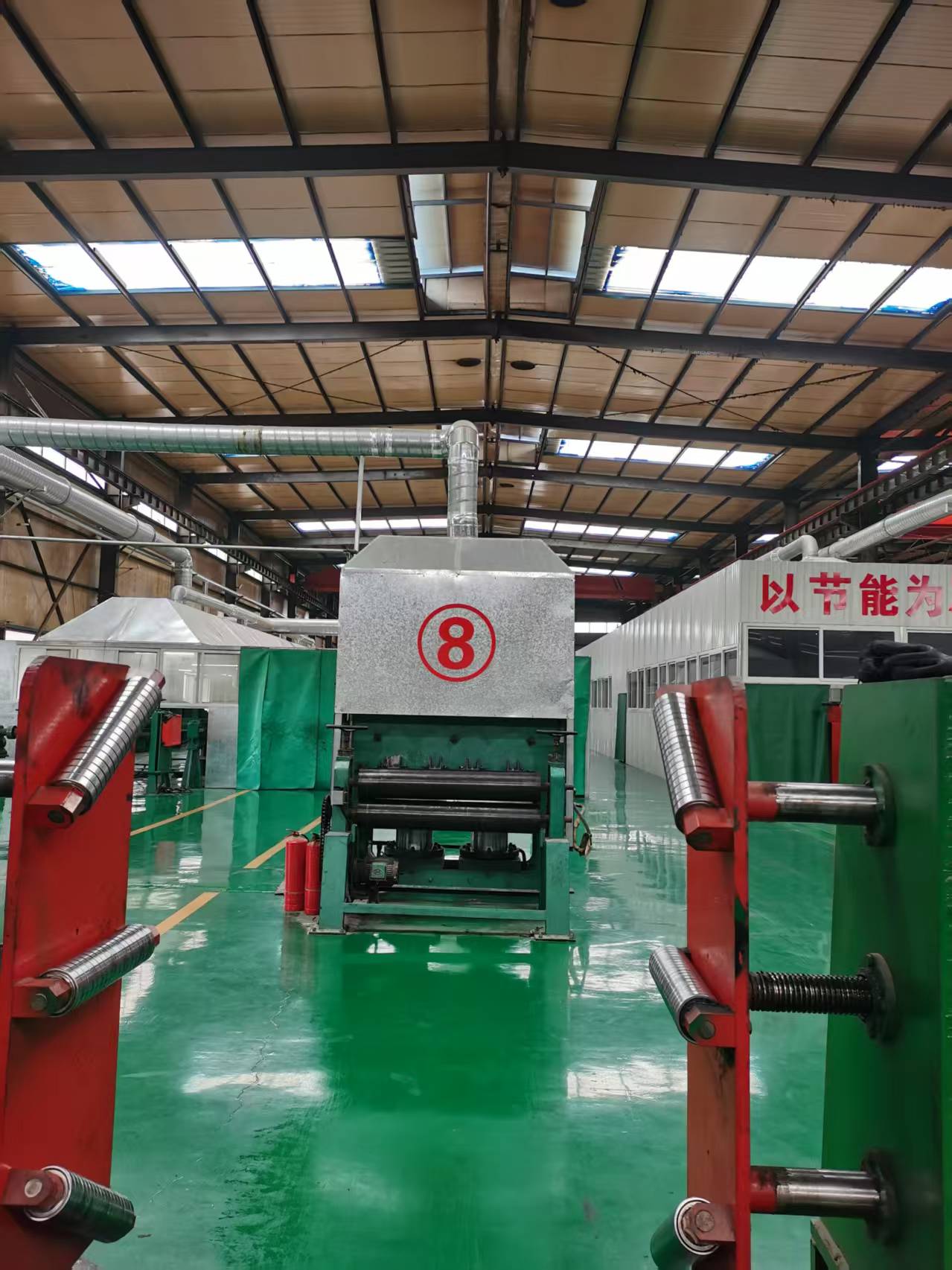
Vulcanizing Line
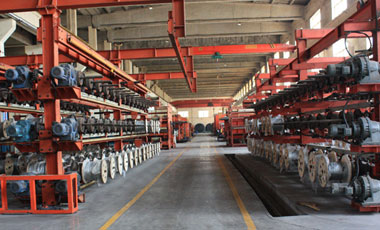
Steel Cord Curing Press
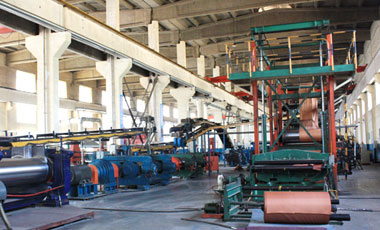
Feeding & Calendering
Our specialized testing facilities feature advanced instruments designed to evaluate raw materials and finished products under simulated real-world conditions:
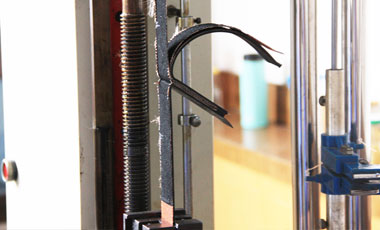
Peeling Adhesion Test
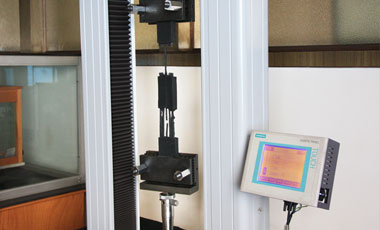
Pull-out Test
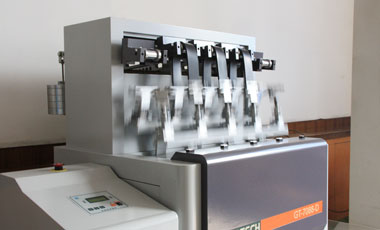
Fatigue Evaluation
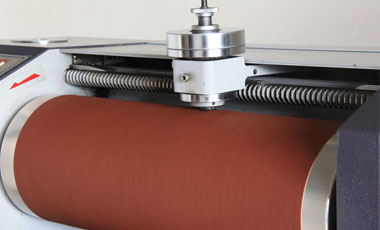
Abrasion Loss Test
Selecting the right conveyor belt is only the first step. To ensure optimal performance and long service life, Hebei Boao Rubber Technology offers engineering support and technical services designed to keep your conveyor systems running smoothly.
Our engineering services include:
 Boao Rubber