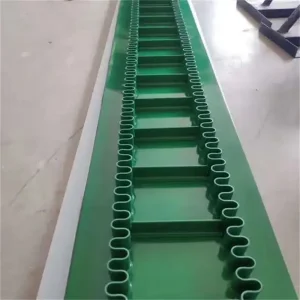
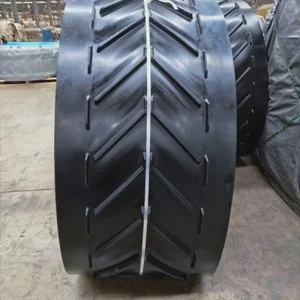
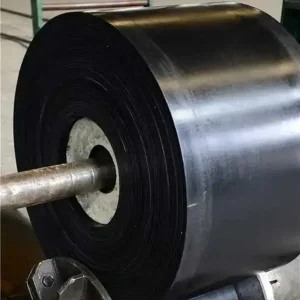
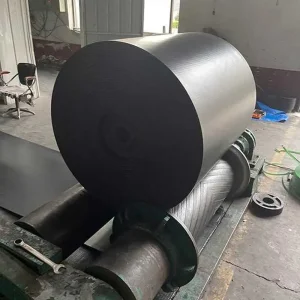
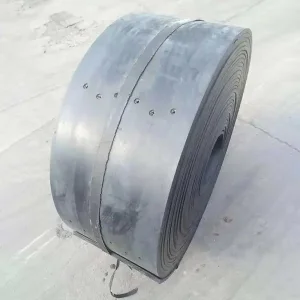
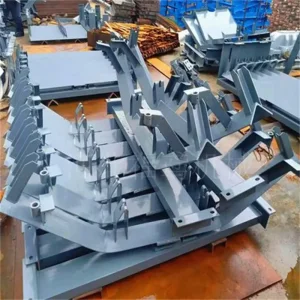
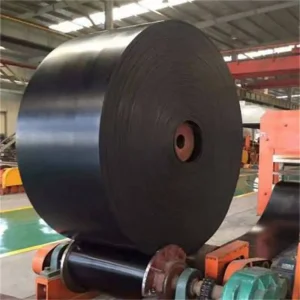
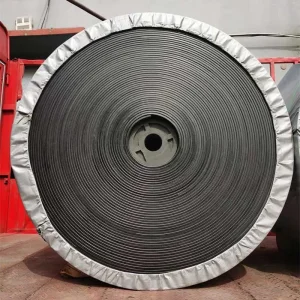
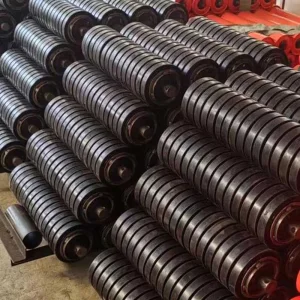
Explore our primary industrial conveying lines engineered for severe operational requirements, including acid-resistance, heavy-duty rubber compositions, and high-efficiency material handling.
Years of Engineering Experience
Acres of Production Facility
Strict QA Pass Rate
Global Industrial Segments Served
Hebei Boao Rubber Technology Co., Ltd. (Registered brand: "Jinao") is a premier global manufacturer located in the prestigious Rubber Industrial Park of Boye County, Baoding, Hebei Province, China. Established in 2004, our facility covers more than 30 acres, hosting multi-tier production lines designed for advanced rubber mixing, calendering, vulcanization, and material stress-testing.
As a leading designer and manufacturer of precision flat belts, patterned feeder belts, and custom replacement belts—including specialized configurations like the Supermax 19 38 Conveyor Belt Replacement—we maintain an uncompromising commitment to dimensional stability, thickness consistency, and high-friction coefficient profiles. Our complete operational architecture aligns with international ISO 9001:2015 specifications, ensuring that our products serve critical industries from heavy metallurgy to high-precision wood calibrating and sanding facilities.
Our replacement conveyor belts designed for the Supermax 19 38 drum sander are manufactured to solve standard aftermarket failure points: belt slippage, rapid surface wear, tracking drift, and uneven thickness tolerances that cause stock sniping. With a premium textured surface and low-stretch multi-ply backing fabric, Hebei Boao replacements maximize operational longevity under heavy workloads.
From raw chemical formulations to final thermal bonding, our in-house physical laboratories test every run. We guarantee standard-compliant performance for heavy-duty industrial systems and precision woodworking feeders alike.
An in-depth analysis of high-friction conveying systems, surface finishing requirements, and material science developments driving conveyor belt manufacturing.
Modern industrial conveyor belts, specifically feed belts for high-tension drum sanders like the Supermax 19 38, require minimized elongation under load. The shift from standard single-layer cotton backings to multi-ply Polyamide (NN) and Polyester-EP fabrics ensures long-term tracking stability, preventing belt stretch and edge fraying under high tensioning configurations.
Feed control relies heavily on texture geometry. Modern manufacturers utilize custom herringbone, diamond-grid, and heavy rough-top profiles. These patterns optimize the coefficient of friction against wood, plastics, and metallic workpieces, preventing micro-slippage that compromises surface calibrating accuracy.
Friction between conveyor backings and machine tables generates static electricity, attracting fine dust particles that accelerate belt deterioration. Incorporating anti-static compounds and carbon fiber filaments into the bottom cover layout reduces static build-up, improving dust extraction efficiency and minimizing combustion risks.
In high-tolerance environments, a thickness deviation of even 0.2mm across the width of a conveyor belt can lead to disastrous variations in the calibrated thickness of raw lumber or metals. Hebei Boao utilizes laser-monitored calendering systems that keep thickness variance below ±0.05mm. Furthermore, our vulcanization lines ensure that splice joints have the exact same thickness and mechanical characteristics as the main body, ensuring seamless travel over small pulley diameters typical of machines like the Supermax 19-38.
Sourcing replacement belts for heavy industrial lines and workshop-scale machineries requires balanced attention to procurement cost, reliability, and lead time. Enterprise procurement professionals focus on minimizing Total Cost of Ownership (TCO) and avoiding unexpected production line stops.
Many procurement teams struggle with high OEM markups. Hebei Boao provides factory-direct, equivalent-performance or superior aftermarket alternatives for Supermax 19 38 and other machine brands. Our custom compounding department designs conveyor coverings that withstand the aggressive abrasive chemicals and heat generated during heavy wood dimensioning.
Through our comprehensive technical service plans, we manage safety stock parameters for major industrial clients. We keep raw compound inventory and vulcanized roll stock ready for rapid dispatch, minimizing lead times to critical markets in the Americas, Europe, and Asia-Pacific.
By shifting to our high-strength NN and EP conveyor belt series, enterprises report an average 35% increase in operational belt life. Reduced maintenance frequencies directly improve processing uptime in high-output woodworking shops, cement facilities, and steel mills.
Hebei Boao maintains an independent chemical analysis room and physical testing laboratory. This ensures that raw rubber materials, textile plies, and completed conveyor belts undergo rigorous stress assessments before leaving our boye facility.
Quality Assurance Philosophy: We strictly follow the principles of not entering the site for unqualified raw materials and not permitting shipment of products that do not meet rigorous international testing standards.
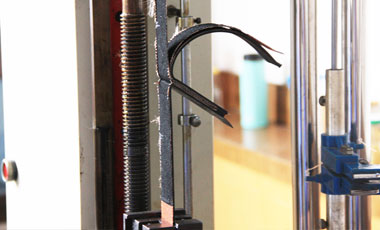
Peeling Test System
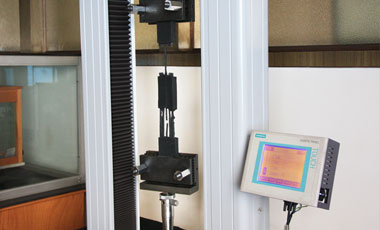
Steel Cord Pull-out Machine
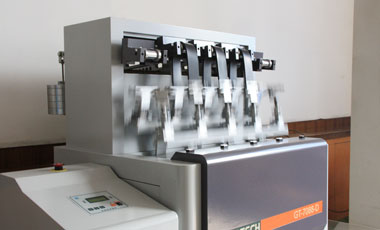
Dynamic Fatigue Tester
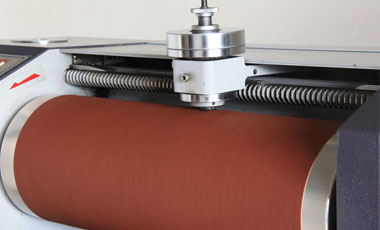
Abrasion Testing Unit
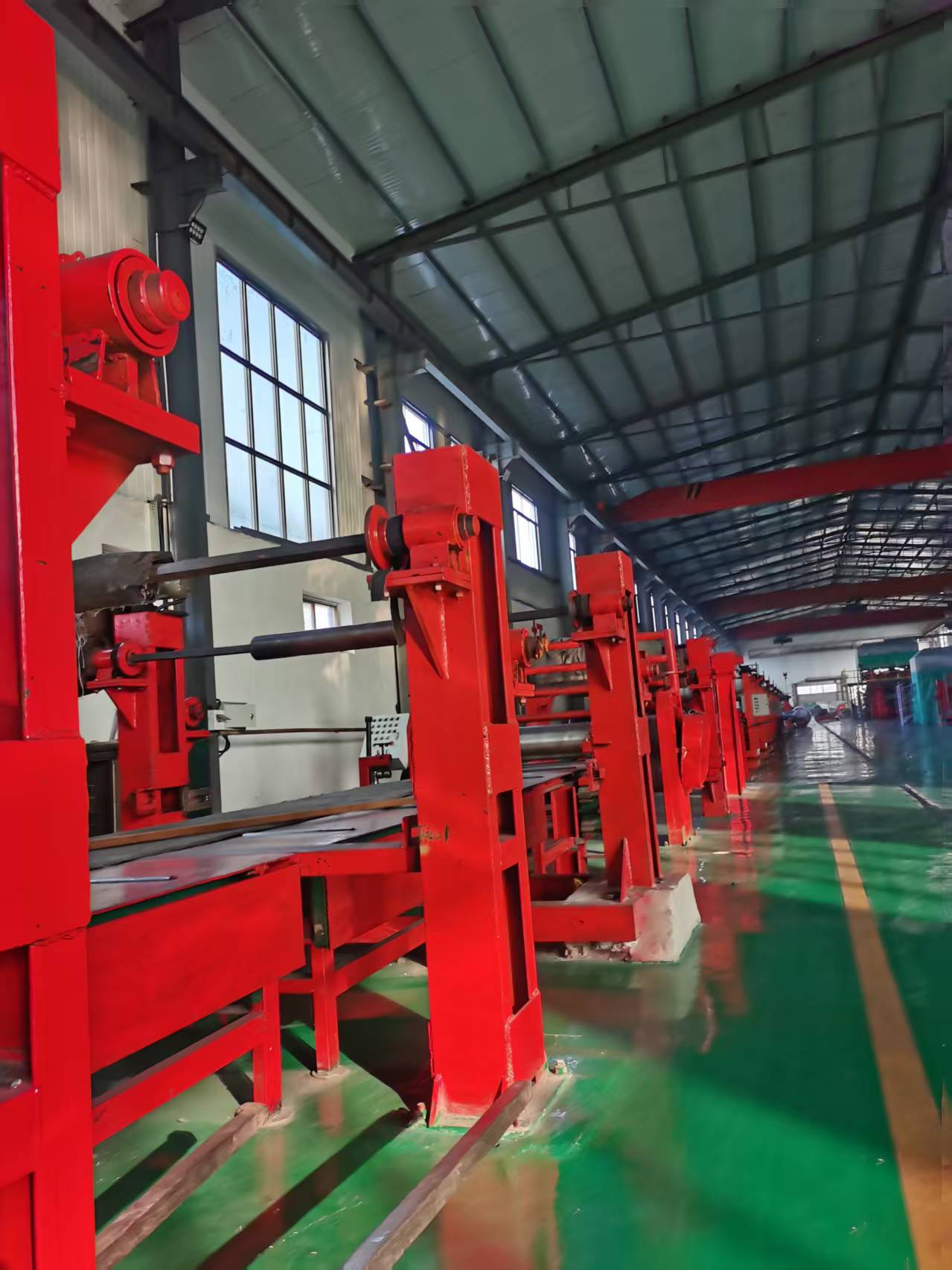
Mixing & Rolling Section
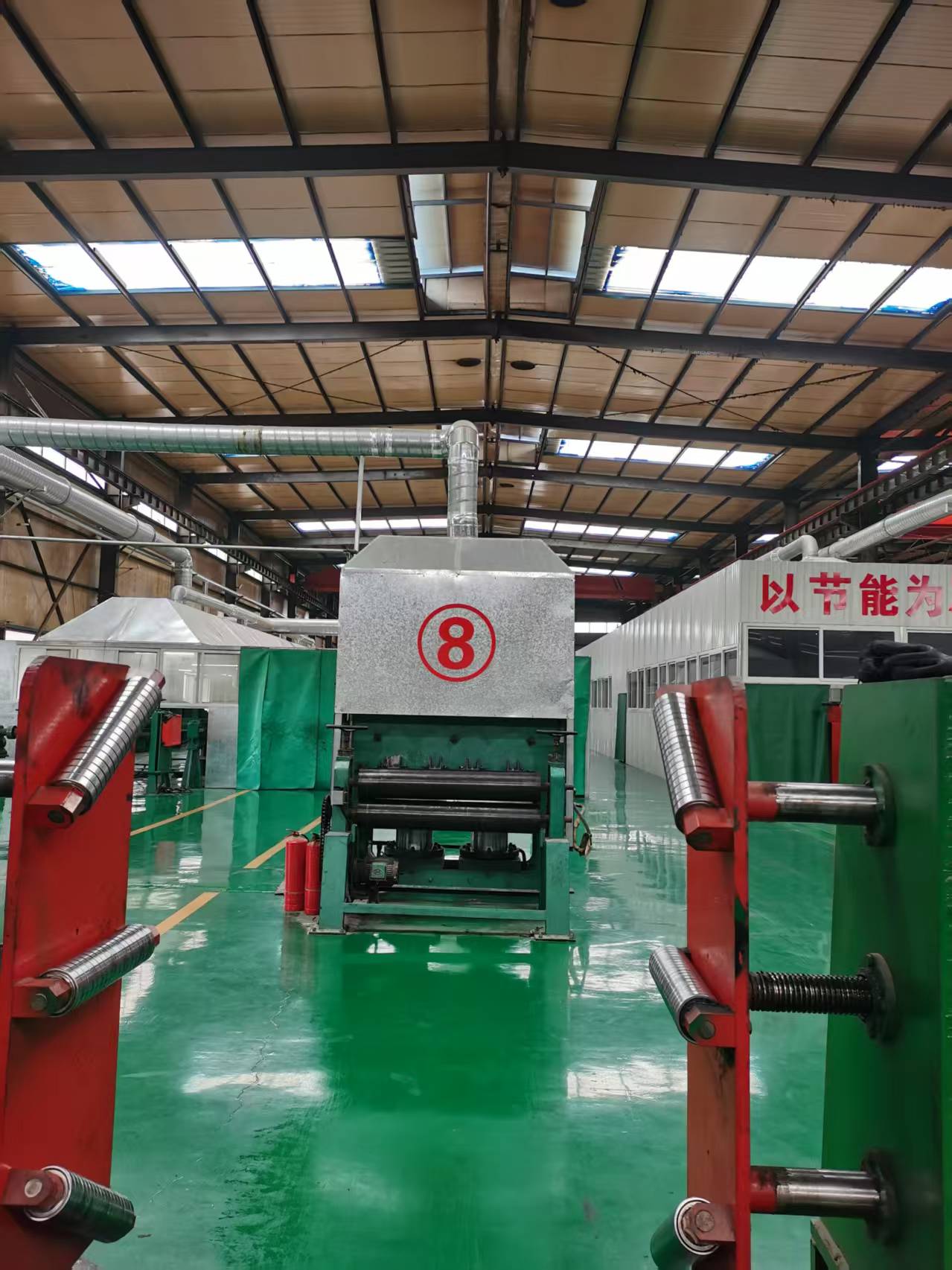
High-Temperature Vulcanization
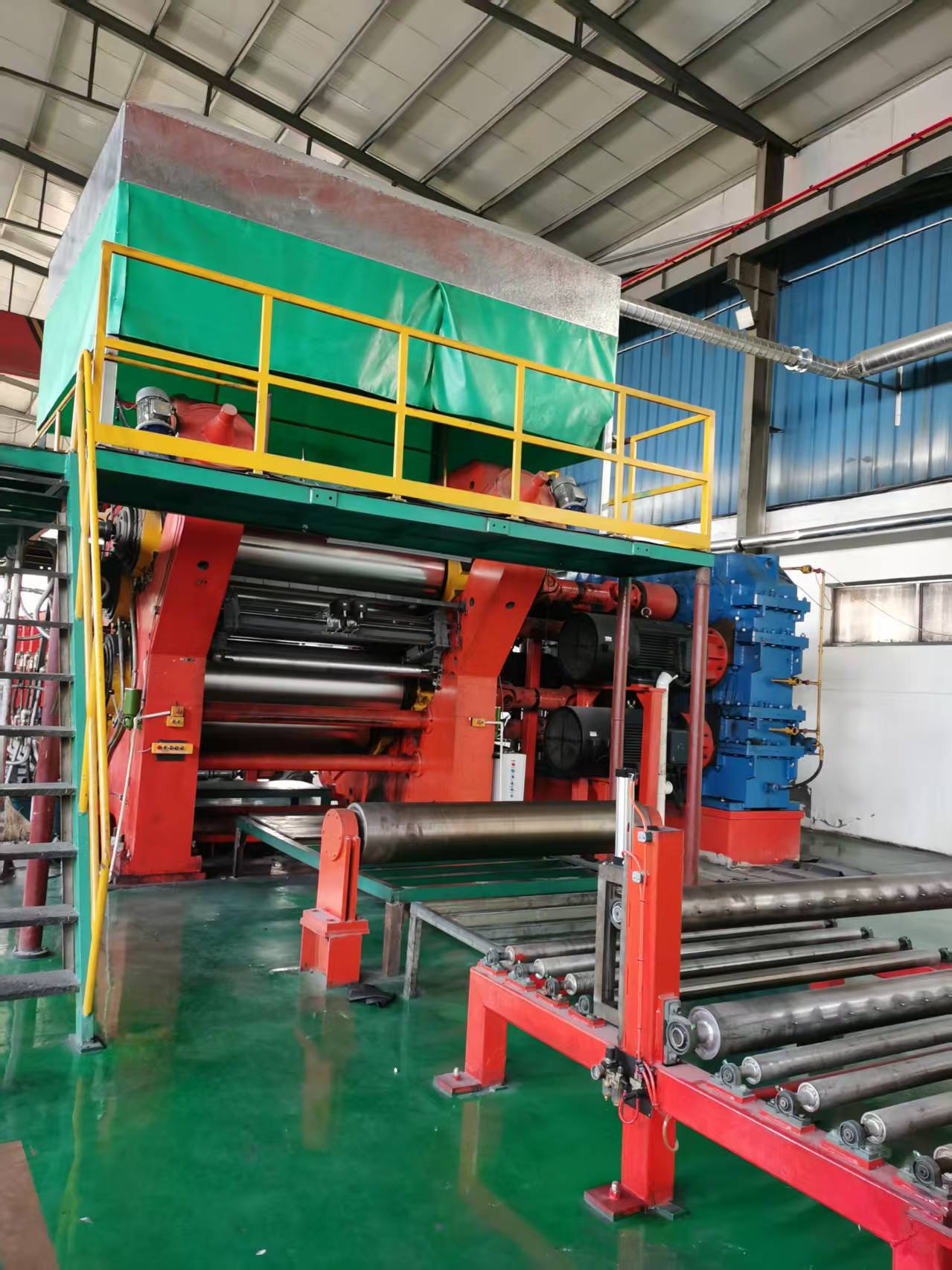
Calendering Station
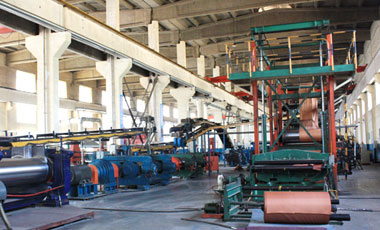
Calendering & Shaping Machine
Beyond producing high-quality belting, we provide full technical lifecycle support, ranging from tensioning calibration to joint bonding. Our service standards are defined to increase the overall lifecycle of conveyor systems and reduce unplanned downtime.
We are actively committed to enterprise validation and hold certifications for multiple standard specifications, including API 6D, API 607, CE, ISO9001, ISO14001, and ISO18001. We maintain strong collaborative relationships with major global corporations and heavy industries.
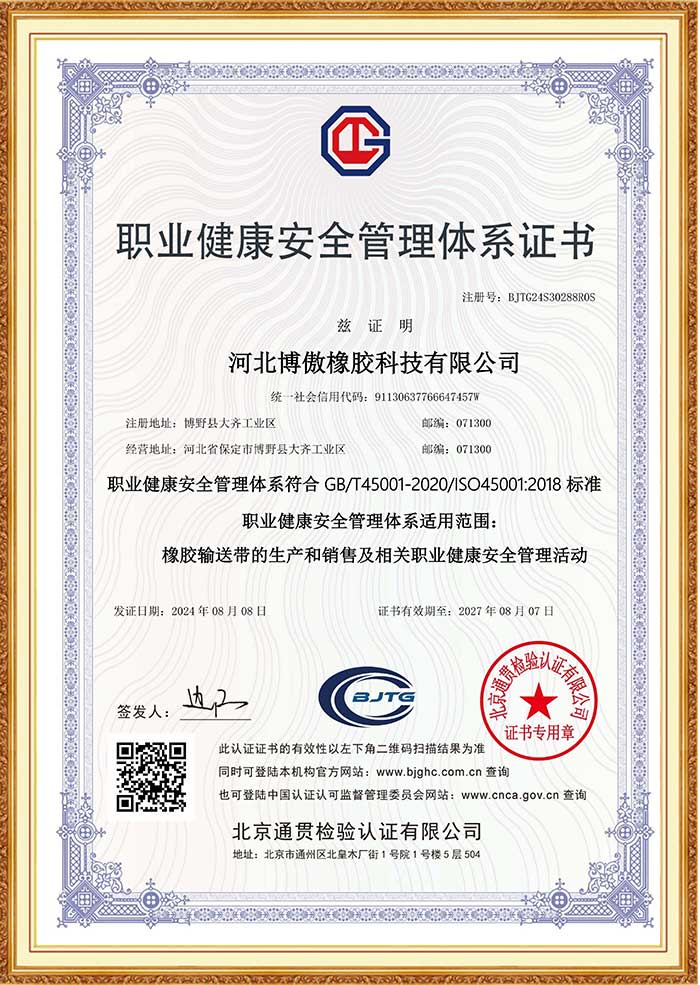
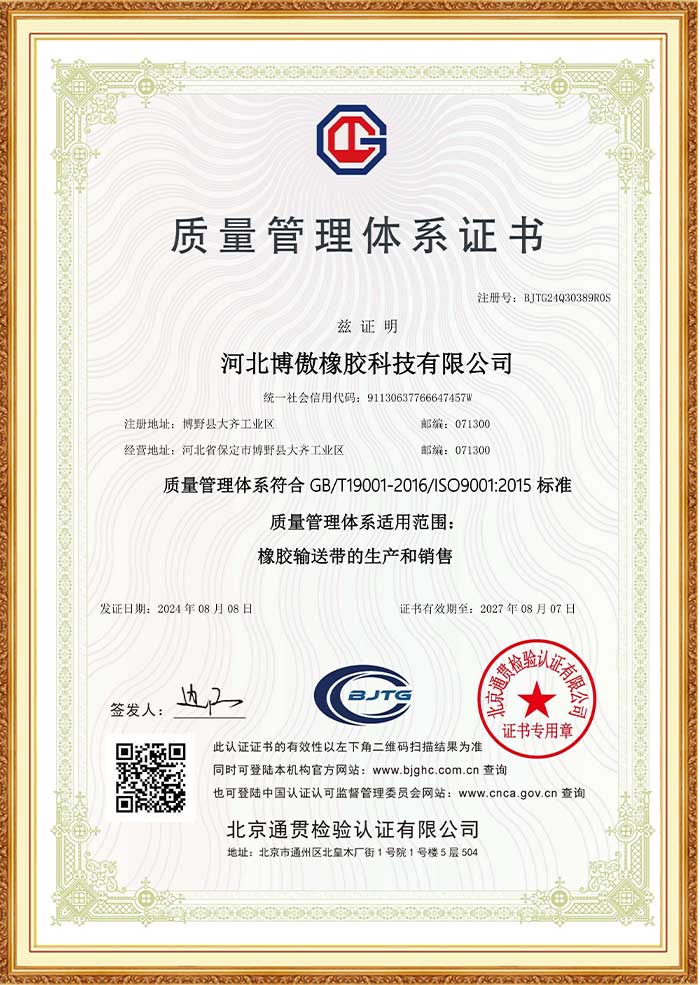
We partner with prominent industrial brands like Datong Coal Group, Conch Cement, Tsingshan Group, and Taihang Steel to supply premium transport networks.
Get technical answers regarding installation, compound formulations, tracking calibration, and purchase options for sander feed belts.
Browse our advanced selection of nylon-strengthened, cold-resistant, and high-impact conveyor systems built to deliver maximum operational reliability under standard and extreme conditions.
 Boao Rubber