A deep dive into high-tension conveying technology, quality standards, manufacturing prowess, and global application paradigms.
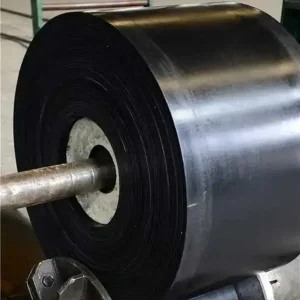
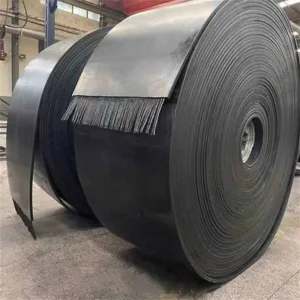
In the modern industrial epoch, the handling and transportation of dry bulk materials over long distances, high elevations, and extremely rough terrains call for high tensile strength, minimal elongation, and absolute structural integrity. The Steel Wire Rope Core Conveyor Belt (commonly referred to as steel cord conveyor belt) has emerged as the definitive solution. By replacing conventional fabric fabrications with specialized high-tension zinc-galvanized carbon steel cords, these belts are capable of handling high loads across complex industrial zones.
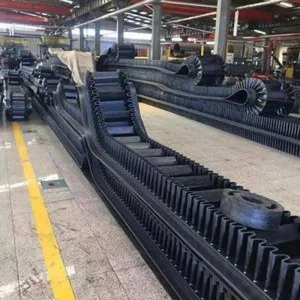
From deep-pit coal mining in the Shanxi and Datong regions to massive iron ore extraction in Australia and Brazil, the reliability of transportation systems directly dictates operational uptime. In ports handling millions of tons of dry bulk commodities yearly, the steel wire rope core conveyor belt serves as the circulatory system. Industries such as metallurgy, cement manufacturing, chemical processing, and thermal power generation rely heavily on this specialized category of belts to transport thousands of tons per hour without structural failure.
When global EPC procurement managers and mining concessionaires source steel wire rope core conveyor belts, the decision matrix is highly technical and risk-averse. Unlike lightweight belts, the selection of steel cord conveyor belts dictates safety operations and structural longevity. Key parameters prioritized by engineering and procurement teams include:
Different industrial sectors present varied challenges. A cookie-cutter conveyor belt cannot serve a high-temperature cement plant and a sub-zero Siberian gold mine simultaneously. Specialized industrial solutions include:
Features ultra-high flame-retardancy meeting MT/T 668 and DIN EN ISO 340. Formulated to minimize the propagation of underground combustion, producing minimal smoke and toxic gases during slippage incidents.
Designed with high heat-resistant (EPDM/halogenated rubber) cover materials. These belts operate continuously at ambient temperatures up to 200°C, and spikes reaching 400°C, without cord debonding.
Focused on high line-speeds (above 5 m/s) and energy efficiency. Implementing Low Rolling Resistance (LRR) bottom cover compounds to reduce energy consumption at the drive motors by up to 15%.
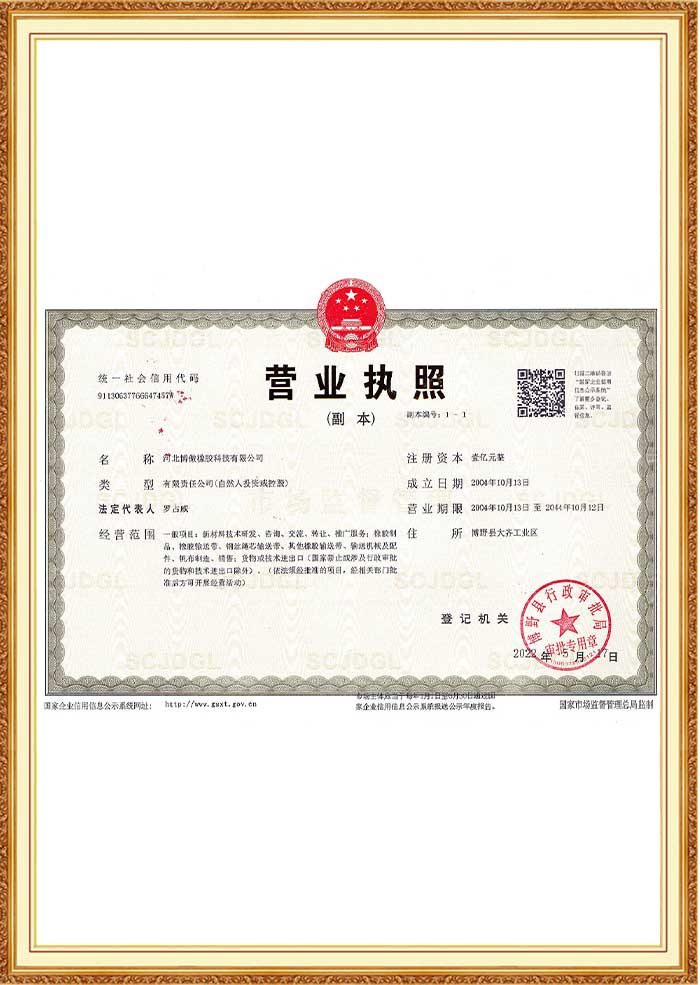
Established in 2004 and situated within the Boye County Rubber Industrial Park, Baoding City, Hebei Province, Hebei Boao Rubber Technology Co., Ltd. represents a leading center of industrial rubber manufacturing. Spanning over 30 acres of advanced production facilities, the company has spent 22 years developing its flagship brand, "Jinao". We specialize in product development, design, testing, manufacturing, and technical services for high-capacity conveyor belts and accessories.
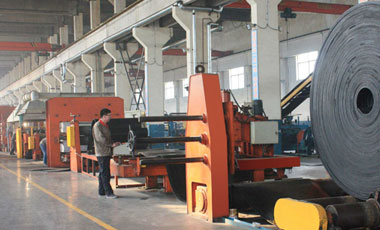
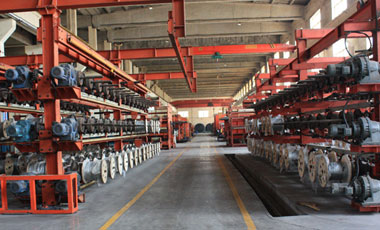
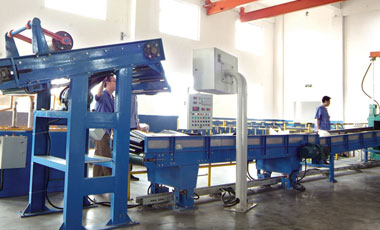
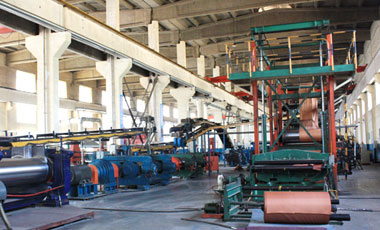
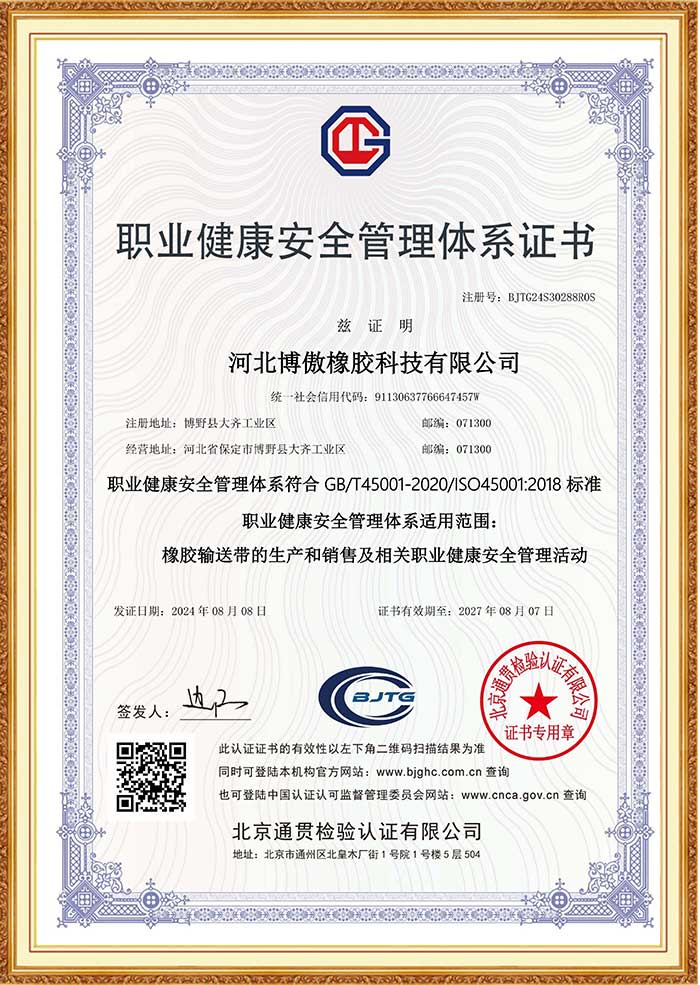
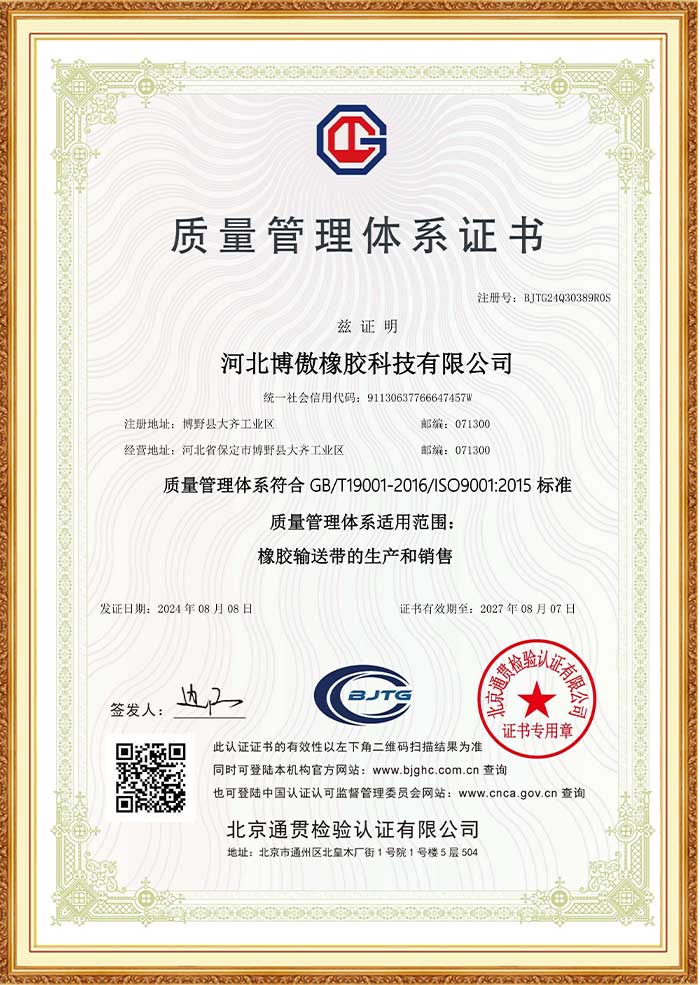
Operating under international quality management directives (ISO9001, ISO14001, ISO45001), Boao Rubber integrates compounding, calendering, high-pressure vulcanization, and finished product testing. Our production lines utilize automated mixing plants and high-precision steel wire layout arrays to ensure uniform tension across all steel cords, preventing tracking issues on site.
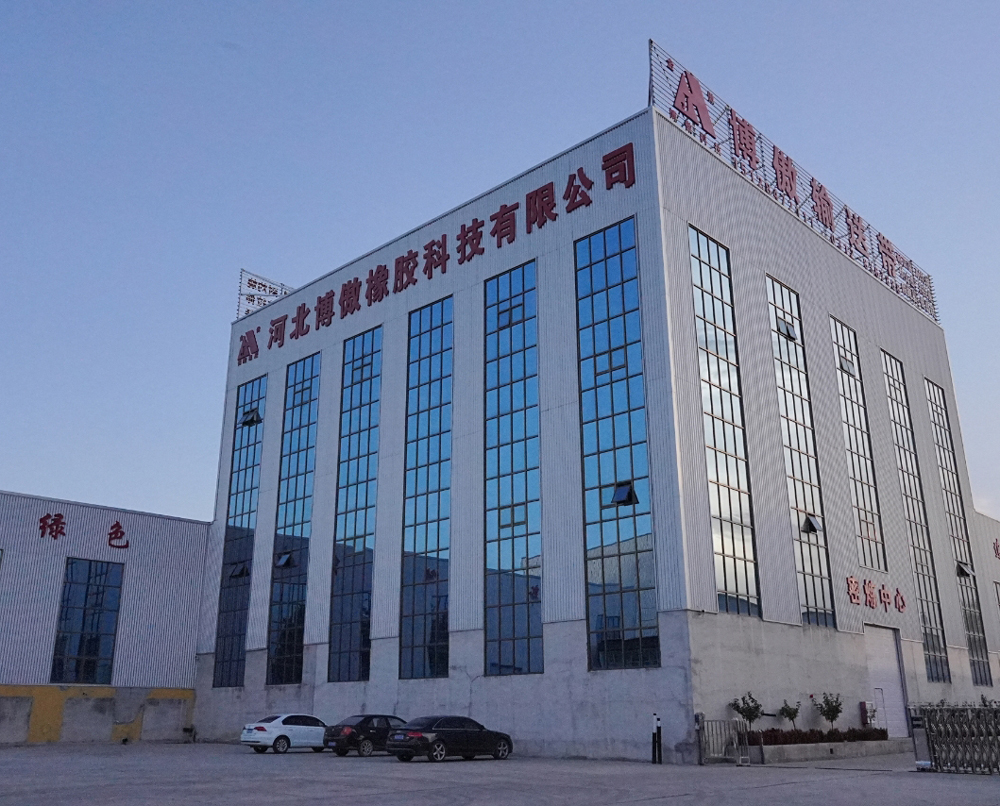
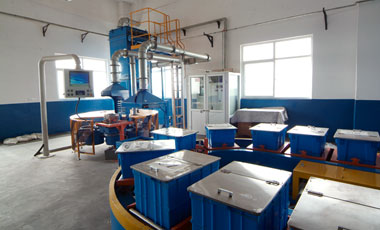
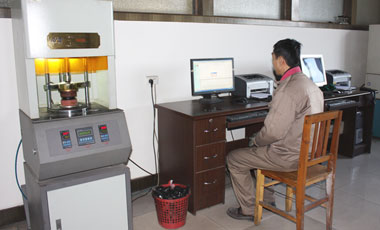
Our facilities feature an independent chemical analysis lab and a physical testing department. Following strict quality standards, raw materials like natural rubber, carbon black, and steel cords must pass initial inspection before entering processing. No intermediate products can bypass QC checks, and no finished conveyor belt leaves our facility without testing.
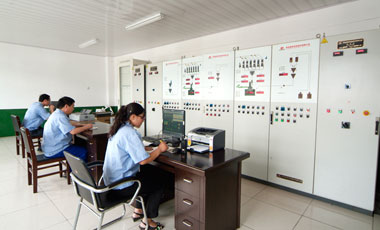
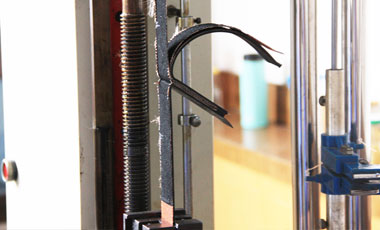
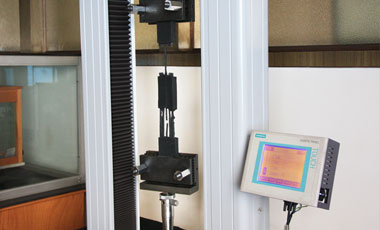
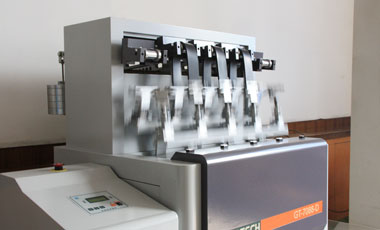
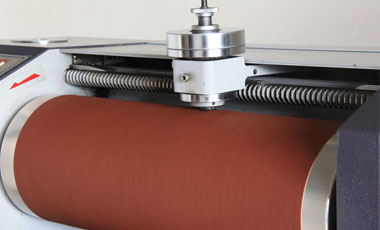
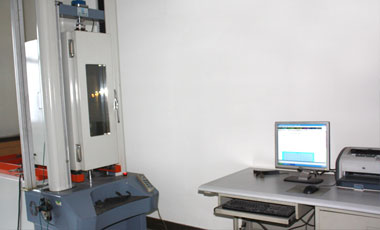
Equipped with advanced testing machinery (such as steel cord pull-out testers, dynamic fatigue testing systems, and drum friction apparatus), our engineers monitor adhesion strength, tensile load distribution, and wear resistance parameters.
Conveyor belt technology is moving toward smart, energy-efficient, and sustainable systems. Our technical roadmap focuses on these industry trends:
Embedding RFID chips and electromagnetic sensors within the steel cord array. Allows real-time monitoring of belt wear, temperature spikes, and early-stage cord breakage to support predictive maintenance.
Eliminating hazardous nitrosamine accelerators and shifting toward eco-friendly curing agents. Incorporating recycled polymer components and low-friction raw materials to reduce the environmental footprint.
Developing ultra-high strength steel cord conveyor belts (up to ST10000) with thin, high-tensile cords. Supports single-flight conveyances exceeding 20 kilometers, reducing intermediate transfer points.
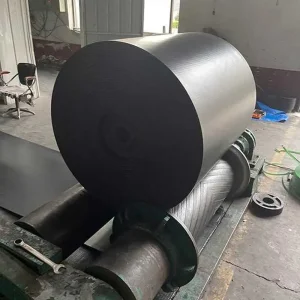
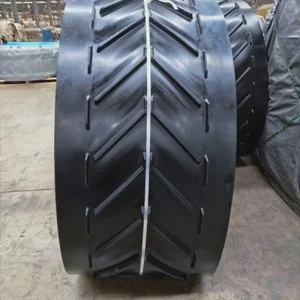
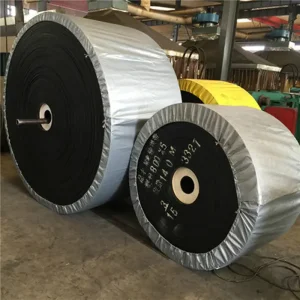
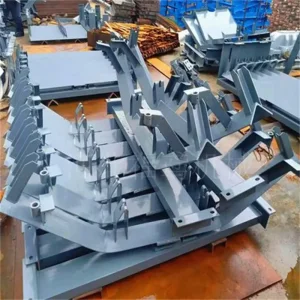
Our machinery configuration and testing labs reflect our commitment to technical precision:
Our "Jinao" conveyor belts are used by major domestic and international corporations across key industrial sectors:
Conch Cement
Tsingshan Group
Zijin Mining
China Railway Group
Datong Coal Group
Taihang Steel
Jidong Cement Group
Jinmei Group
Our products are engineered and tested to comply with international standards, facilitating smooth integration into global systems:
We manufacture in compliance with ISO9001 (Quality Management), ISO14001 (Environmental Protection), ISO45001 (Occupational Health & Safety), CE directives, and TS safety codes. Upon request, we provide detailed test certifications validating dynamic adhesion, cover wear properties, flame retardancy parameters, and core tensile ratings.
To support conveyor installation, Boao provides comprehensive technical plans covering onsite splicing, vulcanization services, and preventive maintenance. Our engineers assist in choosing splicing kits, determining cure times, and calculating tension configurations to ensure high splice strength.
Steel cord conveyor belts provide high tensile strength (up to ST10000) and low elongation (typically under 0.2% at working load). This permits much longer conveyor runs with fewer transfer stations, reduced drive systems, and minimal tension take-up travel, significantly reducing long-term operational costs.
The dynamic fatigue life of a splice is evaluated using ISO 15236 or DIN 22131 standards, subjecting it to cyclic tension tests. High splice strength depends on accurate wire layout, high-adhesion cure rubbers, and strict temperature control during field vulcanization.
Corrosion protection is achieved by galvanizing the carbon steel cords and using specialized high-adhesion rubber compounds. These compounds react chemically with the zinc layer during vulcanization, creating a durable bond that blocks moisture ingress, even if the cover rubber is cut.
To prevent ripping, we can integrate transverse steel breakers or synthetic sensor grids into the rubber cover. These components trigger automated detection systems that shut down the conveyor line if a rip occurs, limiting belt damage.
Speak with Hebei Boao Rubber Technology's engineering team to customize a conveyor system plan that meets your dynamic tension and environmental requirements.
Inquire Now
 Boao Rubber