Premium structural handling systems engineered for high-impact environments, ensuring operational continuous run time with optimized safety margins.
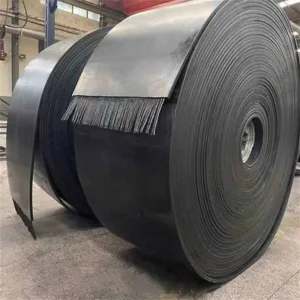
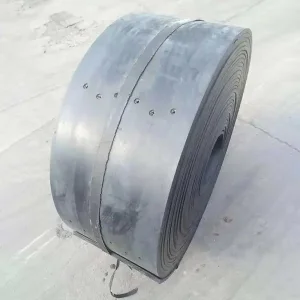
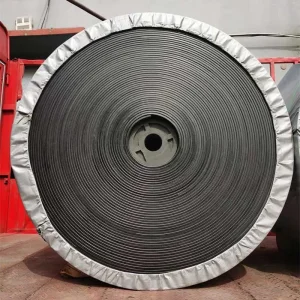
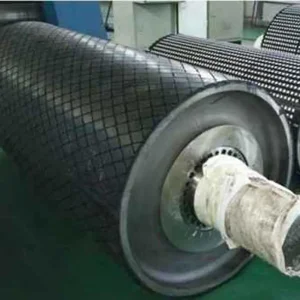
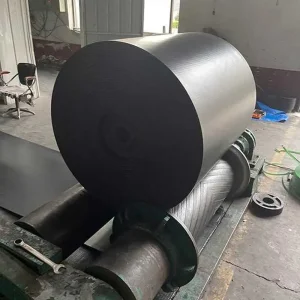
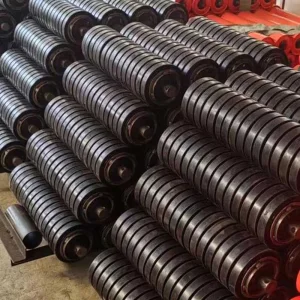
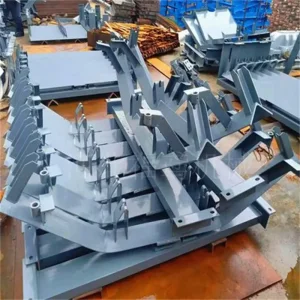
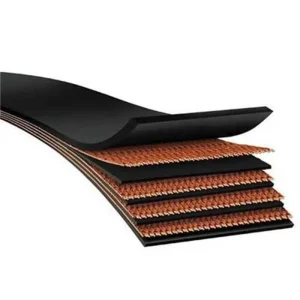
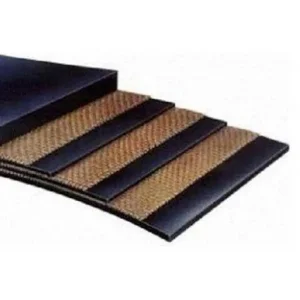
In modern bulk material handling, the structural integrity of conveyor installations determines the productivity of entire industrial systems. Steel reinforced conveyor belts (commonly referred to as steel cord conveyor belts) represent the peak of high-tension conveying technology. Unlike traditional fabric-ply structures, steel reinforced belts utilize high-tensile carbon steel cords embedded inline with a specialized rubber matrix. This design provides maximum tensile strength, negligible elongation, and high impact resistance, making it suitable for long-distance, high-capacity, and vertical material transport.
At Hebei Boao Rubber Technology Co., Ltd. (the name behind the "Jinao" brand), we have spent 22 years optimizing the interface chemistry and mechanical performance of steel reinforced belts. Our manufacturing facility in Boye County, Baoding, Hebei, produces belts capable of operating in demanding thermal, chemical, and physical environments, providing a reliable option for global mining and manufacturing enterprises.
Procuring heavy-duty conveyor systems requires a thorough evaluation of the Total Cost of Ownership (TCO). Procurement managers look beyond the initial purchase price to consider splice longevity, cover wear rates, energy efficiency, and unscheduled downtime costs. A high-tension belt failure can lead to significant lost production revenue, meaning reliability is paramount.
To satisfy international standards (such as DIN 22131, ISO 15236, and AS 1333), the manufacturing process must ensure consistent rubber penetration into the steel cords. This prevents internal moisture migration and oxidation, which can lead to cord failure. We use advanced calendering processes and high-adhesion rubber compounds to ensure the cords remain bonded to the cover matrix throughout the belt's service life.
Industrial conveyor belts must be designed for their specific operating conditions:
The industry is moving toward smart conveyor systems that integrate real-time health monitoring:
Electromagnetic Loop Sensors & RFID Rip Detection: Embedded copper loops detect longitudinal tearing, sending signal alerts to stop the conveyor drive and limit belt damage.
Energy Efficient Rubber (EER): Specially formulated bottom covers reduce rolling resistance over the idlers, lowering overall system energy consumption.
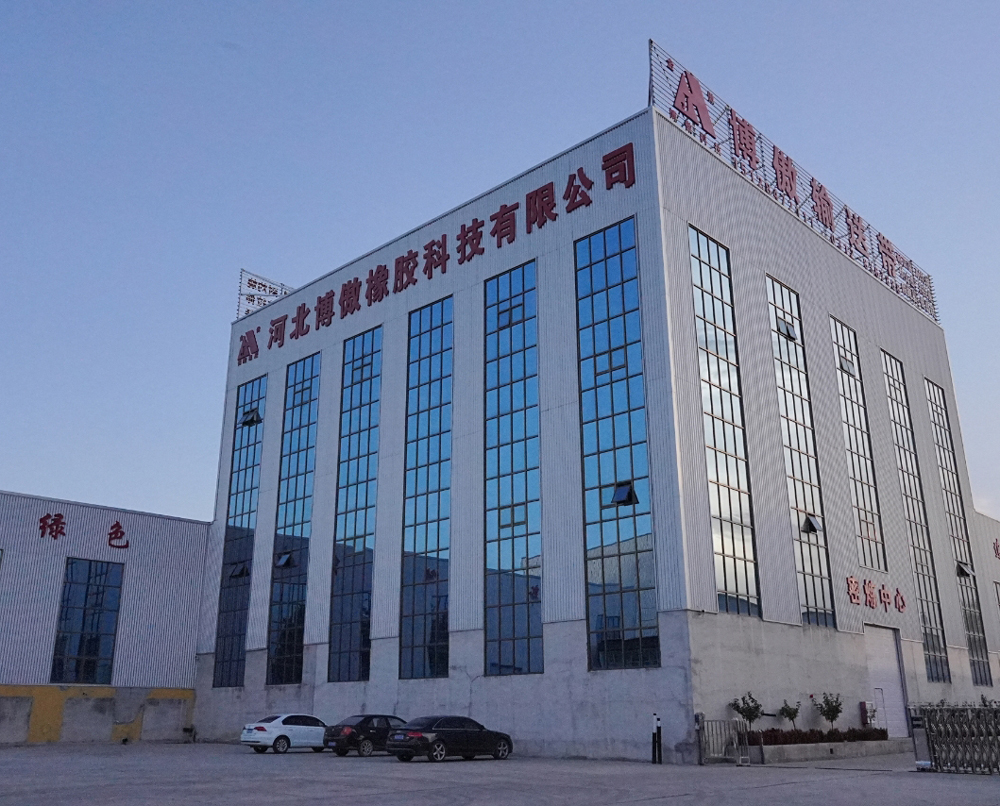
We operate an independent chemical analysis and physics testing laboratory, ensuring strict quality control from raw materials to final shipment. We verify every product to guarantee it meets international performance specifications.
Our products are used in demanding applications worldwide, including steel mills, mining operations, cement kilns, power stations, fertilizer plants, ports, and logistics hubs.
We support our manufacturing processes with dedicated testing equipment and experienced engineering teams.
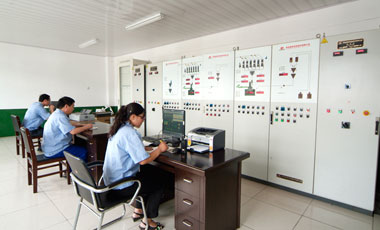
Our facility features automated carbon black feeding devices and computerized batching systems to ensure compounding consistency across every production run.
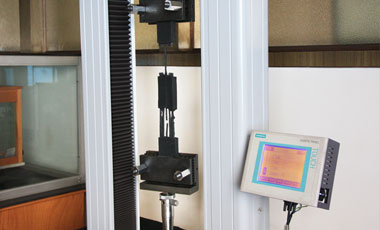
We perform physical testing to measure the mechanical bond strength between the steel wire ropes and the rubber covers, maintaining safety factors above standard requirements.
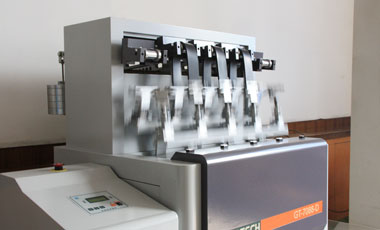
We run simulated cycle testing to verify cover resistance against constant bending stresses, micro-tearing, and operational wear.
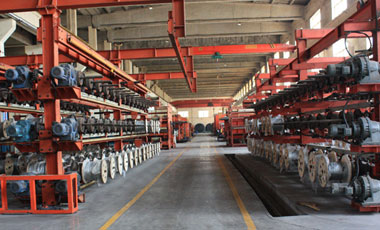
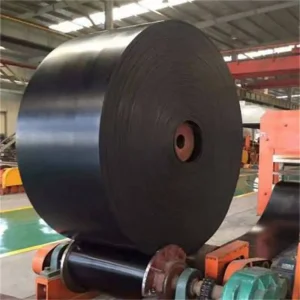
Images from our production facility demonstrate our manufacturing and quality assurance capabilities.
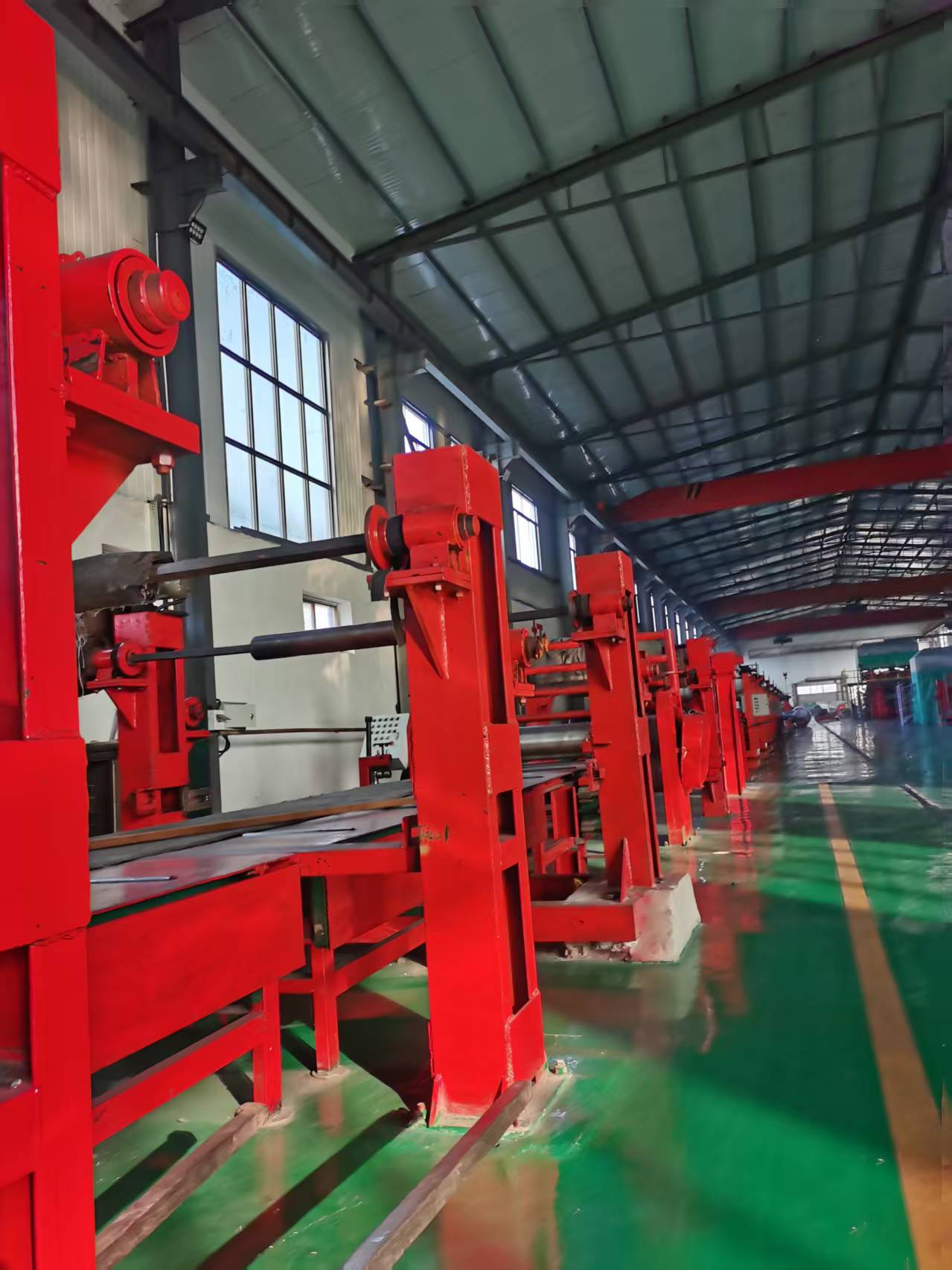
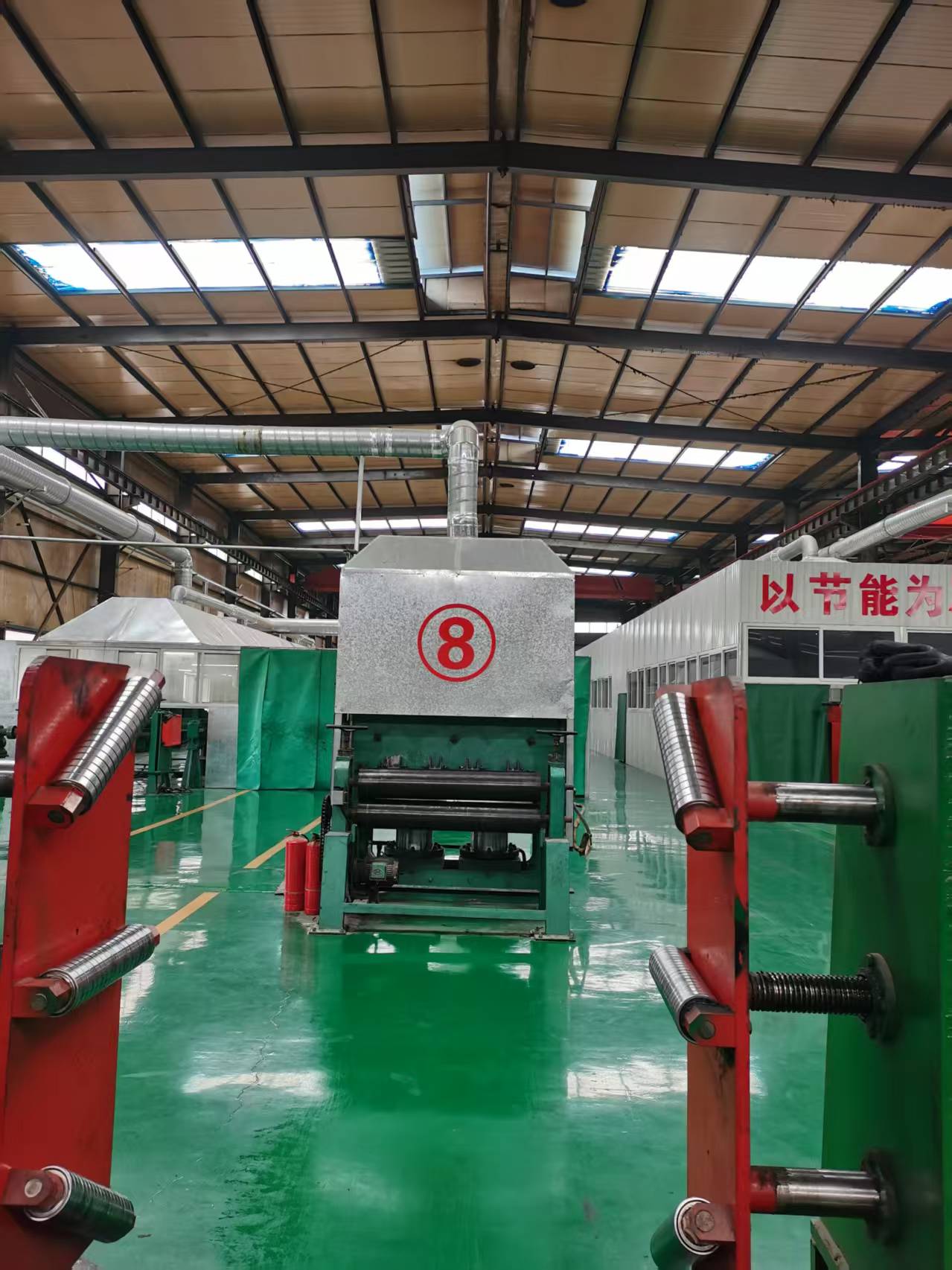
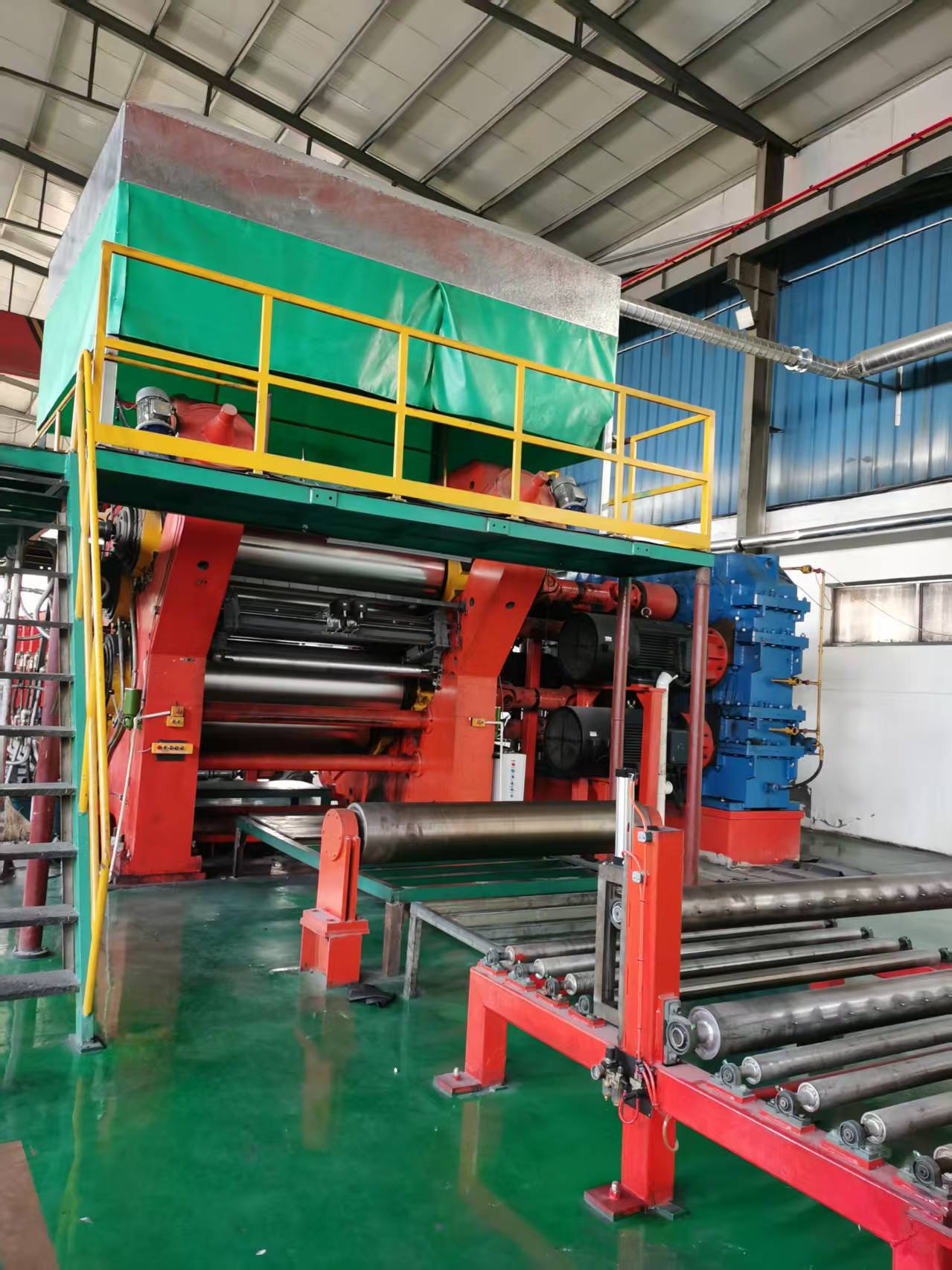
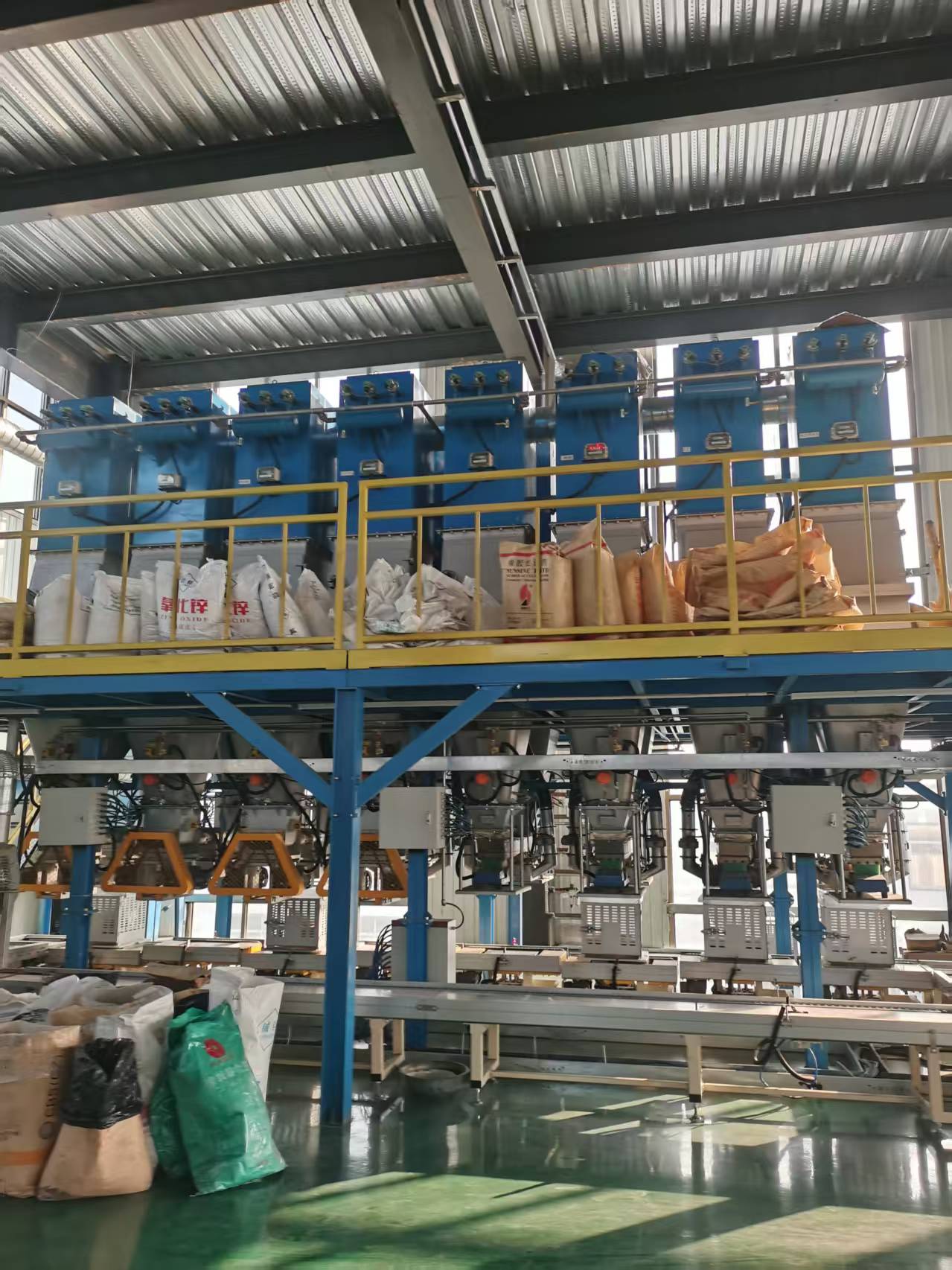
A detailed overview of our product lines and specifications designed for different operating environments.
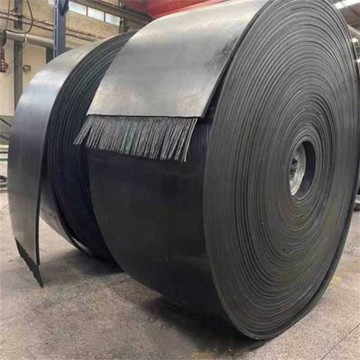
Designed for high-tension and long-distance transport, featuring low elongation and high splice efficiency.
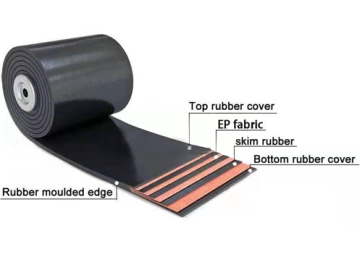
Polyester or Nylon carcass belts providing flexiblity and impact resistance for medium-distance conveyors.
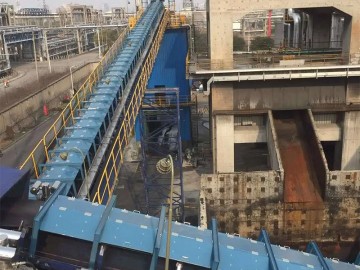
Formulated for safety in underground coal mines and grain silos, complying with MT and international fire safety standards.
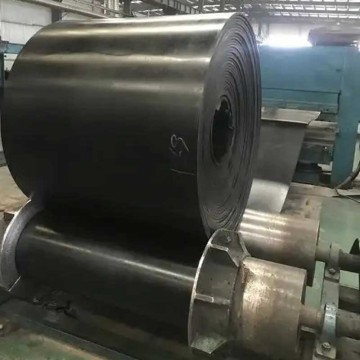
Engineered for cold climates, maintaining flexibility and crack resistance down to -50°C.
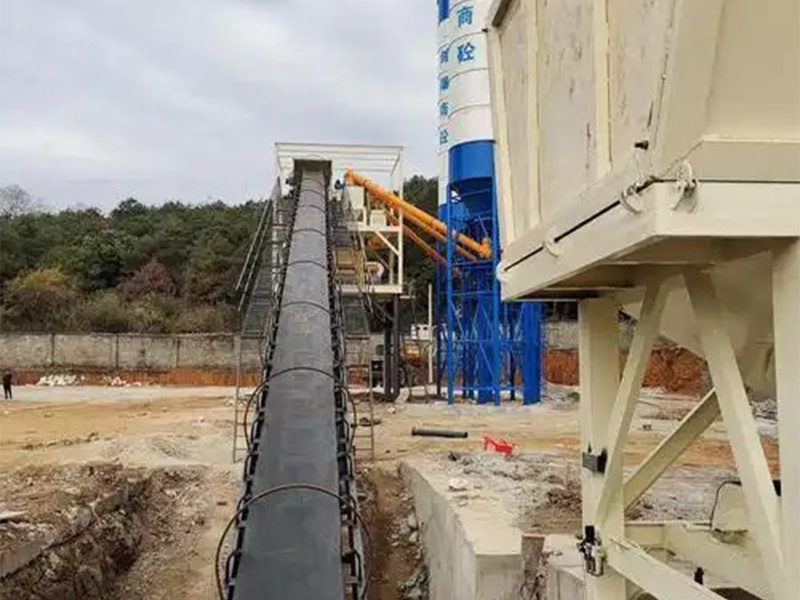
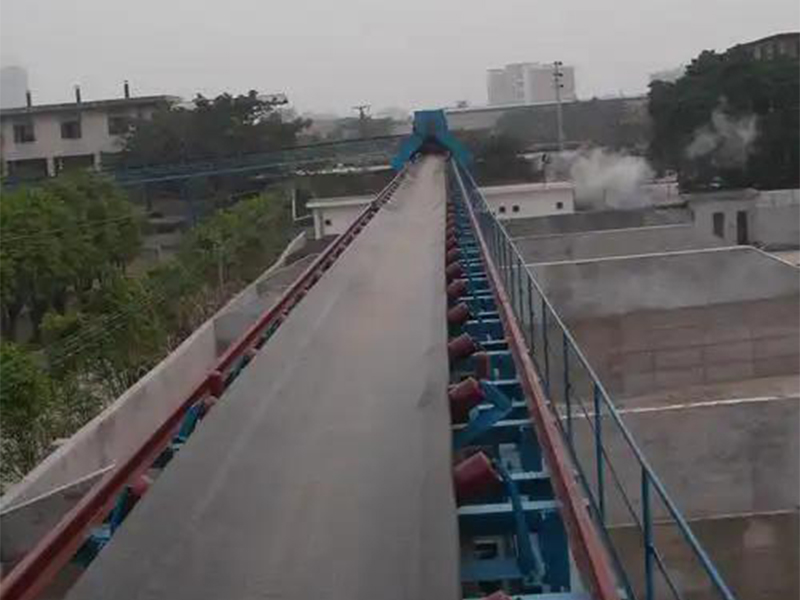
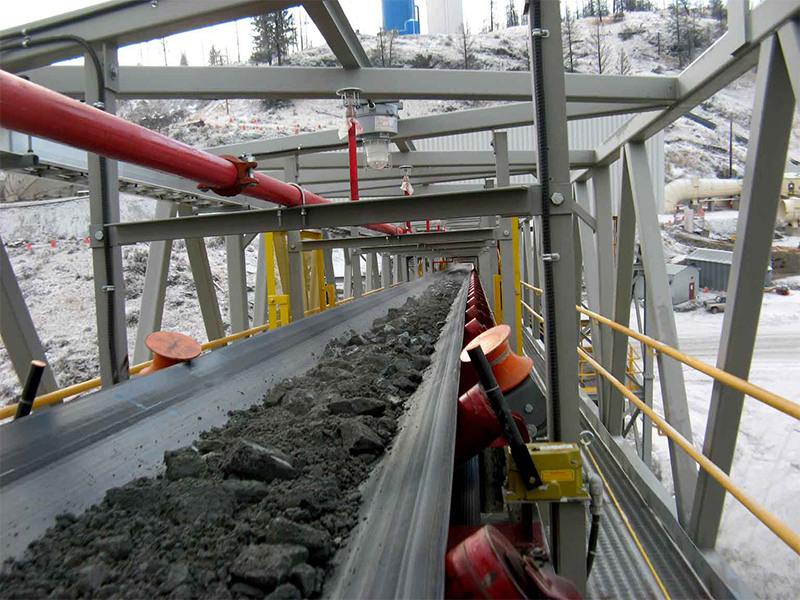
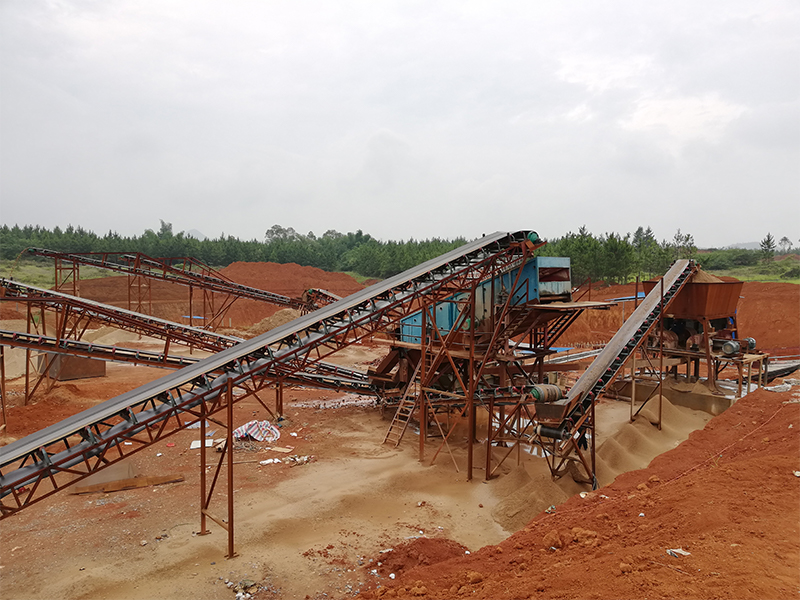
Our conveyor belts are used across mining, steel, cement, and power generation operations globally.
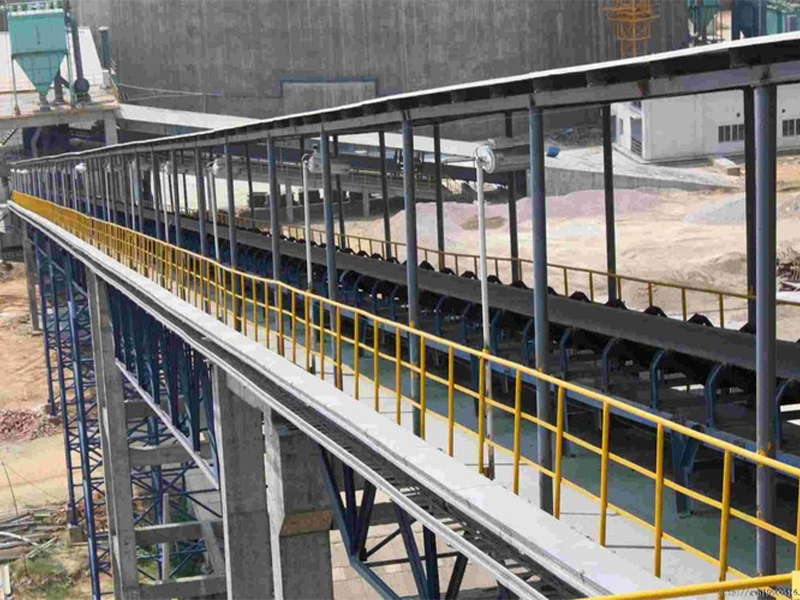
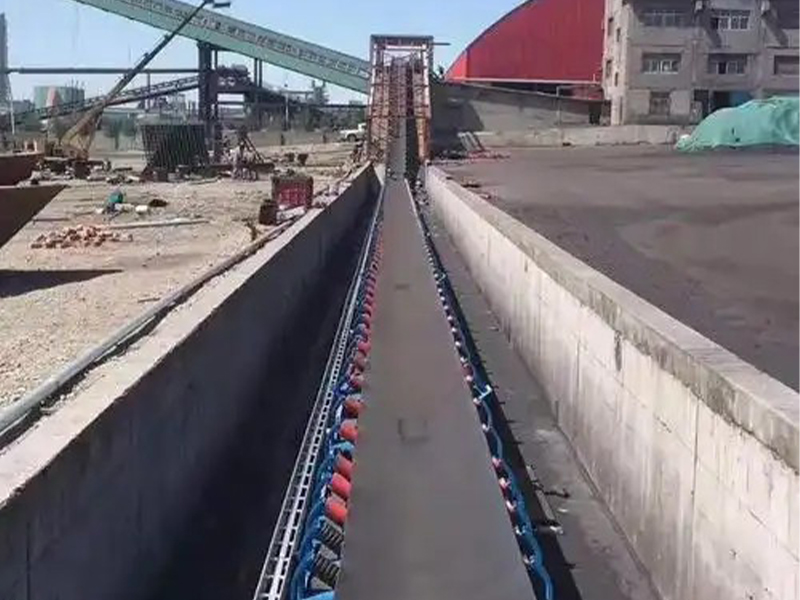
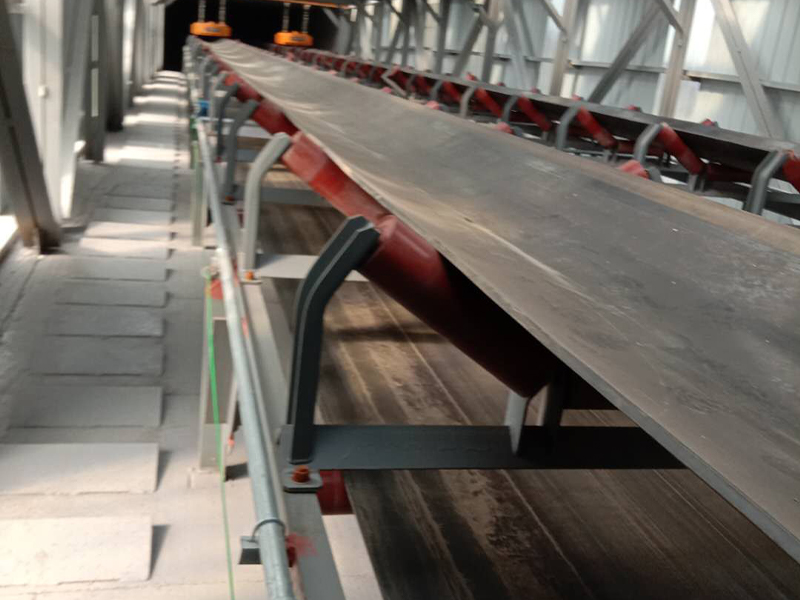
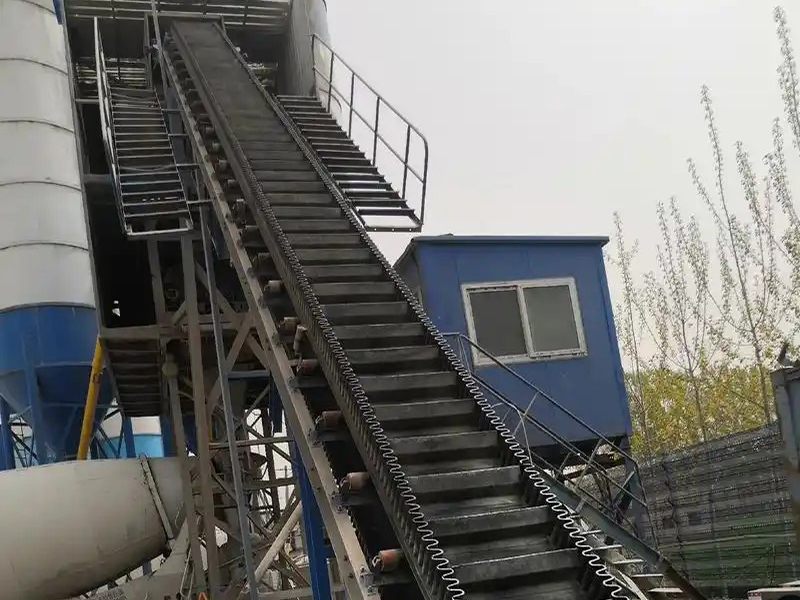
We support our products with localized service, preventive maintenance plans, and safety stock management.
Our technicians assist with dynamic splicing, structural alignments, cover repairs, and periodic inspections of conveyor belts.
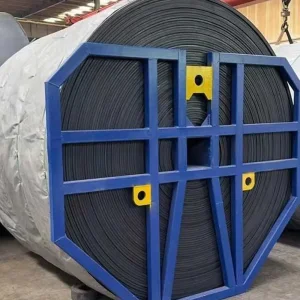
We maintain safety stock programs at regional depots to minimize operational delays for long-term contract partners.
We design systems to reduce belt wear, lower conveyor drive energy requirements, and extend the service life of your material handling assets.
Answers to common engineering questions regarding steel reinforced conveyor belts.
Submit your system parameters (belt width, tension rating, cover grade, and transport distance) for a tailored design proposal.
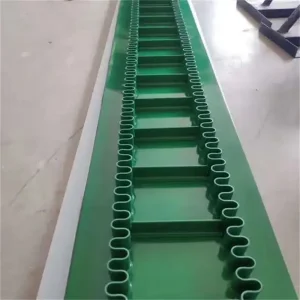
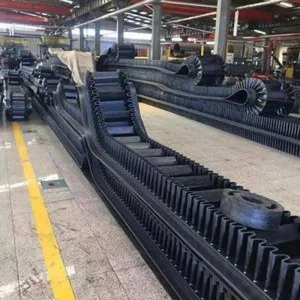
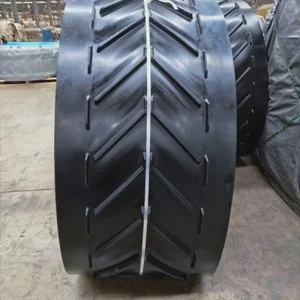
We manufacture custom-profile belts, high-inclination sidewalls, and component rollers to support standard and specialized conveying systems.
 Boao Rubber