Explore our main technical product categories optimized for heavy industrial applications, extreme durability, and certified quality standards.
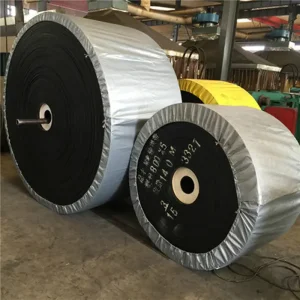
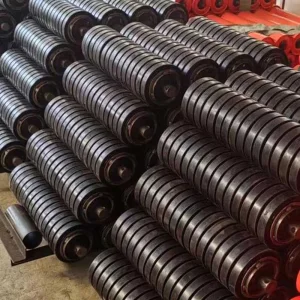
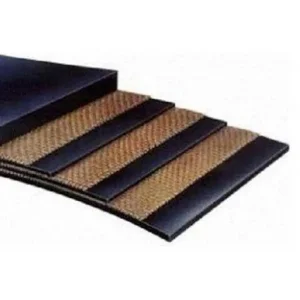
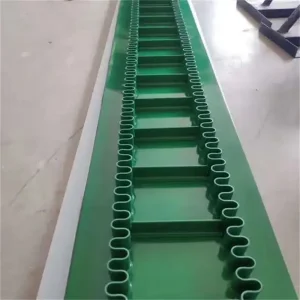
Analyzing the global shift towards high-tension, long-distance bulk material handling infrastructure.
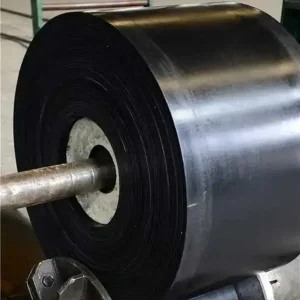
In modern industrial operations, logistics and bulk material handling systems represent the vascular network of productivity. The global market for Steel Cord Rubber Conveyor Belts has seen exponential growth over the past decade, driven heavily by increasing scale of mining extractions, high-volume metallurgical operations, and massive infrastructure developments. Steel cord conveyor belts offer unprecedented longitudinal tensile strength and virtually zero elongation, making them the default choice for long-distance transport, heavy inclines, and high-capacity loading networks globally.
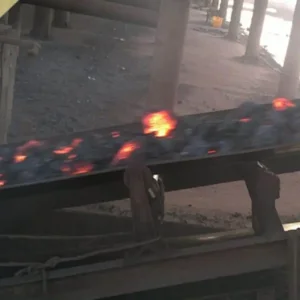
Historically, textile-reinforced conveyor belts dominated industrial corridors. However, modern high-efficiency mining (such as open-pit coal extraction and deep underground ore mining) demands tensile ratings exceeding ST1000 to ST10000. Under these extreme loads, steel wire cord configurations provide the absolute necessary structural stability, flexible troughing angles, and reliable fatigue resistance needed to prevent catastrophic belt failures and minimize operational downtime.
In regions such as Western Australia, South America (Chile, Brazil), and Sub-Saharan Africa, heavy minerals demand high-durability steel cord belts to transport corrosive ores overland across multiple kilometers.
Intermodal transport terminals require high-velocity belts with superior impact resistance to manage immediate ship-to-shore bulk material transfers without carcass deformation.
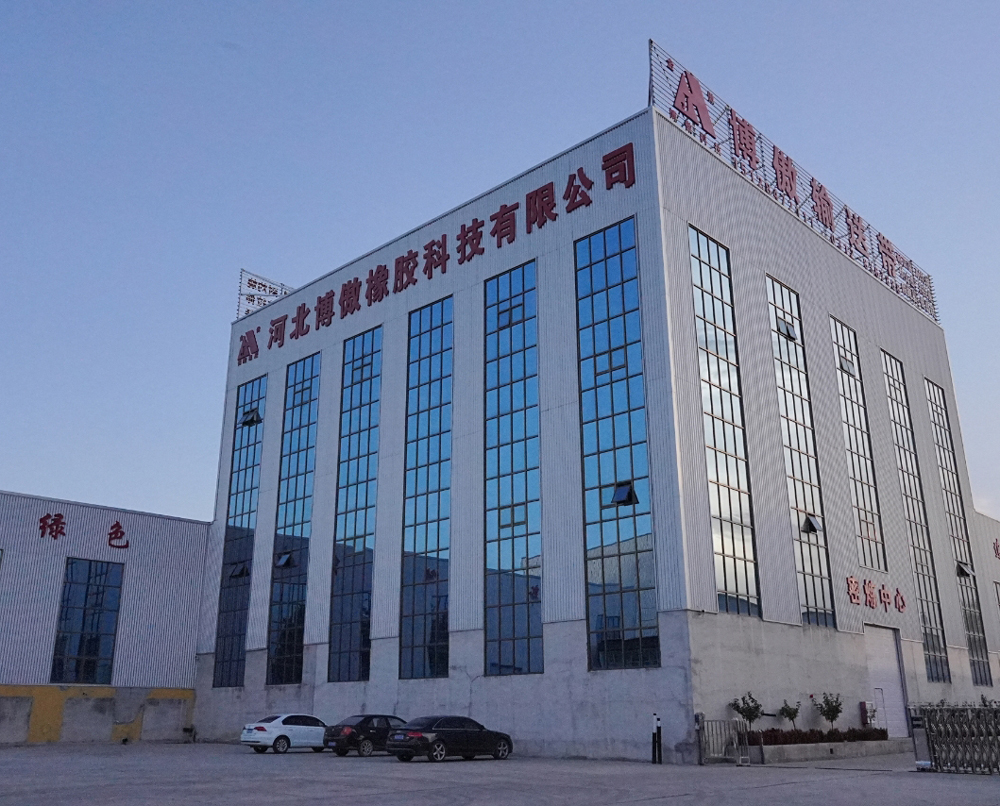
Hebei Boao Rubber Technology Co., Ltd. is strategically located in the premier Rubber Industrial Park of Boye County, Baoding City, Hebei Province, China. Established in 2004, our production facility spans an extensive area of over 30 acres. Over the course of 22 years of dedicated development, engineering innovation, and quality control, we have grown into a leading manufacturer integrating design, research, testing, and system service for conveyor belts and supporting accessories.
Our proprietary brand, "Jinao", represents premium engineering reliability. Boao houses state-of-the-art production lines for rubber mixing, calendering, molding, and continuous vulcanization, complemented by a world-class inspection laboratory. Our certifications span ISO9001 quality systems, ISO14001 environmental frameworks, and ISO45001 occupational safety, confirming our capacity to serve high-level national and international contracts.
Discover the next generation of conveyor belt engineering, material sciences, and environmental frameworks.
Innovations in synthetic elastomers and chemical compounding have introduced specialized cover rubbers that resist severe ozone aging, deep-level abrasive wear, and thermal degradation. Low rolling resistance (LRR) compounds significantly reduce the power required to propel long-distance overland conveyors, cutting electrical utility requirements by up to 15%.
Real-time steel cord integrity tracking is transitioning the industry from reactive maintenance to predictive paradigms. High-strength steel cord belts are now being manufactured with integrated vulcanized sensor loops, allowing continuous scanning for longitudinal rips, splice elongation, and internal core wire breaks.
Environmental requirements demand low-carbon vulcanization profiles, recyclable synthetic backing materials, and non-toxic processing oils. Boao utilizes modern energy-efficient mixing lines to achieve dynamic carbon output reductions without compromising the physical properties of the vulcanized matrix.
Our strictly monitored laboratory ensures zero defects from incoming raw materials to final dispatched packages.
Every industrial grade conveyor belt manufactured by Hebei Boao must meet or exceed rigorous international standards, including DIN 22131, ISO 15236, and AS 1333. Our chemical analysis room and mechanical laboratories test every batch of raw materials (including high-carbon steel wires and high-grade natural rubber compounds) before releasing them to the calendering lines.
Our laboratory is fully equipped with highly sophisticated equipment:
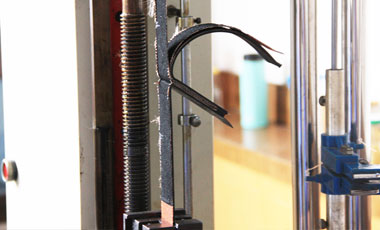
Peeling Test Setup
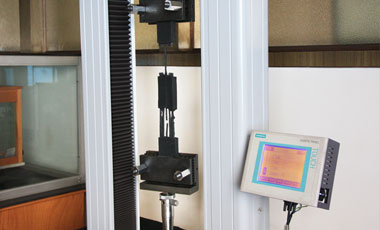
Steel Cord Pull-out Machine
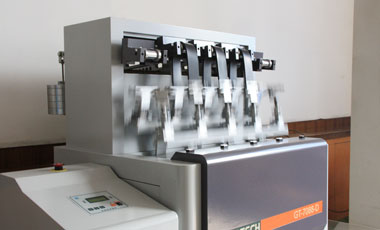
Dynamic Fatigue Tester
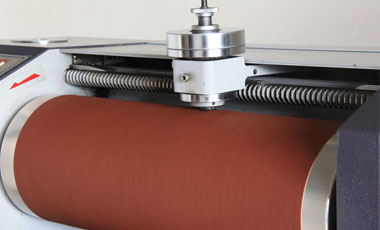
Abrasion Tester
A closer look at our industrial infrastructure for polymer mixing, cord tension control, and hot vulcanization.
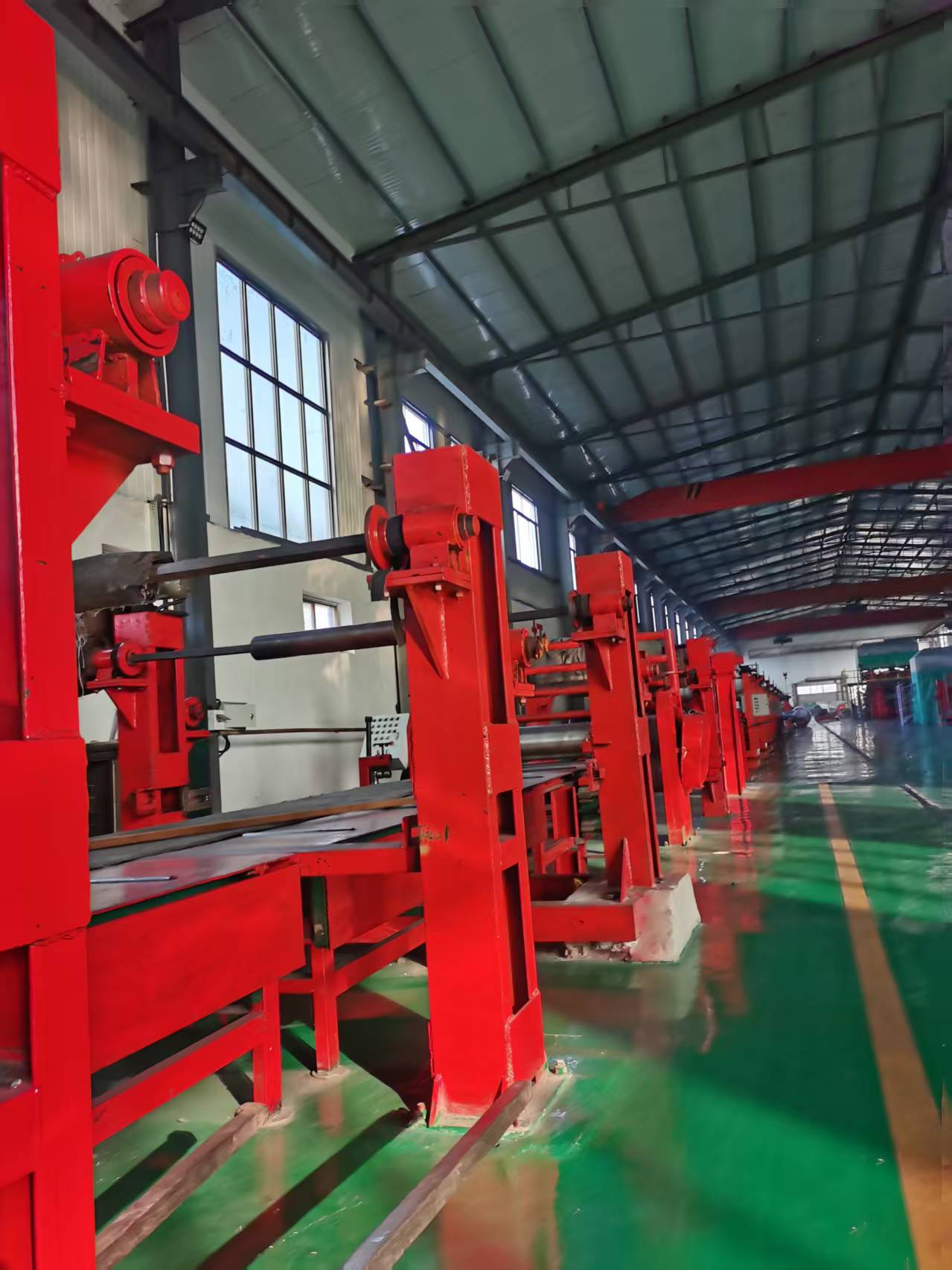
Internal Mixing Station
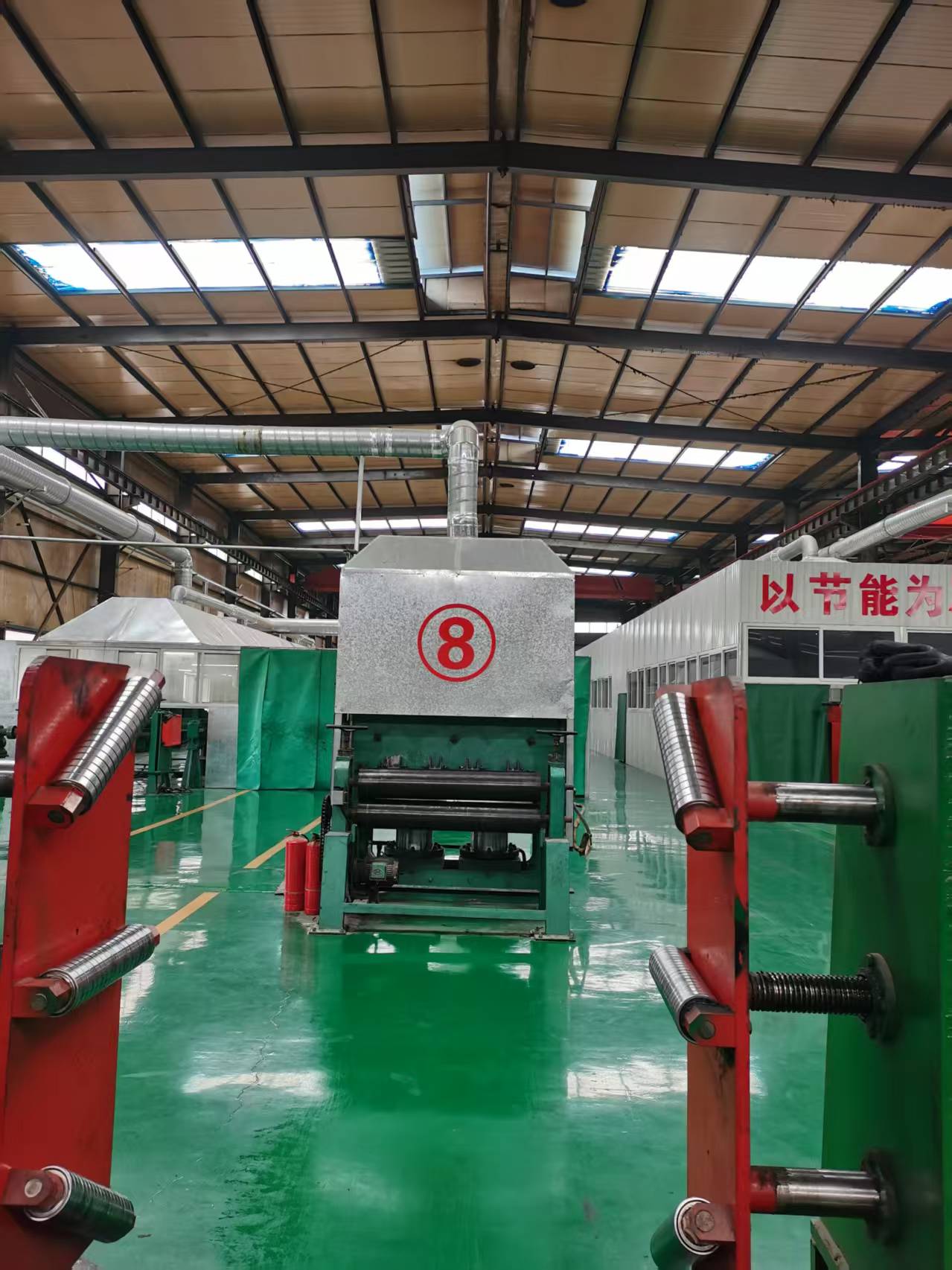
Precision Calendering Machine
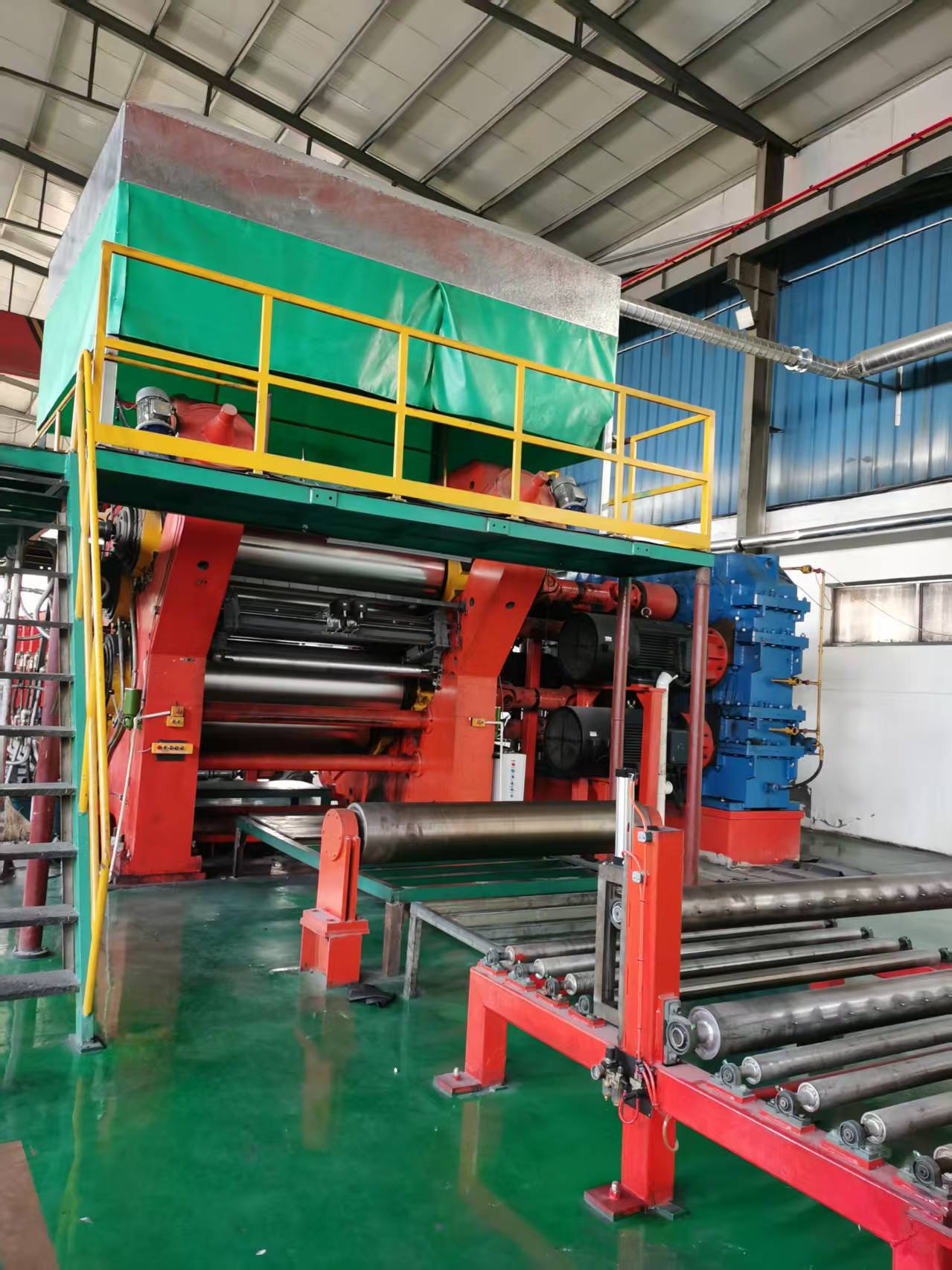
Steel Cord Tension Station
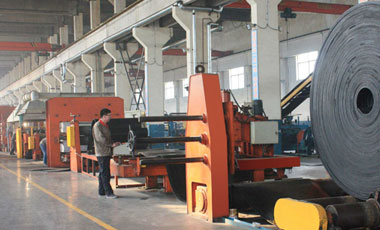
Production Line of Fabric Conveyor Belt
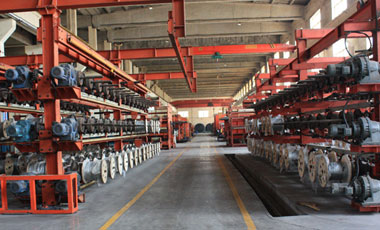
Production Equipment of Steel Cord Conveyor Belt
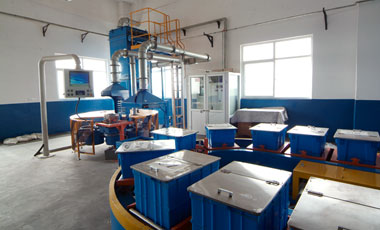
Proportioning Room of Mixing Center
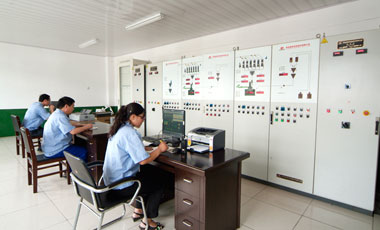
Proportioning System of Mixing Center
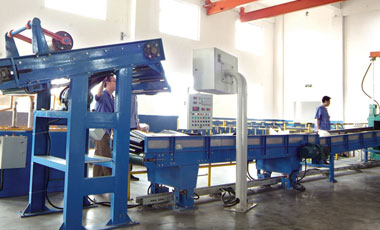
Material Feeding Device
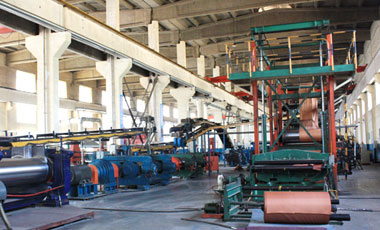
Calendering & Shaping Machine
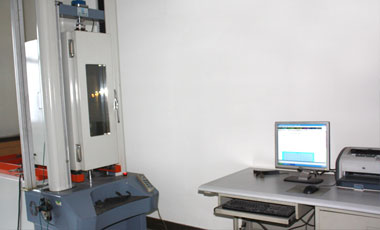
Physical Properties Testing Station
Serving major heavy industry groups, resource conglomerates, and infrastructure builders worldwide.
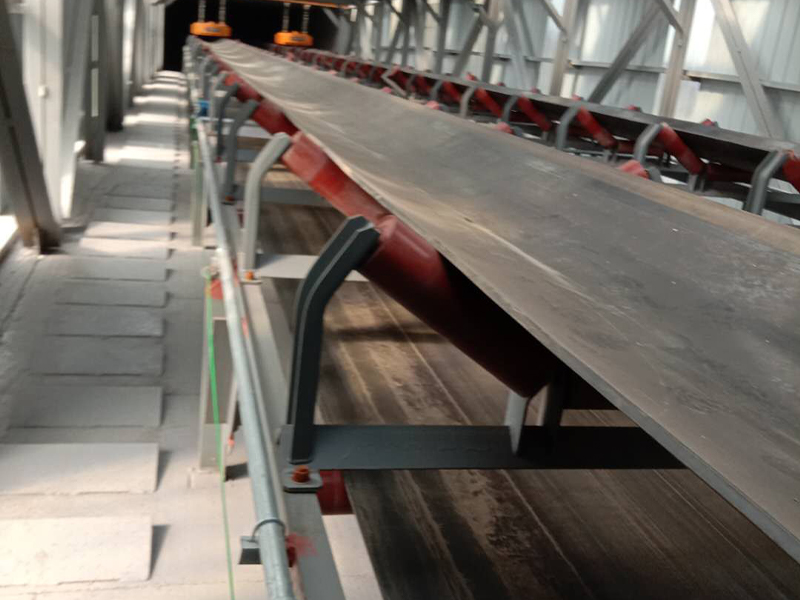
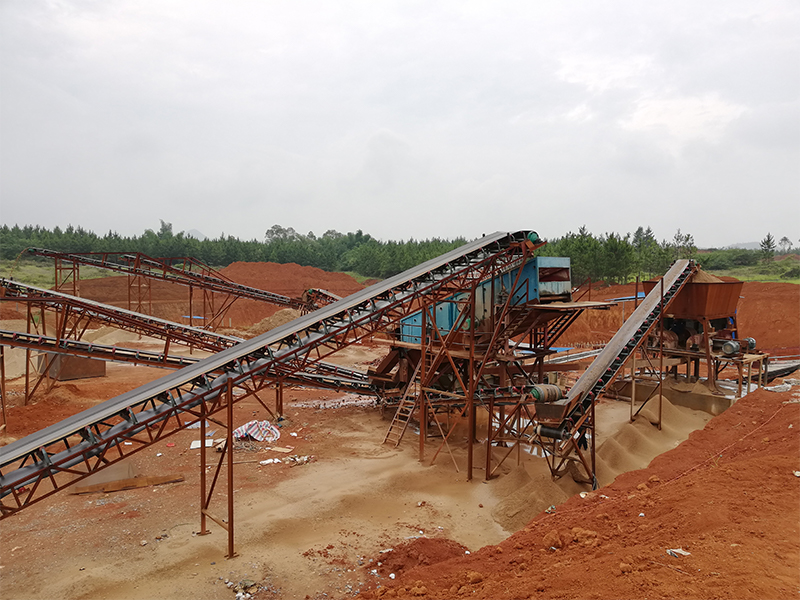
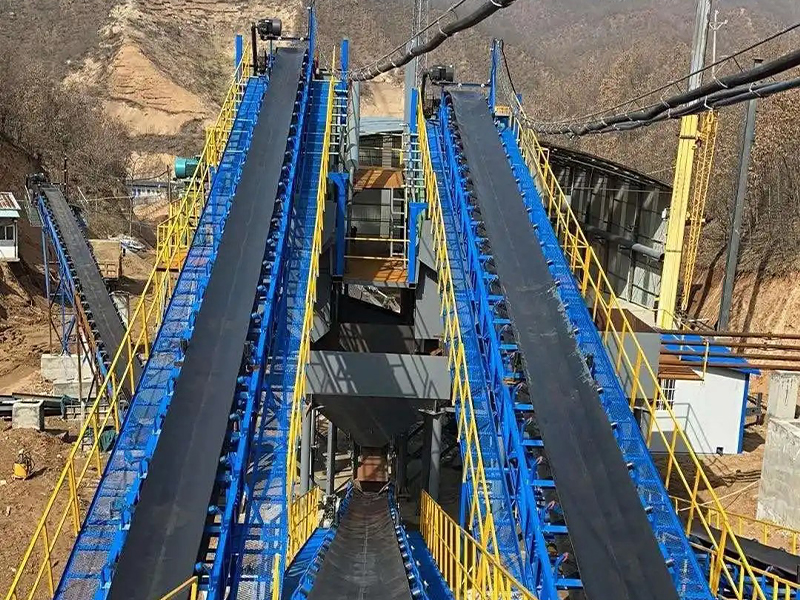
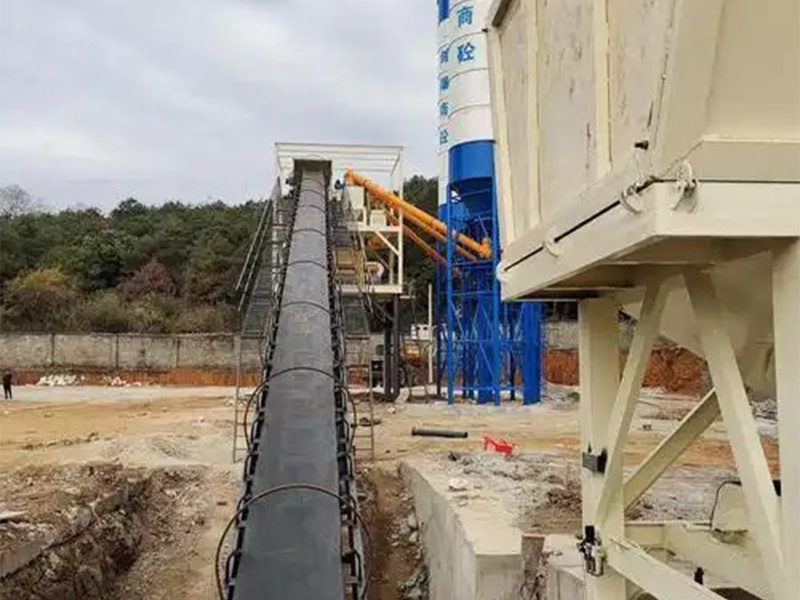
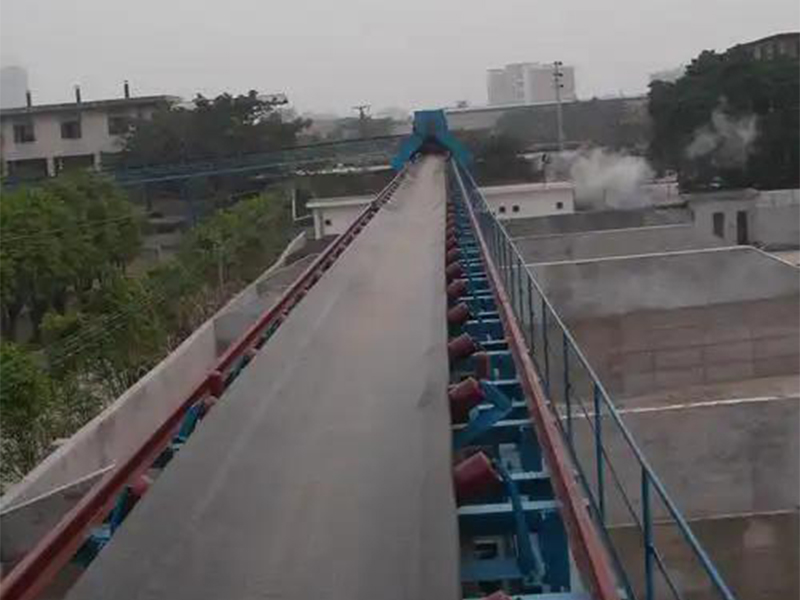
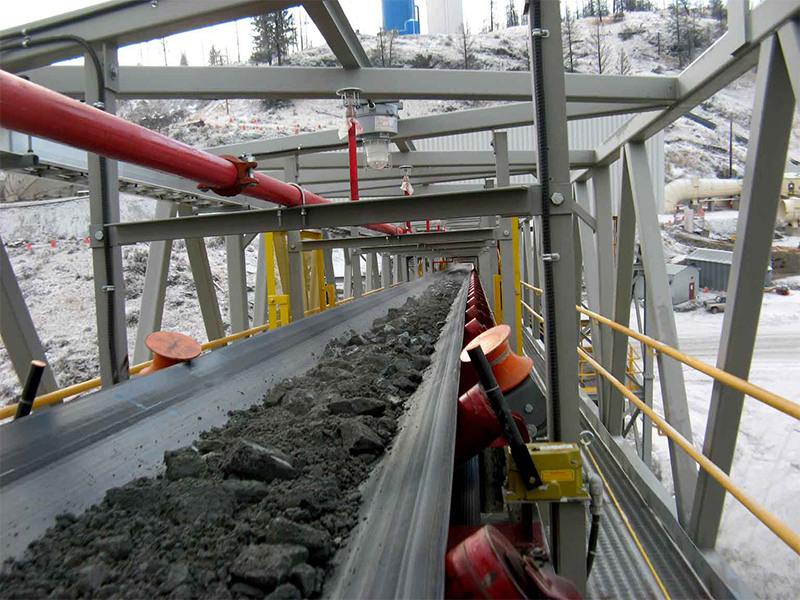
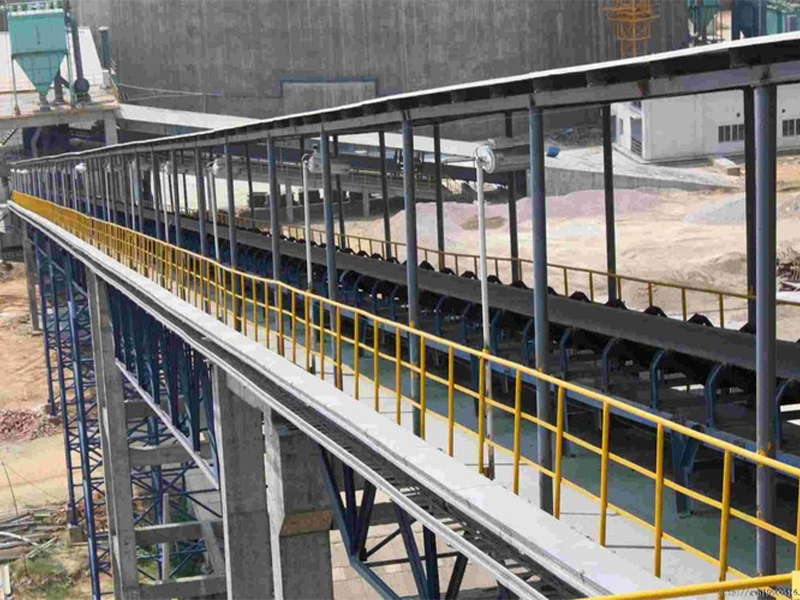
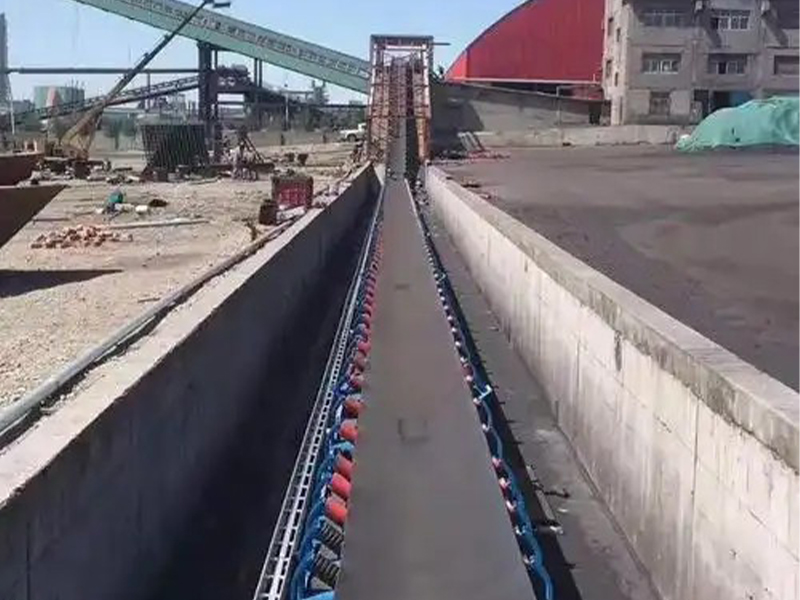
Engineered to operate in the most demanding conditions. View our parameters below.
Our belts are structured to cover high tensile ratings from ST500 up to ST10000. Every unit of steel cord is zinc-galvanized and thoroughly encased in high-penetration bonding rubber to prevent internal oxidation and corrosion under humid environmental profiles.
| Belt Type / Strength Rating | Maximum Belt Width (mm) | Steel Cord Diameter (mm) | Standard Cover Layer Thickness (Top + Bottom) | Primary Applications |
|---|---|---|---|---|
| ST500 - ST1000 | 600 - 2200 | 2.8 - 4.0 | 5.0 + 5.0 mm to 6.0 + 6.0 mm | Sand, Gravel, Port Bulk, Medium Coal Runs |
| ST1250 - ST2000 | 800 - 2400 | 4.5 - 5.5 | 6.0 + 6.0 mm to 8.0 + 6.0 mm | Hard Rock Mining, Heavy Aggregates, Inland Terminals |
| ST2500 - ST3500 | 1000 - 2600 | 6.0 - 7.5 | 8.0 + 6.0 mm to 10.0 + 8.0 mm | Underground Coal Corridors, Overland Conveyors, Ore Handling |
| ST4000 - ST10000 | 1200 - 3200 | 8.0 - 12.0 | 10.0 + 8.0 mm to 12.0 + 10.0 mm | Extreme Overland Systems, Heavy Metal Mines, Open Cast Mines |
Optimize conveyor performance, lower operational costs, and secure high-efficiency operation cycles.
We provide structural planning, preventative replacement schedules, physical inspection, on-site vulcanized splicing audits, and 24/7 emergency response protocols for large mining operations and industrial plants.
Our technical team guarantees optimized buffer inventory at client storage depots. We manage local warehouse levels to support immediate turnaround for repair or unplanned splice adjustments, minimizing down-time losses.
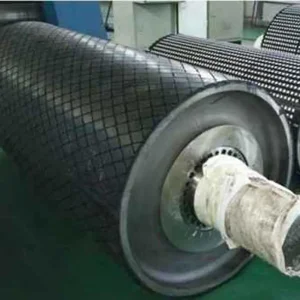
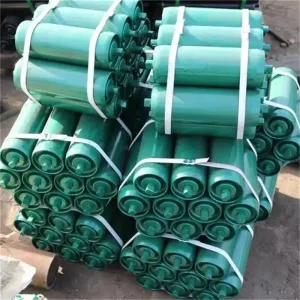
Operational audits target maximized rolling efficiency, minimized wear profile deviation, and reduced energy consumption profiles across drive drums, return idlers, and impact zones.
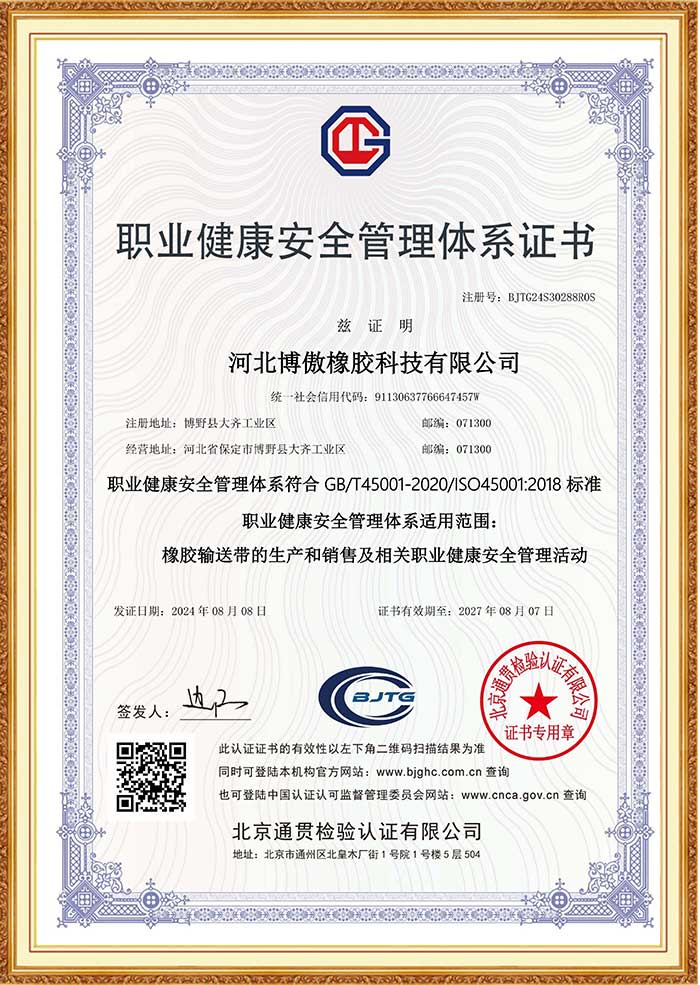
ISO9001 Certification
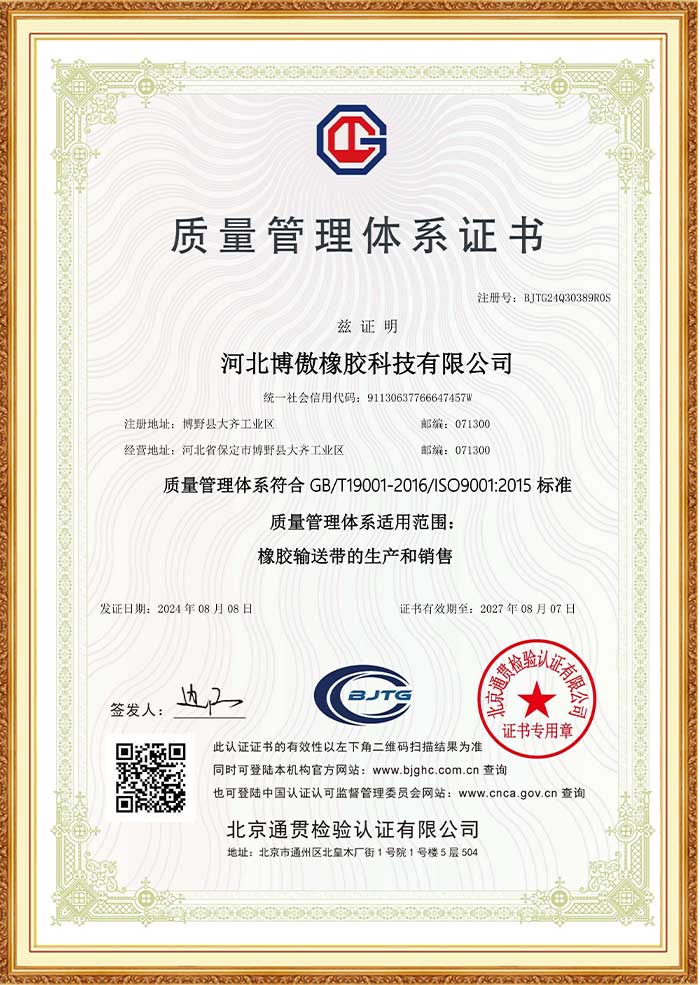
Compliance Quality Certification
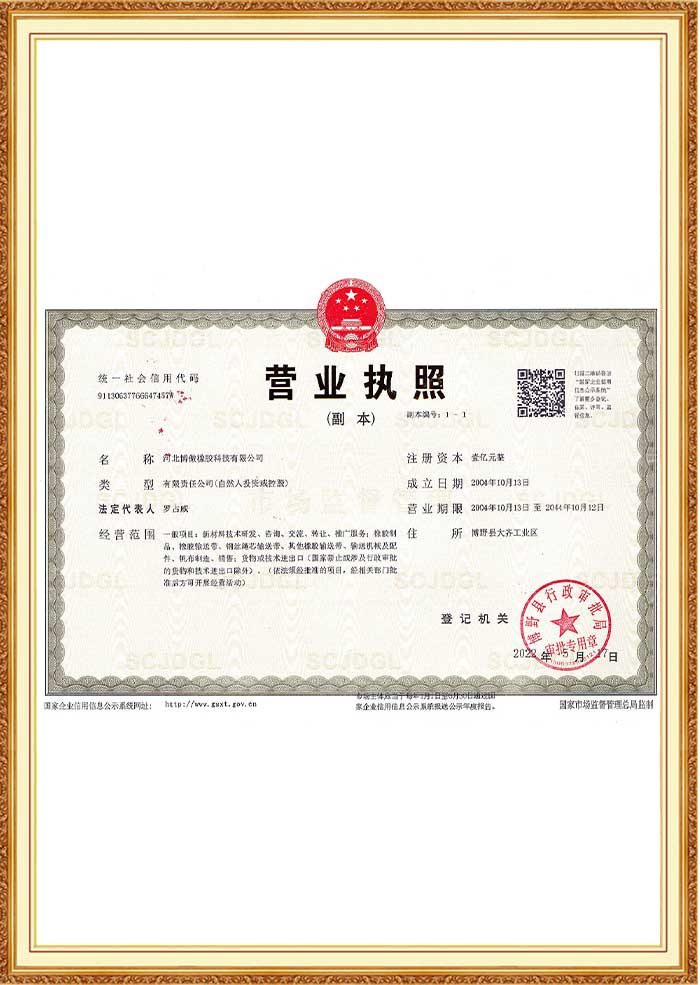
Environmental Standard Certificate
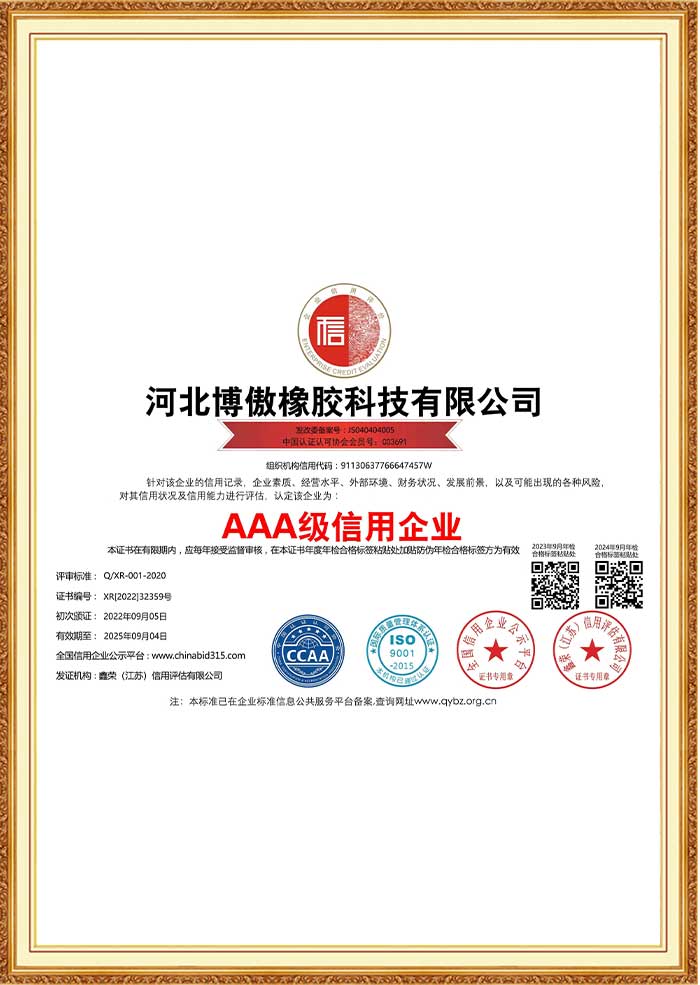
Industrial Safety Certificate
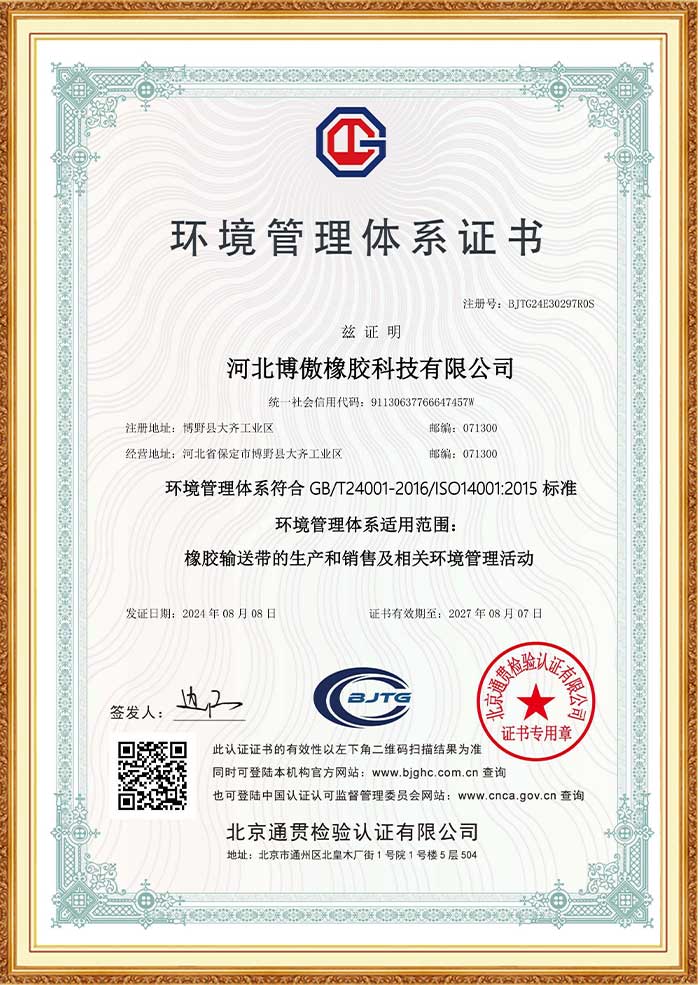
Export Compliance Standard
Essential engineering answers regarding steel cord rubber conveyor belt operations, splicing, and compound selections.
Browse our supplementary engineering parts, customized brackets, and specialized industrial belts.
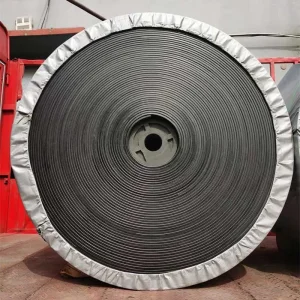
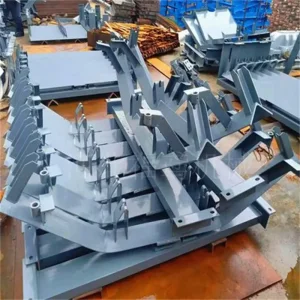
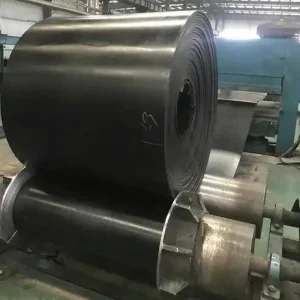
Our engineering team will assist you in calculating belt tension ratings (ST-class), designing cover thickness ratios, and recommending appropriate chemical compounds for your specific site requirements.
Contact Our Engineers Boao Rubber