Heavy-duty, high-performance conveyor belts and accessories designed for extreme environments.
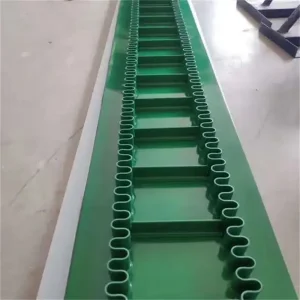
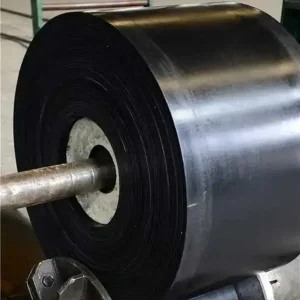
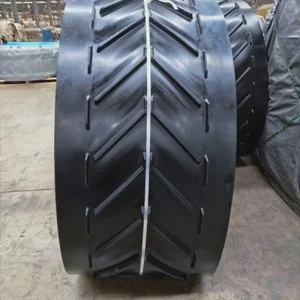
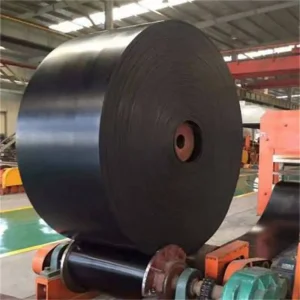
In modern industrial applications, material handling acts as the vital vascular system of global extraction, processing, and transportation infrastructure. As global operations extend deep underground, scale up output capacities, and cover increasingly demanding terrains, the limitations of traditional textile-reinforced conveyor belts become clear. In response, engineering has shifted toward Steel Wire Rope Core Conveyor Belts, also widely known in international engineering bids as steel cord belts.
These advanced belts run on a simple mechanical principle: replacing polyester (EP) or nylon (NN) fabrics with high-tensile, zinc-coated steel cords. This provides high tensile strength, minimal elongation, and long-term durability. For bulk material handling engineers, selecting the *Best Steel Cord Belt Supplier* is critical. It impacts operational longevity, safety factors, and the overall Total Cost of Ownership (TCO) across decades-long system operations.
The demand for high-tension steel cord conveyor belts is closely linked to macro-economic development, urban infrastructure projects, and deep-pit raw material extraction. Globally, the mining sector—particularly copper, iron ore, and coal—accounts for over 45% of the total steel cord belt consumption. As surface mines run dry, mining operations must delve deeper underground. This transition requires vertical lift or long-distance decline conveyors capable of operating under high tension without splice failure.
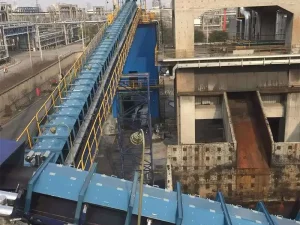
In addition, modern ports and bulk shipping terminals require high-speed, high-capacity overland conveyor systems to reduce loading times. Standard fabric belts are limited in width, high-tension elasticity, and heat resistance. Steel cord belts, however, handle tensions ranging from ST500 to ST10000. This capability allows single-flight conveyor distances to span over 10 kilometers without transfer points, significantly reducing dust emissions, energy consumption, and structural maintenance costs.
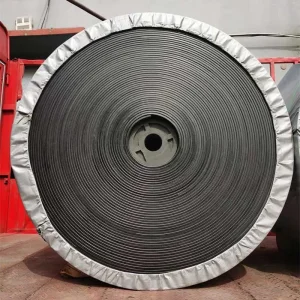
The construction of a premium steel cord belt is a balance of metallurgy and polymer chemistry. The core structure consists of a single plane of high-tensile steel cords embedded in a specialized rubber compound. The key features that distinguish our products include:
Specially formulated bottom cover rubber and zinc-plated wire configurations resist cyclic flexing over high-speed idlers, preventing internal core separation over millions of rotations.
High pull-out force resistance tested in our laboratories ensures that hot-vulcanized joints retain up to 95% of the original belt strength, guaranteeing system safety.
Optional steel transverse reinforcement meshes can be embedded above the cord plane to detect and block longitudinal splits caused by sharp tramp iron or oversized rock blockages.
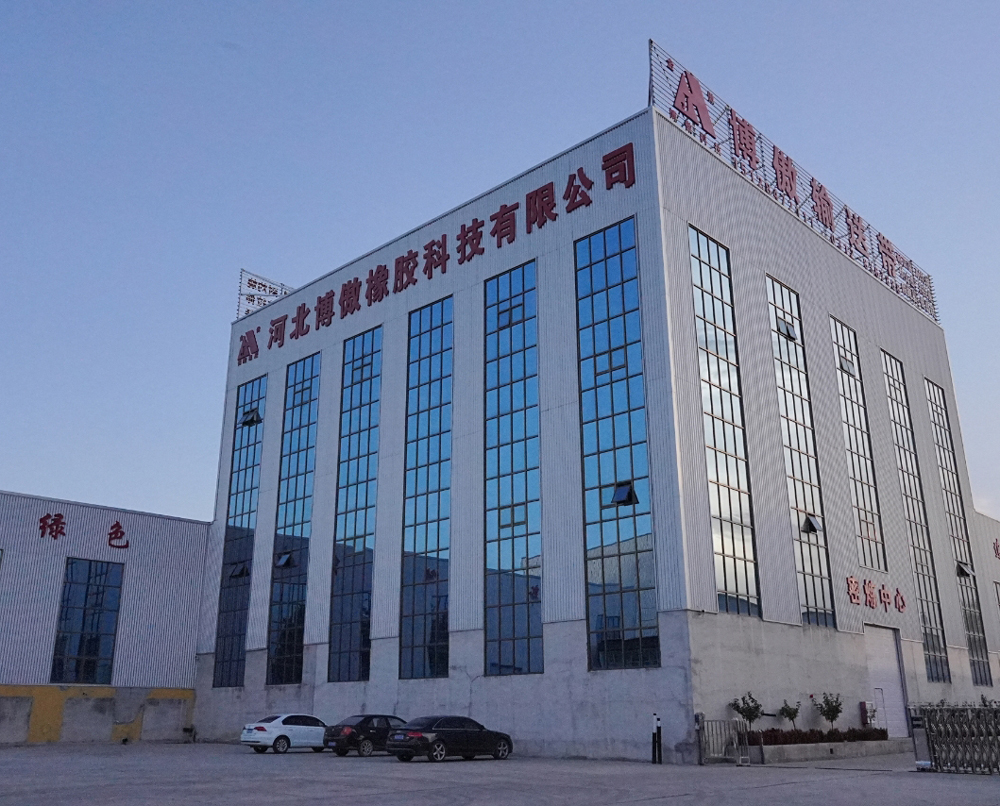
Established in 2004, and operating under the registered brand name "Jinao", Hebei Boao Rubber Technology Co., Ltd. has developed over 22 years into a leading manufacturer of conveyor systems and rubber engineering products. Located in the Boye County Rubber Industrial Park, Baoding, Hebei Province, our facility covers more than 30 acres.
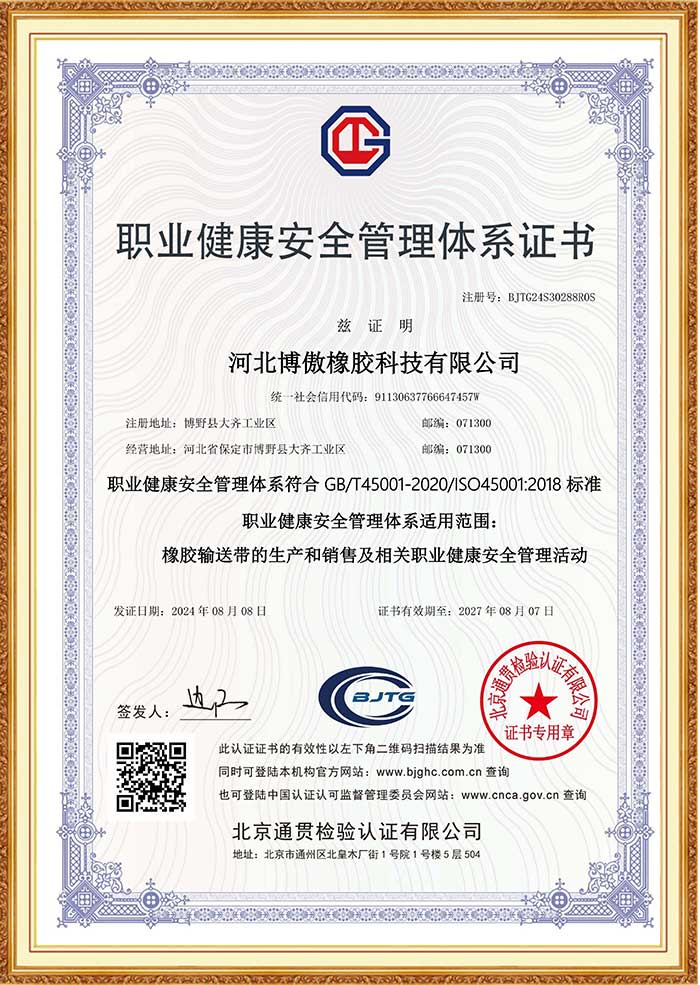
We integrate design, custom formulation development, production, and field engineering services. We have passed the international quality management system certification, cementing our reputation as a trusted manufacturing partner for top-tier construction and resource groups.
With an independent chemical analysis lab and physics testing center, we guarantee that all incoming raw materials (raw rubber, steel cords, process oils) and outgoing finished goods meet international standards before delivery.
Providing heavy-duty conveyor systems and support accessories to leading industrial, metallurgical, and mining groups.
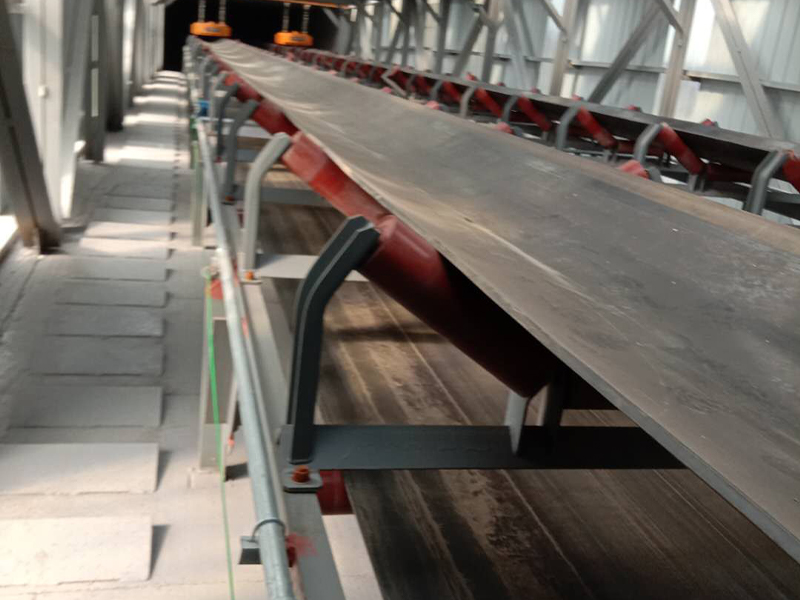
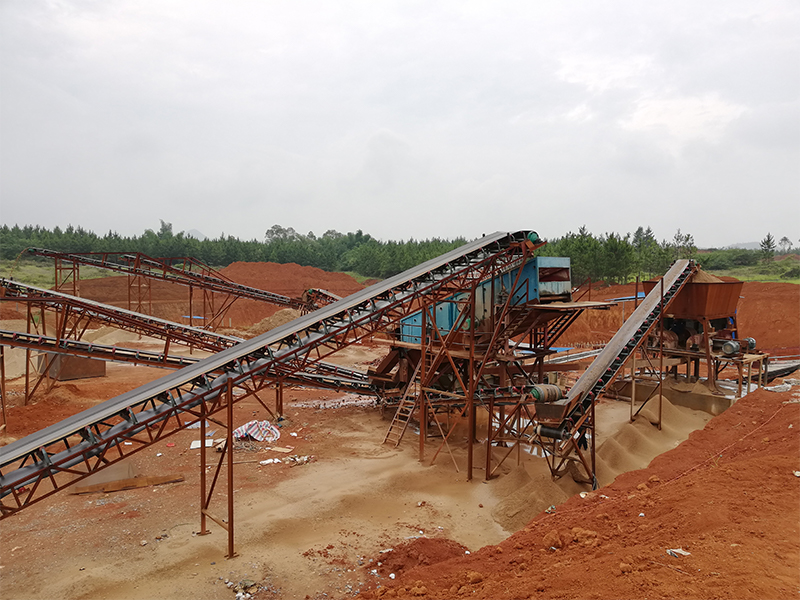
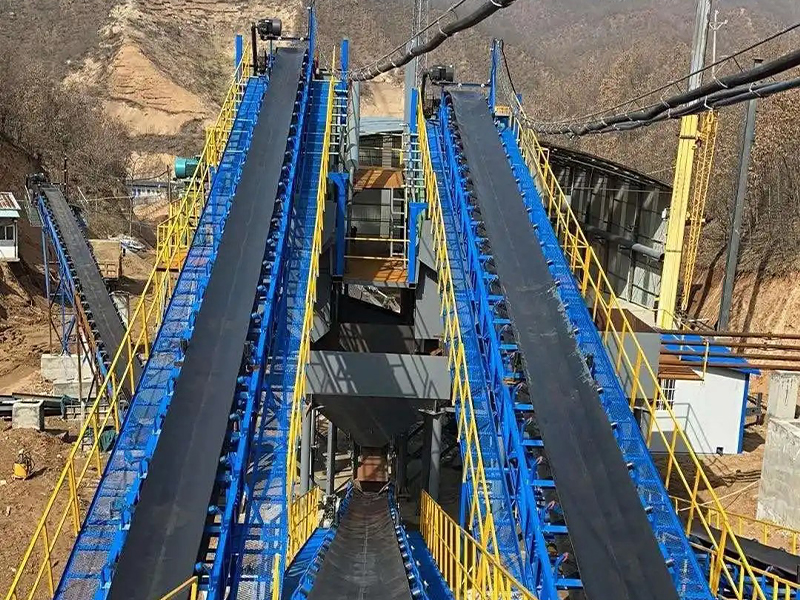
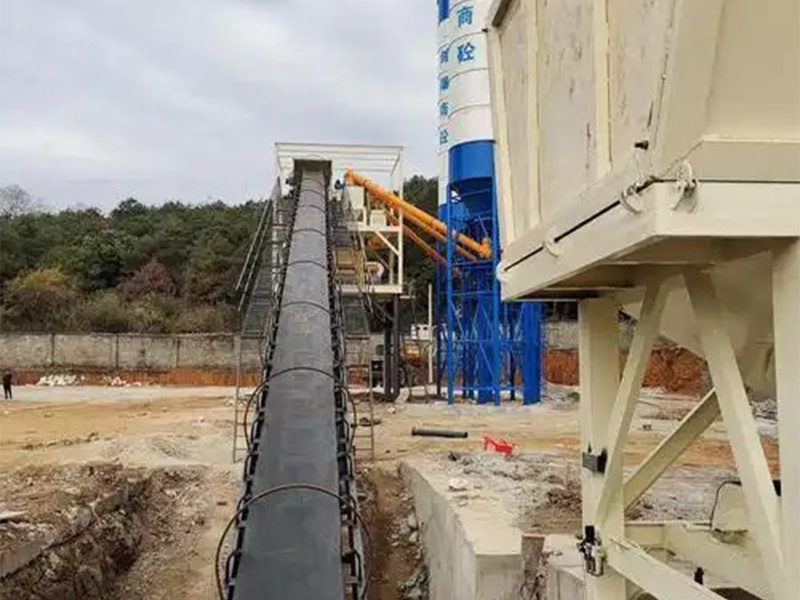
Discover our integrated manufacturing lines, where automated raw material compounding meets rigorous laboratory validation.
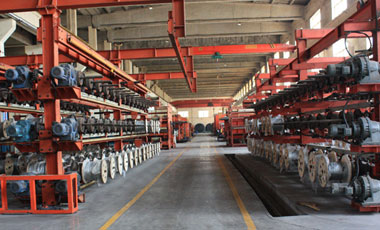
Automated Steel Cord Tension-Equalizing Calendering Line
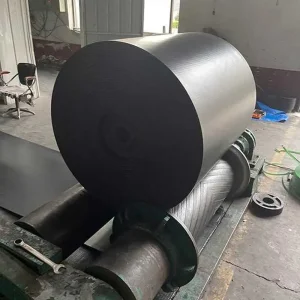
At Hebei Boao Rubber Technology, we operate an integrated rubber compound mixing center featuring computer-controlled proportioning. Our calendering and shaping lines maintain uniform tension on each steel wire rope across the width of the belt, preventing tracking issues during operation.
To ensure high quality, we test the physical properties of our compounds in our dedicated facility. This includes using a Steel Cord Pull-out Tester to verify raw adhesion values, a Dynamic Fatigue Tester to check core degradation, and an Abrasion Tester to verify rubber cover loss values against DIN 22131, AS 1333, and SANS 971 specifications.
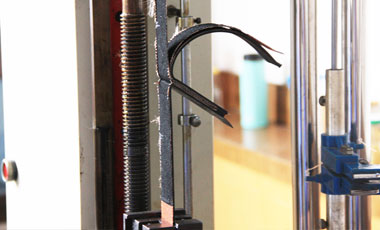
Adhesion Peel Tester
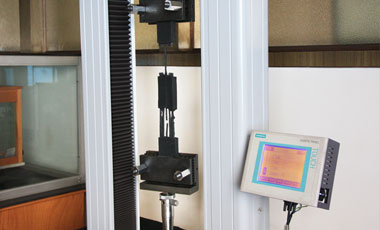
Steel Cord Pull-out Machine
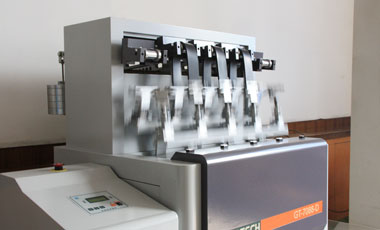
Dynamic Fatigue Tester
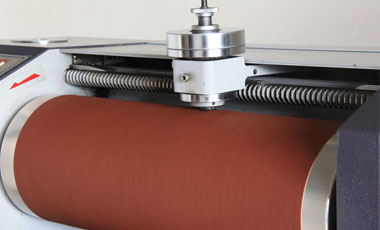
Abrasion Loss Tester
We provide full-lifecycle technical support, from initial design consultation to on-site splicing and emergency maintenance.
Splicing is critical to the performance of a high-tension steel cord belt. Our service teams assist client engineering groups with multi-stage overlap splicing procedures using matching unvulcanized tie gum and cover rubber sheets. This maintains uniform tension across all joint zones.
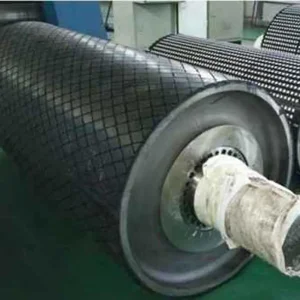
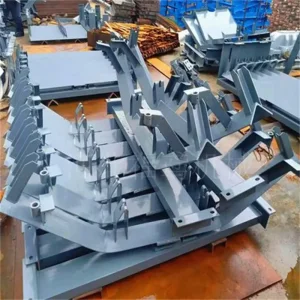
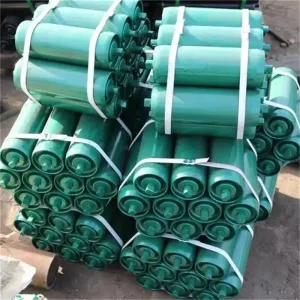
We work with operations teams to supply custom brackets, idlers, and pulleys, minimizing edge wear and mistracking. We also advise on stocking critical components to keep your downtime to a minimum.
Expert insights on the design, installation, and performance of steel cord conveyor belts.
Contact our engineering support team to discuss your project requirements, material specifications, tension demands, and delivery schedules.
Get a Technical QuoteExplore our full line of specialized heavy-duty conveyor belts, custom-formulated covers, and support accessories.
 Boao Rubber