Engineered for high load, thermal extremes, and abrasive materials. Browse our core product lineup manufactured to strict international quality benchmarks.
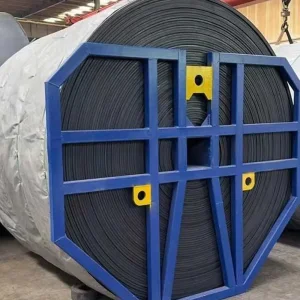
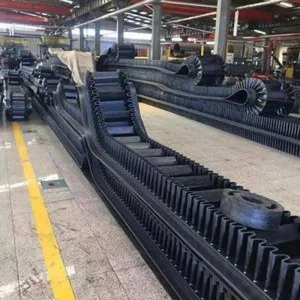
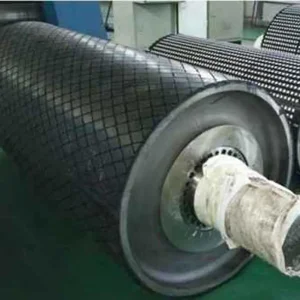
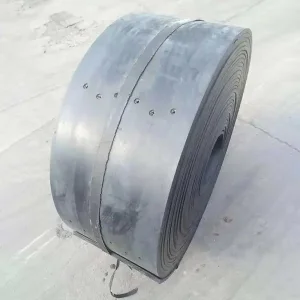
An in-depth analysis of compounding, reinforcement matrices, and efficiency optimizations in heavy-duty drive and transport systems.
In modern high-capacity industrial systems, the reliability of mechanical drives and conveying lines determines the operating efficiency of the entire enterprise. From massive steel refining mills and deep-shaft mining operations to automated bulk grain terminals, rubber belting represents the critical mechanical link that keeps materials moving. Selecting the best rubber transmission belt manufacturer & factories requires evaluating not only raw production capacity but also the depth of material science research, vulcanization engineering, and multi-tier quality control infrastructure.
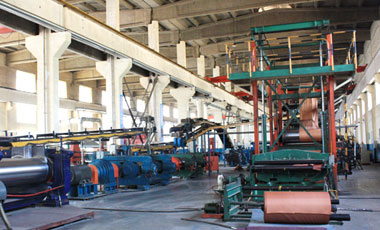
Hebei Boao Rubber Technology Co., Ltd. (operating the industry-renowned "Jinao" brand) was established in 2004 in the heart of the Boye County Rubber Industrial Park, Baoding, Hebei Province, China. Over the course of 22 years, our enterprise has scaled to cover a state-of-the-art facility spanning more than 30 acres. We have integrated advanced chemical labs, physics testing rooms, automatic compounding systems, and heavy-duty calendering lines into a cohesive manufacturing environment capable of servicing top-tier industrial projects worldwide.
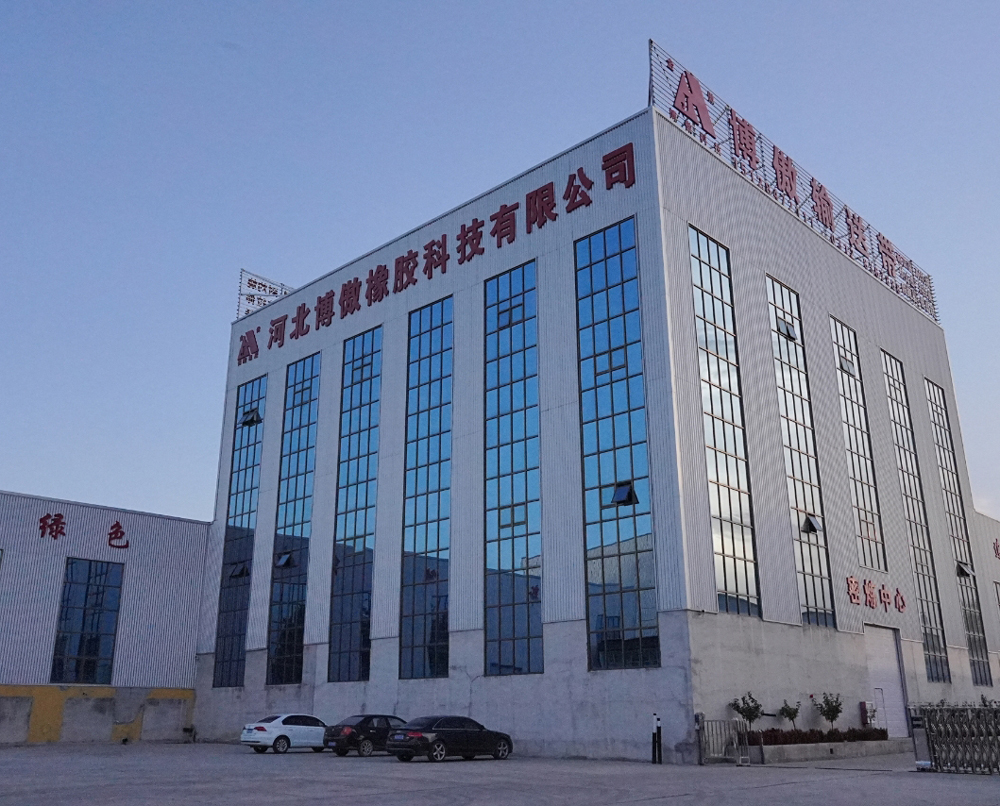
Our infrastructure covers the entire lifecycle of industrial belting systems. From dynamic stress simulation and polymer blending to the final vulcanization and edge sealing, the "Jinao" brand is built on scientific precision. We help procurement engineers minimize overall downtime by supplying custom belt specifications tailored to actual field layouts, avoiding standard failure modes like edge separation, inter-ply shear, and rapid cover rubber degradation.
How Boao Rubber maintains zero-defect ratios through internal labs, sophisticated testing rigs, and rigorous raw material gates.
We maintain an independent chemical analysis lab alongside a modern physical properties laboratory. This enables our technicians to conduct real-time testing on incoming carbon black, synthetic rubber, steel cord raw materials, and organic plasticizers. Unqualified components are strictly denied plant entry.
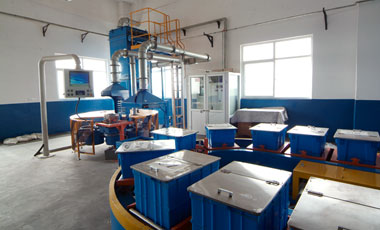
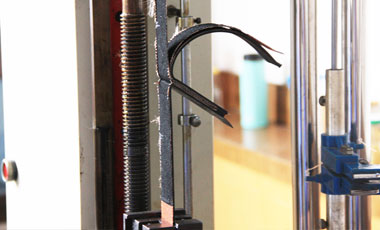
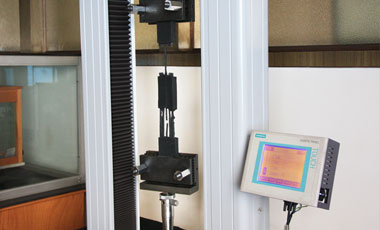
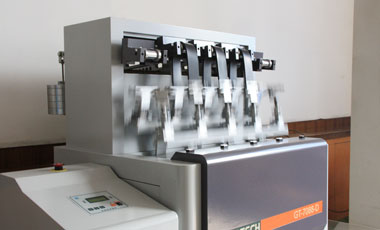
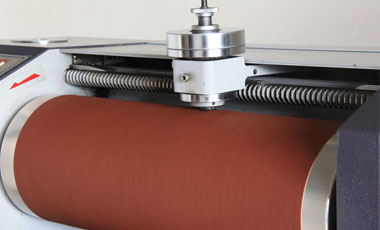
Our testing suite includes high-performance tensile testers, steel cord pull-out testing rigs, rubber vulcanization analyzers, and German-standard DIN abrasion testing wheels. We continuously test representative belt runs for adhesion values, fatigue limits, and high-heat aging thresholds.
"Jinao" brand industrial belting supports massive operations in key domestic and international hubs. Our systems are actively configured for heavy-duty applications across industries like iron and steel manufacturing, coal processing, metallurgy, cement formulation, power plants, fertilizer operations, ports, and bulk grain terminals.
Technical reference comparison for EP fabric, Polyamide (NN) fabric, and Steel Wire Rope Core reinforcements.
Choosing the correct reinforcement carcass is essential to balance long-term tension limits, troughability, and impact absorption. The table below details key performance metrics across our primary belt constructions, helping project engineers align technical requirements with long-term capital expenditure budgets.
| Carcass Type | Tensile Strength Range | Elongation at Break | Impact Resistance | Best Application Environment |
|---|---|---|---|---|
| Polyamide (NN) Nylon | 100 - 630 N/mm per ply | Low (≤ 4.0%) | Exceptional | Medium to long-distance bulk material handling, aggregates, and high-impact mining discharge. |
| Polyester (EP) Fabric | 100 - 800 N/mm per ply | Minimal (≤ 1.5%) | Excellent | Long-distance conveyances requiring low stretch and superior dimensional stability under wet conditions. |
| Steel Cord (ST) | Up to 10,000 N/mm total | Extremely Low (≤ 0.25%) | Superior (with transverse cords) | Heavy-load overland conveyor routes, long-distance underground mining, and massive scale port operations. |
| Specialty Heat-Resistant | Custom Fabric/Steel Cord | Dependent on Core | Very Good | Clinker handling, cement discharge lines, sintering operations, and foundry lines (up to 250°C). |
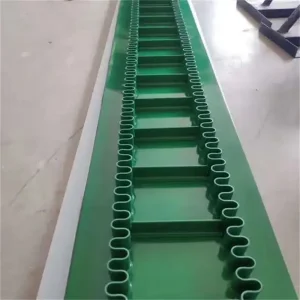
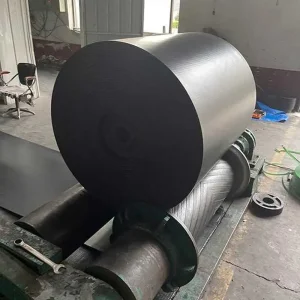
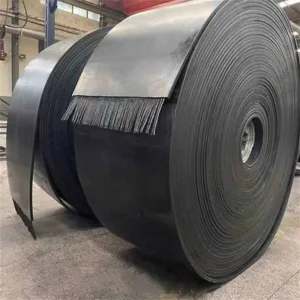
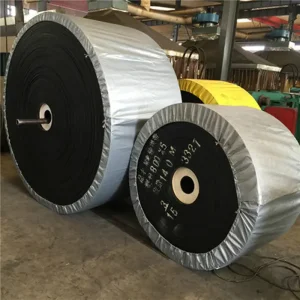
We supply a comprehensive suite of primary belting systems and matching accessories to streamline plant maintenance.
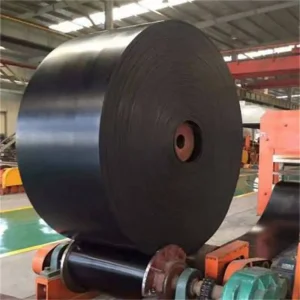
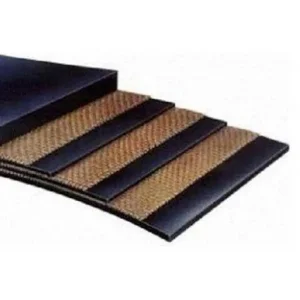
Our core range is formulated to perform reliably under continuous dynamic tension. Every belt is cured using multi-platen vulcanizing presses to achieve unified material cross-linking:
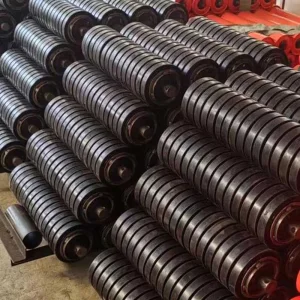
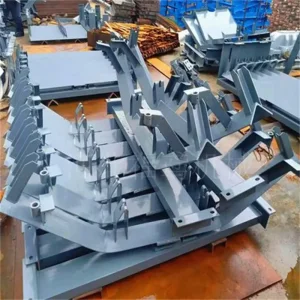
Optimizing conveyor performance requires matching belt specifications with the correct structural supporting hardware to eliminate tracking deviations and reduce belt fatigue:
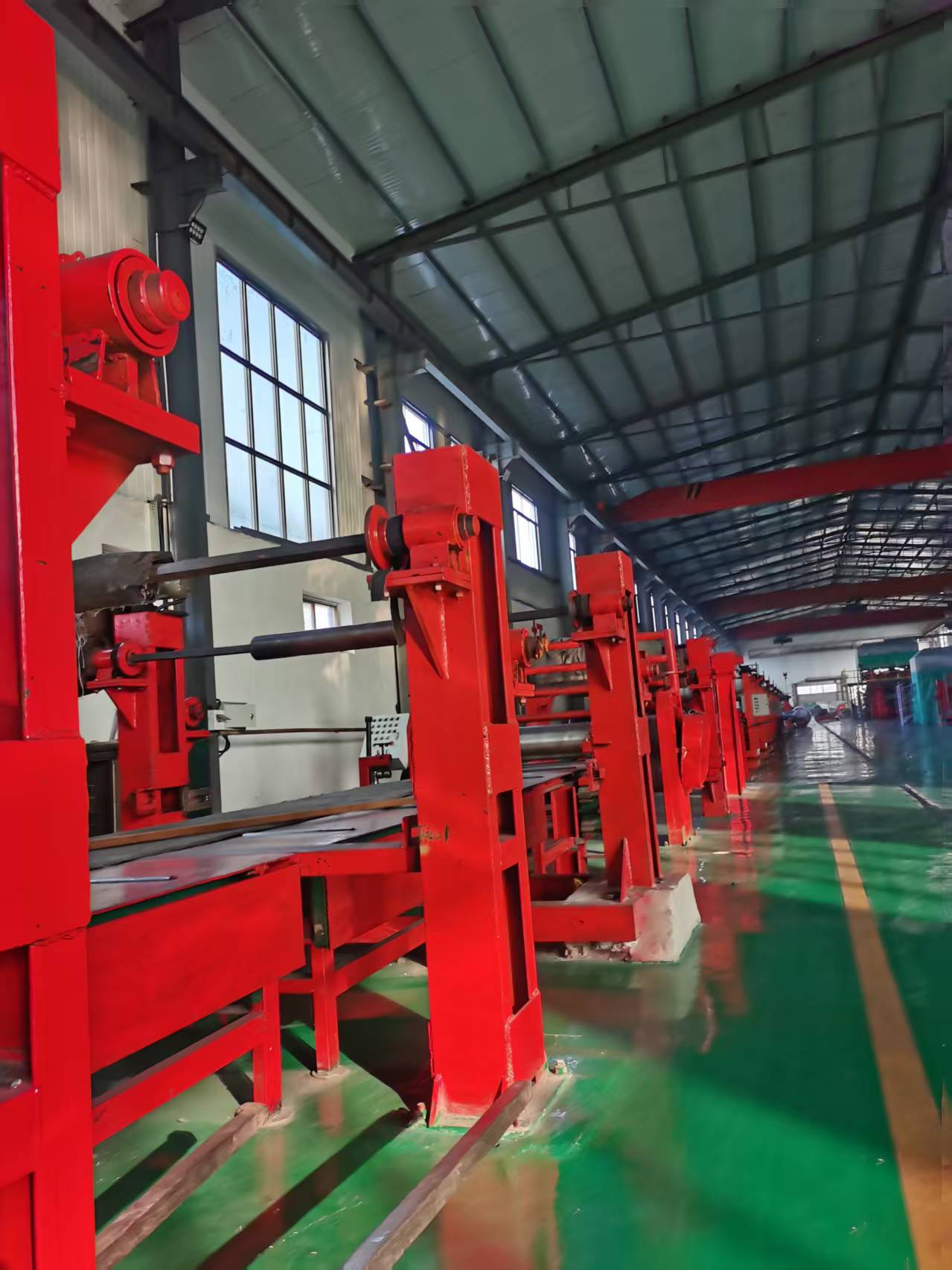
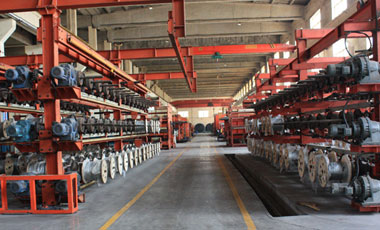
A window into our manufacturing precision, showcasing production machinery and lab verification equipment.
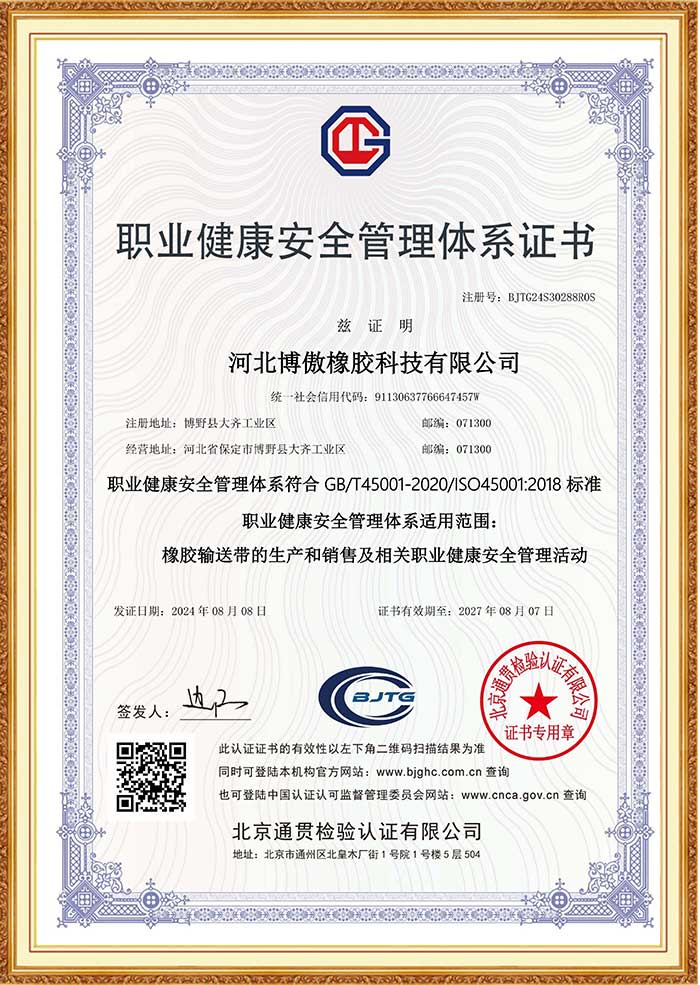
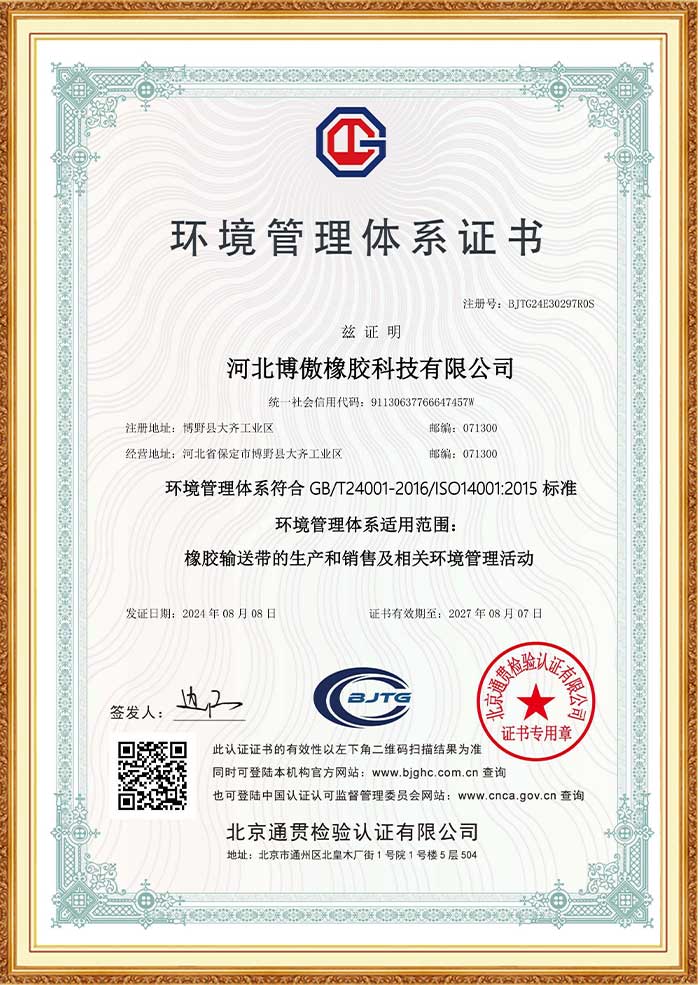
Meeting national and international requirements to guarantee operations run reliably, cleanly, and safely.
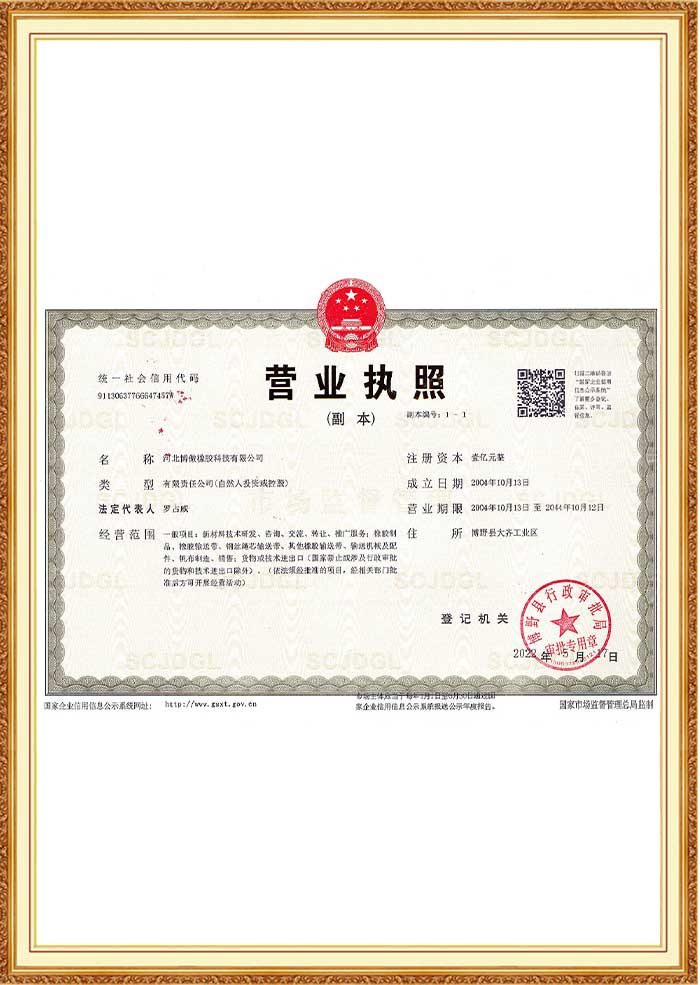
To support overseas integration, Hebei Boao Rubber maintains a comprehensive set of management certifications. These credentials verify our capacity to supply components matching stringent compliance protocols:
Our raw polymer processing and composite formulations are continuously checked for compliance with EU REACH directives and dynamic fire-retardant standards (EN ISO 340 and MSHA requirements).
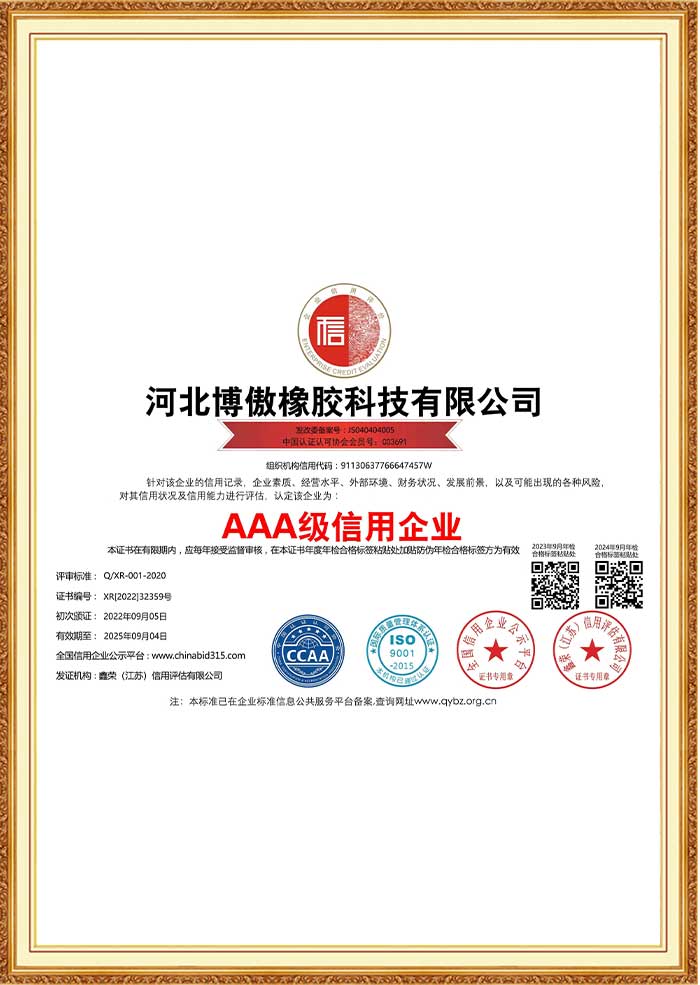
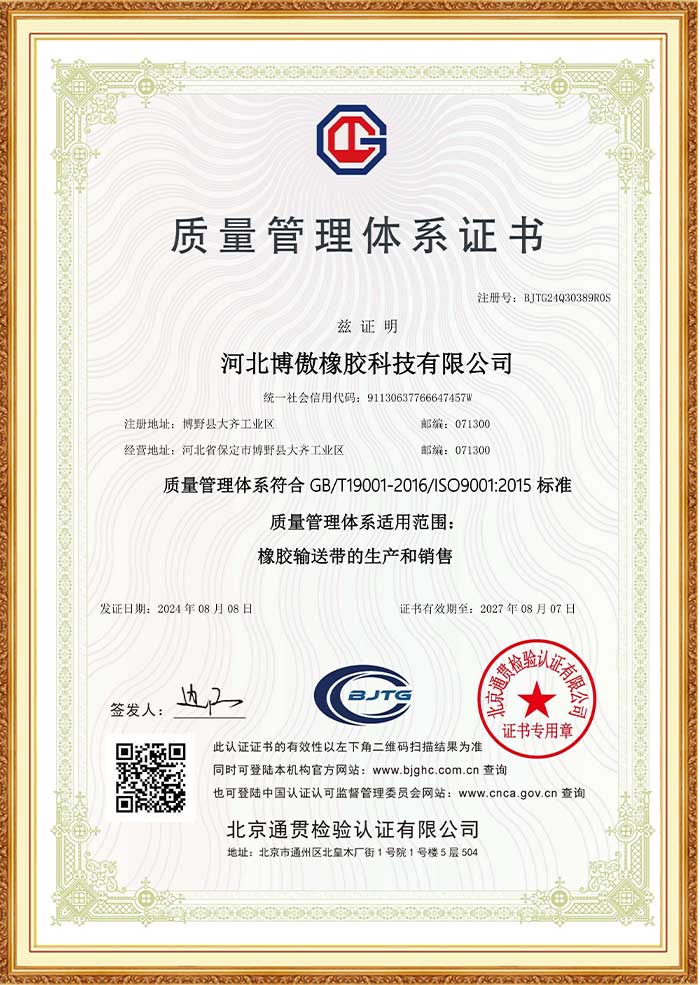
A proven track record supplying heavy-duty conveying systems for major industrial plants, mining companies, and metal refineries.
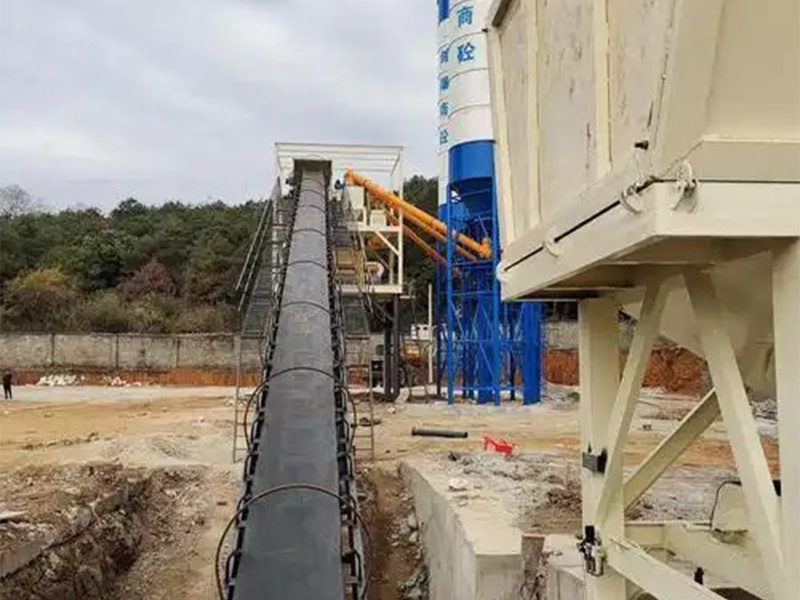
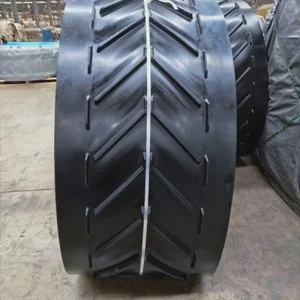
Supplying high-wear resistant chevron and textured belts for reliable conveying of coarse aggregates under high inclination angles.
Application: Concrete Production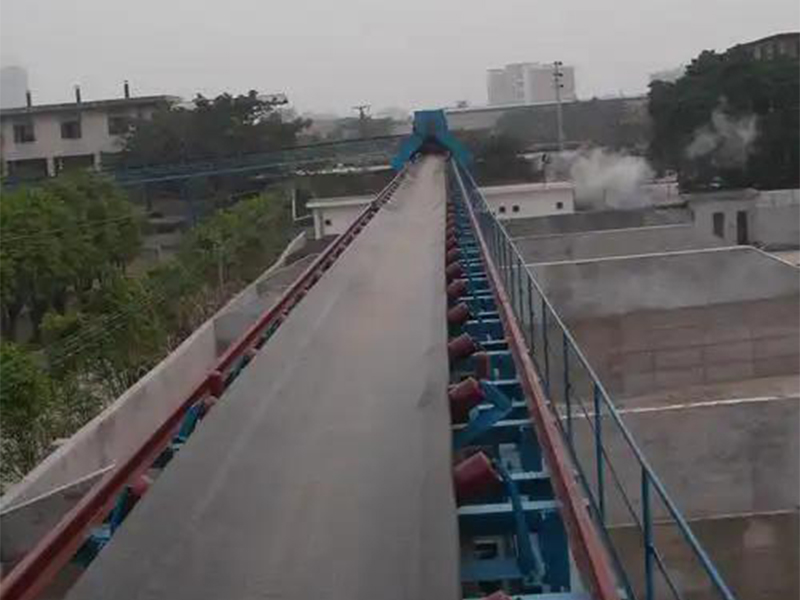
Supplying customized heat-resistant conveyor belts to transport raw clinker at temperatures exceeding 200°C without tracking failure.
Application: Cement Manufacturing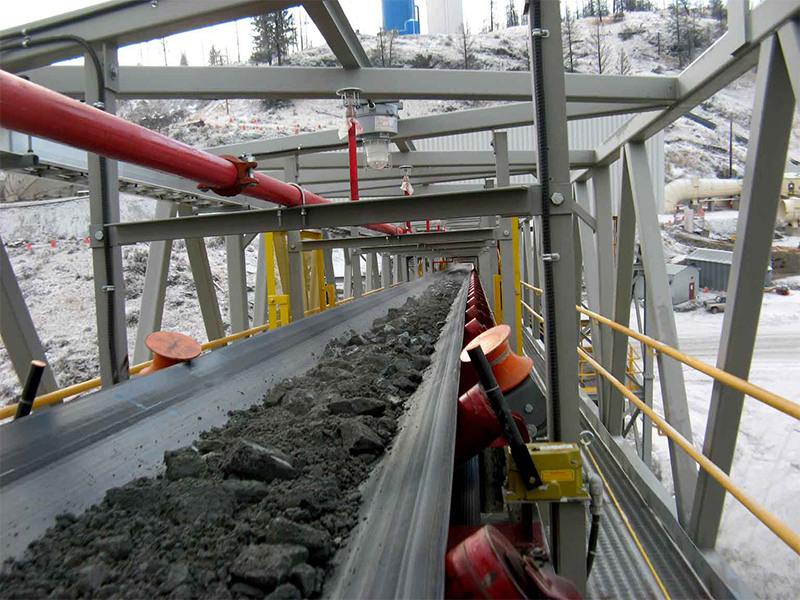
Deploying flame-retardant steel wire rope core belting systems to guarantee safe underground transport over multi-kilometer routes.
Application: Coal & Mining Extraction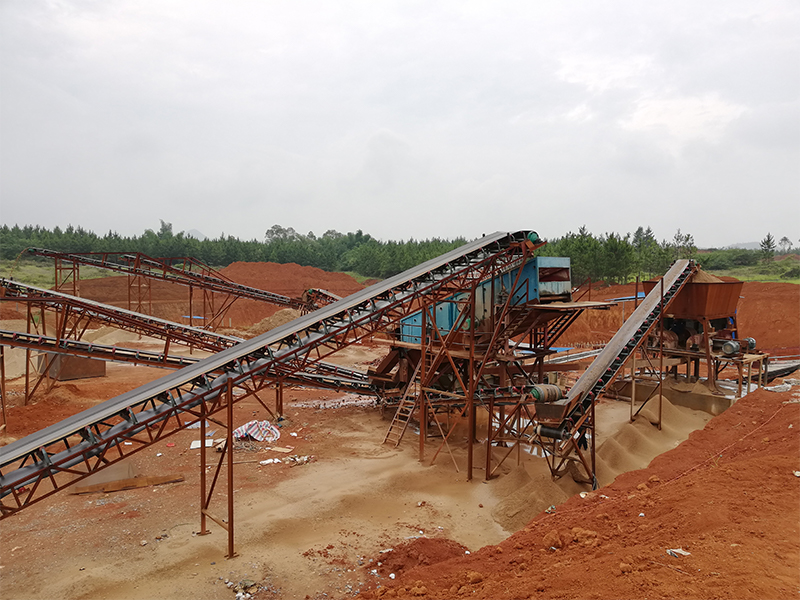
Supplying high-strength chemical-resistant belts to withstand abrasive ore slurry operations in nickel processing plants.
Application: Stainless Steel & Refining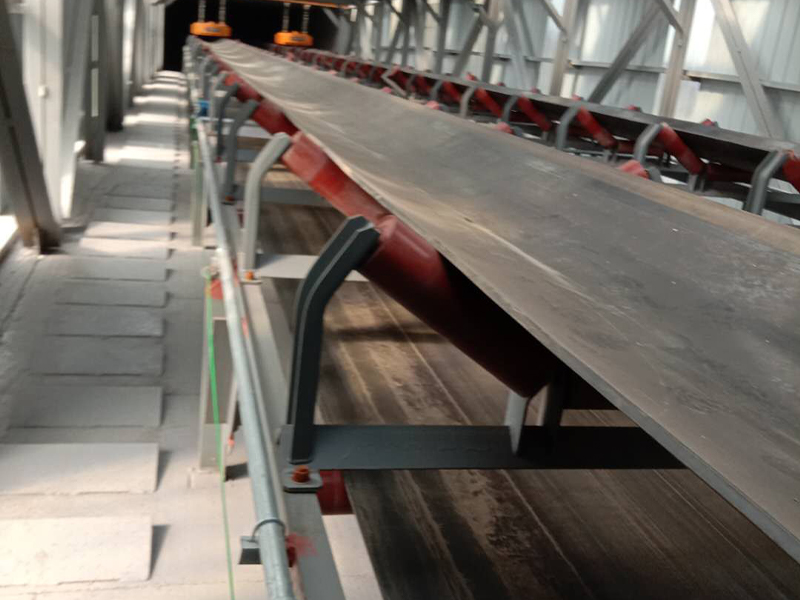
Heavy-load oil-resistant and heat-resistant belts engineered to handle raw sintered flux materials in coke processing plants.
Application: Metallurgy & Steel Mills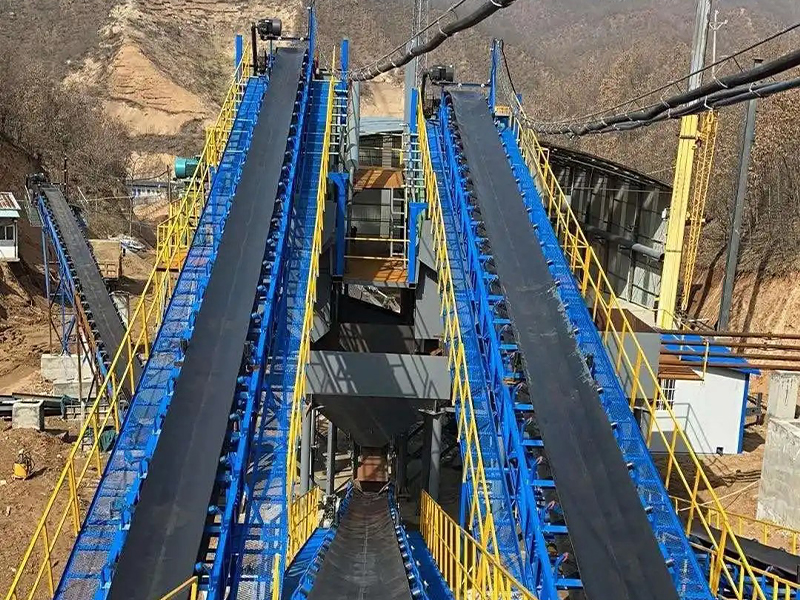
High-tension multi-ply rubber belts customized to operate in extreme outdoor conditions, providing long-term structural resistance against weather and ozone aging.
Application: Base Metal ExtractionBeyond product delivery: Providing preventative maintenance, field inspection, and professional belt joining support.
We work to help customers optimize conveyor uptime while lowering total cost of ownership. Unplanned system stops can cause significant financial losses. Our engineering team provides structured field services to extend belt wear life:
We analyze site configurations to help determine the correct levels of emergency stock. This helps ensure high-wear lines have matching replacement belts ready to go in case of mechanical issues.
We provide instructions and raw materials for cold splicing chemical bonding or hot vulcanized jointing. Correct joint installation is essential to maintain structural strength at connection points.
We help troubleshoot issues like edge wear, tracking misalignment, and top-cover scouring by optimizing idler positioning and impact bed settings.
A look at the technologies shaping the next generation of conveying operations, focusing on carbon reduction and smart monitoring.
We are developing rubber backing formulations designed to decrease indentation resistance over idler rollers. In long-distance systems, LRR compounds can help lower motor power draw by 10% to 15%, reducing overall power usage.
We are testing vulcanized sensor tags and high-strength conductive loops designed to trigger automatic system shutdowns in the event of longitudinal rip detection, protecting valuable line components.
We are expanding the use of recycled materials in non-critical structural layers, helping industrial operators reduce carbon footprint metrics without compromising performance specifications.
Technical guidance to assist procurement officers and plant engineers in making informed product selections.
Explore our specialized range of lightweight belts, flame-retardant systems, steel core solutions, and durable support hardware.
 Boao Rubber