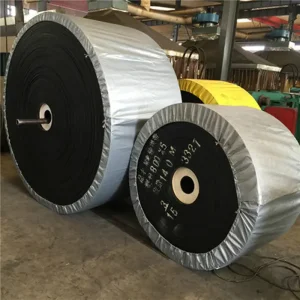
Direct-from-factory, custom-engineered rubber conveyor systems and mechanical components designed for extreme environments.
The industrial landscape relies heavily on conveyor systems for bulk material transportation. Today, rubber conveyor belts serve as the vital arteries of industries such as mining, metallurgy, steel manufacturing, cement production, thermal power generation, and port logistics. Regionally, the expansion of high-speed extraction methods and international infrastructure development requires highly specialized conveying materials that resist extreme friction, chemical interaction, severe temperatures, and massive mechanical tension.
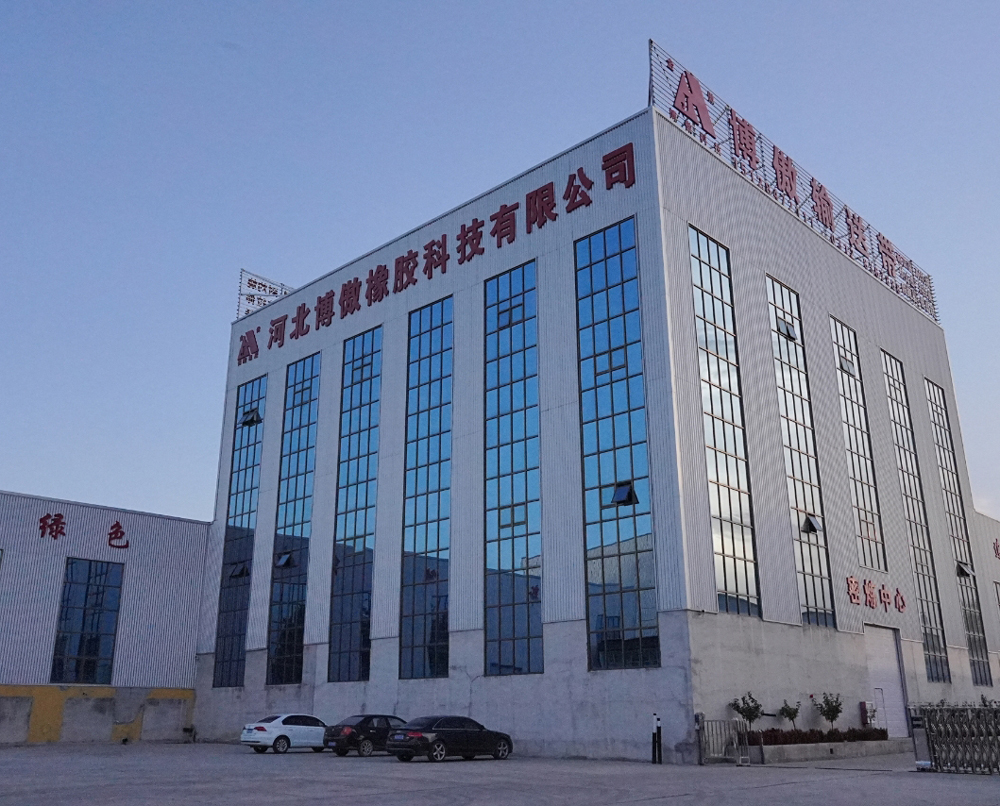
Hebei Boao Rubber Technology Co., Ltd. sits in the prominent Boye County Rubber Industrial Park, Baoding, Hebei Province. Known for developing the proprietary "Jinao" brand, Hebei Boao utilizes advanced manufacturing setups to address performance variations in international bulk transportation. Since its foundation in 2004, the factory has deployed extensive R&D resources to meet dynamic needs, creating conveyor belts that outlive traditional SBR (Styrene-Butadiene Rubber) compounds in aggressive applications.
The transition toward sustainable manufacturing and heavy automation has shifted conveyor technology in three key directions:
Why engineering leads choose Hebei Boao (Jinao Brand) for challenging transport logistics.
An independent chemical analysis room and physics laboratory guarantee raw material tracing and inspection. We operate under a strict policy: no substandard materials enter the production line, and no flawed products leave the plant floor.
Equipped with modern experimental testing machines and specialized quality inspectors, we analyze parameters such as cross-linking density, abrasion resistance, and rubber-to-metal bonding levels.
With deep technical expertise and professional field service teams, Jinao products are deployed in major steel complexes, deep-shaft coal operations, cement kilns, and fertilizer facilities worldwide.
Choosing the correct belt class prevents premature pulley failure, structural splitting, and excessive power draw. The tables and technical explanations below outline our primary product categories, comparing their chemical resistance, tension boundaries, and optimal operating environments.
| Belt Category | Reinforcement Core | Common Cover Thickness | Primary Industrial Use Cases | Distinctive Advantage |
|---|---|---|---|---|
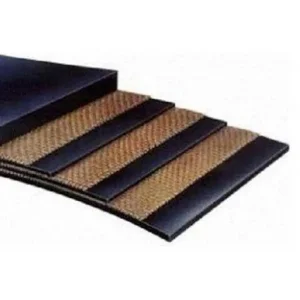
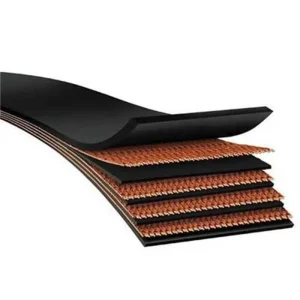
| Nylon (NN) Conveyor Belt | Polyamide Fabric (Warp & Weft) | 3.0mm to 10.0mm | Crushed aggregate, heavy coal mining, loading terminals | High elastic resilience, superior impact absorption |
| Polyester (EP) Conveyor Belt | Polyester (Warp) + Nylon (Weft) | 3.0mm to 8.0mm | Standard bulk processing, sand, chemical plants | Low mechanical elongation, high dimensional stability |
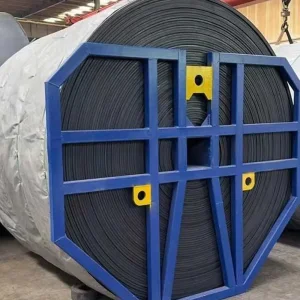
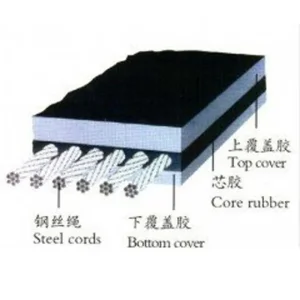
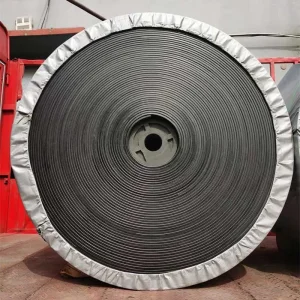
| Steel Wire Rope Core Belt | Galvanized Steel Cords (Longitudinal) | 4.0mm to 12.0mm | Deep subterranean coal transport, massive iron ore hauling | Extraordinary tensile strength (up to ST7500), low deformation |
| Flame Retardant Rubber Belt | Steel Cord, EP, or Solid Woven fabric | 4.0mm to 8.0mm | Underground coal galleries, indoor grain elevators | Self-extinguishing rubber matrix, complies with EN/ISO standard |
| Heat-Resistant (T1-T4) Belt | High-modulus EP or Steel Cord | 4.5mm to 10.0mm | Sintered steel ores, cement clinker discharge | Withstands transient material contact temperatures up to 250°C |
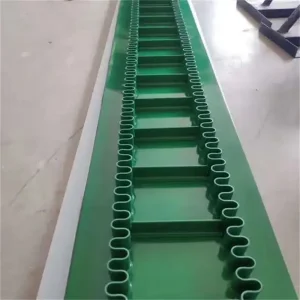
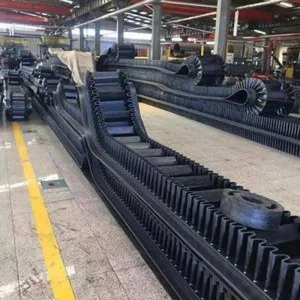
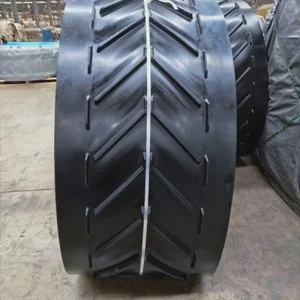
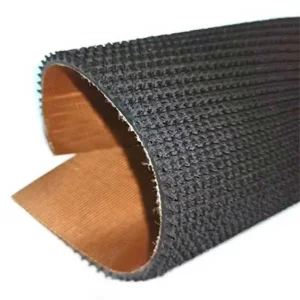
Standard flat belts can experience material slip at incline angles exceeding 15 degrees. Our custom vulcanized profile patterns prevent structural back-sliding:
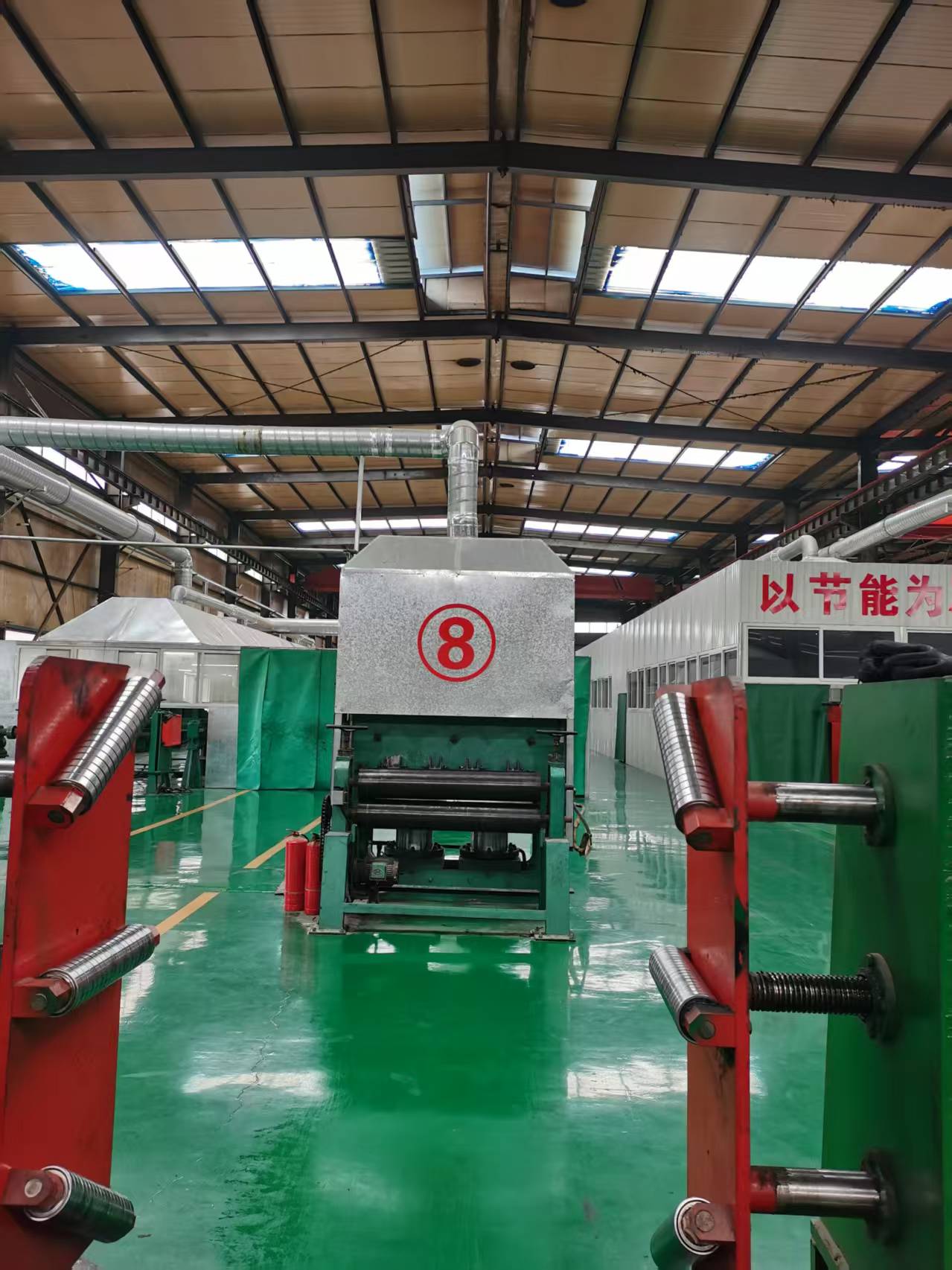
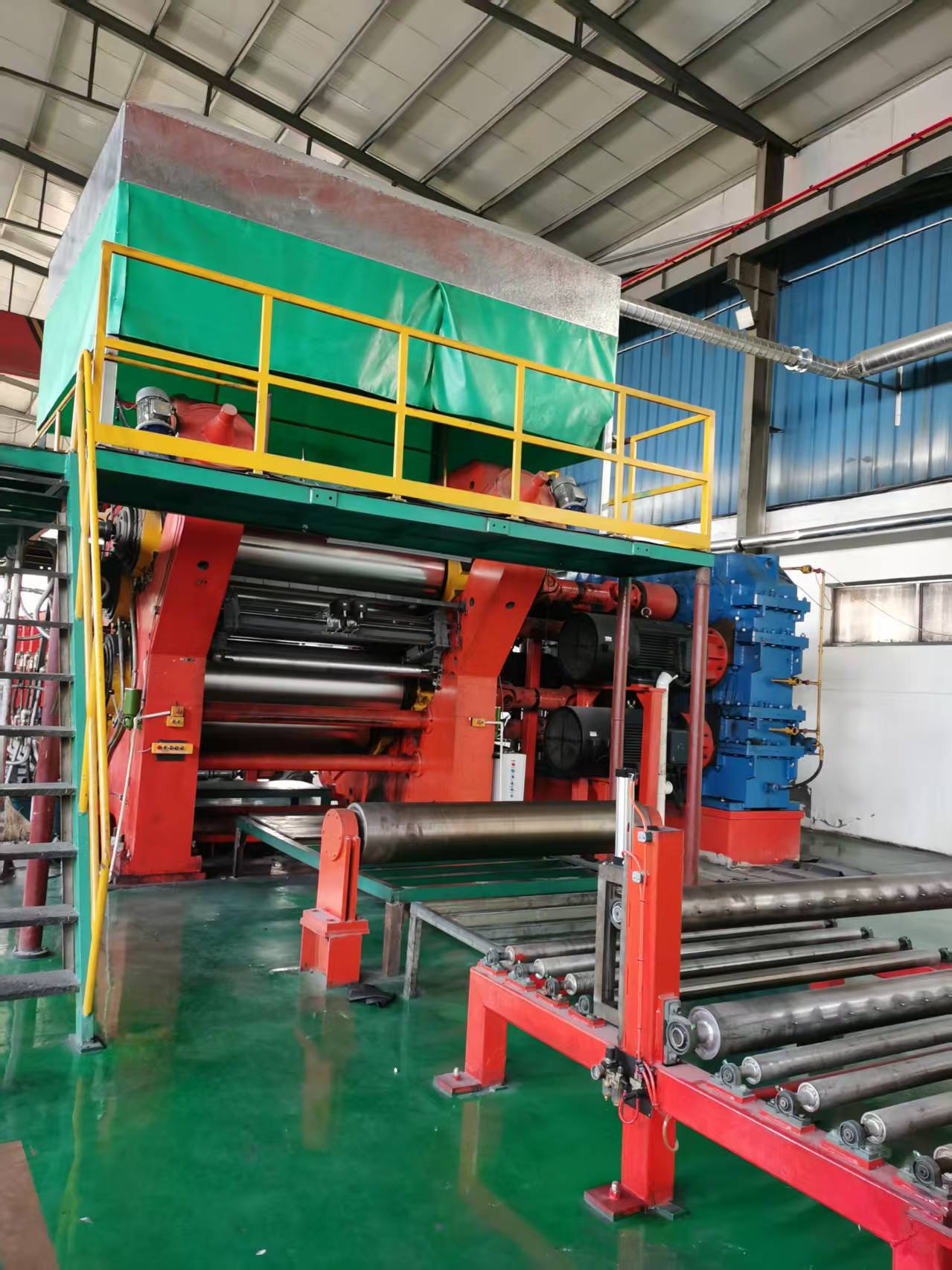
A tour of our modern rolling, calendering, and laboratory testing installations.
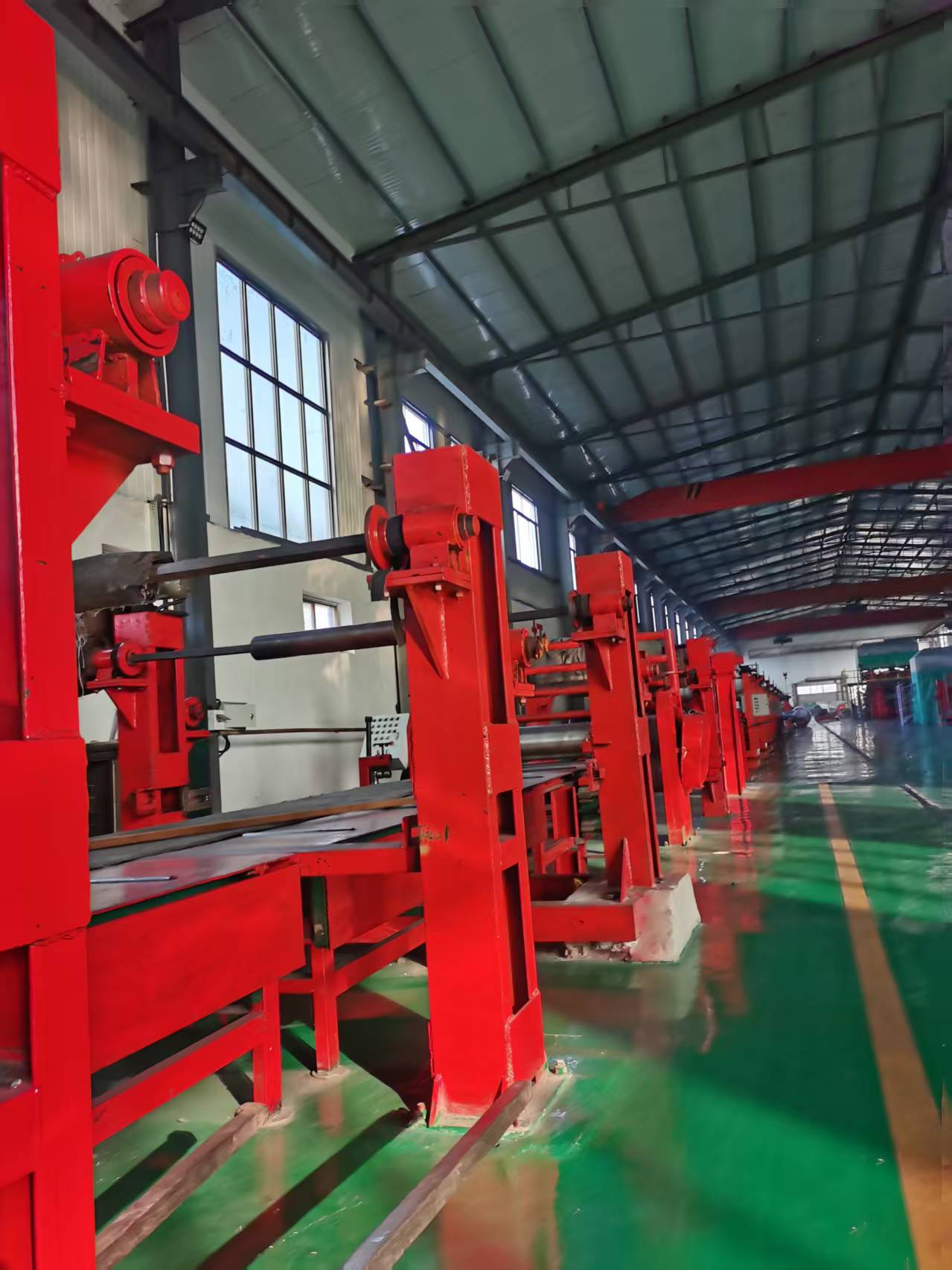
Processing & Calendering Unit
High-Temperature Vulcanization
Core Fabric Layup Station
Steel Cord Tensioning Unit
Fabric Conveyor Belt Production Line
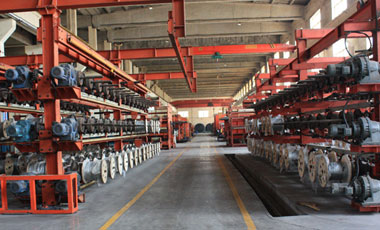
Steel Cord Conveyor Belt Line
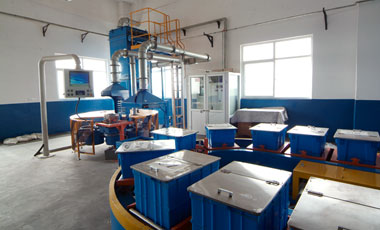
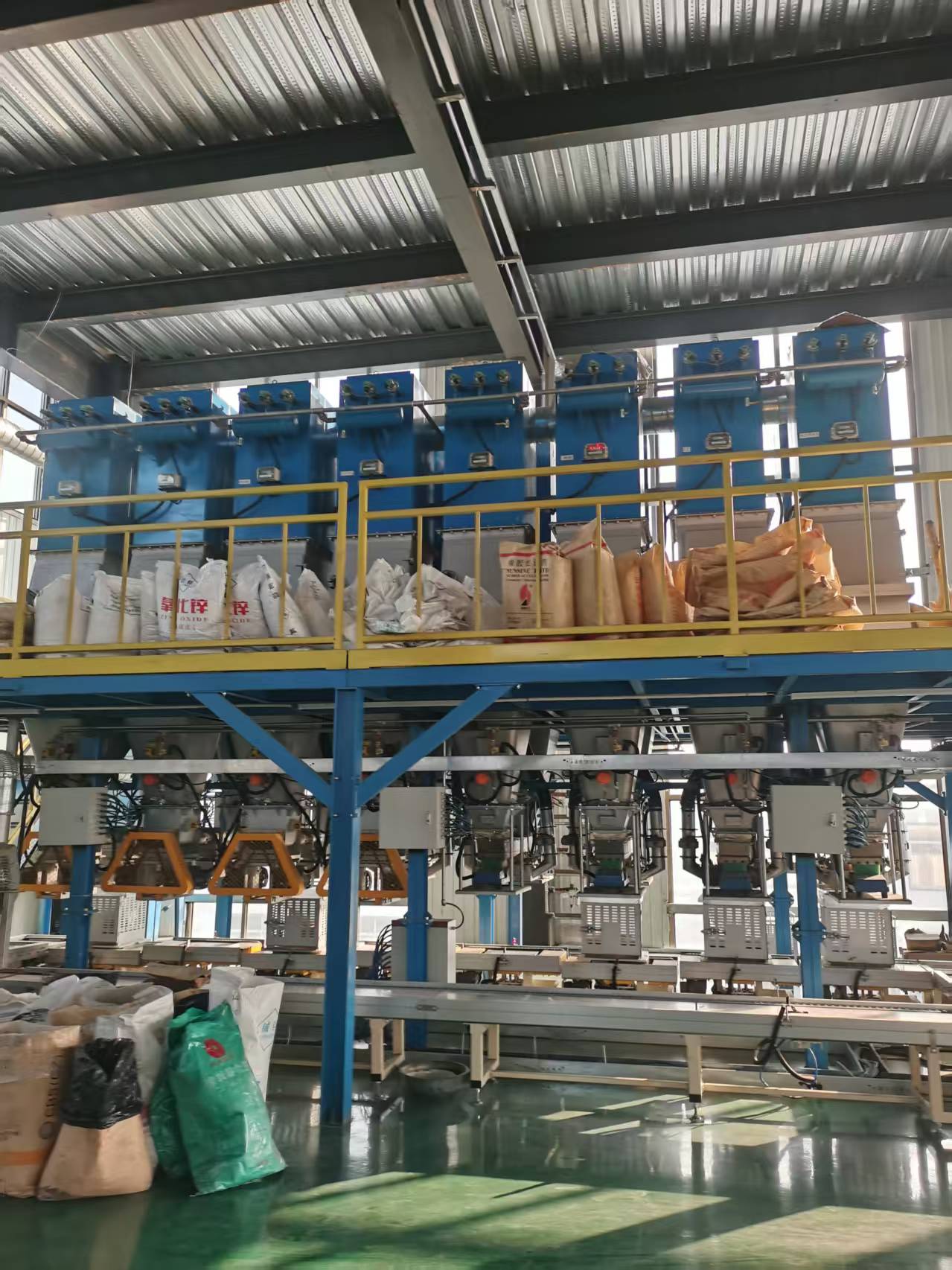
Mixing Center Proportioning Room
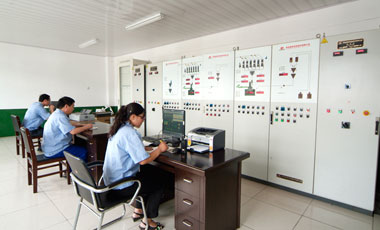
Mixing Center Auto-Weighing System
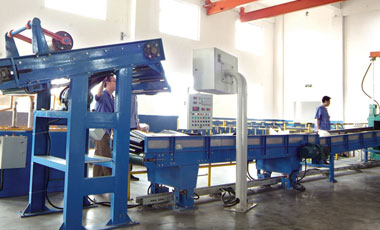
Raw Material Feeding System
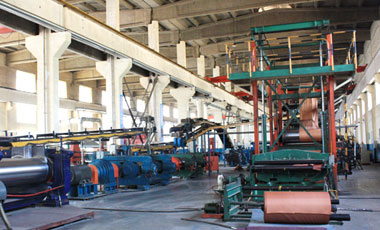
Calendering & Shaping Machine
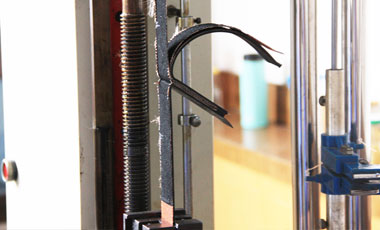
Inter-ply Adhesion Peeling Test
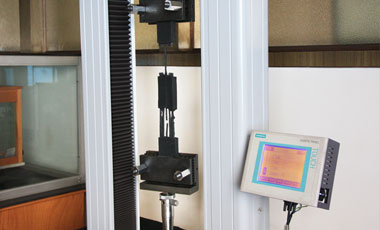
Steel Cord Bond Pull-out Test
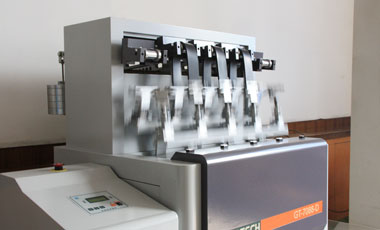
Dynamic Fatigue Testing Station
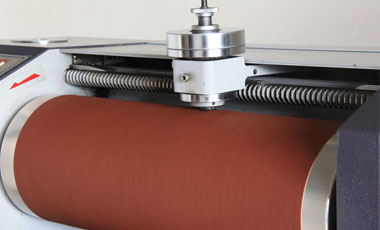
Abrasion Resistance Evaluator
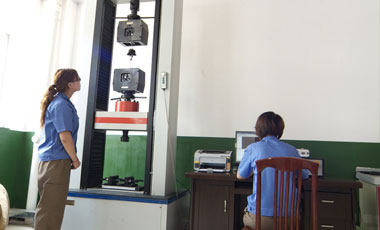
Rubber Compound Integrity Testing
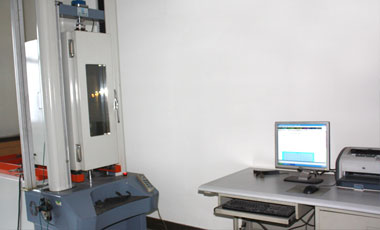
Tensile Strength & Elongation Analysis
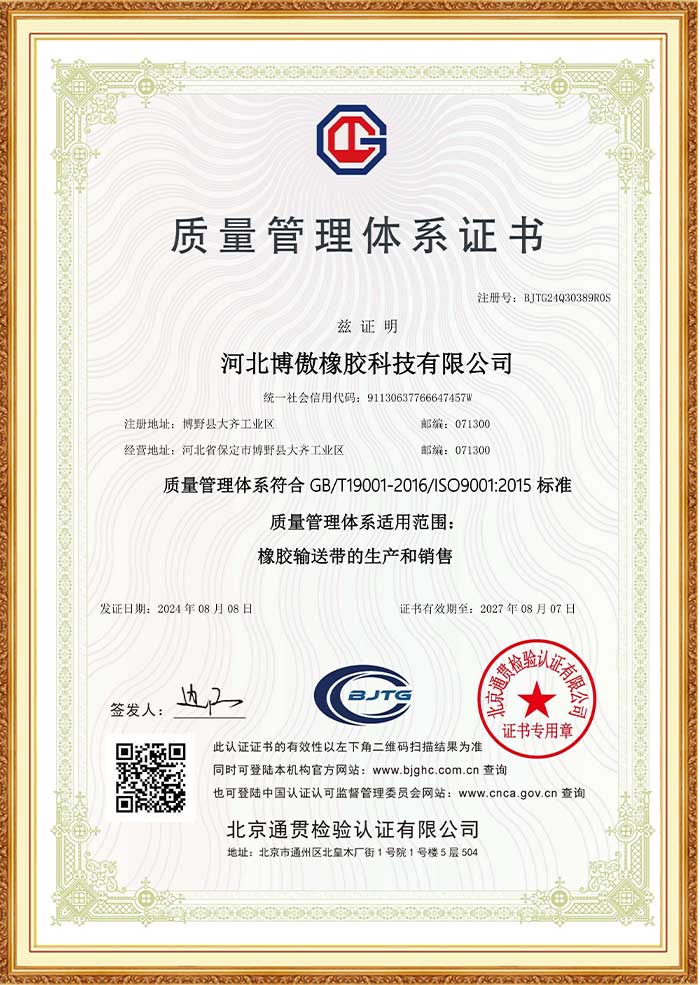
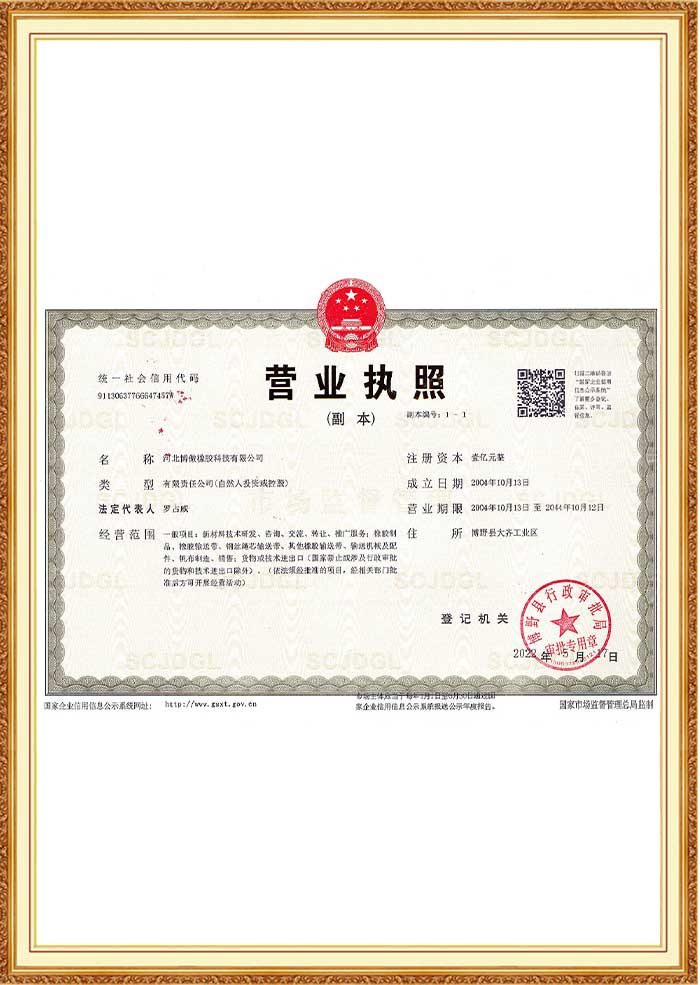
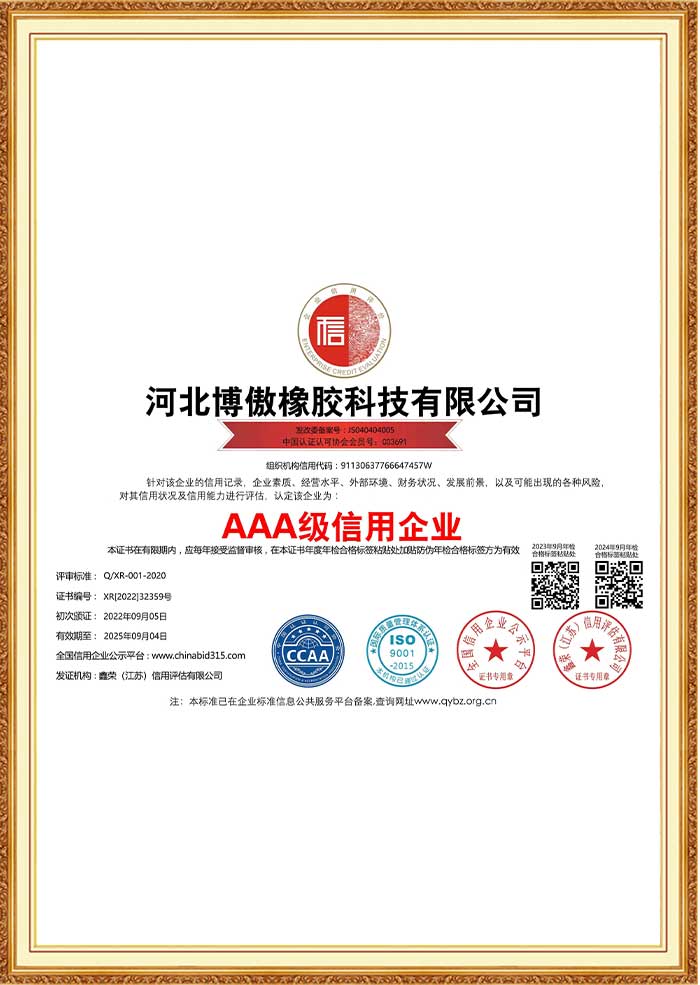
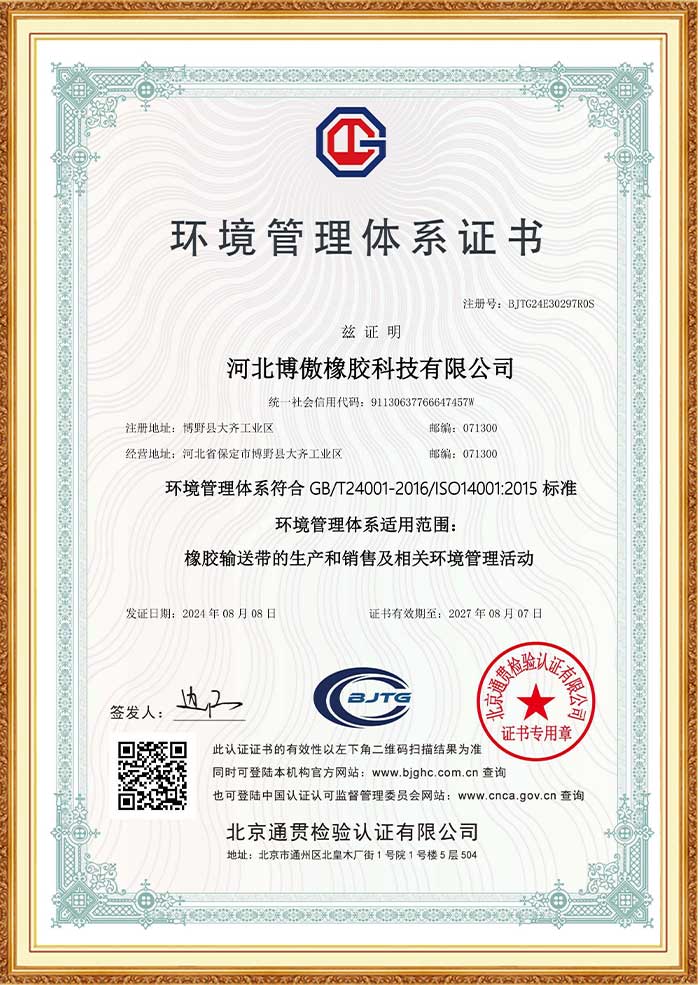
Our production facilities maintain strict adherence to ISO 9001 and API guidelines, verified by international testing bodies.
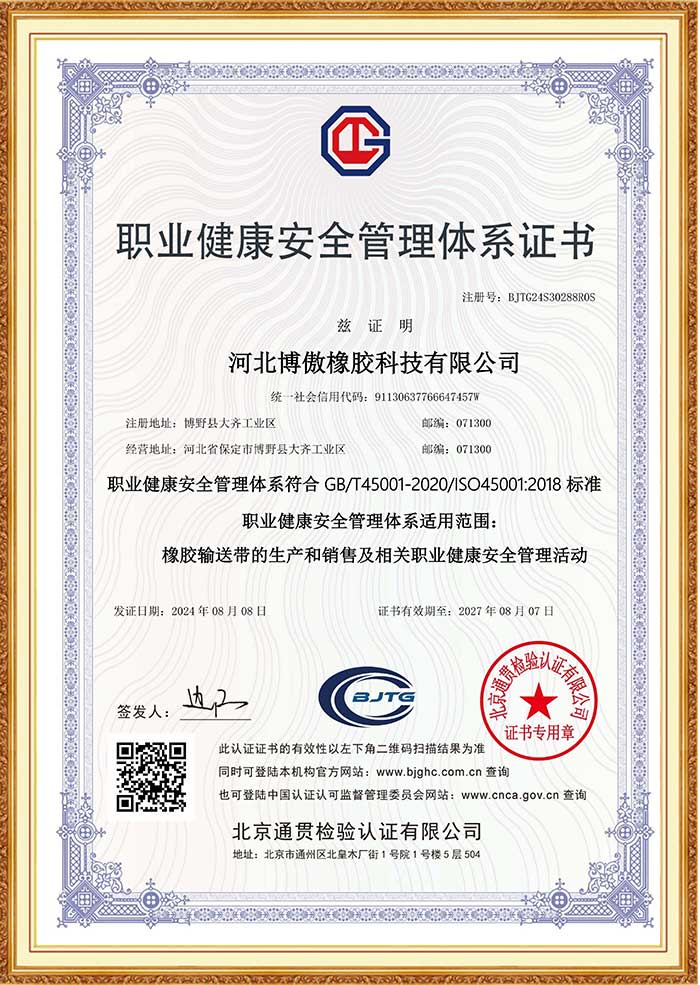
ISO9001 Qualification
Environmental Quality Cert
OHSAS Safety Standard
National Heavy Industry Accreditation
Third-Party Laboratory Test Cert
Delivering high-capacity conveyor belts to the world's most demanding industrial conglomerates.
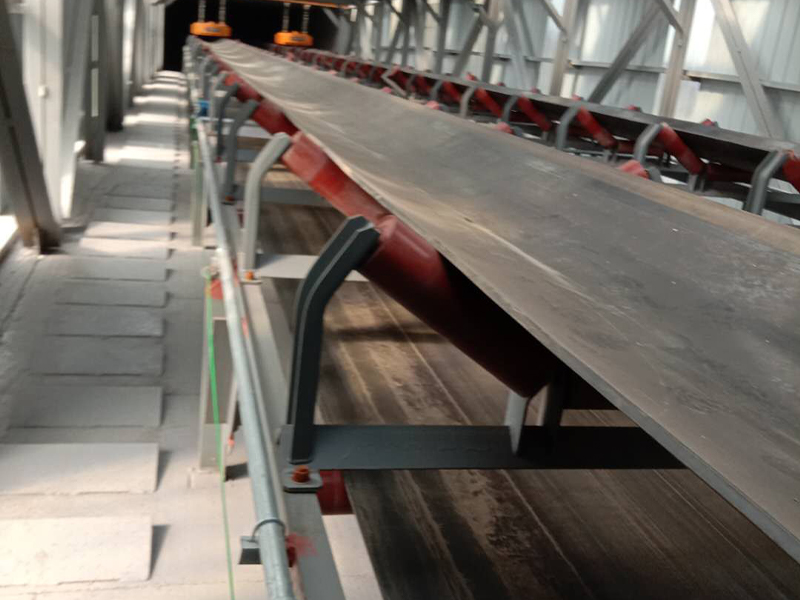
Sintered iron ore handling lines using custom-vulcanized T3 heat-resistant belts.
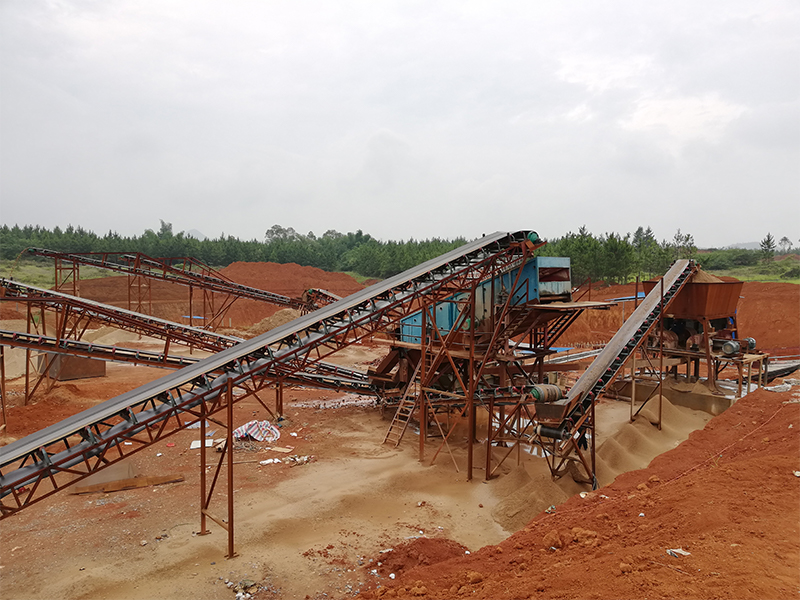
High-wear raw nickel ore extraction lines using steel wire core belts.
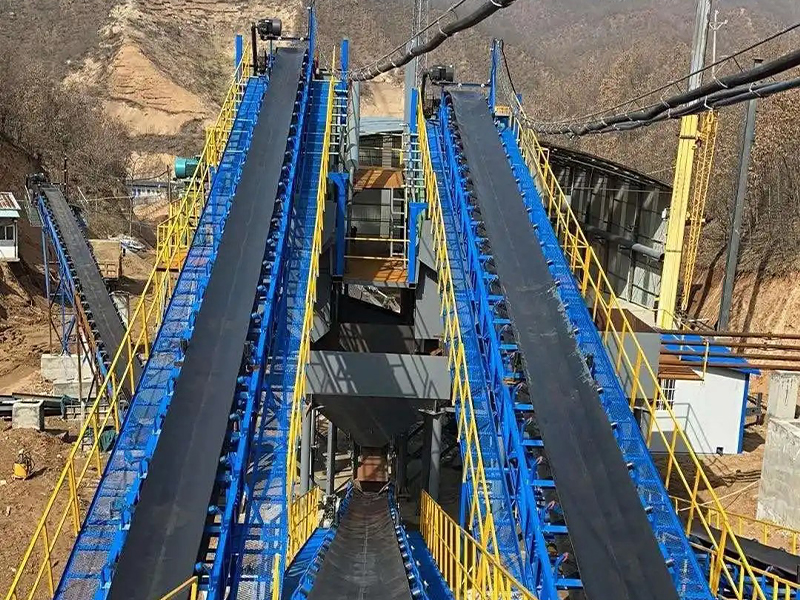
Deep underground gold ore conveyors using abrasion-resistant NN belts.
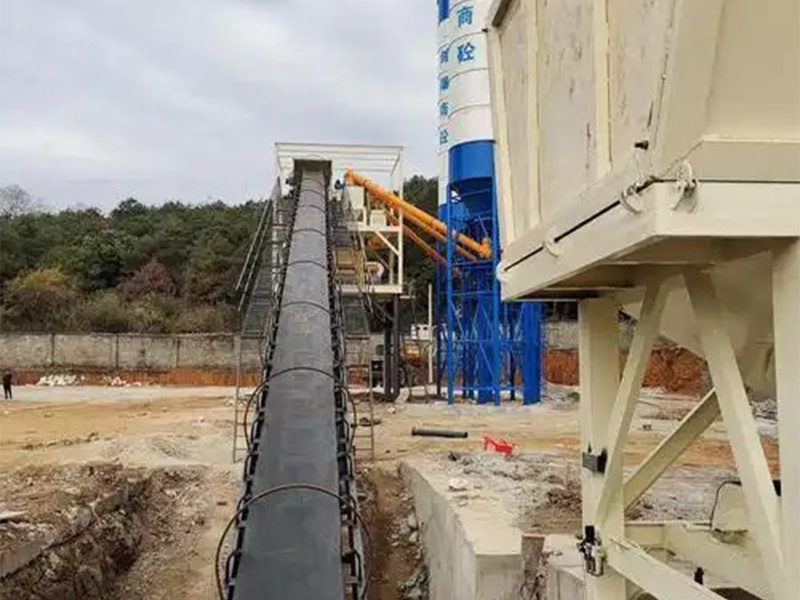
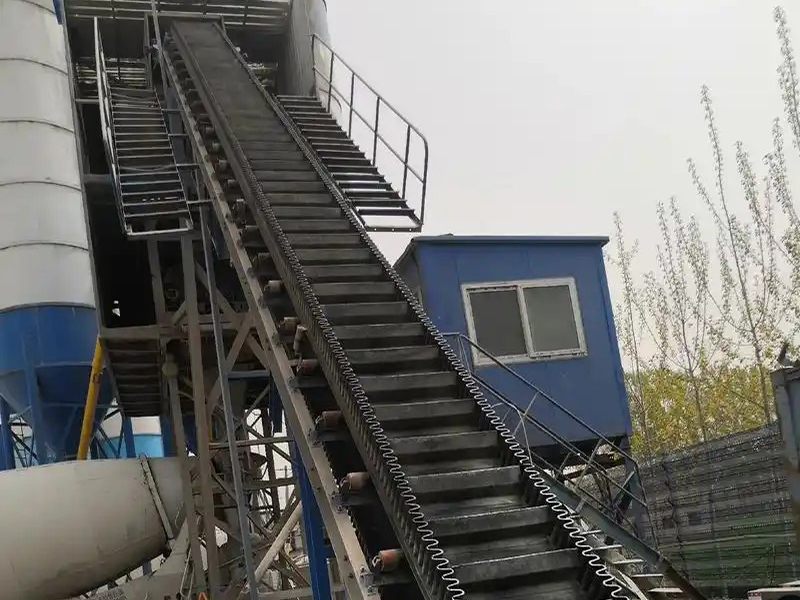
Durable steep-angle chevron conveyor lines for infrastructure projects.
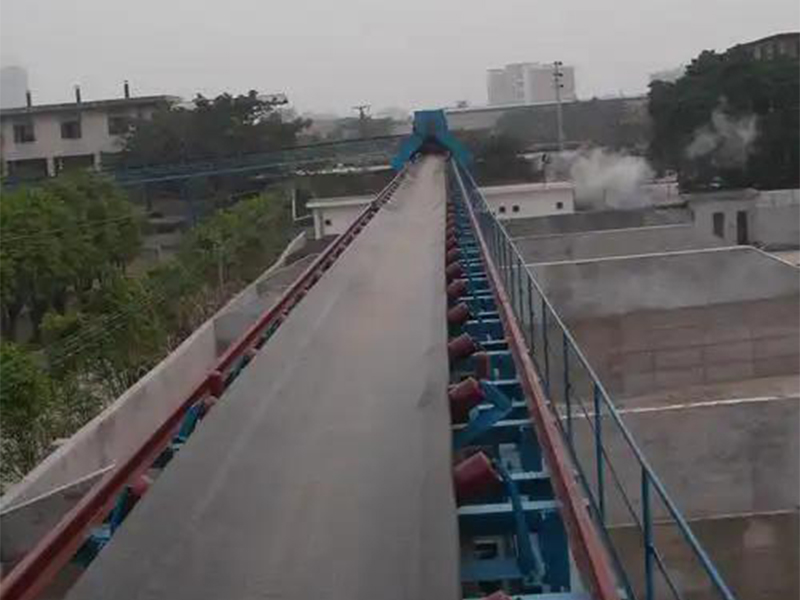
High-capacity limestone feed conveyors featuring specialized EP ply cores.
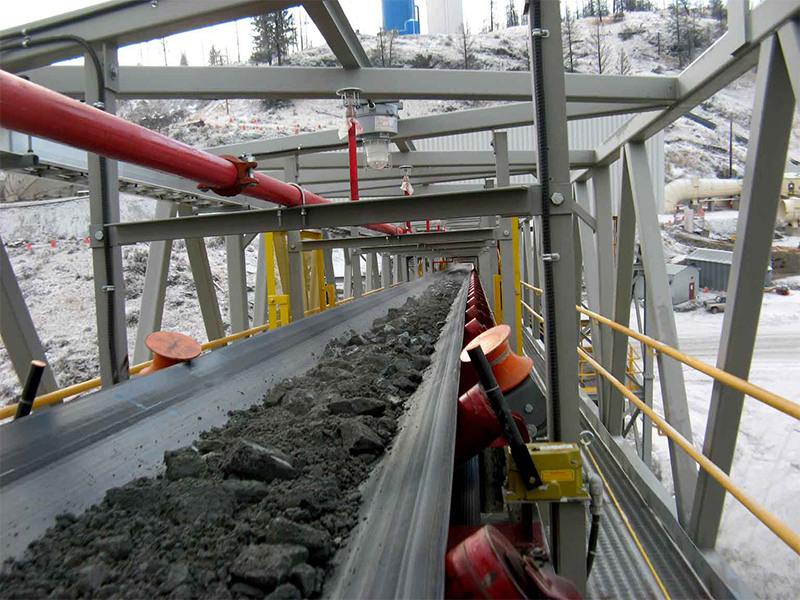
High-safety flame-retardant steel wire core conveyors for coal galleries.
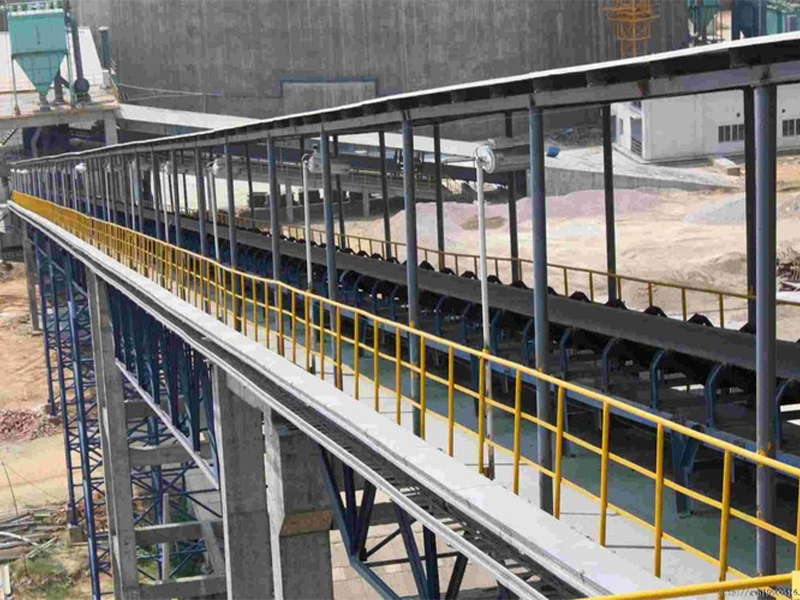
Continuous clinker conveying lines using vulcanized high-temperature belts.
Heavy raw material yards utilizing custom chemical-resistant rubber belts.
A premium rubber conveyor belt's performance depends heavily on the quality of its installation, tensioning, and splice vulcanization. Hebei Boao coordinates an engineering team to assist clients through complex field requirements:
We audit idler spacing, pulley dynamic alignment, drive power capacity, and transition distances to match customized belt parameters. Proper structural calculations prevent core separation and uneven wear.
We supply targeted hot-splicing compounds, tie gums, and cover stocks to match custom NN, EP, or steel cord specifications, ensuring splice strength matches original fabric integrity.
Our engineers help analyze top cover abrasion rates, tracking stability, and joint creep. This preventative approach minimizes unscheduled downtime across processing lines.
We manage safety stock levels for strategic clients, coordinating standby rolls to ensure quick delivery during urgent line upgrades.
As heavy industry works toward carbon neutrality and automated logistics, conveyor belts must become more energy-efficient and wear-resistant. Hebei Boao's 2025-2030 research roadmap focuses on these critical developments:
Expert engineering answers to common design, compound selection, and troubleshooting questions.
EP Belts utilize a polyester warp (longitudinal) and polyamide/nylon weft (transverse). This configuration offers minimal dynamic elongation, high dimensional stability, and resistance to environmental moisture, making them ideal for long-distance runs with short take-up strokes.
NN Belts use polyamide/nylon fibers in both warp and weft directions. This design provides high elasticity, excellent impact resistance, and superior troughability, making them ideal for heavy loading zones, high speeds, and tighter pulley diameters.
Cover grades specify performance limits for tensile strength, elongation at break, and volume loss under abrasion testing. For example, a DIN Grade W compound limits abrasion loss to 90 mm³ for highly abrasive materials like glass or quartz. Grade Y (150 mm³) handles general gravel, coal, and limestone, while Grade X (120 mm³) provides balanced protection against impact and cutting forces.
For temperatures exceeding 120°C, SBR compounds oxidize and harden. We use specialized EPDM (Ethylene Propylene Diene Monomer) matrices for our T3 and T4 classes (handling peak temperatures up to 220°C and 250°C respectively). EPDM's saturated molecular structure resists thermal aging, ozone cracking, and chemical attack, maintaining belt flexibility over long service lives.
High drop heights and tramp iron in mining zones can cause long longitudinal splits. Our anti-tear steel wire rope belts feature high-tensile transverse steel cord breakers or reinforced textile meshes above the primary steel wire core. This reinforcement diverts cutting forces, causing them to shear outward rather than propagation along the length of the belt.
Mistracking is typically caused by uneven structural loading, poorly aligned pulleys, or incorrect splice straightness. We verify physical tracking during quality control using dynamic testing runs to ensure uniform carcass tension. In addition, installing self-aligning idlers and keeping the belt centered under dynamic load conditions prevents edge damage.
Premium replacement belts and performance components designed to keep logistics systems operating efficiently.
 Boao Rubber