Engineered for extreme tensile strength, impact absorption, and long-cycle splicing integrity across demanding environments.
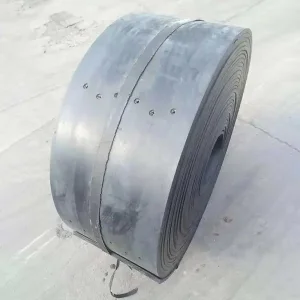
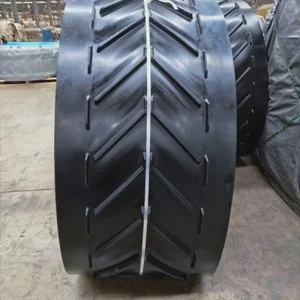
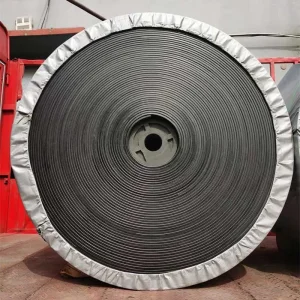
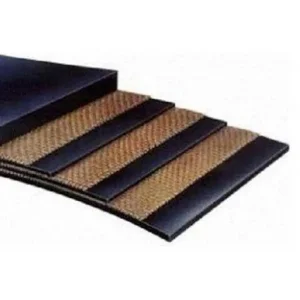
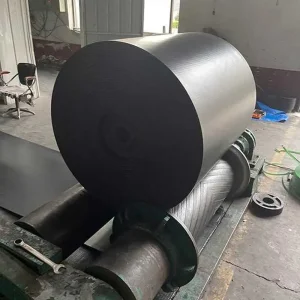
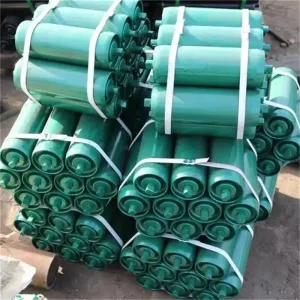
In modern heavy industries, conveyor belts function as the circulatory system of production facilities, moving massive payloads of ore, coal, cement, aggregates, and grains. The longevity and reliability of this system depend heavily on the weakest points of the conveyor belt loop: the splicing joints. Rubber belt splicing is the high-precision craft of joining two ends of a conveyor belt together, a process that determines up to 80% of the belt's lifecycle efficiency and operational safety.
Globally, as mines descend deeper and ports handle ever-increasing volumes, the demand for high-strength steel-cord and multi-ply fabric belts has risen exponentially. A failure in splicing can result in millions of dollars in unscheduled downtime, equipment destruction, and catastrophic safety risks. As a result, global engineering managers no longer view splicing as simple maintenance but rather as a critical, science-driven technology. Choosing the right rubber belt splicing factory and raw materials is a strategic choice for modern operations seeking optimized performance.
The gold standard for splicing. Uses heat, pressure, and raw rubber compounds in a vulcanizing press. Spliced joint properties reach 90-100% of the original belt's strength, offering supreme resistance to mechanical stress.
Utilizes advanced chemical bonding agents to fuse plies at ambient temperature. Ideal for spaces where heavy heating equipment cannot be deployed, requiring expert adhesive selection and curing time control.
Employs steel rivets, bolts, or staple plates for temporary joints or low-tension applications. It is fast to execute but poses challenges for scrapers and exhibits shorter service life.
Splicing engineering varies depending on the reinforcement material inside the belt. In textile-ply belts (EP/NN), splicing relies on a step-like geometric reduction of the plies. Splicing specialists peel away alternating rubber cover and fabric layers to construct overlapping steps. The length and quantity of these steps are determined by the belt’s design tension and fabric layout.
For steel cord conveyor belts, splicing design is significantly more complex. Since there is no fabric warp and weft to distribute loads, tension is transferred from cord to cord through the surrounding shear rubber compound. Splicing steel cord belts requires stripping away the cover rubber, cleaning the steel cables, and placing them in highly engineered step patterns (1-stage, 2-stage, 3-stage, or 4-stage offsets). Unvulcanized rubber strips and noodles are laid between the cables before the joint is pressed under extreme heat (typically around 145°C) and pressure (up to 1.2 MPa) for absolute fusion.
Hebei Boao Rubber Technology Co., Ltd. — Building the Future of Bulk Material Handling.
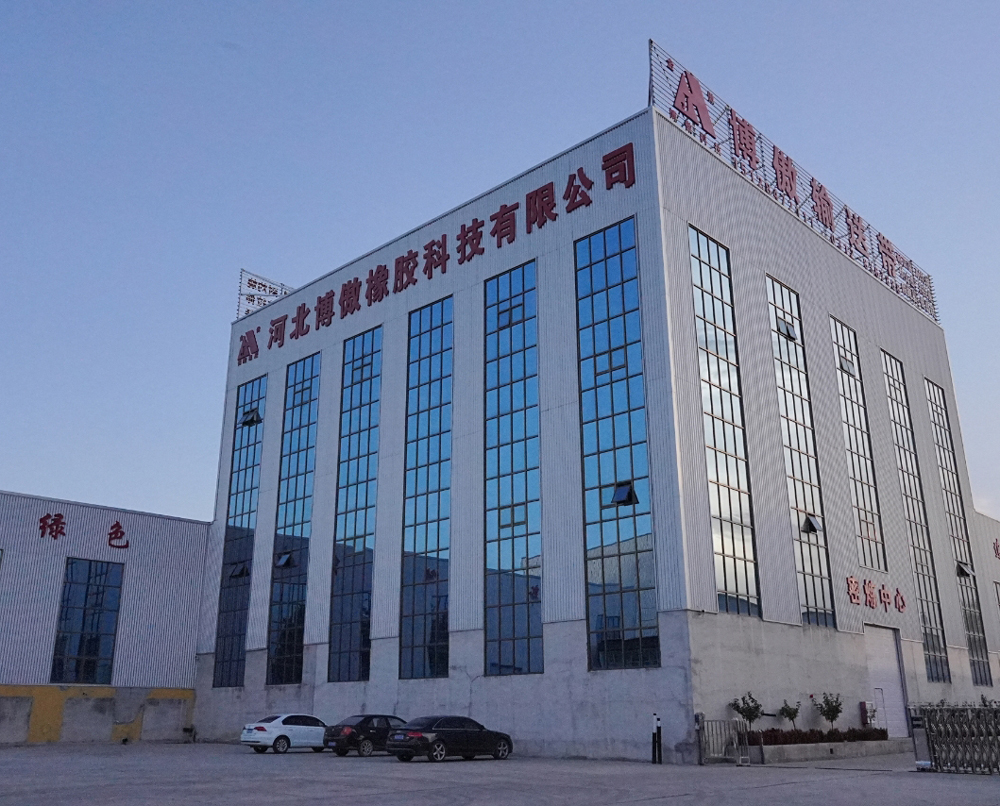
Founded in 2004, Hebei Boao Rubber Technology Co., Ltd. is located in the Rubber Industrial Park of Boye County, Baoding, Hebei Province. Over the last 22 years, the company has expanded its manufacturing footprint to over 30 acres, establishing itself as a leading manufacturer in China that integrates conveyor belt development, research, design, manufacturing, and comprehensive field technical services.
Boao operates under the registered brand name "Jinao". We are fully committed to quality assurance, having passed international quality management system certifications. With our state-of-the-art rolling, forming, vulcanizing, and testing equipment, we monitor every step from the raw materials to the finished product. Our capabilities include heavy textile ply fabric preparation, high-tension steel cord layout, and advanced cover rubber compounding.
Our independent chemical analysis room and physics laboratory ensure that every incoming raw material and finished conveyor belt meets international standards. Unqualified materials do not enter our site; unqualified products do not leave it.
Our professional QC staff uses advanced dynamic fatigue testing, peeling tests, and steel cord pull-out testing equipment to analyze and optimize the internal shear strength of both belts and spliced joints.
With an extensive support network and engineering teams, our products are widely exported and deployed in steelworks, metallurgical facilities, coal mines, cement plants, power generation stations, fertilizer plants, grain depots, and port terminals.
A glimpse inside the Boye County manufacturing complex where high-precision rubber mixing and vulcanization occur.
The global logistics landscape is undergoing a shift, driven by the demand for cost efficiency and reliable heavy-duty components. China's conveyor belt manufacturers, particularly those in the Hebei Boye industrial cluster, have evolved from regional suppliers into global technological leaders. This development is supported by several core factors:
This level of integration translates into significant performance gains for international buyers. Procurement teams can source high-spec conveyor belts along with matching splicing kits and installation guides from a single manufacturer, ensuring compatibility.
Not all splicing materials are created equal. The mechanical strength of a splice joint is determined by cross-linking between the raw splicing rubber and the cured cover compound during on-site hot vulcanization. If the vulcanizing temperature, pressure, or compound recipe deviates by even 5%, the tensile strength of the joint can drop by up to 30%. Boao uses customized tie gum recipes matched to our DIN, AS, and ISO standard belts to keep splice areas durable and resistant to shear stresses.
When selecting a rubber belt splicing manufacturer, procurement officers must check the technical specifications of the vulcanizing materials:
A complete breakdown of our system lifecycle services designed to minimize downtime and maximize system life.
Planned replacement, repair, inspection, preventative maintenance, and rapid emergency repairs of industrial conveyor belts.
Supply of conveyor belts, customized rubber raw materials, safety stock management, on-site storage advisory, planned joint splicing, rubber cover maintenance, and emergency response operations.
Maximize the operational availability and runtime of your belt conveyors, lower your cost-per-ton throughput, and establish a reliable long-term service relationship.
Extend the operational life cycle of your conveyor system through scheduled diagnostic checks and early detection of splice wear.
We deploy advanced testing apparatus to evaluate the structural integrity, shear limits, and wear rates of our belts and splicing materials.
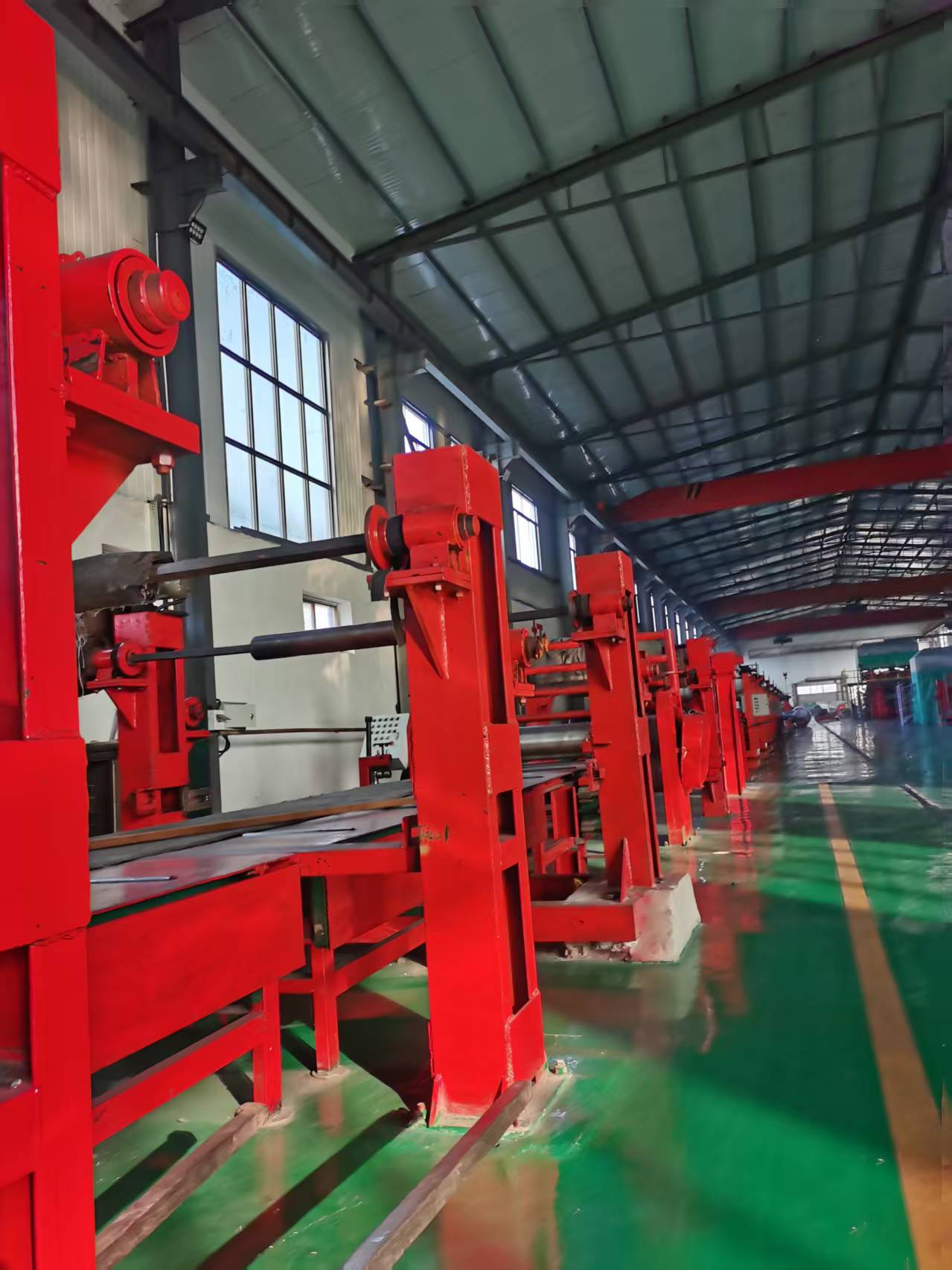
Fabric Splicing Calendering Unit
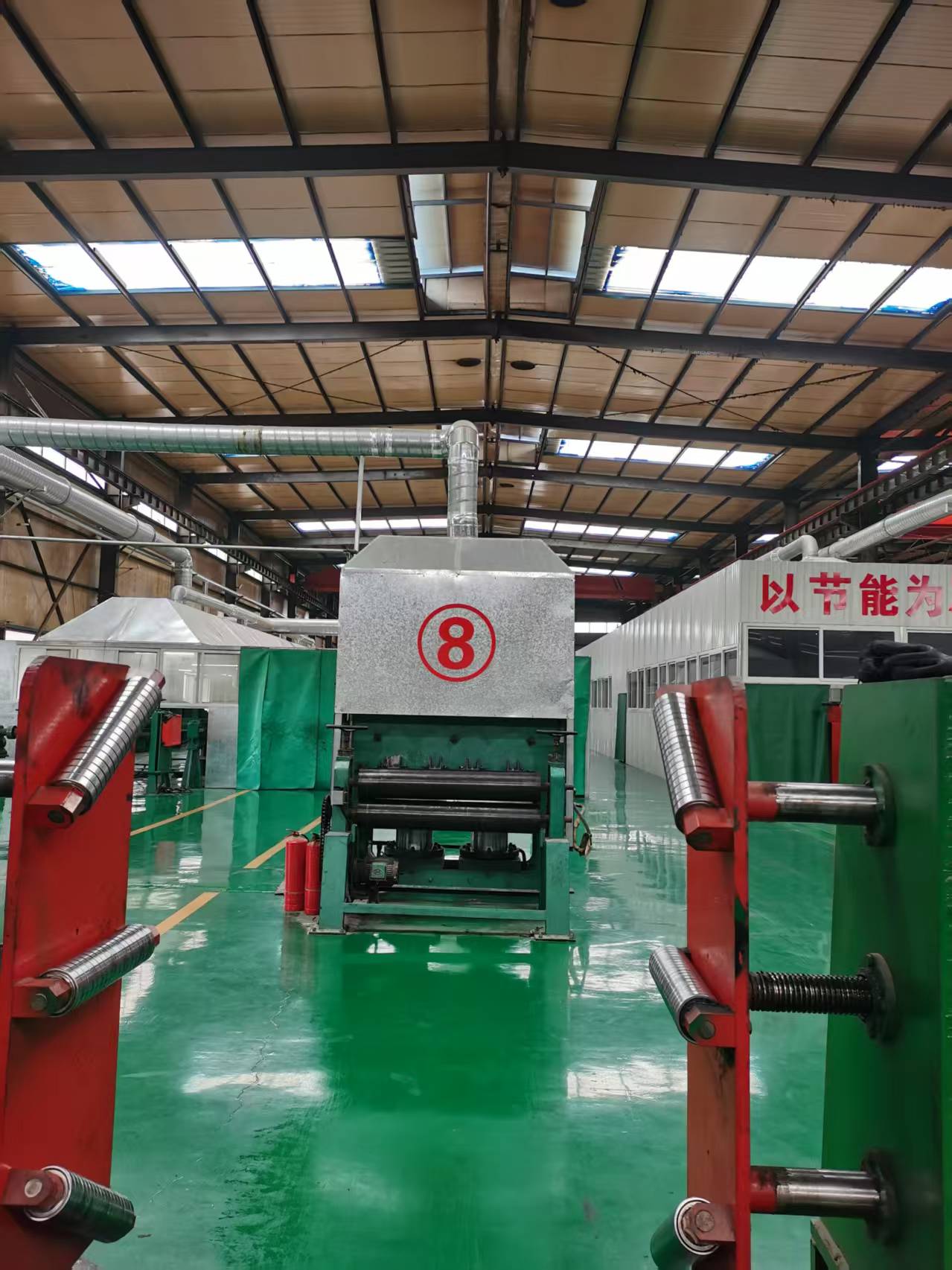
Heavy Vulcanizing Press
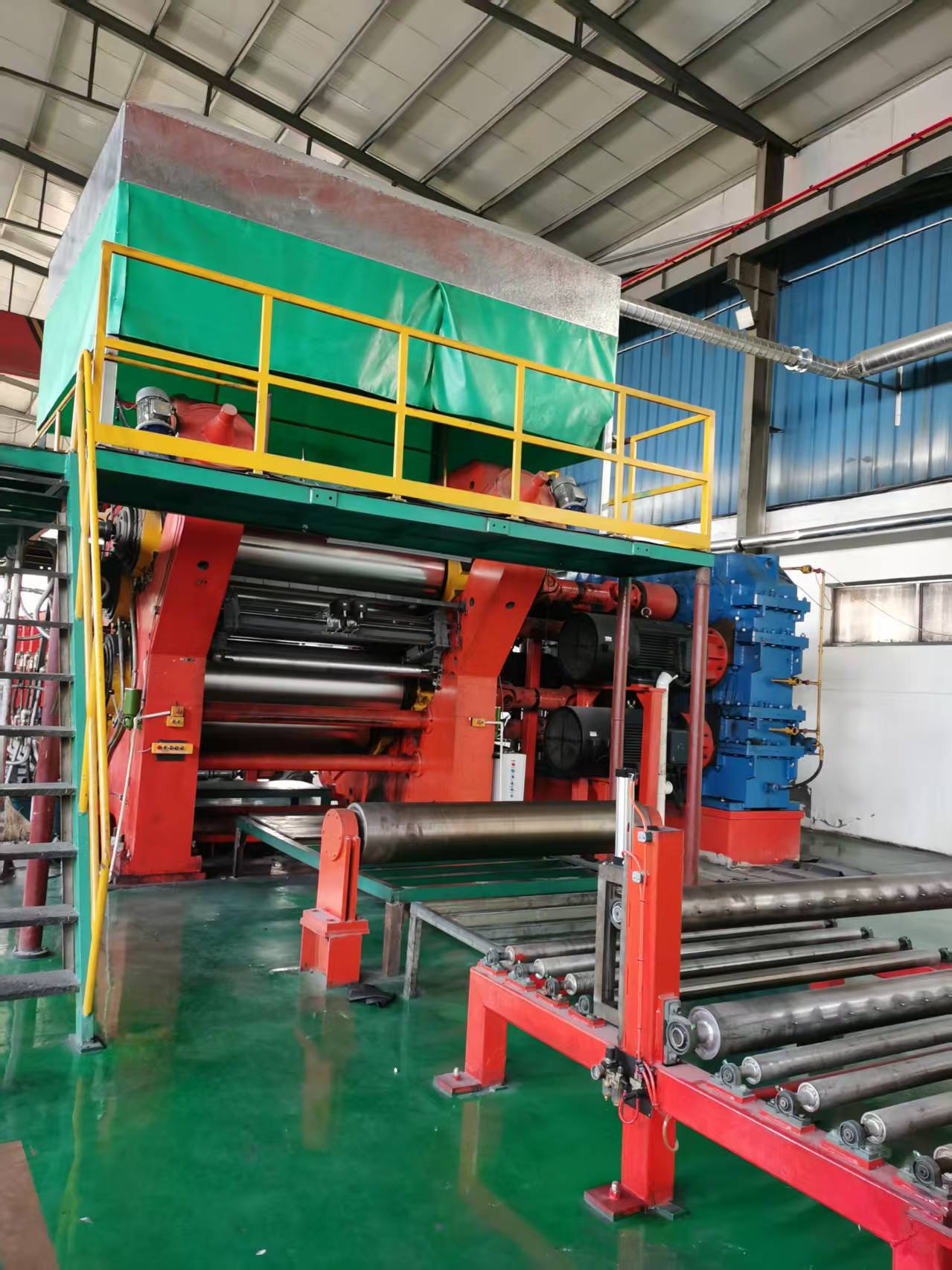
Fabric Treatment Line
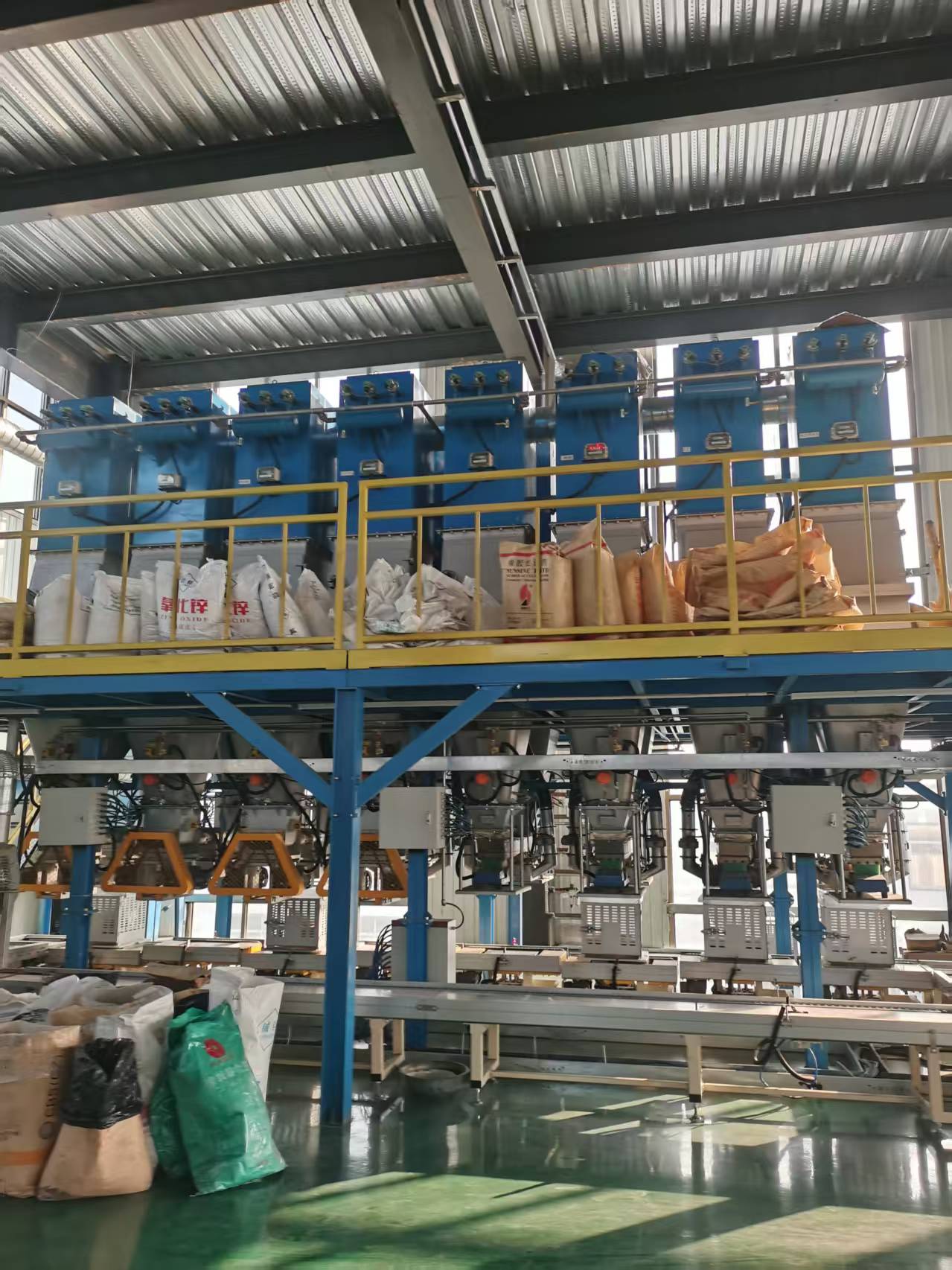
Calendering & Compounding Line
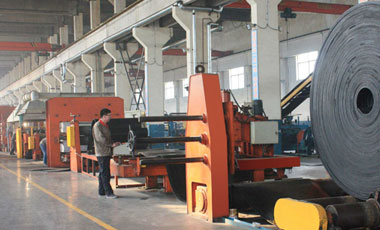
Production Line of Fabric Conveyor Belt
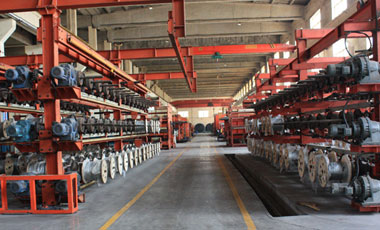
Production Equipment of Steel Cord Conveyor Belt
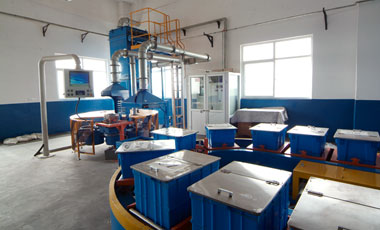
Proportioning Room of Mixing Center
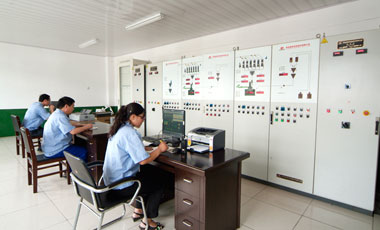
Proportioning System of Mixing Center
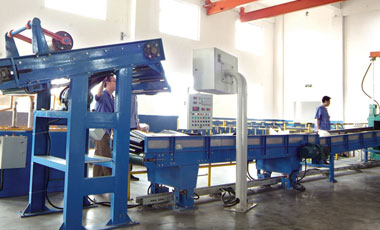
Feeding Device
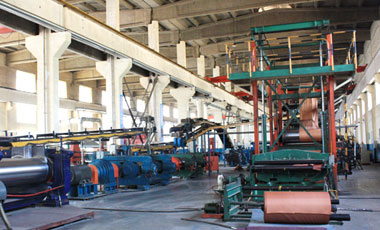
Calendering & Shaping Machine
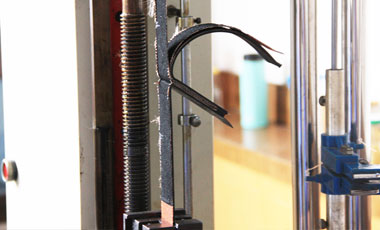
Peeling Test Station
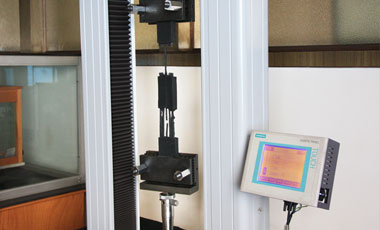
Steel Cord Pull-out Machine
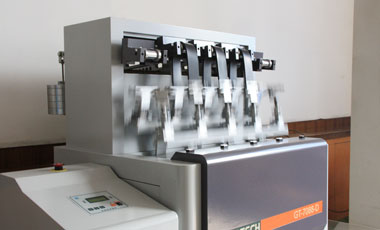
Dynamic Fatigue Tester
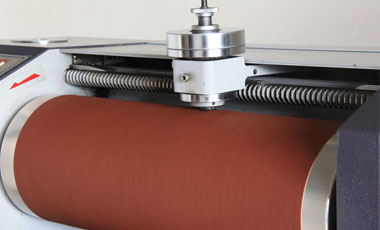
Abrasion Tester (DIN / ASTM)

Abrasion Tester (Rotary Drum)
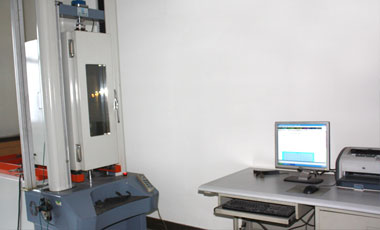
Physical Properties Testing Lab
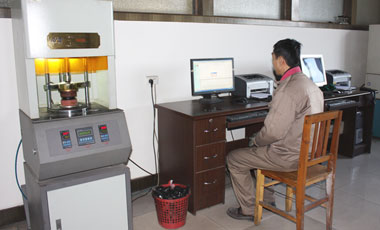
Tensile Strength Analysis
Conveyor systems run in diverse climates, each presenting unique engineering challenges. Splicing methods must be adapted to these specific environmental demands:
In underground coal mining, safety guidelines require flame-retardant belts (such as PVG, PVC, or flame-retardant rubber belts). Splicing in these environments requires materials that meet strict anti-static and self-extinguishing certifications. Vulcanization equipment used in these locations must also be explosion-proof.
In high-latitude mining or outdoor logistics in regions like Northern Europe, Canada, or Northern China, conveyor systems run in temperatures as low as -40°C. Standard rubber compounds lose elasticity and embrittle under these conditions. Splicing for cold-resistant applications requires compounds with low glass transition temperatures to prevent the splice joint from cracking as it flexes over rollers.
Steelworks transport sintered ore, coke, and slag at temperatures exceeding 200°C. High-temperature conditions degrade standard rubber cover compounds and splice interfaces. Splicing heat-resistant belts requires specialized EPDM rubber compounds and adhesives that resist heat aging and thermal degradation.
Chemical processing and fertilizer plants handle corrosive environments. Splicing in these areas requires chemically inert polymers (chloroprene, EPDM, or nitrile) to protect the reinforcement layers from acid or alkali ingress.
High-tension overland conveyors are prone to ripping from tramp metal. Incorporating transverse steel cord reinforcement or high-elongation sensor loops inside the splice zone helps detect tears early and prevent complete belt separation.
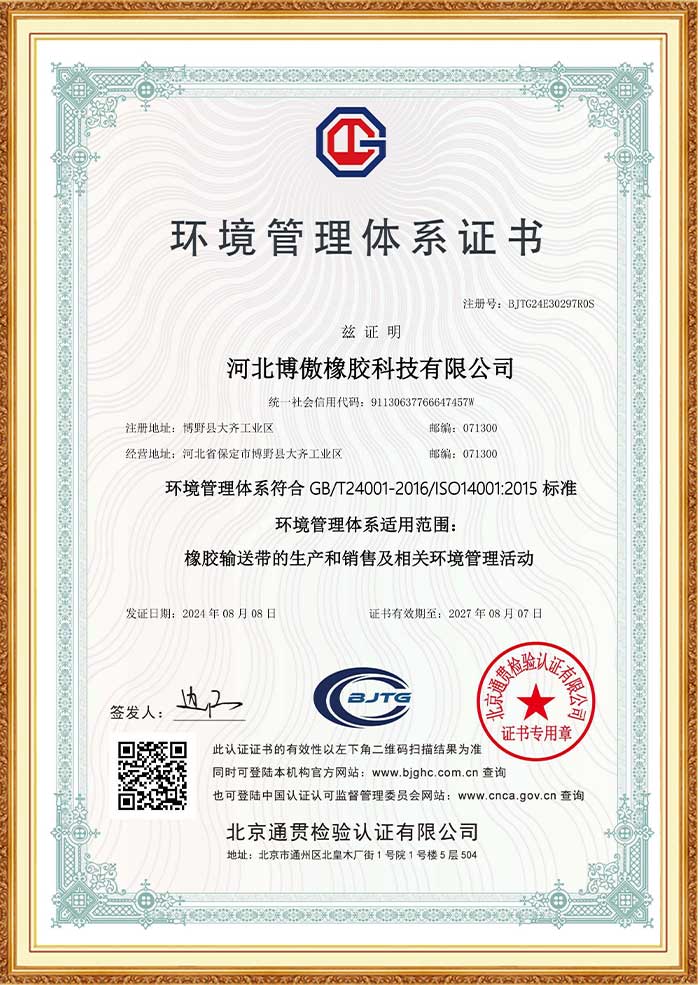
Hebei Boao products meet major international regulatory and performance standards, including API 6D, API 607, CE, ISO9001, ISO14001, ISO18001, and TS.
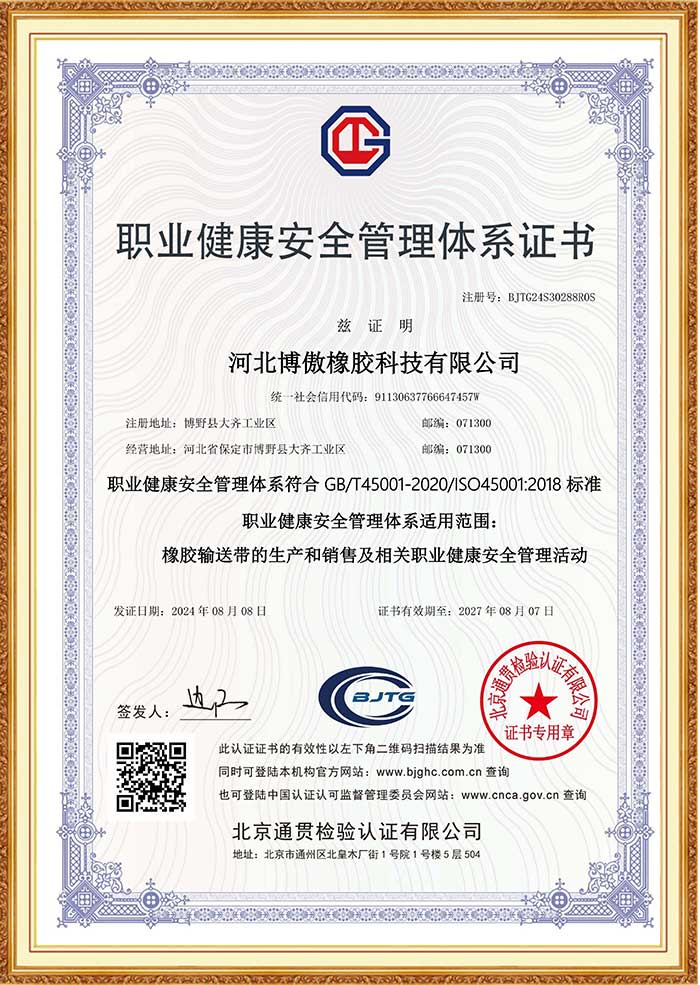
ISO9001 Quality System Certificate
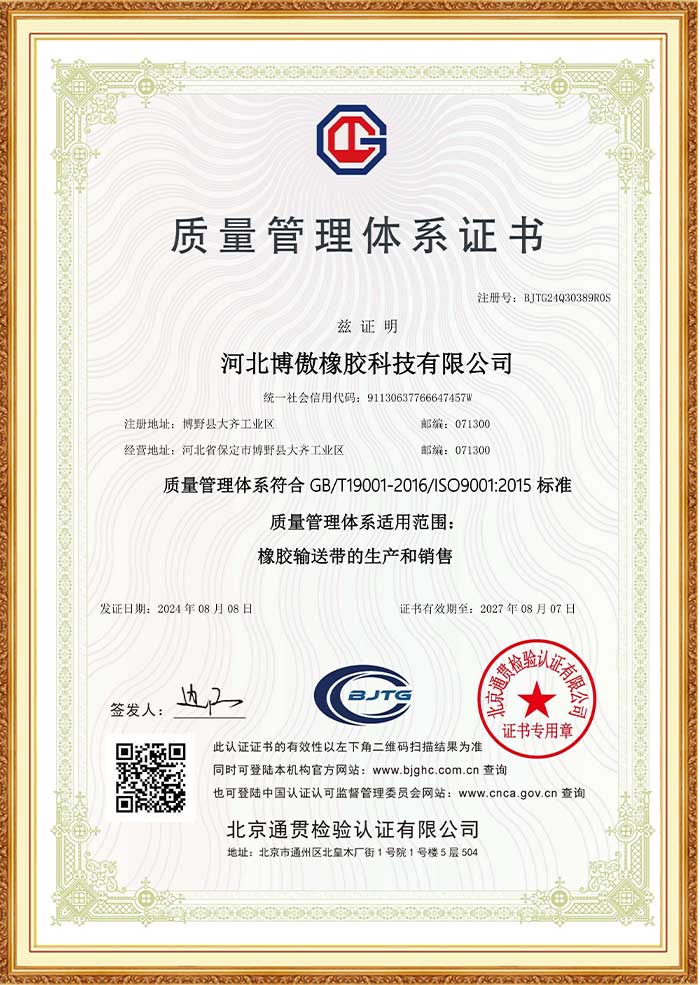
ISO45001 Occupational Health Certification
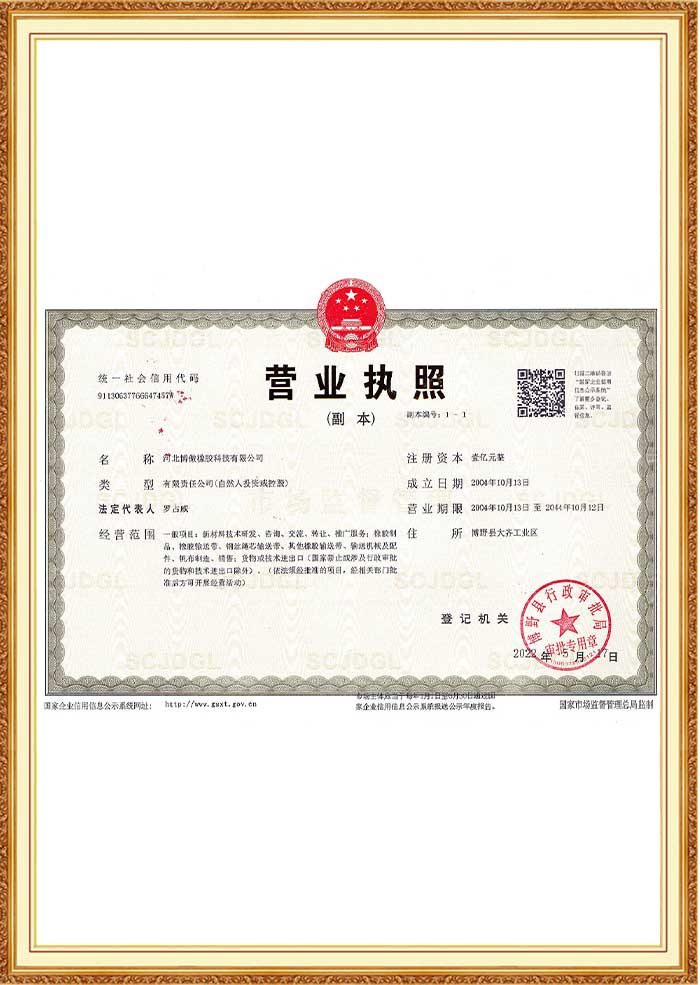
ISO14001 Environmental Management System
CE Certification Mark
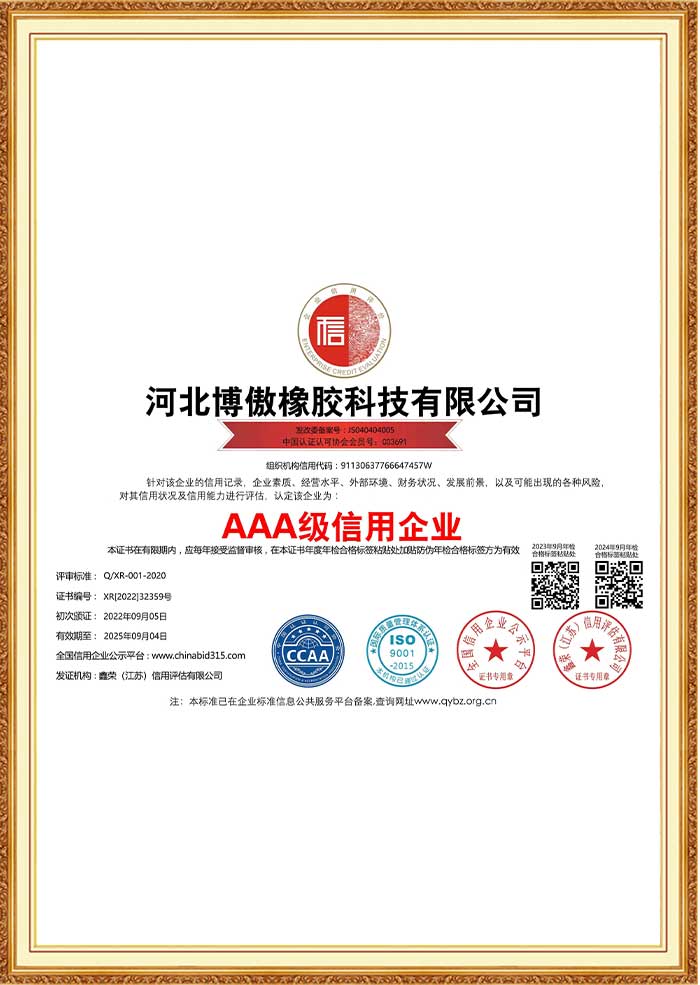
National Industrial Safety Certificate
Our high-tension conveyor belts and splicing systems have supported operations for major infrastructure, mining, and metallurgy corporations globally.
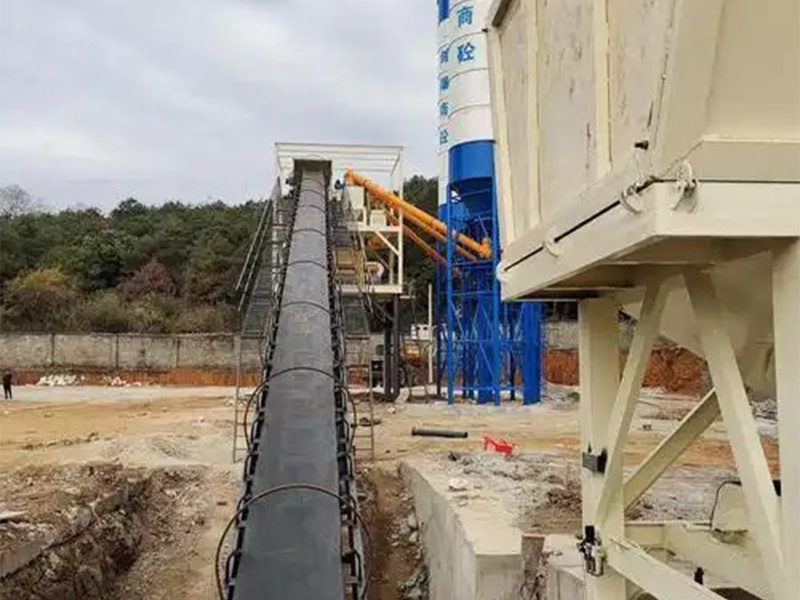
Supplying high-reliability belts for automated batching and aggregate transport lines.
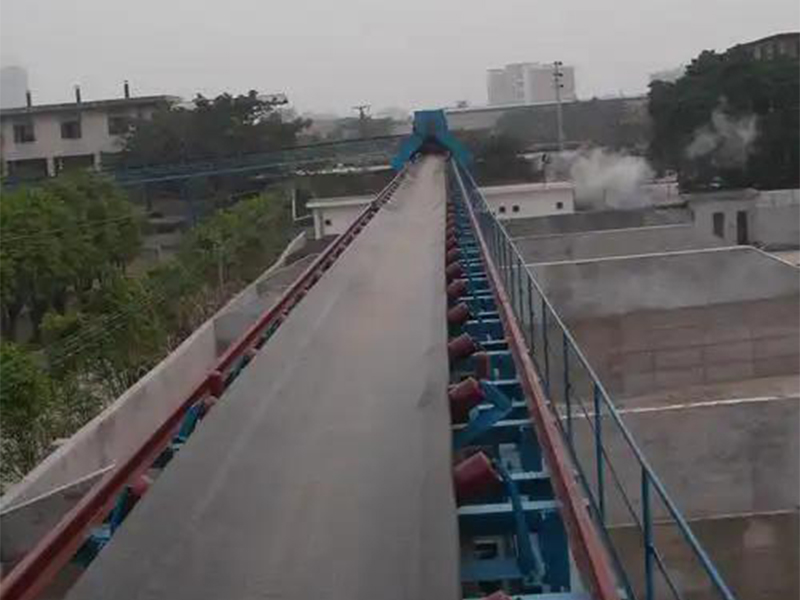
High-temperature conveyor systems handling hot clinker under continuous operation.
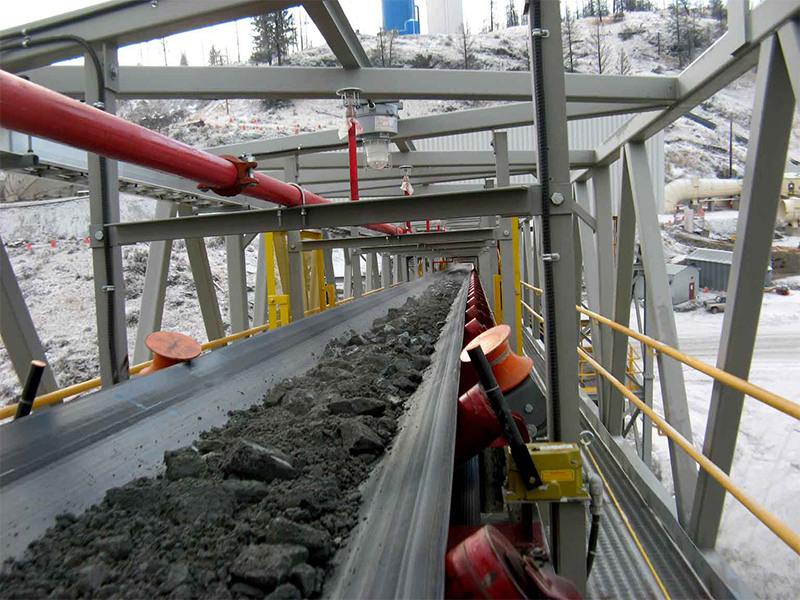
Supplying flame-retardant steel cord belts for high-tension underground operations.
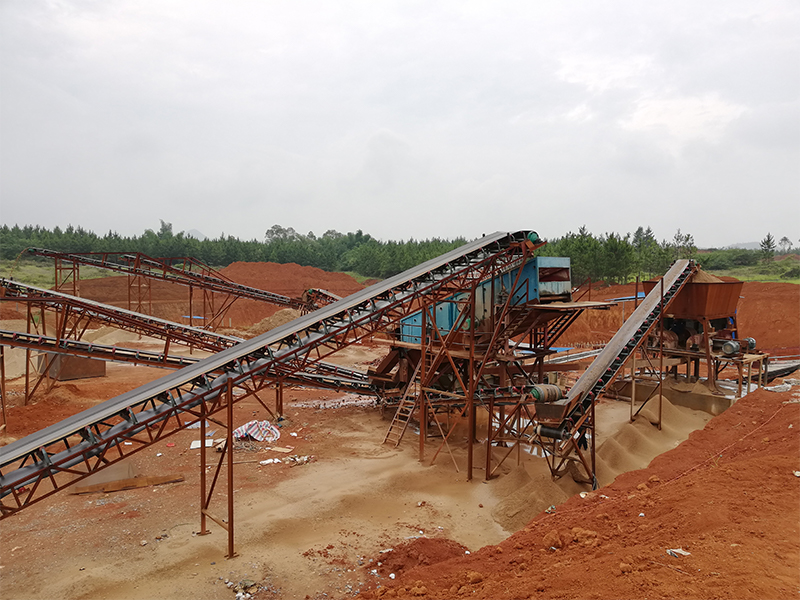
Supporting bulk raw material handling systems for nickel smelting and refining.
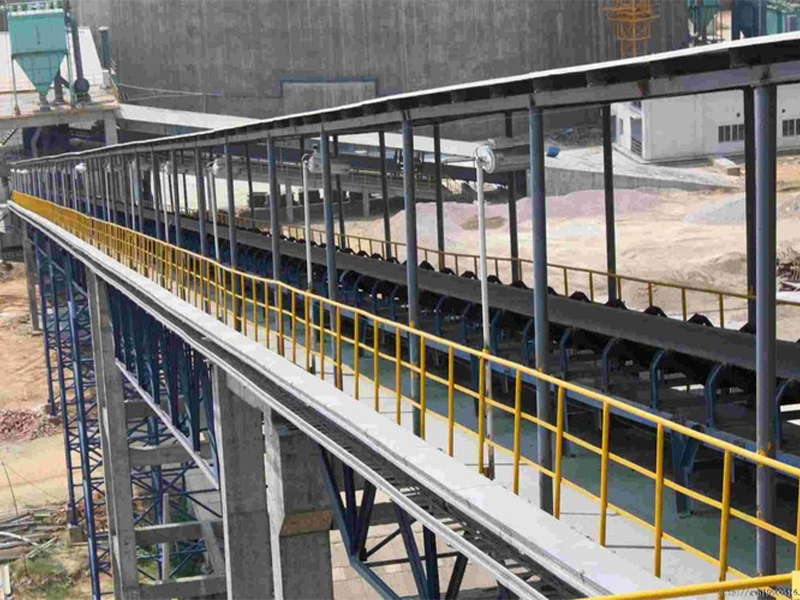
Supplying abrasion-resistant belts to handle heavy limestone crushing runs.
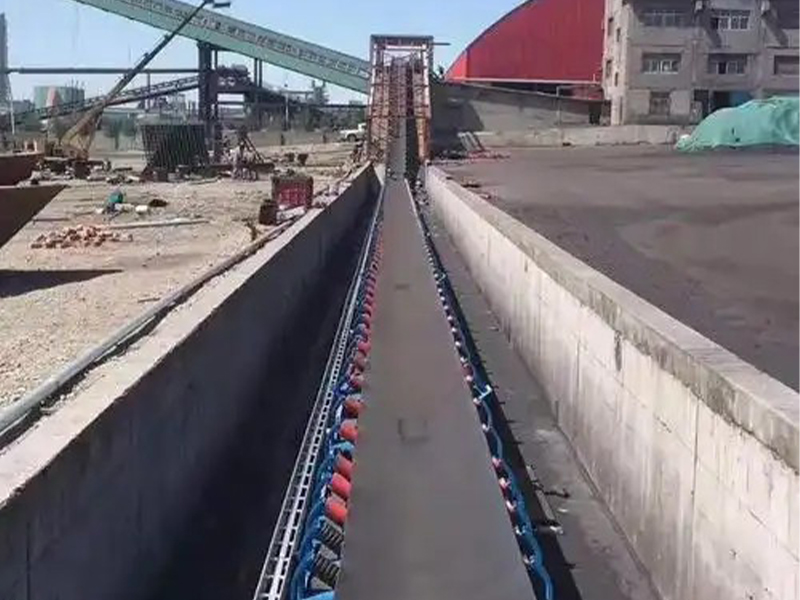
Overland conveyor systems transporting coal over long distances with optimized efficiency.
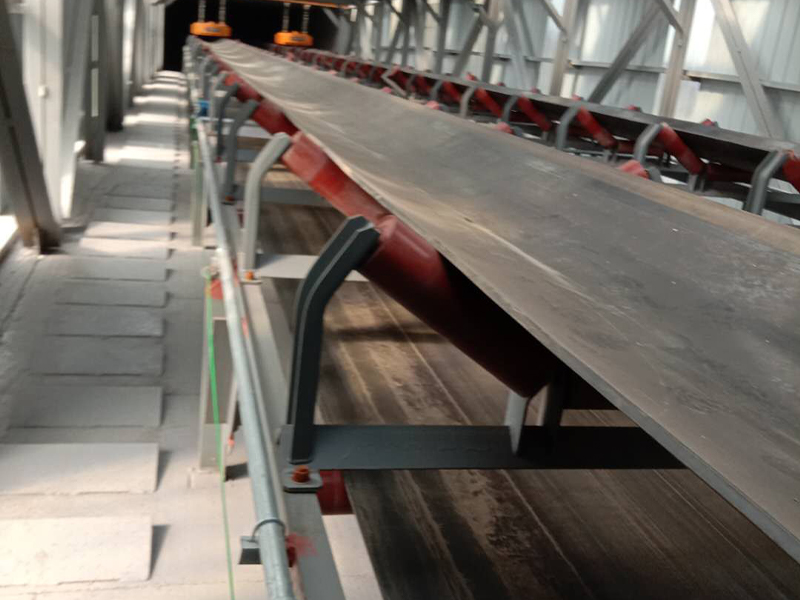
Delivering heavy sintering conveyor belts designed to withstand high temperatures.
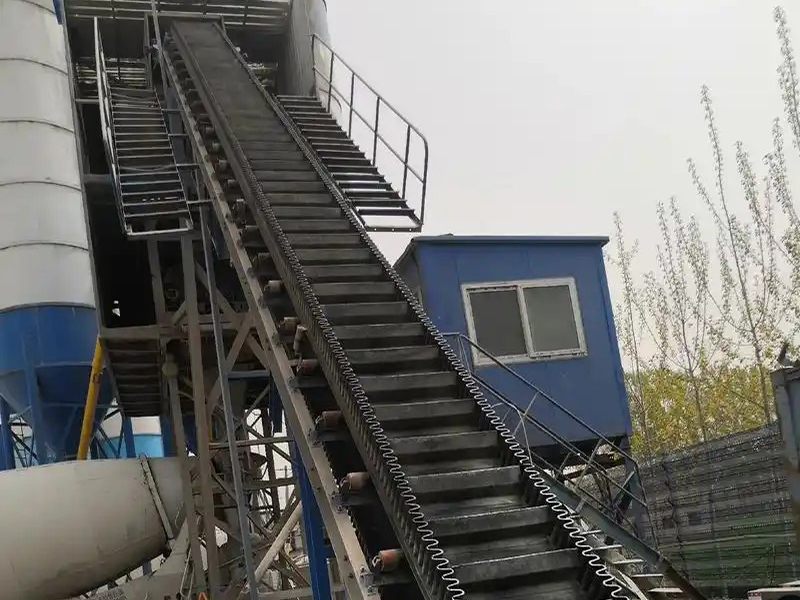
Supplying high-strength material handling systems for iron-making yards.
Additional Industry Partners: Zijin Mining Group (Deep-level hard rock copper and gold transport operations).
When sourcing conveyor belts and matching splicing compounds, B2B procurement managers should evaluate suppliers based on concrete performance metrics:
Conveyor belt manufacturers must demonstrate testing compliance with standards like DIN 22102 (European), AS 1332 (Australian), RMA (American), or JIS K6322 (Japanese). These specifications define limits for tensile strength, elongation at break, and abrasion loss. For splicing rubber, ensure the supplier provides certification showing the materials match the physical characteristics of the main belt.
A factory's testing laboratory is a key indicator of product reliability. Look for facilities equipped with dynamic fatigue testers, peeling test stations (to measure fabric layer adhesion), and steel cord pull-out testing machines. Dynamic testing is critical: a belt that passes a static tensile test may still fail under the continuous flexing and tension changes of real-world operations.
Unvulcanized rubber compounds are perishable materials. They must be shipped in temperature-controlled containers and stored at temperatures below 25°C to prevent premature vulcanization. Ensure your supplier packages splicing compounds in moisture-proof, UV-protected foil wrapping with clear expiration dates.
The thickness, width, and heating limits of your vulcanizing press must match the splice geometry. When purchasing heavy-duty belts, request the manufacturer’s recommended temperature-pressure-time curve for the splice zone to ensure proper curing on site.
Get expert technical answers regarding conveyor belt splicing, material choice, and installation procedures.
Get in touch with our engineering team for customized compound matching, belt designs, and detailed pricing inquiries. Our specialists will review your operational environment to recommend the optimal solution.
Inquiry NowExplore our range of heat-resistant, cold-resistant, profiled, and steel-reinforced conveyor systems.
 Boao Rubber