Explore our elite engineering options developed to withstand high loads, thermal stress, and strict fire safety environments.
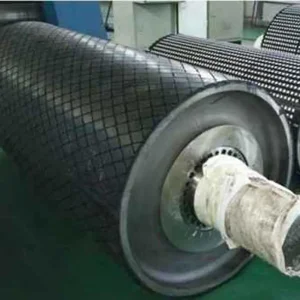
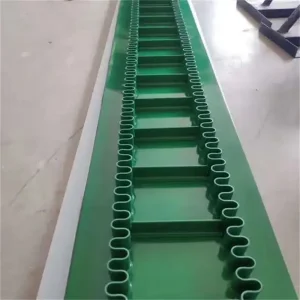
An analysis of flame-retardant steel cord conveyor systems under extreme loads and thermal hazards.
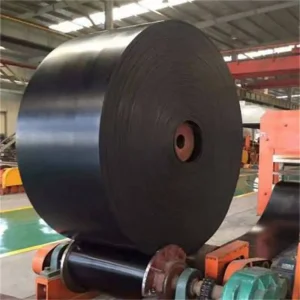
In high-tension mining operations and bulk material processing plants, the choice of a conveyor system dictates both productivity limits and operational safety margins. High-performance flame-retardant steel cord conveyor belts represent the pinnacle of transport safety. They combine the high-strength reinforcement of tensile-stressed steel cords with the flame extinguishing performance of specifically vulcanized polymer matrix compounds. As global regulations from bodies such as the Mine Safety and Health Administration (MSHA) and European standard committees (EN) continue to enforce stricter guidelines, the choice of industrial components must reflect absolute compliance.
Our commitment at Hebei Boao Rubber Technology Co., Ltd. (under the brand Jinao) is to eliminate risk from long-distance, high-tension conveyances. By formulating rubber compounds utilizing premium chloroprene, neoprene, or custom halogenated elastomers reinforced with specialized fire retardants (e.g., Alumina Trihydrate and Antimony Trioxide), we deliver systems engineered for rapid self-extinguishing behavior and excellent low-smoke toxicity. Whether transporting iron ore, hot clinker, or highly combustible bituminous coal, our steel cord conveyor belts are designed to survive the harshest thermal environments while retaining their full load-bearing capacity.
Understanding the engineering elements that define an elite fire-resistant steel cable belt.
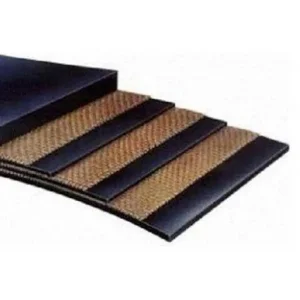
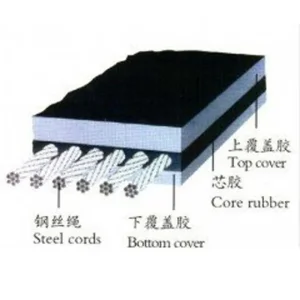
Carcasses consist of open-type zinc-coated steel cords that permit the rubber compound to completely penetrate and bond during vulcanization. This reduces interior friction and guards against moisture intrusion.
Engineered to comply with ISO 340 and EN 12882 testing protocols. In the event of open flame ignition, the belt covers form a dense carbonaceous char barrier, cutting off oxygen and extinguishing fire within seconds.
Equipped with transverse steel breakers and sensor-loop integration to identify and halt longitudinal cuts instantly, minimizing equipment downtime and preserving belt integrity.
| Safety Classifications | Standards Compliance | Typical Applications | Primary Hazards Addressed |
|---|---|---|---|
| Class K / DIN 22131-W | EN 12882, ISO 340 | Above-ground industrial processing plants, coal terminals | Friction heat, external ignition sources |
| Class S / DIN 22131-S | ISO 340, MSHA Part 14 | Underground mining, gallery tunnels, confined transfer stations | Intense heat accumulation, localized combustibility |
| Class E / AS1332 | ISO 284 / EN ISO 20284 | Grain Handling, Potash / Fertilizer storage complexes | Static buildup ignition, dust explosions |
How high-tensile flame-retardant steel cord systems optimize transport networks across major industrial sectors.
Industrial logistics are moving towards larger operations and faster transit cycles. Conveyor belts must operate over longer spans, which requires high tensile strength that only steel cord structures can provide. However, because steel cord systems handle high volumes of material at high speeds, they face a higher risk of friction-induced heating at rollers and terminal drives.
In power plants, metallurgical plants, and ports, handling dry, granular bulk materials can create dense combustible dust. We address these hazards with integrated solutions, incorporating dynamic electrostatic dissipation properties (under 3 x 10^8 ohms resistivity conforming to ISO 284) directly into the rubber covers. This limits dust explosions while providing flame-retardant barriers that stop fire propagation along the conveyor gallery.
Delivering certified conveyor solutions with complete structural support and site-level engineering safety.
Boao offers custom technical services, including system layout design, safety factor calculations, transition distance optimizations, and hot-vulcanized splice planning. By matching your drive parameters, roller diameters, and slope geometries with our steel cord alignment, we help reduce splice failures and energy consumption.
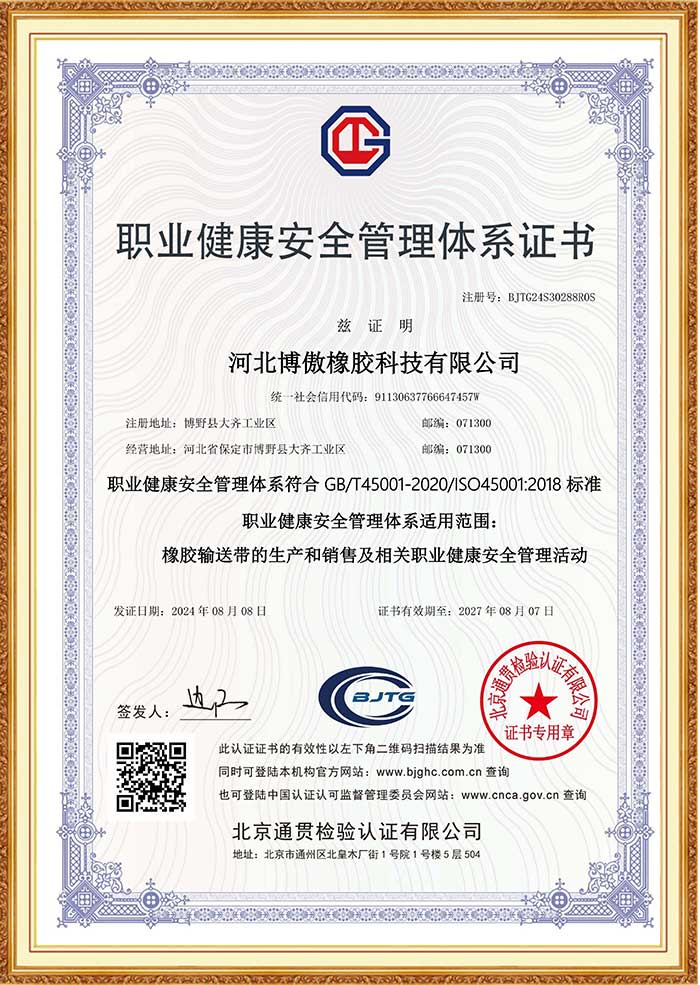
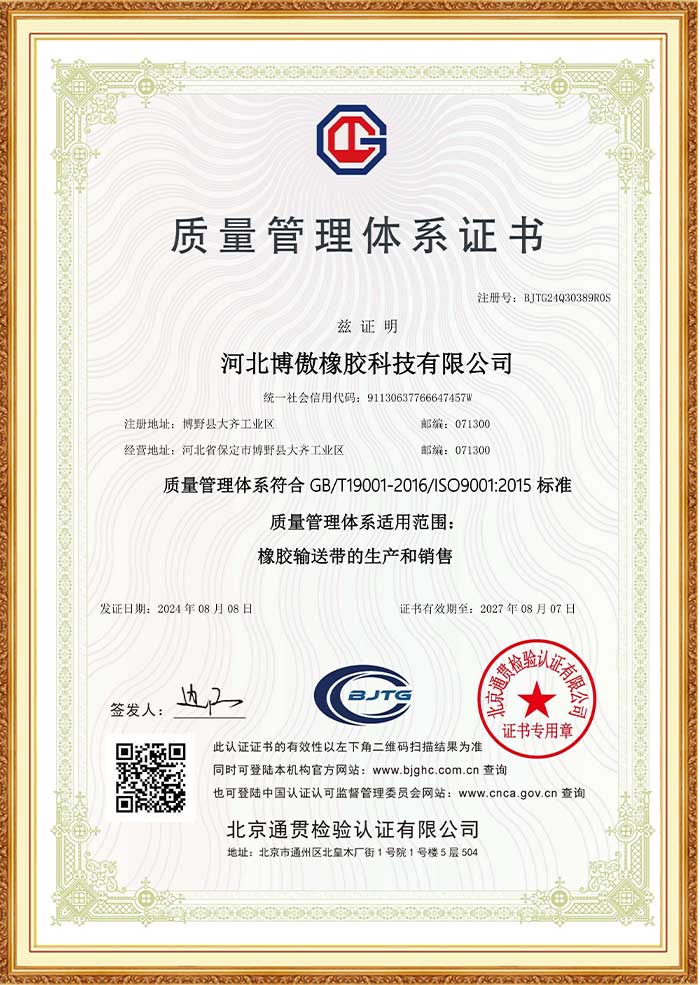
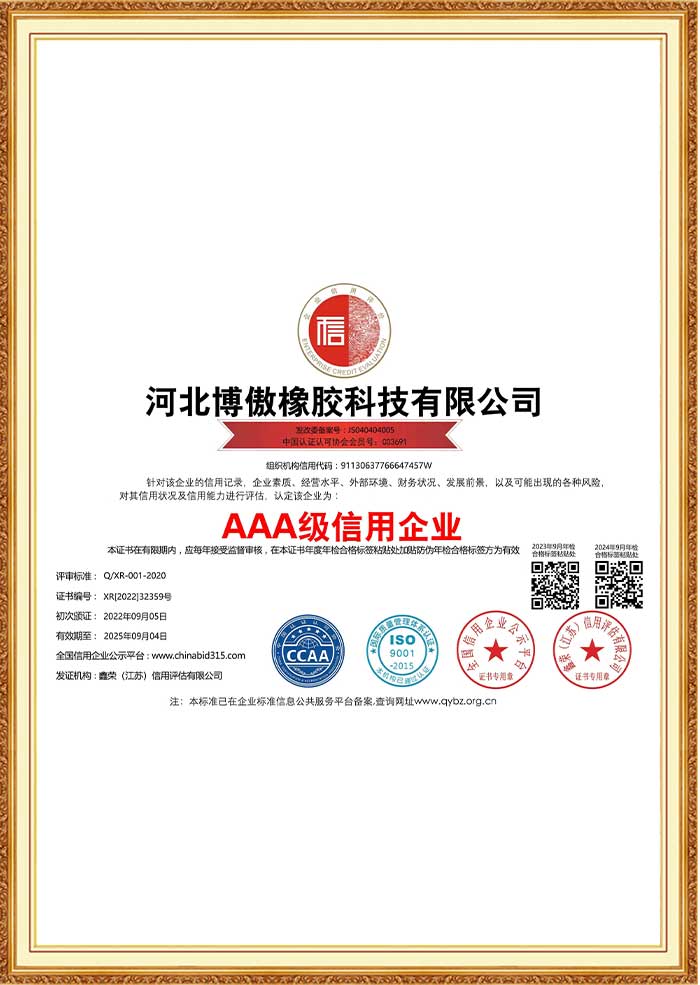
Our manufacturing lines are certified to international quality frameworks, producing belts that meet DIN 22131, AS 1332, MSHA, BS 490, and ISO 15236 standards. We operate an independent testing lab containing dynamic fatigue testers, cover-to-cord pull-out machines, and vertical burner chambers to verify every batch before delivery.
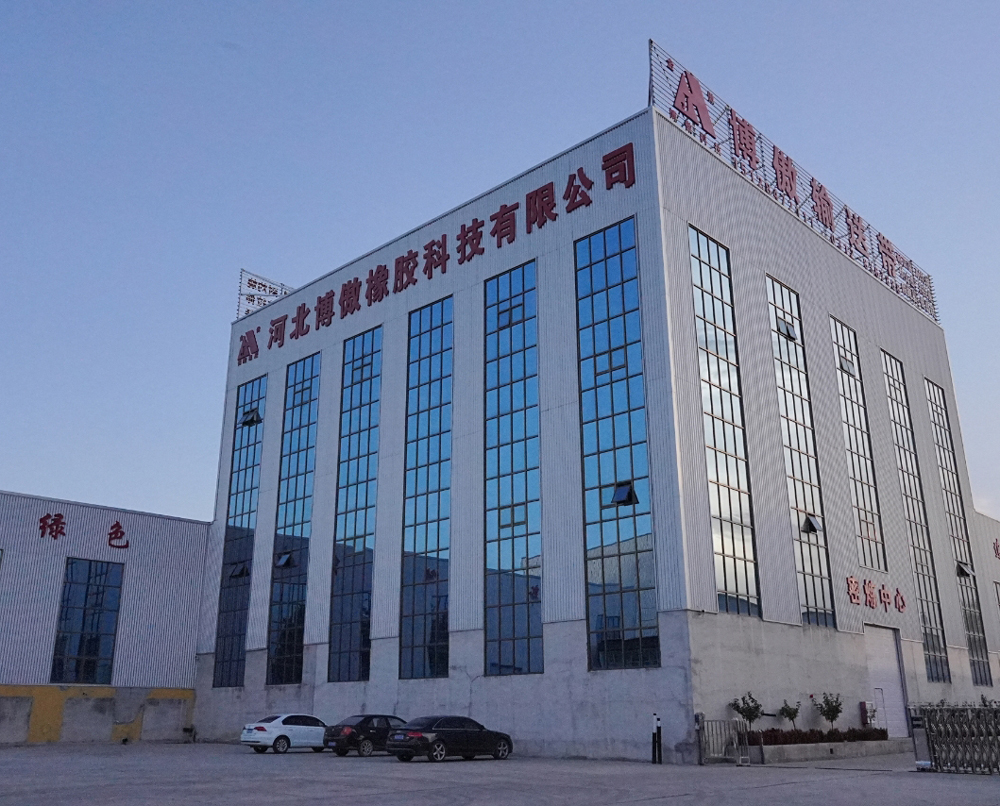
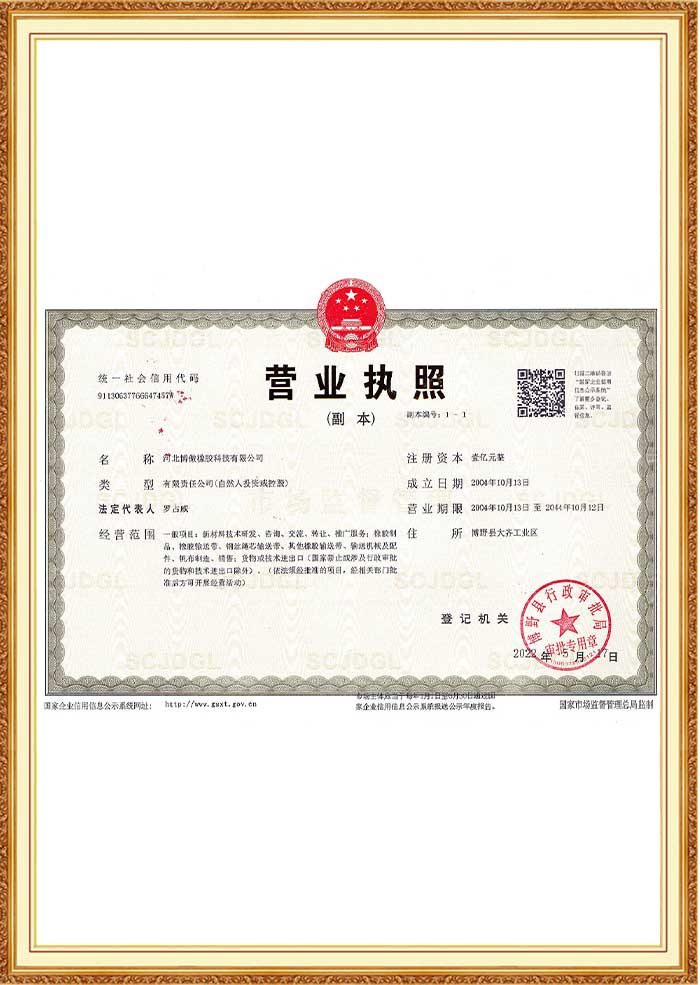
Founded in 2004, our 30-acre facility in Baoding, Hebei Province integrates research, testing, and production under the Jinao brand.
Our facility operates an independent chemical analysis room and physical testing laboratory. Raw materials undergo rigorous testing prior to compounding, and finished belts are analyzed for adhesion, abrasion resistance, and flame propagation limits.
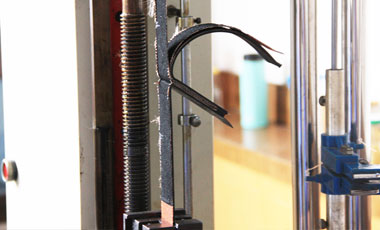
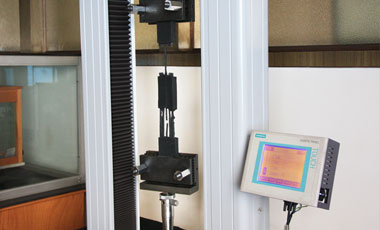
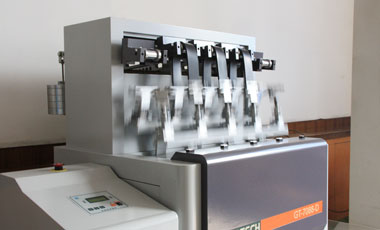
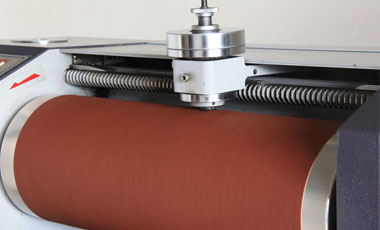
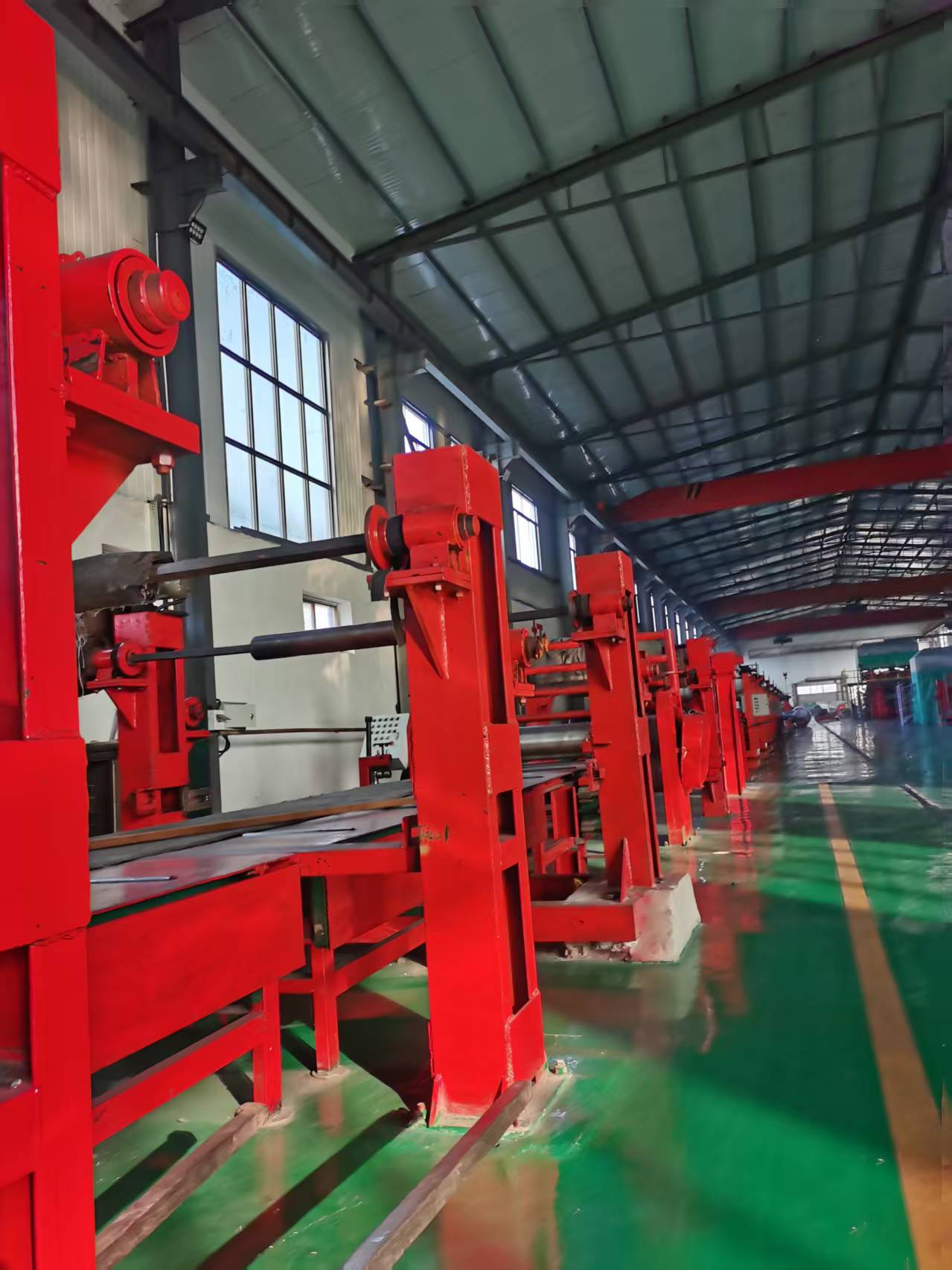
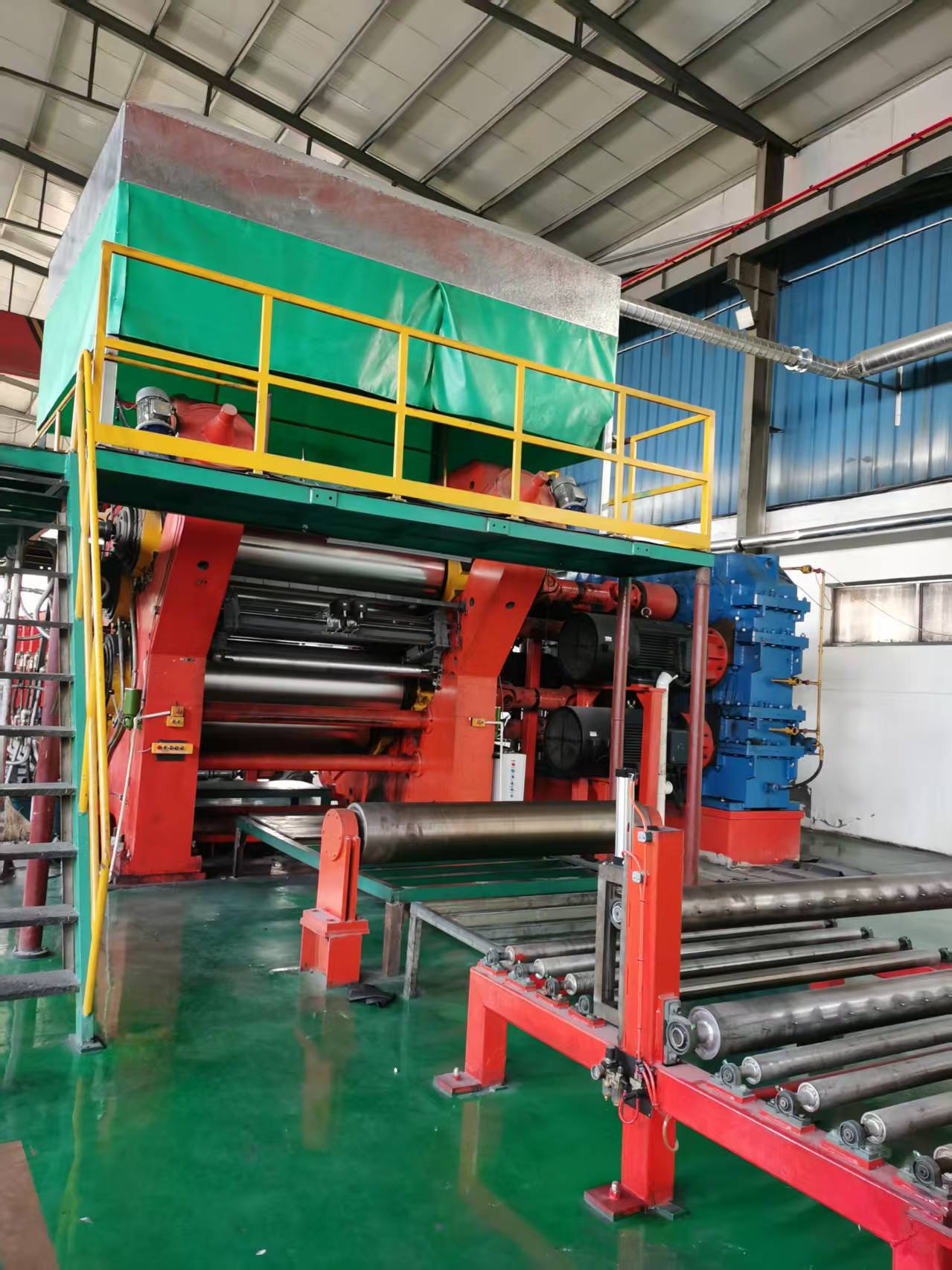
Our production lines are equipped with automatic compounding control centers, high-precision calenders, multi-cylinder vulcanizing presses, and specialized steel cord tensioning rigs to maintain uniform wire tension across the belt width.
Innovation trends in heavy-duty conveyor systems, smart tracking, and green chemistry.
The conveyor industry is shifting toward smart, green, and highly efficient technologies. Our engineering roadmap focuses on three main developments:
Proven performance in heavy-duty, high-heat, and high-tension material transport networks.
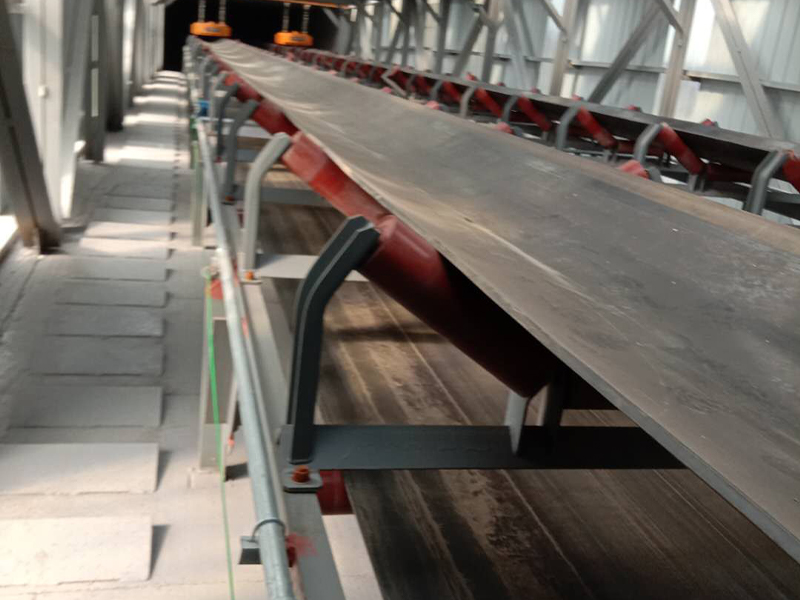
Handling hot sintered iron ore and high-temperature metallurgical coke. Our heat-resistant, flame-retardant steel cord belts helped prevent thermal degradation and belt surface fire hazards.
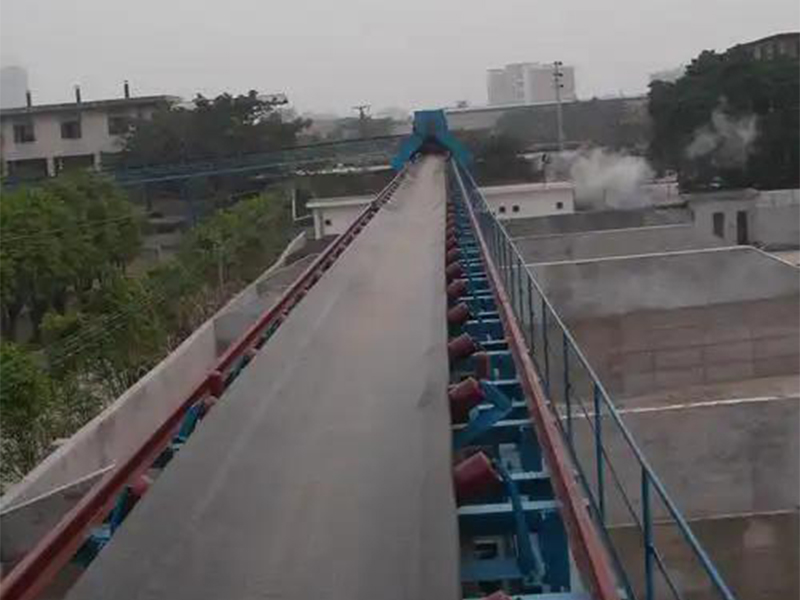
Supplying high-strength steel cord belts to transport hot clinker from kiln lines. Under continuous thermal stress, the belts maintained reliable physical characteristics and adhesion values.
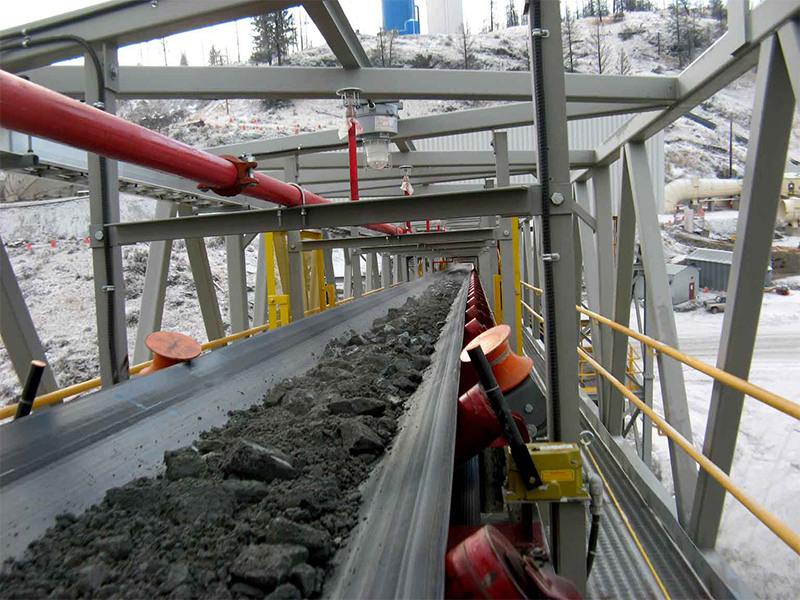
Used in underground mines with strict flame-retardant requirements (ISO 340). Provided reliable coal transport without ignition hazards under heavy loads.
Answers to key engineering questions regarding specifications, safety compliance, and system design.
ISO 340 specifies a testing method to determine a conveyor belt's flame propagation characteristics. The test requires removing the burner flame from the test piece and measuring the duration of combustion. To pass, the flame must self-extinguish within a specified time, and any rekindling must not exceed strict limits. This ensures the belt won't propagate fire along a conveyor installation.
We use high-adhesion rubber compounds combined with zinc-coated steel cords. The zinc coating creates a sacrificial anode effect, protecting the steel core from oxidation. In addition, the rubber matrix is formulated to fully penetrate the cord bundles, eliminating internal voids where moisture could accumulate.
Transverse steel breakers act as a mechanical barrier above and below the main longitudinal steel cables. If a sharp object pierces the belt cover, the transverse cords limit the tear from propagating longitudinally. This localizes damage and prevents catastrophic, full-length splits.
Flame retardancy and high-heat resistance require different compound designs, but they can be combined. By blending chlorinated polymers with mineral heat stabilizers, we can formulate rubber covers that resist thermal degradation up to 200°C while maintaining self-extinguishing properties.
Depending on material characteristics, drop heights, maintenance, and operating conditions, our steel cord belts are built to last 5 to 10+ years. High-grade cover materials and regular inspection protocols help maximize operational service life.
Explore our supporting components designed to optimize bulk material handling operations.
 Boao Rubber