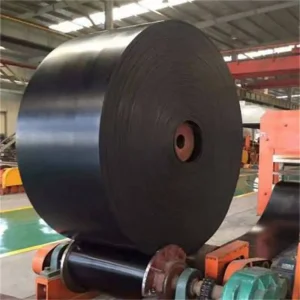
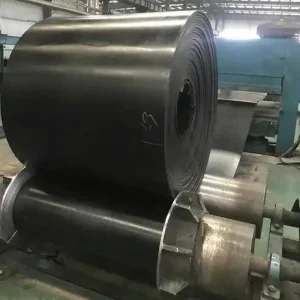
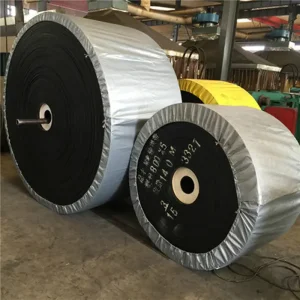
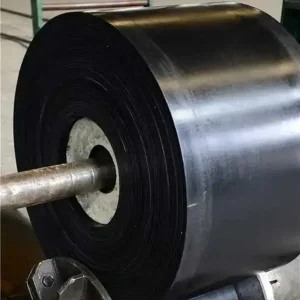
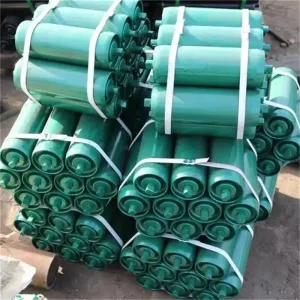
Direct from our state-of-the-art production lines. Experience unmatched performance in high heat, acid, and alkali scenarios.
An Industrial White Paper on High-Temperature Resistance, Heat Stability, and Lifetime Cost Efficiency
In modern industrial material handling, the limits of standard rubber compounds like Natural Rubber (NR) and Styrene-Butadiene Rubber (SBR) are frequently exceeded by the harsh thermochemical demands of heavy processing plants. In sectors like metallurgy, cement manufacturing, and energy generation, materials like hot sintered ore, clinker, and chemical slag can exceed temperatures of 200°C, with peaks up to 400°C. Under these severe heat regimes, standard compounds degrade through rapid thermal oxidation, cross-linking, and subsequent embrittlement, leading to catastrophic belt failures.
This is where Ethylene Propylene Diene Monomer (EPDM) conveyor belts demonstrate their engineering superiority. By employing a fully saturated polymer backbone, EPDM provides outstanding resistance to heat, oxidation, ozone, and chemical exposure. Unlike unsaturated rubbers, which possess carbon-carbon double bonds in their main polymer chain, the main chain of EPDM is completely saturated, rendering it highly resistant to chemical cracking and thermal breakdown. Our "Jinao" brand EPDM belts utilize proprietary vulcanization recipes optimized to maximize polymer cross-linking density, maintaining belt elasticity and tensile strength under long-term thermal loads.
When conventional elastomer conveyor belts are exposed to hot materials, heat penetrates the outer rubber cover and migrates to the internal carcass. This triggers a chemical reaction called heat aging, causing the rubber to harden, lose its flex life, and crack. These micro-cracks allow abrasive particles and moisture to reach the textile or steel reinforcement, accelerating cover peeling and eventual rupture. EPDM belts prevent this through a combination of slow oxidation kinetics and a high energy barrier for polymer chain scission. This extends the service life of conveyor assets by 2x to 3x compared to SBR or general-purpose rubber alternatives, lowering the Total Cost of Ownership (TCO).
Engineered for maximum reliability under extreme industrial conditions
Our vulcanization process creates a resilient molecular grid within the EPDM compound, preventing deformation and cover degradation at sustained high temperatures.
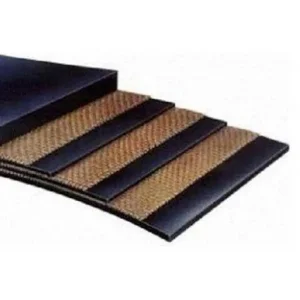
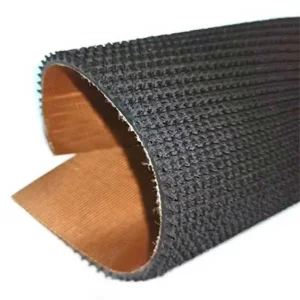
Utilizing high-tenacity Polyamide (NN), Polyester (EP), or Steel Cord cores to ensure low elongation, high tensile strength, and exceptional fatigue resistance.
Engineered to handle hot sintered ore, cement clinker, chemicals, and fertilizers without degradation, swelling, or cracking.
Providing customized material transport solutions across challenging working environments worldwide
Industrial operations vary significantly depending on geography, climate, and local raw materials. Hebei Boao Rubber Technology designs and manufactures specialized conveyor belts tailored to these localized challenges:
In steel mills located in industrial hubs across Europe, Asia, and North America, hot sintered ores and coke are transported from sintering beds to blast furnaces at temperatures between 150°C and 300°C. Standard belts fail rapidly under these conditions. Our heat-resistant EPDM conveyor belts are designed to withstand thermal cycling without cracking, ensuring continuous, high-volume production for integrated steel plants.
In dry-process cement plants worldwide, clinker leaves rotary kilns at temperatures exceeding 250°C. Handling this highly abrasive, hot material requires both thermal stability and high abrasion resistance. Our EPDM belts, coupled with optimized covers, prevent heat cracks from forming, protecting the fabric carcass and extending the service life of clinker conveyors.
Chemical processing and fertilizer plants in coastal regions face a combination of extreme conditions: corrosive chemical environments (acid/alkali), humidity, and heat. Our acid- and alkali-resistant conveyor belts are engineered to withstand chemicals like phosphate and sulfuric acid without losing structural integrity or swelling.
In high-latitude mining regions, conveyor belts must perform reliably in both sub-zero winter temperatures and warm summer environments. Our specialized cold-resistant and flame-retardant rubber conveyor belts provide reliable operation in harsh, remote mining operations, including coal, gold, and copper mines.
Founded in 2004 | 30+ Acres | Brand: "Jinao" | Quality-Driven Production
Based in the Rubber Industrial Park of Boye County, Baoding, Hebei Province, Hebei Boao Rubber Technology Co., Ltd. has established a robust, vertically integrated manufacturing model. Operating in a 30-acre facility, we combine raw material sourcing, compound mixing, fabric weaving, calendering, building, and vulcanization within a single continuous process. This integration insulates our operations from supply chain disruptions, allowing us to maintain stable pricing and reliable delivery lead times for our customers.
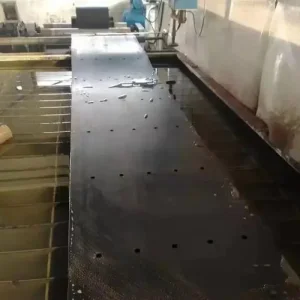
Our facility houses advanced production lines for rolling, forming, vulcanizing, and testing rubber. By managing the compounding process in-house, we can control the ratio of EPDM polymer, carbon black, and plasticizers. This ensures that every batch of rubber meets strict international standards for tensile strength, elongation at break, and thermal degradation resistance.
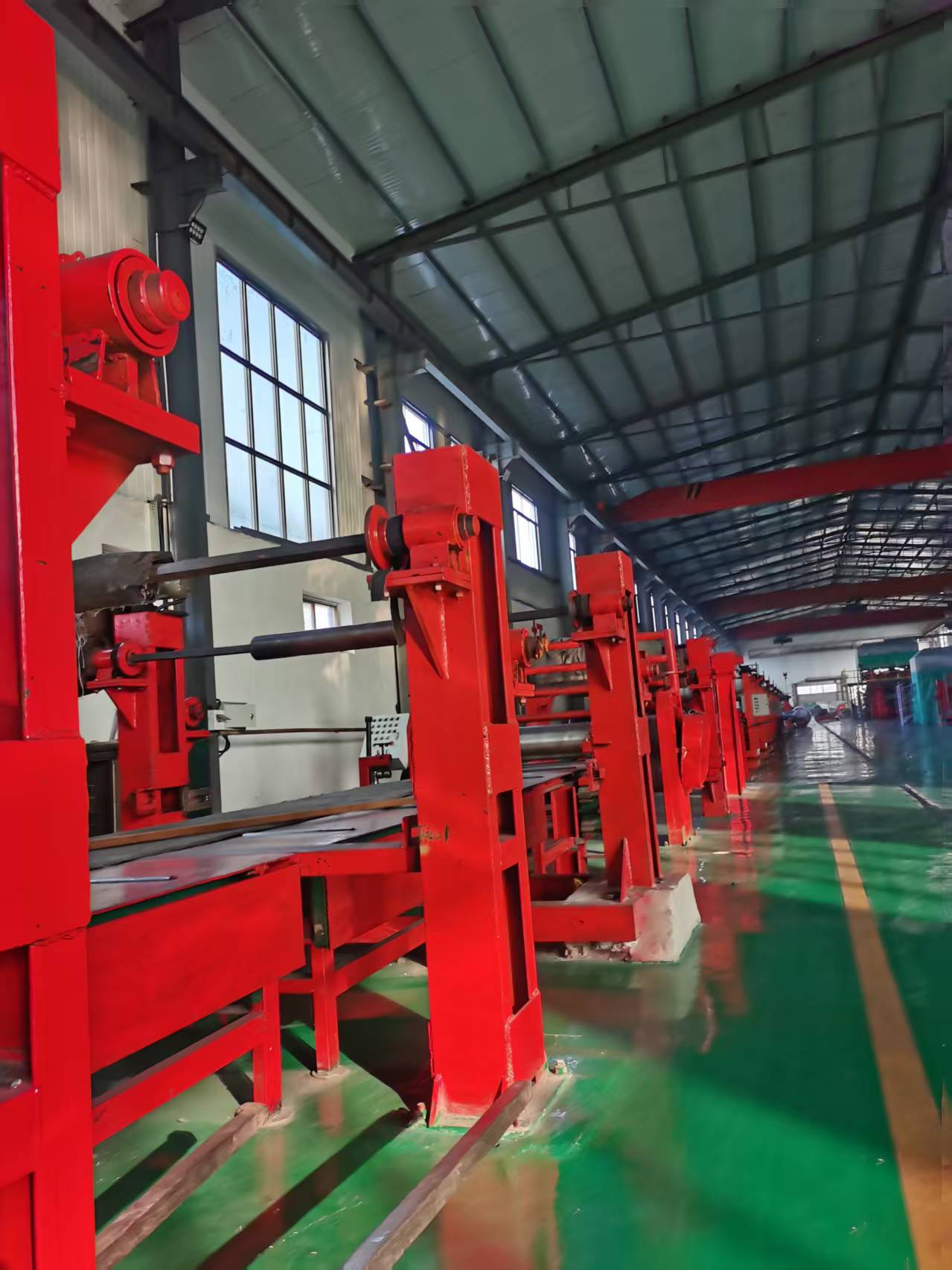
Fabric Conveyor Belt Line
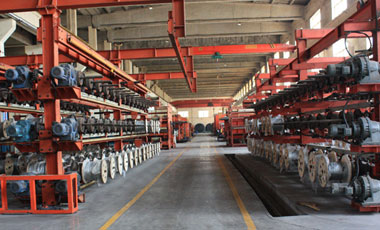
Steel Cord Conveyor Belt Line
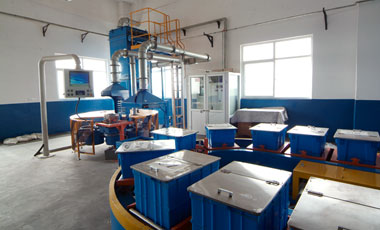
Mixing Center Proportioning Room
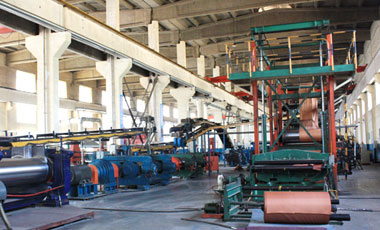
Calendering & Shaping Machine
Advanced physics and chemistry laboratories ensuring 100% compliance with global standards
Our quality control system operates on a simple principle: unqualified raw materials are not accepted, and non-compliant finished products do not leave the factory. Our testing laboratory is equipped with advanced testing apparatuses, including tensile testers, rheometers, ozone exposure chambers, DIN abrasion testers, and adhesion testers. We test every production run to ensure compliance with standards like ISO 4192, DIN 22102, and RMA.
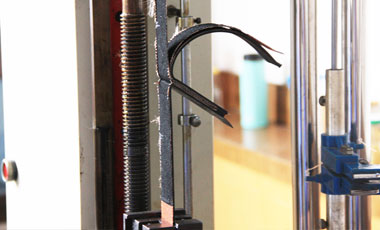
Adhesion & Peeling Test
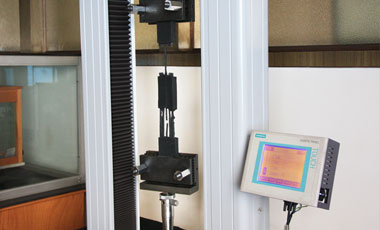
Steel Cord Pull-out Testing
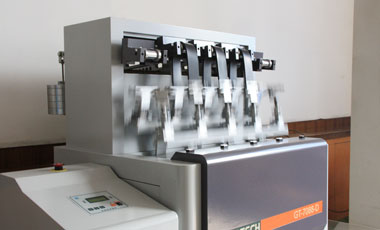
Dynamic Fatigue Tester
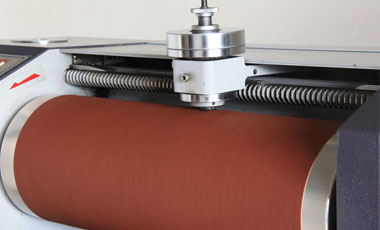
DIN Abrasion Tester
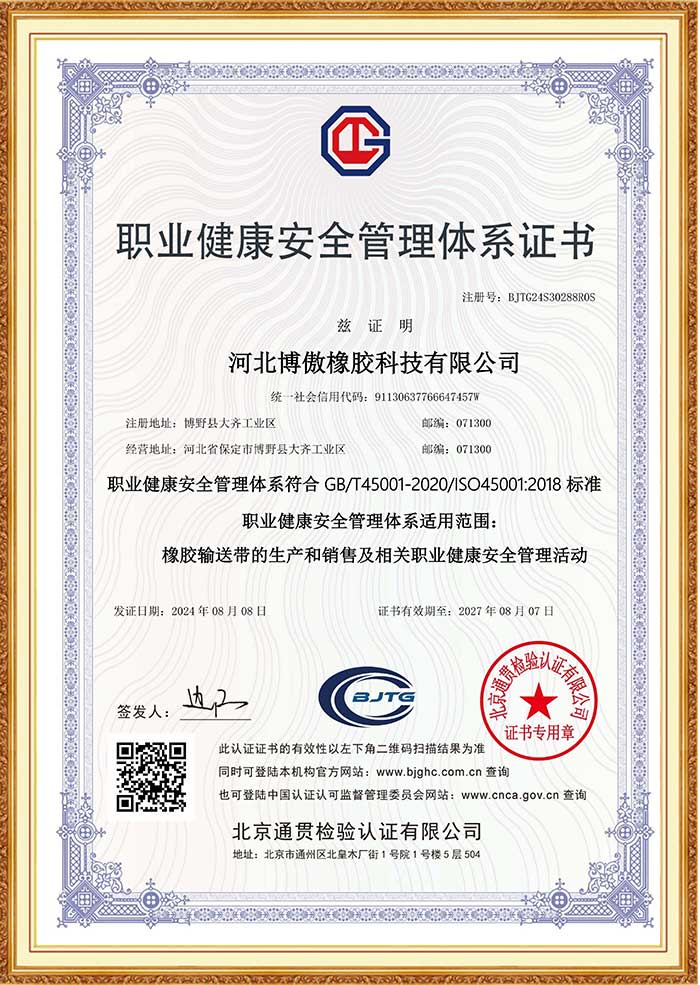
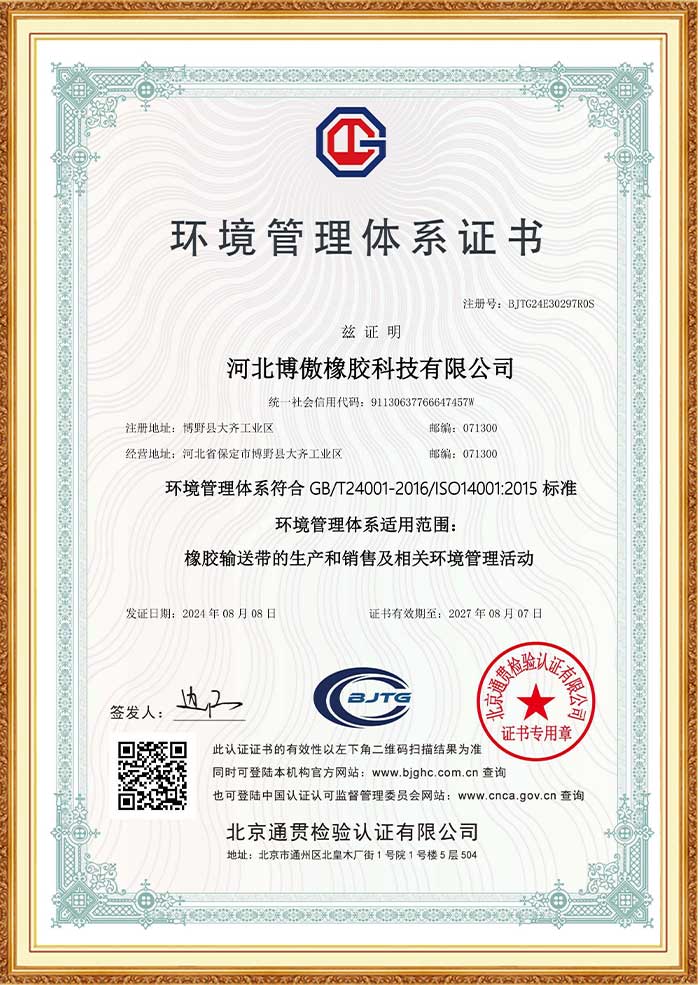
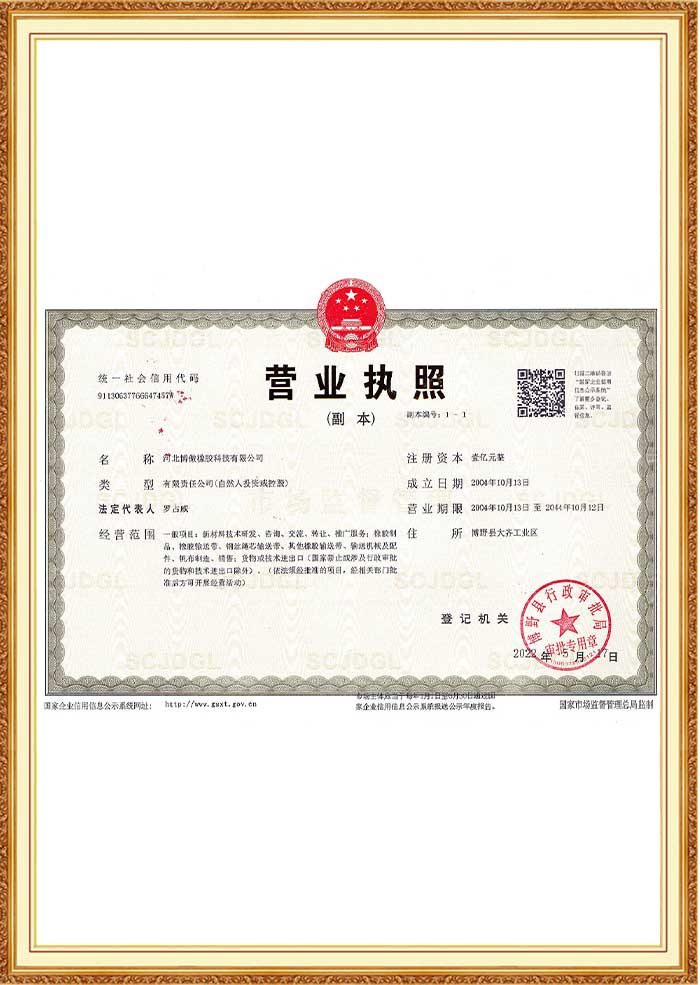
Certified Quality Management Systems: API 6D, API 607, CE, ISO9001, ISO14001, ISO18001
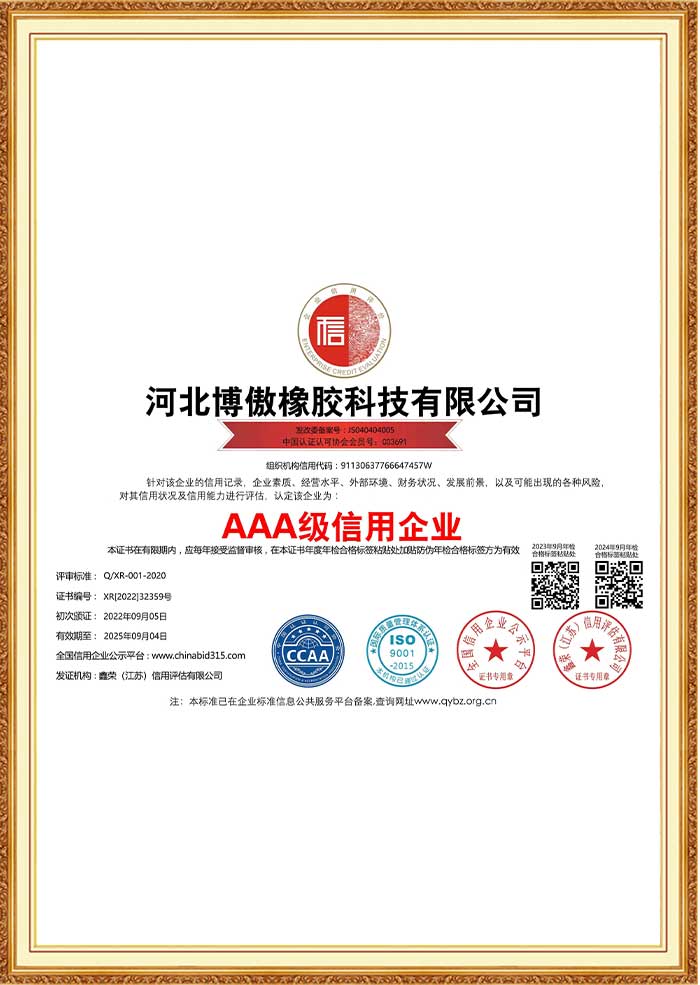
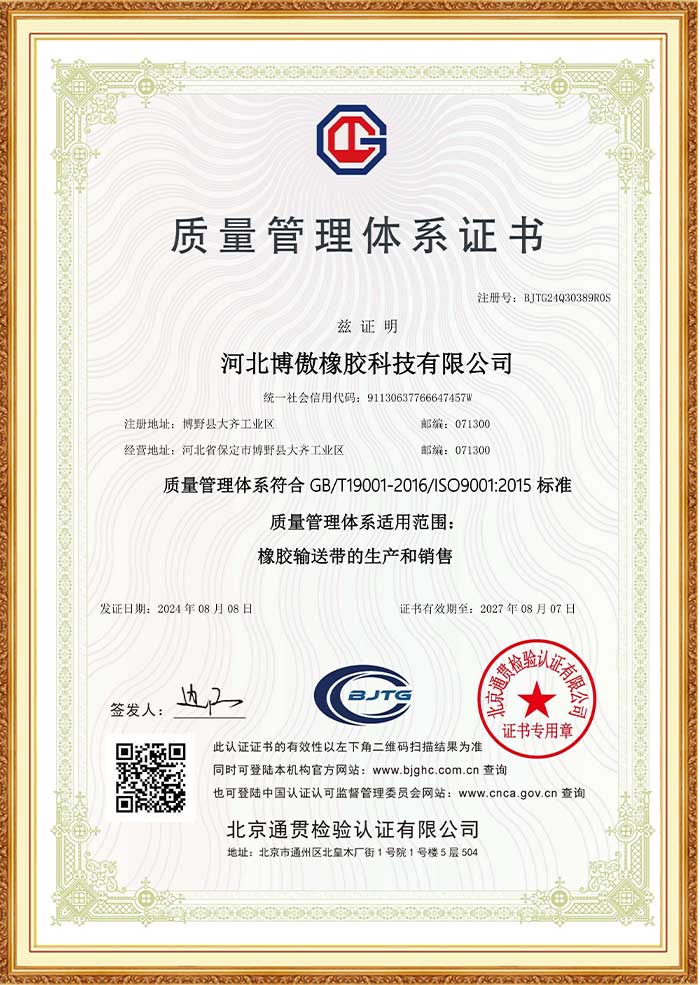
Serving leading enterprises in the steel, cement, coal, power generation, and port sectors
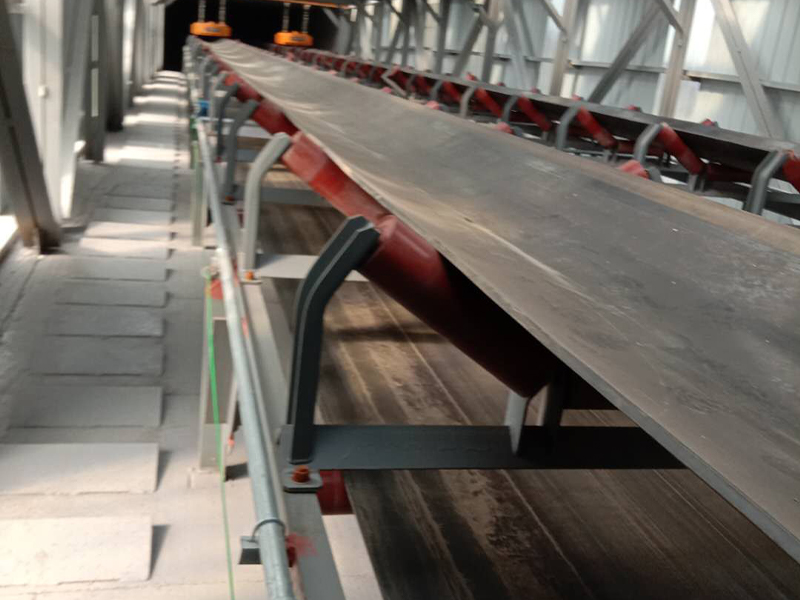
Taihang Steel Group
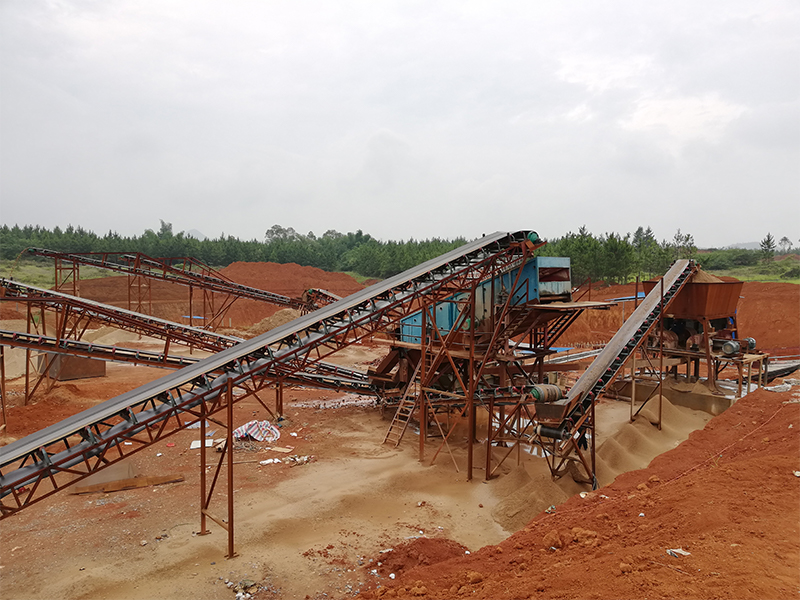
Tsingshan Group
Zijin Mining
Conch Cement
China Railway Group
Datong Coal Group
Jidong Cement Group
Puyang Steel Group
Developing the next generation of smart, sustainable, and wear-resistant conveyor systems
Material handling technology is evolving to meet rising safety, sustainability, and efficiency standards. Hebei Boao Rubber Technology is investing in key areas to develop the next generation of conveyor systems:
We are actively researching bio-based plasticizers and recycled rubber fillers to lower the carbon footprint of our conveyor belts. By refining our mixing and vulcanization chemistry, we aim to reduce energy consumption during production while maintaining the durability and performance of our rubber covers.
To reduce unscheduled downtime, we are developing EPDM belts with integrated RFIDs and electronic sensors. These embedded sensors monitor structural integrity, cover wear, and operating temperature in real-time, sending data directly to maintenance teams before a minor issue causes a system shutdown.
Working in enclosed industrial areas like underground mines or power station galleries requires high levels of fire safety. We are testing flame-retardant additives that improve EPDM's fire resistance without compromising its physical strength or heat performance.
Expert answers to technical queries regarding EPDM belts, performance metrics, and procurement
Our EPDM conveyor belts are designed to handle continuous material temperatures ranging from 150°C (302°F) to 200°C (392°F). In batch operations, they can withstand short peaks of up to 400°C (752°F). However, the actual lifetime of the belt depends on factors like material type, particle size, load frequency, and overall conveyor length.
EPDM features a fully saturated polymer backbone. This lack of double bonds prevents heat, oxygen, and ozone from breaking down the chemical structure. Unsaturated rubbers like SBR or NR quickly harden, lose flexibility, and crack under high temperatures, which exposes the inner fabric layers and leads to belt failure.
Yes, we provide technical service plans that cover planned belt replacements, inspections, emergency repairs, and vulcanized splicing. We supply high-quality splicing kits, jointing rubber, and step-by-step technical guidance to ensure your field joints match the strength of the original belt.
We utilize high-strength Polyamide (NN) and Polyester (EP) fabric carcasses. NN fabrics provide high flexibility, excellent impact resistance, and good troughability. EP fabrics offer high tensile strength, low elongation, and minimal moisture absorbency, making them ideal for long-distance conveyors.
We operate an in-house chemical analysis lab and physics testing center. We test all incoming raw materials before processing. During and after manufacturing, we perform adhesion tests, tensile strength tests, DIN abrasion resistance evaluations, and heat-aging tests to ensure compliance with global standards.
Contact Hebei Boao Rubber Technology for customized material handling configurations, technical specifications, and factory-direct wholesale quotes.
Inquire Now & Request Technical CatalogEnsuring system compatibility, operational efficiency, and reduced downtime
 Boao Rubber