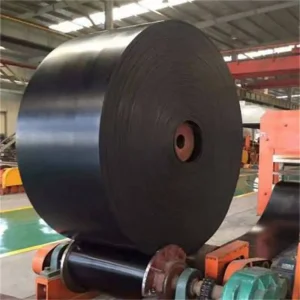
Engineered to handle extreme loads, high impact, and abrasive environments with maximum mechanical stability.
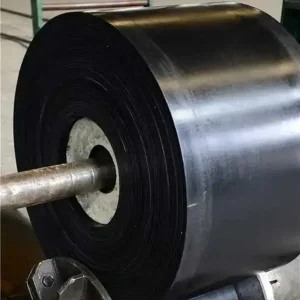
When procurement engineers search for the best black rubber conveyor belt factories, they require more than basic dimensional specifications. The core value of a high-performance belt lies in its compound chemistry. Black rubber covers are formulated using high-grade Elastomers (primarily SBR - Styrene Butadiene Rubber, combined with NR - Natural Rubber for flexibility, and BR - Butadiene Rubber for premium abrasion resistance).
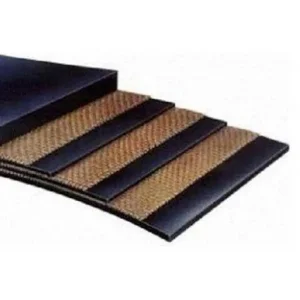
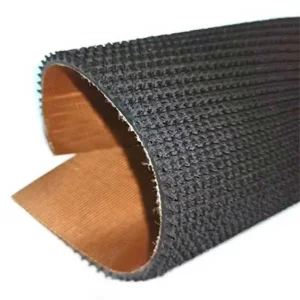
These rubber compounds are specifically vulcanized under massive pressure and heat to meet critical international standards. The wear cover thickness (such as 3mm to 8mm top covers) is custom-calibrated based on the bulk density, drop height, and hardness of the transferred materials, ensuring optimal carcass protection.
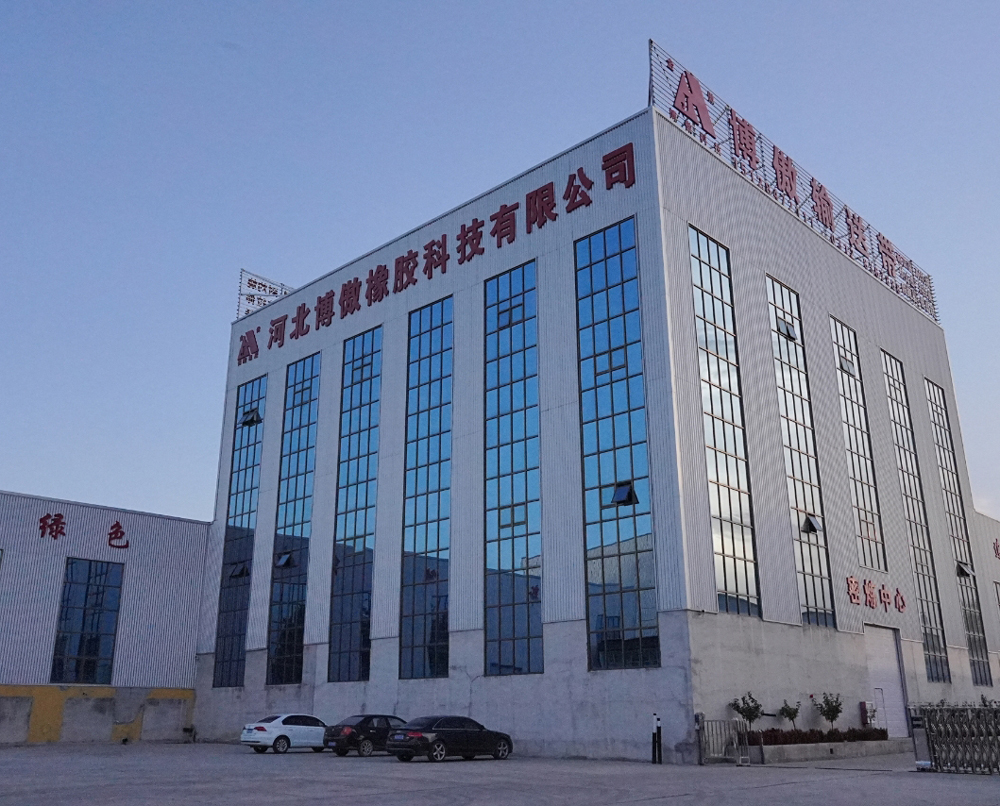
Hebei Boao Rubber Technology Co., Ltd. (Brand: "Jinao")
Established in 2004 and located in the Rubber Industrial Park of Boye County, Baoding, Hebei Province, Hebei Boao Rubber Technology Co., Ltd. has evolved into an advanced manufacturing base integrating product research, formulation design, vulcanization testing, and global logistics.
Operating under our premium brand "Jinao", we host multiple specialized production lines for calenders, molding machines, continuous press vulcanizers, and complete compound processing mills. Our automated internal mixing centers ensure raw materials (polymers, carbon black, and plasticizers) are processed at exact temperatures, minimizing deviations in batch properties and guaranteeing the chemical integrity of the rubber.
Comprehensive Product Catalog:
Our infrastructure features advanced multi-roll calendering systems that bond the rubber covers to the fabric core under micro-processor-controlled tensioning profiles.
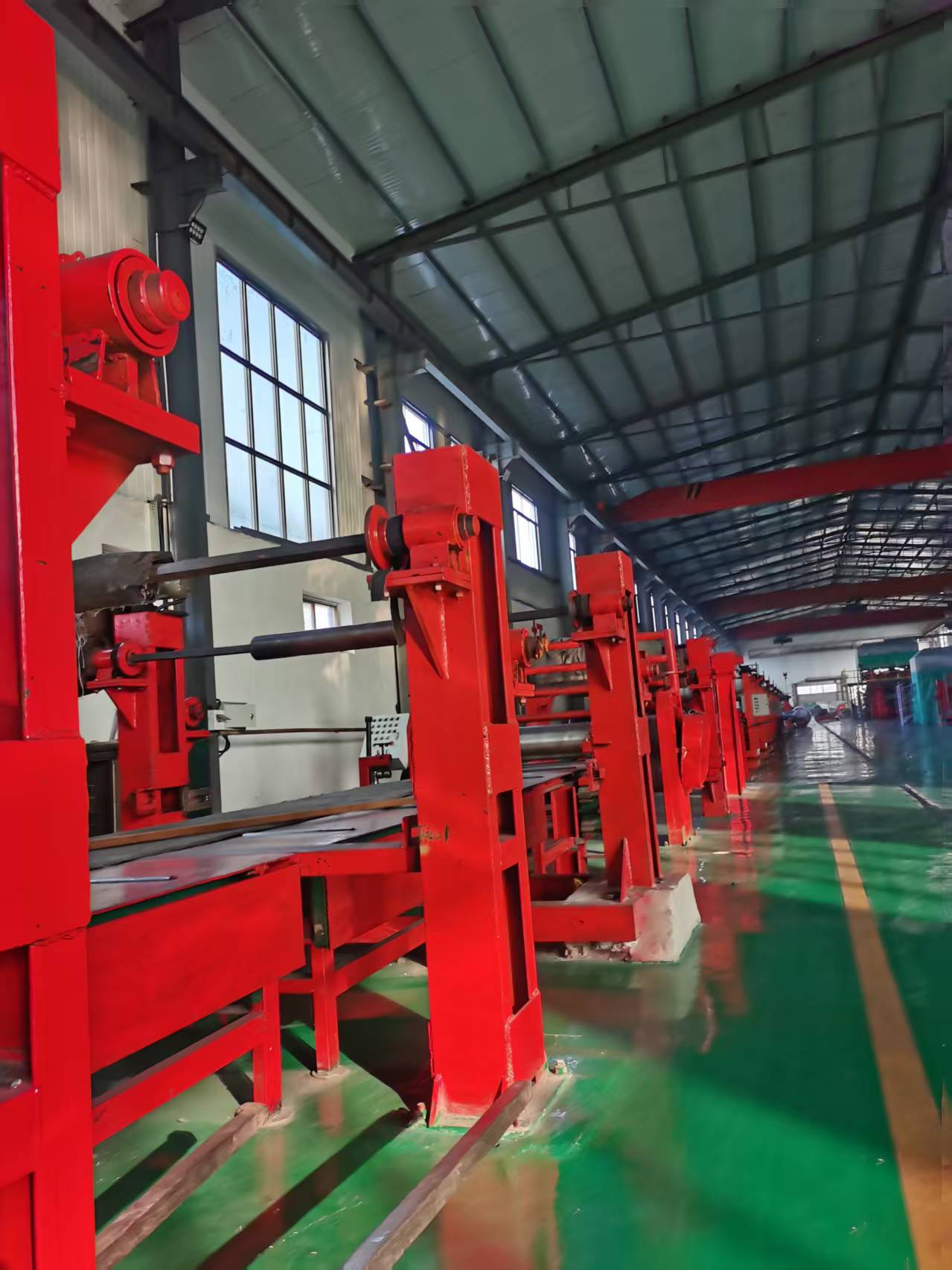
Fabric Belt Line
Steel Cord Press
Proportioning System
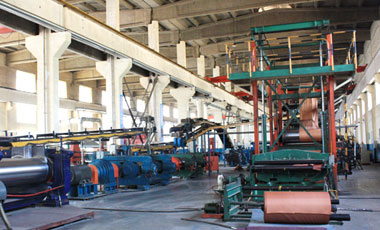
Calendering Machine
Serving major infrastructure, metallurgy, and processing conglomerates globally
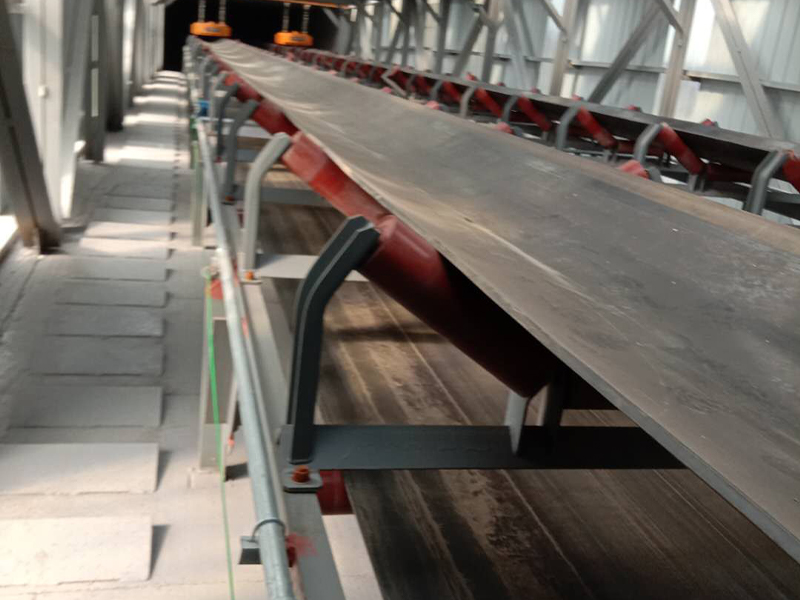
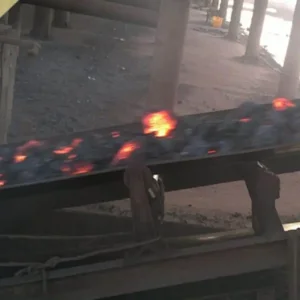
Supplying highly specialized heat-resistant belts capable of transporting hot coke and sinter up to 200°C continuously without delamination.
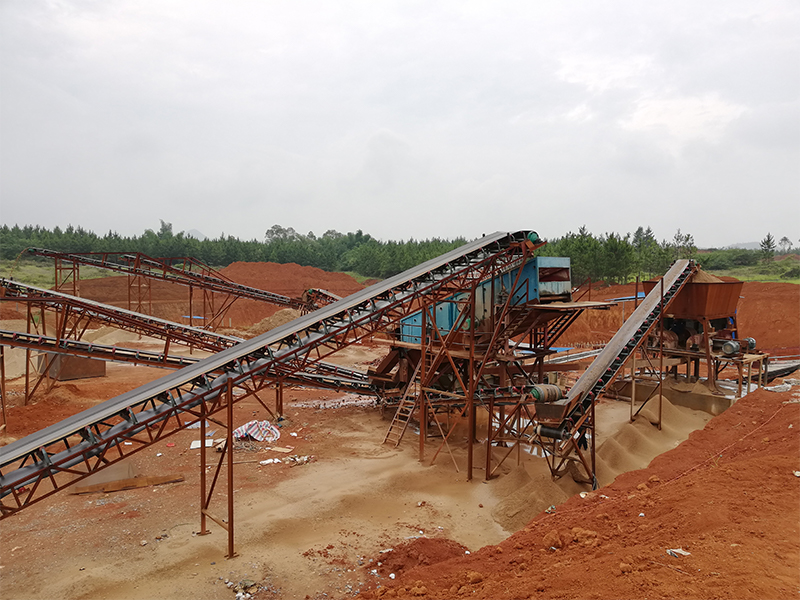
Extremely thick rubber cover belts for deep mining applications, offering high tear resistance against hard, jagged minerals.
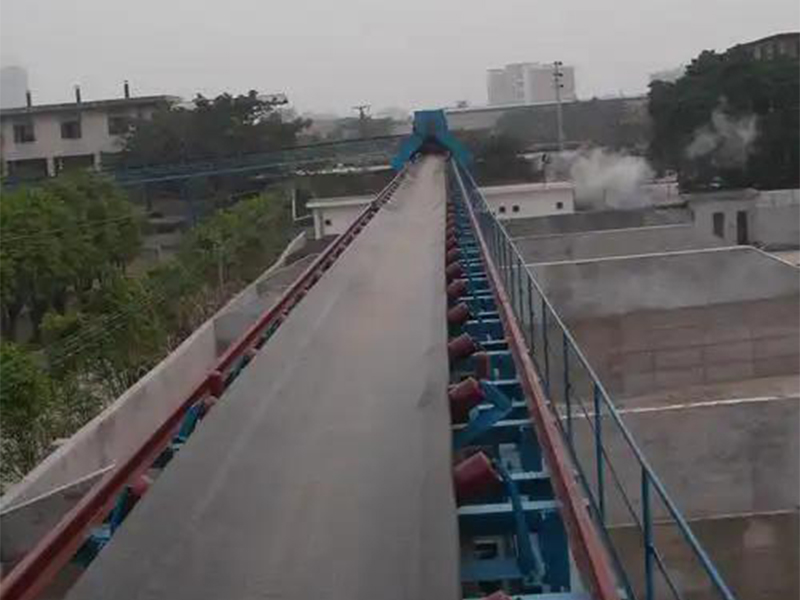
Providing specialized abrasion resistant and flame-retardant (MSHA/ISO standards) belts for coal sorting lines and cement kilns.
Monitoring quality from raw polymer arrivals to final vulcanized belt inspection
To guarantee that every batch meets standard structural requirements, Boao maintains an independent chemical analysis center and physics laboratory. Testing occurs at three critical phases:
We strictly enforce the principle that unqualified compounds are banned from calendering, and finished belts failing to match specification standards are rejected for shipment.
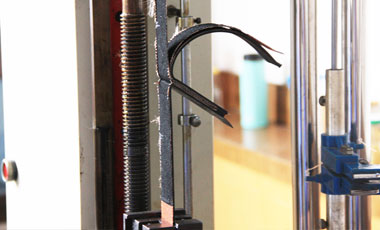
Peeling Adhesion Tester
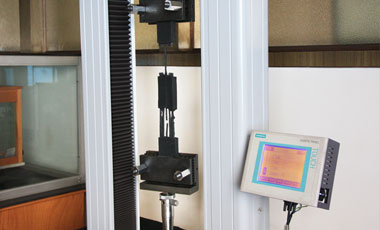
Steel Cord Pull-out Tester
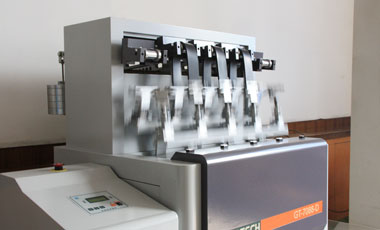
Dynamic Fatigue Tester
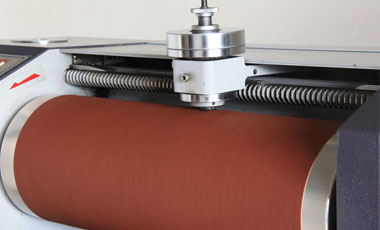
DIN Rotating Drum Abrasion
Minimizing bulk handling system downtime through structured service plans
We supply complete engineering guidelines for on-site hot and cold vulcanized splicing. Proper finger splicing techniques ensure up to 90% tensile efficiency of the original belt strength, mitigating operational failures.
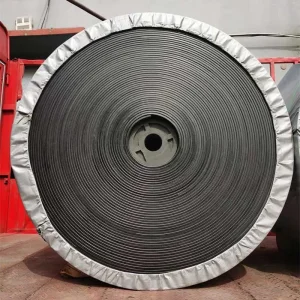
To prevent long delays in key process lines, our factory helps plan strategic warehouse storage parameters. Belts are wound on steel reels, wrapped in protective membranes to prevent UV ozone cracking, and stored horizontally.
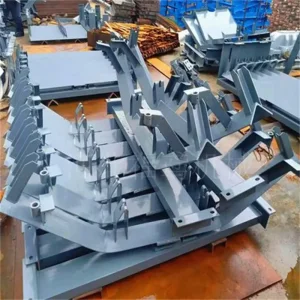
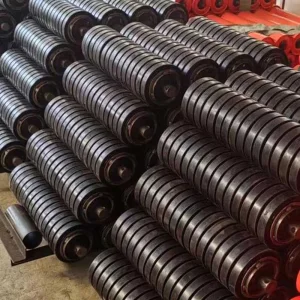
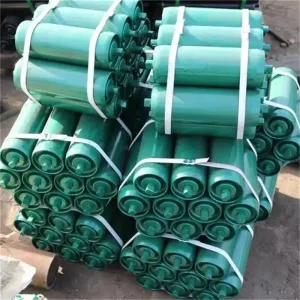
System failures are rarely caused by the belt alone. Our engineers assist clients in analyzing idler positioning, bracket sizing, and impact bed structures to reduce tracking issues and cover wear.
Driving efficiency and intelligence in heavy-duty conveyor systems
To address the global demand for energy conservation in heavy material handling, Hebei Boao Rubber Technology is expanding its R&D into Low Rolling Resistance (LRR) Bottom Compounds. When conveyor belts travel over idlers, they undergo continuous deformation. LRR compounds reduce viscoelastic energy dissipation (indentation rolling resistance), cutting the overall conveyor electrical power draw by up to 12% in long-distance systems.
Additionally, the incorporation of RFID sensor chips and steel cord rip detection systems embedded directly within the core rubber matrix allows automated real-time tracking of belt wear and longitudinal rips. This system auto-trips the power drive in case of a catastrophic tear, protecting expensive conveyor assets.
Furthermore, we are optimizing vulcanization additives to align with international environmental directives. By substituting heavy zinc complexes with organic vulcanizing agents, Jinao brand belts are moving toward a smaller ecological footprint without sacrificing tensile yield or ozone durability.
API 6D, API 607, CE, ISO 9001, ISO 14001, ISO 18001, TS Compliance
Our manufacturing processes conform to global compliance systems, facilitating direct export of our Jinao products to international markets. If you require standard API, CE, or ISO documentation for tender approvals, please contact our support department.
Our packaging processes ensure belts are securely wound, strapped, and crated. We handle shipping documents, customs clearances, and provide site installation guidance through regional distributors.
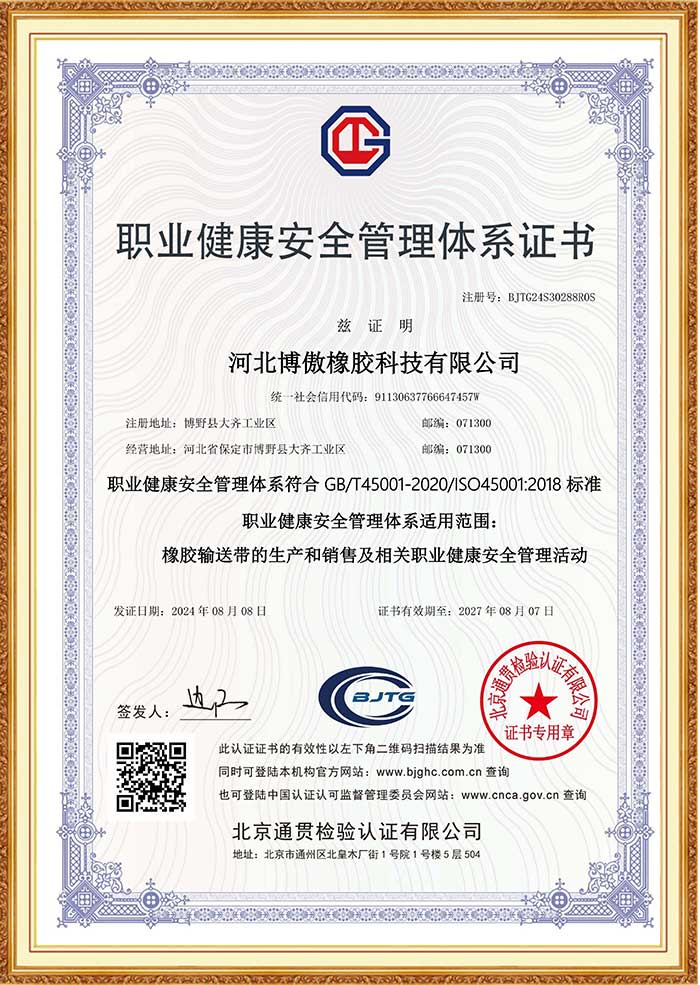
Quality System ISO
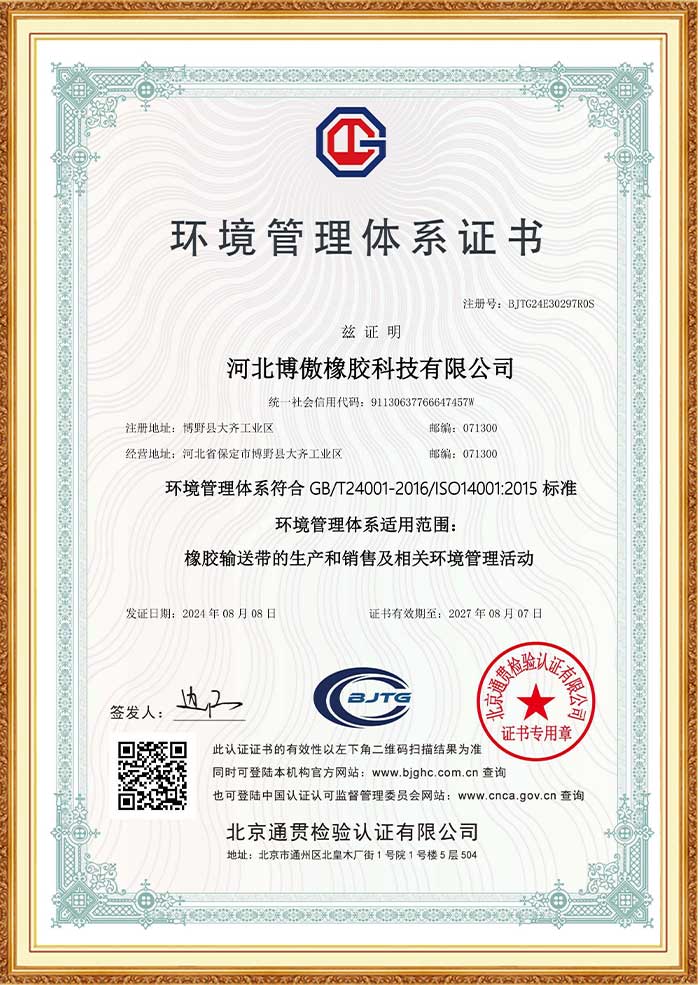
EHS Certificate
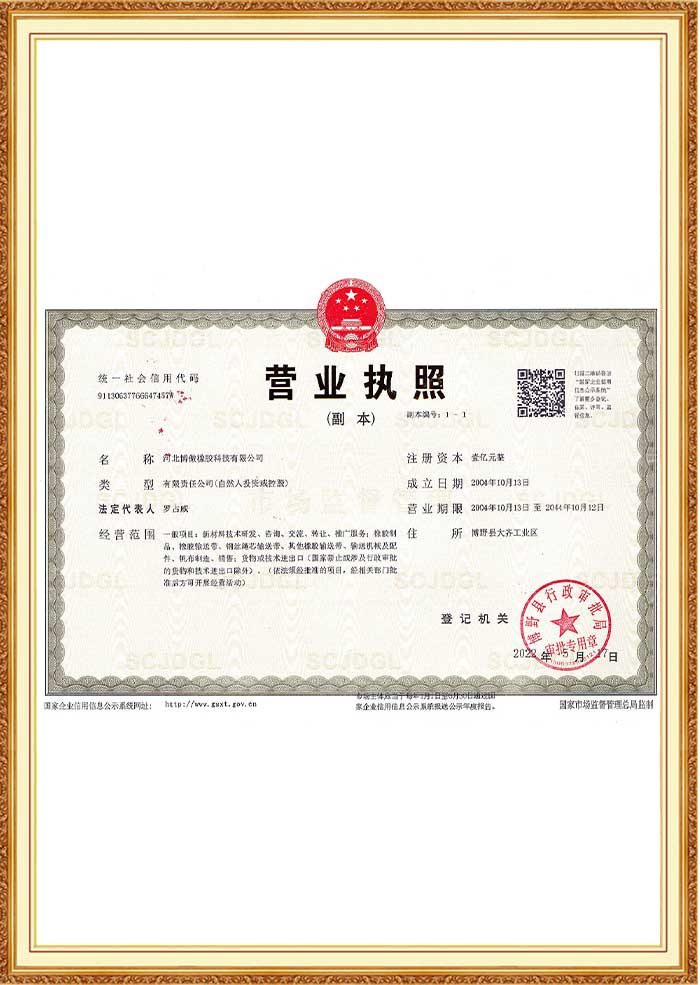
Safety Standard
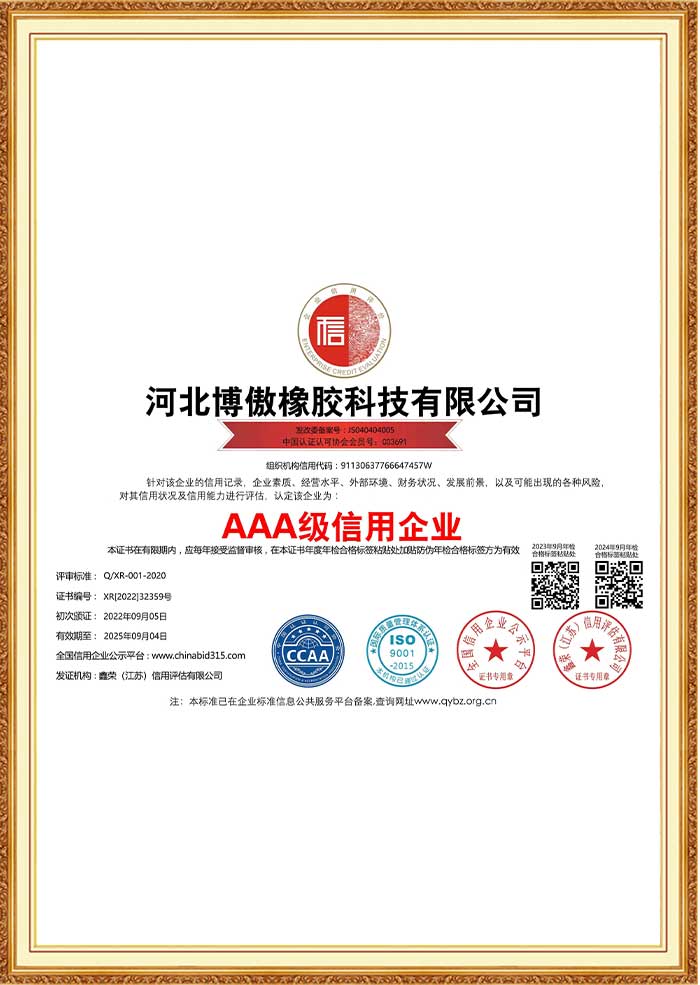
Export Certification
Answering technical queries for conveyor system buyers and operations directors
The choice depends on the material being transported and the wear mechanism. DIN-Y (abrasion loss ≤ 150 mm³) is the standard industrial grade suitable for dry sand, gravel, and coal. DIN-X (abrasion loss ≤ 120 mm³, higher tensile strength) is recommended for high-impact loads of sharp, large-lump materials like metallic ore and limestone. DIN-W (abrasion loss ≤ 90 mm³) is ideal for highly abrasive, fine materials where sliding wear dominates.
Polyester (EP) fabrics feature a polyester warp and polyamide weft, which limits structural stretch (elongation is typically less than 1.5% at rated tension). This minimizes the take-up stroke requirements of your conveyor system. Nylon (NN) fabrics have higher stretch properties, which are better for high-impact drop points but require longer tensioning systems.
Unused rubber belts should ideally be stored indoors away from direct sunlight (UV radiation), moisture, and ozone generators (such as high-voltage electric motors). Storage temperatures should remain between 5°C and 30°C. Prolonged UV exposure cross-links the outer polymer layer, leading to cracking and accelerated aging.
Adhesion strength (measured in N/mm) represents the force required to peel the rubber cover from the reinforcement ply. Low adhesion results in interlaminar separation or delamination, particularly under bending stress around discharge pulleys. Under standard tests, cover-to-ply adhesion should meet or exceed 4.5 N/mm, and ply-to-ply adhesion must exceed 5.0 N/mm.
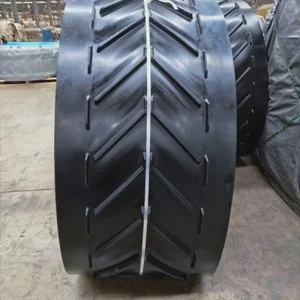
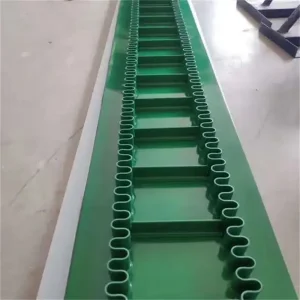
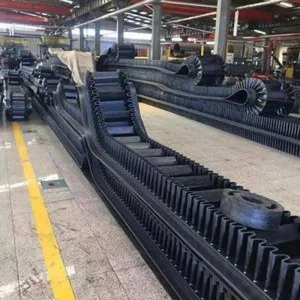
Specialized solutions for bulk conveying, vertical transport, and steep angles
 Boao Rubber