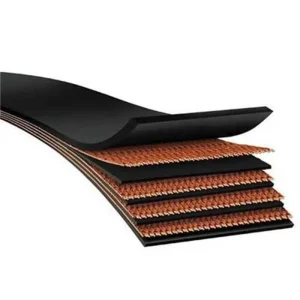
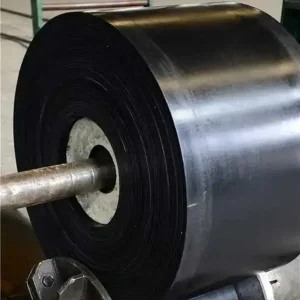
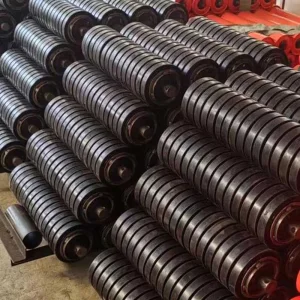
Explore our industrial-grade material handling solutions designed for maximum durability, heat resistance, and extreme operational stress.
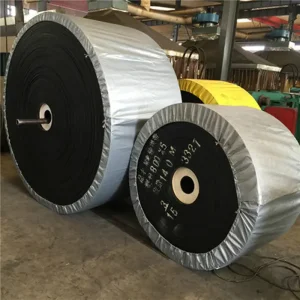
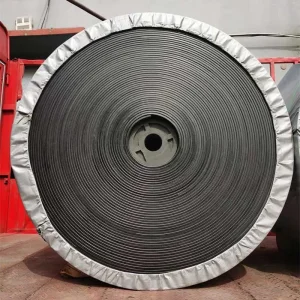
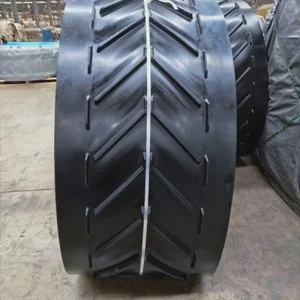
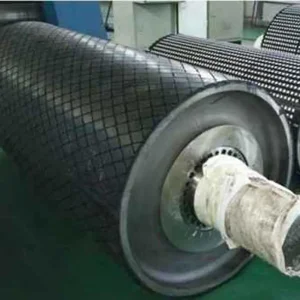
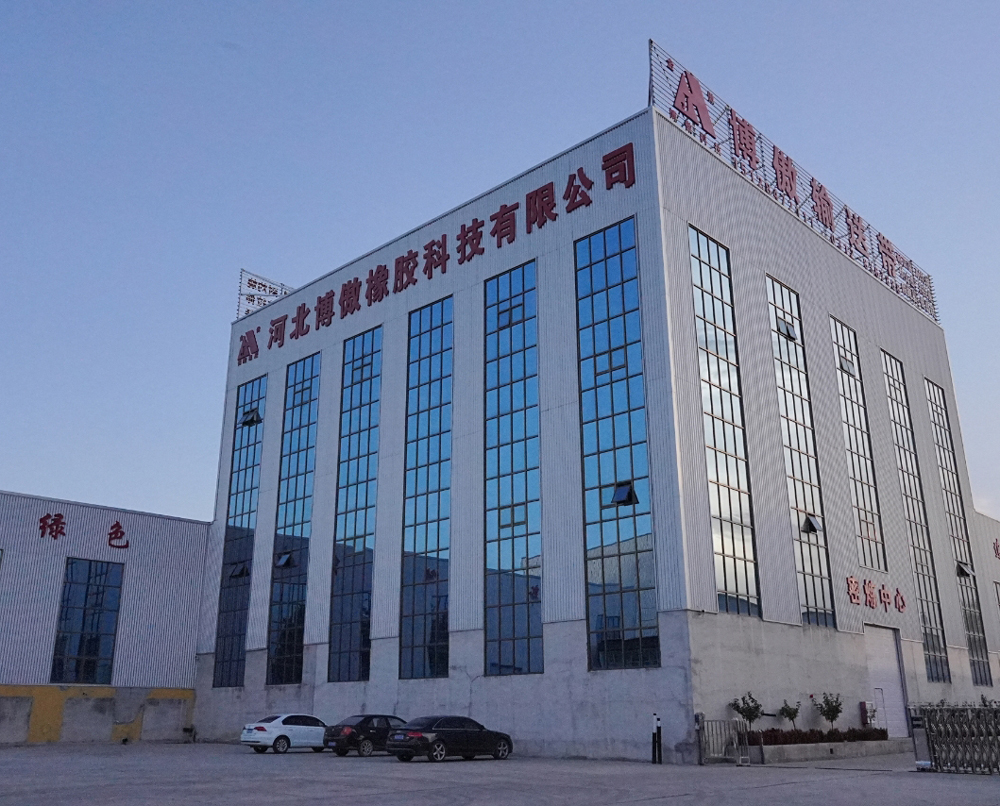
For over 22 years, Hebei Boao Rubber Technology Co., Ltd. (operating the elite "Jinao" brand) has stood as a pioneer in developing, designing, and manufacturing high-tensile strength conveyor belts and matching conveyor machinery accessories. Located in the Boye County Rubber Industrial Park (Baoding, Hebei Province), our facility spans more than 30 acres of advanced manufacturing space.
Our state-of-the-art production floors feature fully integrated lines for calendering, forming, vulcanizing, and exhaustive material testing. We provide a single-source solution from raw polymer analysis to finished conveyor assemblies, certified to international ISO quality management standards.
A deep dive into the metallurgy, chemical adhesion, and structural properties of premium steel wire reinforced rubber conveyor systems.
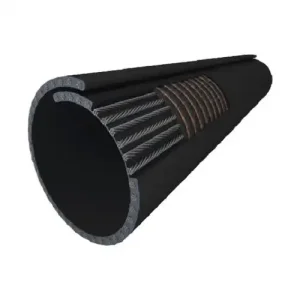
The core strength of a high-tension steel cord belt lies within its internal steel cords. We employ open-structure zinc-coated steel wire ropes (typically configured in 7x7 or 7x19 patterns) that allow raw rubber compounds to completely penetrate the cord during vulcanization. This structural penetration prevents core-to-cord corrosion and avoids inner moisture migration in case of cover damage.
By spacing the cords with high-precision pitch tolerances, we ensure uniform load distribution across the entire belt width. This minimizes tracking errors and eliminates splice joint failure zones, enabling our belts to handle tension ranges from ST500 up to ST7500.
Delamination of the rubber covers from the inner steel wire is the primary point of failure for low-grade conveyor belts. At Boao, our chemical compounders use specialized bonding agents (such as high-affinity cobalt salts and HRH dry-bonding systems) that form a chemical bond with the zinc coating of the steel cords.
Our pull-out testing limits exceed ISO 15236 standards, ensuring that even under severe flexural stress and high-frequency cyclical bending around drive pulleys, the core reinforcement remains fully bonded to the surrounding matrix.
| Performance Parameters | Multi-Ply EP/NN Fabric Belts | Jinao Steel Cord Belts (ST Series) | Engineering Benefit |
|---|---|---|---|
| Ultimate Tensile Rating | Up to 2,000 N/mm | Up to 7,500 N/mm | Ideal for ultra-long distance conveyor systems without transfer stations. |
| Elongation at Working Load | 1.5% to 2.5% (High Elongation) | < 0.2% (Minimal Elongation) | Saves space by utilizing shorter take-up stroke lengths. |
| Troughability Index | Moderate (Depends on ply stiffness) | Exceptional (Excellent flex profile) | Increases volumetric carrying capacity and limits edge spillage. |
| Impact Resistance | High elastic recovery | Severe impact resistance with steel weft | Protects the belt from large ore boulders dropping at transfer points. |
| Expected Service Lifetime | 3 - 5 Years (Average) | 10 - 15+ Years (Heavy Wear) | Substantially lowers the total cost of ownership (TCO). |
Engineered to perform in the most severe operational conditions across diverse geographical terrains.
Requires strict compliance with flame-retardant safety standards (such as MT914 in China, or MSHA in North America). Our flame-retardant formulation self-extinguishes instantly to prevent propagation of underground mine fires.
Handling bulk iron ore and coal at speeds exceeding 5 m/s. High wind loads and salt-spray moisture demand our premium corrosion-resistant zinc alloy coated steel cords to maintain dynamic fatigue life.
Spanning mountainous paths across kilometers without intermediate transfers. Low-elongation properties of steel cord belts reduce take-up tower heights and lower drive motor stress, reducing power usage.
Combining advanced industrial cluster economics with world-class quality controls for highly competitive logistics.
Our factory is located in the Boye County Rubber Industrial Park, the heart of China’s rubber manufacturing cluster. This strategic location provides access to premium raw chemicals, synthetic polymers, and high-tensile steel cord materials within a 50-mile radius.
By integrating advanced automated batch compounding systems with high-pressure vulcanizing presses, we reduce production cycles by 20-30% compared to Western manufacturers. Furthermore, our proximity to Tianjin Port provides streamlined shipping routes, ensuring reliable international delivery schedules.
From raw materials testing in our physical laboratories to the final visual inspection, we follow a strict zero-defect policy. No batch leaves our factory without passing peeling tests and dynamic tension trials.
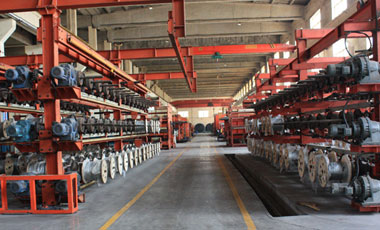
Steel Cord Belt Press
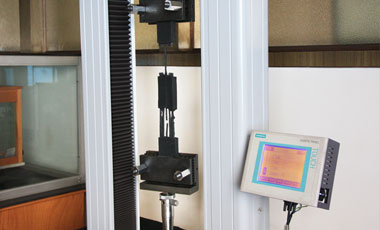
Cord Pull-out Testing
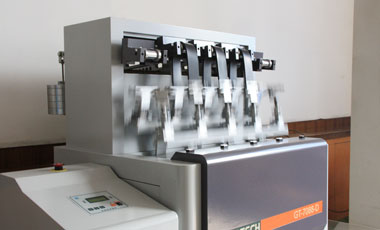
Dynamic Fatigue Tester
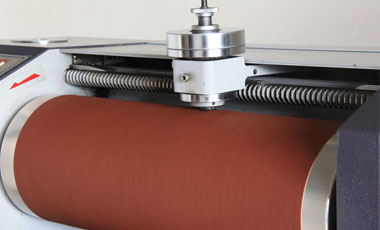
Abrasion Tester
From cement terminals in the tropics to high-wear metallurgy plants, our belts serve the world's most heavy-duty sites.
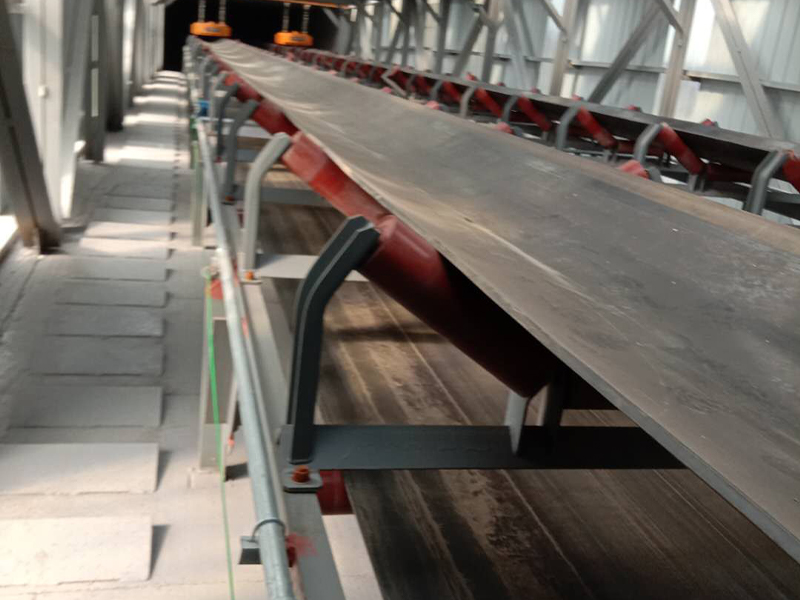
Conveying hot sinter and coke material under extreme conditions. Extended belt lifetime by 40% using custom heat-resistant compounds.
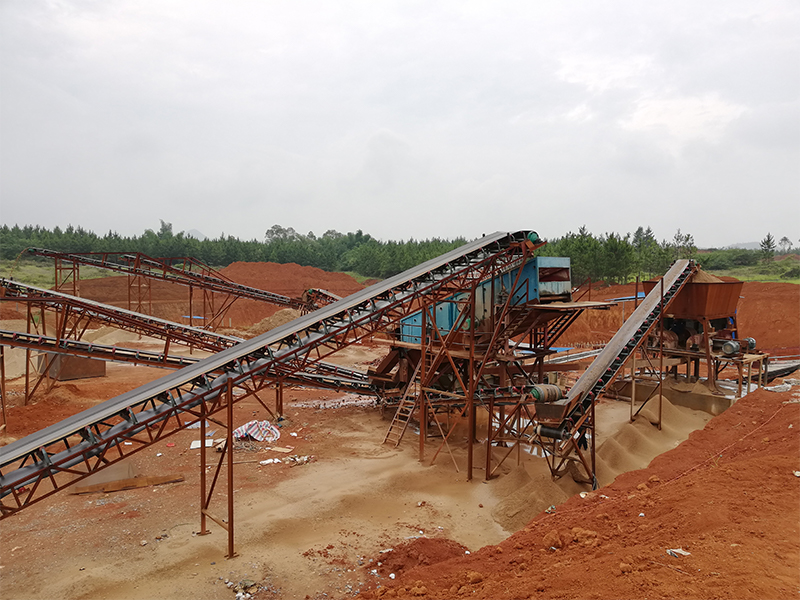
Nickel ore handling systems using heavy-duty impact-resistant steel wire reinforcement to withstand severe drop zones.
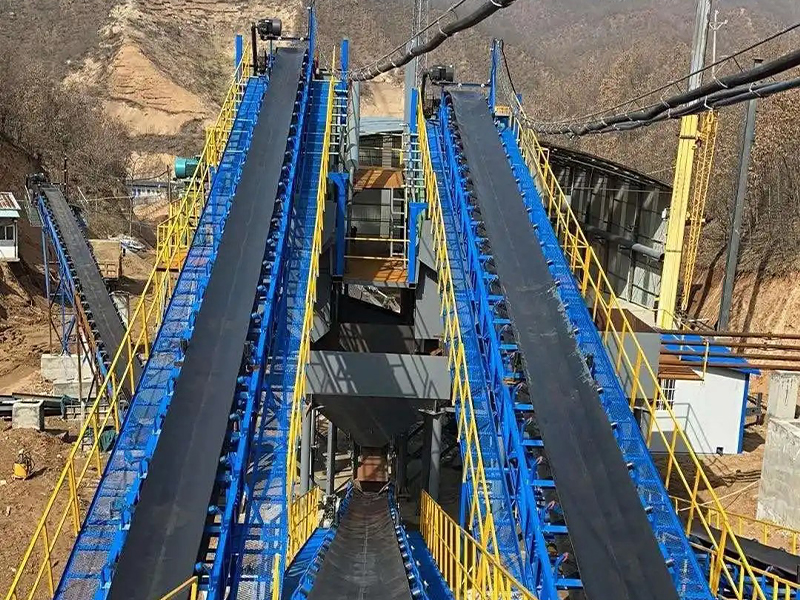
Deep underground minerals haulage with high slope gradients. Steel cord core prevents elongation and slippage on conveyor drives.
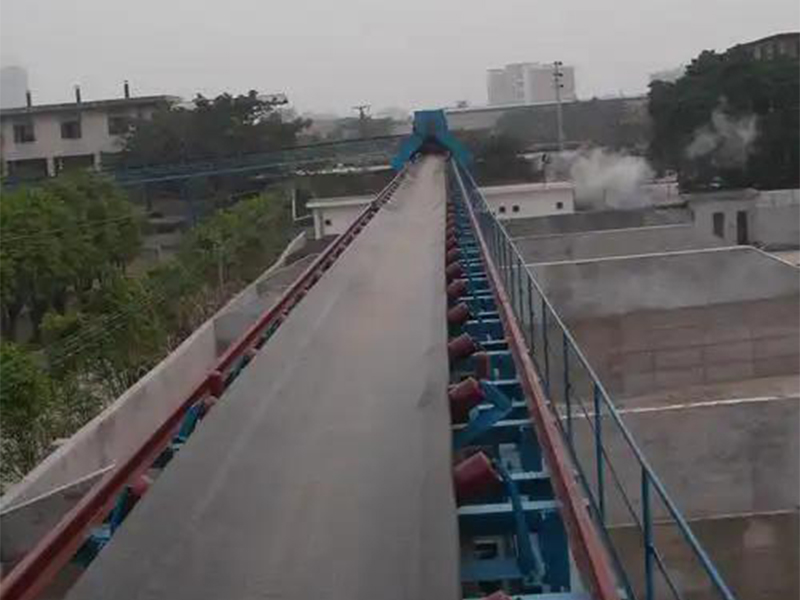
Bulk clinker transport using specialized abrasive-resistant rubber covers to protect internal steel wires from wear.
Our manufacturing processes conform to globally recognized standards: API 6D, API 607, CE, ISO9001, ISO14001, ISO45001, and TS. We provide comprehensive technical services, including:
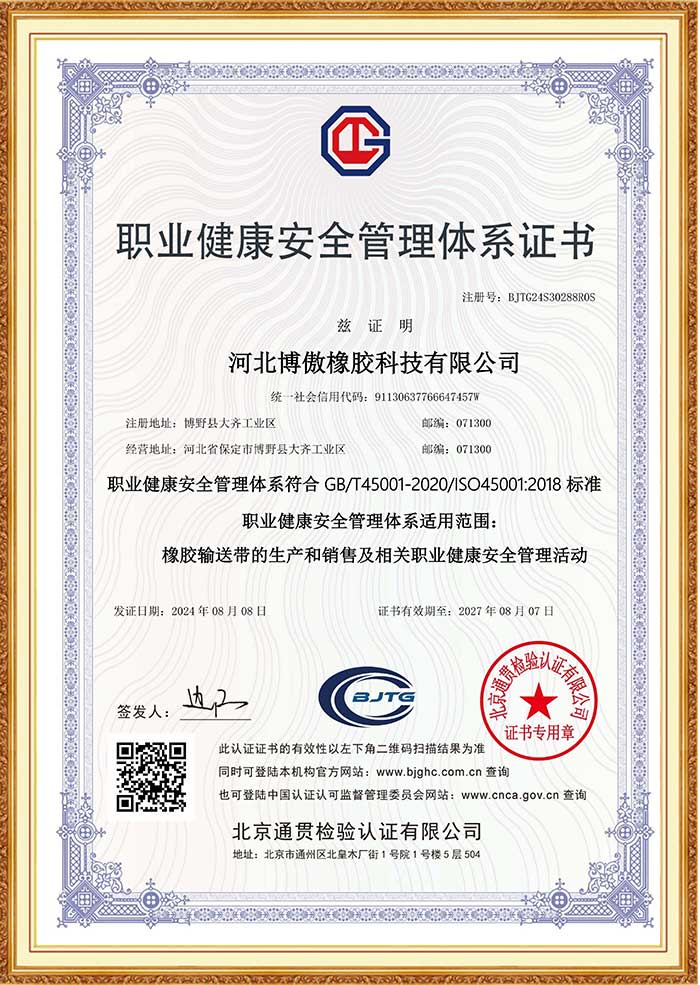
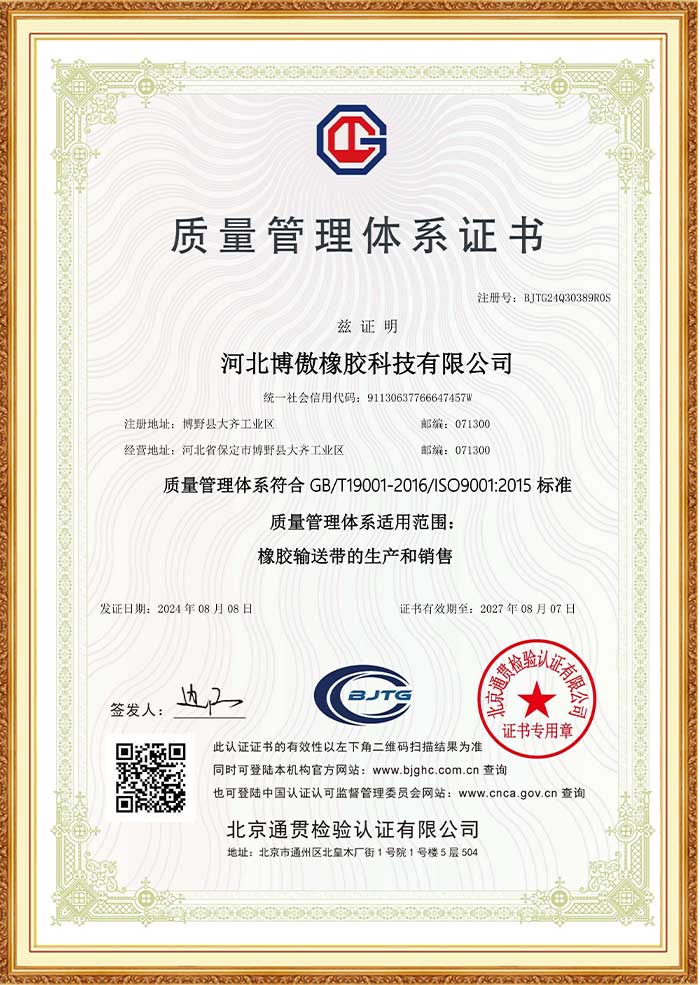
In-depth technical answers regarding installation, compound specification, and steel wire maintenance.
Premium steel cord reinforced, patterned, and specialty conveyor components engineered to optimize your material handling lines.
 Boao Rubber